Hanakanzashi
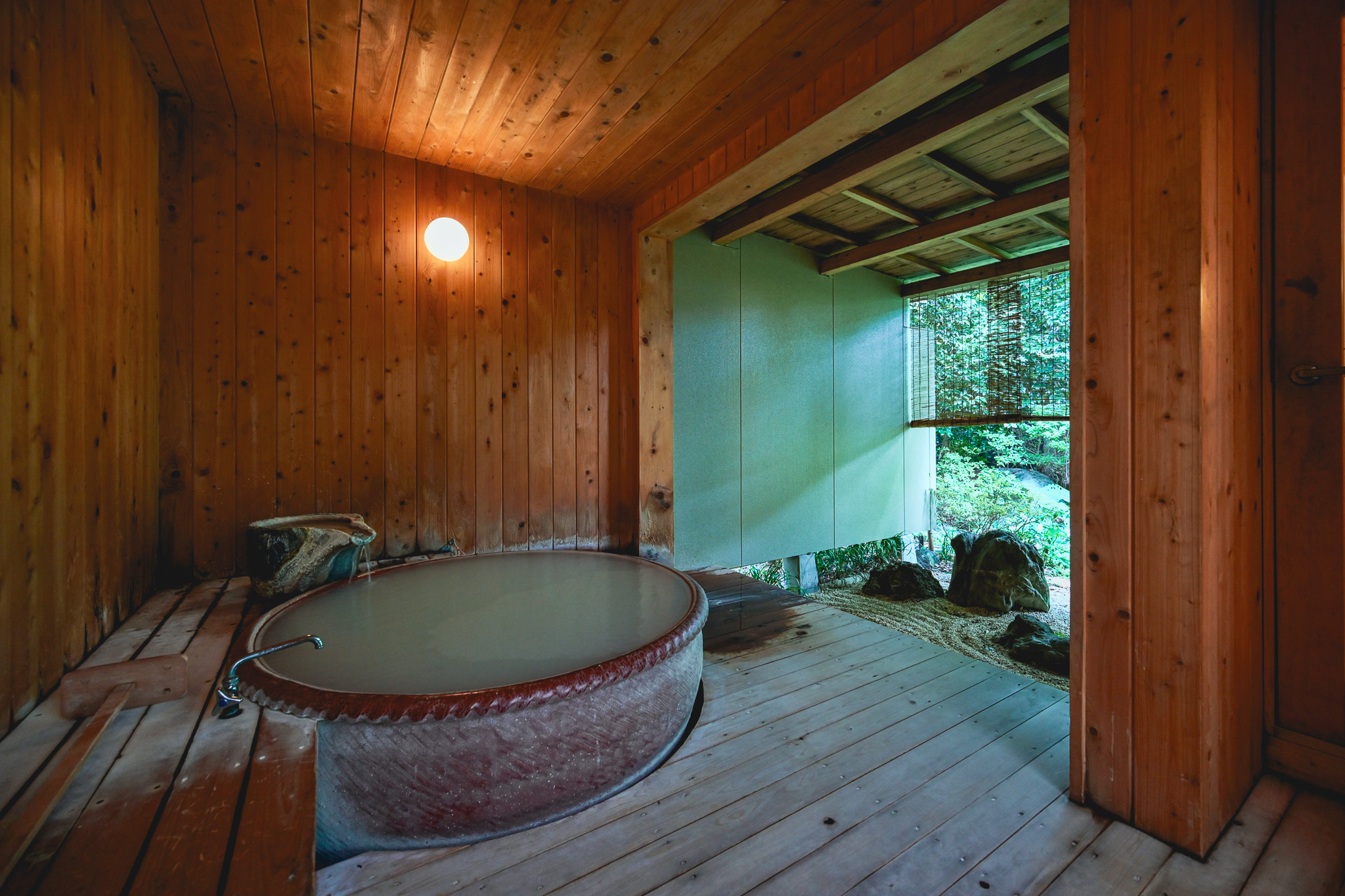
Located in the historical onsen town of Dake and situated at the foot of Mount Adatara, Oyado Hanakanzashi preserves the traditions of centuries past.
Total: 1715 items
Located in the historical onsen town of Dake and situated at the foot of Mount Adatara, Oyado Hanakanzashi preserves the traditions of centuries past.
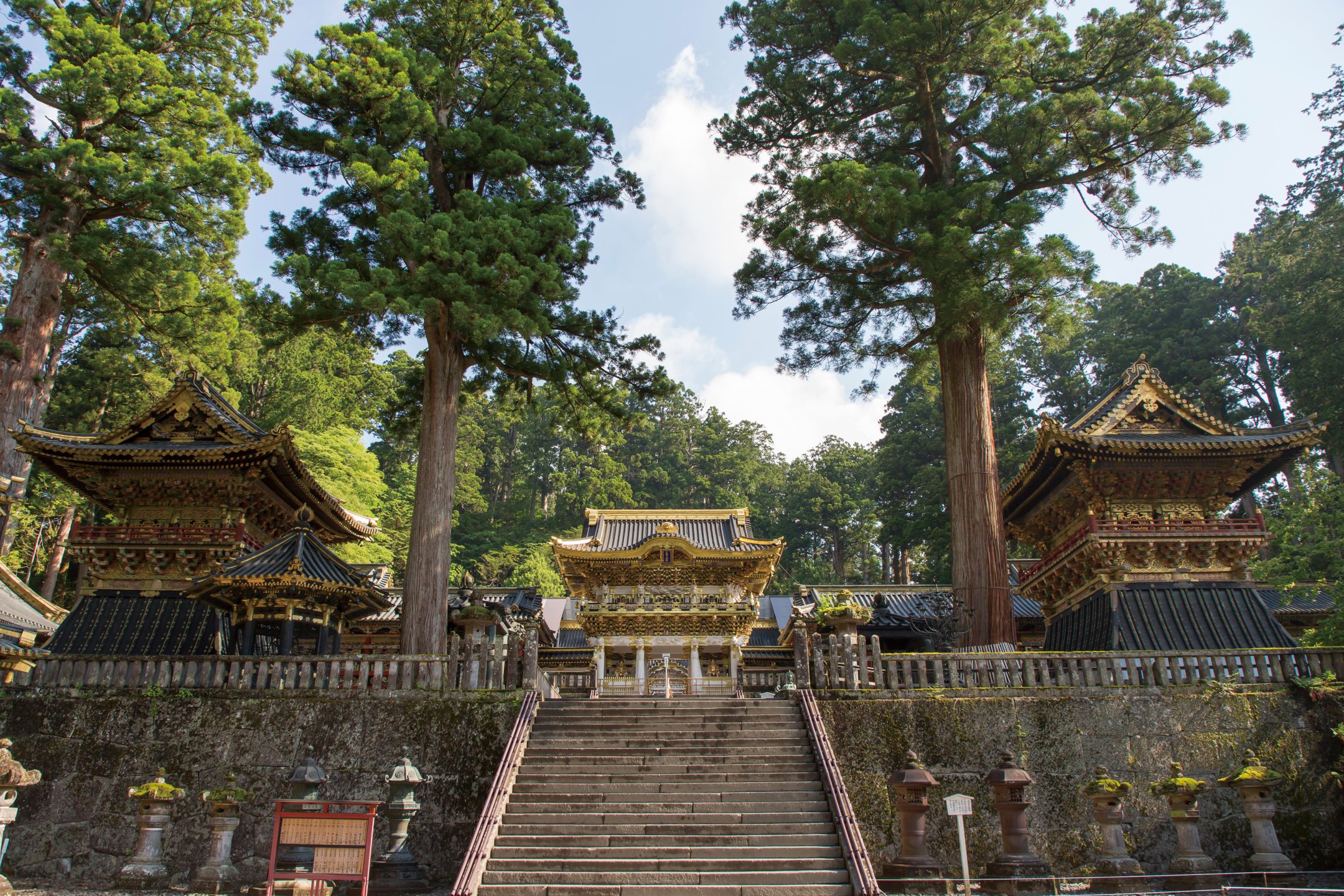
Nikko, the land where the gods lives. Nikko has been an important area for “Mountain Beliefs” since the Japanese monk Shodo Shonin became the founder of Nikko in 766. Many temples and shrines have been established in the Nikko area, making Nikko an extremely important center of faith and a place where spiritual energy meets. After Tokugawa Ieyasu, who founded the Edo Shogunate, was named “Tosho Daigongen” and buried in Nikkō Tōshō-gū Shinto Shrine, Nikko was honored and cared for by the Shogunate, and became a well-known religious shrine. With the support of the Shogunate, many of Nikko's temples were properly maintained, and even the carvings on the buildings are lavish and beautiful, crystallizing the traditional craftsmanship of the whole of Japan. World Heritage Site "Shrines and Temples of Nikko" The “Shrines and Temples of Nikko”, which was officially recognized as a World Heritage Site in 1999, consists of three temples and shrines, Nikko Toshogu Shrine, Nikko Rinnoji Temple, and Nikko Futarasan Shrine, and has a total of 103 buildings (9 National Treasures and 94 Important Cultural Properties). Nikkō Tōshō-gū is famous for honoring Tokugawa Ieyasu, the first shogun of the Edo Shogunate, and there are many splendid and delicate carvings inside the shrine, which are said to be the masterpieces of the best craftsmen from all over Japan. Today, this traditional art has been passed down from the descendants of these craftsmen to the local Nikko traditional art of Nikko Bori (Nikko carving). Nikkosan Rinnoji Temple, originally founded by Shodo Shonin, has a long history in Nikko. In addition to the main hall of the temple, which is known for being the largest wooden complex in the entire Eastern Japan region, the “Taiyuin Temple,” dedicated to Tokugawa Iemitsu, the third shogun of the Edo Shogunate, also attracts travelers with its intricate and beautiful carvings. Nikko Futarasan Shrine was also built by Shodo Shonin and has been called “Shimono Province's first Shrine (present-day Tochigi Prefecture)” since ancient times. In addition to managing Mt. Nantai, which is a symbol of mountain beliefs, Nikko Futarasan Shrine also holds the “Yayoi Festival” every year, which symbolizes the visit of spring to the Nikko area and is a must-see festival for tourists.

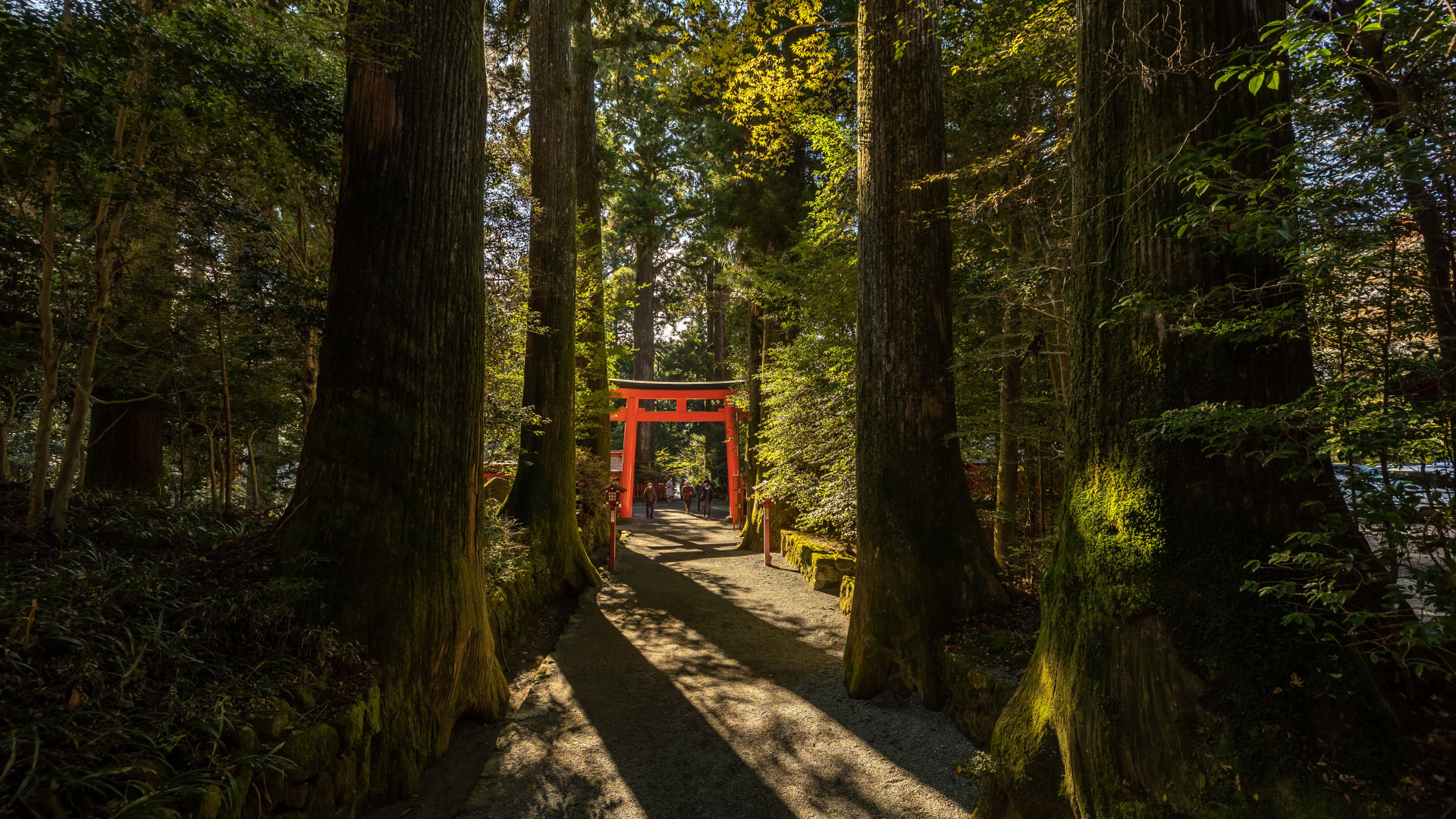
The Kuzuryū Shrine is an outer precinct shrine of the Hakone Shrine, worshipping the guardian deity of Lake Ashinoko and Kuzuryū Shrine. This shrine, located in the forest of Lake Ashinoko, has a small Torii(shrine gate) in the lake and is known for its dragon deity (Ryujin-sama) who is said to have strong powers in bringing fortune, business prosperity and love. During the Tsukinami Festival (festival of the months) held on the 13th of every month, many people come to visit via boats departing from the Moto-Hakone Port. Near the main Kuzuryū Shrine is the Benzaiten Shrine which worships Benzaiten (Goddess of Fortune), one of the Seven Lucky Gods of Japan. Please feel free to also visit the Benzaiten Shrine when visiting the Kuzuryū Shrine.
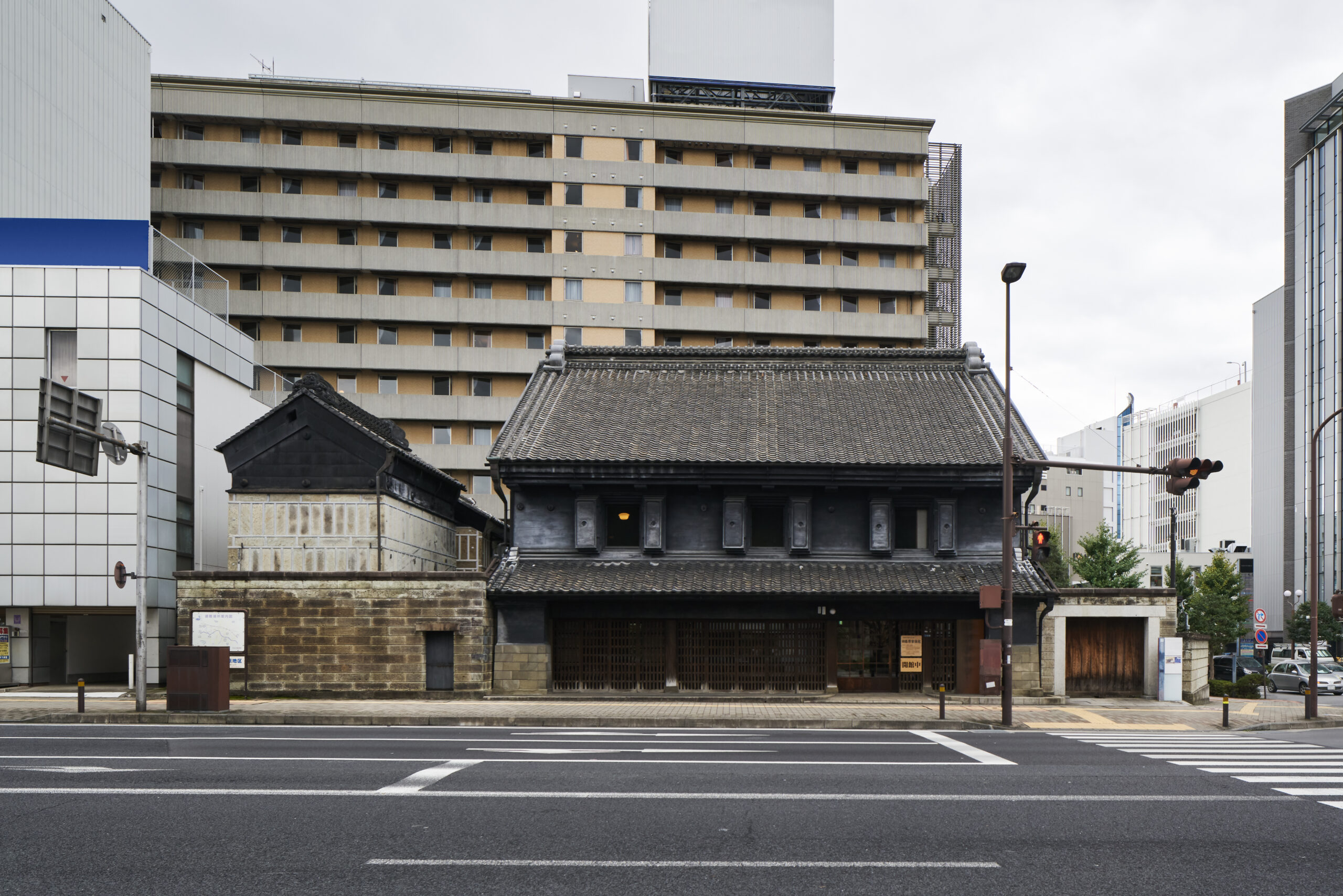
Built at the gateway to the Oshu Kaido, the Former Shinohara Family Residence preserves the scale and dignity of a prosperous merchant house.
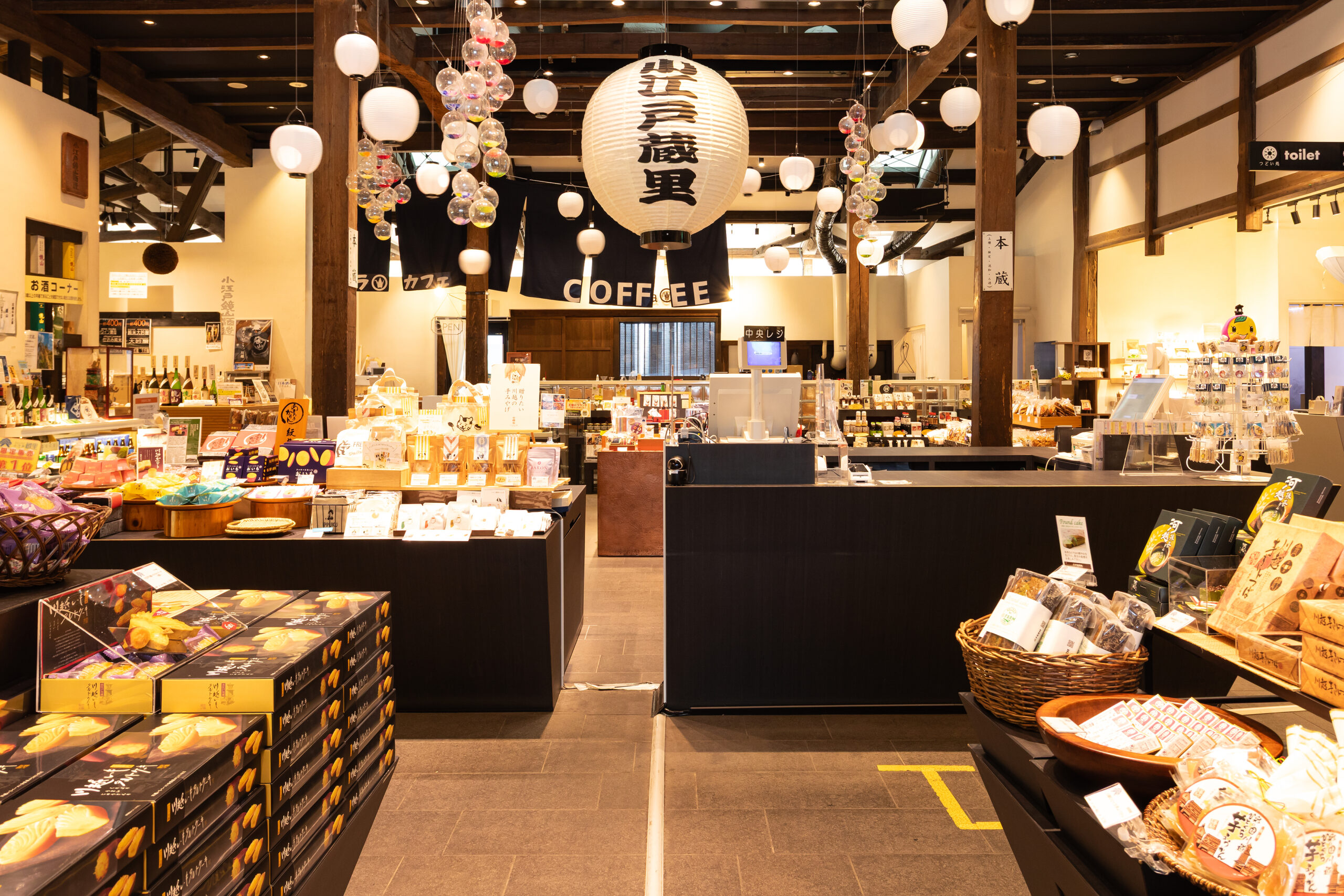
Step into a about 120-year-old sake brewery transformed into a vibrant cultural hub where you can taste premium Saitama sake, shop for regional specialties, and dine on local cuisine—all within three historic kura storehouses designated as National Tangible Cultural Properties.
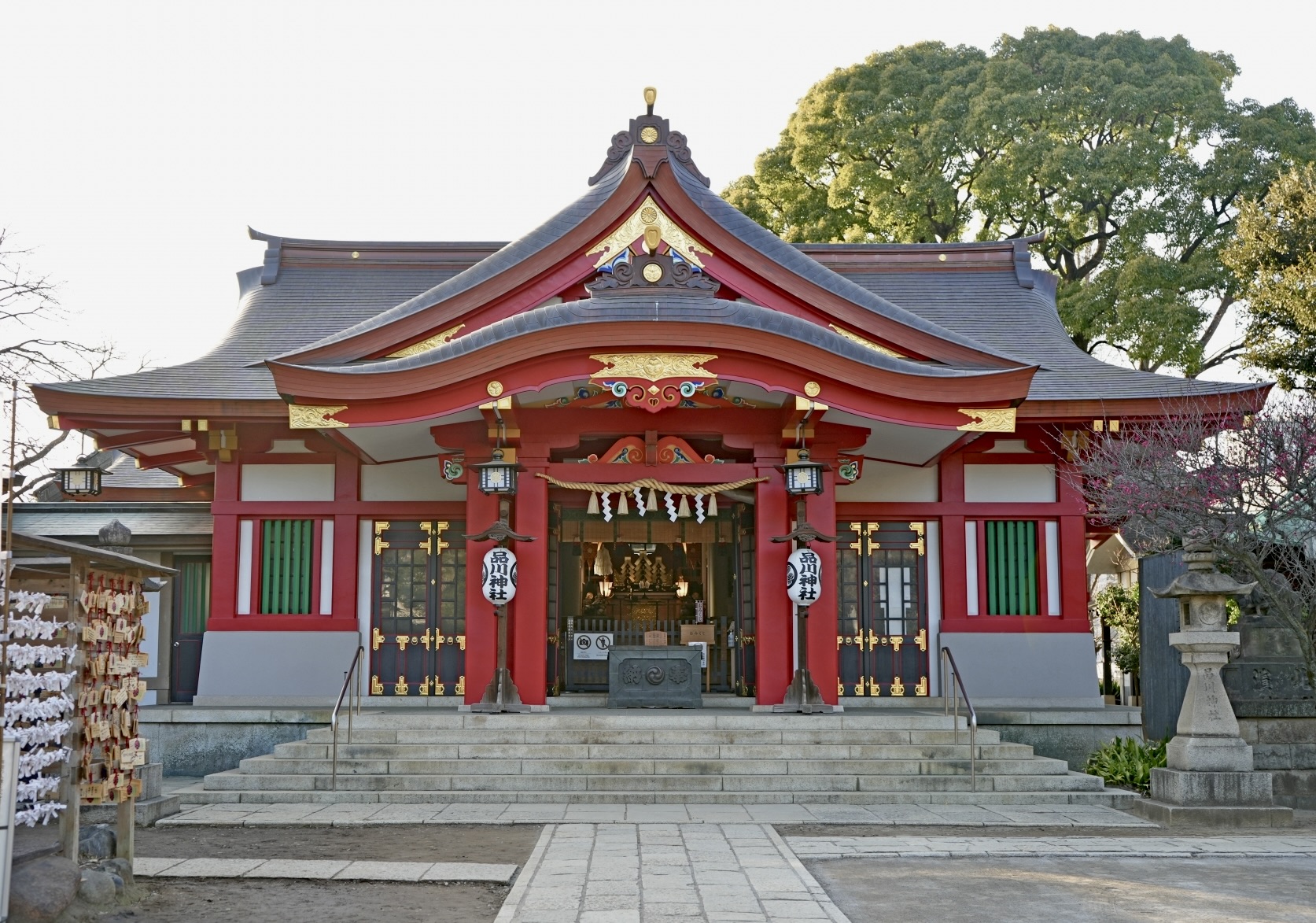
Shinagawa Shrine traces its origins to Tokugawa Ieyasu’s prayers for victory, preserving early Edo offerings. Facing 21st-century Tokyo, it is a rare place where history and the present intersect.
Located in Fujikawaguchiko at the foot of Mt. Fuji, this restored 150-year-old Oshi residence welcomes visitors as a serene cultural retreat.
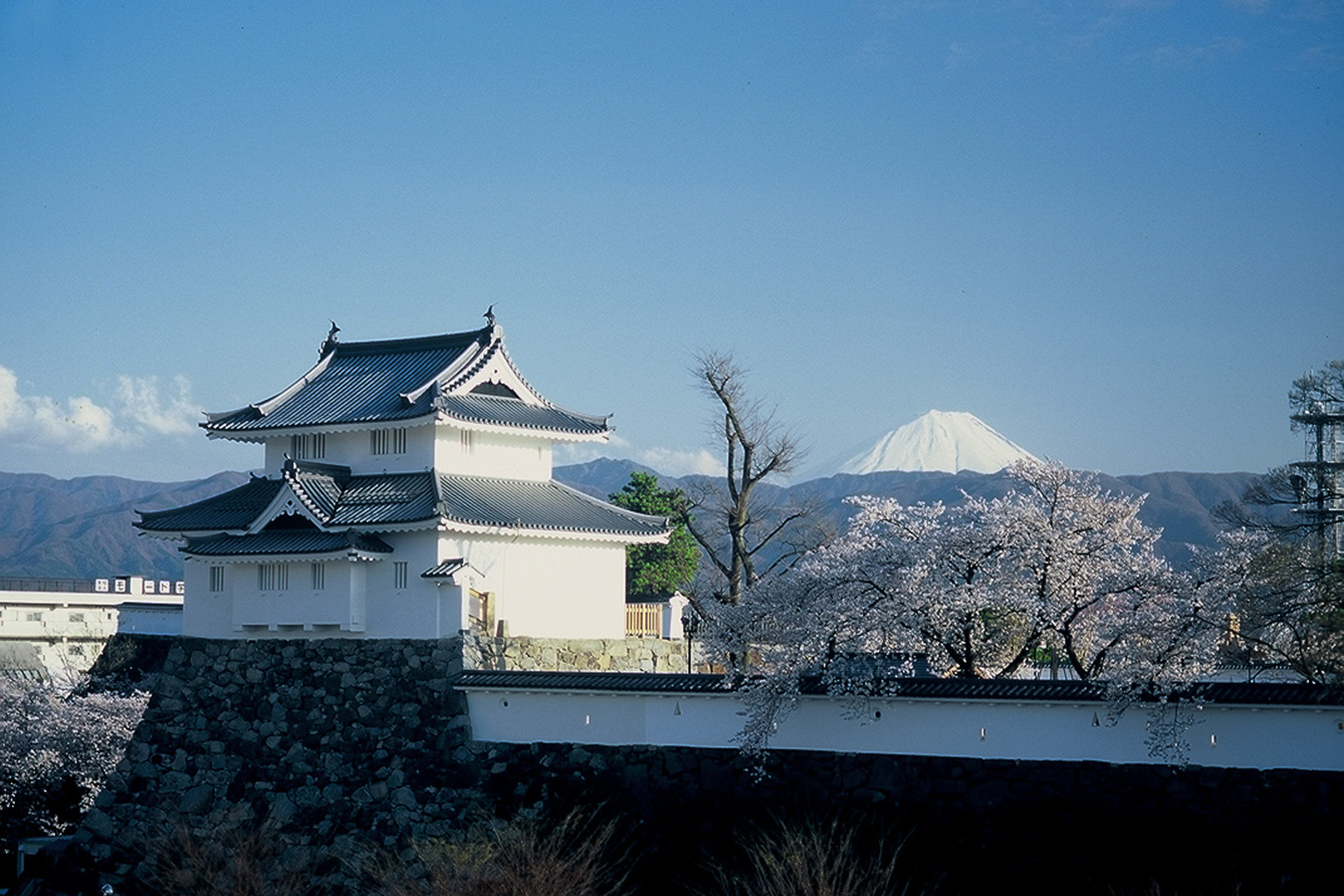
Kofu Castle is a historic site where powerful stone walls and restored structures tell its past. Known as Maizuru Castle, its white walls evoke a crane in flight, blending beauty and warfare.
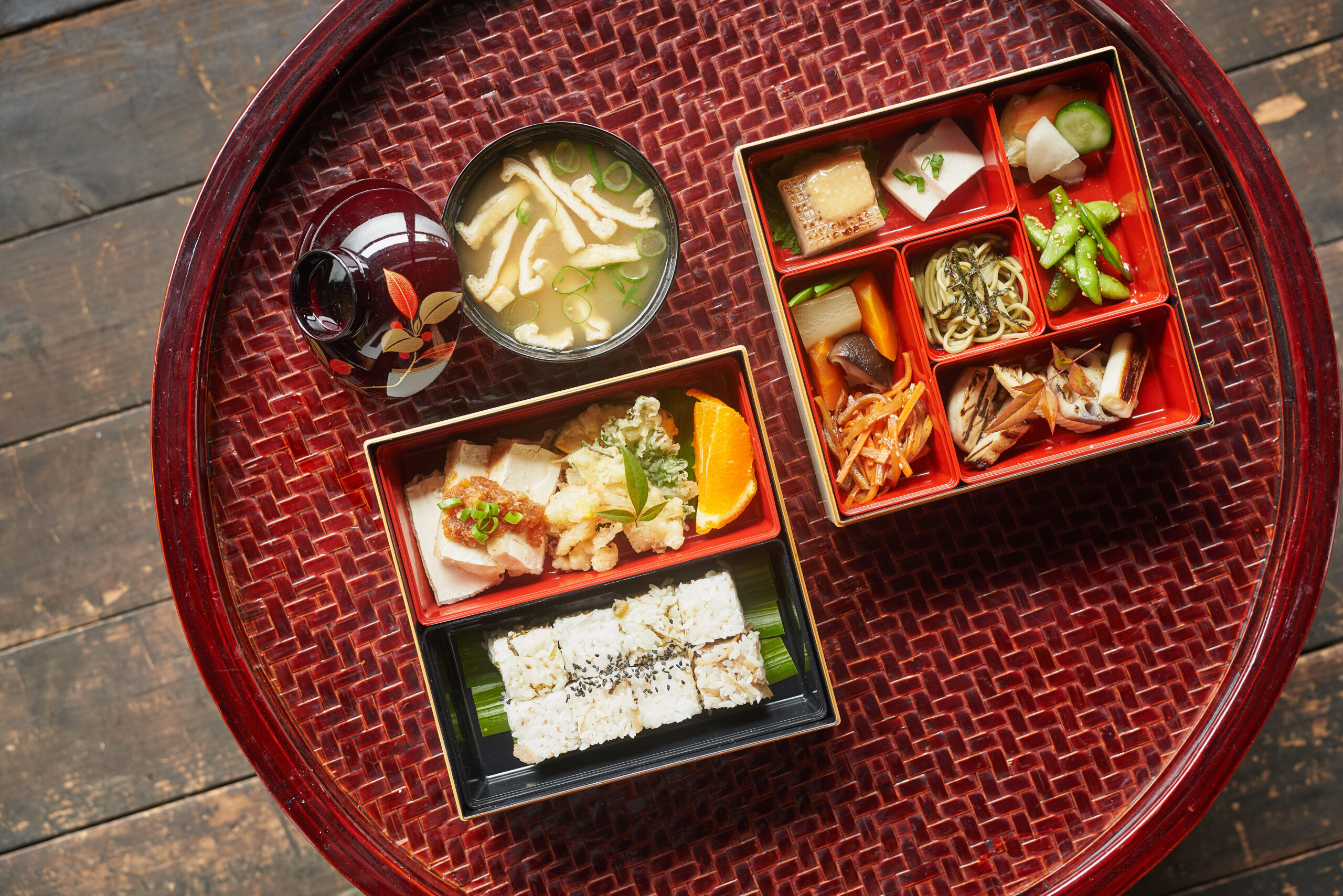
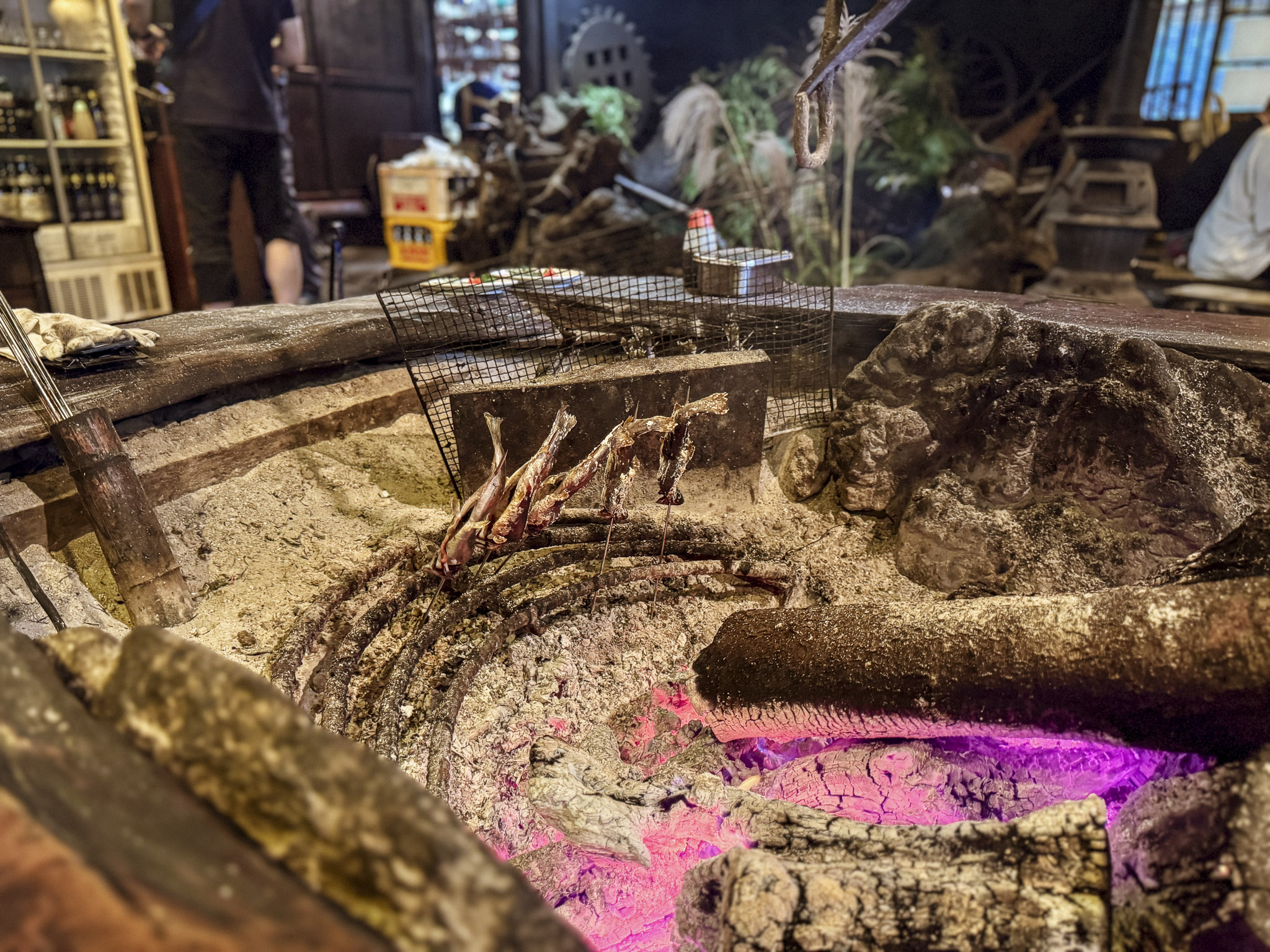
Savor authentic country cooking at Bikuya, a family-run restaurant in Gunma Prefecture specializing in fresh river fish, wild mountain vegetables, and handmade soba.
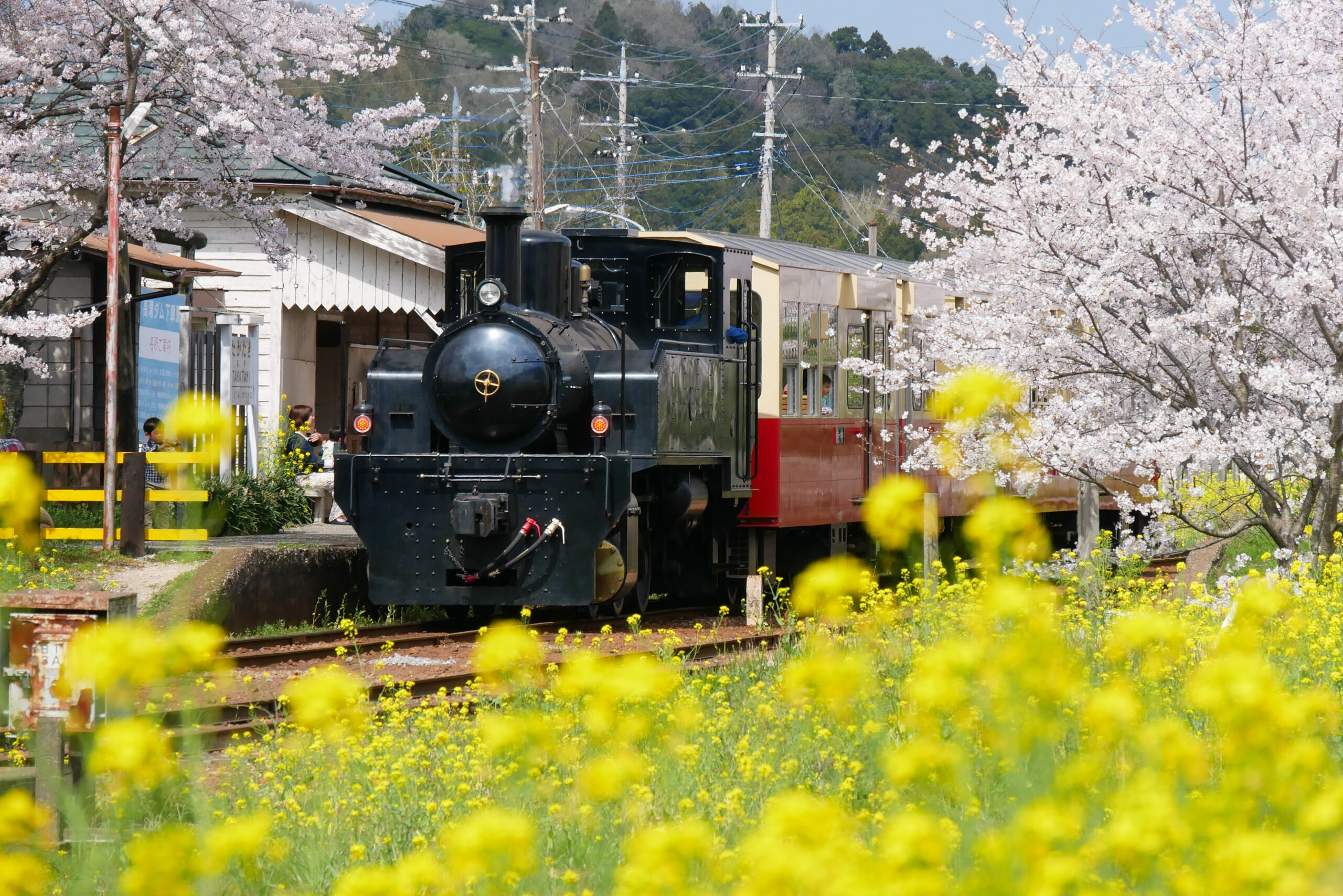
Experience the charm of rural Japan aboard the Satoyama Torocco, an open-air sightseeing train that glides through peaceful countryside and historic stations along the Kominato Railway.
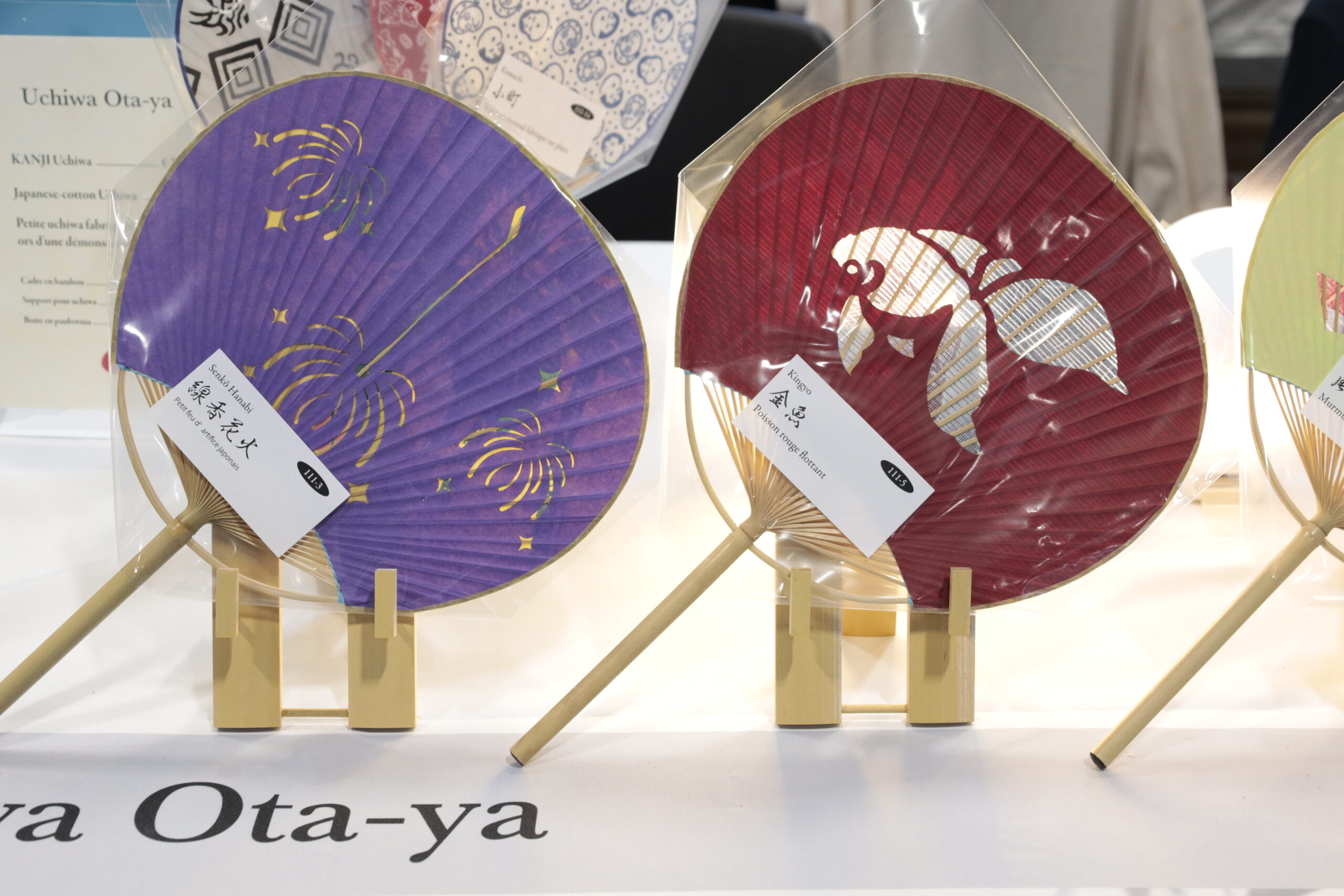
Experience the artistry of Boshu Uchiwa, one of Japan's three great fan-making traditions, at a family-run workshop in Chiba Prefecture.
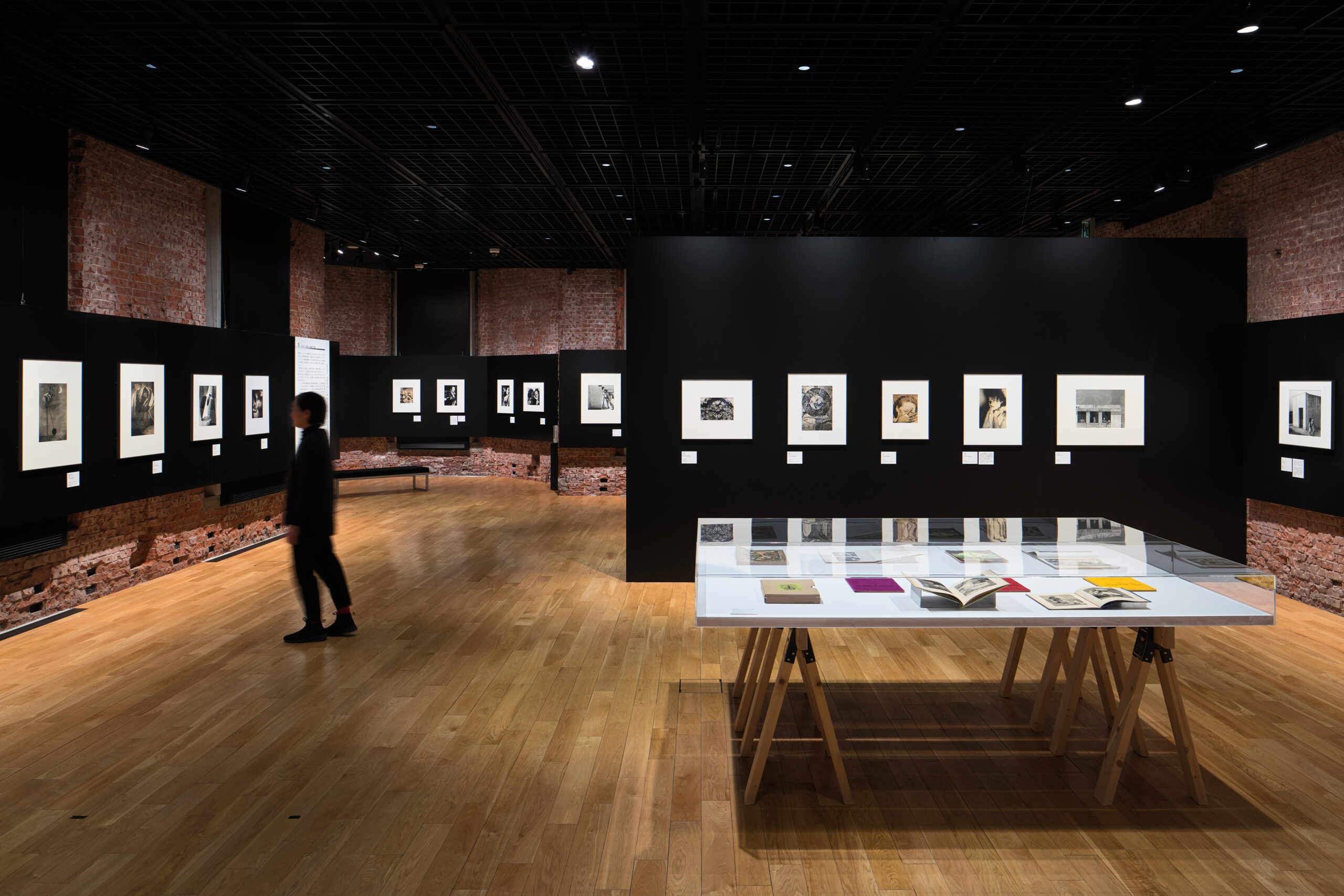
Tokyo Station Gallery is located inside the red-brick Marunouchi Building of Tokyo Station, transforming the station into a cultural space through art.
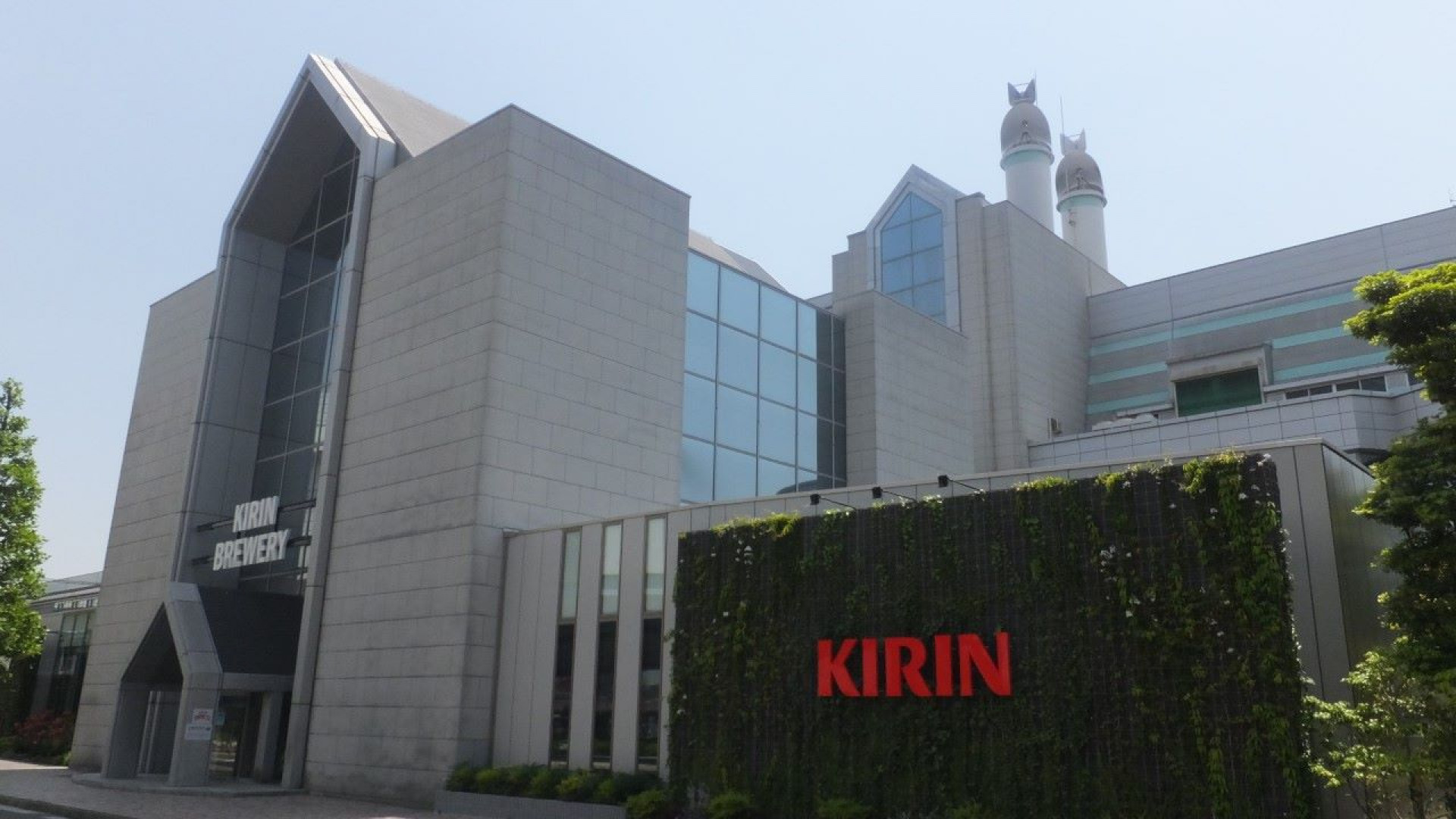
A factory with a long history, originating from Spring Valley Brewery (Yokohama Yamate), one of Japan's first breweries. During the hour-long factory tour, you can learn about the process of making beer, including preparation, fermentation, and packaging. At the end of the tour, you can taste freshly brewed beer and experience the mini-seminar on how to fully enjoy Ichiban Shibori. In addition to the tour, you can enjoy seasonal plants in the factory garden. Reservations are required for the tour.Head over to the Kirin Yokohama Beer Village tour and find out what it takes to make a high-quality beer. Enjoy the free beer tasting at the culmination of the tour.
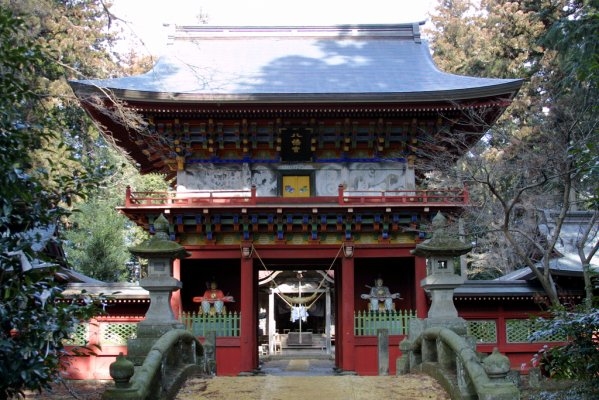
This shrine is located in Minamikanemaru, Otawara City, Tochigi Prefecture. It is said to have been built more some 1600 years ago during the time of Emperor Nintoku. The shrine was rebuilt by Nasu no Yoichi, a samurai famous for his legendary feat of archery at the Battle of Yashima at the end if the Heian period. For this reason, it has strong ties to the Nasu Clan. To this day, horseback archery is still practiced at the shrine's annual grand festival. The main shrine and the shrine's two-story gate, which were rebuilt in 1577, have been designated as national Important Cultural Properties."
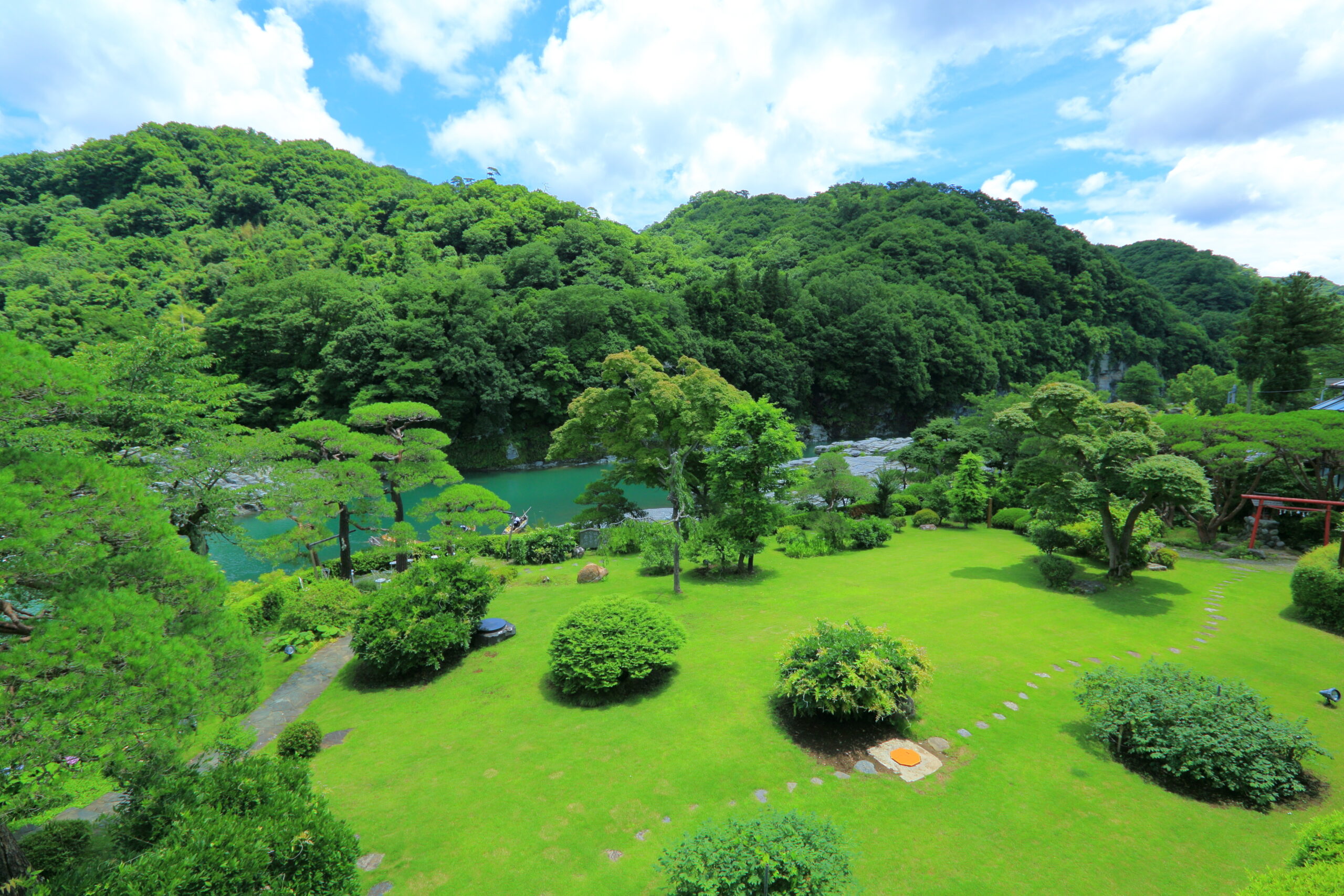
Nagatoro Choseikan Ryokan offers travelers a stay deeply connected to the rhythms of the Arakawa River and its surrounding gorge.
Discover Urayasu's rich maritime heritage at this immersive community museum, featuring a full-scale recreation of a 1952 fishing town complete with wooden houses, narrow alleys, and authentic cultural exhibits.
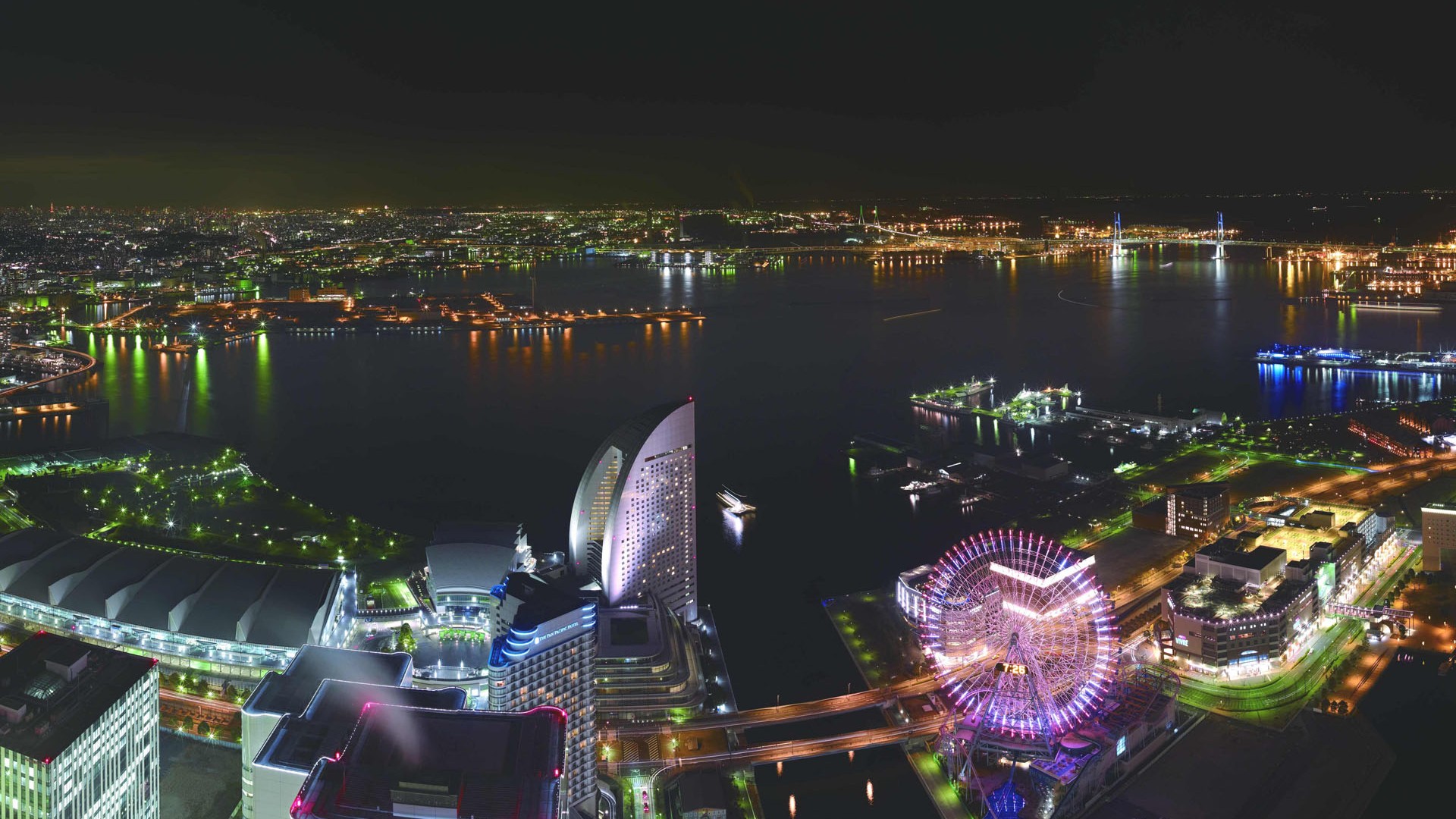
Located 273m above ground, this observatory floor prides itself as one of the tallest in Japan. The magnificent panorama is breathtaking. You can enjoy a 360 degree view of an estimated 80km ahead, which includes of course, the beautiful scenery of Yokohama’s Minato Mirai, and if the weather is clear, Tokyo Skytree, Mount Fuji and the Boso Peninsula. The stunning nightscape is also a sight not to be missed.For a panoramic view of Yokohama take the 40-second elevator ride to the 69th floor of Yokohama Landmark Tower. Sip a cup of tea at the café with window-facing seats while enjoying the scenery.