
Traditional Japanese House NAKAMURA
Located in Fujikawaguchiko at the foot of Mt. Fuji, this restored 150-year-old Oshi residence welcomes visitors as a serene cultural retreat.
Total: 1715 items
Located in Fujikawaguchiko at the foot of Mt. Fuji, this restored 150-year-old Oshi residence welcomes visitors as a serene cultural retreat.
Discover Urayasu's rich maritime heritage at this immersive community museum, featuring a full-scale recreation of a 1952 fishing town complete with wooden houses, narrow alleys, and authentic cultural exhibits.
Slow down during a unique stay at MUJI BASE OIKAWA, where a former elementary school has been transformed into a community-focused accommodation that bridges travelers and local culture in the heart of Chiba's Boso region.
Discover the winding beauty of the Yoro Valley in Otaki Town, where dramatic cliffs, cascading waterfalls, and autumn colors create an unforgettable landscape in Chiba's hot spring region.
A factory with a long history, originating from Spring Valley Brewery (Yokohama Yamate), one of Japan's first breweries. During the hour-long factory tour, you can learn about the process of making beer, including preparation, fermentation, and packaging. At the end of the tour, you can taste freshly brewed beer and experience the mini-seminar on how to fully enjoy Ichiban Shibori. In addition to the tour, you can enjoy seasonal plants in the factory garden. Reservations are required for the tour.Head over to the Kirin Yokohama Beer Village tour and find out what it takes to make a high-quality beer. Enjoy the free beer tasting at the culmination of the tour.
On the shores of Lake Ashi, Hakone Sekisho evokes Edo-period travel. Inspired by the relief and awe of travelers who gazed upon Mount Fuji, a single step inside draws visitors into their world.
The foot of Mt. Ohira is famous as a grape-growing mountain region, and is home to one of the largest grape-growing complexes in the Kanto region. The well-drained terrain and warm climate in spring and summer help to grow delicious grapes. There are about 50 grape farms in this area, and you can enjoy grape picking from August to September. A variety of grapes are grown here, including Kyoho grapes, also known as the king of grapes, the popular high-end variety Shine Muscat, Delaware, and Pione.
Guarding a vital gateway to the Tohoku region, Komine Castle and its museum offer an engaging blend of history, scenery, and immersive experiences.
Step into the world of the samurai through Aizu Kengido, an immersive swordsmanship experience open to all, offering a path to refine body, mind, and spirit through disciplined movement.
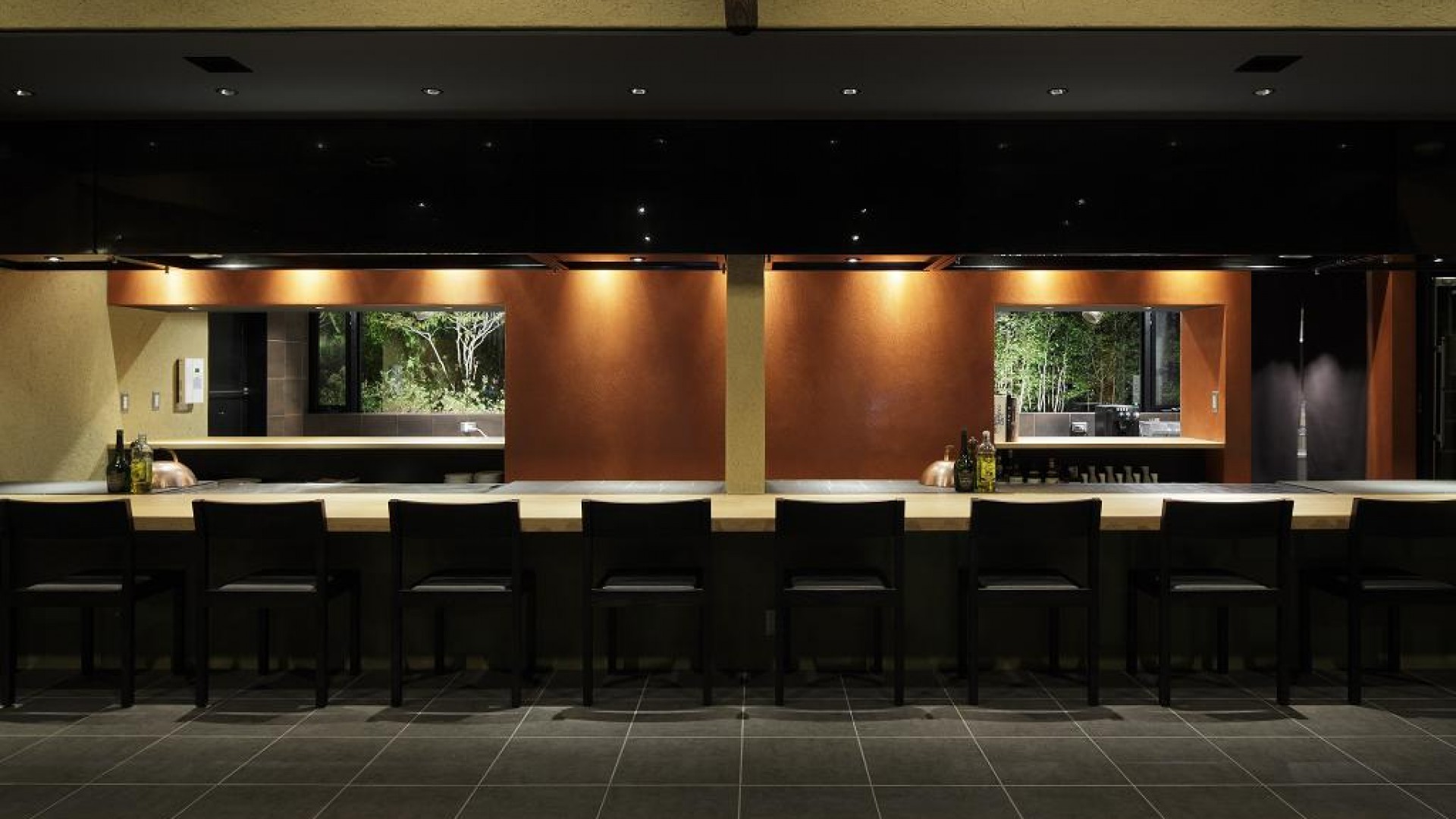
Super Chef NOBU, Nobuyuki Matsuhisa and ITOH DINING has colaborated and opened a completely style restaurant in Hakone, Gora. Kobe beef, seafood from Sagami Bay and Hakone Mishima vegetables are used affluently in this Teppanyaki style menu. Gora Brewery and Grill is also in Hakone, Gora. The restaurant was designed by the LEAF award winner architect,Takushi Nakamura. The LEAF award is one of the awards of International Architects awards. In Gora Brewery, you can enjoy Nobu style dishes with a craft beer.
We are open at Yokohama VIVRE 8F (Yokohama Station West Exit)! Come and visit us for all your comic, manga, light novel, character goods, trading cards, anime goods (such as candy toys), games, CDs, DVDs, and Blu-ray needs. Our selection of anime goods is the largest in the area, plus we have a store-exclusive area in-store! After perusing, why not stop by our cafe, Cafe Gratte? We look forward to your visit!
Nagatoro Choseikan Ryokan offers travelers a stay deeply connected to the rhythms of the Arakawa River and its surrounding gorge.
You can experience blueberry picking from the end of July until the end of August. After confirming the opening date, please come with your family.
The river tearrace that surrounds the Tama river in Kawasaki City has a baseball field, soccer pitch, multipurpose area, and half marathon course. It is a place for sports and recreation for the local community.
Negishi Forest Park was established in 1866 as the first permanent facility in Japan where Western-style horse racing was held and sponsored by a foreigner's club. It was the largest racecourse in the East and was always crowded with people until it closed in 1943 due to the war. It was later opened in 1977 as a forest park and featured a large lawn at its center. Come watch the four seasons pass with the changing foliage. The park becomes especially crowded during cherry blossom season.Negishi Park is a happening place during cherry blossom season, however, no matter what time of year you need to visit the Equine Museum of Japan. This museum is not only about history, but also houses the imperial carriage and many retired racehorses.
The Kuzuryū Shrine is an outer precinct shrine of the Hakone Shrine, worshipping the guardian deity of Lake Ashinoko and Kuzuryū Shrine. This shrine, located in the forest of Lake Ashinoko, has a small Torii(shrine gate) in the lake and is known for its dragon deity (Ryujin-sama) who is said to have strong powers in bringing fortune, business prosperity and love. During the Tsukinami Festival (festival of the months) held on the 13th of every month, many people come to visit via boats departing from the Moto-Hakone Port. Near the main Kuzuryū Shrine is the Benzaiten Shrine which worships Benzaiten (Goddess of Fortune), one of the Seven Lucky Gods of Japan. Please feel free to also visit the Benzaiten Shrine when visiting the Kuzuryū Shrine.