
Greater Tokyo

See & Do

reset
Kanehon Quarry

Kanehon Quarry

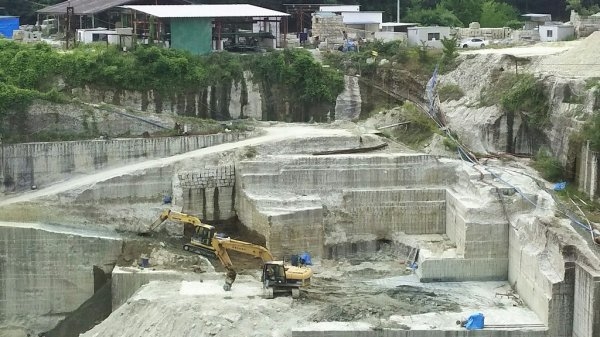
It is an operating open surface quarry of Oya stone. Next to the quarry are a stone processing plant, a stone waste dump and the mountain owner’s residence and office. You can see a flow of stone-quarrying here and make homemade pizzas in Oya stone, wood-fired pizza ovens. You can also take home a bag of Oya stone in an original KANEHON bag. Plus, there is an exclusive offer of Oya stone outlet items and Isseki series by Oya stone craftsman “Takumi” for tour guests only."

Nikko kaido Oshu kaido TOCHIGI
Spring Mashiko  Pottery Fair

Spring Mashiko Pottery Fair

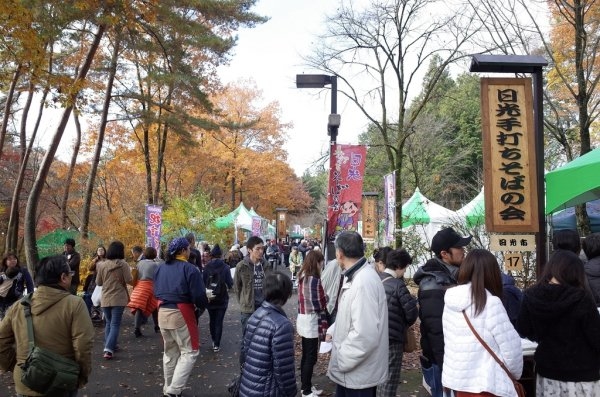
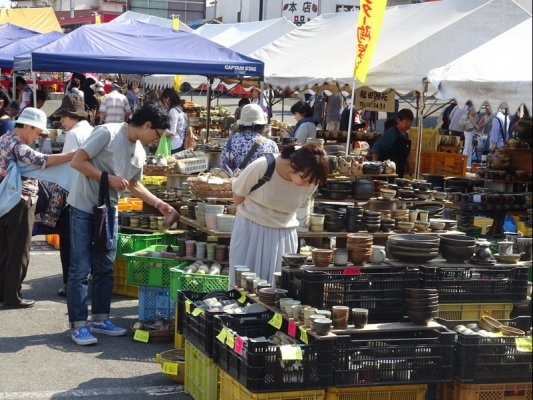
The Pottery Fair have been held twice a year since 1966.Once in the spring during Japan’s Golden Week Holiday, and once in the fall around November 3rd. There are about 50 shops and as many as 550 tents set up selling pottery. There is a great variety of pottery sold from traditional Mashiko pottery, such as vases and pots to articles for daily use like cups and plates. The Pottery Fair provides a great chance to enjoy talking with young artists and local potters in the shops and tents. Besides pottery, freshly-harvested vegetables grown in Mashiko and some other speciality items from the region are big attractions of the fair. Every year about 600,000 people come to enjoy the fair.

Nikko kaido Oshu kaido TOCHIGI
Utsunomiya Gyoza Festival

Utsunomiya Gyoza Festival

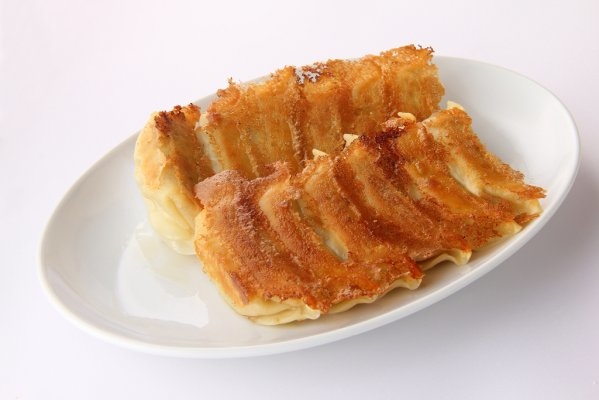
  Utsunomiya is famous throughout Japan for its gyoza, and so it’s only fitting that an annual festival to the fried dumplings would be held in the city. The Utsunomiya Gyoza Festival has been held at the beginning of November since 1999, with members of the Utsunomiya Gyoza Committee setting up stalls to sell their famous dumplings.   Visitors will be able to enjoy the subtle differences of dozens of dumplings as well as fill empty stomachs at a low cost: A three to five piece portion of gyōza, whether fried, boiled or steamed, will cost just 200 yen.   During the two days of festivities, visitors can also watch music bands and comedians at Miyajazz Inn, or see other live concerts at nearby venues.

Nikko kaido Oshu kaido TOCHIGI
Ohira Town grape complex(Grapes picking)

Ohira Town grape complex(Grapes picking)

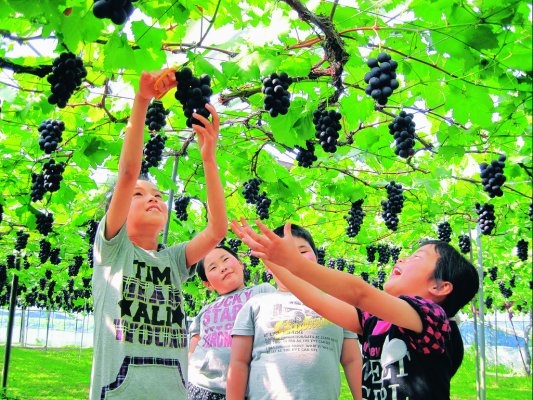
The foot of Mt. Ohira is famous as a grape-growing mountain region, and is home to one of the largest grape-growing complexes in the Kanto region. The well-drained terrain and warm climate in spring and summer help to grow delicious grapes. There are about 50 grape farms in this area, and you can enjoy grape picking from August to September. A variety of grapes are grown here, including Kyoho grapes, also known as the king of grapes, the popular high-end variety Shine Muscat, Delaware, and Pione.

Nikko kaido Oshu kaido TOCHIGI
Komadome Falls

Komadome Falls

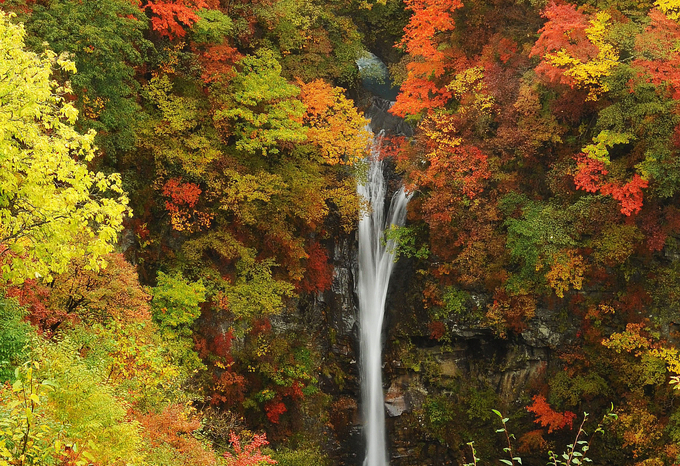
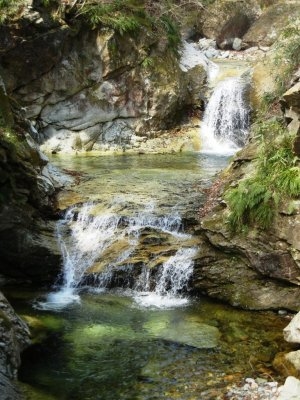
Considered Nasu's foremost waterfall, Komadome Falls is three meters wide and falls approximately twenty meters from a cliff on the Yosasa River. Once, it was a waterfall that can only be seen after the leaves have fallen, but along with the establishment of Nasu Heisei no Mori Forest in 2011, as well as a falls observatory, it became possible to catch a glimpse of Komagome Falls throught the seasons (closed during winter). The observation deck allows you to see a full view of the waterfall from above, which is surrounded by emerald green trees in the early summer and a rainbow of colorful leaves in the fall. Around the end of October, when the autumn leaves are at their peak, the contrast of red and yellow in the valleys together with the clear blue of the waterfalls is a spectacular sight for visitors."

Nikko kaido Oshu kaido TOCHIGI
Hagurosan Shrine

Hagurosan Shrine

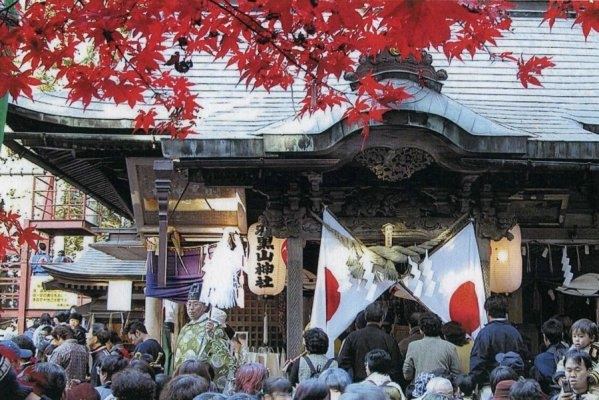
Hagurosan Jinja Shrine is a shrine built on the peak of the 458m high Mt. Hagurosan and provides a great view. To the side of the stone steps leading to the main shrine are the 450 year old “meoto sugi” or “married couple cedars” which are popular as trees which help build romantic relationships. The Bonten Festival is held at the shrine in November of each year. The scene of young people carrying the 17m bonten up the path to the shrine is overwhelming."

Nikko kaido Oshu kaido TOCHIGI
Shirasagi Shrine

Shirasagi Shrine

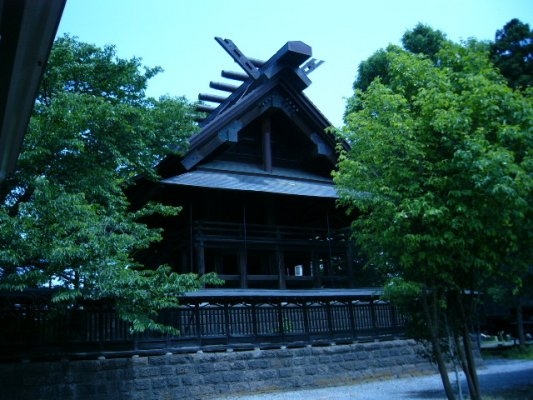
The Shirasagi Shrine enshrines Yamato Takeru, the son of the Emperor Keiko the 12th emperor of Japan who was enshrined in 783.During those ancient days, Yamato Takeru carried the sword Kusanagi and travelled throughout Japan, leading the country to peace. Legend says that as a result, his soul turned into a swan and he continues to protect peace still.The shrine is also home to Japan's largest votive picture at a width of 8m and a height of 4m, which is known a votive picture which grants wishes and bestows happiness."

Nikko kaido Oshu kaido TOCHIGI
Yakushiji Hachimangu Shrine

Yakushiji Hachimangu Shrine

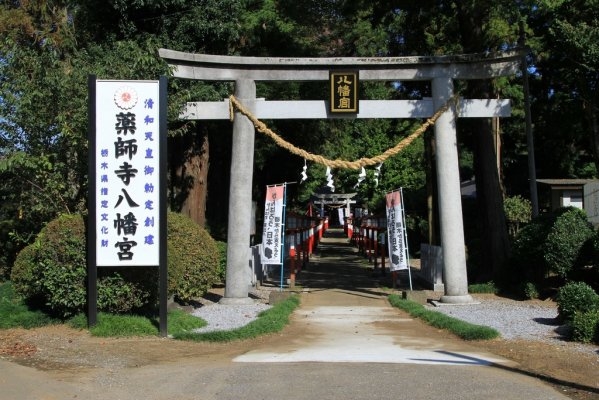
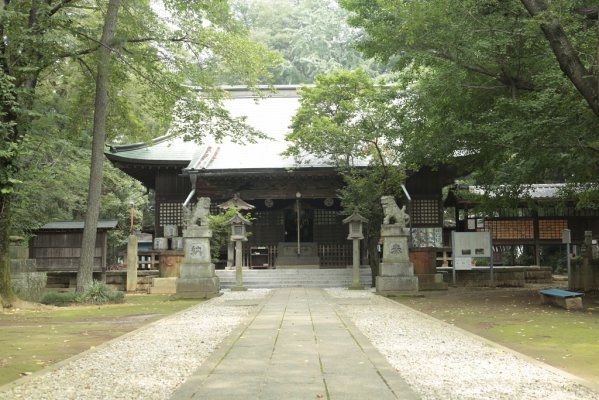
Yakushiji Hachimangu Shrine is also referred to as "Hachiman for warding off misfortune and disaster" and attracts a large number of worshippers.It was also known as the patron saint of the Genji and is known as a shrine where prayers are answered as Minamoto no Yoriyoshi and Minamoto no Yoshiie pracyed for victory in battle there. The shrine has long served as a patron saint for successive feudal lords and a center of faith for the people."

Nikko kaido Oshu kaido TOCHIGI
Mamada Hachimangu Shrine

Mamada Hachimangu Shrine

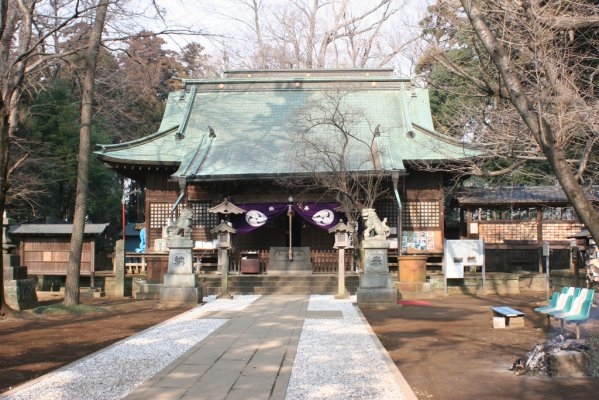
Mamada Hachimangu Shrine is said to have been founded as far back as nearly 1200 years ago during the years of the Tenpyo Era.On Children's Day on May 5 every year, the "Jya Matsuri" (Snake Festival), which is a Tochigi Prefecture Intangible Folk Cultural Asset, is held and enjoyed by a great many people. In the spring cherry trees blossom and ceremonial sumo matches are held in September, as well as a variety of other events making the shrine very popular. The shrine's dohyo was also the filming location for “Thermae Romae II”."

Nikko kaido Oshu kaido TOCHIGI