

Greater Tokyo

See & Do

reset
World Heritage Site “Shrines and Temples of Nikko”

World Heritage Site “Shrines and Temples of Nikko”

Nikko, the land where the gods lives. Nikko has been an important area for “Mountain Beliefs” since the Japanese monk Shodo Shonin became the founder of Nikko in 766. Many temples and shrines have been established in the Nikko area, making Nikko an extremely important center of faith and a place where spiritual energy meets.   After Tokugawa Ieyasu, who founded the Edo Shogunate, was named “Tosho Daigongen” and buried in Nikkō Tōshō-gū Shinto Shrine, Nikko was honored and cared for by the Shogunate, and became a well-known religious shrine. With the support of the Shogunate, many of Nikko's temples were properly maintained, and even the carvings on the buildings are lavish and beautiful, crystallizing the traditional craftsmanship of the whole of Japan.   World Heritage Site "Shrines and Temples of Nikko" The “Shrines and Temples of Nikko”, which was officially recognized as a World Heritage Site in 1999, consists of three temples and shrines, Nikko Toshogu Shrine, Nikko Rinnoji Temple, and Nikko Futarasan Shrine, and has a total of 103 buildings (9 National Treasures and 94 Important Cultural Properties).   Nikkō Tōshō-gū is famous for honoring Tokugawa Ieyasu, the first shogun of the Edo Shogunate, and there are many splendid and delicate carvings inside the shrine, which are said to be the masterpieces of the best craftsmen from all over Japan. Today, this traditional art has been passed down from the descendants of these craftsmen to the local Nikko traditional art of Nikko Bori (Nikko carving).   Nikkosan Rinnoji Temple, originally founded by Shodo Shonin, has a long history in Nikko. In addition to the main hall of the temple, which is known for being the largest wooden complex in the entire Eastern Japan region, the “Taiyuin Temple,” dedicated to Tokugawa Iemitsu, the third shogun of the Edo Shogunate, also attracts travelers with its intricate and beautiful carvings.   Nikko Futarasan Shrine was also built by Shodo Shonin and has been called “Shimono Province's first Shrine (present-day Tochigi Prefecture)” since ancient times. In addition to managing Mt. Nantai, which is a symbol of mountain beliefs, Nikko Futarasan Shrine also holds the “Yayoi Festival” every year, which symbolizes the visit of spring to the Nikko area and is a must-see festival for tourists.  

Nikko kaido Oshu kaido TOCHIGI
Hakone Crafthouse (Inside Gora Park)

Hakone Crafthouse (Inside Gora Park)

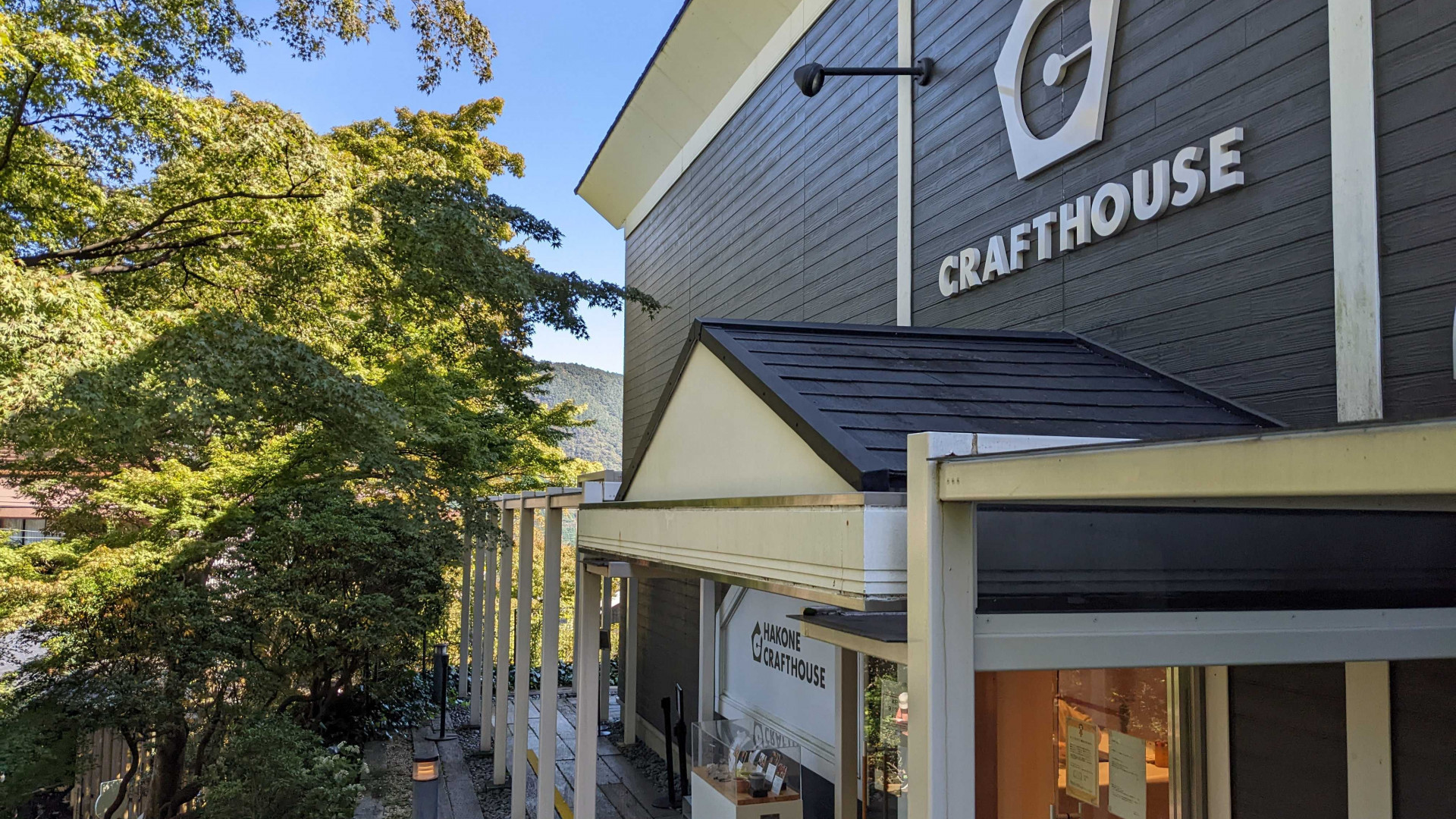
Nestled in Gora Park’s charming nature, Hakone Crafthouse is a facility that sells traditional Hakone crafts and offers hands-on workshops. Select from an array of classes—including glassblowing, pottery making, sandblasting, kiriko glassmaking, lampwork bead making, jewelry bead making, and pottery painting—and create a one-of-a-kind, personalized piece of art. Thanks to its diverse range of experiences, Hakone Crafthouse is a fun and educational place for people of all ages. The facility even offers assistance in English.While you can take some crafts home on the same day, others require additional work and will be shipped to you at a later date. The facility offers both domestic and international shipping (for an additional fee).Hakone Crafthouse’s shop, Komamonoya Hakone, sells locally produced glass and pottery products, including traditional Hakone crafts, making it a wonderful place to pick up a souvenir that complements your handmade one.

Experience & Activities Tokaido Koshu kaido KANAGAWA
Ashinoko Club: Kayaking at Lake Ashi

Ashinoko Club: Kayaking at Lake Ashi

Lake Ashi, called Ashinoko in Japanese, is one of Hakone’s most scenic natural retreats. Resting at the base of Mt. Hakone, this largely undeveloped lake is lined with lush seasonal foliage and even offers views of Mt. Fuji on clear days. This enchanting scenery has made Lake Ashi a popular destination for cruises and watersports, including kayaking! Ashinoko Club, located on Lake Ashi’s southern end, is an excellent base for all your watersports needs. The rental facility offers three kayaking experiences that are suitable for visitors of all ages—a morning tour, an afternoon tour, and the Kuzuryu Shrine course. These guided kayaking experiences take between 60 and 90 minutes, depending on the course, and offer unique perspectives of the renowned lake and encircling scenery. One of the area’s most prominent photo spots is Hakone Shrine with its partially submerged torii (gate). This brilliant vermilion structure seemingly glows against the deeper tones of the forest beyond, making for an enchanting visual. If you are lucky, you may even be granted a view that encompasses both Hakone Shrine and Mt. Fuji! If you plan on visiting Lake Ashi, a kayaking tour is guaranteed to make your experience a memorable one.

Experience & Activities Tokaido Koshu kaido KANAGAWA
Byakue Dai-Kannon

Byakue Dai-Kannon

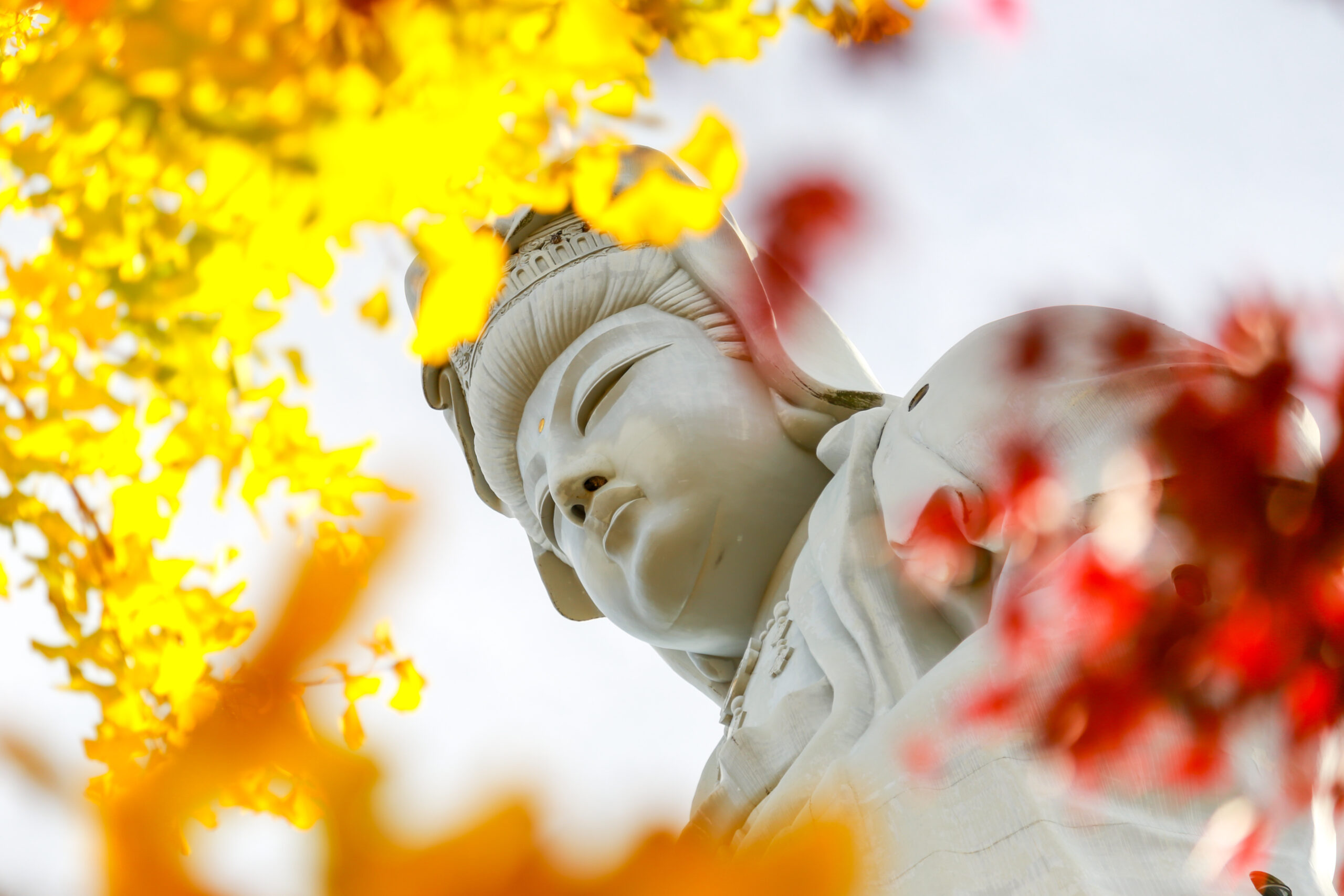
This impressive, towering statue of the Goddess of Mercy is a well-known symbol of Takasaki. You can walk up 146 steps inside the statue, climbing nine levels to its shoulders, where you will be greeted with views across Takasaki. The statue is within the grounds of Jigenin Temple. People pray to the 20 enshrined Buddhas placed within it. The statue is most beautiful in spring, when cherry blossoms from the surrounding temple gardens frame it, and in autumn, when the garden's maple trees turn red and yellow. Byakue Dai-Kannon is 41.8 meters tall and weighs nearly 6,000 tons.

Culture & Arts Nakasendo Mikuni kaido GUNMA