
Greater Tokyo

See & Do

reset
Iwashita New Ginger Museum

Iwashita New Ginger Museum

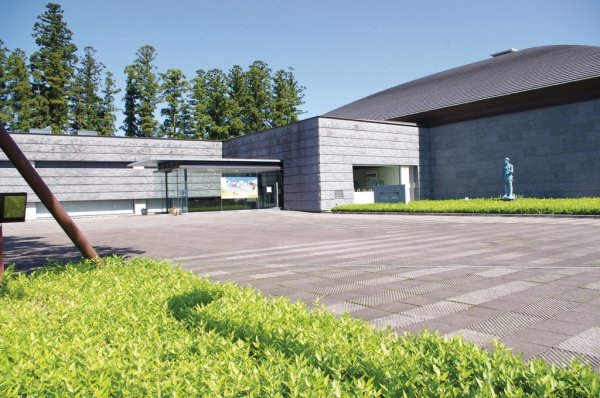
A museum dedicated to Iwashita Young Ginger (pickled ginger), which is commonly eaten across Japan. The inside of the museum is a soft pink, matching the distinct color of the products. There are also plenty of playful photo spots at the museum for you to have fun and enjoy yourself, such as the "Ginger Jinja" (Ginger Shrine) that's said to give you good luck in love, and a giant, 5-meter tall young ginger "hat" that you can try on. There is also a museum shop and cafe, so the museum is great for buying souvenirs and having a light meal too.

Nikko kaido Oshu kaido TOCHIGI
Shiobara Onsen Visitor Center

Shiobara Onsen Visitor Center

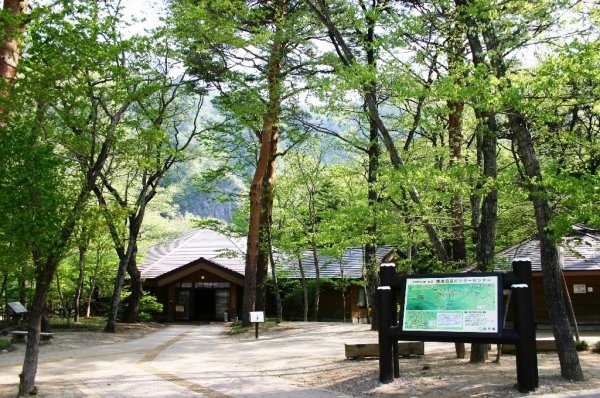
This tourist information center located in Nasushiobara City, Tochigi Prefecture provides explanations and guidance for the nature and promenade in Shiobara, and operates various walking plans. For example, it coordinates nature walking plans corresponding to the season and members, hikes with park conductors and nature learning activities. In addition, the visitor center has a rest corner where you can rest yourself after walking."

Oshu kaido Nikko kaido TOCHIGI
Itamuro Kenko no Yu Green Green

Itamuro Kenko no Yu Green Green

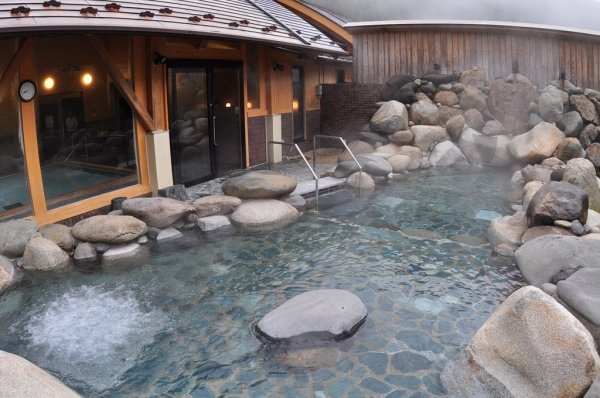
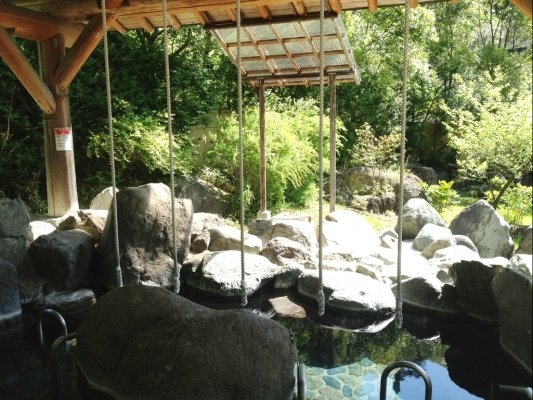
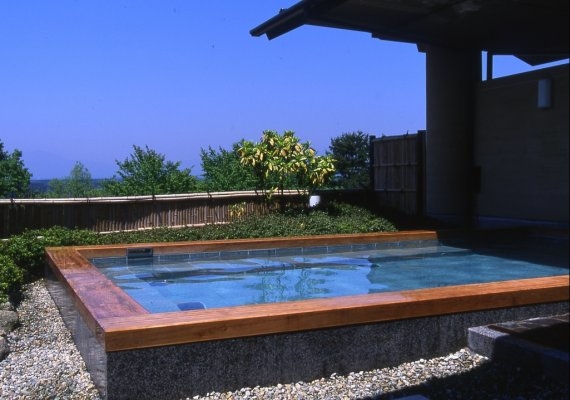
This day spa is located in Nasushiobara City. Its indoor baths leverage the vast amounts of hot spring water on hand while its open-air baths featuring transparent and colorless alkaline simple hot spring water are said to help with conditions such as nerve pain and muscle soreness. The Ami no Yu open-air baths, one of the spa's most notable features, allow bathers to soak in water deeper than their waists while holding on to ropes suspended from the rafters. The spa's different baths rotate between the two genders on a weekly basis."

Nikko kaido Oshu kaido TOCHIGI
Okada Memorial Museum

Okada Memorial Museum

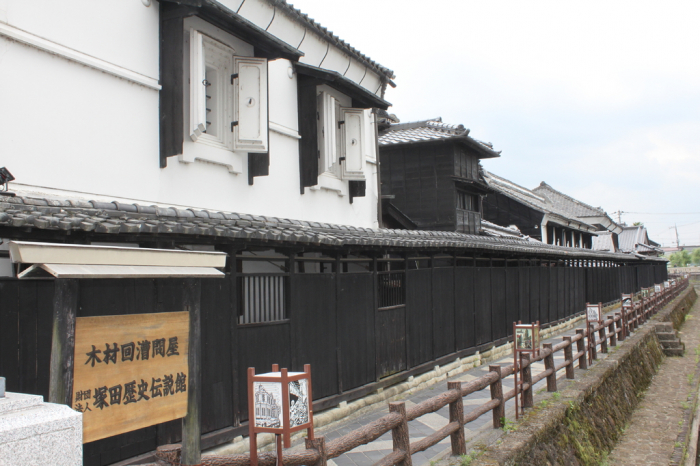
This memorial museum celebrates the Okada family, a family whose history dates back over 550 years and which was once one of the leading families of Tochigi City. The museum's expansive grounds sprawl across some 13,000 square meters, inside, the museum displays treasures passed down through the generations in the Okada family. Said to have moved to the area from distant Sanjo in Kyoto, in the Edo period the family is said to have provided leadership in creating the foundations of daily life and to have contributed to the building of a stable community. Later, the Tokugawa clan gave the area the title of Kauemon Shinden Village, which then became Kauemon Shinden Town (now Kauemon-cho)."

Nikko kaido Oshu kaido TOCHIGI
Yamaage Center

Yamaage Center

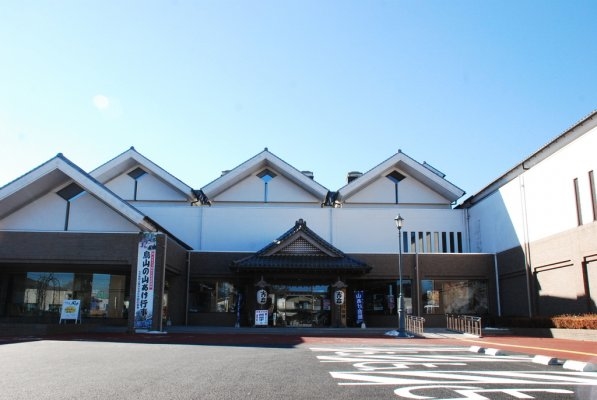
This museum features permanent exhibits about the Yamaage Matsuri of Karasuyama, UNESCO Intangible Cultural Heritage and a National Important Intangible Cultural Heritage. At this facility, a human-like robot named Kansuke Jiisan (Grandpa Kansuke) provides a detailed explanation of the Yamaage Festival. Visitors can get a close look at the large stalls actually used for the festival as well as a one-fifth-scale replica of the actual stage. Local specialty products are sold at the convenient tourist product corner offering the perfect souvenirs."

Nikko kaido Oshu kaido TOCHIGI
Stone Museum in Ashino, Nasu

Stone Museum in Ashino, Nasu

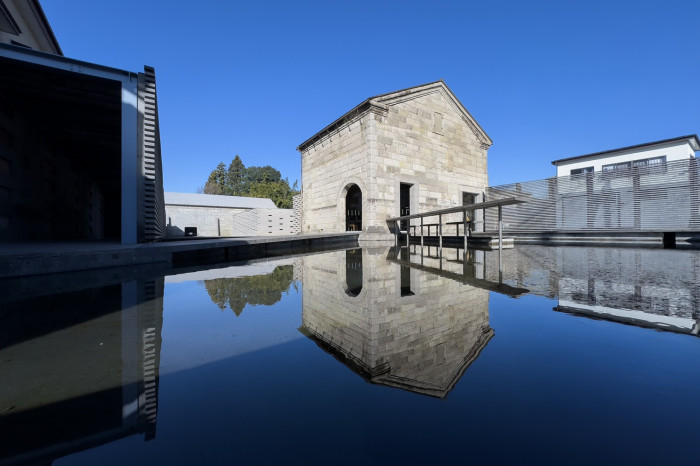
This modern art museum was created by transforming an old rice stone warehouse, redesigned by internationally acclaimed architect Kengo Kuma. The building itself is a beautiful space composed of stone, water, and light, making it not only a cultural site but also a popular photo spot. In winter, as the daylight fades, the lights from each building—divided by a flowing waterway—create a magical and dreamy atmosphere, offering a breathtaking seasonal view. Kengo Kuma (born 1954) is one of Japan’s most celebrated architects, known for projects such as the Nezu Museum in Aoyama, Tokyo, and GINZA KABUKIZA. More recently, he gained worldwide recognition for designing the new National Stadium in Tokyo. His architectural style, which features natural materials and lattice designs, is highly praised both in Japan and abroad. After a renewal in November 2024, the museum reopened with several new features. A café now adjoins the entrance, offering drinks brewed by a professional barista using an espresso machine. The revamped “Stone Lounge” invites visitors to relax while enjoying furniture designed by Kengo Kuma. The roof of the main gallery—the largest of the museum’s three historical stone warehouses—has also been renovated using Ashino stone, the same material as the building’s exterior. The entrance area is freely accessible without an admission ticket, allowing guests to enjoy shopping or a casual drink even without entering the exhibition area.

Nikko kaido Oshu kaido TOCHIGI
Suga Shrine

Suga Shrine

Birth of Suga Shrine Suga Shrine was built by a legendary samurai Fujiwara no Hidesato, who prayed to Susanoo-no-Mikoto for victory over his enemies. To thank God for their bless, he brought the God from Gion Shrine (Yasaka Shrine) to Oyama and built the shrine.   The site of the legendary “Oyama Council”, witnessed the birth of the Tokugawa hegemony. It is said that before the Battle of Sekigahara in A.D 1600, Tokugawa Ieyasu held the famous “Oyama Council” at Suga Shrine and prayed for the victory of the battle.   After Ieyasu’s victory and the establishment of the Edo Shogunate, Suga Shrine was greatly honored by the Shogunate. In 1658, staff members who had participated in the construction of Nikko Toshogu Shrine, created a miniature version of the Akamikoshi in Toshogu Shrine, which became the pressure of Suga Shrine.   Today Suga Shrine’s Akamikoshi has been designated as a “Cultural Property by Tochigi Prefecture”.   Enjoy the Gion Festival in Tochigi! As a famous Gion Shrine, Suga Shrine is also called “Gozu Tenno Shrine”. Suga Shrine holds “Gion Festival” on July 14 to 21 every year, 25 mikoshi including one massive one that weighs in at 2 tons are carried through the city in “Mikoshi Wataru” on July 20.   According to “Shimotsuke Province Choreography(下野国誌)” written in Edo period, Suga Shrine’s “Gion Festival” is the “best Gion Festival in Shimotsuke Province.”

Nikko kaido Oshu kaido TOCHIGI
Shiobara Imagination Archives

Shiobara Imagination Archives

This composite facility can be found along the Shiobara Valley Line in Shiobara, Nasushiobara City. You’ll find exhibits on Shiobara’s history and literature as well as a shop selling souvenirs and local produce, a cafe and restaurant specializing in western dishes made with local ingredients. There’s also a foot bath facility utilizing on-site hot spring water as well as a tourism information section and valley observation platform. "

Nikko kaido Oshu kaido TOCHIGI