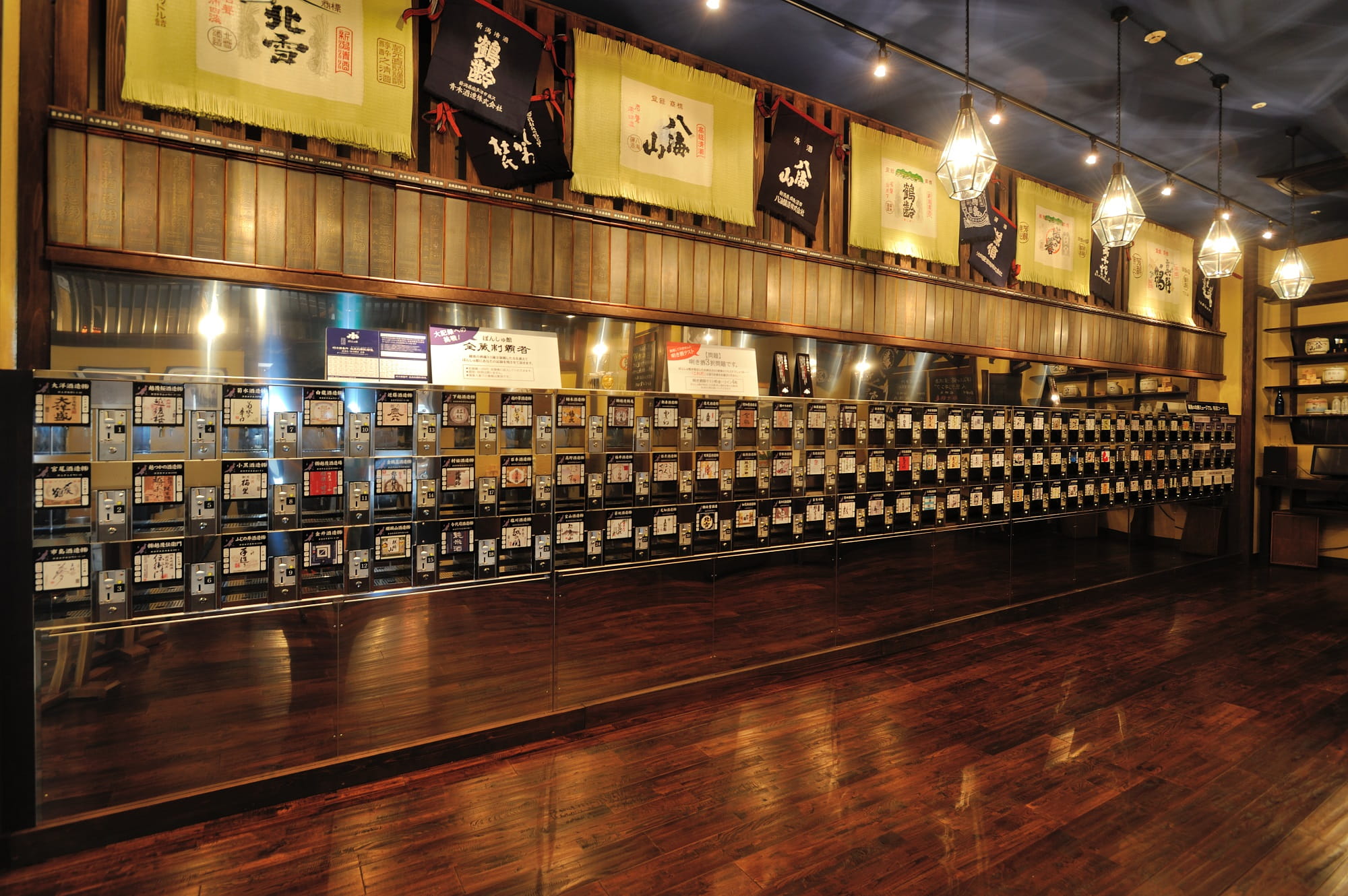


Ponshukan Echigo Yuzawa
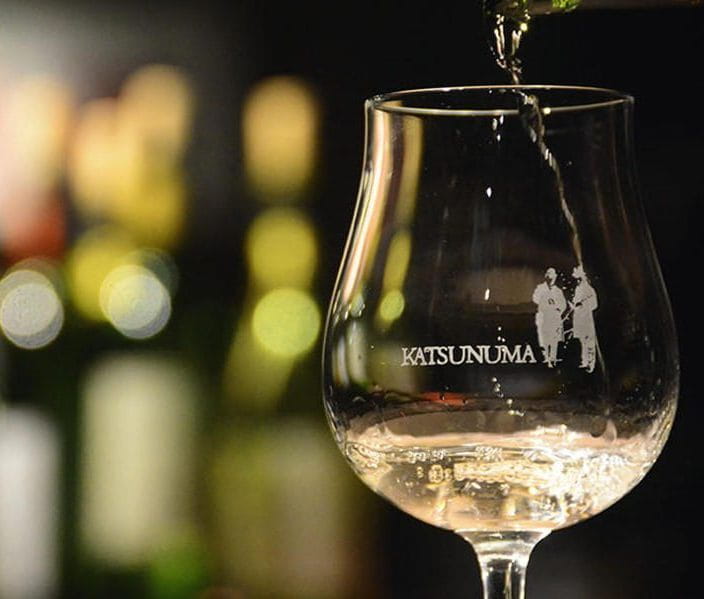
The pure snow of Niigata is well known for helping to create some of the best sake in Japan. And now you can sample over 100 kinds of sake from the region from the convenience of three major train stations.
Total: 1715 items
The pure snow of Niigata is well known for helping to create some of the best sake in Japan. And now you can sample over 100 kinds of sake from the region from the convenience of three major train stations.
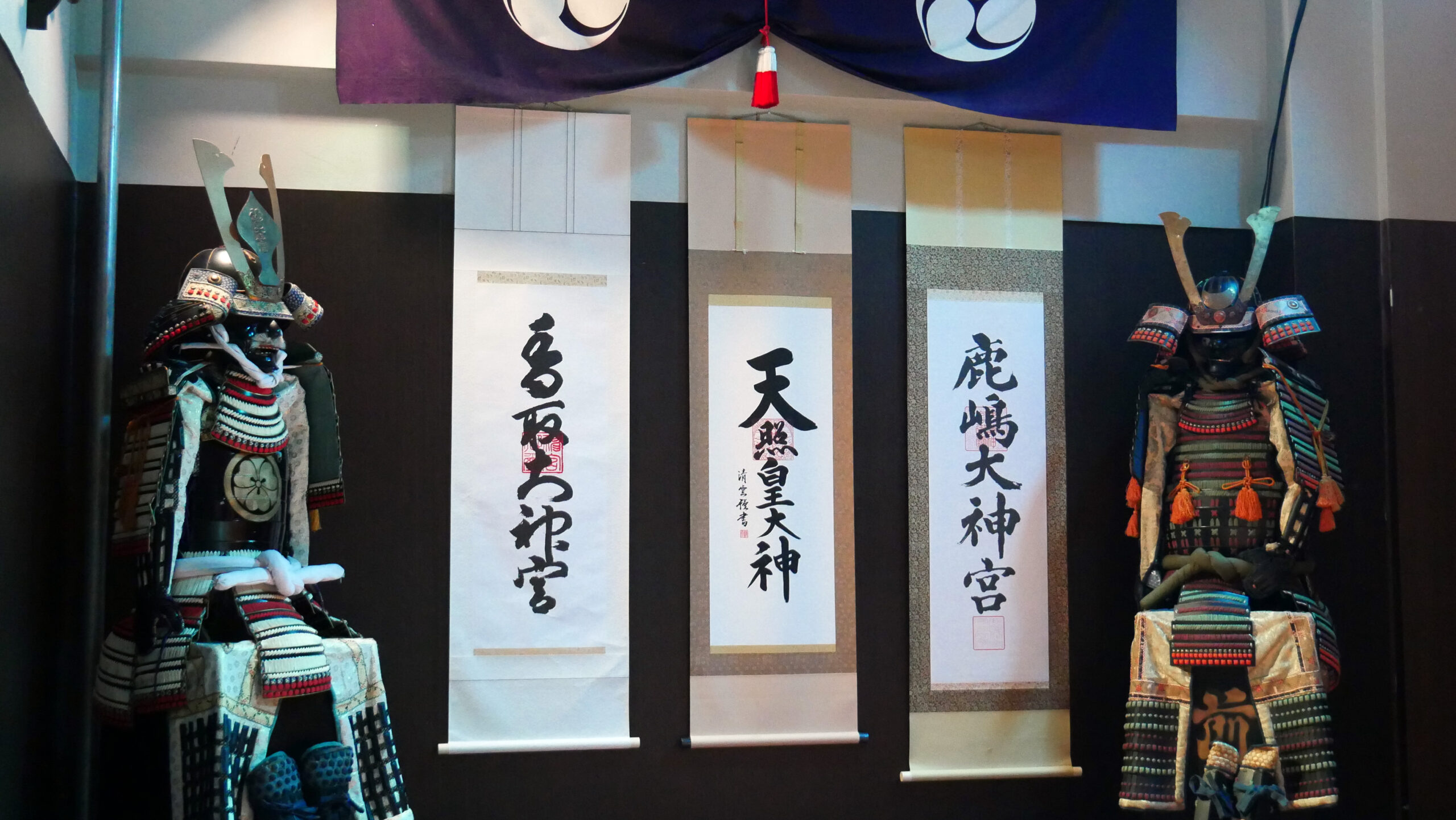
Samurai culture still thrives in Aizuwakamatsu, a castle town in central Fukushima. A distinguished school aims to keep traditions alive by introducing the authentic culture of the ancient samurai warriors to the entire world.
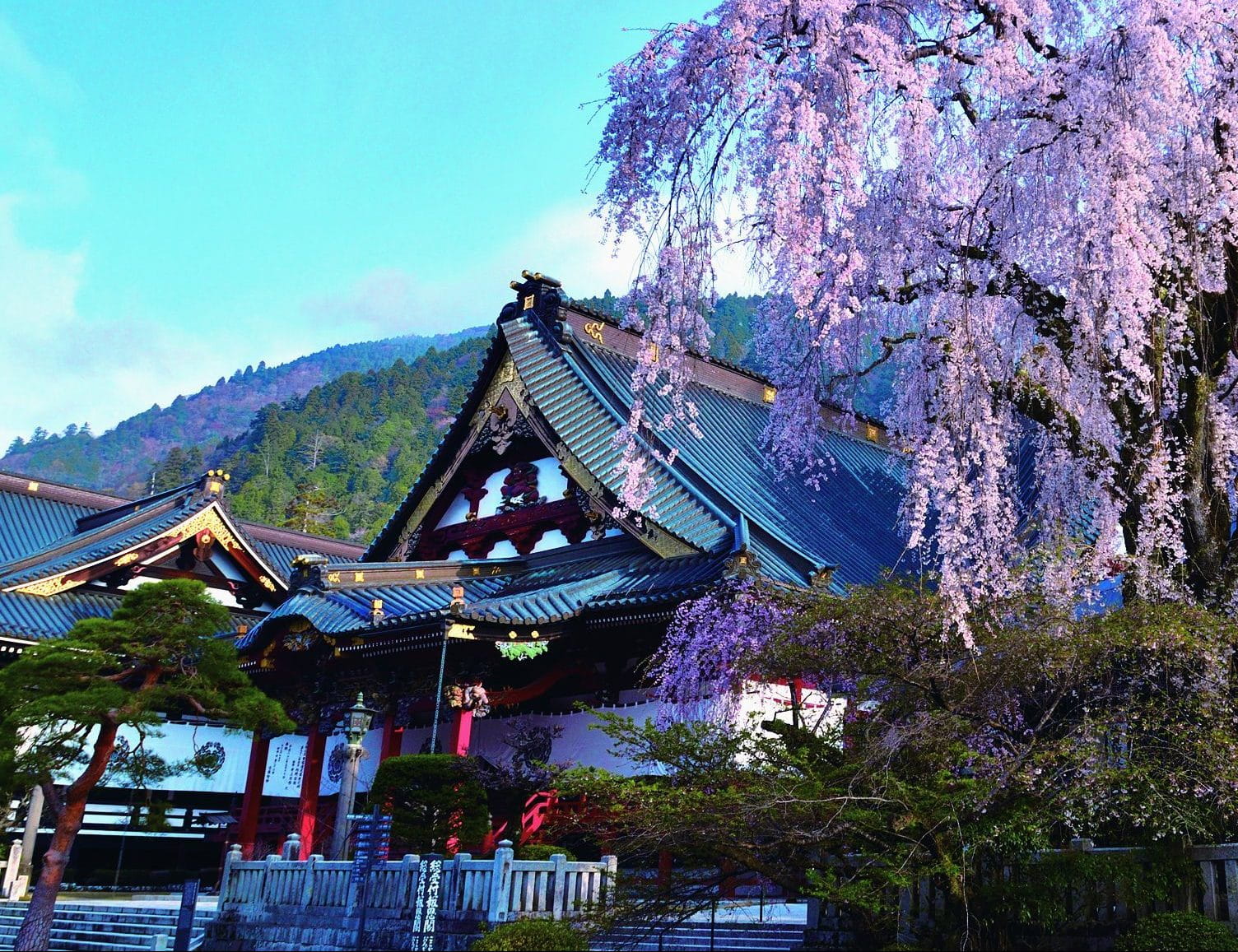
Waiting high up on Mt. Minobu is an area that just might be the place to catch your breath and center yourself. From the fresh crisp air of the mountains to the morning meditations offered at Kuonji Temple, there’s no shortage of options for unwinding during your visit to Yamanashi.
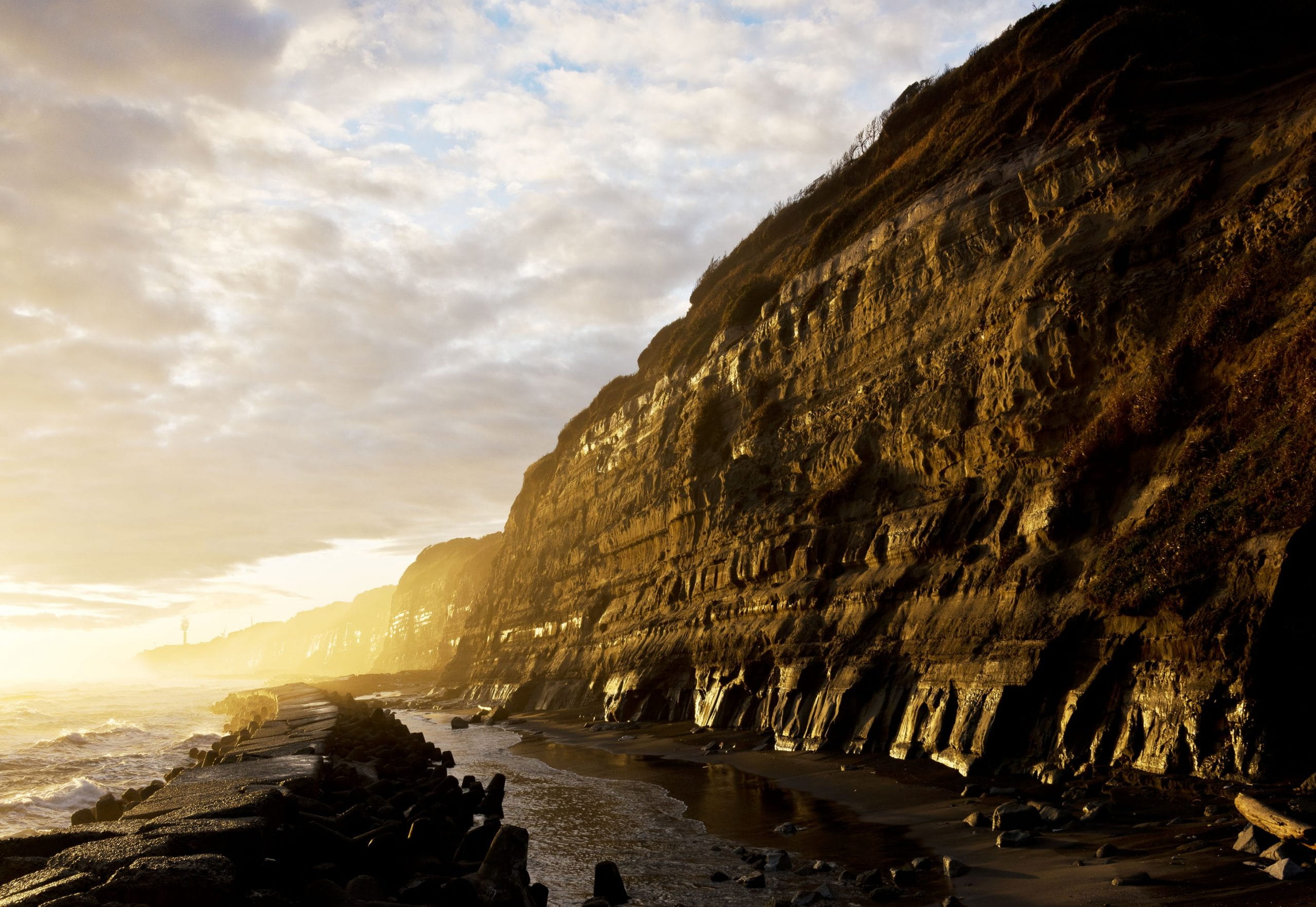
While it may be easier to call Byobugaura Cliffs the “Dover of the Orient,” no words could properly convey the serenity of this colorful jagged landscape lining the Chiba coastline.
Step back in time as you traverse Asakusa, the downtown of days past. The entertainment district of Edo, Tokyo’s former name, is a mash-up of history and culture right in the heart of the capital city.
Yamanashi is the most prolific wine region of Japan with over 140 years of growing experience, producing a third of all the wine made domestically. So there’s simply no better place to tour vineyards while tasting the best the country has to offer.
Located off the coast of Niigata Prefecture in the Sea of Japan, the remote island of Sado holds a unique place in Japanese history. Learn about how this former gold mine was a shining part of the Japanese economy.
Step into the world of Japan’s legendary warriors at Samurai Theater Tokyo in Kagurazaka, where history and action merge into an unforgettable experience. Situated in a district once home to samurai residences, this unique attraction connects you with Japan’s samurai heritage through performances and interactive programs. For everyone from history buffs to curious travelers, Samurai Theater Tokyo offers an authentic and immersive adventure unlike any other.
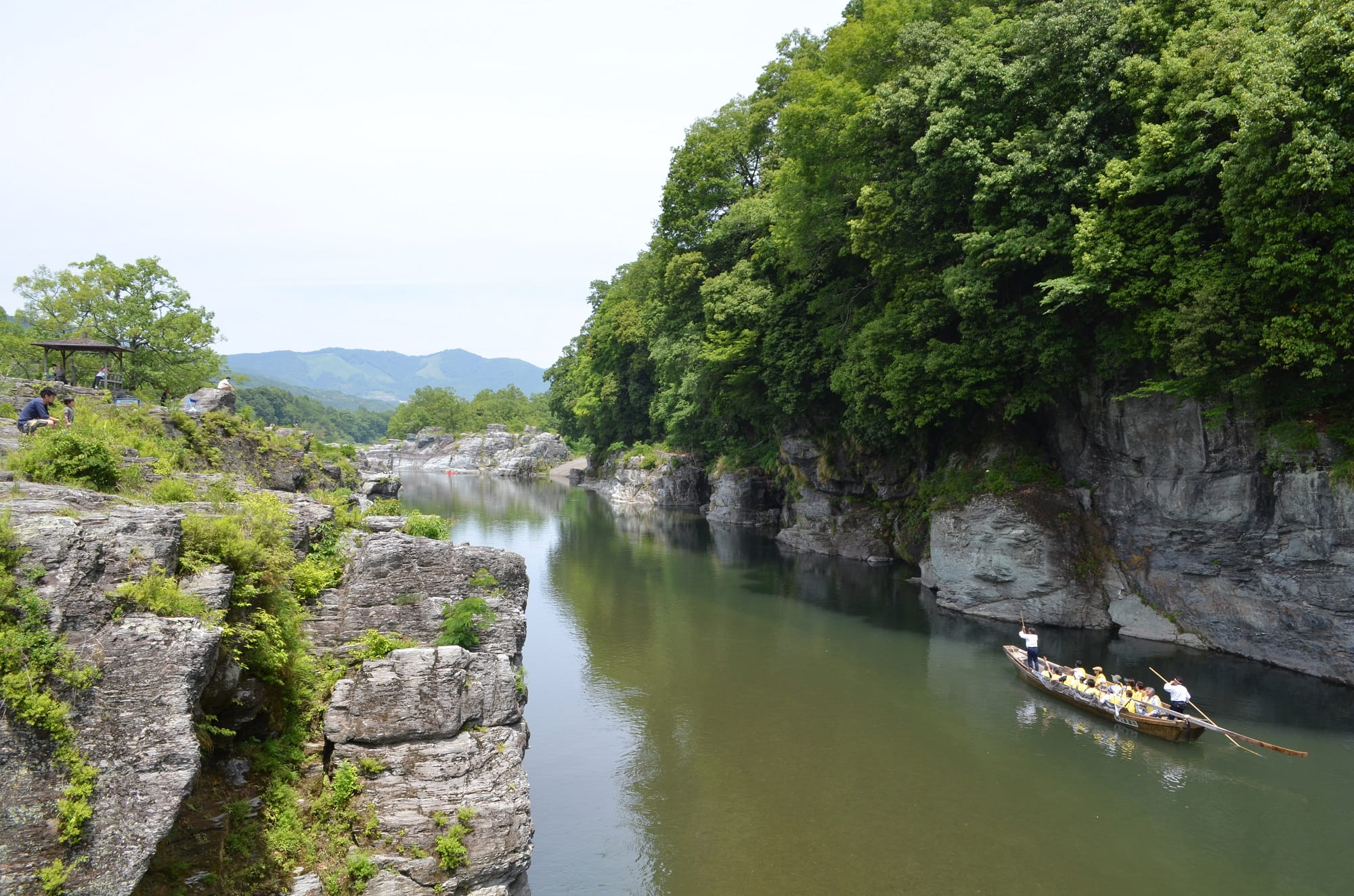
With no shortage of things to try in Saitama’s Nagatoro region, you might find yourself overwhelmed by choosing what to do first. We’re here to help you plan a trip full of fun activities and fresh food.
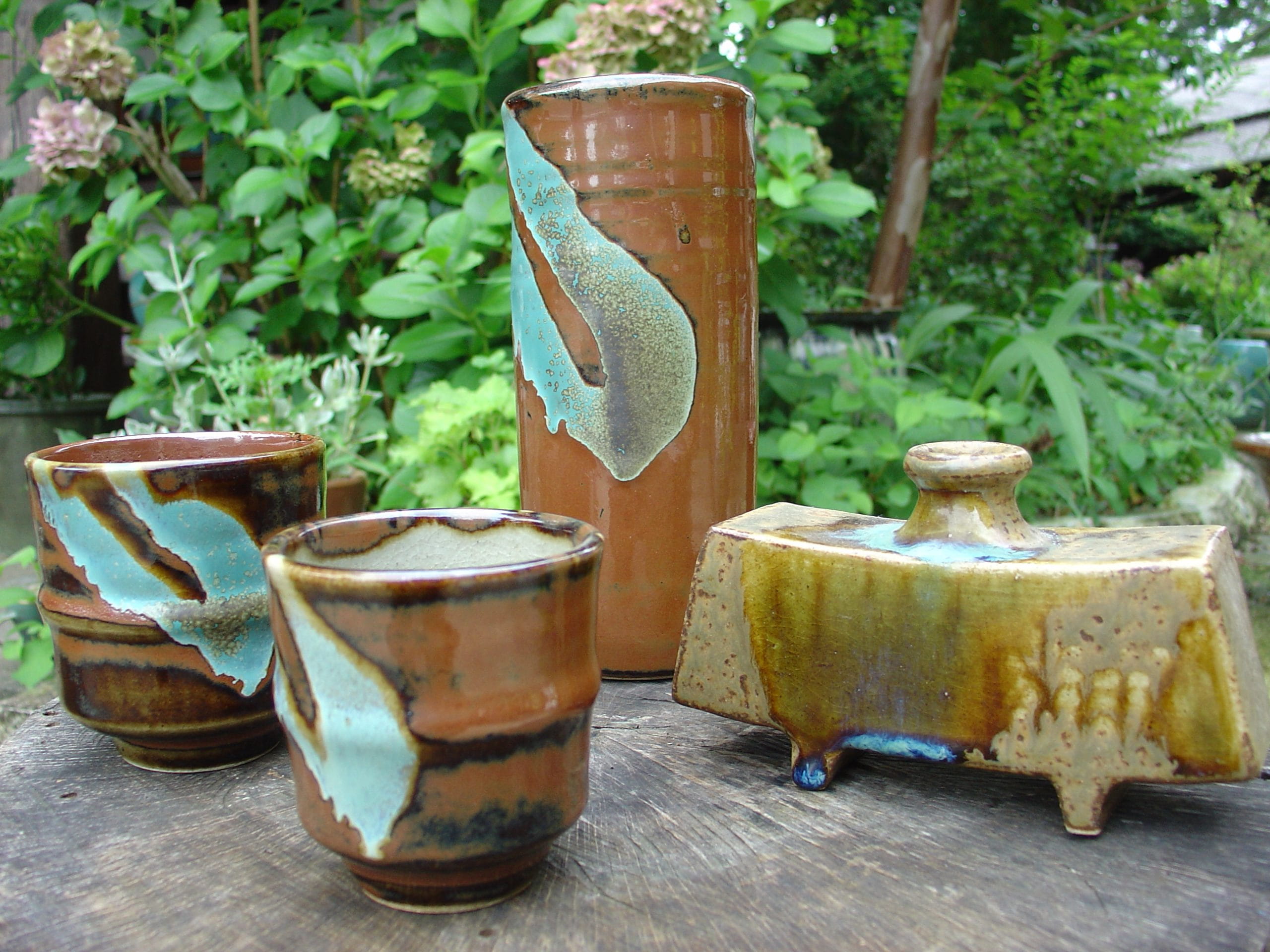
Embrace the town of Mashiko, where culture, art, natural beauty, history, and craftsmanship have combined to create a unique form of Japanese pottery and a National Traditional Craft.
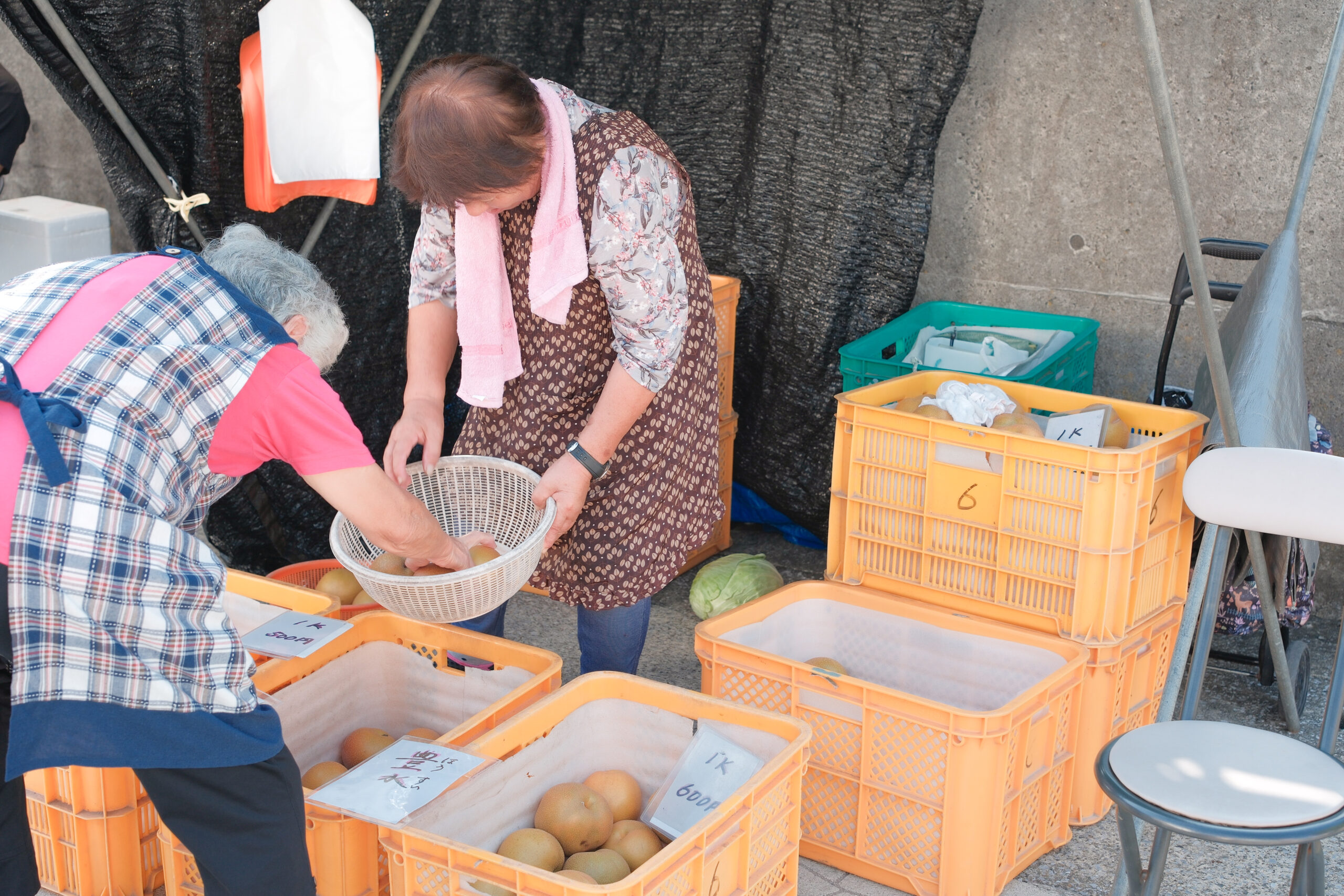
Step into a slice of history and embrace the community spirit at the Katsuura Morning Market in Chiba Prefecture. With its roots stretching back over 430 years, this vibrant market offers visitors a unique chance to experience the heart of local life.
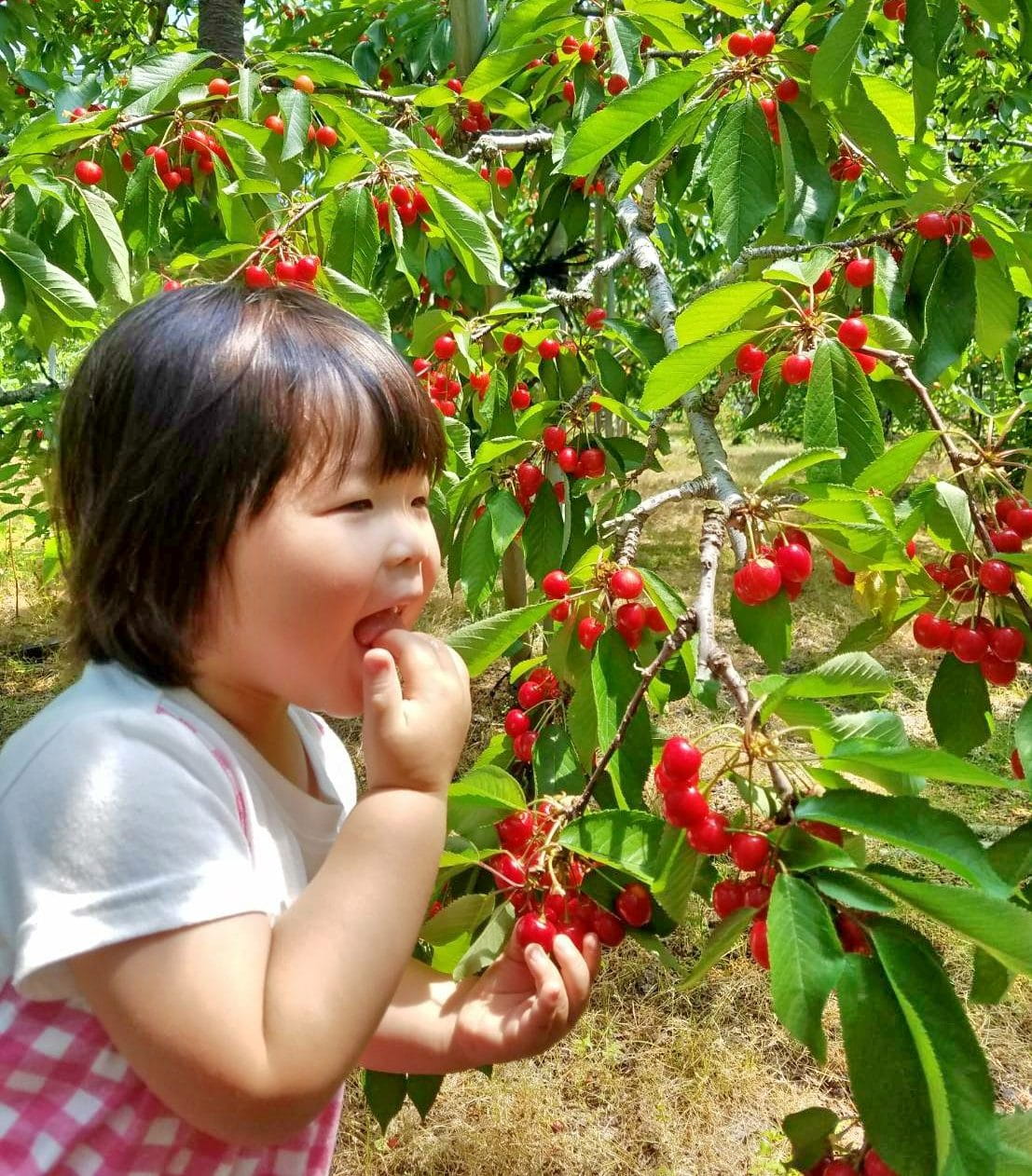
Gunma, home to some of the juiciest fruits and vibrant vegetables in Japan, is waiting for travelers to taste the bounty of the region. And we know just the spot to enjoy the seasonality of the prefecture directly from the source.
Japan’s first silk model factory is now a place where visitors can come learn about the history and development of the nation’s raw silk industry less than two hours from Tokyo. (Photo provided by Gunma Prefecture.)
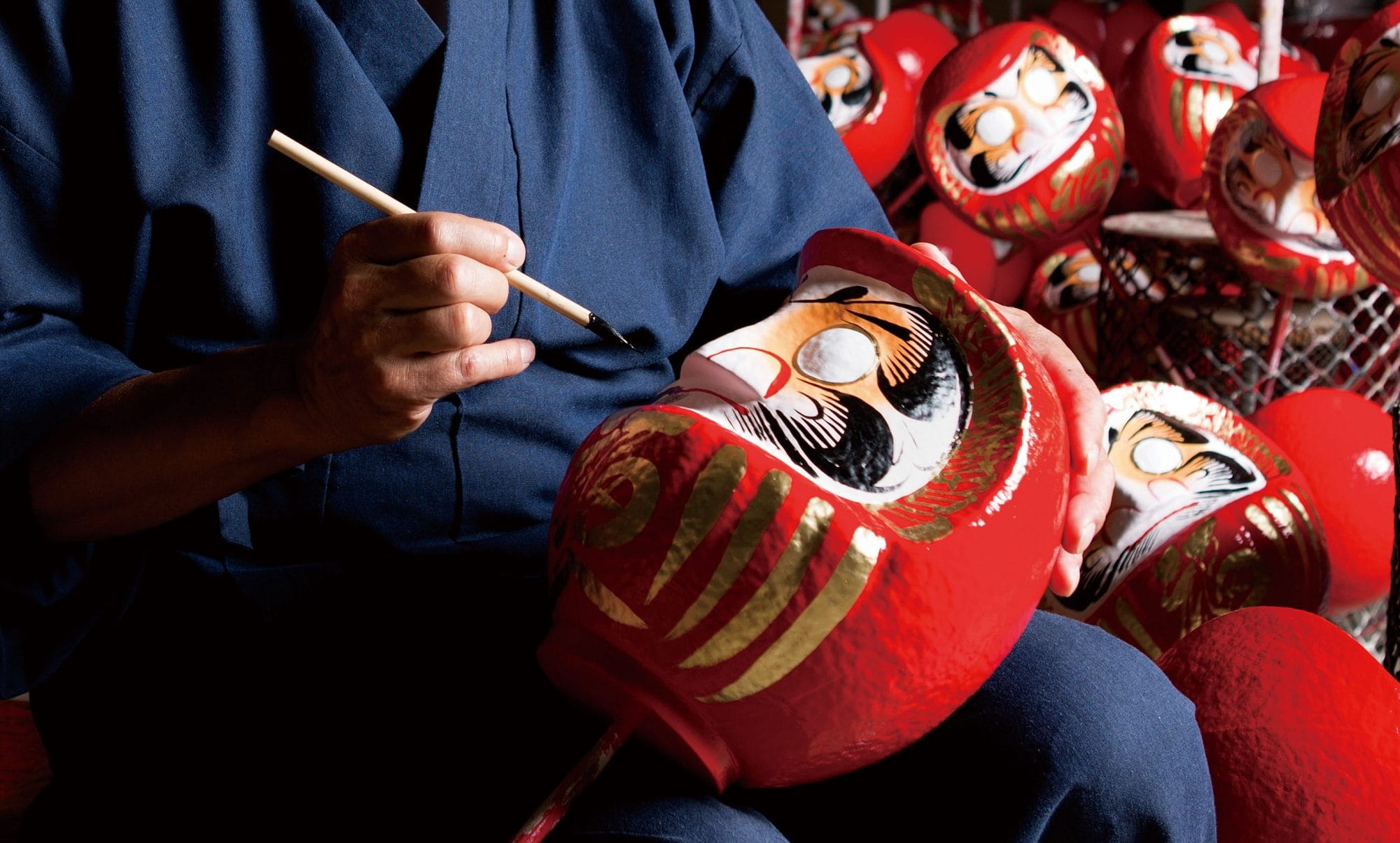
Daruma, hollow and rounded dolls generally made from paper, are one of Japan’s most enduring lucky icons. In Takasaki, visitors can try their hand at the craft in a workshop led by artisans recognized by Gunma Prefecture’s most famous daruma craftsman.
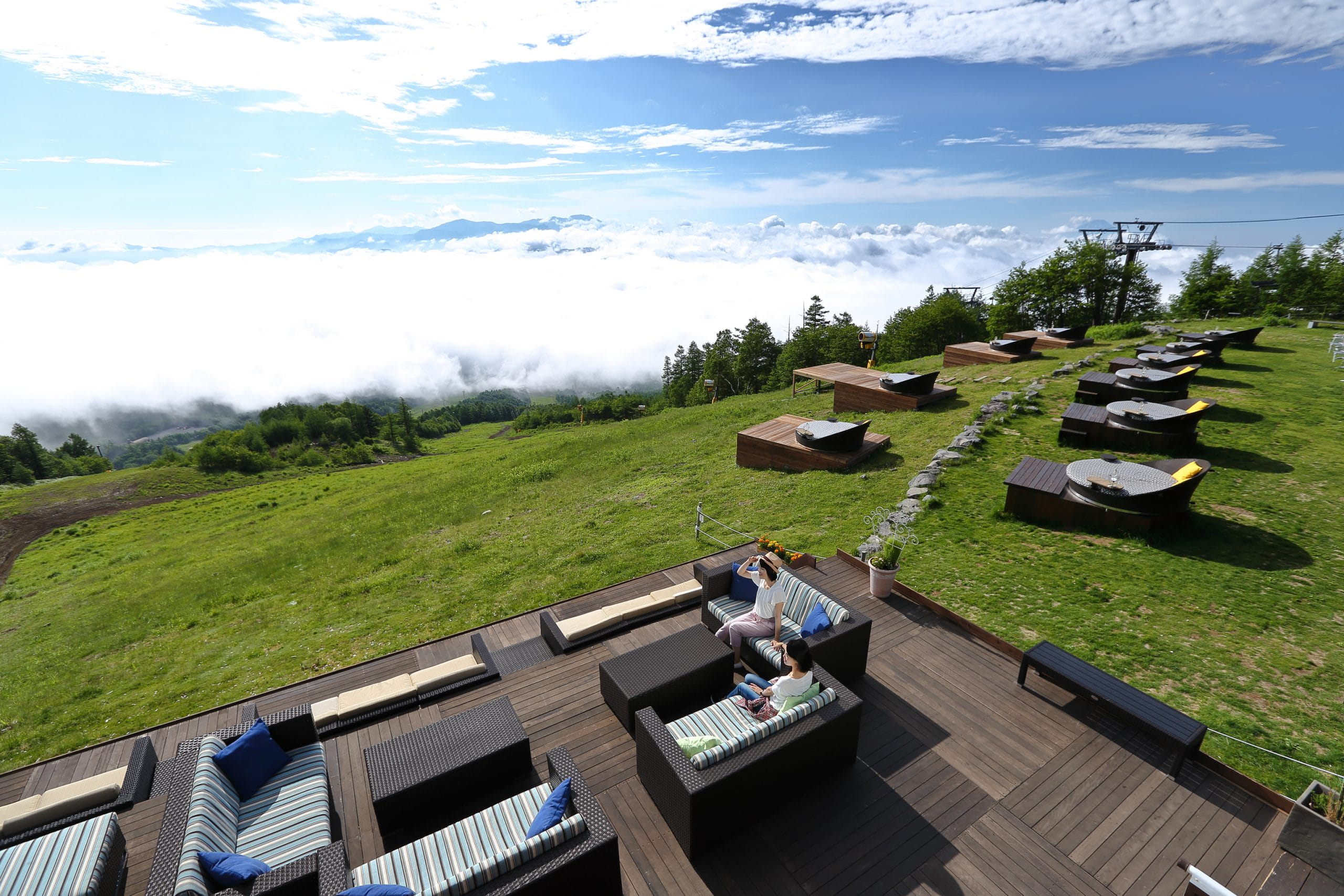
As the 1,100-meter-long Panorama Lift allows visitors to escape the summer heat of nearby Tokyo, Sun Meadows Kiyosato proves to be a popular spot for visitors to soak up the mountain sun while comfortably cooling off.
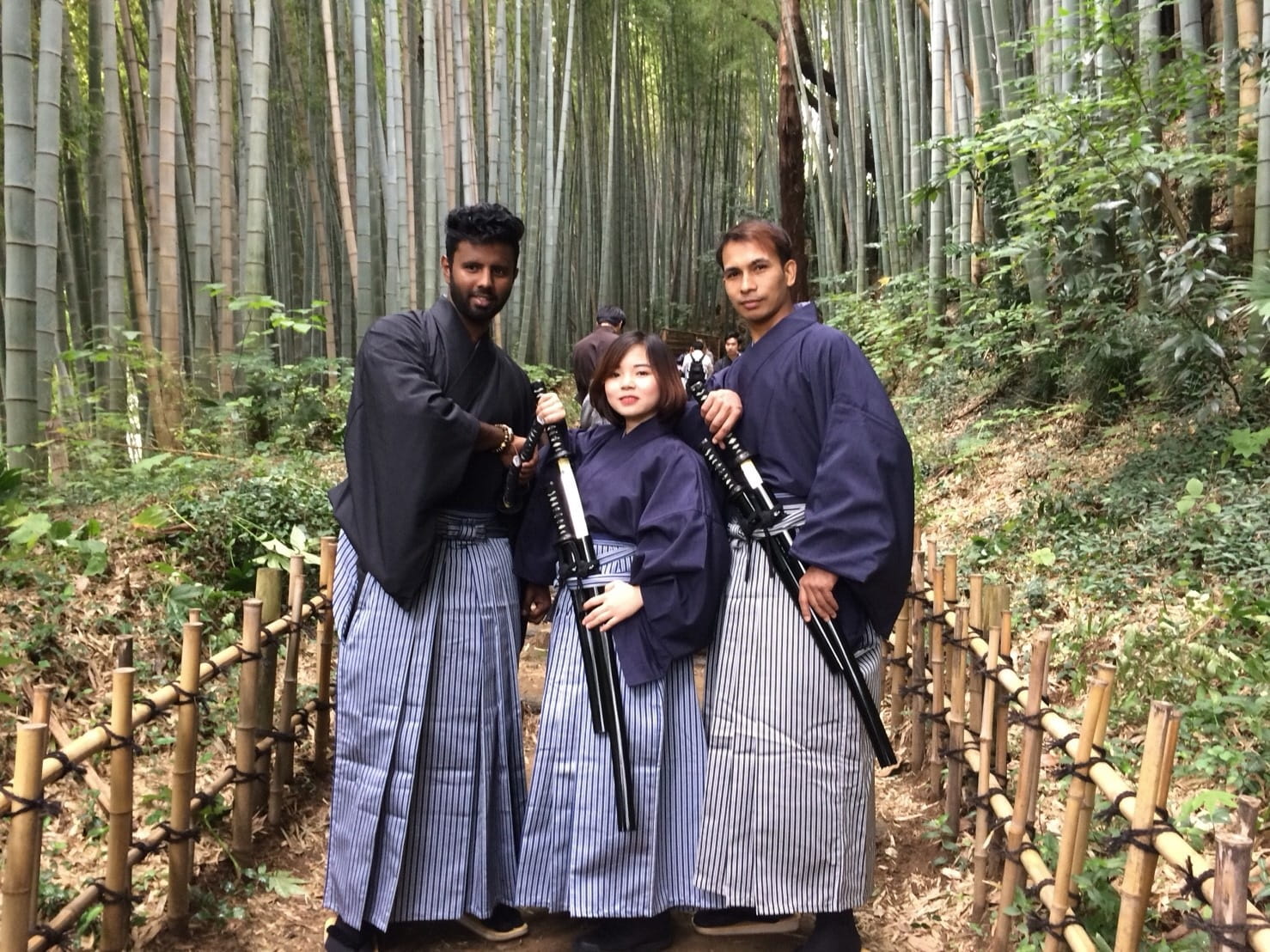
Stroll like a samurai in the city of Sakura, home to well-preserved traditional homes, sword masters, and serene bamboo groves that look straight out of a Kurosawa film.
Uncover the elegance of Japanese craftsmanship and create your own masterpiece at a Kiriko Workshop in Tokyo, where tradition meets modern creativity.
Although Jigokudani changes dramatically depending on the season, one of the most popular times to visit is winter, when there is a chance to see the monkeys that inhabit the valley soak in a hot spring to warm up!