

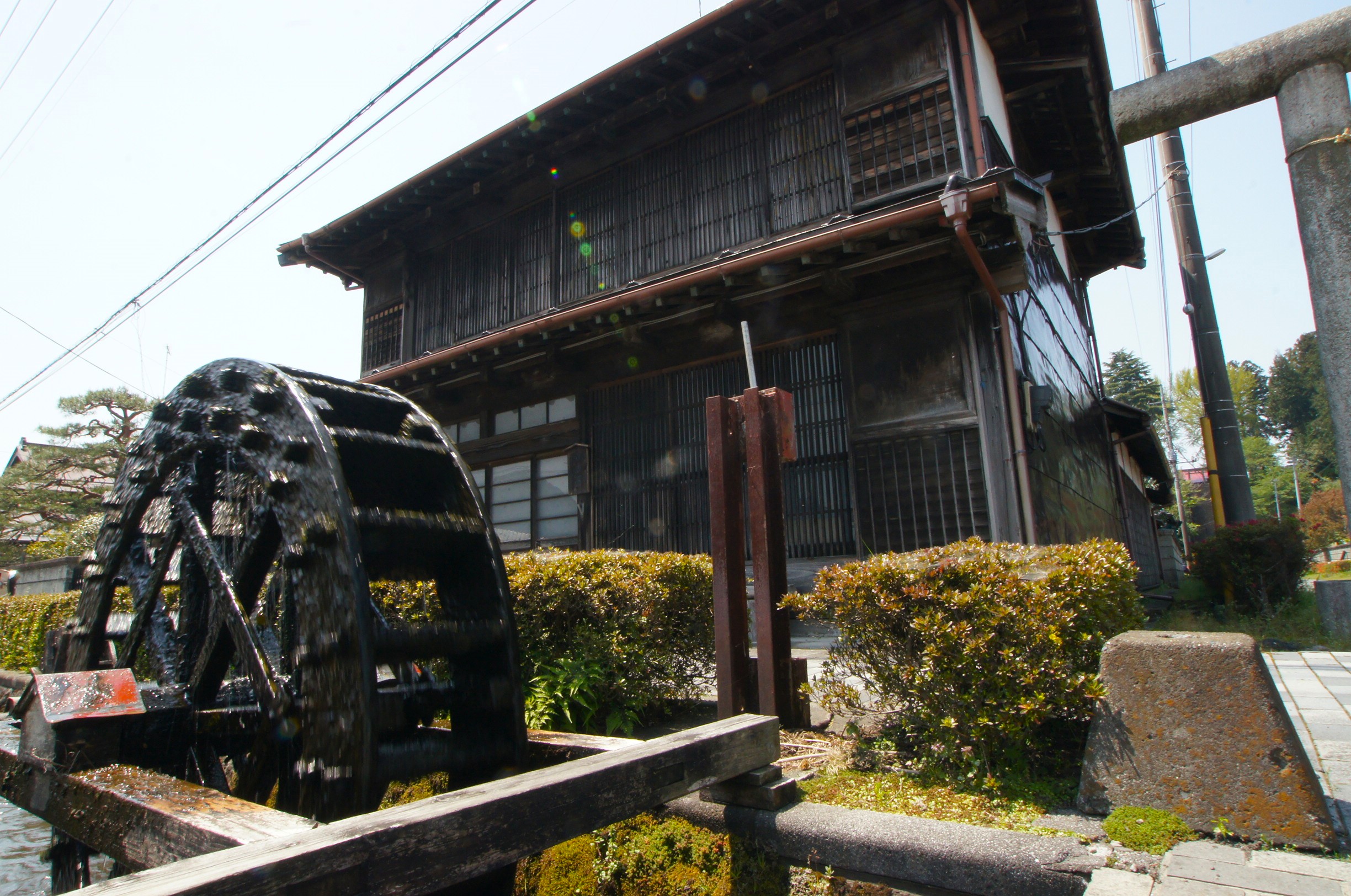
Shirasawa-juku
Once a lively Oshu Kaido post town, Shirasawa-juku still invites visitors to walk its streets and discover traces of travelers from centuries past.
Total: 1727 items
Once a lively Oshu Kaido post town, Shirasawa-juku still invites visitors to walk its streets and discover traces of travelers from centuries past.
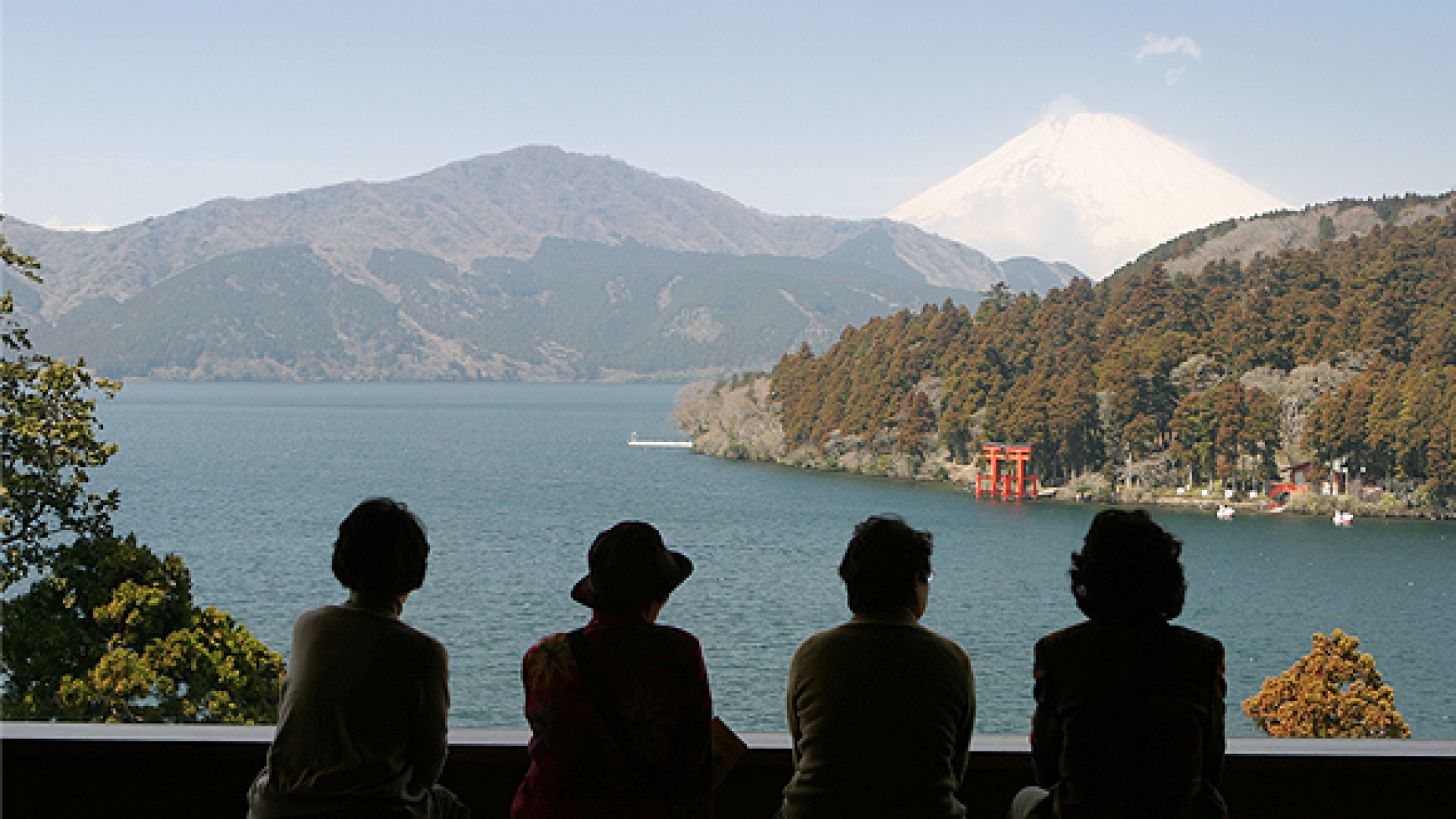
Narukawa Art Museum stands by the Ashinoko in Hakone, surrounded by trees. It was opened to the public in 1988. They have a collection of more than 4,000 works specializing in modern Japanese paintings. They have about 150 pieces of works by Gakuto Yamamoto, who has won an award for culture. About 40 pieces of Ikuo Hirayama. From the museum's garden, enjoy an excellent view of Hakone.Enjoy one of Hakone's best views from the Panorama Lounge — when the sky is clear, admire Mount Fuji, Lake Ashi and Hakone Shrine's red torii gate together.
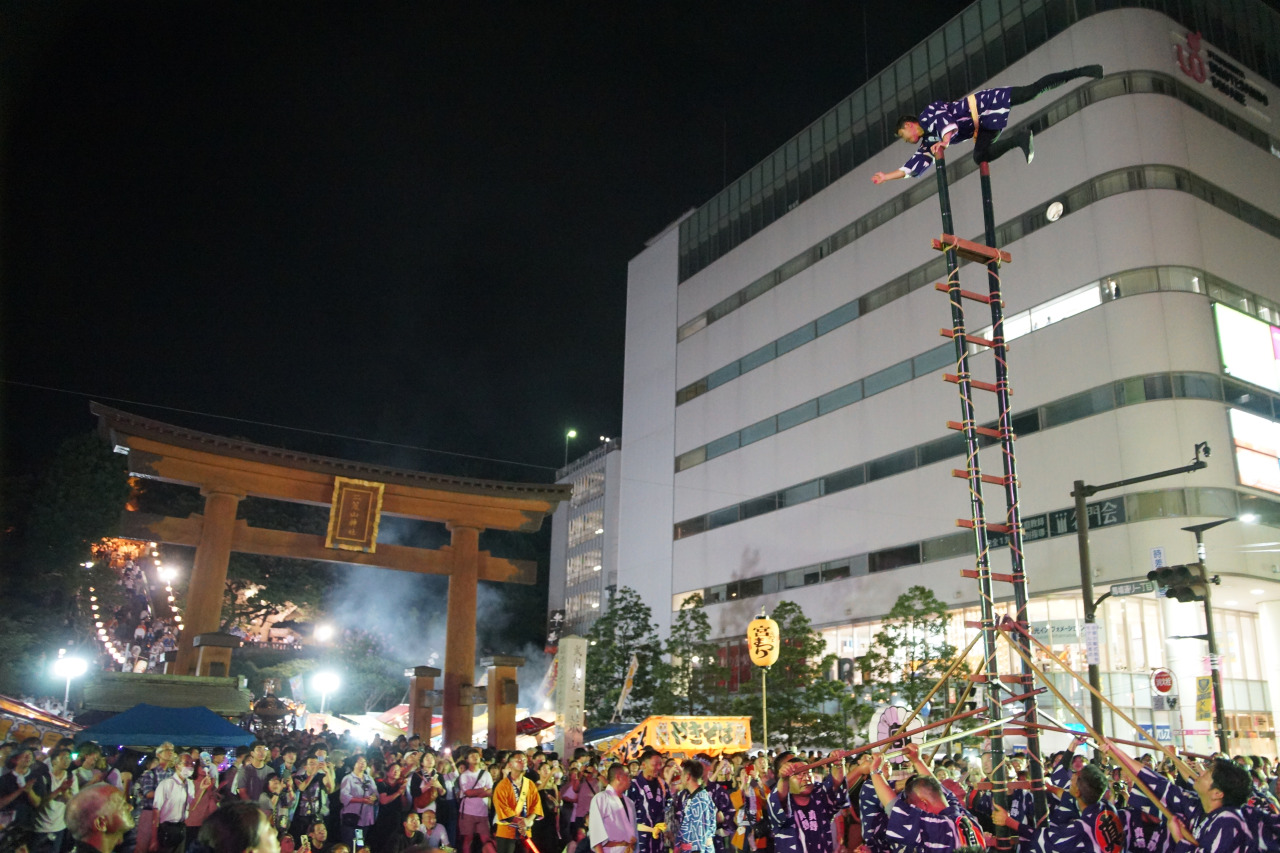
"Furusato Miya Festival," the biggest summer festival of Utsunomiya City, holds on the first weekend on August every year. It began on 1976 to celebrate 80th anniversary of Utsunomiya City, and became a symbol of the city. Under the theme of " Meet and Connect," a variety of events will color the summer in Utsunomiya, including dances, Japanese drums, Ohayashi performances, Miyakko parade by children, and Mikoshi (portable shrine) performances, all centering on the main street of Utsunomiya.
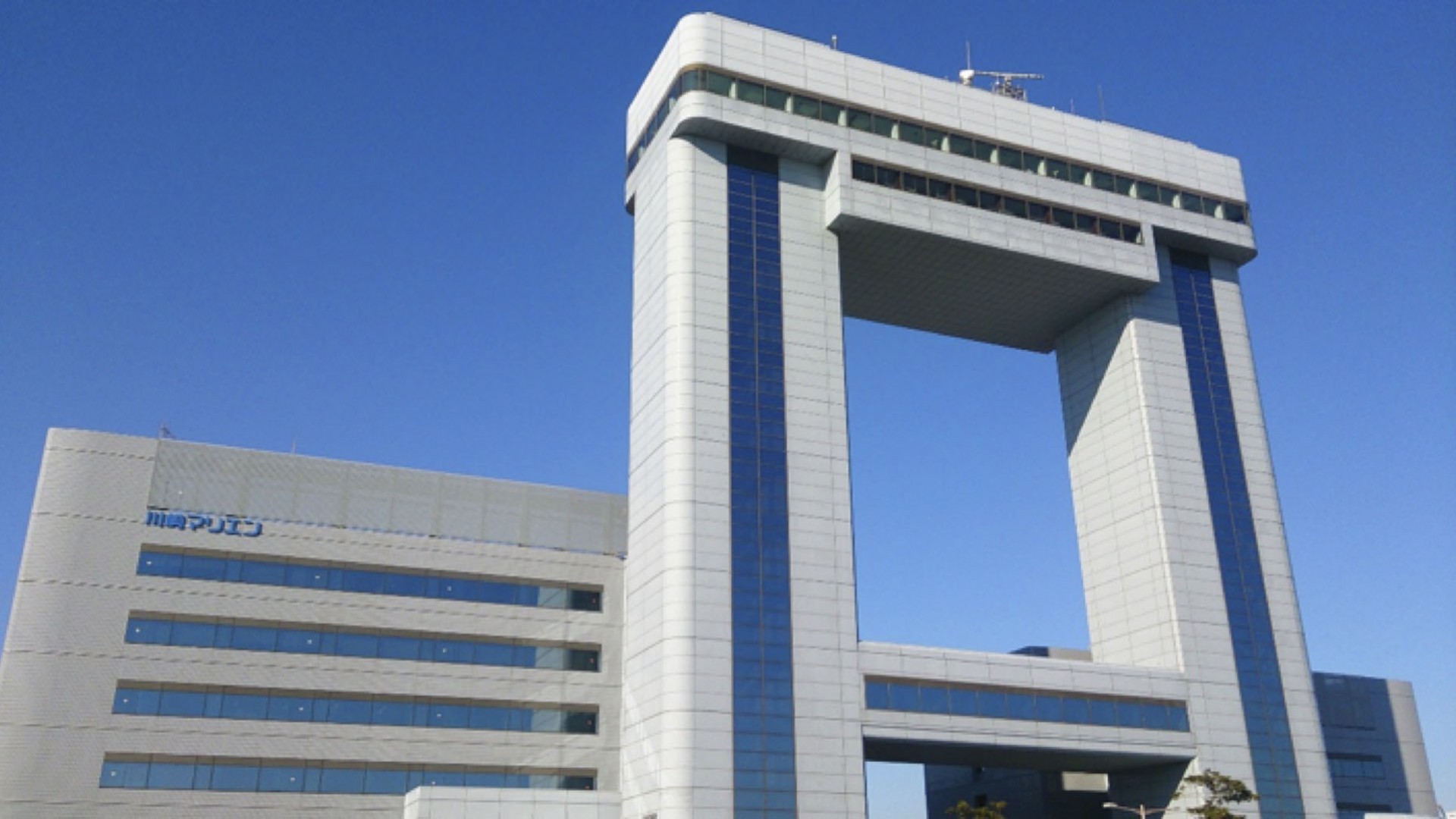
Kawasaki Marien brings citizens and the port together. Formally known as "Kawasaki Harbor Promotion Hall", the building is 51 meters in height and offers a panoramic view of the harbor from the observation deck. Facilities include a restaurant, a gymnasium, a tennis court and more. It is home to the world's largest stuffed great white shark.From the observation room on the 10th floor of the tower building, you can see planes taking off and landing at Haneda Airport; large ships going to and from the sea, and enjoy a beautiful view from evening to night. Admission is free until 9 pm.
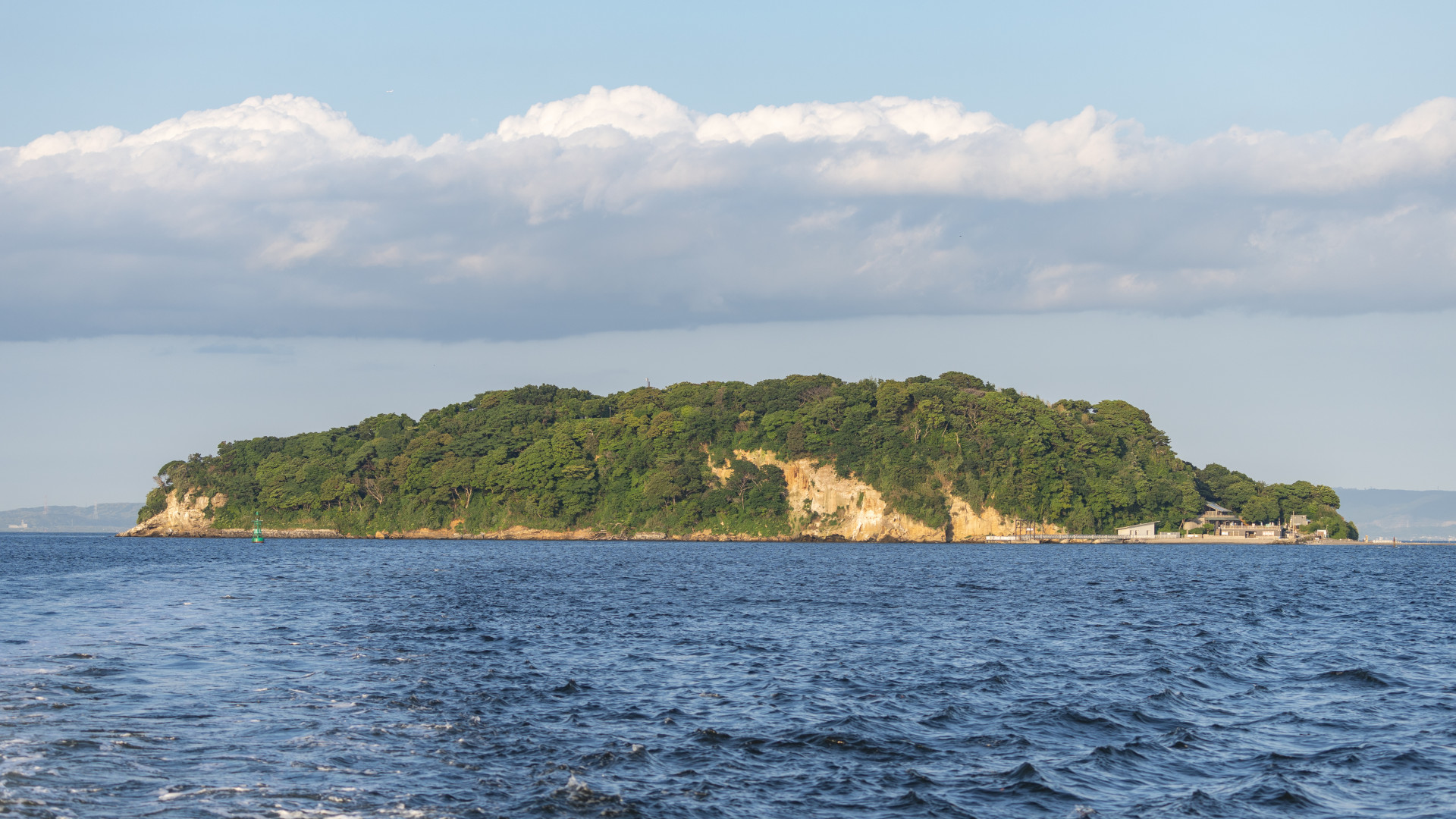
Sarushima is the only deserted island in the Tokyo Bay area and is also the biggest natural island. Here you can enjoy many activities such as barbecue, fishing, and strolling around major historical ruins. It takes approximately 30 minutes to get there by boat from the Keikyu Line Yokosuka Chuo Station. (The boats to Sarushima have different capacities, ranging from 80 people to 200 people maximum depending on the season.) This easily accessible sightseeing spot is designated as a National Historic Site.Sarushima was originally a defensive outpost. These brick tunnels, alongside other abandoned structures, are signs of its military history.Before or after getting the boat to Sarushima, we recommend checking out the memorial warship Mikasa, which is in Mikasa Park adjacent to the pier. Mikasa is the oldest surviving steel battleship in the world and is recognized as a Cultural Property of Japan. On board, you will find a great number of historical exhibits. Additionally, on the first floor of the Mikasa Terminal (opened in July 2020), you can buy tickets for the boat to Sarushima, as well as souvenirs and light meals. There is also a tourist information center. We recommend that you visit the Sarushima Visitor Center on the second floor while you wait for the boat. There is no reservation system for boarding, so please arrive well in advance of your desired departure time. The Mikasa Terminal is also the base for landing tours to Tokyo Bay's No.2 Sea Fort.
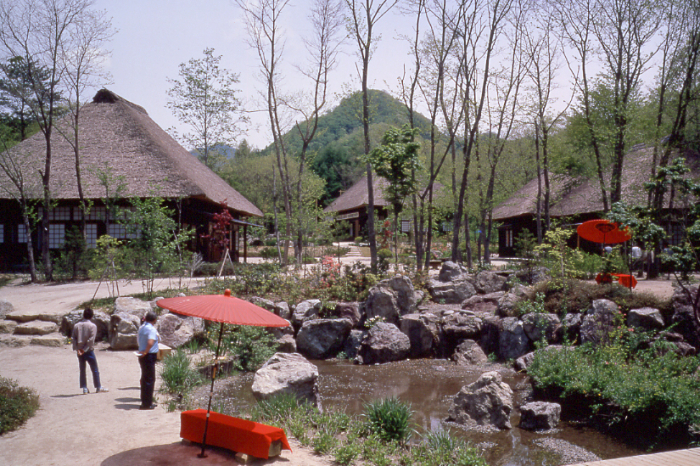
A village of old, traditional Japanese thatched-roofed houses was relocated and reconstructed in order to preserve Heike Ochiudo culture for future generations. In this area, the "Heike mounds" where Fleeing Heike Ochiudo warriors buried their weapons and treasures can be seen. And, of course, there are plenty of local dishes to enjoy.
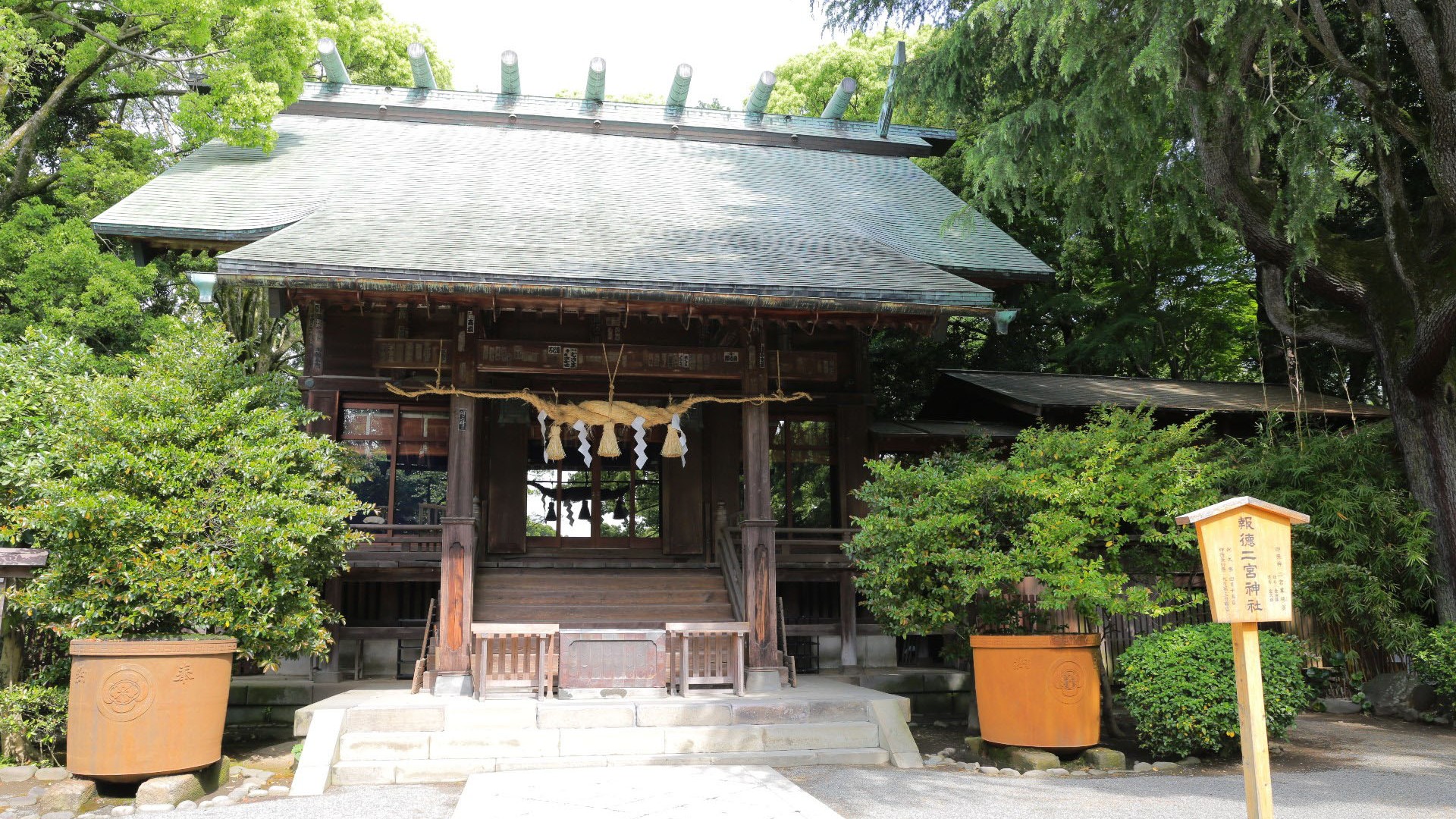
This shrine was built to commemorate Ninomiya Sontoku who was born in Odawara and made all efforts to revitalize the villages everywhere. It is located near Odawara Castle, there are plenty of delicious restaurants and cafes. This is the shrine collecting all the things and events of that area.
N's YARD is a private modern art space displaying the works of modern artists and was created with the intention of making a space available for visitors to casually see the works of the artist and sculptor, Yoshitomo Nara. The museum has a café and a museum shop, too. Five exhibition rooms showcase not only Nara’s works including paintings, drawings, and 3D art pieces, but also Nara’s collections of other artists’ works, records, and dolls. Exhibitions are planned and designed by Nara. Besides the exhibition rooms, there is also a café, which offers light meals, drinks, and desserts, made with carefully selected ingredients, and a museum shop that sells items produced exclusively for this museum. Photo: Mie Morimoto ※The images may differ from the current facility appearance.
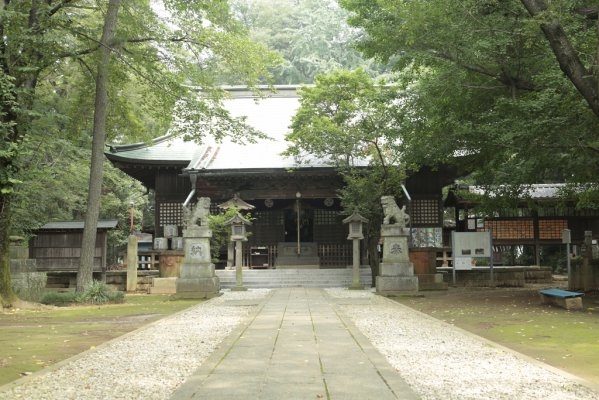
Nogi Jinja Shrine was built approximately 1,600 years ago.The carvings on the side walls of the hall are impressive, and there is a 1200 year old ginkgo tree that towers over the shrine grounds. Women make consecrate model breasts made of rice bran and white cloth and pray at the ginkgo tree to ensure good production of milk and healthy infants."
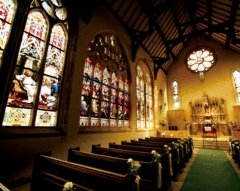
Made in the motif of the UK's Cotswolds aristocracy manor house, this small museum shaped like a castle was painstakingly constructed using only the finest materials. The exhibits include antique stained glass from the 1800s. Particularly popular are, the stained glass produced by the glass studio artist Tiffany, and the glass that is inspired by the Biblical wall decorations of St. Raphael Chapel. Inside the building antique pipe organ music is played live for your enjoyment during the stained glass viewing, every day. Additionally the St. Gabriel Chapel has a concert weekly (on weekends) with a variety of musical instruments, so weekend visits are recommended. This building also has a café where you can enjoy a meal and traditional British tea."
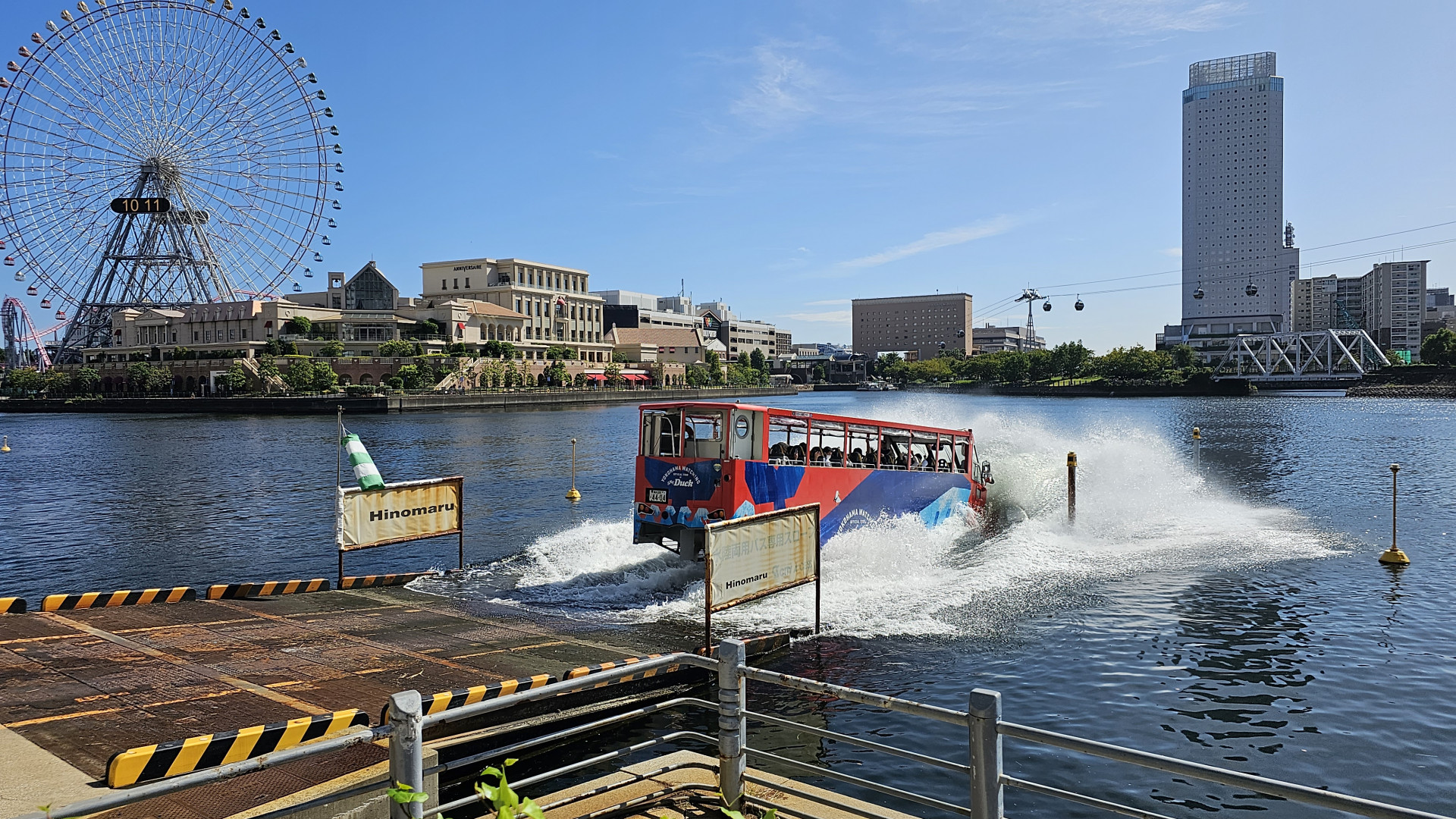
Enjoy the Yokohama Bay area from both land and sea. The splash as the bus turns into a boat is a must-see! (Required time: 50 minutes)The coolest, wildest way to do sightseeing in Yokohama. Roll past some of the area's most famous landmarks, then plunge into the water for a cruise in the bay!
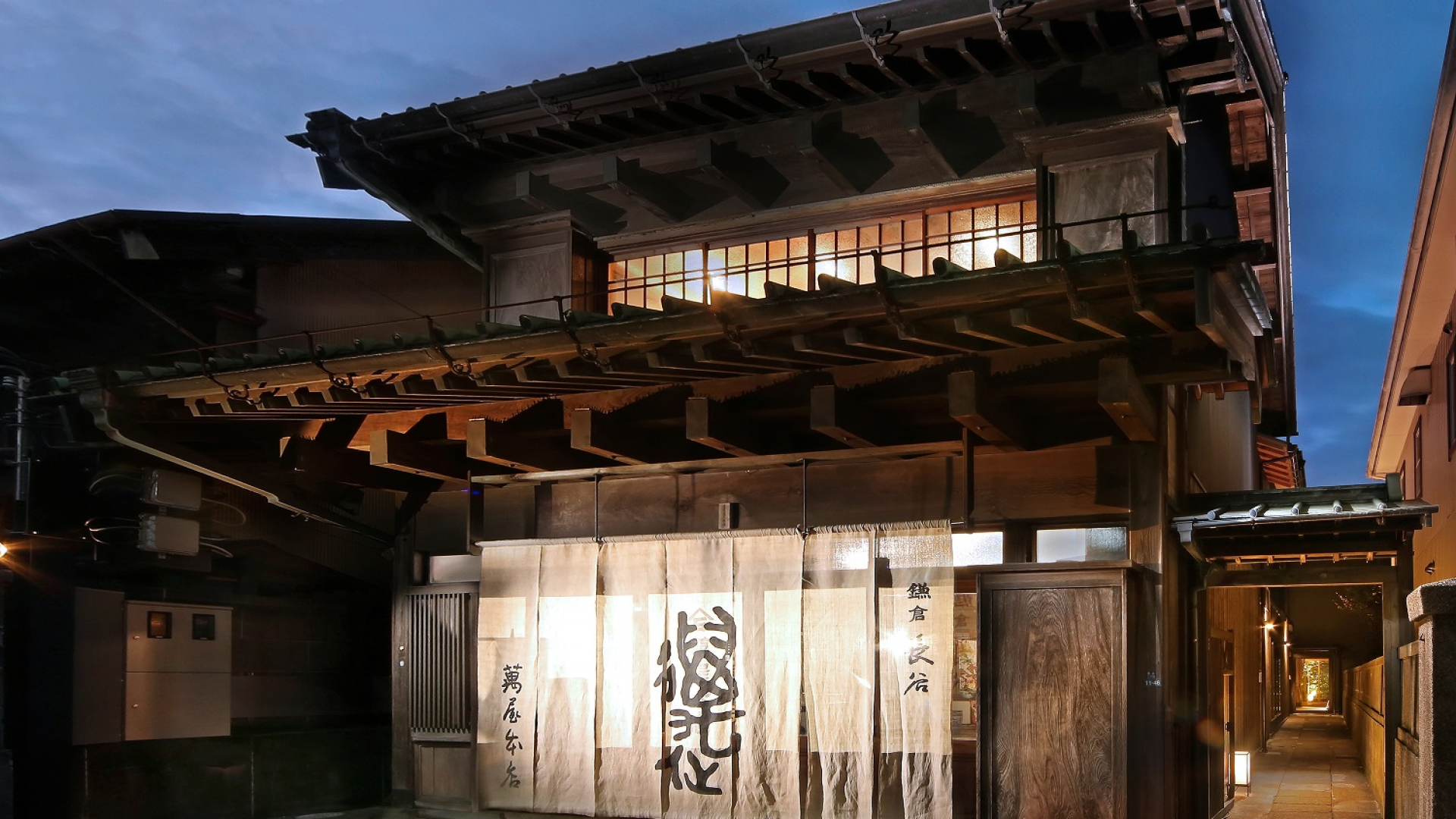
Renovated from a sake wholesaler established in 1806, this Japanese-style house turns restaurant weddings into reality. It includes a banquet area, hall, waiting room, and more. It can be used as a restaurant, or for banquets, exhibitions, and various other purposes.
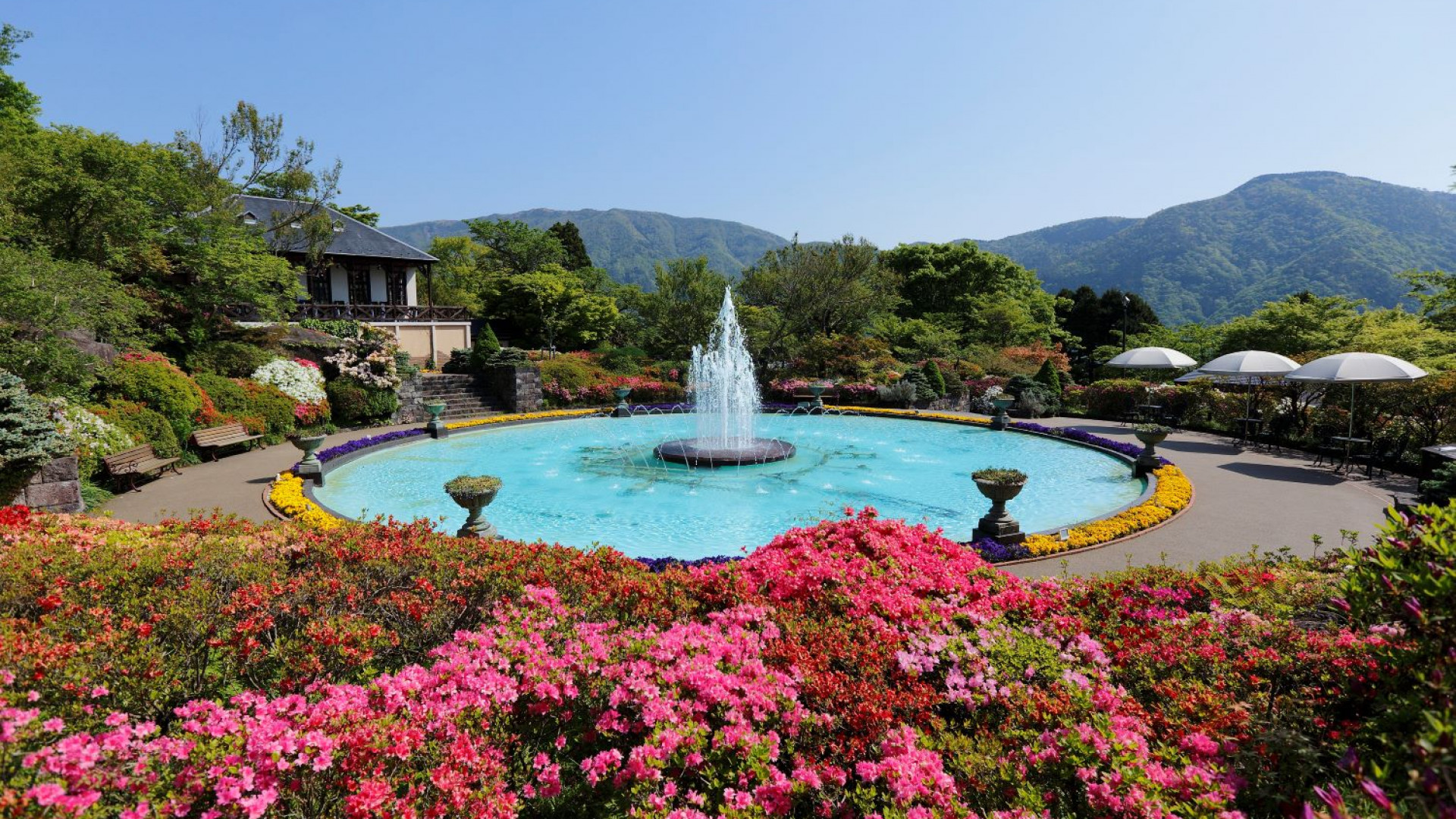
Hakone Gora Park was opened at 1914 and you can see seasonal flowers such as cherry blossoms, azaleas, hydrangeas, autumn leaves and roses. It offers various activities and facilities including tea ceremony experience, pottery, glass blowing and botanical garden. This park is an excellent choice for enjoying the Hakone trip.
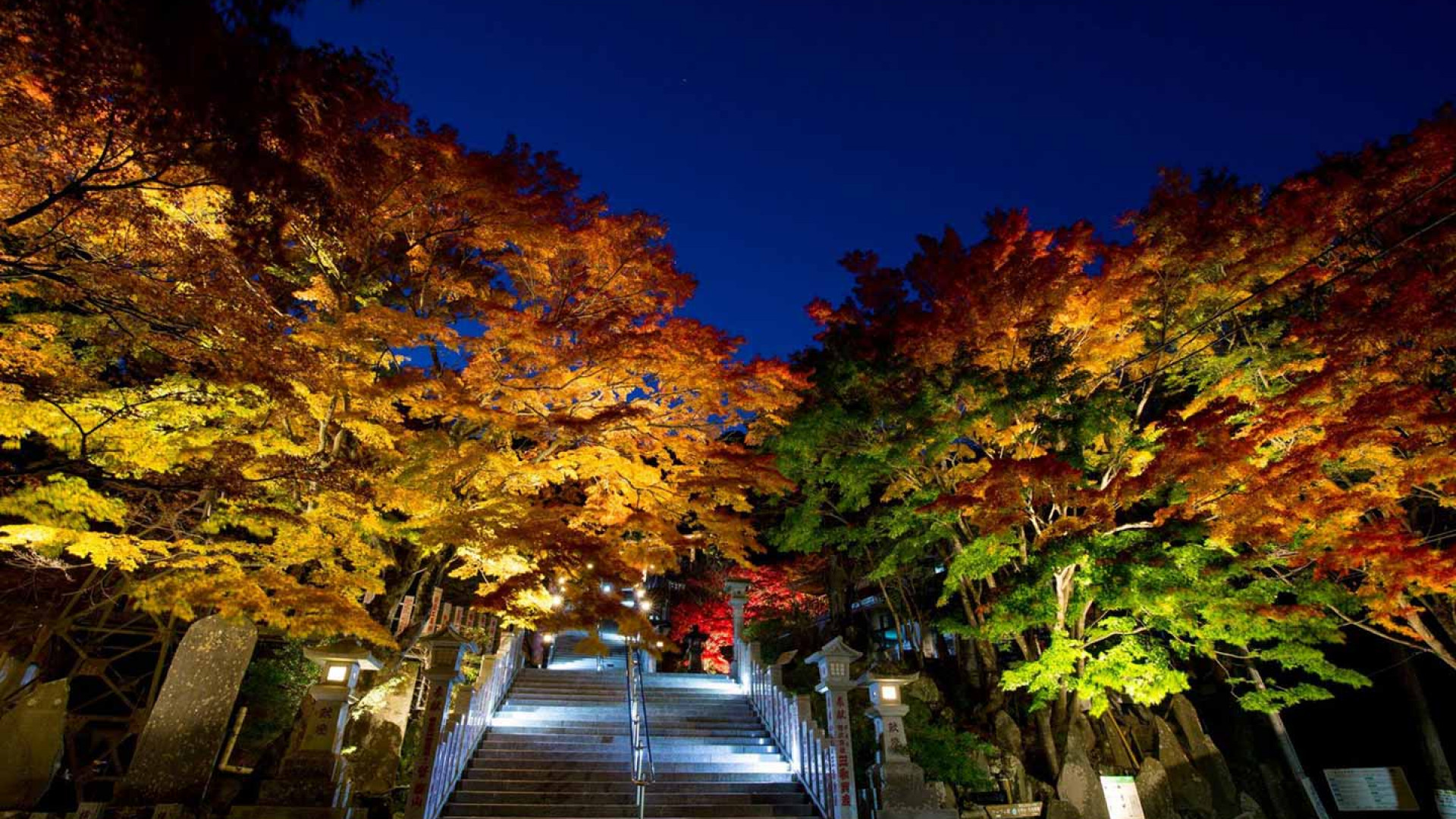
Known affectionately as "Fudo-san in Oyama," this is one of the three major fudo in the Kanto region. It is also the first of the 36 fudo (immovable buddhas) in the Kanto region. The temple was founded in 755 by Priest Rouben, who was a separate head priest of Todaiji Temple in Nara. The main image of Fudo Myoo, an iron statue of Fudo Myoo, and Nidoko (two children) are designated as national important cultural properties. In November, the leaves in front of the gate change color and are illuminated, creating a different atmosphere than seen during the daytime.Observe the autumn leaves along the temple’s tree-lined steps or ride the cable car to the summit for spectacular aerial views. For a different perspective, visit the temple at night when the autumn colors and grounds are illuminated.
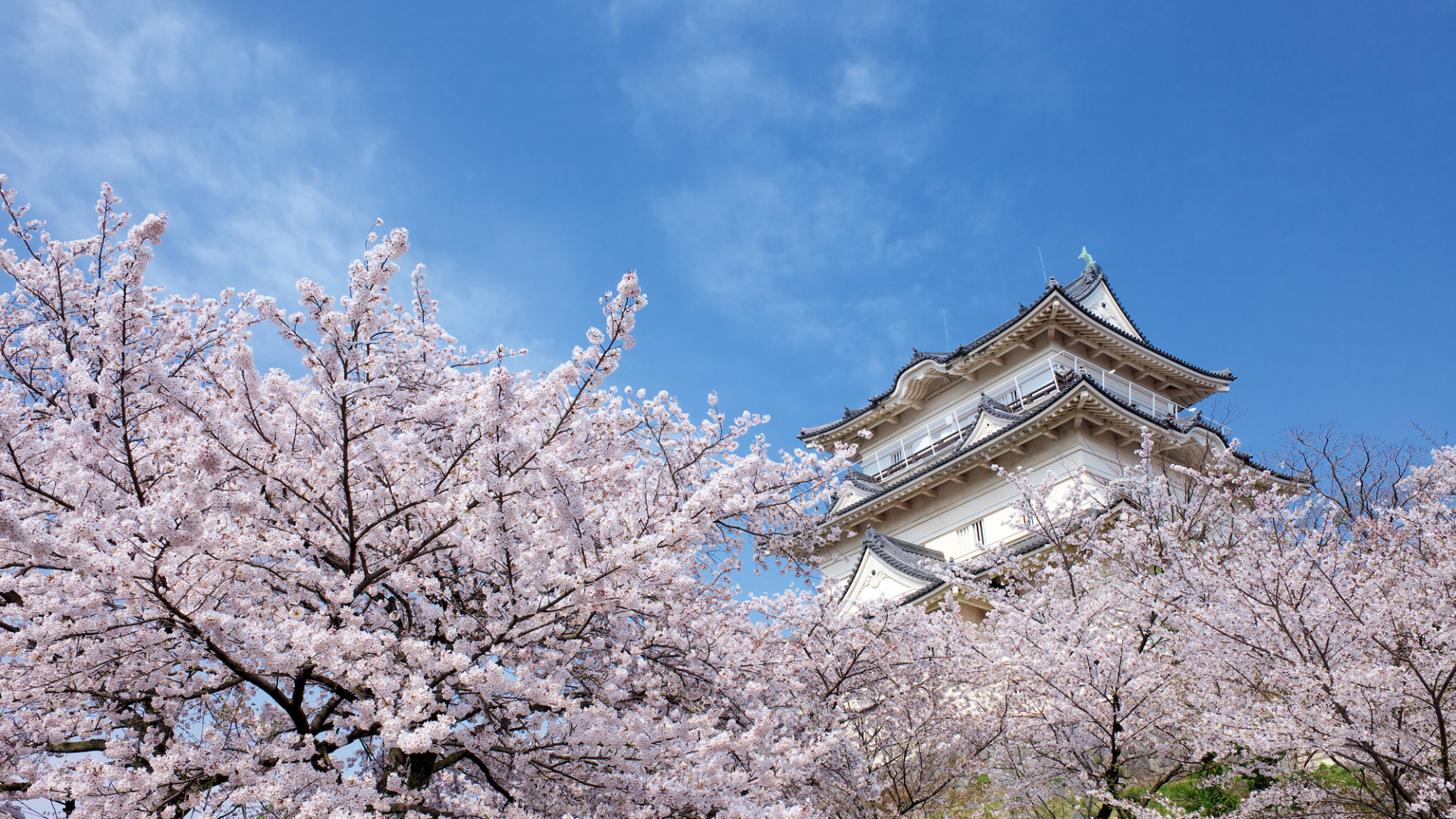
Odawara Castle Ruins Park, centered on Honmaru Square where the castle tower is situated, is designated as a National Historic Site and is one of Odawara's most popular tourist attractions. The park is well known for its cherry and plum blossoms, and the numerous events held there throughout the year.
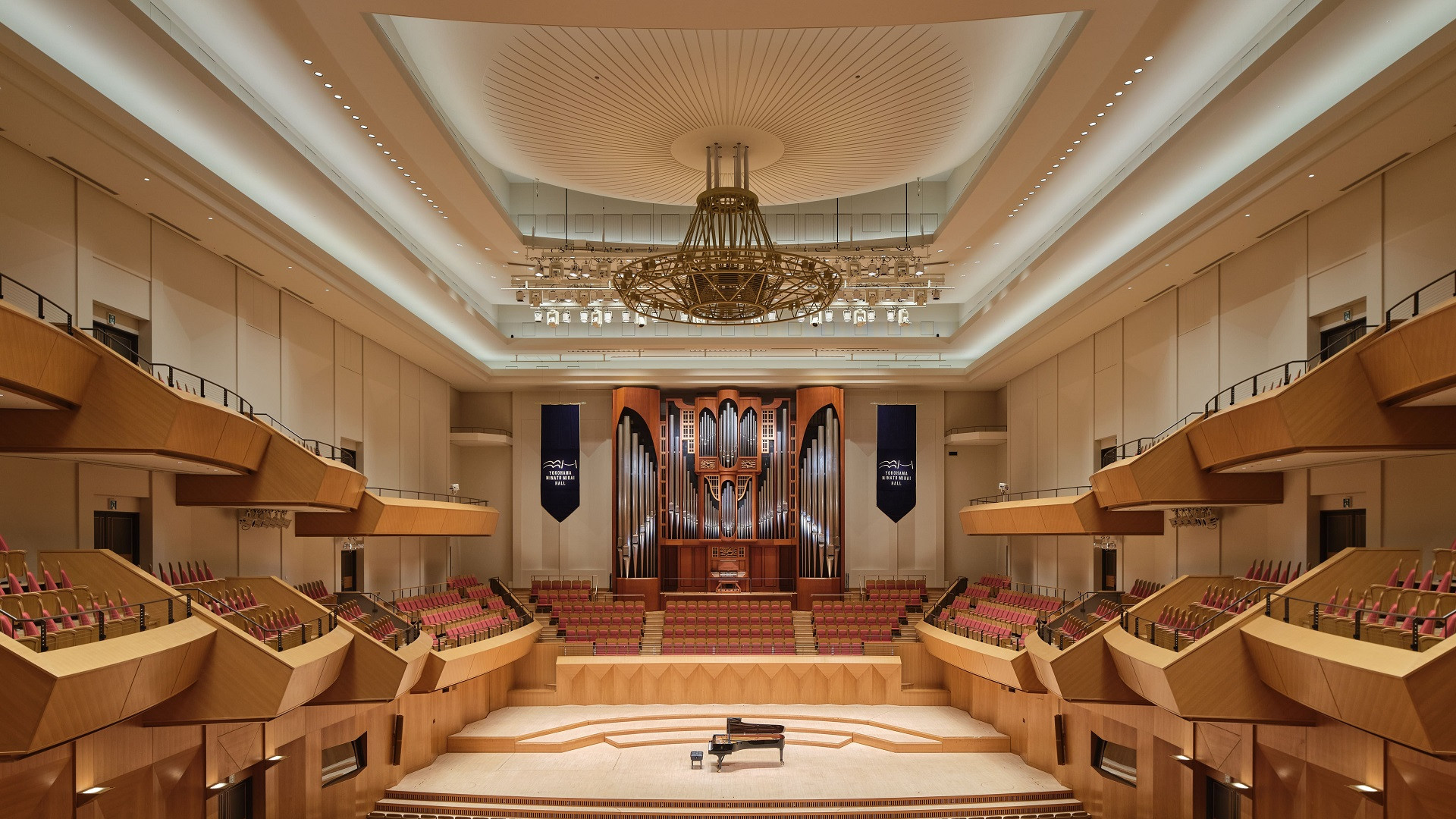
This concert hall is located in the Minatomirai area of the Nishi ward of Yokohama City. Since its opening in 1998, the concert hall has been well known as a "concert hall with a view of the sea" not only to the citizens of Yokohama but also to artists from Japan and abroad. It has a large hall (2020 seats) with a large pipe organ, a small hall (440 seats) suitable for chamber music concerts, and a reception room for parties and small-scale presentations.
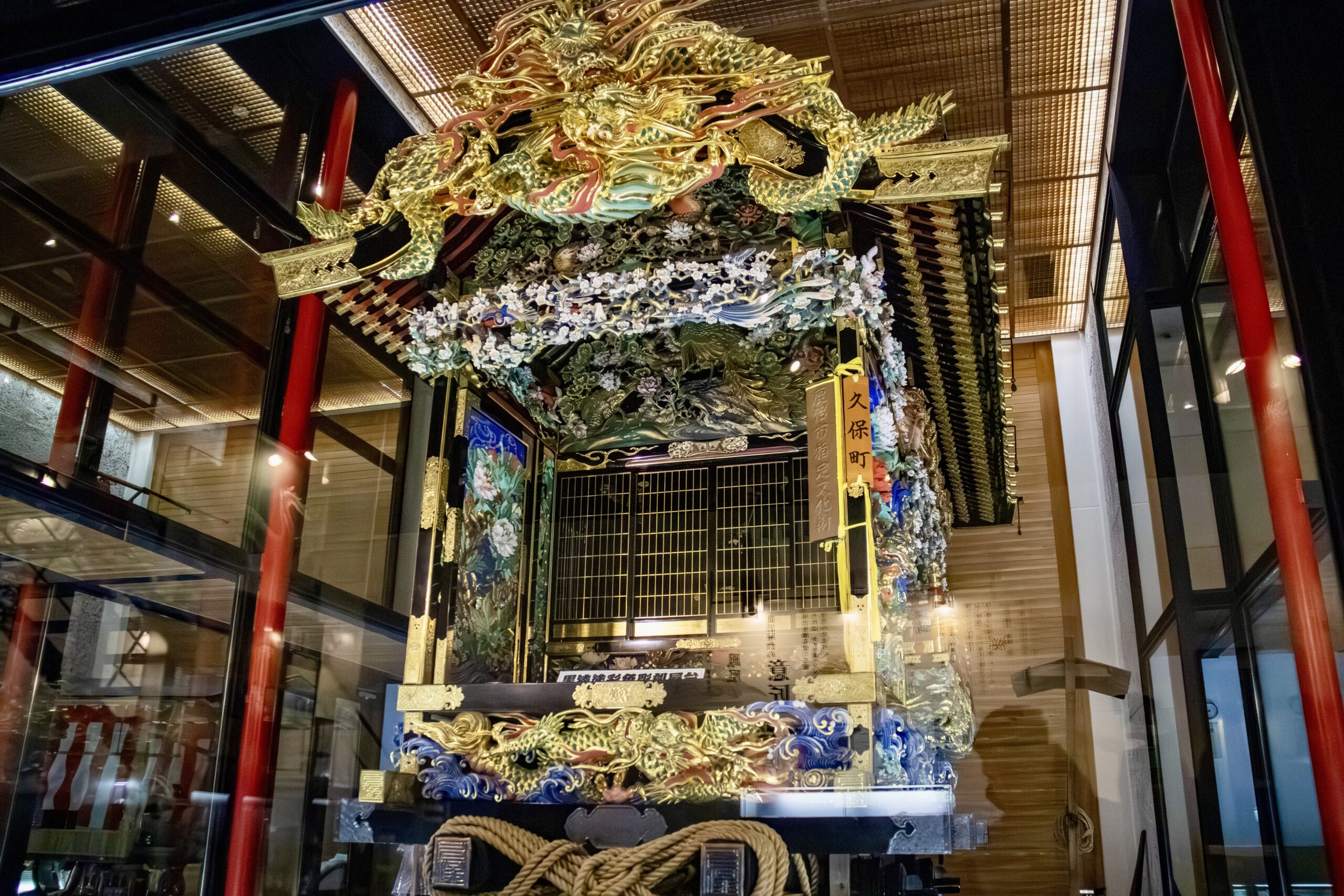
Yatai no Machi Central Park introduces Kanuma’s festival craftsmanship and garden culture through its exhibition hall and traditional garden.