
Greater Tokyo

See & Do

reset
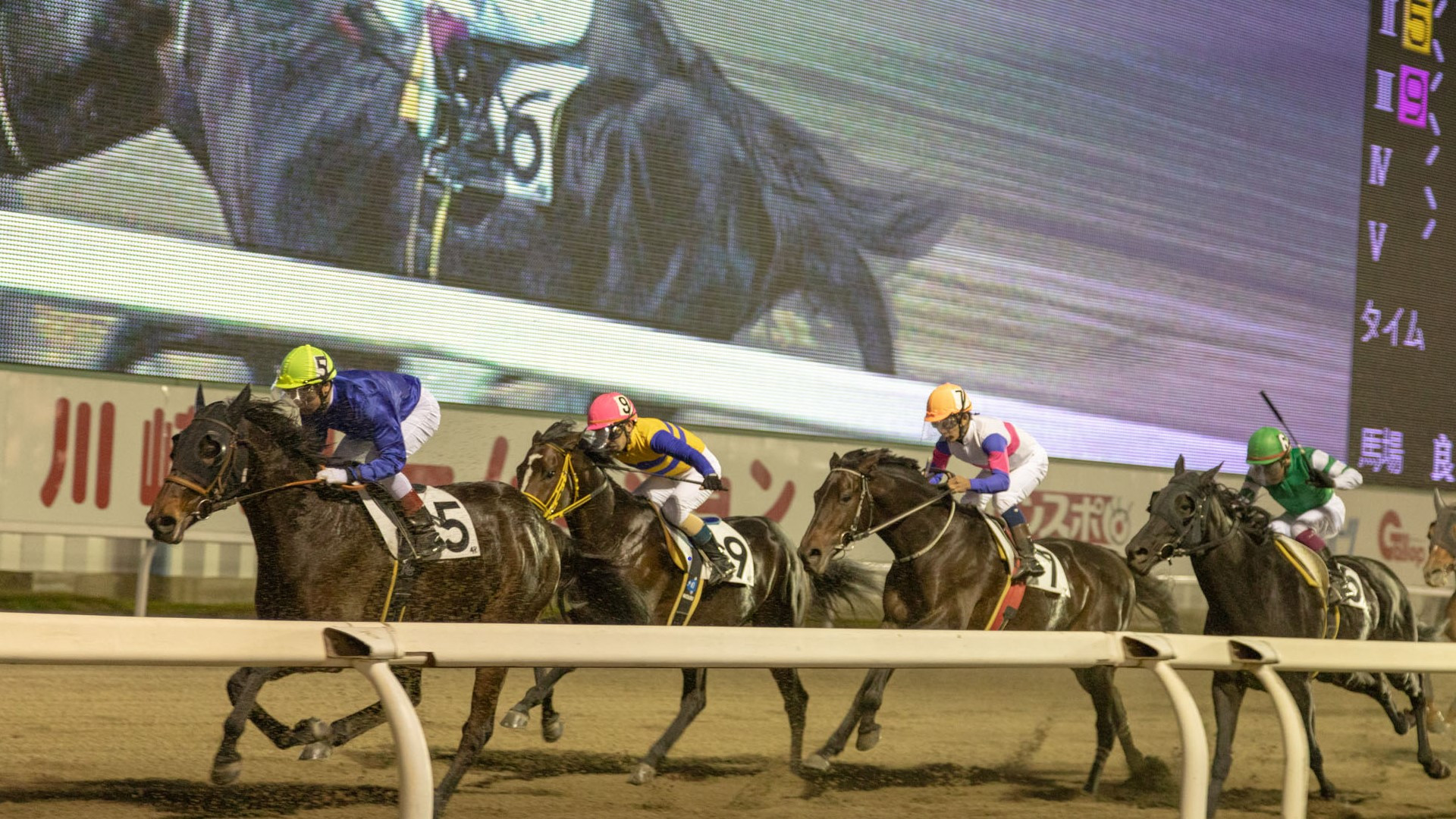
Oi Matsuda Horse Riding Club

Oi Matsuda Horse Riding Club

Founded in 1972, the Oi Matsuda Horse Riding Club has a long history of fostering countless numbers of horse riding champions and horse lovers. We provide lessons not only for equine competitions but also for beginners, as well as for people who want to keep fit. We also provide trial lessons and serious training lessons regularly. Oi Matsuda Horse Riding Club can be enjoyed by all people, from beginners to experienced riders.

Experience & Activities Tokaido Koshu kaido KANAGAWA
Kamakura Museum of History and Culture

Kamakura Museum of History and Culture

The museum opened in May 2017 as a place where children and adults alike can learn about, experience, and interact with Kamakura's historical and cultural heritage. The history of Kamakura, from primitive and ancient to modern times, is displayed, centering on artifacts excavated in Kamakura. The museum utilizes buildings designed by Foster + Partners, represented by the world-famous architect Norman Foster. Even first-time visitors can enjoy learning about Kamakura through diorama projection mapping and the latest video exhibitions, such as VR. From the special building materials to the medieval landscape garden and the sea view, there is plenty for you to enjoy.

Culture & Arts Tokaido Koshu kaido KANAGAWA
Miura Beach

Miura Beach

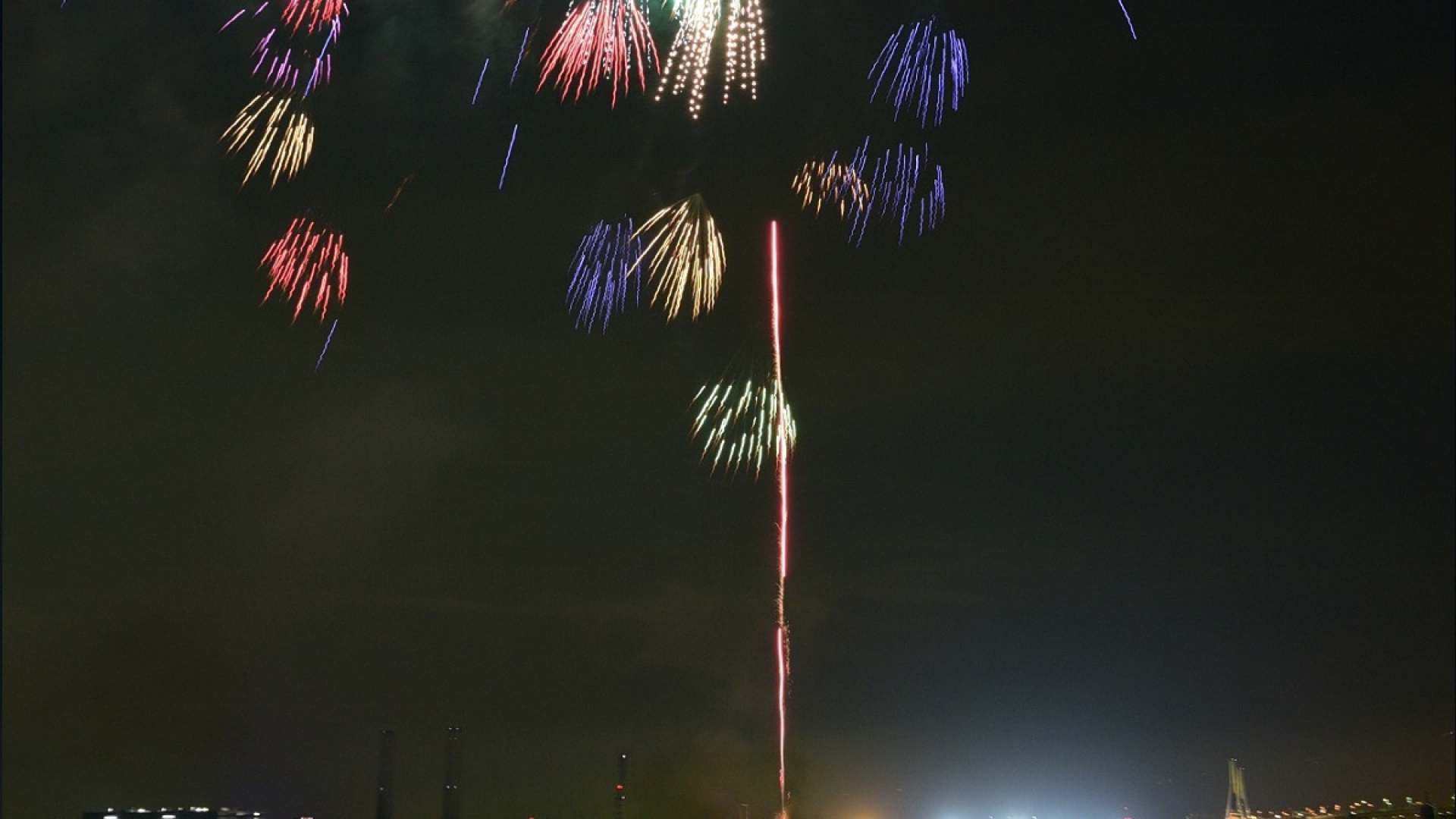
The largest and widest beach on the Miura Peninsula is close to the station, and during peak season it is crowded with many beachgoers, including families. In August, the "Miura Kaigan Noryo Matsuri Fireworks Festival" is held, and every year hundreds of thousands of tourists are intoxicated by the large flowers that color the summer night sky. With Tsukui Beach to the north and Kikuna Beach to the south, it is the largest beach on the Tokyo Bay side of the Miura Peninsula.

Nature & Views Tokaido Koshu kaido KANAGAWA
Yokohama Zoological Gardens Zoorasia

Yokohama Zoological Gardens Zoorasia

Yokohama Zoological Gardens "ZOORASIA" is a zoo themed around “coexistence and harmony of life and nature.” It is divided into 8 zones according to the world's climatic regions, with 570 animals of around 100 species (as of the end of March 2025), including rare animals like okapi and proboscis monkeys. Feel like you've taken a trip around the world at this zoo, and enjoy the special menu at the dining area.The zoo will extend its opening hours on Saturdays, Sundays, and holidays in August, and will hold a special summer evening event where the zoo will open to the public at night, an experience otherwise unavailable to the public. Visitors can enjoy a different view of the zoo at night when the zoo is decorated with illuminations and the animals are more active!

Nature & Views Koshu kaido Tokaido KANAGAWA
Sarushima

Sarushima

Sarushima is the only deserted island in the Tokyo Bay area and is also the biggest natural island. Here you can enjoy many activities such as barbecue, fishing, and strolling around major historical ruins. It takes approximately 30 minutes to get there by boat from the Keikyu Line Yokosuka Chuo Station. (The boats to Sarushima have different capacities, ranging from 80 people to 200 people maximum depending on the season.) This easily accessible sightseeing spot is designated as a National Historic Site.Sarushima was originally a defensive outpost. These brick tunnels, alongside other abandoned structures, are signs of its military history.Before or after getting the boat to Sarushima, we recommend checking out the memorial warship Mikasa, which is in Mikasa Park adjacent to the pier. Mikasa is the oldest surviving steel battleship in the world and is recognized as a Cultural Property of Japan. On board, you will find a great number of historical exhibits. Additionally, on the first floor of the Mikasa Terminal (opened in July 2020), you can buy tickets for the boat to Sarushima, as well as souvenirs and light meals. There is also a tourist information center. We recommend that you visit the Sarushima Visitor Center on the second floor while you wait for the boat. There is no reservation system for boarding, so please arrive well in advance of your desired departure time. The Mikasa Terminal is also the base for landing tours to Tokyo Bay's No.2 Sea Fort.

Nature & Views Tokaido Koshu kaido KANAGAWA
Hakone Kowaki-en Yunessun

Hakone Kowaki-en Yunessun

This hot spring theme park consists of two areas: The "Yunessan" area where visitors can have fun in swimsuits, and the "Morinoyu" area where they can relax and enjoy hot spring baths in the nude. The park also features an authentic coffee bath, an open-air bath with a spectacular view, a flowing pool, and the only water slide in Hakone. Visitors can also experience the mysterious sensation of a "doctor fish footbath", all in the comfort of a bathing suit. The "Morinoyu" area boasts a landscaped open-air bath with a view of the Hakone mountain peaks. Private baths have been added and are getting ever popular. There is an additional rest area and a relaxation room where you can receive esthetic treatments and massages. Come enjoy this all-weather facility at any time of year!

Onsen & Stay Tokaido Koshu kaido KANAGAWA
Kawasaki Marien

Kawasaki Marien

Kawasaki Marien brings citizens and the port together. Formally known as "Kawasaki Harbor Promotion Hall", the building is 51 meters in height and offers a panoramic view of the harbor from the observation deck. Facilities include a restaurant, a gymnasium, a tennis court and more. It is home to the world's largest stuffed great white shark.From the observation room on the 10th floor of the tower building, you can see planes taking off and landing at Haneda Airport; large ships going to and from the sea, and enjoy a beautiful view from evening to night. Admission is free until 9 pm.

Experience & Activities Tokaido Koshu kaido KANAGAWA
Hakone Lake Ashinoko Pleasure Boat

Hakone Lake Ashinoko Pleasure Boat

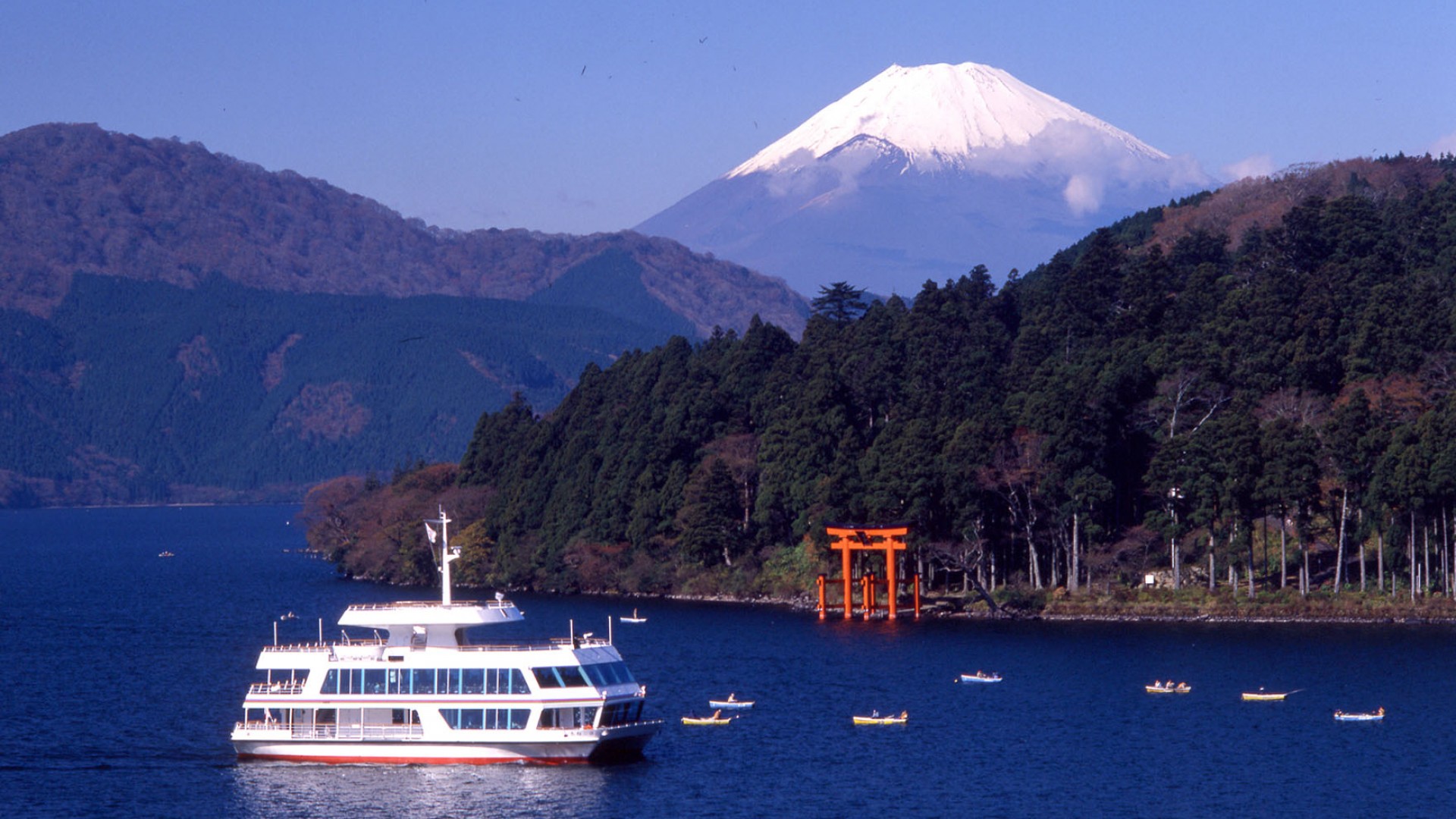
The Lake Ashi Leisure Cruise opened as the first catamaran cruise ship in Japan in 1920, and currently operates a liner service between the 4 ports of Hakone Sekisho-ato, Moto-Hakone, Hakone-en, and the terminal Kojiri. A circular route starting from one of the 4 ports and coming back to the same port through the other 3 ports is also available. As a catamaran features two parallel hulls of equal size, the spacious ship enjoys great stability and offers a 360-degree view from the viewing deck. Passengers can also look into the cockpit through a window in the cabin on the first floor to experience the feeling of being the ship’s captain.Another company also offers Hakone sightseeing cruises on Ashinoko Lake, on a model pirate ship, and discount sightseeing combination tickets for the ropeway and sightseeing cruise are available for both leisure cruise services. Please see the official websites for both companies to learn more about special offers and details for your trip to Hakone!Most worth visiting on clear days, when you have gorgeous close-up views of Mt. Fuji. Included in the Hakone Free Pass ticket.

Experience & Activities Tokaido Koshu kaido KANAGAWA
Oyama Afuri Shrine

Oyama Afuri Shrine

This ancient shrine is said to have been built over 2,000 years ago. As a sacred site revered by many warlords, such as those who partook in rainmaking rituals, and pilgrimages to the shrine became very popular during the Edo period. In the 28th year of the Heisei period (2016), the pilgrimage to Mount Oyama was recognized as a piece of important Japanese heritage, and the view from Afuri Shrine became a two-star Michelin-starred site.Admire the Shonan plains with views stretching as far as Sagami Bay and Enoshima on the horizon — rated two-stars by the Michelin Guide.Just inside the tori gate entrance is one of Japan's three greatest lion statues, Oyama-Shishi.This beautiful teahouse was designed by Yasushi Horibe and constructed by the shrine's own architect, Yukio Uchida. Enjoy the terrace seating with stunning views as far as Sagami Bay while enjoying their green tea tirmasu or other treats.

Temples & Shrines Koshu kaido Tokaido KANAGAWA
Kureha Environment Westec Kanagawa

Kureha Environment Westec Kanagawa

Kureha Ecology Management Wastech Kanagawa incinerates waste to both render it harmless and reduce its volume while simutaniously generating electricity using the heat from waste incineration, thus supplying surplus power to the local community. In addition, efforts to attain decarbonization are being made through various initiatives, including maximized power generation efforts, energy conservation within the plant, and transition to carbon-free electricity and fuel for plant operations. Visitors can tour each step of the process, from waste reception to crushing, incineration, and post-incineration residue treatment. Factory tours are available for groups of 10 or more.

other Tokaido Koshu kaido KANAGAWA
Oyama-dera Temple

Oyama-dera Temple

Known affectionately as "Fudo-san in Oyama," this is one of the three major fudo in the Kanto region. It is also the first of the 36 fudo (immovable buddhas) in the Kanto region. The temple was founded in 755 by Priest Rouben, who was a separate head priest of Todaiji Temple in Nara. The main image of Fudo Myoo, an iron statue of Fudo Myoo, and Nidoko (two children) are designated as national important cultural properties. In November, the leaves in front of the gate change color and are illuminated, creating a different atmosphere than seen during the daytime.Observe the autumn leaves along the temple’s tree-lined steps or ride the cable car to the summit for spectacular aerial views. For a different perspective, visit the temple at night when the autumn colors and grounds are illuminated.

Temples & Shrines Tokaido Koshu kaido KANAGAWA
Tsurugaoka Hachimangu

Tsurugaoka Hachimangu

Alongside Usa and Ishimizu, Tsuruoka Hachimangu Shrine is one of the major Hachimangu shrines in Japan. In the 6th year of the Kouhei Era (1063), Minamoto no Yoriyoshi returned after subduing the Oshu region and entered Kamakura, where he secretly transferred Ishimizu Hachimangu Shrine to another shrine in Yui Township Tsuruoka near the coast and called it Tsuruoka Wakamiya Shrine. Later in the 4th year of the Jisho Era (1180), Minamoto no Yoritomo entered Kamakura and relocated the shrine to Kitayama in Kobayashi Township (the current site). In the 2nd year of the Kenkyuu Era (1191), the shrine pavilion was built on the hillside of the Mount Daijinyama, and the current spectacular upper and lower palaces were built. Since then, the shrine has been the head of the Kamakura Shogunate's religious order and has been revered as the deity of the Minamoto clan and the guardian deity of the warrior class. The present main shrine was rebuilt in 1828 by Ienari Tokugawa, the 11th shogun of the Edo Shogunate, and is designated as a National Important Cultural Property along with the regent shrine Wakamiya. Deities: Emperor Ojin, Himejin, and Empress Jingu. Regularly held festival day: September 15. The shrine has a Wakamiya regent shrine, Takeuchi Shrine, Maruyama Inari Shrine, Shirahata Shrine, Soreisha Shrine, Hatagami Benzaiten Shrine, and an Imamiya Shrine and Yui Wakamiya Shrine outside of the shrine grounds.An imposing shinto shrine founded in 1063, Tsurugaoka Hachimangu is the spiritual center of Japan's ancient capital Kamakura, so important that the city was built around it. In spring, the 1.8 km approach from the station is lined with vibrant pink cherry blossoms.The best time to visit a shrine is in the morning, so start your day with a visit and breathe in the crisp morning air.

Temples & Shrines Tokaido Koshu kaido KANAGAWA