

Field Athletic Yokohama Tsukushino Course
Visitors can play and have fun in nature. An ingenious athletic facility enables you to get in touch with nature in a healthy way.
Total: 1715 items
Visitors can play and have fun in nature. An ingenious athletic facility enables you to get in touch with nature in a healthy way.
This is Japan's first urban circulatory ropeway, connecting JR Sakuragi-cho Station and the Canal Park in the Shinko District. The ropeway travels 630 meters each way in about five minutes, and each gondola holds up to eight passengers. The highest point of the ropeway is about 40 meters above sea level, offering a wonderful view.
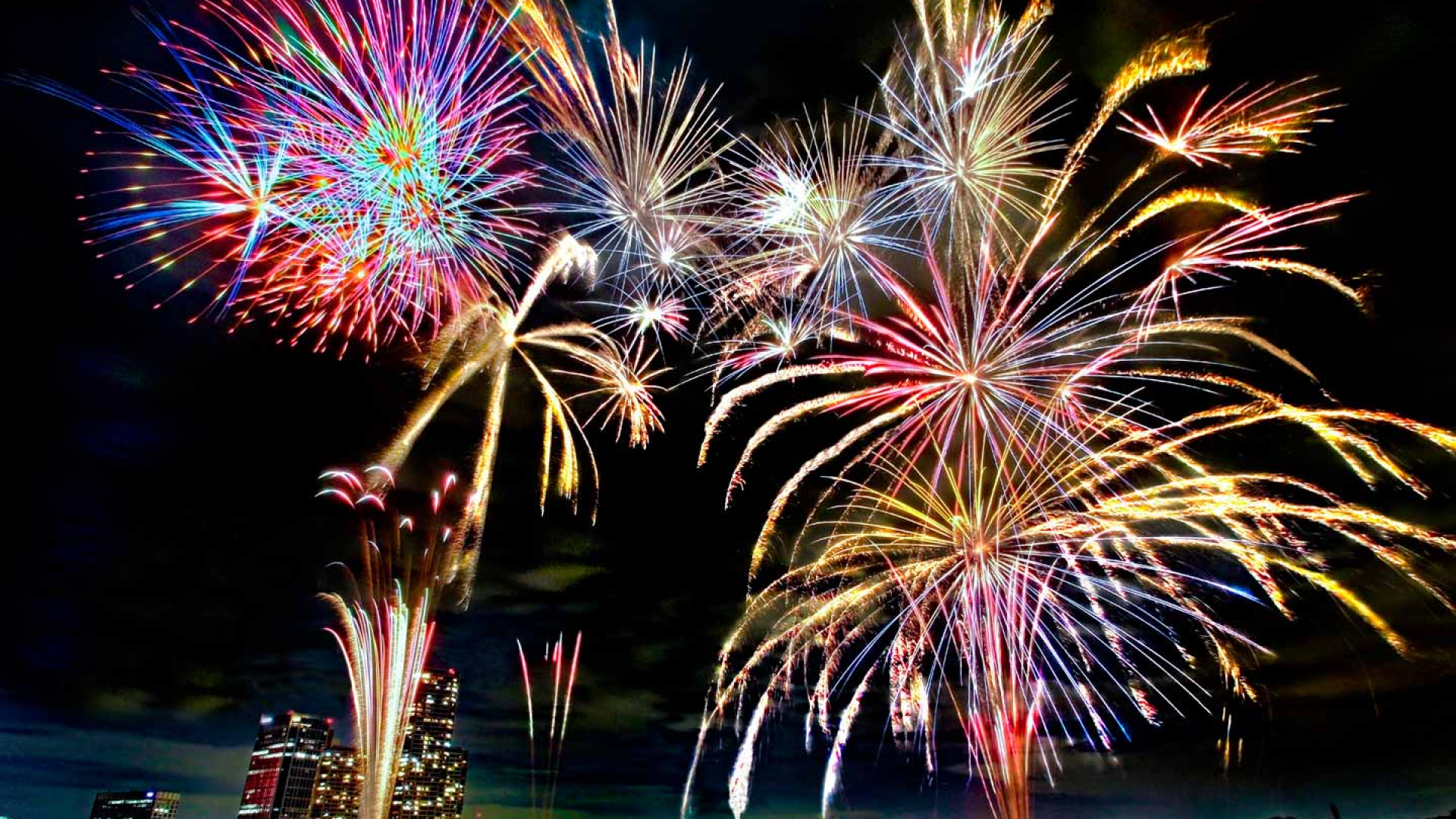
The Sojiji Temple is the head temple of the Soto school (of Zen Buddhism). Every summer, the Mitama Matsuri Bon Odori Festival is held. It is now established as a local summer tradition, and many participants enjoy dancing the Bon dance to the cheers of the energetic monks. Please come and join our Bon Odori Festival!Held over three consecutive days from July 18 to 20, this huge summer festival is a Tsurumi summer tradition. Featuring a Bon Odori dance with the temple priests, a fireworks display with 200 fireworks launched over the three days and many stalls lining the approach to the temple, this lively festival attracts crowds of people of all ages and genders.
The prefectural Kannonzaki Park extends to almost all of Kannonzaki, sticking out Tokyo Bay. You can enjoy various kinds of activities such as watching coming and going ships, or walking in the forest. There are many tourist attractions around this park. For example, Kannonzaki Lighthouse which is the first western style lighthouse in Japan, Kannonzaki Nature Museum which displays the forest, river, sea, or other nature in Tokyo Bay, and finally the Yokosuka Museum of Art that displays arts of Yokosuka's ocean and Miura Pensinsula.
An indoor animal petting facility run by Izu Shaboten Zoological Park. You can touch and feed capybaras and ring-tailed lemurs, which are very popular. More than 300 animals of about 20 species are waiting for you.
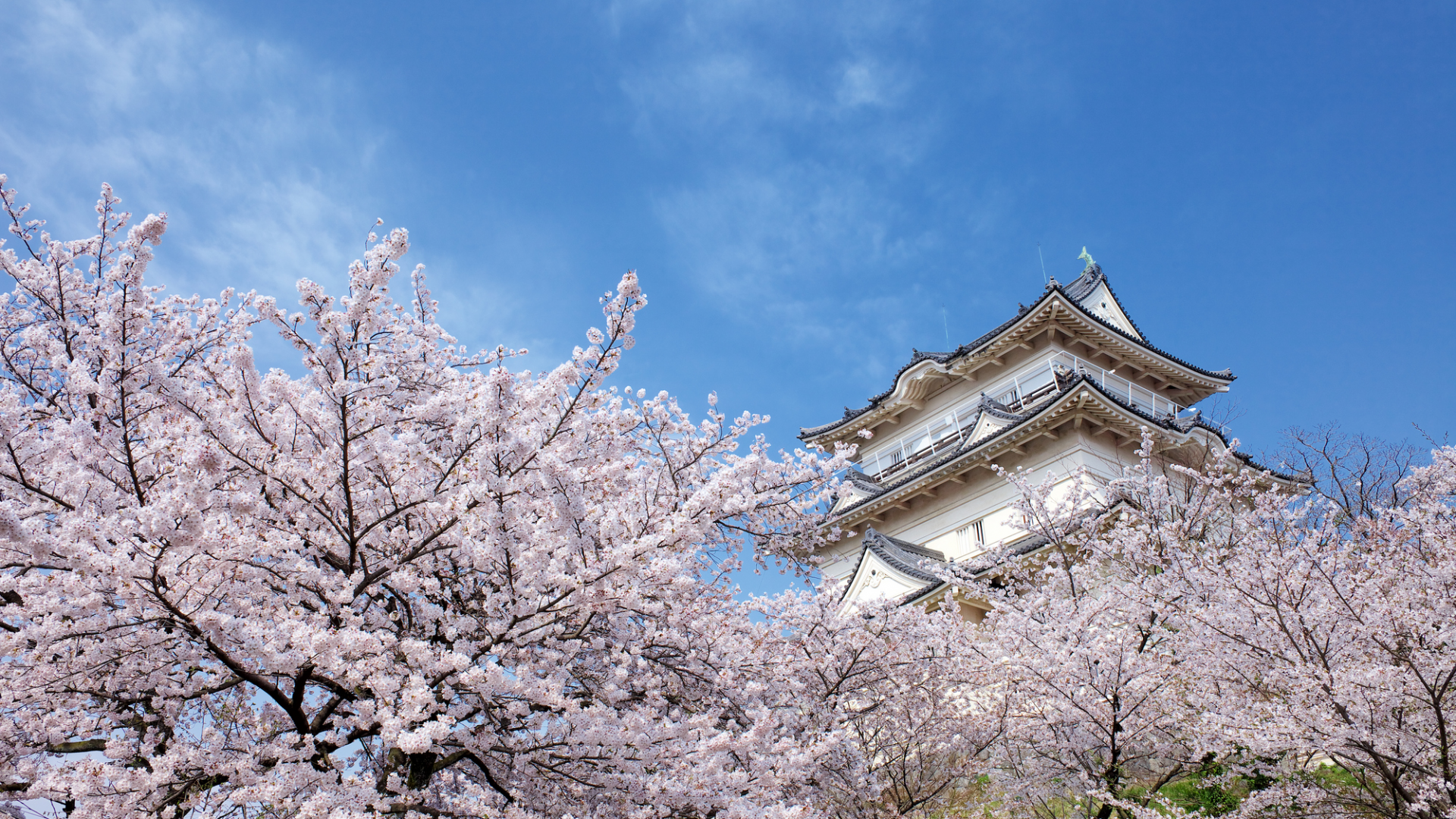
Odawara Castle Ruins Park, centered on Honmaru Square where the castle tower is situated, is designated as a National Historic Site and is one of Odawara's most popular tourist attractions. The park is well known for its cherry and plum blossoms, and the numerous events held there throughout the year.
Step back into 1958 Japan and enjoy ramen at 9 different shops. Ryu Shanghai Honten's spicy miso ramen is to die for!The world’s first food-themed amusement park. Branches of renowned ramen shops from across Japan and around the world are packed in this ramen museum, with an interior that replicates a retro streetscape.
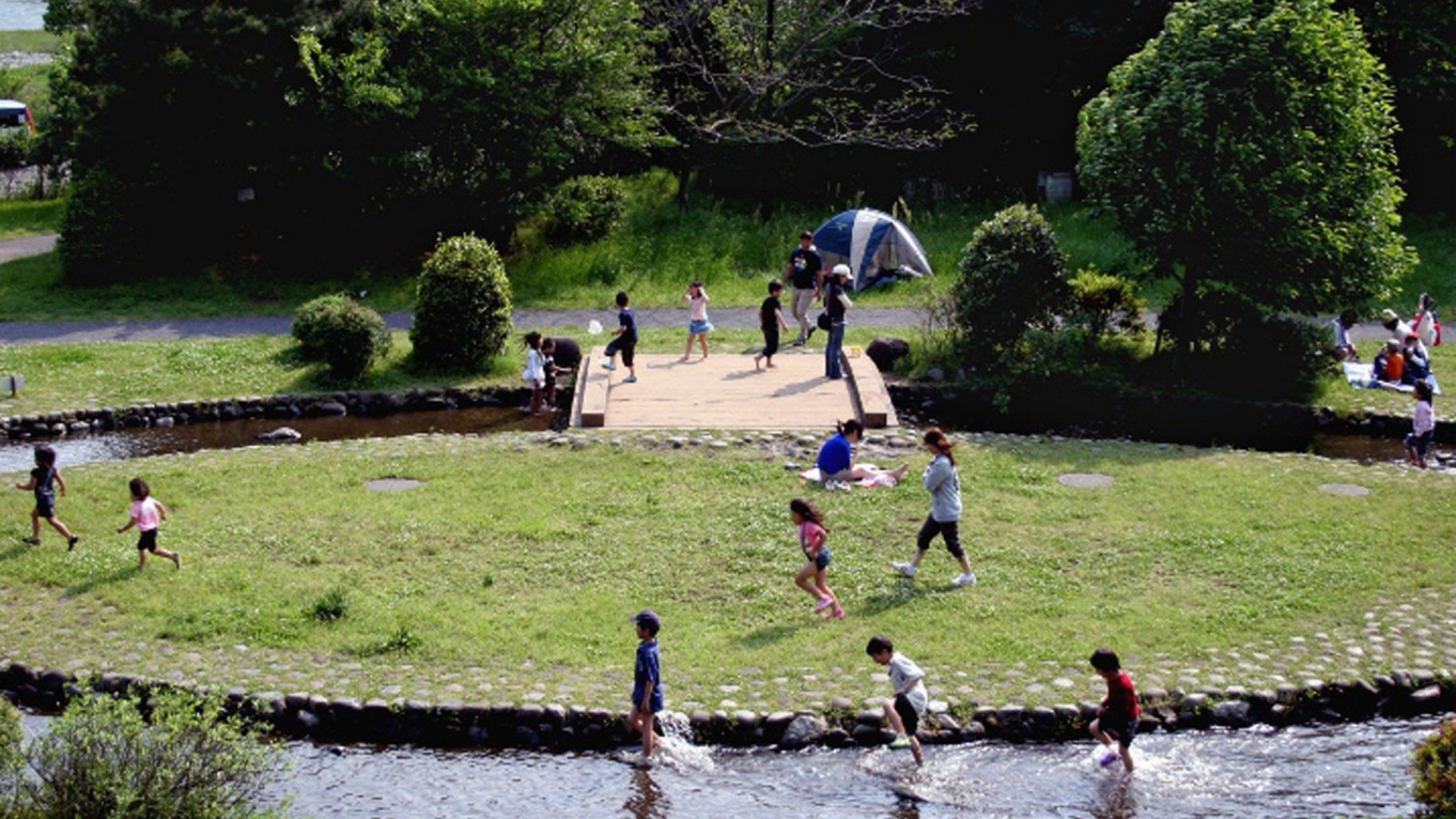
Hadano Tokawa Park is a city park that showcases the nature of the Mizunashi River that flows from the mountains of Tanzawa. There is a barbeque site where you can also enjoy playing in the river against the stunning backdrop of the Tanzawa mountain ranges. There is also a tea room where you can enjoy matcha and Japanese sweets while looking out at the Japanese garden. You can look out across the majority of the park from its Wind Suspension Bridge. The various flowers in the park can be enjoyed throughout the year, with tulips in spring, sunflowers in summer, and cosmos in autumn, as well as the autumn leaves.
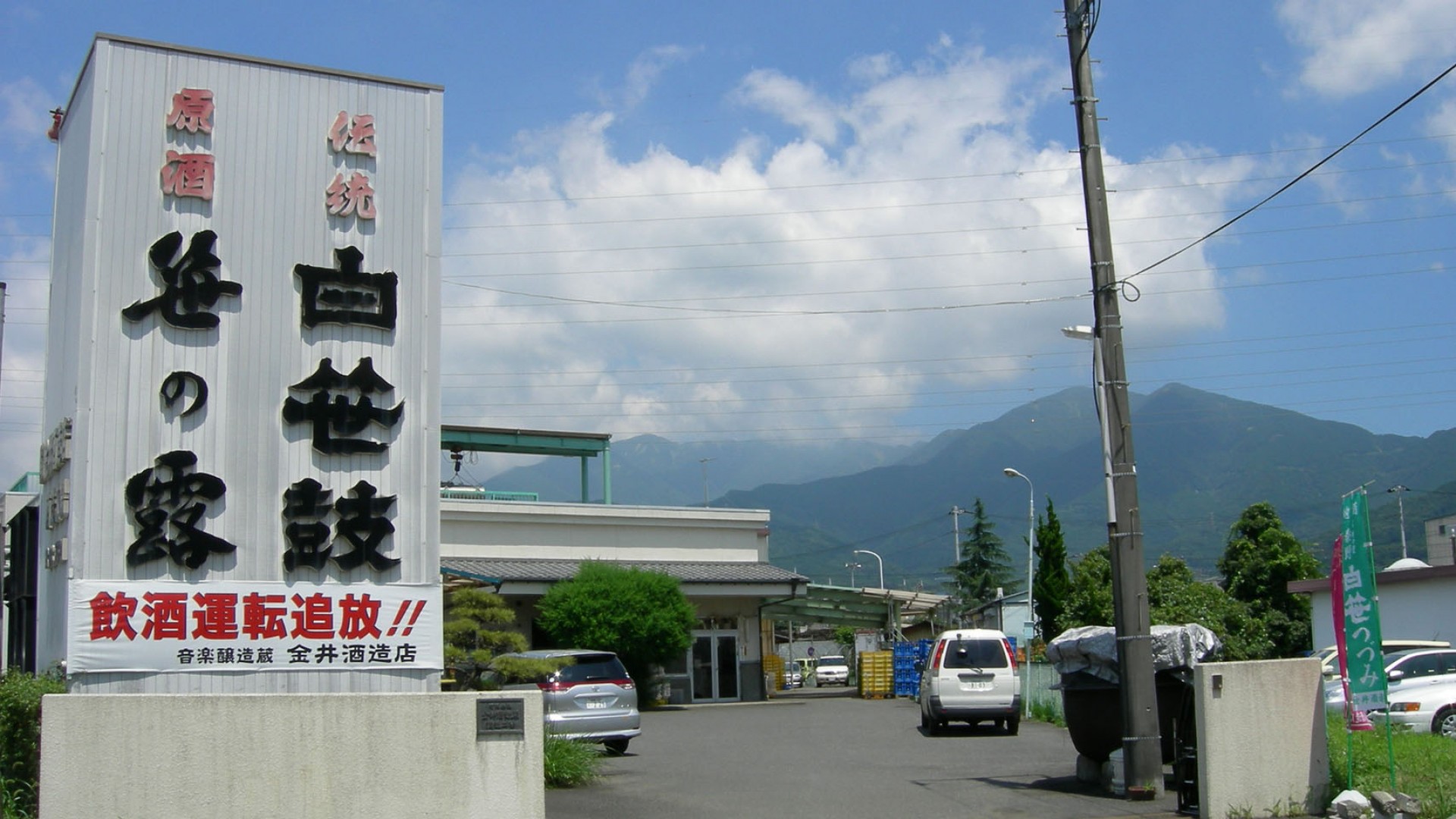
Founded in 1868, this is the only sake brewery in Hadano City, Kanagawa Prefecture. In addition to the traditional "Shirasasa Tsutsumi " and "Sasano-Tsuyu" sake, the brewery also produces the famous "Mozart" series of sake, in which Mozart is played by the koji mold. Sake brewery tours are available by advance reservation. In addition to the old-fashioned Shirasasa Tsutsumi and the original Sasanosu sake, this brewery mixes modernity and tradition in its sake production. Experience the famous Mozart series, in which koji mold ferments while listening to Mozart. Advance reservations for sake brewery tours are available.
Please visit the facility's website for the latest information.Yomiuriland Jewellumination is an event held every winter in Yomiuri Land. World-famous lighting designers created these light displays based on the theme of jewels, using around 5.5 million LED bulbs of 8 different varieties and 30 colors. The garden is transformed into a glittering dream world and is packed with couples. Although it is great to simply walk through, we recommend looking down on the lights from the other attractions.
Lake Sagami is an artificial lake, like Lake Biwa, which is renowned for being a mecca for rowing and canoeing races. The deep forests surrounding the lake, as well as activities such as fireworks and Japanese pond smelt fishing mean that the area can be enjoyed in all four seasons. Lake Sagami Park offers a sweeping view of Lake Sagami and is a great place to enjoy having lunch on the lawn. You can feel the cool breeze blow through your hair whilst you relax and enjoy the view. On holidays it is bustling with families and couples.
In the evening, approximately 2,500 lanterns brilliantly illuminate the 3.5km-long Ookagawa promenade lined with fully-blooming cherry trees.
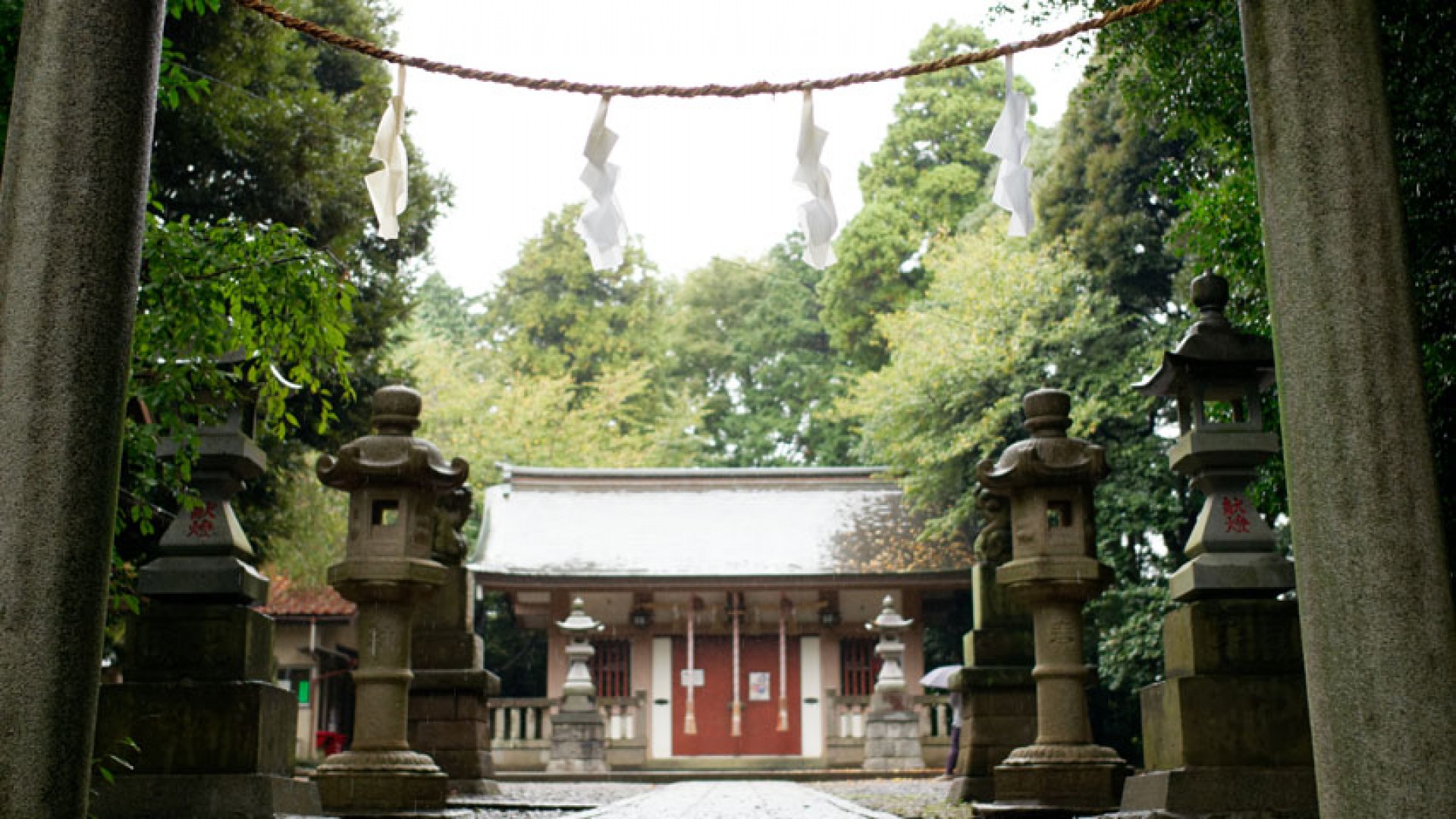
This ancient shrine is said to have been built over 2,000 years ago. As a sacred site revered by many warlords, such as those who partook in rainmaking rituals, and pilgrimages to the shrine became very popular during the Edo period. In the 28th year of the Heisei period (2016), the pilgrimage to Mount Oyama was recognized as a piece of important Japanese heritage, and the view from Afuri Shrine became a two-star Michelin-starred site.Admire the Shonan plains with views stretching as far as Sagami Bay and Enoshima on the horizon — rated two-stars by the Michelin Guide.Just inside the tori gate entrance is one of Japan's three greatest lion statues, Oyama-Shishi.This beautiful teahouse was designed by Yasushi Horibe and constructed by the shrine's own architect, Yukio Uchida. Enjoy the terrace seating with stunning views as far as Sagami Bay while enjoying their green tea tirmasu or other treats.
When Yokohama port opened, many foreign travelers decided to settle in the area. It later became a popular shopping district attracting many tourists.
The Lake Ashi Leisure Cruise opened as the first catamaran cruise ship in Japan in 1920, and currently operates a liner service between the 4 ports of Hakone Sekisho-ato, Moto-Hakone, Hakone-en, and the terminal Kojiri. A circular route starting from one of the 4 ports and coming back to the same port through the other 3 ports is also available. As a catamaran features two parallel hulls of equal size, the spacious ship enjoys great stability and offers a 360-degree view from the viewing deck. Passengers can also look into the cockpit through a window in the cabin on the first floor to experience the feeling of being the ship’s captain.Another company also offers Hakone sightseeing cruises on Ashinoko Lake, on a model pirate ship, and discount sightseeing combination tickets for the ropeway and sightseeing cruise are available for both leisure cruise services. Please see the official websites for both companies to learn more about special offers and details for your trip to Hakone!Most worth visiting on clear days, when you have gorgeous close-up views of Mt. Fuji. Included in the Hakone Free Pass ticket.
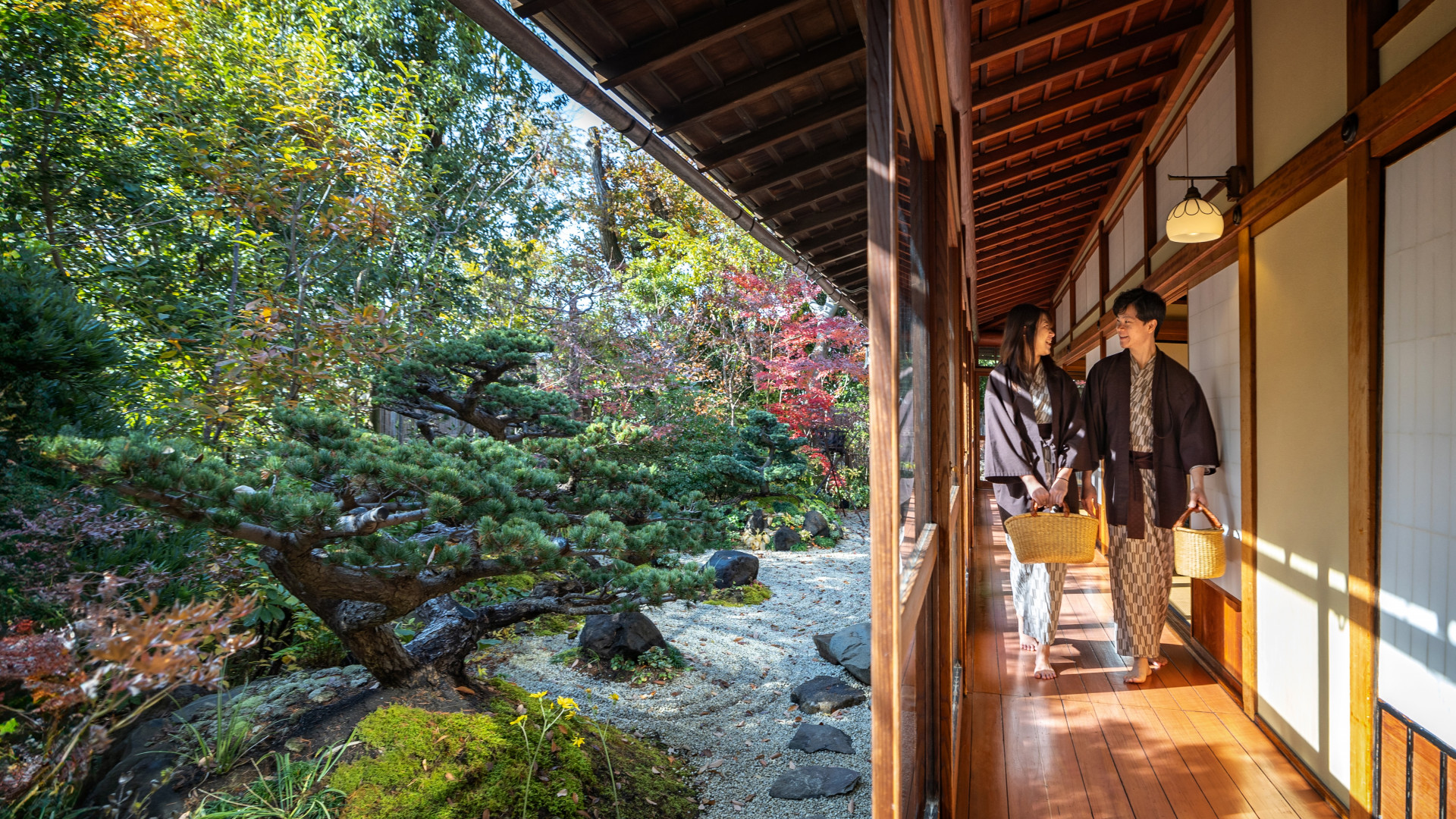
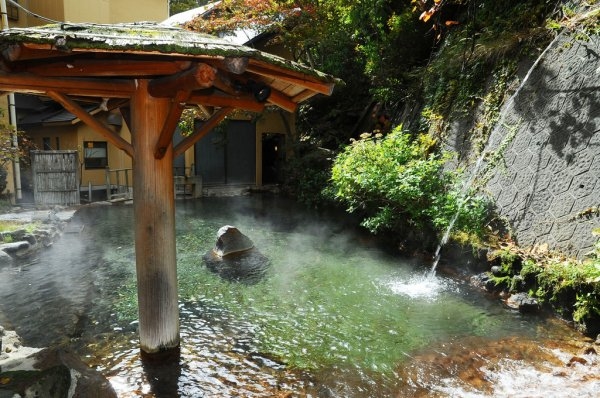
Located at the foot of Mt. Chausu at an altitude of 1,300 meters, Omaru Onsen Ryokan has been preserved by generations of innkeepers for over 200 years. Rich in metasilicic acid, the spring water is known for its moisturizing properties and is often called “Bijin-yu” (Beauty Hot Spring). The historic Kawa-no-Yu bath draws its water directly from the river source, where hot spring water gushes from the mountainside to form an open-air bath along the river. Here, guests can soak while listening to the gentle murmur of the stream, enjoying the secluded charm of this hidden onsen. Omaru Onsen’s water, abundant in metasilicic acid, has long been treasured for its skin-beautifying effects. The ryokan features mixed open-air baths such as Shirakaba-no-Yu, Ajisai-no-Yu, and Azami-no-Yu, making it a great choice for families. The on-site restaurant serves local Nasu vegetables, Tochigi Wagyu beef shabu-shabu, and “Nasuhikari” rice produced in Tochigi. Sake enthusiasts can also try shochu diluted with hot spring water. During the Meiji period, General Nogi Maresuke visited Omaru Onsen every year for convalescence. The ryokan’s lobby still displays valuable artifacts, including his clothing, diaries, and letters.
From their collection of roughly 200 engines, the Nissan Engine Museum permanently displays 28 engines representing Nissan Motor Company, allowing visitors to view engines from throughout Nissan's history and the very engines that made strides in racing. The museum building itself originated as Building No. 1 of the Yokohama Plant in 1934, which served as the company headquarters until its relocation to Ginza, Tokyo, in 1968. The building was designated as a Historic Building by Yokohama City in 2002 and was recognized as a Modern Industrial Heritage Site by the Ministry of Economy, Trade and Industry in 2007.
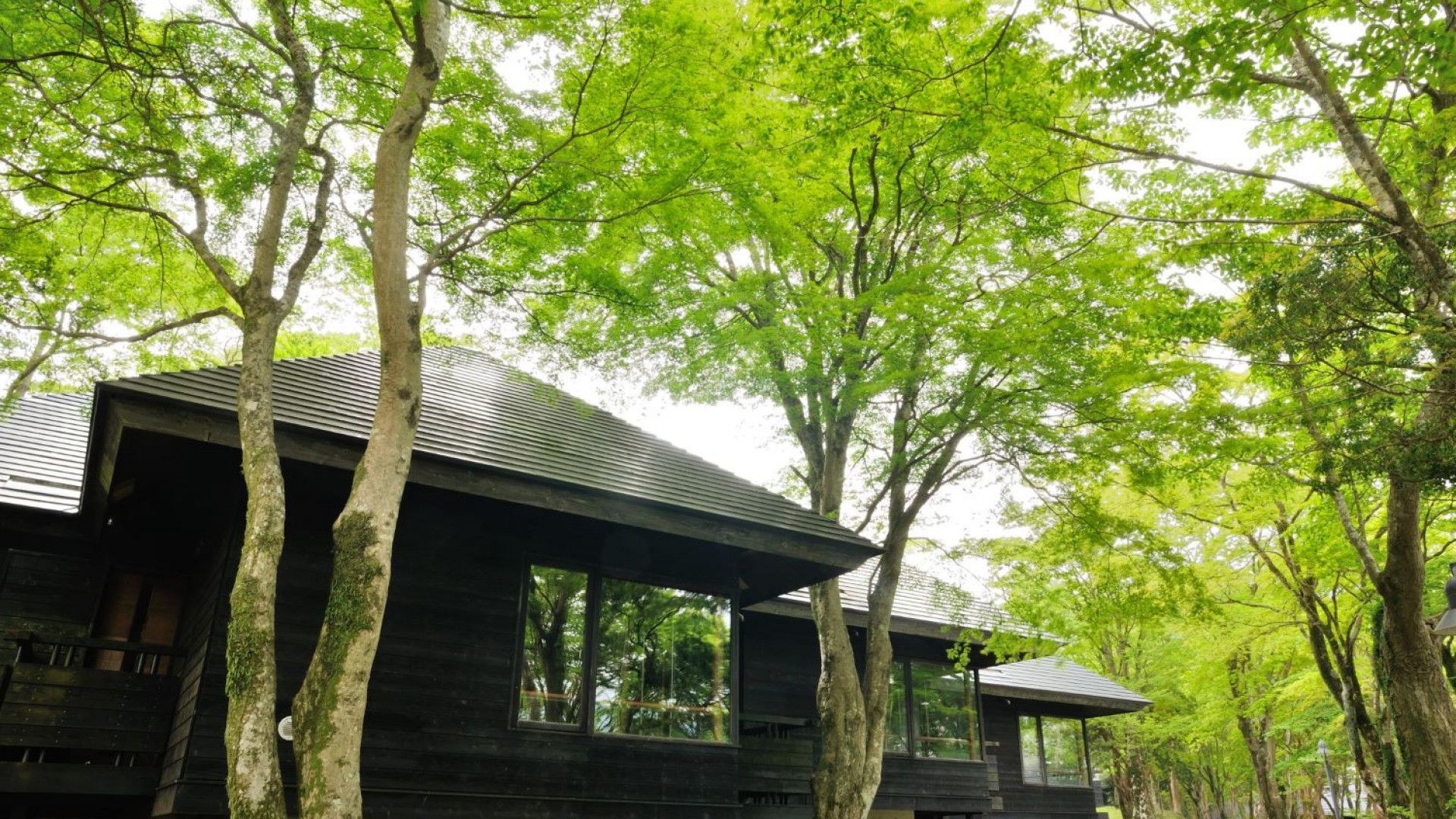
With the theme of "fureai (contact), experience, creation", Kangawa Prefectural Fujino Art House is a facility where you can experience art. You can experience pottery, woodwork, glass art, and other forms of art. Accomodation is available for families and groups as well as studios and halls where you can enjoy music, drama, and dance.