Greater Tokyo

See & Do

reset
Yunishigawa-onsen KAMAKURA Snow House Festival

Yunishigawa-onsen KAMAKURA Snow House Festival

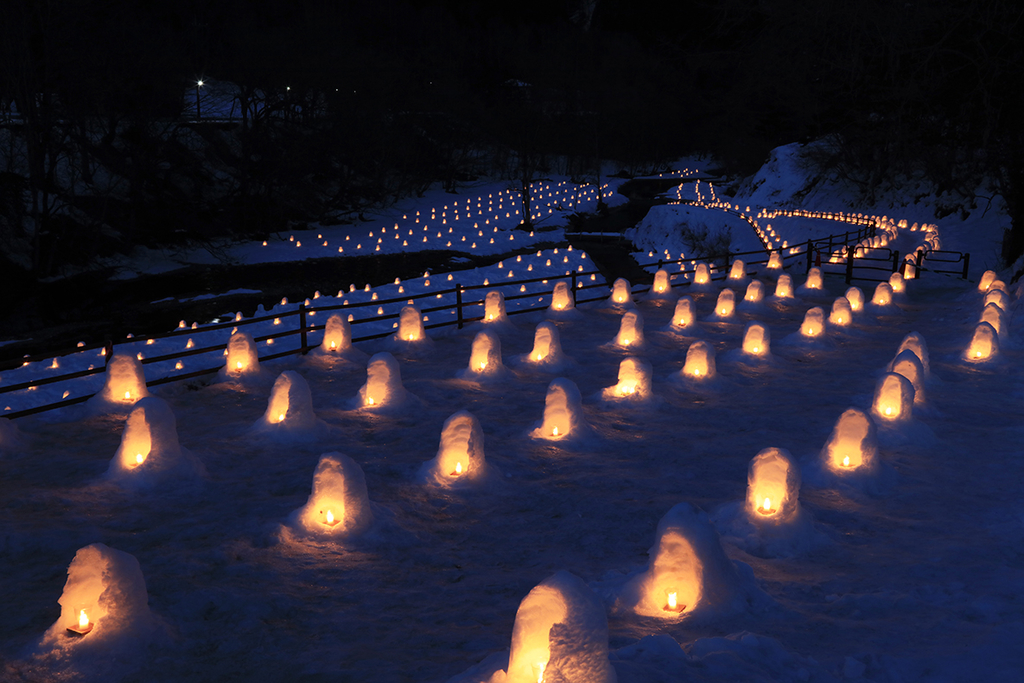
This feature festival of Yunishikawa Onsen is held from late January to early March every year. Hundreds of small snow houses (mini-kamakura) are built and lighted up by candle lights. During the day enjoy sleighing. This illuminated snow-filled town is simply mesmerising.   Yunishigawa Onsen Kamakura Snow House Festival 2026 ■Dates:January 30st-March 1nd,2026   Venue1:Sawaguchi Riverside ■Lighting Dates:Only on Fridays, Saturdays,and Sundays during January 30st-March 1nd,2026 ■Lighting Hours:5:30 p.m.-9:00 p.m. ■Admission:Free   Venue2:Heike-no-Sata Village ■Opening Hours:9:00 a.m. -9:00 p.m.(Last entry at 8:45 p.m.) ■Lighting Dates:January 30st - March 1nd ,2026 ■Lighting Hours:5:30 p.m.-9:00 p.m. ■Admission:1-day ticket(9:00 a.m.-9:00 p.m.):510 yen for adults / 250 yen for elementary and junior high school students(re-entry possible on the day)   Venue3:Yunishigawa Mizu-no-Sato Snow Park ■Closed:Wednesdays *Open on 2/11 (Wednesday, national holiday), closed on 2/12 (Thurs) ■Opening Dates:January 30st - March 1nd ,2026 ■Business Hours:10:00 a.m.-3:00 p.m.(Last reception 2:00 p.m.) ■Admission:1,200 yen for adults,600 yen for children(including sledding fee and hot spring bathing fee at Mizu-no-Sato.The hot spring open from 10:00 a.m. to 7:00 p.m.,last entrance 6:00 p.m.)

Nikko kaido Oshu kaido TOCHIGI
Tobu World Square

Tobu World Square

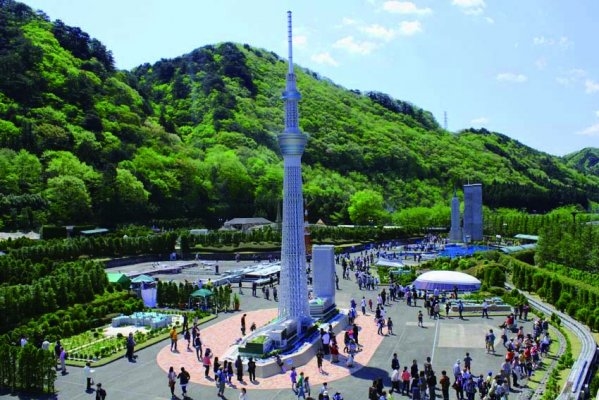
The theme is "Let's protect the world's ruins and architectural culture" This theme park exhibits UNESCO's World Cultural Heritage sites, including 48 registered properties, 22 buildings from 102 countries and regions. Elaborately reproduced on 1/25 scale. The buildings are decorated with exquisite carvings, reliefs, and glass inlays that are breathtakingly beautiful. In addition, the 20,000 plants that adorn the buildings change with the seasons, allowing you to enjoy different landscapes throughout the year. There are also signs next to the buildings in the park that indicate the “Shooting Spot”, so you can take great photos. You can also take pictures of buildings by lifting them or holding them up in a borrowed position, so that you can enjoy photography to the fullest.   New photo spot opens in Tobu World Square's America Zone! The popular America Zone in the park has been partially renovated, with new photo spots added. New photo spots recreate iconic American landscapes for an immersive experience. Now you can take a picture with the symbol of New York City, the Statue of Liberty, and Flatiron Building. You can enjoy a special photo that can only be taken at Tobu World Square by taking a photo from behind this magnificent statue with Tokyo Skytree and Tokyo Tower exhibits in the background.

Nikko kaido Oshu kaido TOCHIGI
Edo Wonderland Nikko Edomura

Edo Wonderland Nikko Edomura

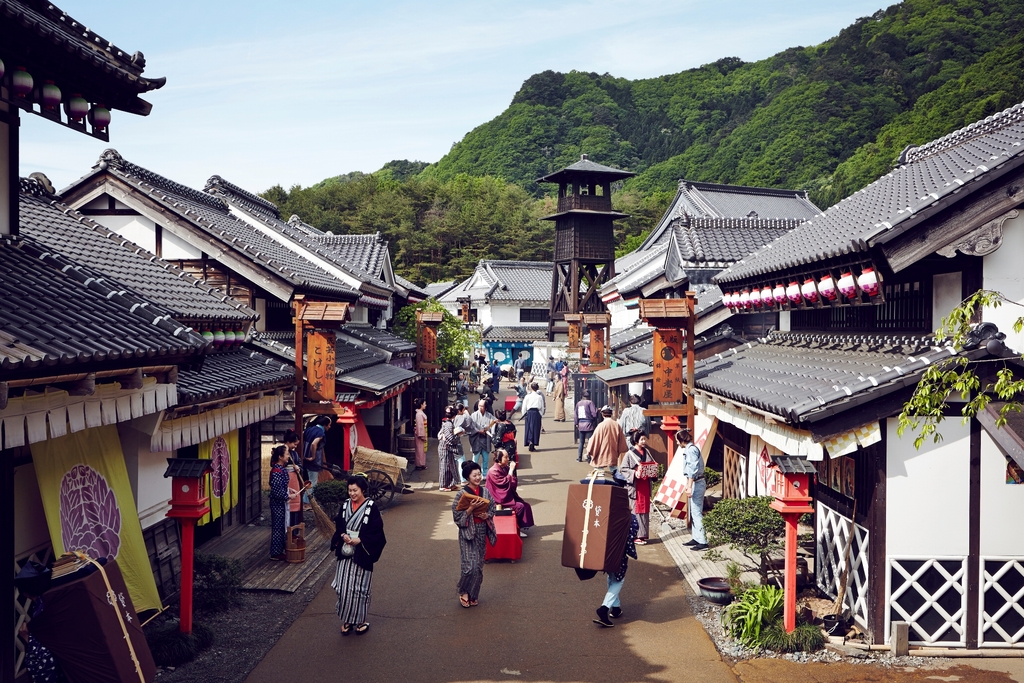
Edo is the former name of Tokyo used until the late 19th century. This theme park authentically recreates town life in the Edo period. The huge village consists of rows of merchant houses, a samurai mansion, a Ninja village and much more. The culture of the Edo period comes alive through the townspeople and events, you can even put on a costume and join in yourself! The cultural park offers a real experience of the life and culture of the Edo period via their seven theatres, museums on history and culture and even Edo-style restaurants.

Nikko kaido Oshu kaido TOCHIGI
Kinugawa Onsen

Kinugawa Onsen

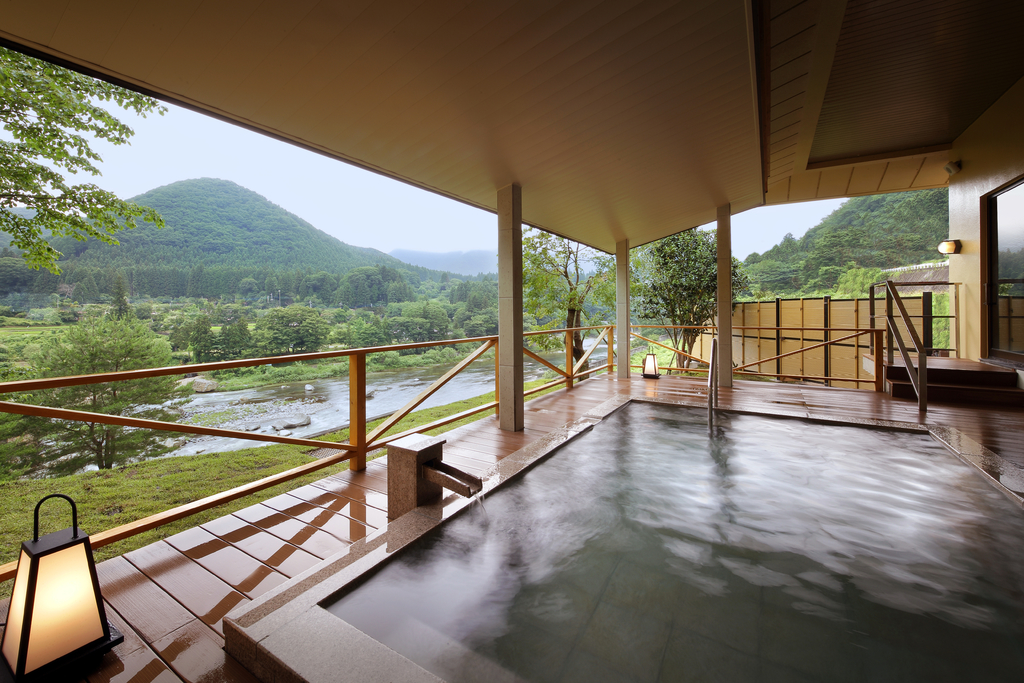
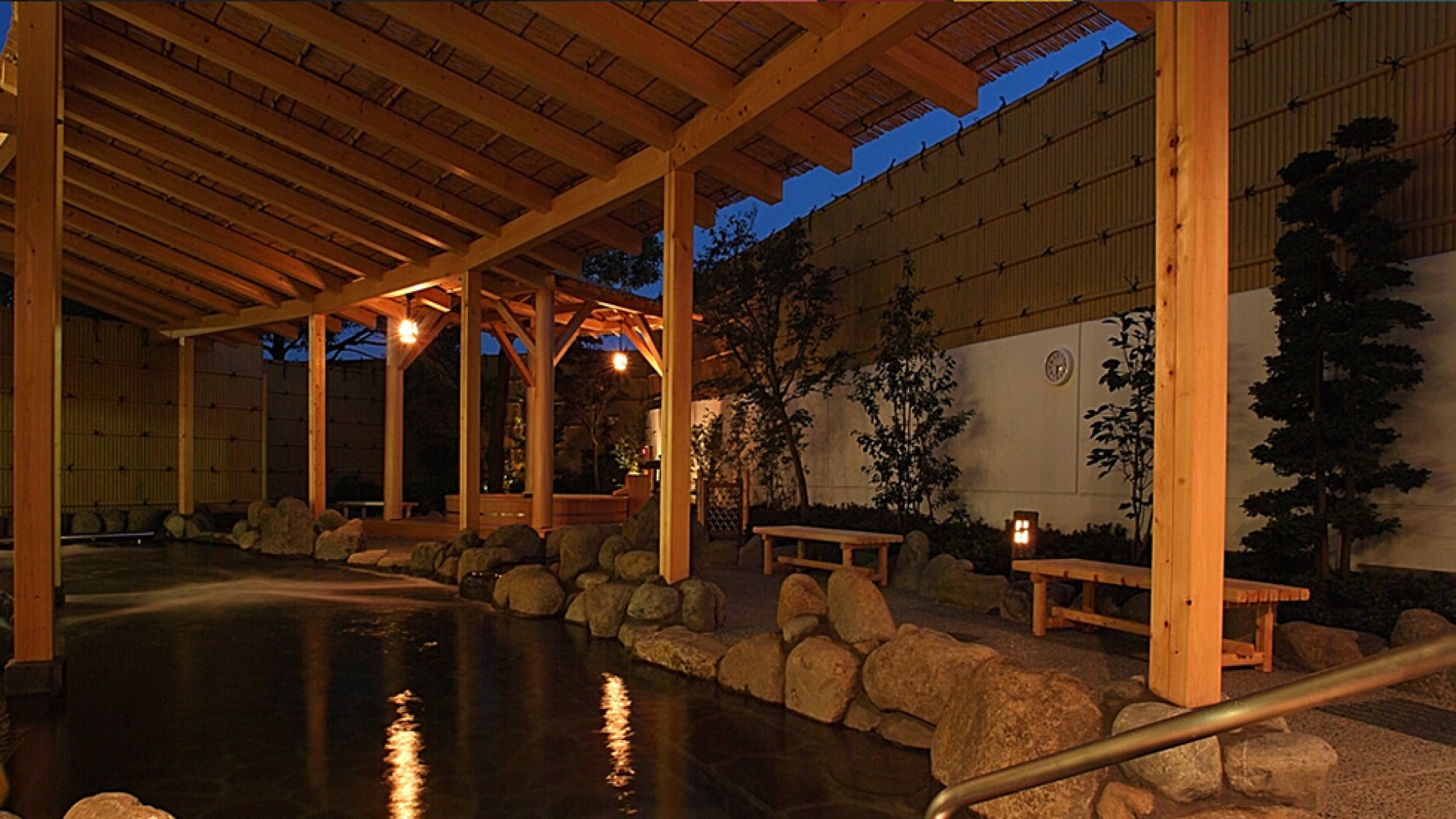
Discovered more than 300 years ago, these venerable Onsen were open only to monks and daimyo samurai visiting Nikko at that time. Since opening to the public in late 19th century, the hot springs have had many visitors and developed into a great spa resort. The hot spring water is smooth and gentle on the skin with a light alkalinity, and is thought to help nerve pain and stiff shoulders, relieve tiredness and promote good health. There srounded many theme parks or sightseeing spots, and good place for the base to go sightseeing in Nikko.

Nikko kaido Oshu kaido TOCHIGI
Kegon Falls

Kegon Falls

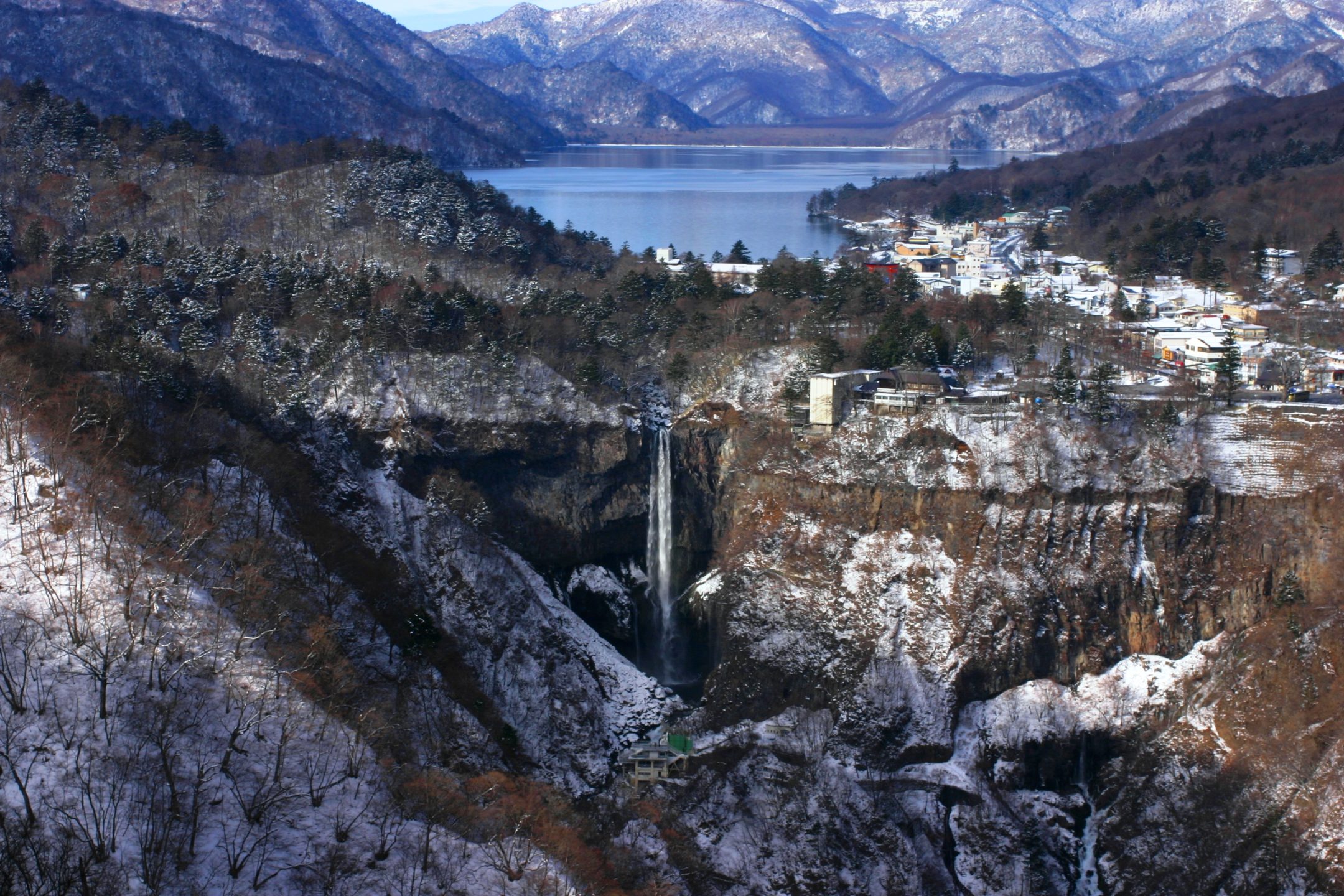
Kegon Falls is the most famous of Nikko’s 48 waterfalls. Water from Lake Chuzenji falls 97 metres straight down to the rocks below creating a dynamic and artistic work of nature. A special lift takes visitors to the basin where the force and roar of the water can be witnessed close up! Kegon Falls offers stunning views every season. Deep green in early summer, red and yellow leaves in autumn. in winter, the water freezes as it drops creating beautiful ice shapes almost like beautiful pieces of art.

Nikko kaido Oshu kaido TOCHIGI
Lake Chuzenji

Lake Chuzenji

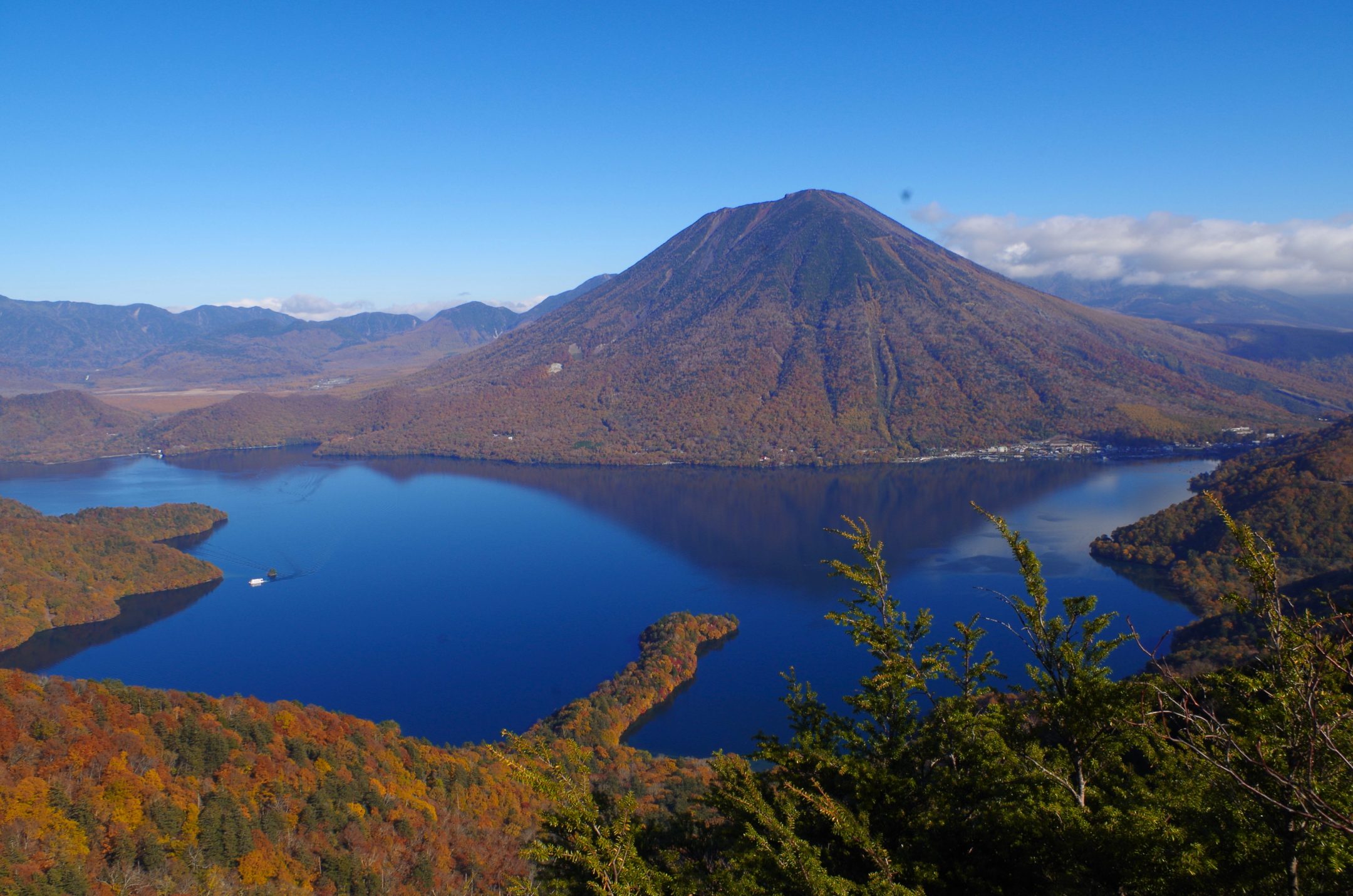
Lake Chuzenji is the largest lake in Tochigi, framed by 25 kilometres of incredible nature. The area used to be a popular summer resort for foreigners in the late 19th to early 20th centuries. The villas of French and Belgian embassies can still be found here. You can enjoy seasonal charms by the lake. Walking trails surround the water’s edge and there is an excursion boat available on the lake. The views from the lake are spectacular, particularly when the cherry blossoms or azaleas are blooming or when the autumn leaves are turning. The “Koyo-meguri” tour, enjoying autumn leaves reflecting on the lake, is highly recommended.

Nikko kaido Oshu kaido TOCHIGI
Irohazaka

Irohazaka

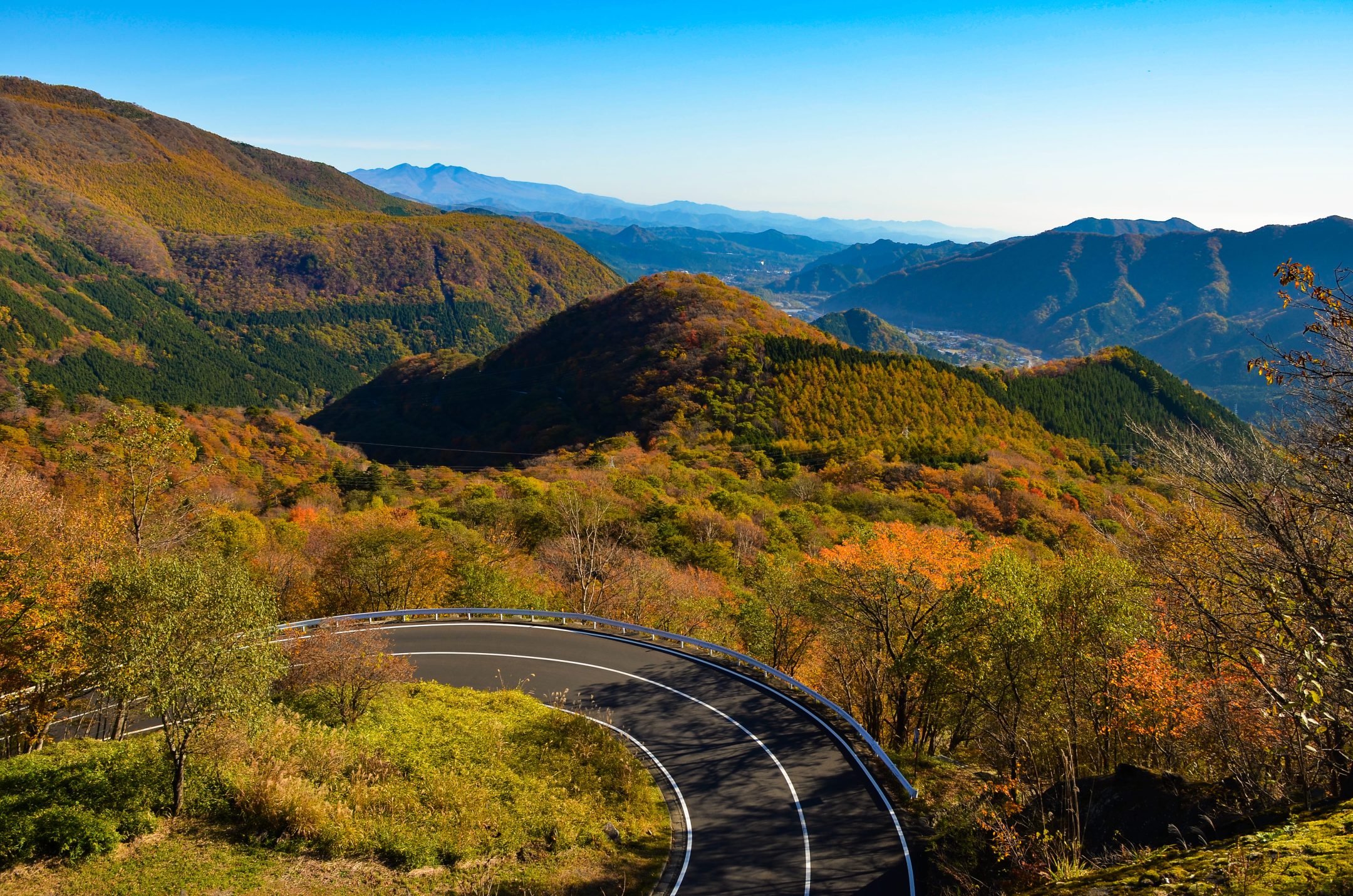
Irohazaka is a pair of winding roads (ascending and descending) connecting Nikko-city and the mountainous Lake Chuzenji area. The roads are named after the 48 syllables of the Japanese alphabet (kana) as they contain 48 hairpin turns while rising and falling 440 metres in elevation. The best viewing spot is the Akechidaira observatory on the descending road. The picturesque landscape is known as the most beautiful place to celebrate autumn leaves in Nikko, and it is well worth putting up with the traffic on the roads at this popular time.

Nikko kaido Oshu kaido TOCHIGI
Senjogahara Marshland/Odashirogahara Marshland

Senjogahara Marshland/Odashirogahara Marshland

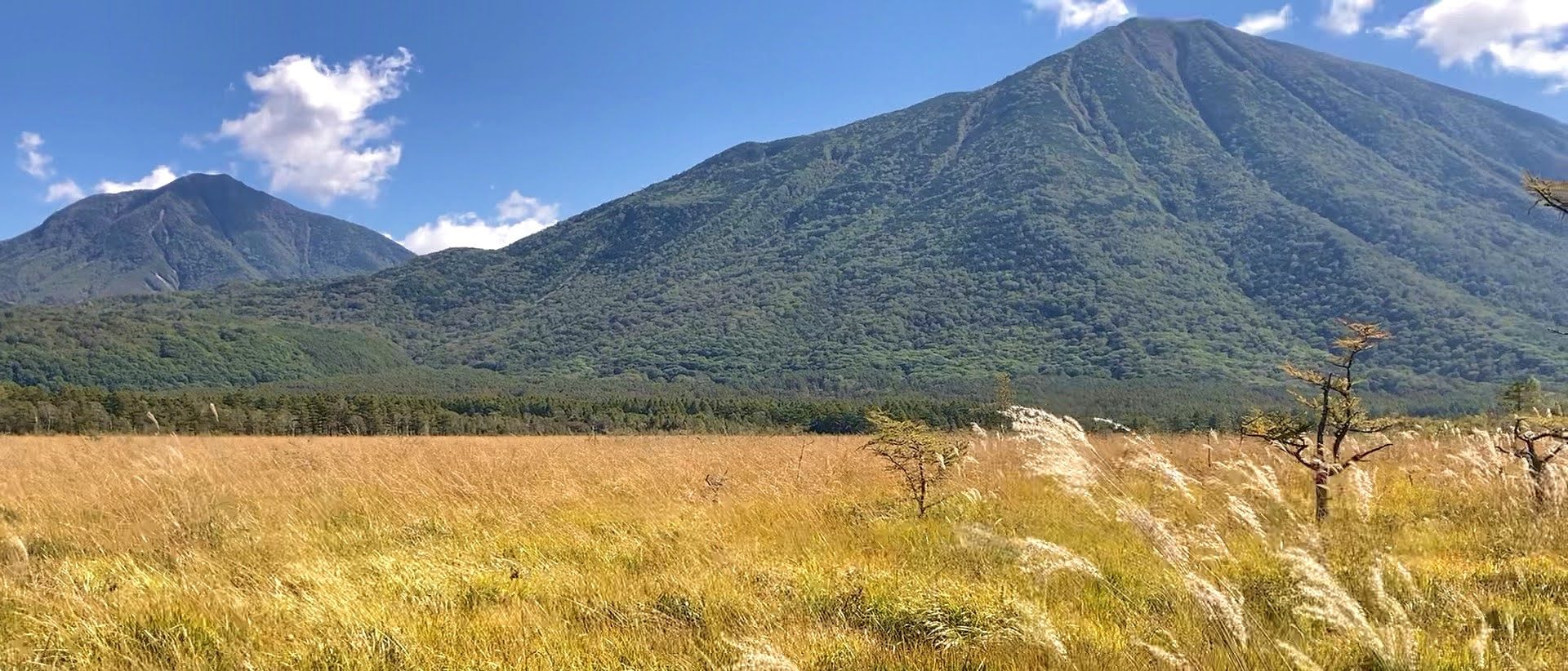
Senjogahara in the Nikko National Park is one of the nation’s most renowned marshland areas. You can enjoy a variety of nature trails, 350 kinds of wild plants, and many species of wild birds. The trails offer magnificent views of the marshland with Mt. Nantai in the background, and an array of natural panoramas. The neighbouring Odashirogahara consists of unique grass and marshlands. The famous Japanese white birch tree known as “the lady of Odashirogahara” can be found here.

Nikko kaido Oshu kaido TOCHIGI
Nikko-zan Rinno-ji Temple

Nikko-zan Rinno-ji Temple

The history of the Nikko-zan Rinno-Ji Temple started over 1250 years ago, when Shodo Shonin (Saint Shodo), who firstly served as the head priest of Nikko, founded the Shihonryuji Temple. Sanbutsudo Hall is one of the largest wooden architectures in Nikkosan, and houses Buddhist statues respectively symbolizing honchibutsu (original Buddhist divinity), of the holy three mountains in Nikko, such as Senju-Kannon (Kannon with a thousand arms: honchibutsu of Mt. Nantai), Amidanyorai (Amitabha Tathagata: honchibutsu of Mt. Nyoho), and Bato-Kannon (Kannon with a horse head: honchibutsu of Mt. Taro), are 8m tall.

Nikko kaido Oshu kaido TOCHIGI
Nikko Futarasan-jinja Shrine / Shinkyo Sacred Bridge

Nikko Futarasan-jinja Shrine / Shinkyo Sacred Bridge

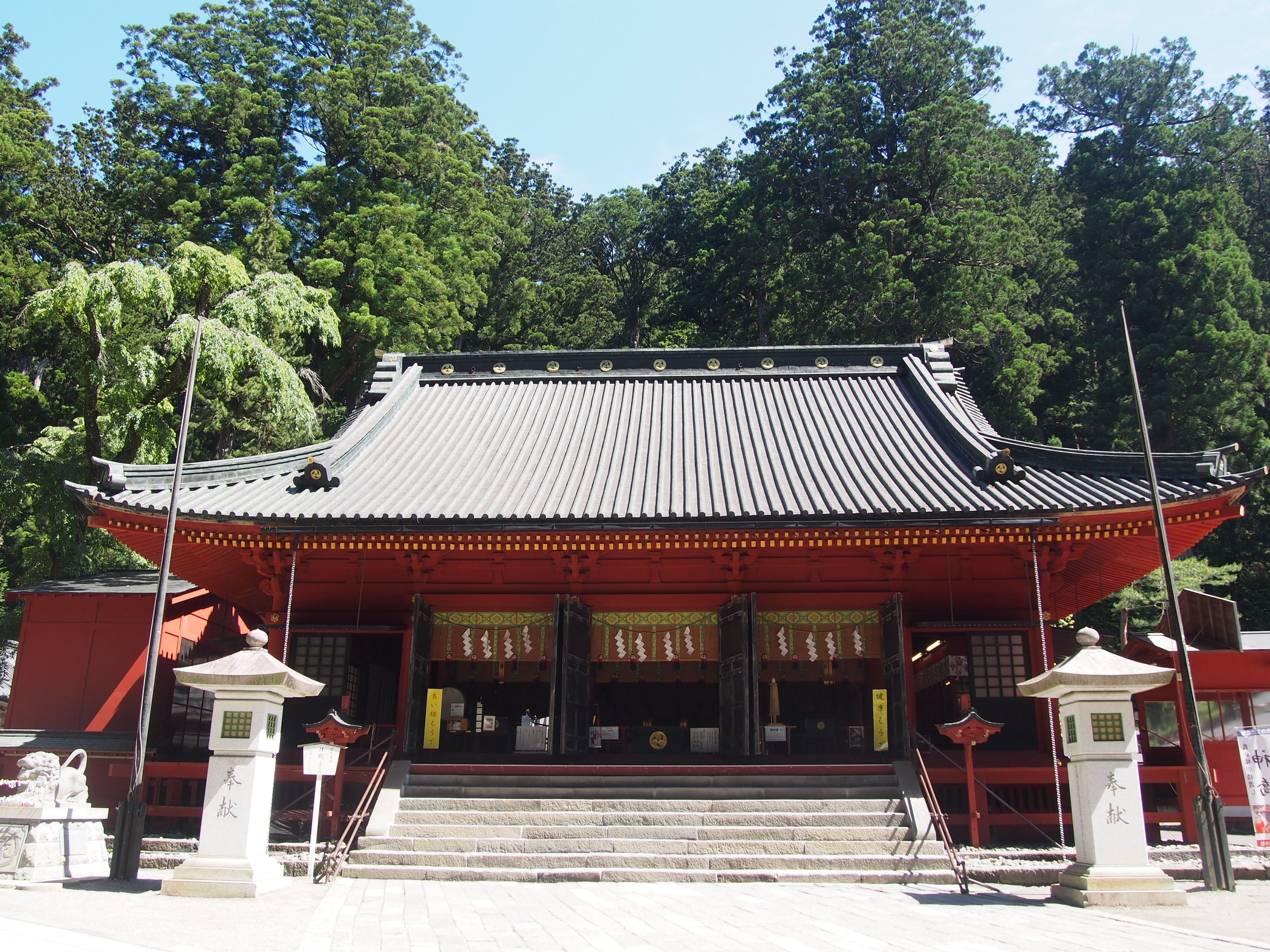
History of Futarasan Shrine About 1,200 years ago, a famous monk Shodo Shonin found Shihonryu-ji Temple (belong to Rinno-ji Temple) and Futarasan Shrine (today’s “Hongu Shrine” belong to Futarasan Shrine). It symbolized the begin of the mountain beliefs of Mount Nantai. Since then, Futarasan Shrine was called “Ichinomiya (first shrine) of Shimotsuke Province” and became the center of faith in Nikko.   What makes Futarasan Shrine different? The main deity of Futarasan Shrine is Okuniushi, who is known for good luck and success in love. Many people come here to pray for the success of their interpersonal relationships.   The wooden vermillion bridge “Shinkyo” located at the entrance of Mount Nikko is belonging to the shrine, welcomes visitors to the world heritage site “Shrines and Temples of Nikko”.   You can also visit the Oku-no-miya located at the summit of Mount Nantai and the Middle Shrine located on the shore of Lake Chuzenji, both are famous power spots in Nikko.   The shrine holds famous festival “Yayoi Festival” every April, you can see many beautiful mikoshi and enjoy traditional music during the event.   ※World Heritage Site “Shrines and Temples of Nikko” includes Nikko Toshogu Shrine, Nikko Rinno-ji Temple and Nikko Futarasan Shrine.

Nikko kaido Oshu kaido TOCHIGI
Nikko Toshogu Shrine

Nikko Toshogu Shrine

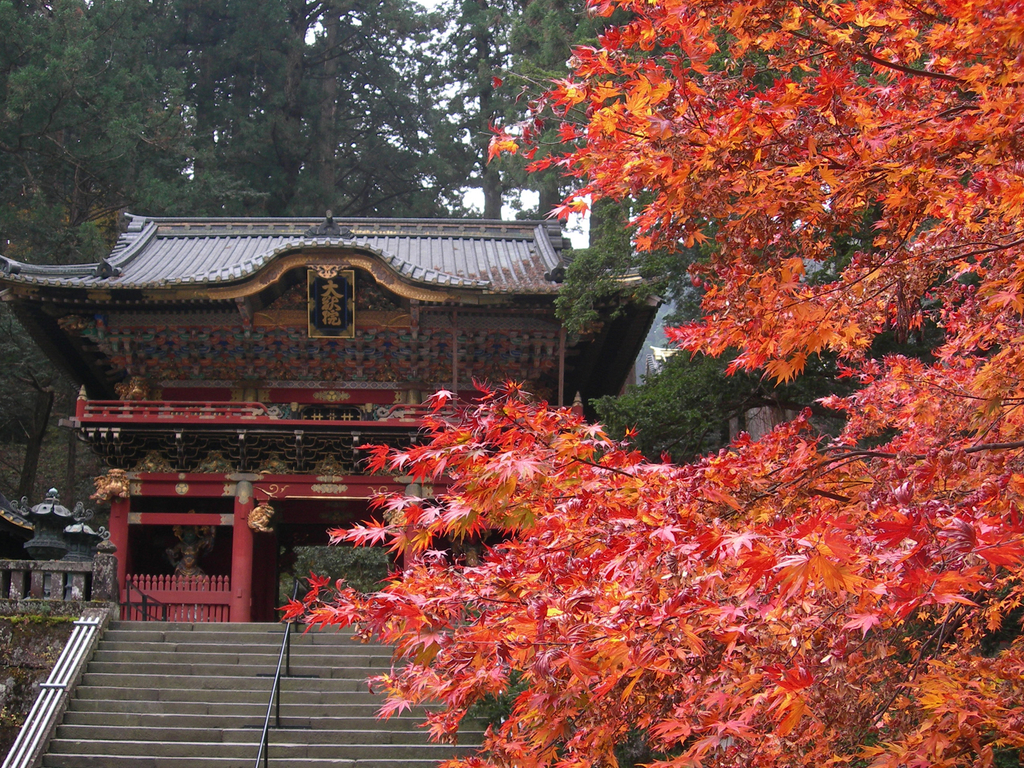
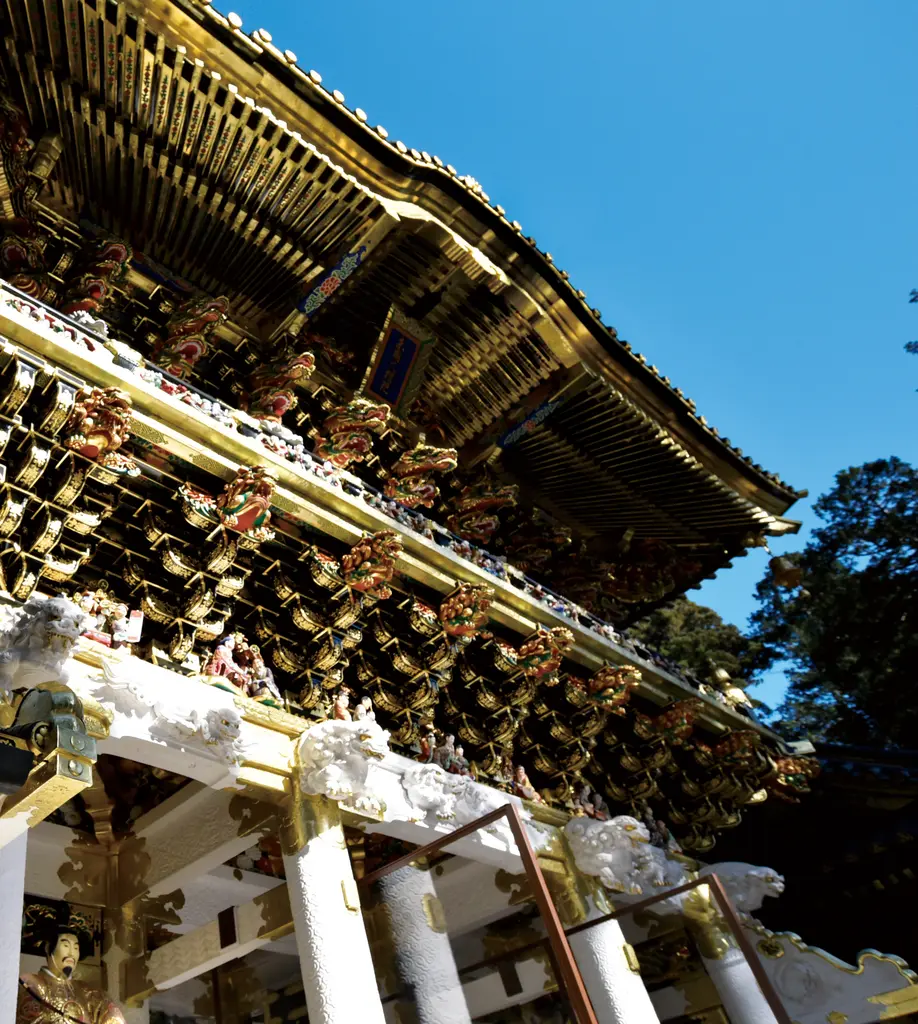
The most renowned shrine of “the Shrines and Temples of Nikko”-a UNESCO world heritage site where Ieyasu Tokugawa, the great Shogun who started the Edo Period, is enshrined. Most of the shrine complex you see today was rebuilt in 17th century. The shrine contains 55 buildings including 8 national treasures and 34 listed buildings. The highlights are many colorful buildings which are richly decorated with gorgeous carvings. Do not miss the symbol of peace “Sleeping Cat”, and the “Three Monkeys” with the “see no evil, hear no evil and speak no evil” poses!

Nikko kaido Oshu kaido TOCHIGI
Japan Open Air Folk House Museum

Japan Open Air Folk House Museum

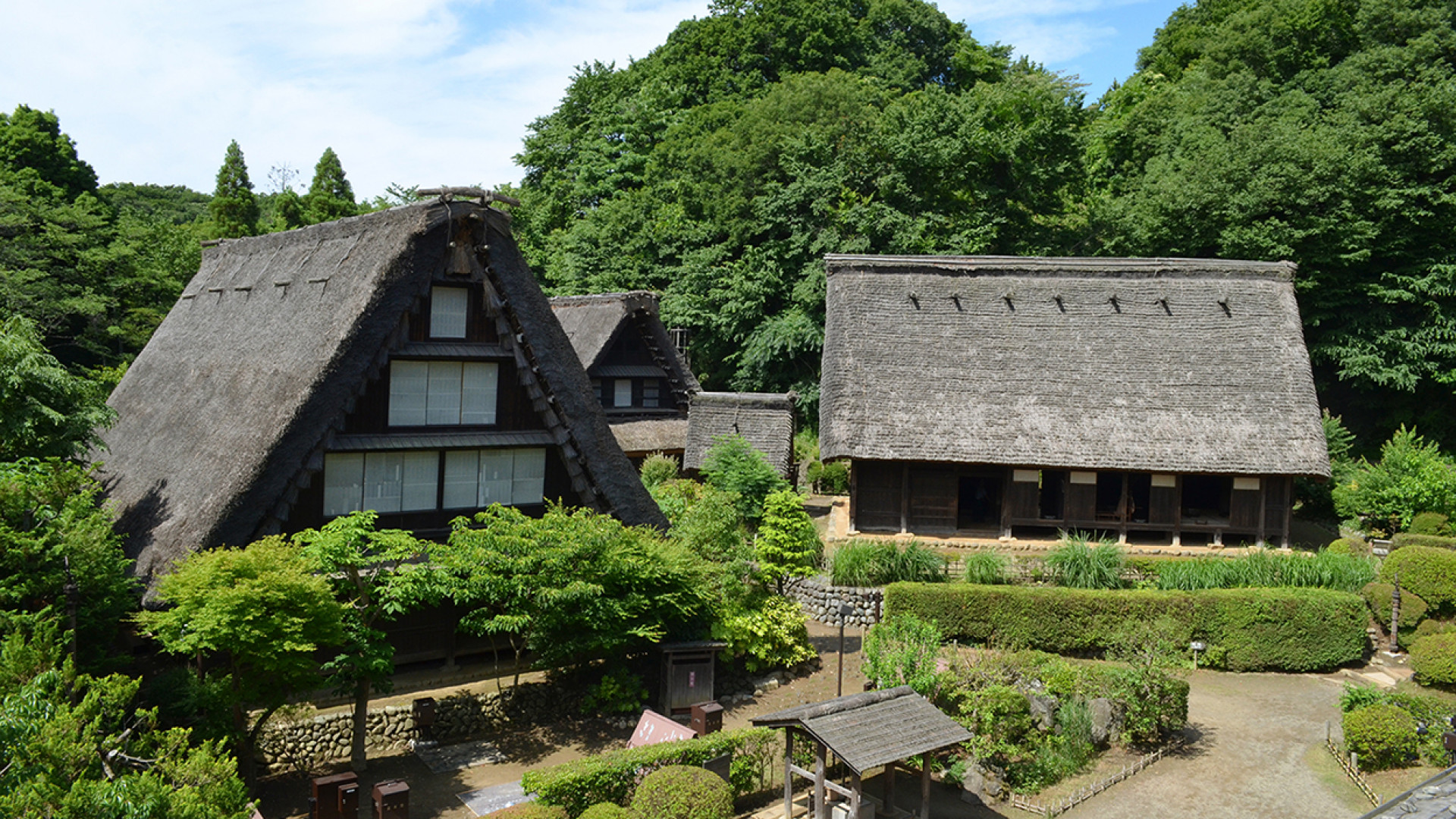
Located 30 minutes from Tokyo and 40 minutes by car from Haneda Airport, this municipal Japanese folklore park in the northern part of Kawasaki City is an outdoor museum that features 25 structures, including traditional Japanese houses, watermills, and Kabuki stages. The buildings are scattered amongst a lush green environment, and you can enjoy the nature of all four seasons. Popular events are also held at the traditional folk houses. In one of the facilities, the traditional crafts building, you can experience indigo dyeing.A gasshō-zukuri house with tall, steep roof and home to the Yamashita family known for their silkworm cultivation and fire farming on the mountain slopes.Similar to the Yamashita House, there was also space under the floors used for the manufacturer of gunpowder.Silkworms were raised in the large attic and papermaking took place on one of the earthen-floored areas.This house was used as both farmhouse and a dye-house.

Culture & Arts Tokaido Koshu kaido KANAGAWA
Kishamichi Promenade

Kishamichi Promenade

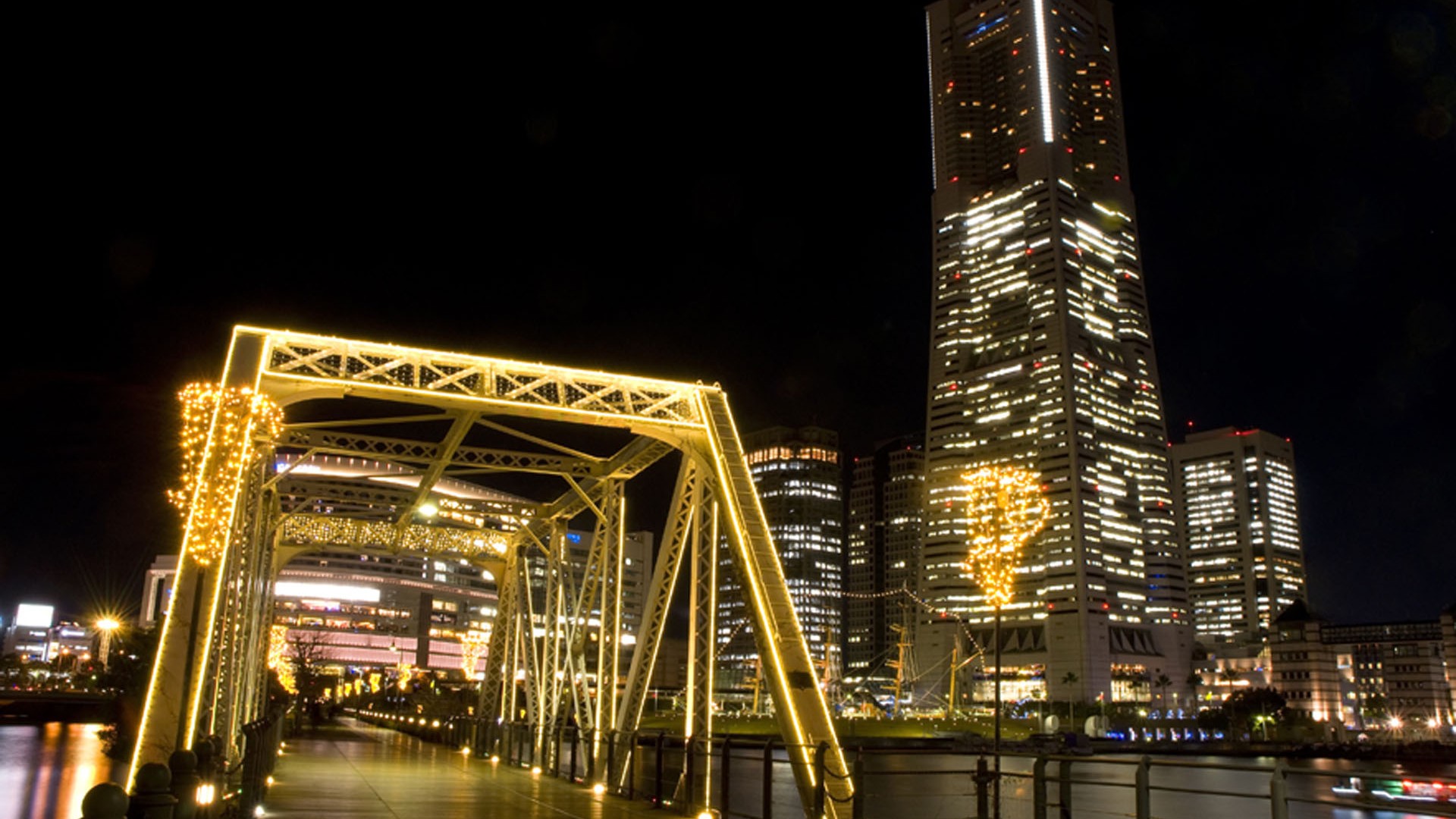
A promenade made by overhauling a dead track used by the former Japan National Railways that opened in 1911. It consists of three bridges connecting the Nihonmaru Memorial Park to the Shinko area. Skyscrapers of the Minatomirai area can be viewed from this 500-meter long boardwalk. Rubblework constructed at the time of the opening of the railways, a US-made railroad bridge and other historical structures are left in their original places. The Unga Park located at the end of Kisha Michi in the Shinko area has a plaza facing the promenade.

Nature & Views Tokaido Koshu kaido KANAGAWA
Iiyama Hakusan Forest Park Observatory

Iiyama Hakusan Forest Park Observatory

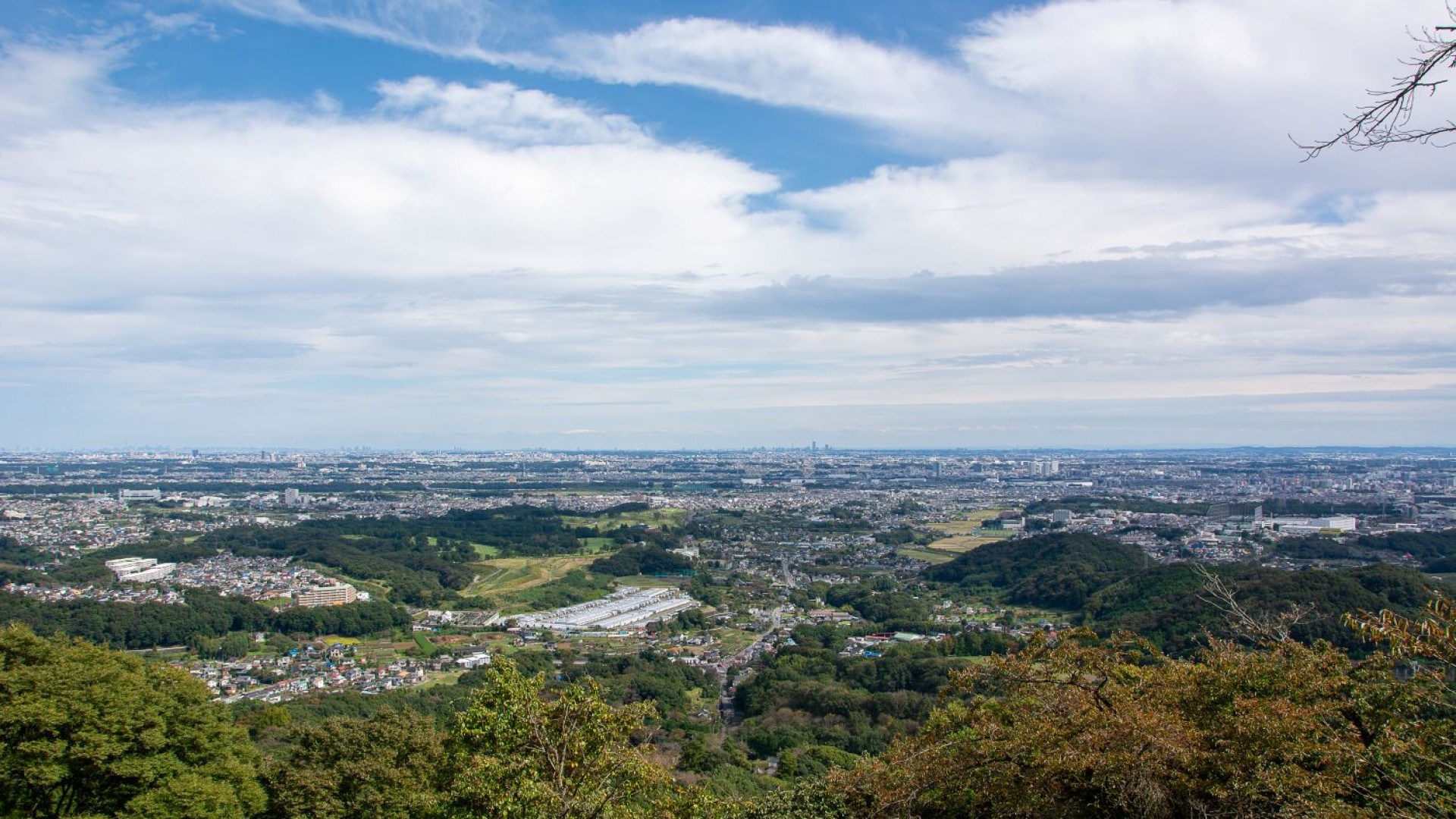
From Iiyama Kannon Chokokuji Temple it is about a 25 minute climb to reach the Hakusan Observatory. It is located at the top of Hakusan Mountain on the Hakusan Hiking Course and Hakusan Jyunrei Toge Hiking Course routes. The panoramic view from the 284-meter-high observatory includes Yokohama Minato Mirai on the right, Shinjuku buildings and Tokyo Sky Tree in front, and Mount Tsukuba on the left. We hope you will enjoy the breathtaking and inspiring view.

Nature & Views Koshu kaido Tokaido KANAGAWA