

Greater Tokyo

See & Do

reset
Scene of the Namamugi Incident and Monument

Scene of the Namamugi Incident and Monument

This is the scene of the Namamugi Incident in 1862, where British merchants were slashed when they interrupted the procession of Shimazu Hisamitsu, the feudal lord of Satsuma. As revenge, the British bombarded Kagoshima, resulting in the Anglo-Satsuma War. However, as a result of the war, ties between Satsuma and Britain were strengthened, encouraging modernization. These Anglo-Satsuma ties became the centre of the Meiji Restoration.

Culture & Arts Tokaido Koshu kaido KANAGAWA
Minaka Odawara Convention Hall

Minaka Odawara Convention Hall

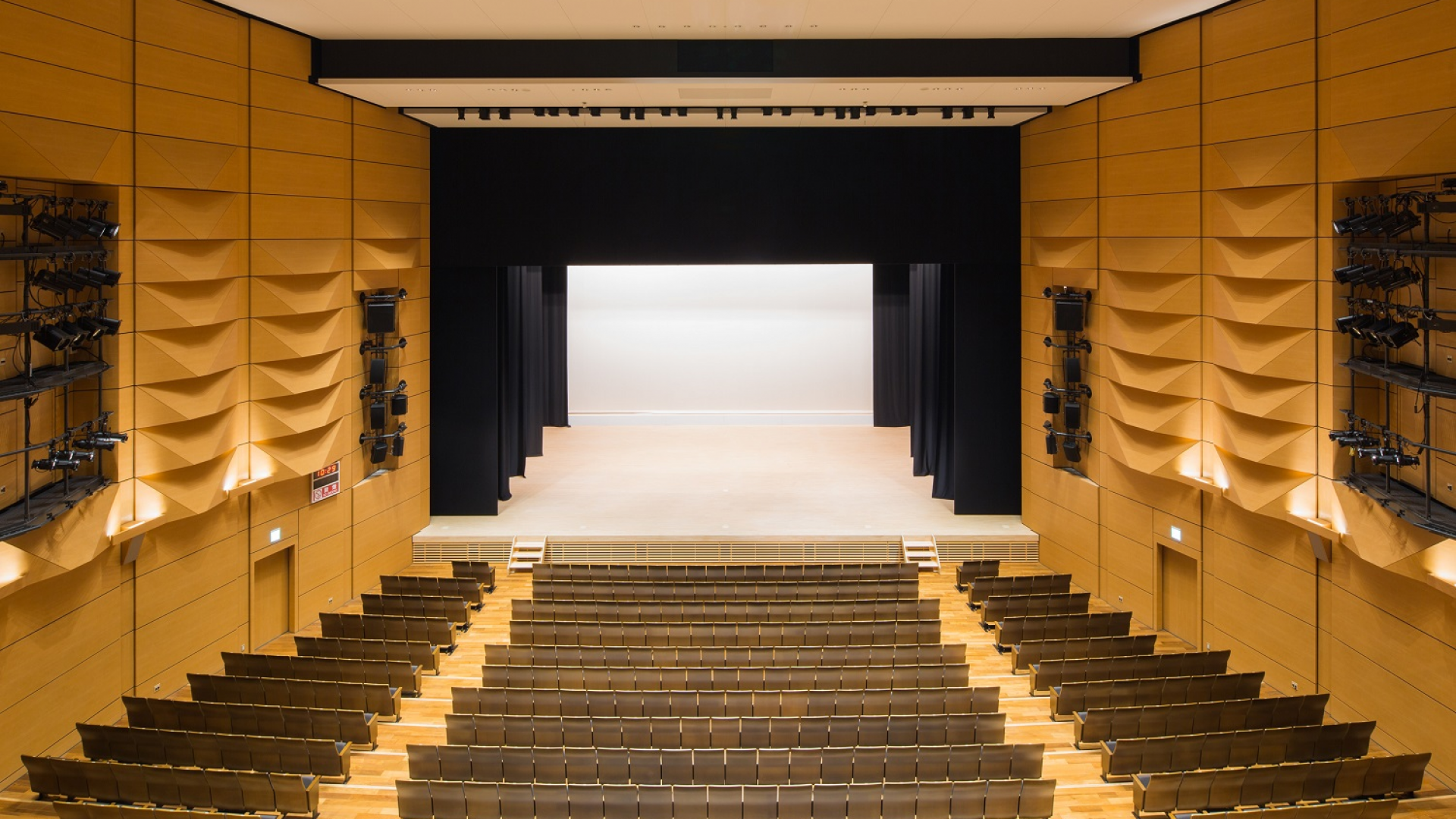
The Convention Hall is located on the 4th floor of Minaca Odawara, which opened in December 2020. Conveniently located with just a three-minute walk from Odawara Station, and with easy access from Tokyo, Nagoya, and Osaka, it accommodates a wide range of events, from conferences and meetings for 10 people to seminars and lectures for 300 people, as well as exhibitions and sales meetings, with a flexible layout to suit various group sizes and purposes. A variety of equipment can be rented, and banquet plans with buffets are also available.

other Tokaido Koshu kaido KANAGAWA
Shomyoji Temple

Shomyoji Temple

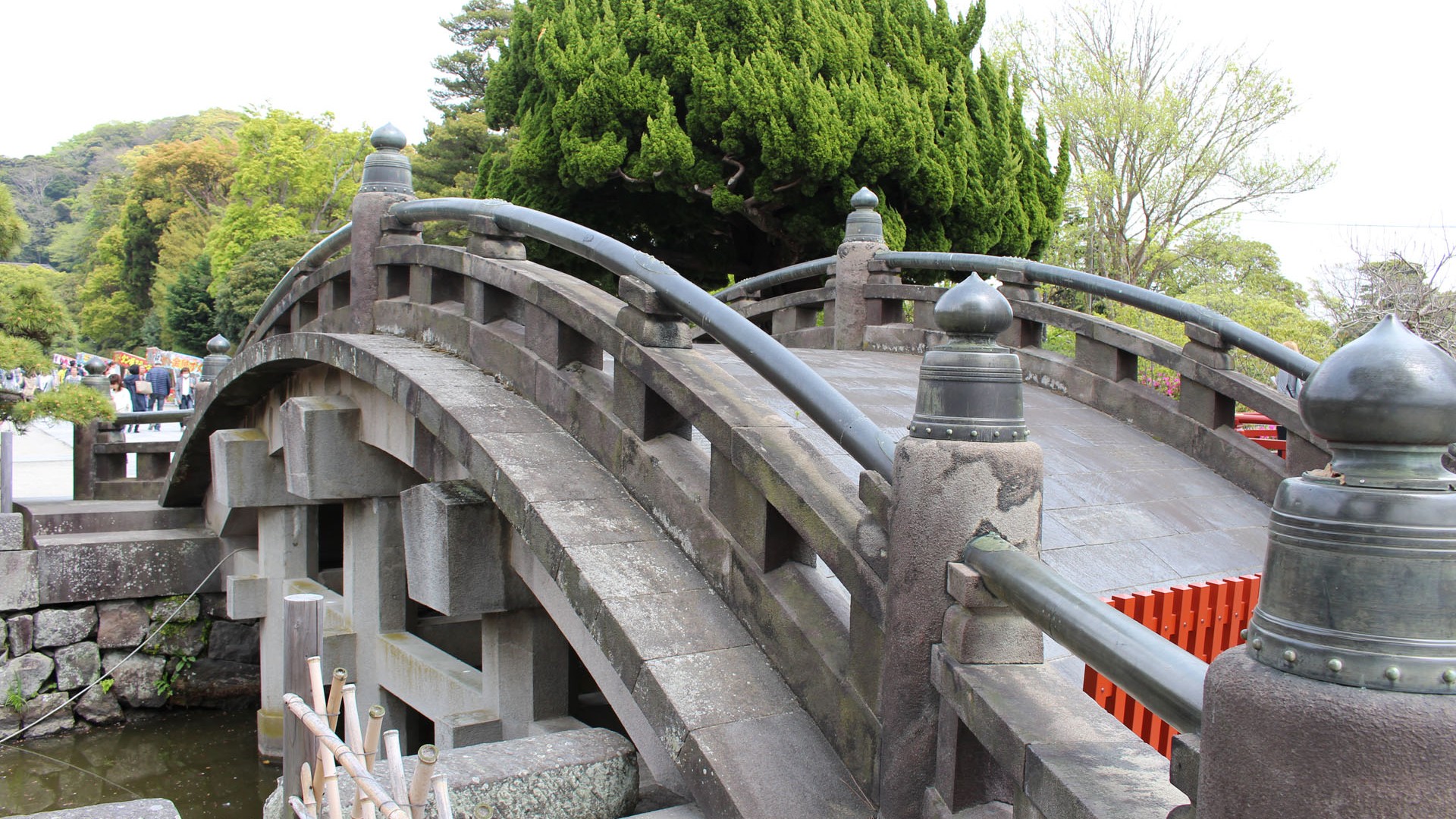
Thirty mins by car from the center of Kamakura City. Hojo Kanezawa’s family constructed in the Kamakura Period by Sanetoki Hojo. The Jodoshiki Teien Garden centred around the Ajiike Pond in front of the main building is a sight to behold. The garden, with its crimson arched and flat bridges, is beautiful.Visitors can enjoy seasonal scenery such as cherry blossom in spring, yellow irises at the beginning of summer and the changing colours of the leaves in autumn. In addition, there is the adjoining Kanagawa Prefectural Kanazawa-Bunko Museum which exhibits national treasures such as Shomyoji Temple sacred teachings and Kanazawa-Bunko documents.Noh theatre is performed at night by a fire each year at the beginning of May.

Temples & Shrines Tokaido Koshu kaido KANAGAWA
BOULCOM Kawasaki

BOULCOM Kawasaki

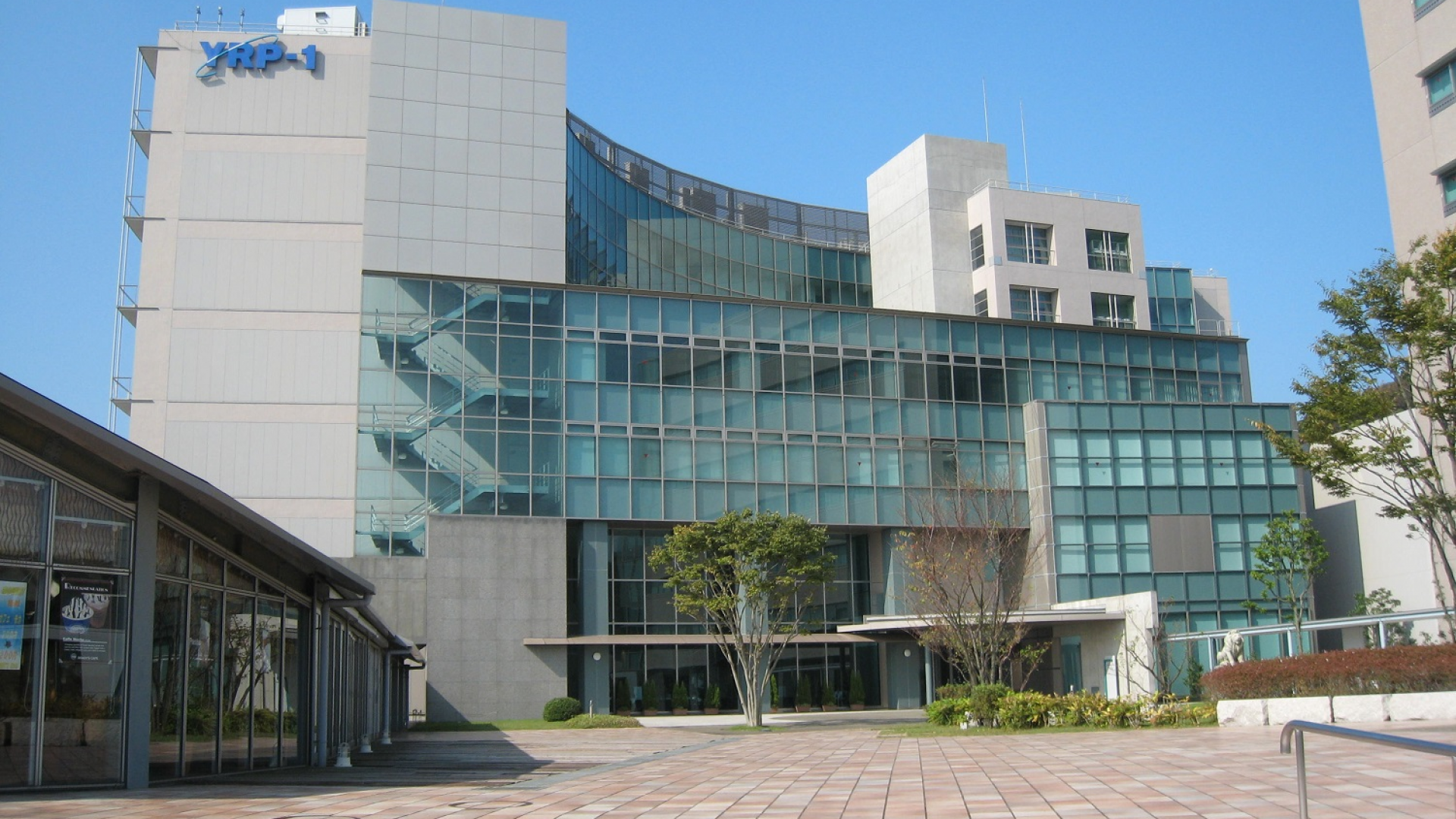
The BOULCOM Kawasaki bouldering gym is enjoyable for both small children and beginners. Access: The gym is a mere 5-minute walk from Kawasaki Station, which is easily accessible from Yokohama and Shinagawa Stations. Features: No Reservation Needed: Visitors can come at any time without needing to make a reservation in advance. First-timers Welcome: BOULCOM is designed with the concept that beginners can enjoy bouldering without any worry. For first-timers, the gym provides free training to teach the rules of climbing and offers tips. With over 80% of customers being new to bouldering, first-timers can feel at ease and enjoy themselves. A Gym Aligned with Your Lifestyle: Operating hours are from 10:00 to 23:00, so you can enjoy bouldering before work or after school. Spacious: The gym is about 2.5 times the size of its initial BOULCOM location in Shinjuku and features a wide variety of climbing walls. Price: Starting from a low price of 1,320 yen, you can climb all day without any time restrictions. The gym offers the lowest price in Tokyo! Philosophy: The gym aims to create a place that nurtures "communication" through "bouldering." In fact, these two concepts inspired the name BOULCOM. The facility hopes that everyone will try bouldering, free from fear, in a space where they can feel comfortable. BOULCOM believes in creating a clean environment where pleasant conversations can emerge and is committed to providing everything necessary for that purpose.

Experience & Activities Tokaido Koshu kaido KANAGAWA
Hase-dera Temple

Hase-dera Temple

Hasedera Temple is a famous historical temple that enshrines the statue of Hase Kannon as its principal deity. The main temple building houses the Kannon Museum, a garden, and offers visitors a chance to become familiar with the scenic beauty of Kamakura. The solemn "Kannon-do" and the temple grounds surrounded by beautiful trees and ponds, and lanterns distributed to visitors, encase the area in a beautiful lights that offers a sense of connection. A private tour of the temple grounds is also held by the priests of Hasedera Temple. In addition to the guided tours of the Keidai required sites, visitors will be show through the museum and also have the opportunity to visit Kannon in the main hall up close and personal.Originally established in 736 when the Kannon stature was said to have washed ashore, the most recent construction dates back to 1985.Enjoy a panoramic view overlooking Kamakura's coastal city while taking a leisurely break.Opened in 1980, the Kannon Musem exhibits the Kannon Bodhisattva, the principal mage of Hasedera Temple, as well as many other ancient artefacts.According to legend, the nine-meter wooden statue of the Kannon (goddess of mercy) you can see here was carved in 721 CE in Nara, then cast into the sea, washing up in 736. In June and July, colourful hydrangeas bloom around the temple.The precincts with the majestic Kannon-do hall and lovely trees and ponds are enveloped in a light that “connects,” like the lanterns given to those who visit.

Temples & Shrines Koshu kaido Tokaido KANAGAWA