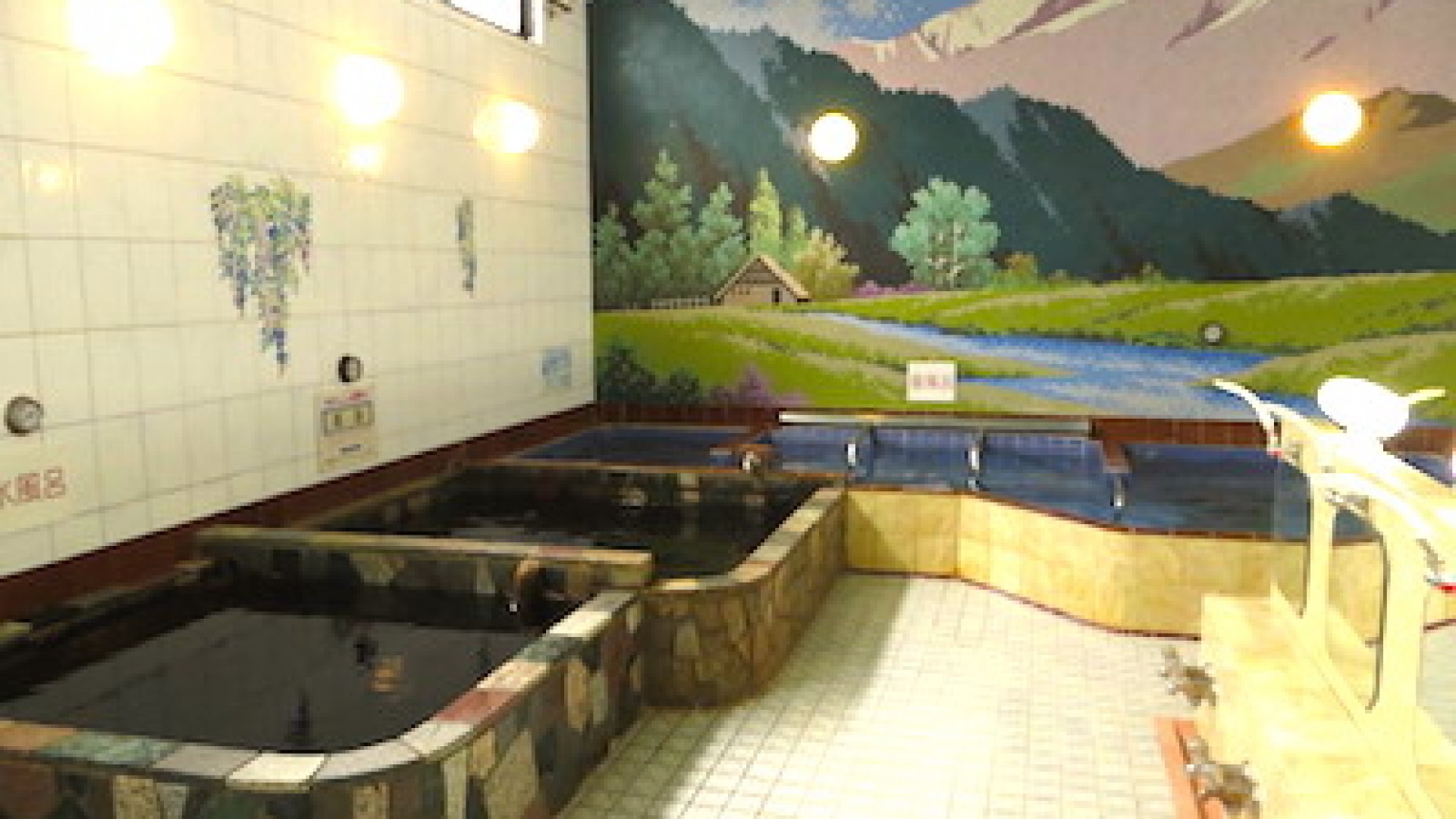
Tachibana Onsen Tachibana-yu
Please enjoy the clean and large community space inside the spa.
Total: 1715 items
Please enjoy the clean and large community space inside the spa.
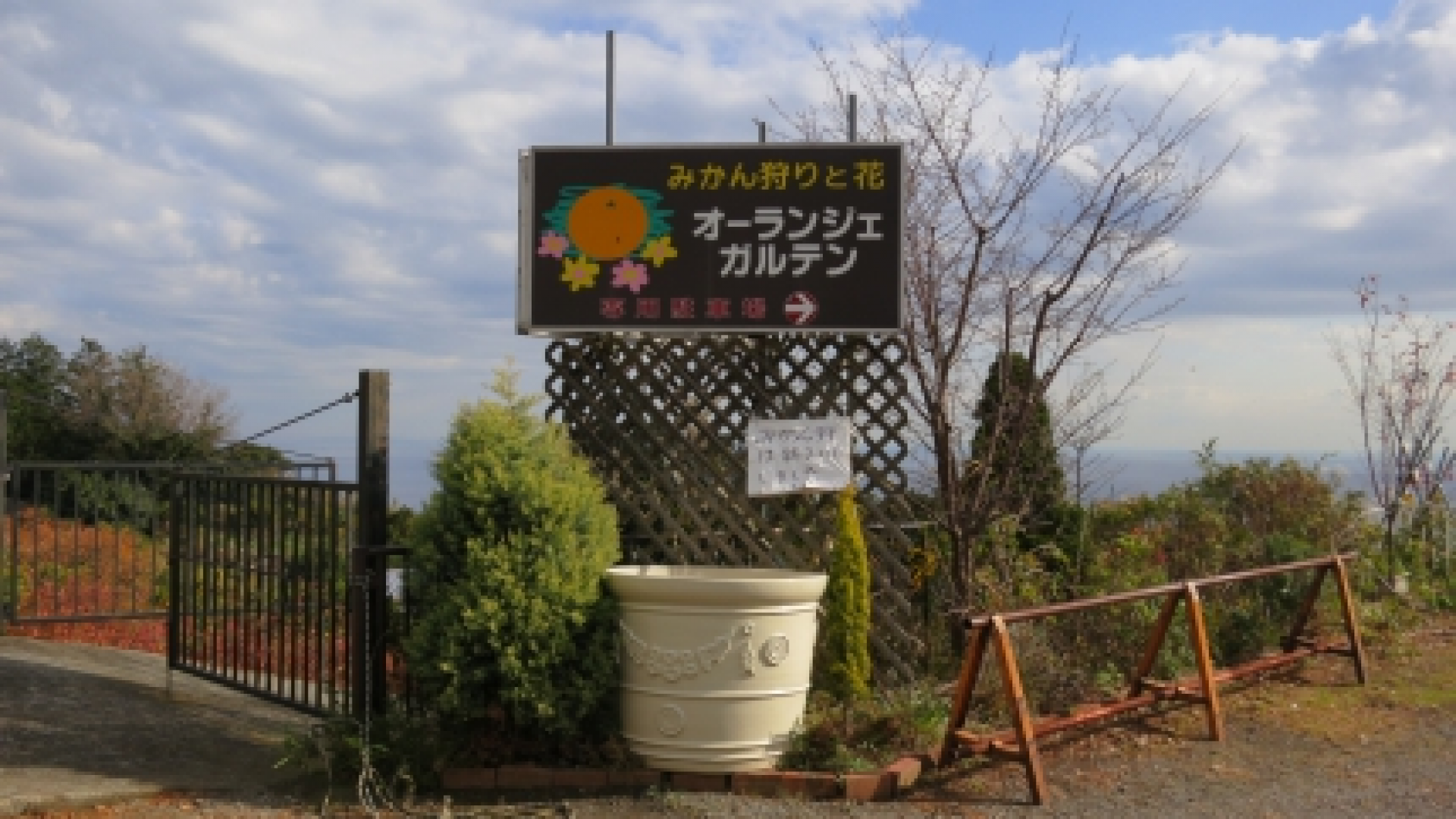
Enjoy fruit picking of safe and natural oranges and blueberries cultivated with low pesticides surrounded by perfect scenery and with the sea spreading out in front of you.
The Yoshidamachi Shopping Street has history dating back to when Yokohama was an active port. The area connects Isezakicho and Noge, with many old shops lining the way. There are a lot of art-related spaces available around noon, like picture and photo galleries. In the evening, over 40 different bars, cafes, and other eateries open up.
Located in front of JR Sakuragicho station, it is the best location for business and sightseeing. Access and transportation are also outstanding. There are 24 hours convenience stores and about 15 restaurants and cafes available.
Located on the top of Enoshima, this garden is a place where you can enjoy various flowers and plants during all four seasons. There are various facilities, such as Enoshima Sea Candle, the symbol of Enoshima, a cafe, and a souvenir shop. Views of Mount Fuji from the Sunset Terrace are particularly spectacular.
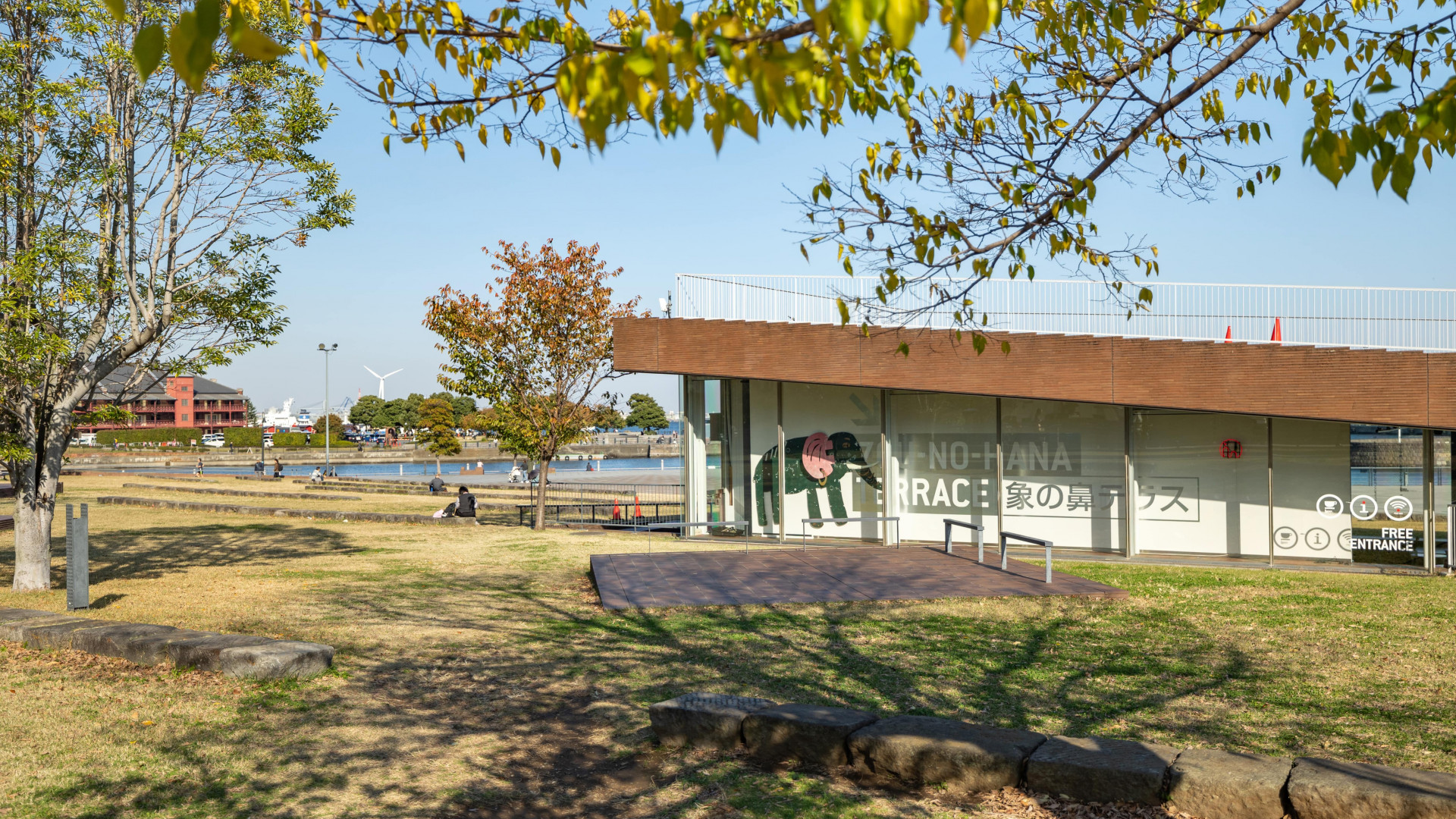
ZOU-NO-HANA Park, located in Kaigan-dori 1-chome, Naka-ku, was opened on June 2, 2009, and is the birthplace of the Port of Yokohama. On the 150th anniversary of the opening of the Port of Yokohama, the ZOU-NO-HANA breakwater was restored to its mid-Meiji Period shape. ZOU-NO-HANA Terrace, one of the many facilities established within the park, is a combined rest area and art space that hosts a wide variety of cultural programs including traditional arts, performing arts, music, and other genres, aiming to become a space where various people and cultures meet, connect, and create new culture. In keeping with this concept, the ZOU-NO-HANA Café strives to spread art through regularly scheduled events and offers a visually pleasing and creative menu devised by artists and creators alike. Dining overlooking the Port of Yokohama's Osanbashi International Passenger Boat Terminal and other harbor scenery from inside the restaurant is one of the unmatched pleasures of the ZOU-NO-HANA Café experience.
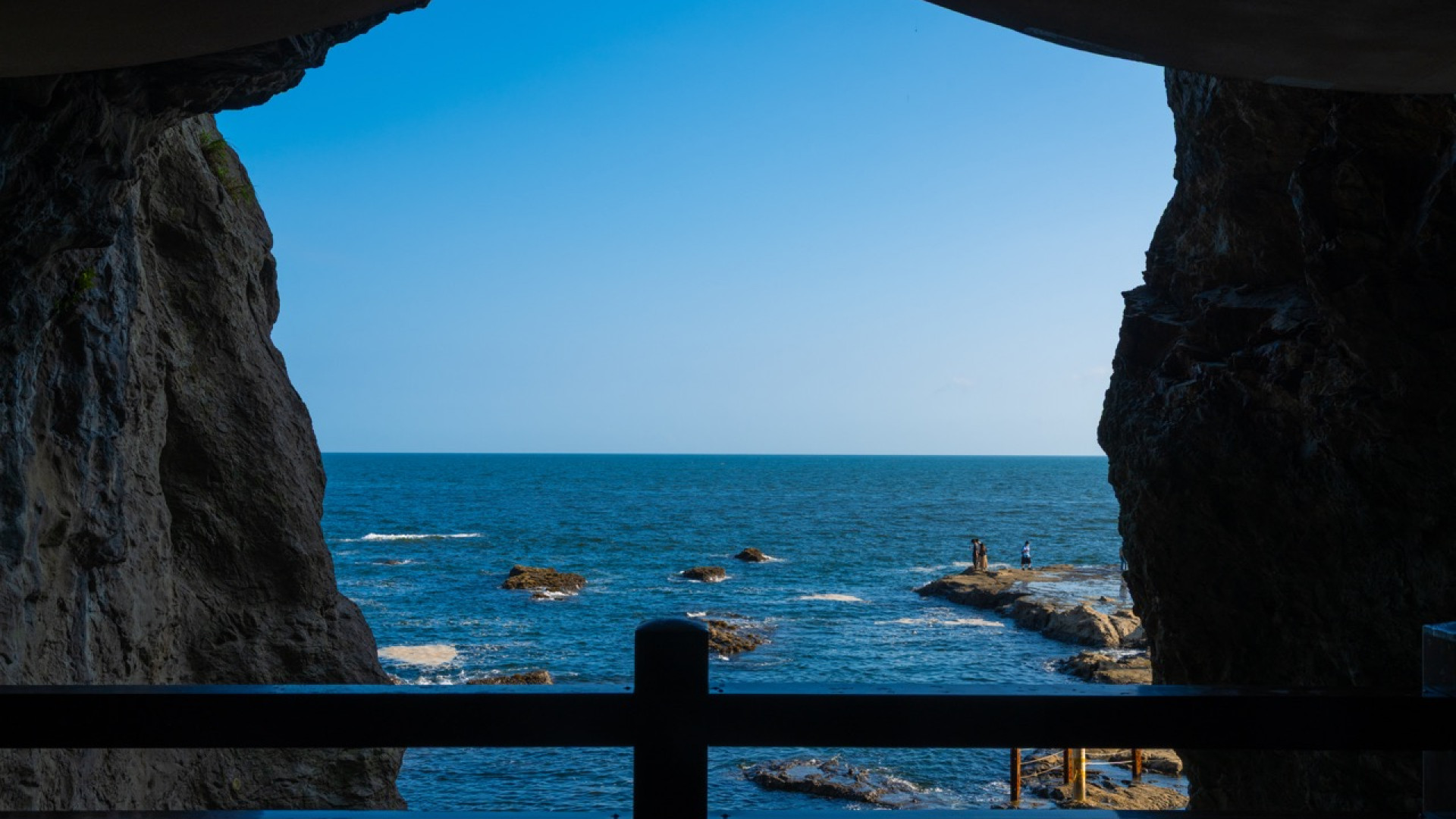
Enoshima is an island with a circumference of around 4 km and you can enjoy the popular sightseeing spots throughout a year, such as Enoshima Shrine, Enoshima Samuel Cocking Garden, Enoshima Sea Candle, Dragon Bell, Chigogafuchi Marine Plateau, and Enoshima Iwaya Cave. The Enoshima Yacht Harbor was the sailing competition venue for the Tokyo Olympic and Paralympic Games in 2020. The area is abundant with seafood such as shirasu, Ise Shrimp, sashimi, sazae and clams, all of which are very popular local cuisines to the tourists.When the tide is low, people flock to Chigogafuchi Abyss to take in the panoramic views of the sea and the magnificent skyline.The Chigogafuchi Rest House is a two-story building offering visitors a place to sit down and have a bite to eat before or after exploring the Iwaya Caves.Connected to the Chigogafuchi Abyss is the Sunset Reef. As the name suggests, it offers a stunning view of the sun setting into the sea. During the seasons of low tide, various marine life can be seen swimming amongst the reef, making it a popular fishing spot.The First Cavern is 152 metres long, and can be accessed by taking the left-side path where the cave splits at the entrance. When you walk further into the cavern, the cave splits again into two. Because of the extremely cold winds that sometime blow from the left-side path, it is rumored that the cave is somehow connected to Mt. Fuji, but this cannot be confirmed as it is closed to the public.On scenic Enoshima Island you can see historical temples, stroll around a botanical garden, take in the view from the lighthouse, or cool off in a cave created by the sea. In summer, the neighbouring beaches are lined with fun temporary bars.
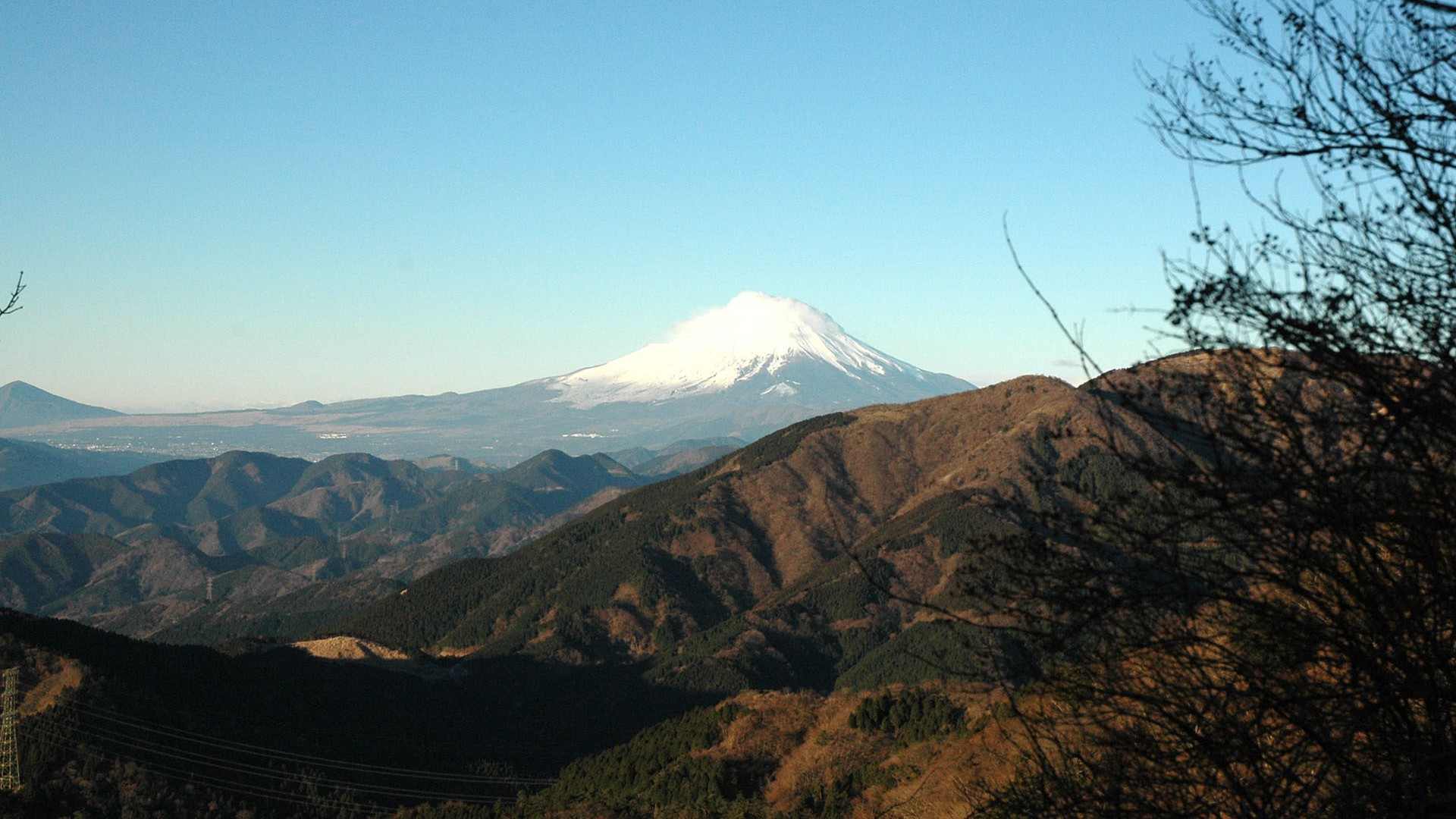
On the way to the summit from the main slope, you are able to view Mount Fuji on a clear day.Early morning trekking allows you to enjoy a special experience with fewer people and clear air.
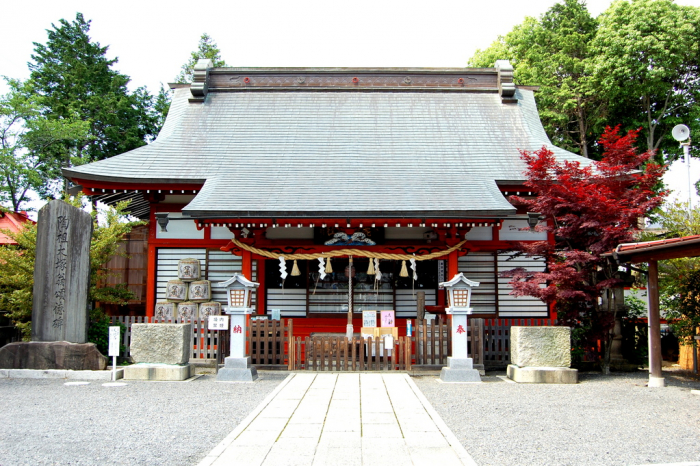
Founded in 845, Kashima Jinja Shrine in Mashiko Town has long been a spiritual center of worship. The enshrined deity is Takemikazuchi-no-kami, the god of war in Japanese mythology, symbolizing victory and courage. Students, athletes, and business leaders from across Japan visit the shrine to pray for success, with the phrase "victory is certain" closely tied to its faith. The current main hall was rebuilt in 1927, and the grounds are surrounded by ancient trees that create a solemn atmosphere. Every summer, the shrine hosts a grand annual festival, which includes one of the Three Great Rare Festivals of Eastern Japan, the Mikeshaku Choudai-shiki. In this ritual, young men from the district of Mashiko Town whose turn it is for that year must join together to drink 6.5 liters of heated sake, praying for peace, health, and good fortune.
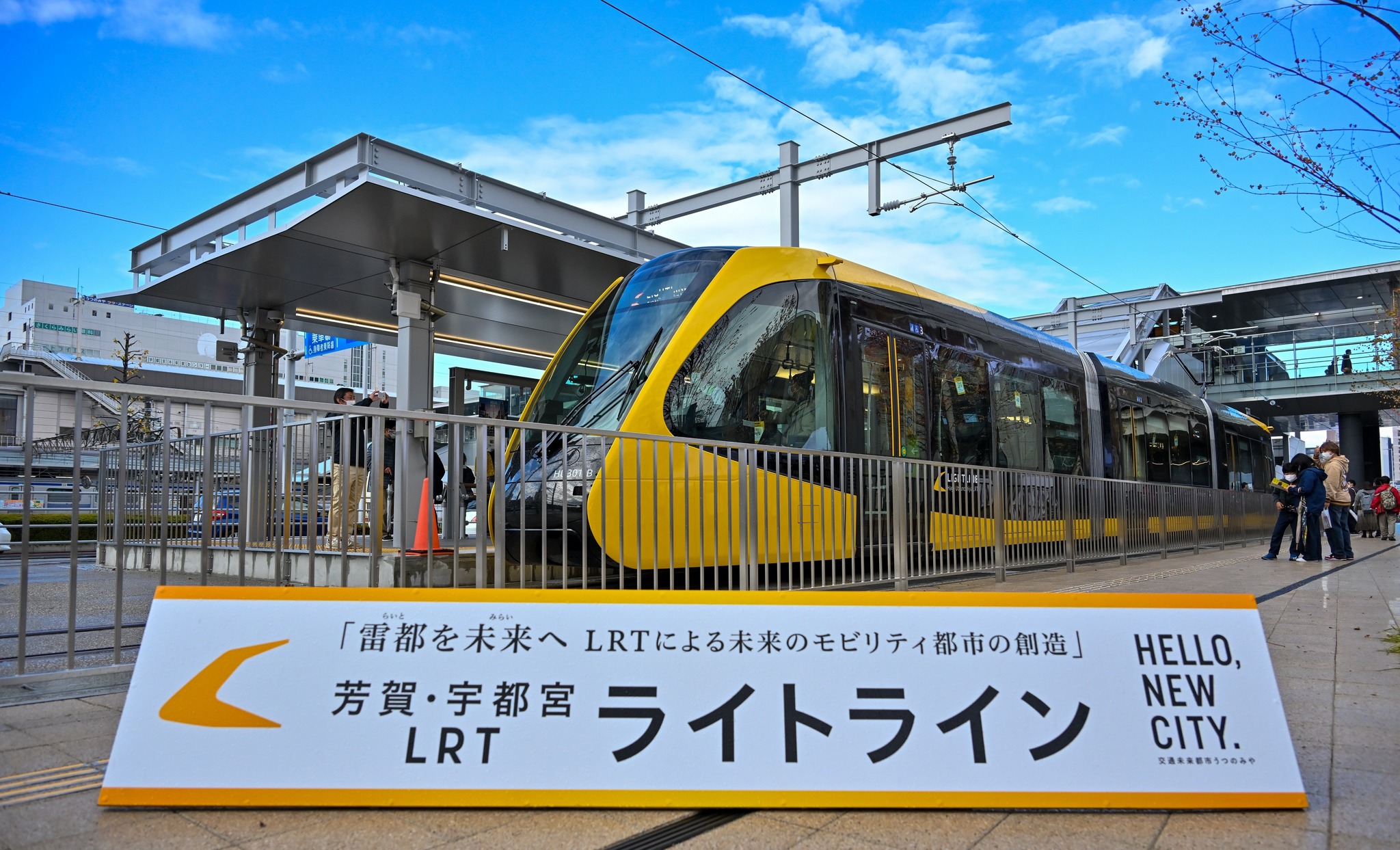
The Utsunomiya Light Rail (LRT) officially opened on August 26, 2023. From JR Utsunomiya Station to Haga-Takanezawa Industrial Areas, this railway connecting important spots in the eastern of the city. The tram has became an indispensable transportation for Utsunomiya’s sightseeing. LRT’s born The Utsunomiya LRT is the first time in Japan constructed as a new railway line without expanding or improving the existing railway line since 1948. The LRT is currently running the HU300 model, which is a next-generation tram made by Japan’s advanced technology. There are now 19 stations on the line. Rides and Tickets LRT accepts IC cards and cash. You can use such as Suica, PASMO and ICOCA cards here. To ride with IC card, just touch your card at the green sensor near the door when you get on the tram, and touch the yellow sensor when you get off. If you ride with cash, you need to take a ticket at the platform before you boarding the tram, and you only can get off through the front door. Put the ticket and cash into cash box before getting off. The cash box can exchange for coins, but only accept 1,000 yen bill. Depending on the distance, tickets for adults range from 150 to 400 yen, and 80 to 200 yen for child.
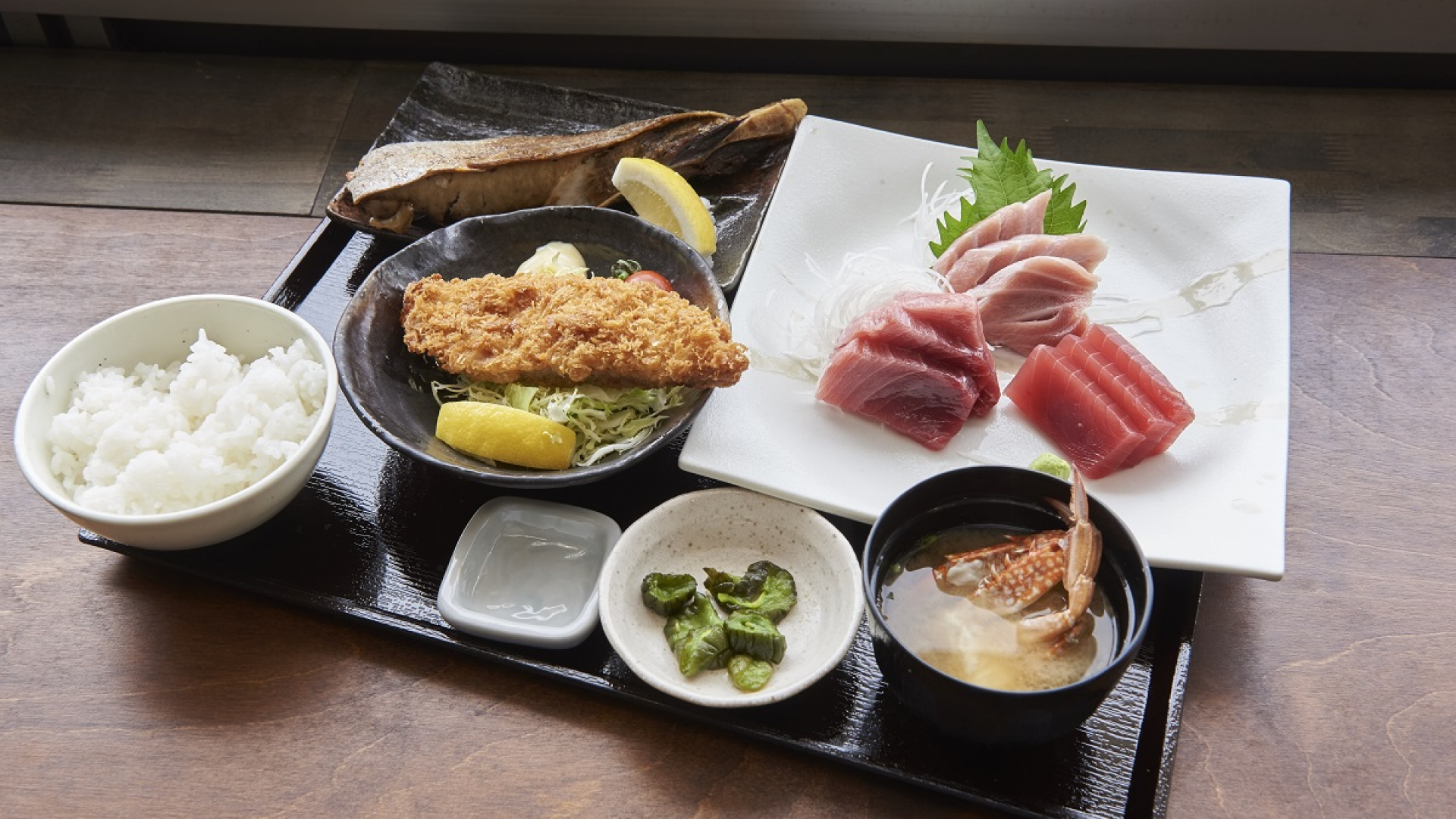
This is a cafeteria located on the 2nd floor of the Misaki Seafood Local Wholesale Market. You’ll be able to taste several types of cuisine with a menu of set meals and rice bowls, from things like Misaki tuna to sashimi made from fish purchased the same day in the market to fried locally caught fish.
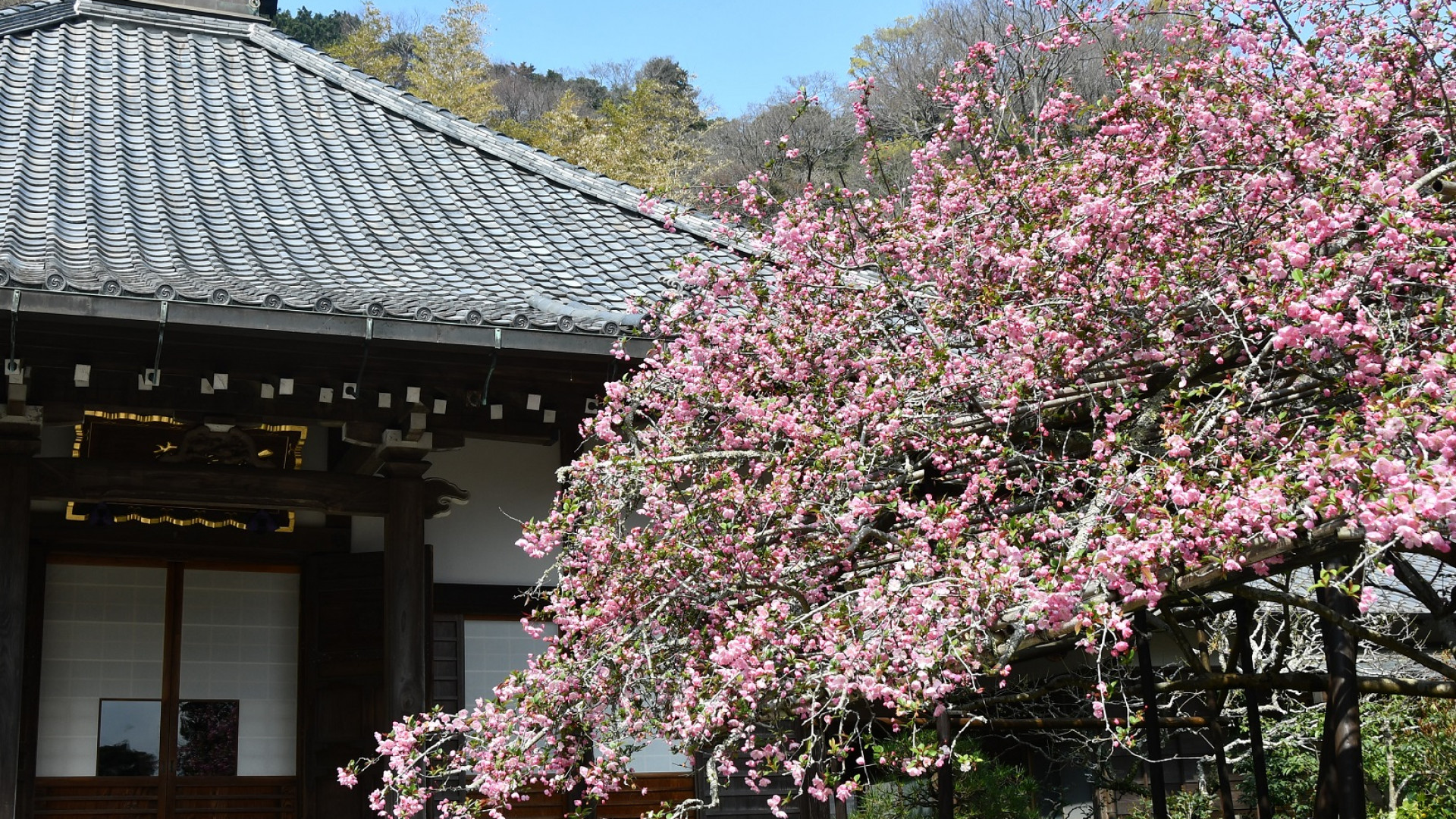
Yadoya Mitsunori, a close aide and temple magistrate to Hojo Tokiyori, became a follower of Nichiren Shonin's disciple, Nichiro Shonin, and donated his own residence to build "Mitsunoriji Temple". The temple grounds are constantly filled with flowers from season to season, especially the 200-year-old kaidou tree that blooms in early April and the 300 varieties of mountain hydrangea that bloom from mid-May.
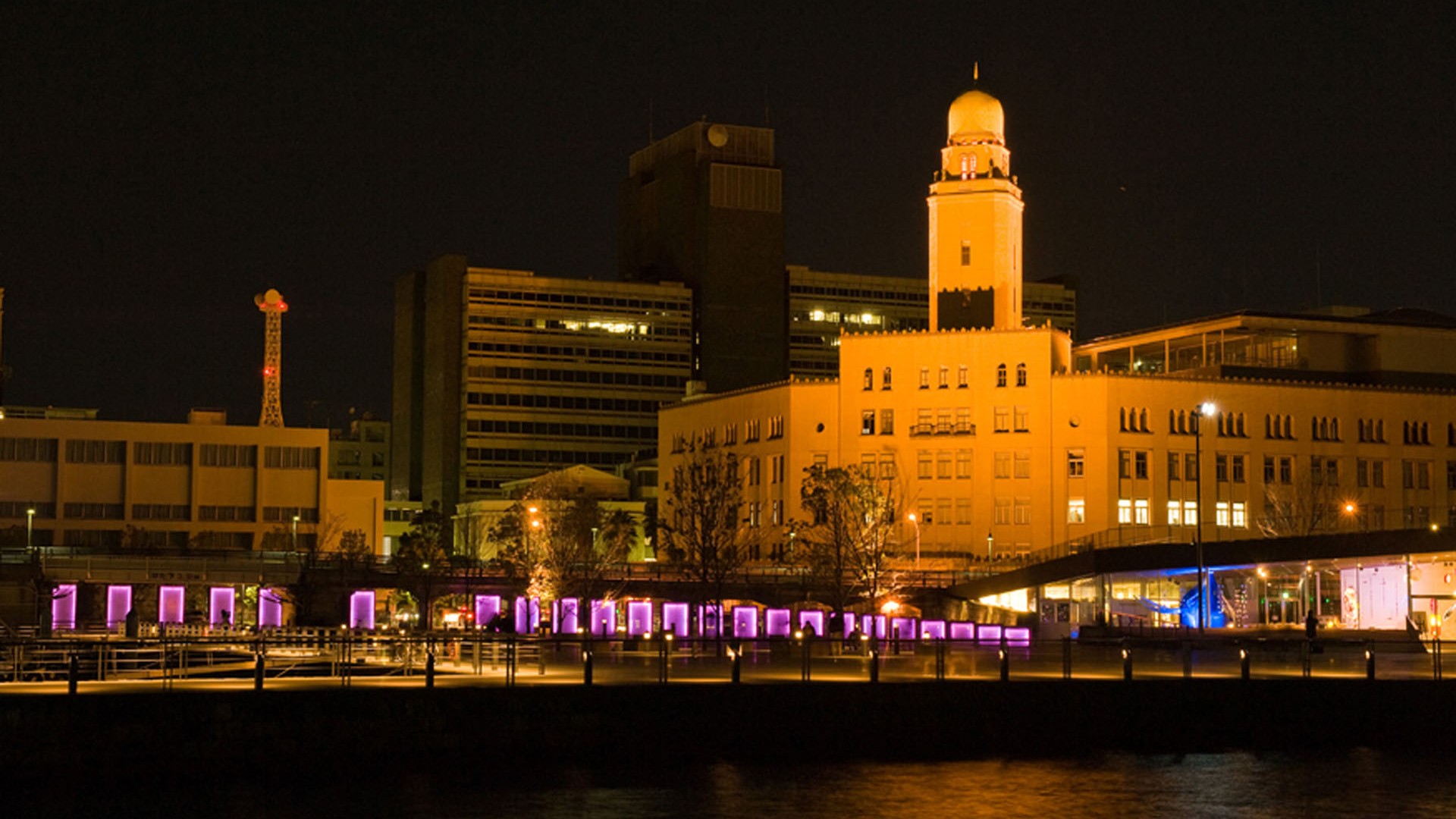
A landmark dome built in the style of an Islamic mosque. Fondly known as the "Queen", this tower stands at 51 meters tall, making it the tallest of Yokohama's three towers. The current building is the third version (having been destroyed and reconstructed twice), and was completed in 1934. The customs materials exhibition room on the first floor, "Queen's Square," is packed with information on the history and role of Yokohama Customs, genuine and counterfeit goods, the Washington Convention, and smuggling methods. Look for Custom-kun (the customs mascot) at the entrance!
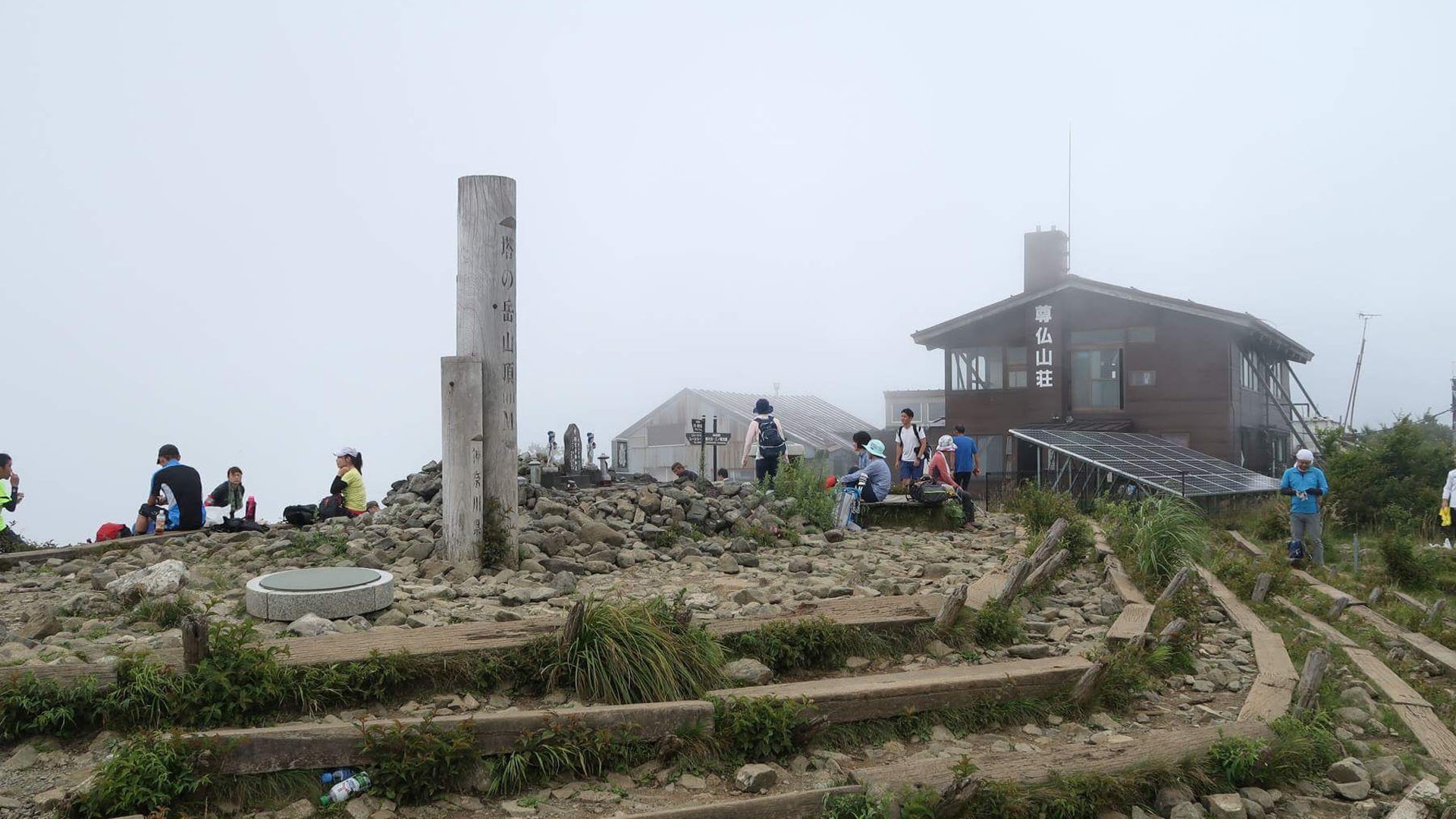
“Tonodake”, the most popular climbing spot in the Tanzawasan area, is known as the roof of Kanagawa Prefecture and boasts an elevation of 1,491 meters. Many climbers visit the mountain from early in the morning. There are a variety of routes that can be enjoyed by both beginners and advanced climbers. Once you reach the summit, a 360-degree panoramic view will refresh both your mind and body.Early morning trekking allows you to enjoy a special experience with fewer people and clear air.
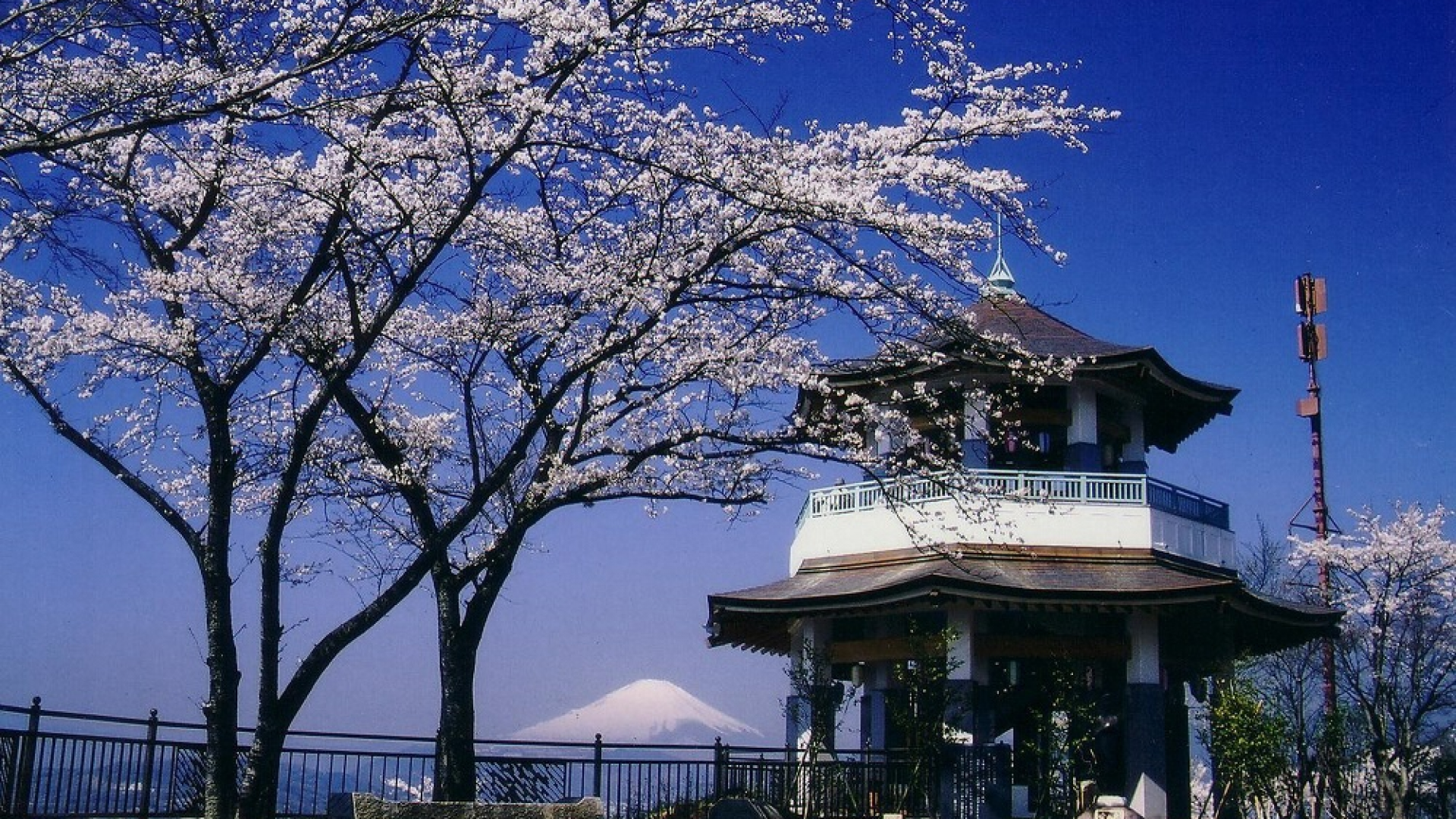
This prefectural nature park consists of three low mountains, and hiking can be enjoyed throughout the four seasons. The view from the observatory extends from Sagami Bay to Mt. Fuji, and has been selected by the Kanto Regional Development Bureau of the Ministry of Land, Infrastructure, Transport and Tourism as one of the "100 Best Views of Fujimi in Kanto". In spring, the park is famous for its cherry blossoms, with over 1,400 cherry trees in bloom, and in 1994 it was selected as one of the "100 Best Places for Flowers in Kanagawa".
Surrounded by the woodlands of the Tama Hills, the garden is open to the public in spring and fall, and boasts 3,300 roses of approximately 800 varieties in spring and 2,900 roses of approximately 625 varieties in fall. The facility and its many volunteers nurture the roses and manage the facility.
With "NEW MARINA LIFE" as the concept of this stay-and-go outlet, visitors can spend time in a seaside environment, shopping and dining with a view of one of Asia's largest marinas, and experiencing the outdoors in the plaza.