

Greater Tokyo

See & Do

reset
Samukawa Shrine

Samukawa Shrine

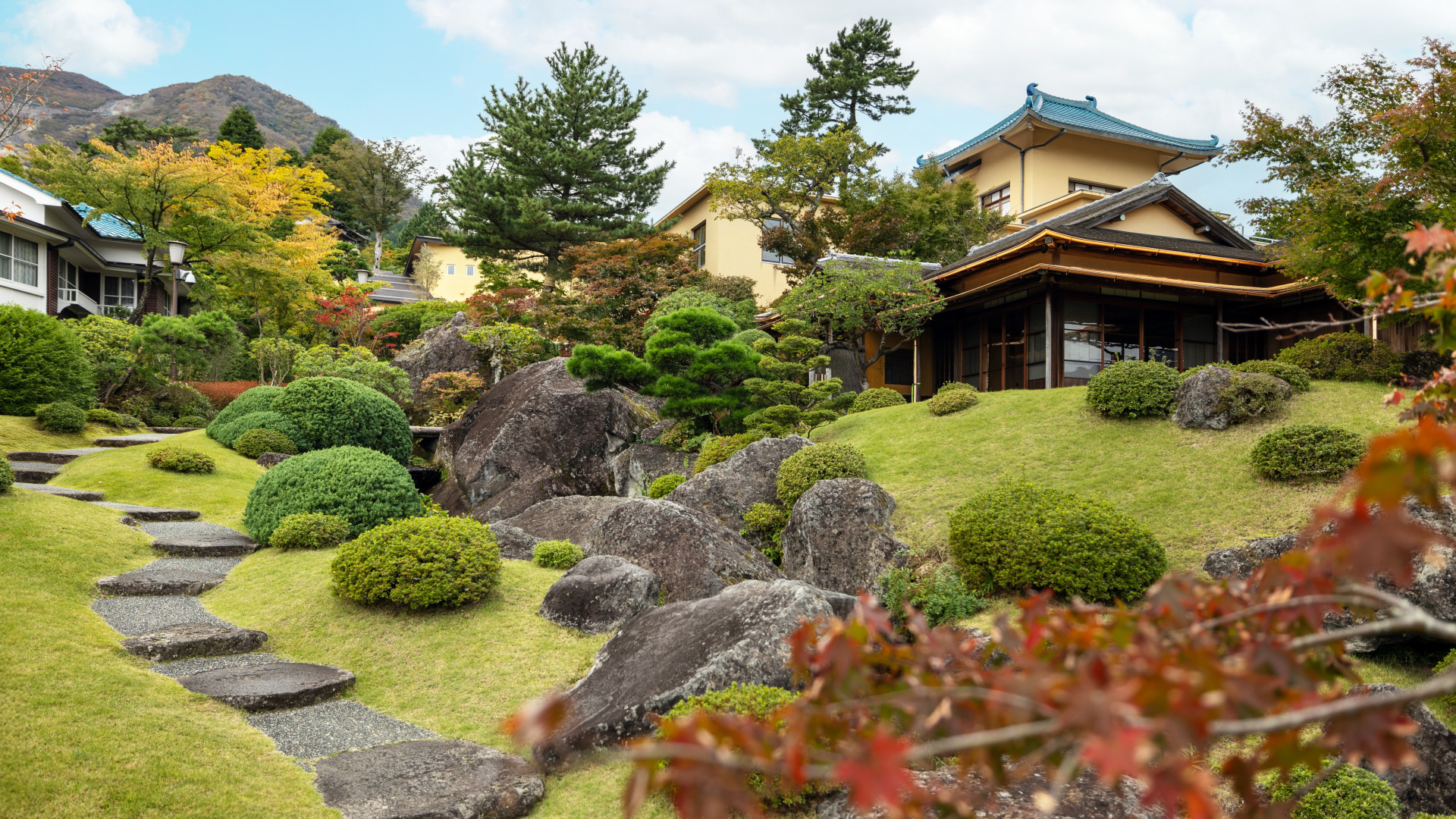
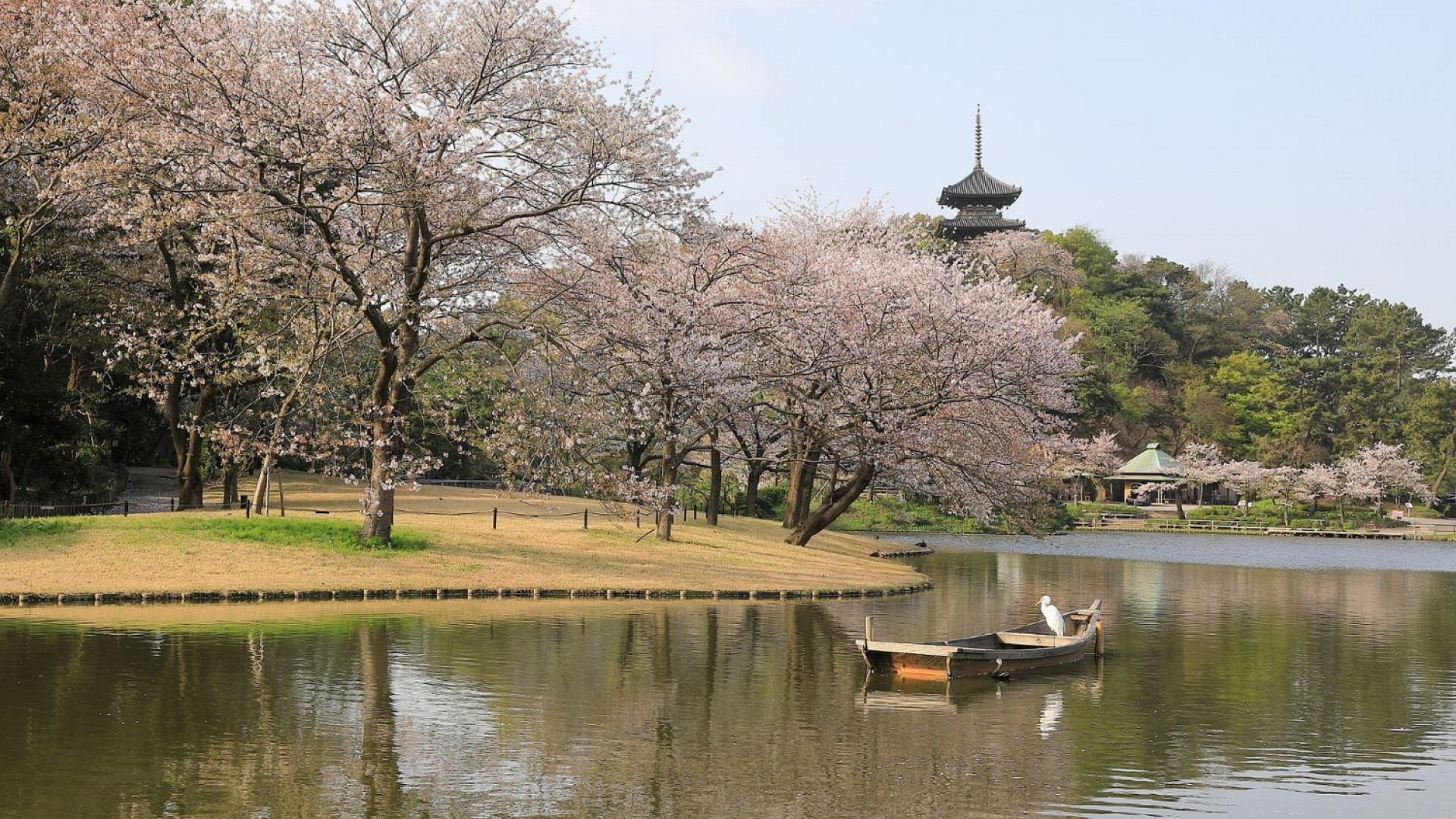
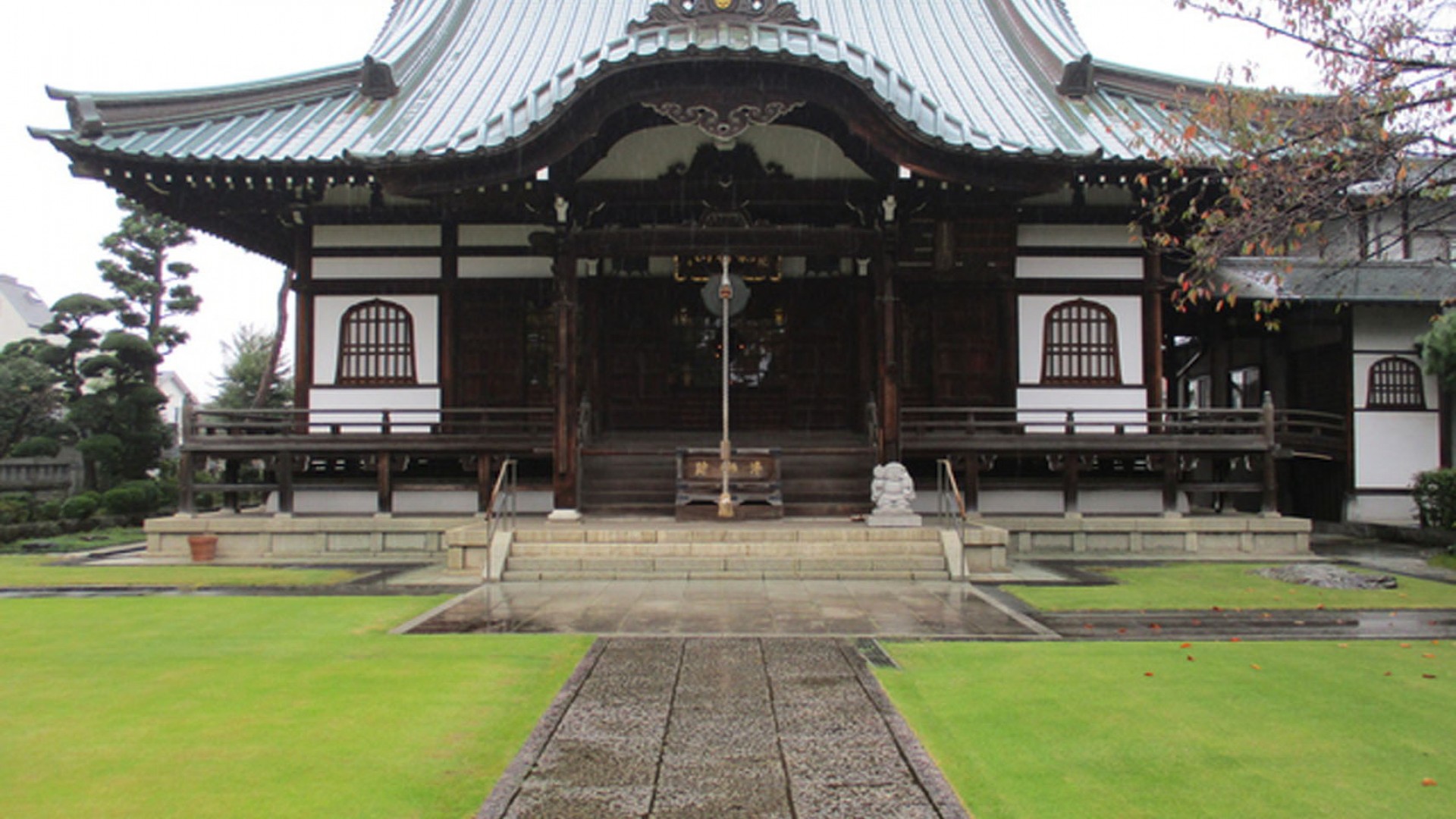
This shrine pays worship to the nations only guardian deity that protects all eight cardinal and ordinal directions, and removes misfortunes originating from geographical features, house layout, cardinal direction or daily bad luck. After undergoing purification, visitors can enter the “Kantakeyama Shinen" located in the inner garden of the main shrine. The Japanese garden features "Namba no Koike," which has a long history, a teahouse where you can enjoy green tea, and also a museum.

Temples & Shrines Tokaido Koshu kaido KANAGAWA
Hase-dera Temple

Hase-dera Temple

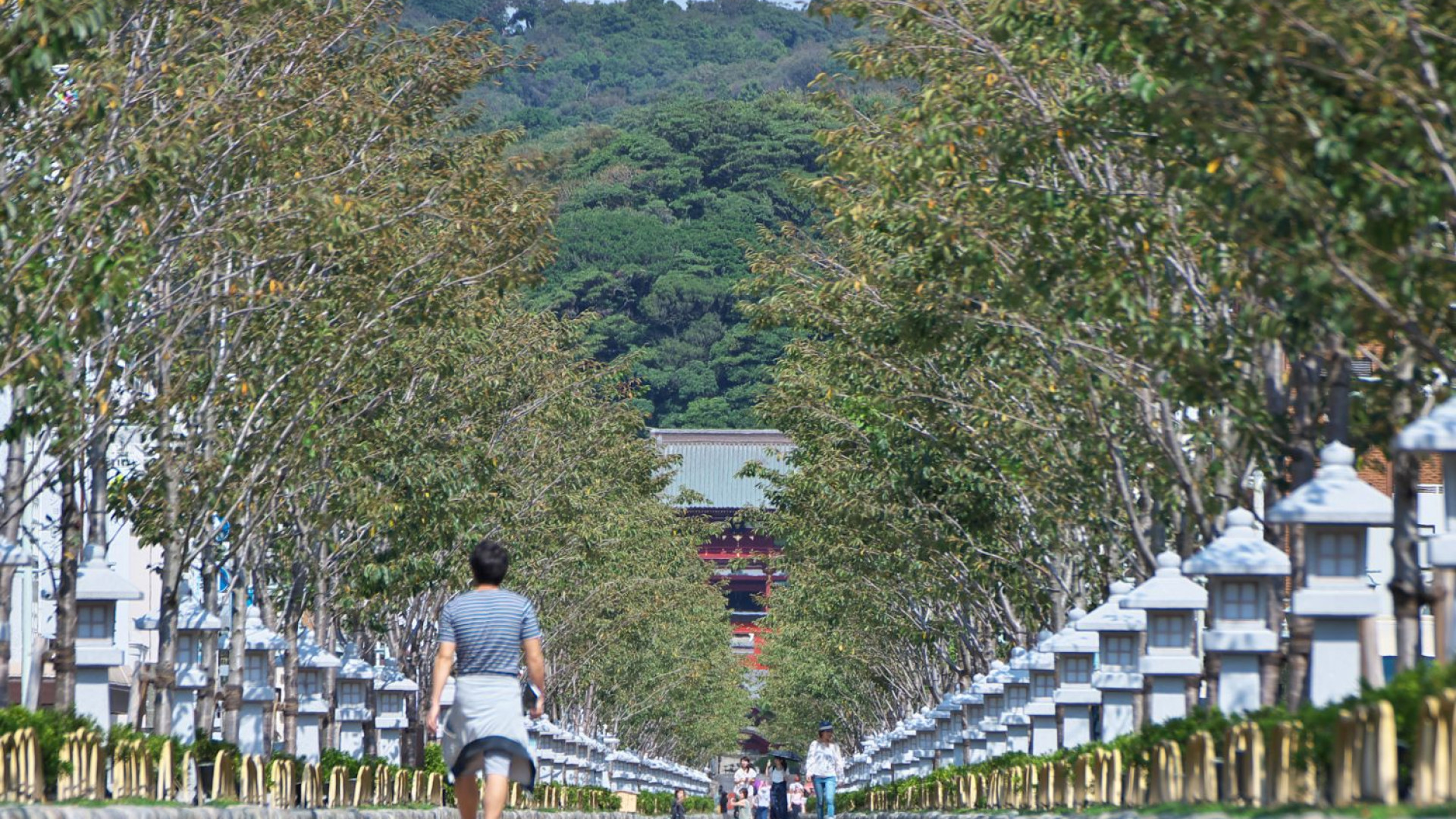
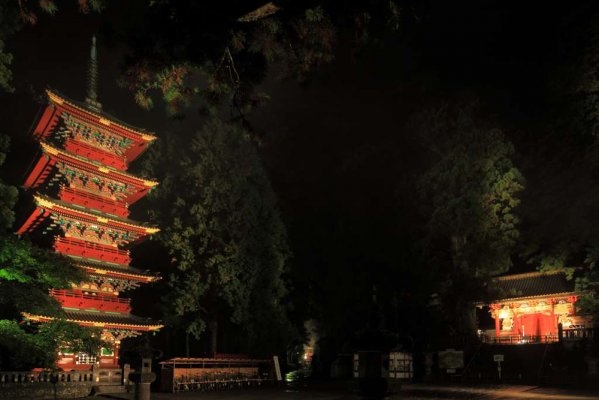
Hasedera Temple is a famous historical temple that enshrines the statue of Hase Kannon as its principal deity. The main temple building houses the Kannon Museum, a garden, and offers visitors a chance to become familiar with the scenic beauty of Kamakura. The solemn "Kannon-do" and the temple grounds surrounded by beautiful trees and ponds, and lanterns distributed to visitors, encase the area in a beautiful lights that offers a sense of connection. A private tour of the temple grounds is also held by the priests of Hasedera Temple. In addition to the guided tours of the Keidai required sites, visitors will be show through the museum and also have the opportunity to visit Kannon in the main hall up close and personal.Originally established in 736 when the Kannon stature was said to have washed ashore, the most recent construction dates back to 1985.Enjoy a panoramic view overlooking Kamakura's coastal city while taking a leisurely break.Opened in 1980, the Kannon Musem exhibits the Kannon Bodhisattva, the principal mage of Hasedera Temple, as well as many other ancient artefacts.According to legend, the nine-meter wooden statue of the Kannon (goddess of mercy) you can see here was carved in 721 CE in Nara, then cast into the sea, washing up in 736. In June and July, colourful hydrangeas bloom around the temple.The precincts with the majestic Kannon-do hall and lovely trees and ponds are enveloped in a light that “connects,” like the lanterns given to those who visit.

Temples & Shrines Tokaido Koshu kaido KANAGAWA
Tahara-Furusato Park: Soba Restaurant Shinonome

Tahara-Furusato Park: Soba Restaurant Shinonome

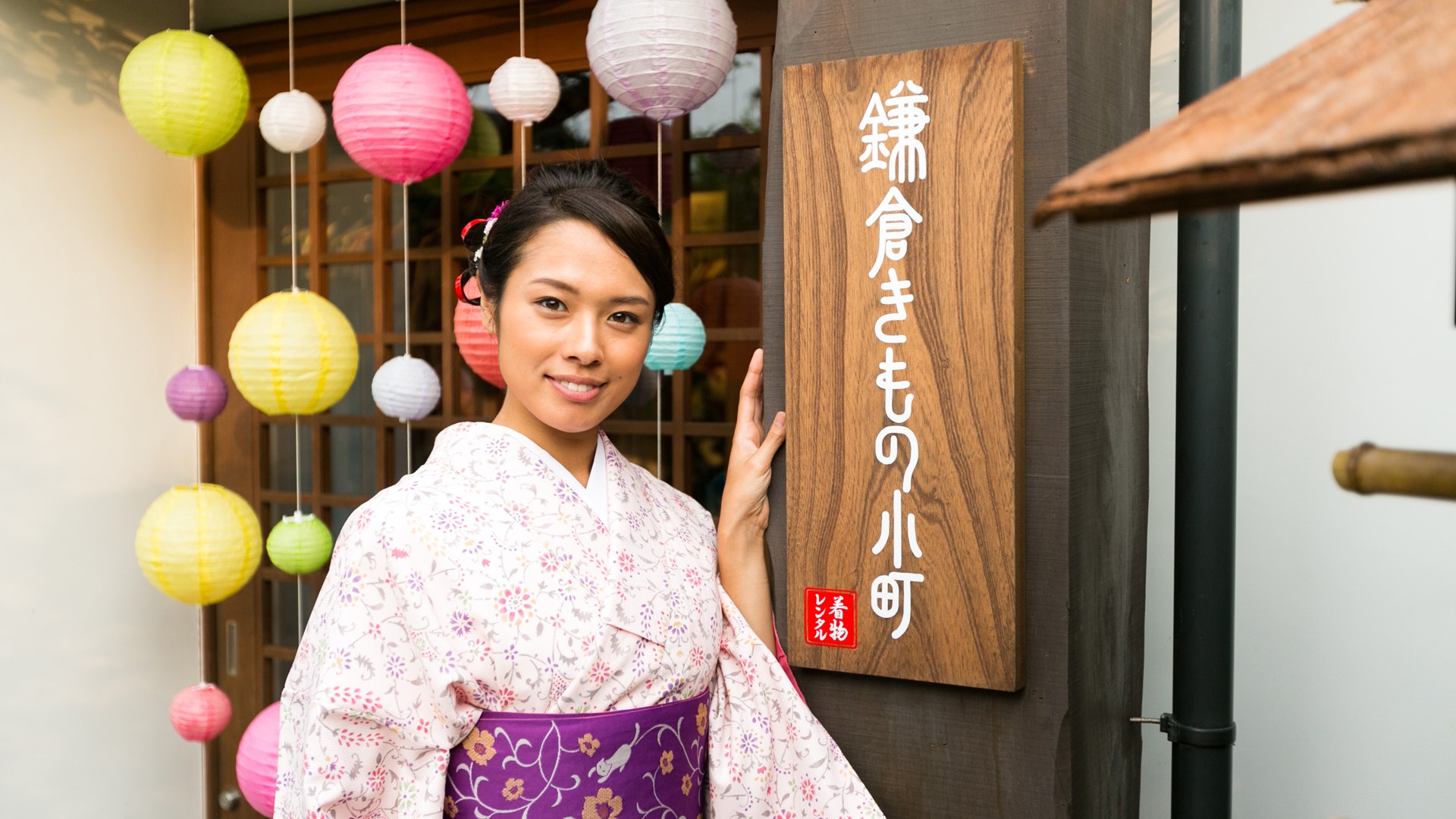
You can experience making soba here even if you don't go to Nagano (known as Shinshu in the past). In the soba restaurant Shinonome next to the workshop, you can enjoy the unique taste of the soba you made, be it with friends, family, or even by yourself! Furusato Park is surrounded by rice fields and farms and has a water mill as well. It is also well-known for its farmers market which sells vegetables freshly harvested on the day.

Eat & Drink Tokaido Koshu kaido KANAGAWA
Miyagase Furusato Festival Fireworks Display

Miyagase Furusato Festival Fireworks Display

This fireworks display is held at Miyagase Lake, located amid rich natural surroundings. The inspiration for this event was to create a way for residents who moved to Miyagase and those who remained in Miyagase to get together and remember their hometowns following the construction of the Miyagase Dam. On the day of the festival, approximately 2,000 fireworks are shot off.The Miyagase Furusato Fireworks Festival is a great opportunity to enjoy the loud sounds echoing off the mountains and the vivid contrast between the fireworks and the night sky, which is unique to Miyagase's rich natural environment. *Please check the official website for the latest information.

Culture & Arts Tokaido Koshu kaido KANAGAWA
Tezutsu Hanabi(Hand-held fireworks)

Tezutsu Hanabi(Hand-held fireworks)

The "Mashiko Gion Festival" held at Kashima-jinja Shrine every July 23, 24, and 25. Kicking off the first night of the festival, an impressive rain of sparks falls from tezutsu fireworks shot up to 8 meters into the night sky from a combination of large and small cylindrical tubes. The handheld fireworks(Tezutsu Hanabi) are said to have originated in Toyohashi city. Tokugawa Ieyasu, who became the first Shogun of the Edo Period, brought that technology to his home in Mikawa province (current Aichi Prefecture). At the time gunpowder was strictly forbidden throughout Japan, but the villagers of this region were allowed to use Tezutsu Hanabi as a part of Shinto rituals offering to the gods in exchange for rich harvests, good health, family fortune and prosperity, and good luck in battle.

Nikko kaido Oshu kaido TOCHIGI