

Greater Tokyo

See & Do

reset
Kanuma Country Club

Kanuma Country Club

Opened in 1964, Kanuma Country Club (鹿沼カントリー俱楽部) is a golf club featuring a total of 45 holes, the highest number in Tochigi, on vast land surrounded by lush green trees. The highly strategic course layout features very thrilling and challenging greens. Kanuma Country Club (鹿沼カントリー倶楽部) is also recognized for its maintenance quality and is particularly proud of its greens maintenance.   Between rounds, enjoy exquisite yakiniku at the clubhouse yakiniku restaurant Kashoen (鹿翔苑). Or, at the main restaurant, you can try Kanuma Kalbi Ramen, which has been the restaurant’s best-selling dish for over 50 years.   During the summer, Rokumaru Terrace (ろくまるテラス) offers shaved ice made with Nikko natural spring water, which is popular in the local area.   With these features, you are sure to have a fulfilling day.

Nikko kaido Oshu kaido TOCHIGI
Nasu Kogen Visitor Center

Nasu Kogen Visitor Center

This information center is located in Nikko National Park. The center features videos, pictures, and other information exhibits about the history, nature, and other aspects of the Nasu Kashi region. Head to the exhibition room and experience the interactive exhibits to find out more about flora and fauna of the Nasukashi area, or enter the special exhibition room to learn about the center’s connection to Japan’s royal family and the nearby Nasu Imperial Villa. The lecture hall and conference room regularly host nature appreciation activities. Join these free activities and interact with local volunteers for a deeper understanding of the Nasu area's offerings."

Nikko kaido Oshu kaido TOCHIGI
Ashigari-go Seto Residence

Ashigari-go Seto Residence

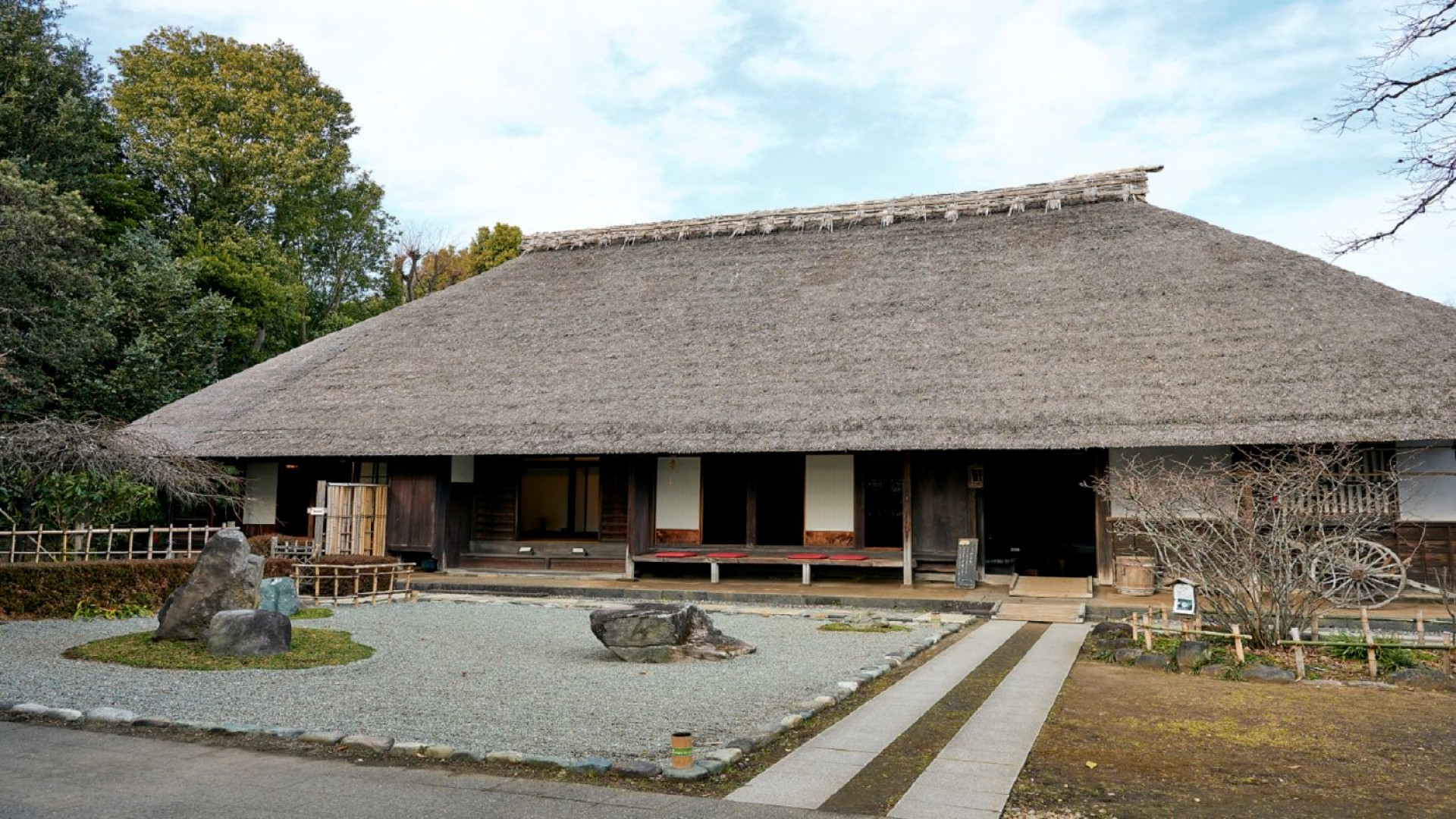
Located in Kanaijima, in the northern part of Kaisei Town, this old private house has a history spanning over 300 years. It was built by the Seto family, a family who served as the head of Kanaijima for generations during the Edo period. You can experience using a kamado (a traditional Japanese stove) and hearth here. We also have a fermentation-themed cafe, a shop selling local vegetables, and a shop selling ice cream made with local specialties.

Culture & Arts Koshu kaido Tokaido KANAGAWA
Shomyoji Temple

Shomyoji Temple

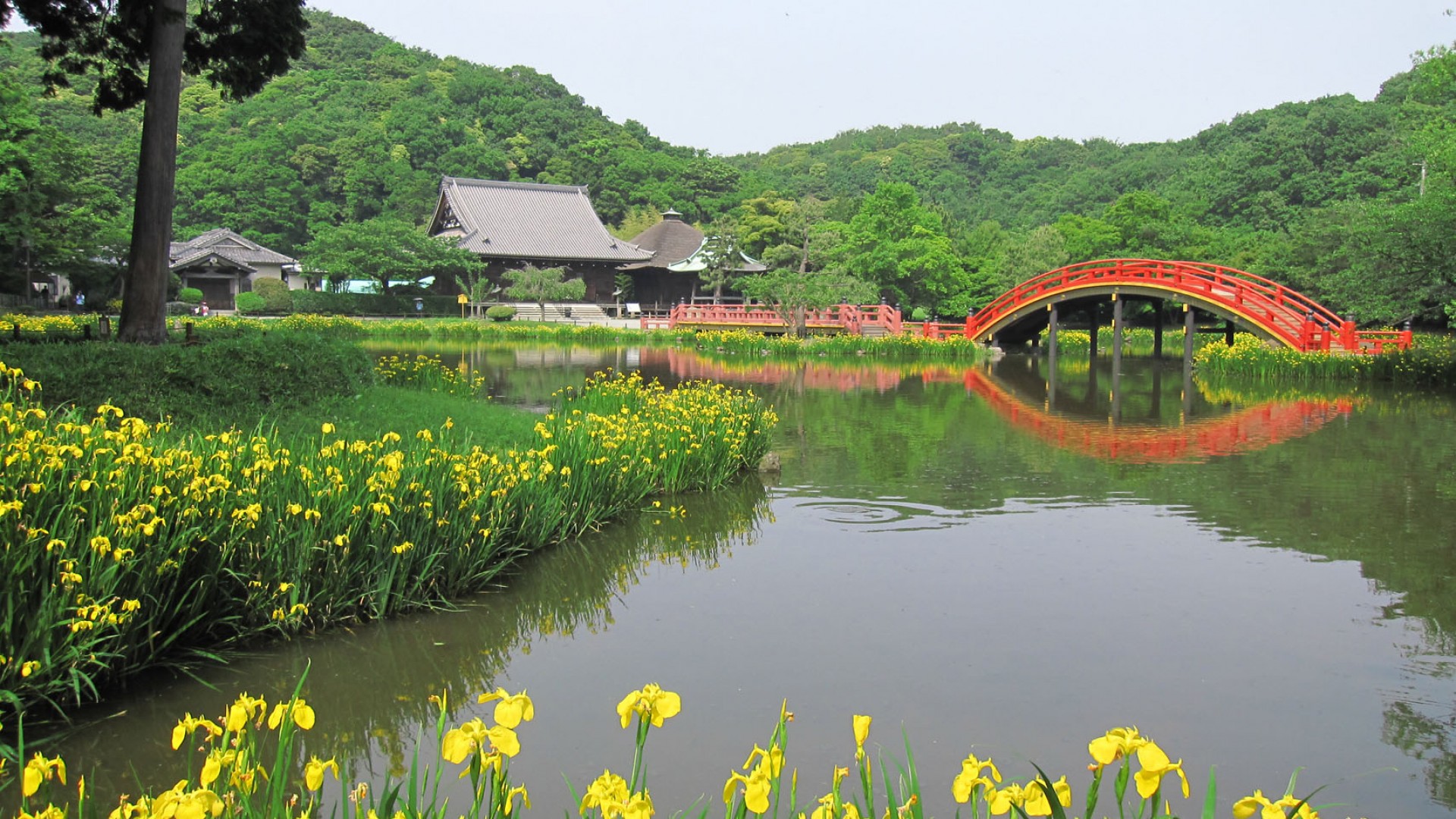
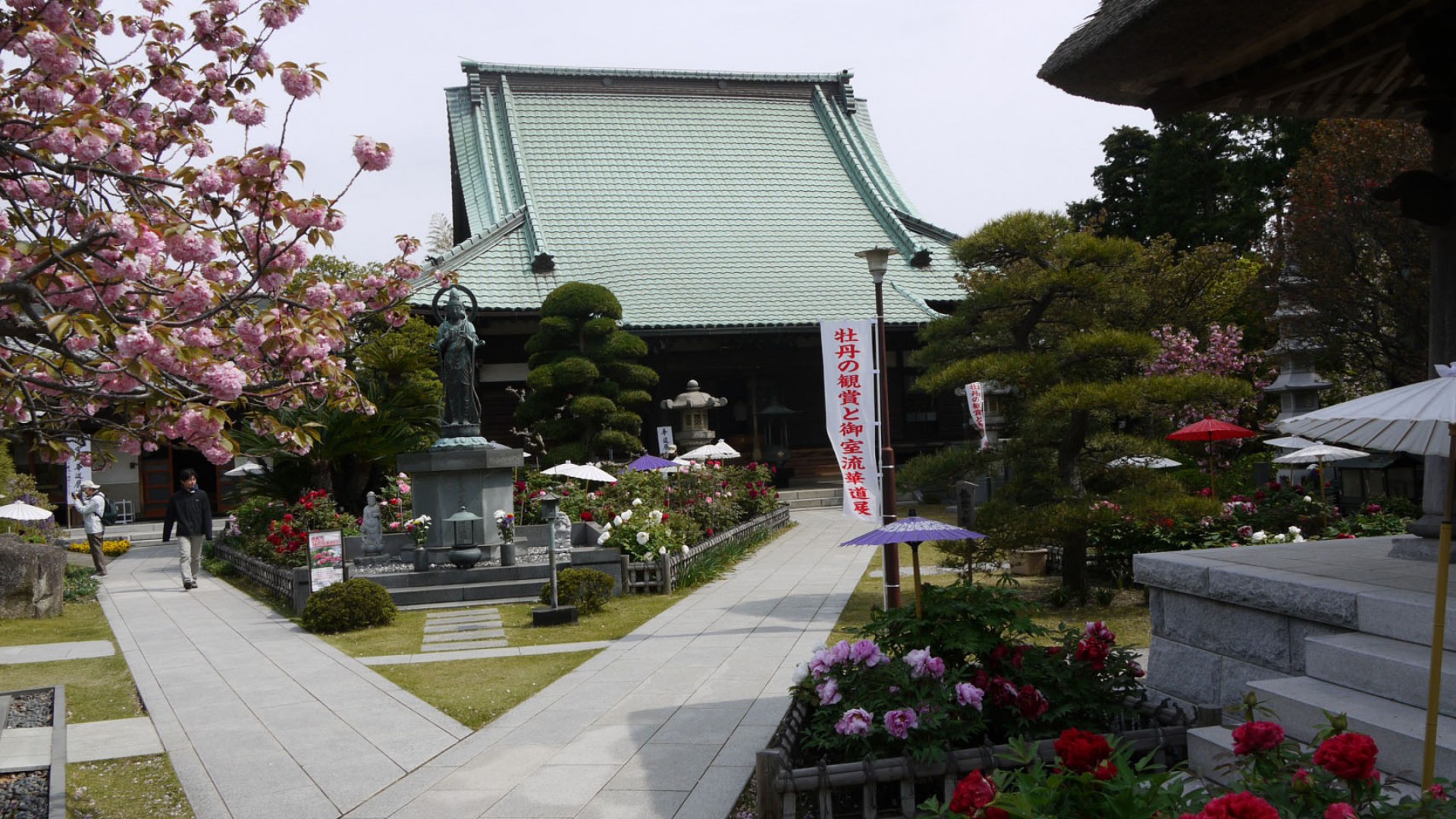
Thirty mins by car from the center of Kamakura City. Hojo Kanezawa’s family constructed in the Kamakura Period by Sanetoki Hojo. The Jodoshiki Teien Garden centred around the Ajiike Pond in front of the main building is a sight to behold. The garden, with its crimson arched and flat bridges, is beautiful.Visitors can enjoy seasonal scenery such as cherry blossom in spring, yellow irises at the beginning of summer and the changing colours of the leaves in autumn. In addition, there is the adjoining Kanagawa Prefectural Kanazawa-Bunko Museum which exhibits national treasures such as Shomyoji Temple sacred teachings and Kanazawa-Bunko documents.Noh theatre is performed at night by a fire each year at the beginning of May.

Temples & Shrines Tokaido Koshu kaido KANAGAWA
Mizonokuchi Shrine

Mizonokuchi Shrine

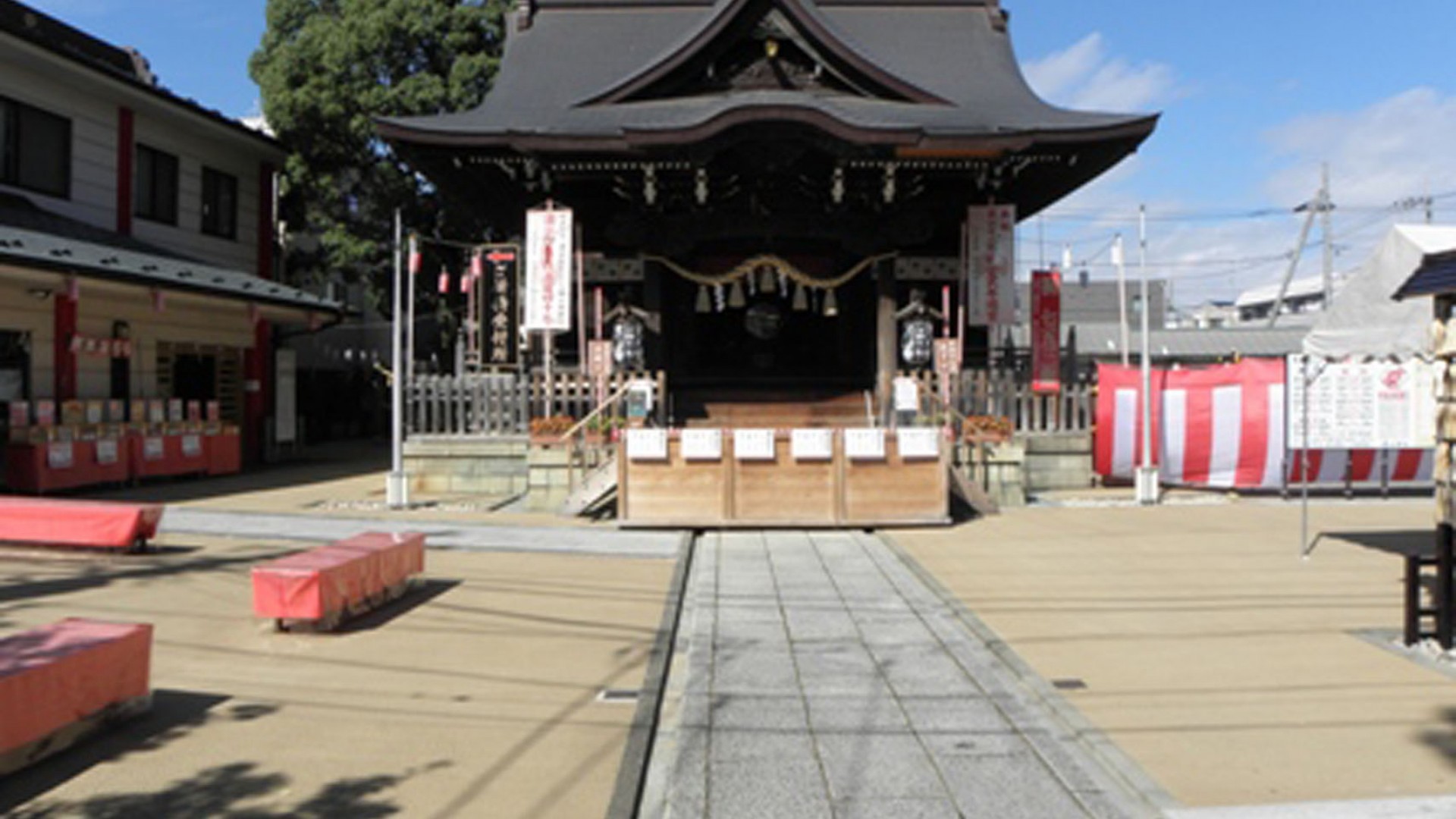
Although the date of Mizoguchi Shrine's founding is unknown, the shrine has a long history and is widely revered as one of the most respected shrines in Kawasaki City, with "Amaterasu," the deity enshrined at the Jingu Shrine in Ise, as its deity. The shrine is known for various benefits such as easy childbirth, child-rearing, match-making, family safety, and protection from bad luck, among others. There are sacred trees related to family in the precincts, including a long-life zelkova tree, a father-and-son camphor tree, and a ginkgo tree with a hanging milk root, which attract many visitors.

Temples & Shrines Tokaido Koshu kaido KANAGAWA
Tahara-Furusato Park: Soba Restaurant Shinonome

Tahara-Furusato Park: Soba Restaurant Shinonome

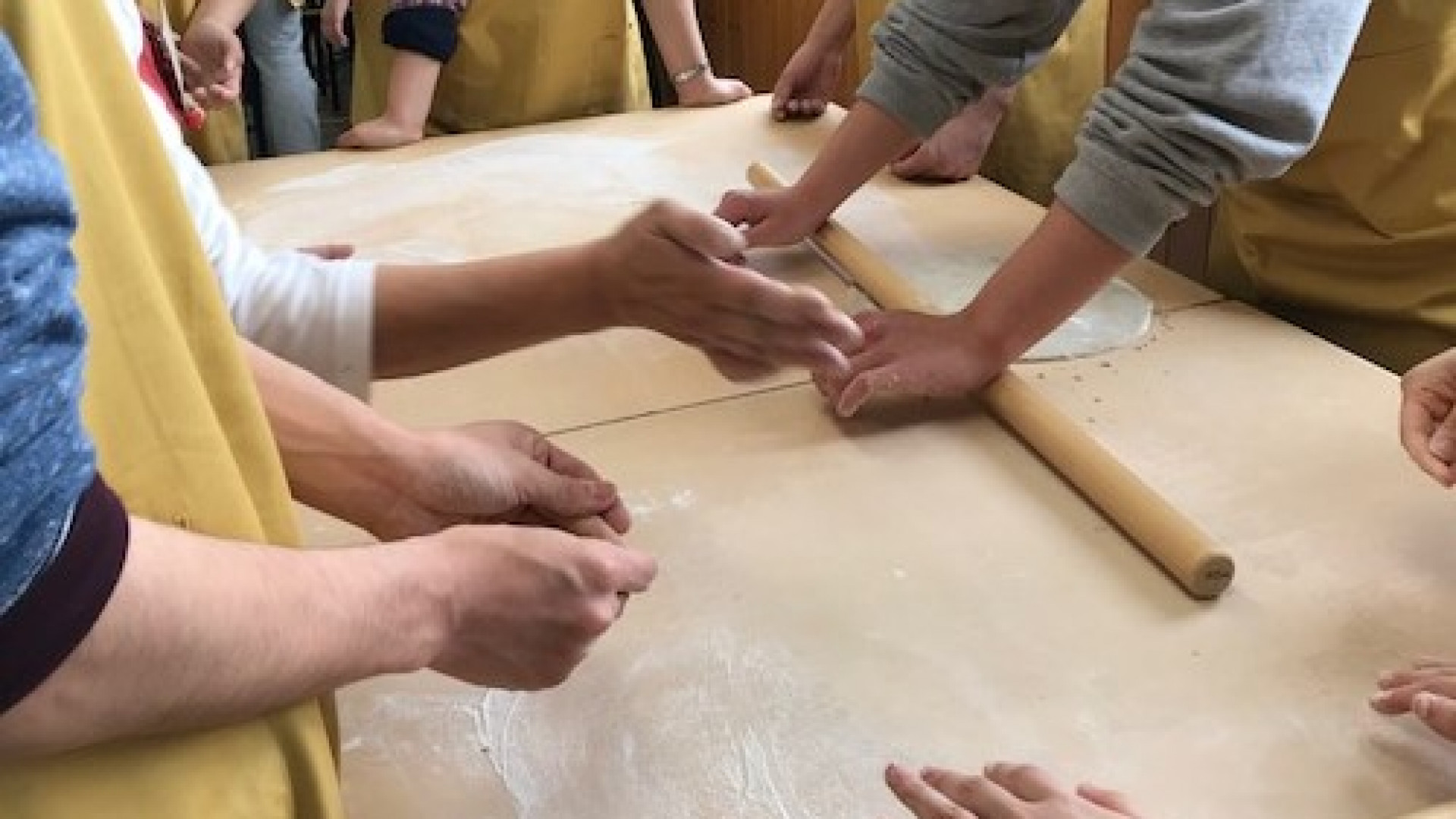
You can experience making soba here even if you don't go to Nagano (known as Shinshu in the past). In the soba restaurant Shinonome next to the workshop, you can enjoy the unique taste of the soba you made, be it with friends, family, or even by yourself! Furusato Park is surrounded by rice fields and farms and has a water mill as well. It is also well-known for its farmers market which sells vegetables freshly harvested on the day.

Eat & Drink Tokaido Koshu kaido KANAGAWA
Sengokuhara Susuki Grass Fields

Sengokuhara Susuki Grass Fields

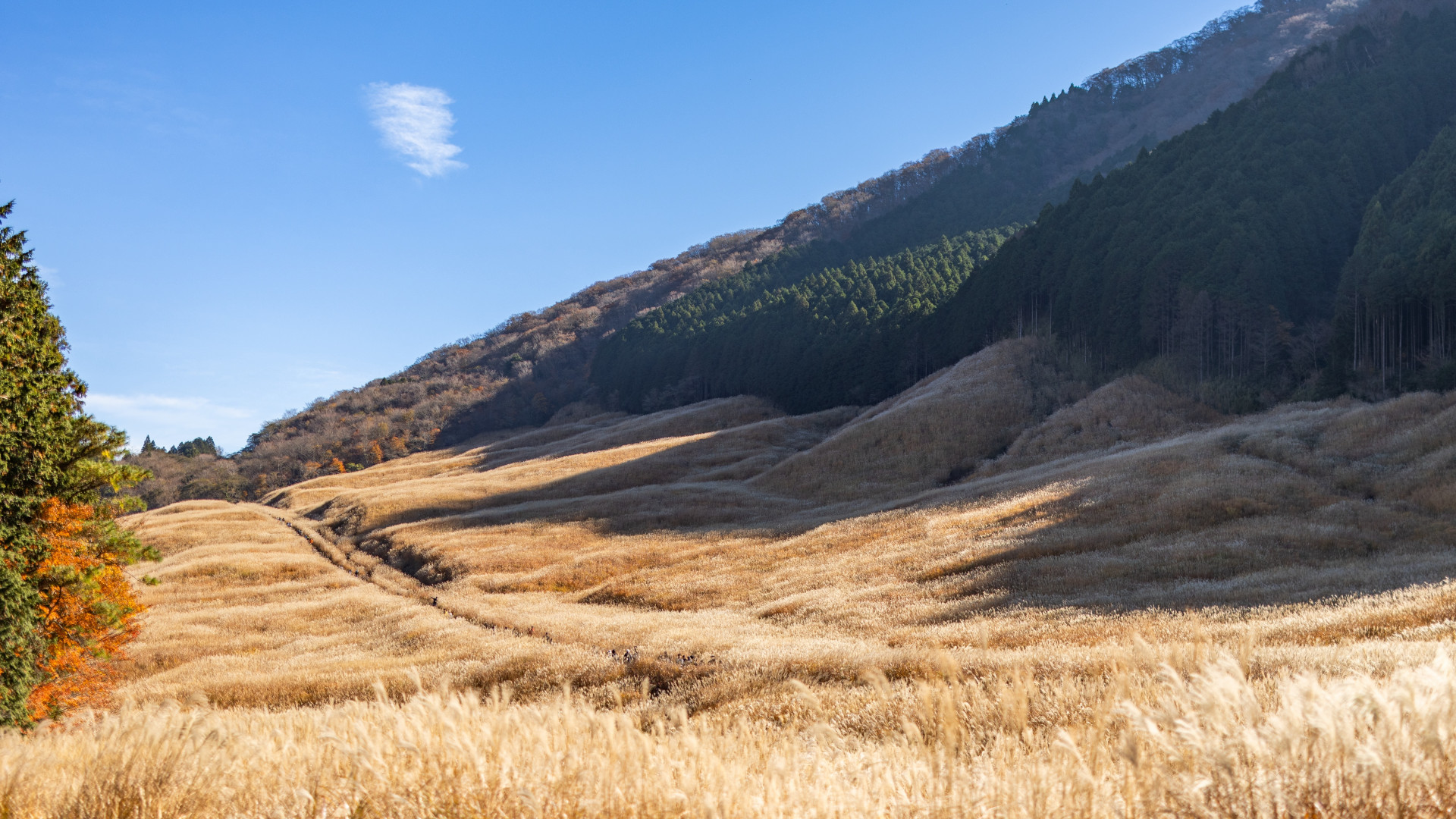
The Sengokuhara Silver Grass Plains is prided as one of the best in the Kanto Region. Stretching until the vicinity of the southern foot of Mount Kintoki and the northwestern foot of Mount Daigatake, the glimmering Silver Grass Plant Community is one of the sceneries representing Hakone in autumn. It is listed as one of the “Top 50 Scenic Spots in Kanagawa” and “Top 100 Flower Places in Kanagawa” and attracts many tourists every year.During the afternoon hours, when the sun is hidden behind the mountains, the silver grass is illuminated by the sun, creating a golden meadow. There is also a light up event for a limited time. For more information, please check the Hakone Town website.

Nature & Views Koshu kaido Tokaido KANAGAWA
Hase-dera Temple

Hase-dera Temple

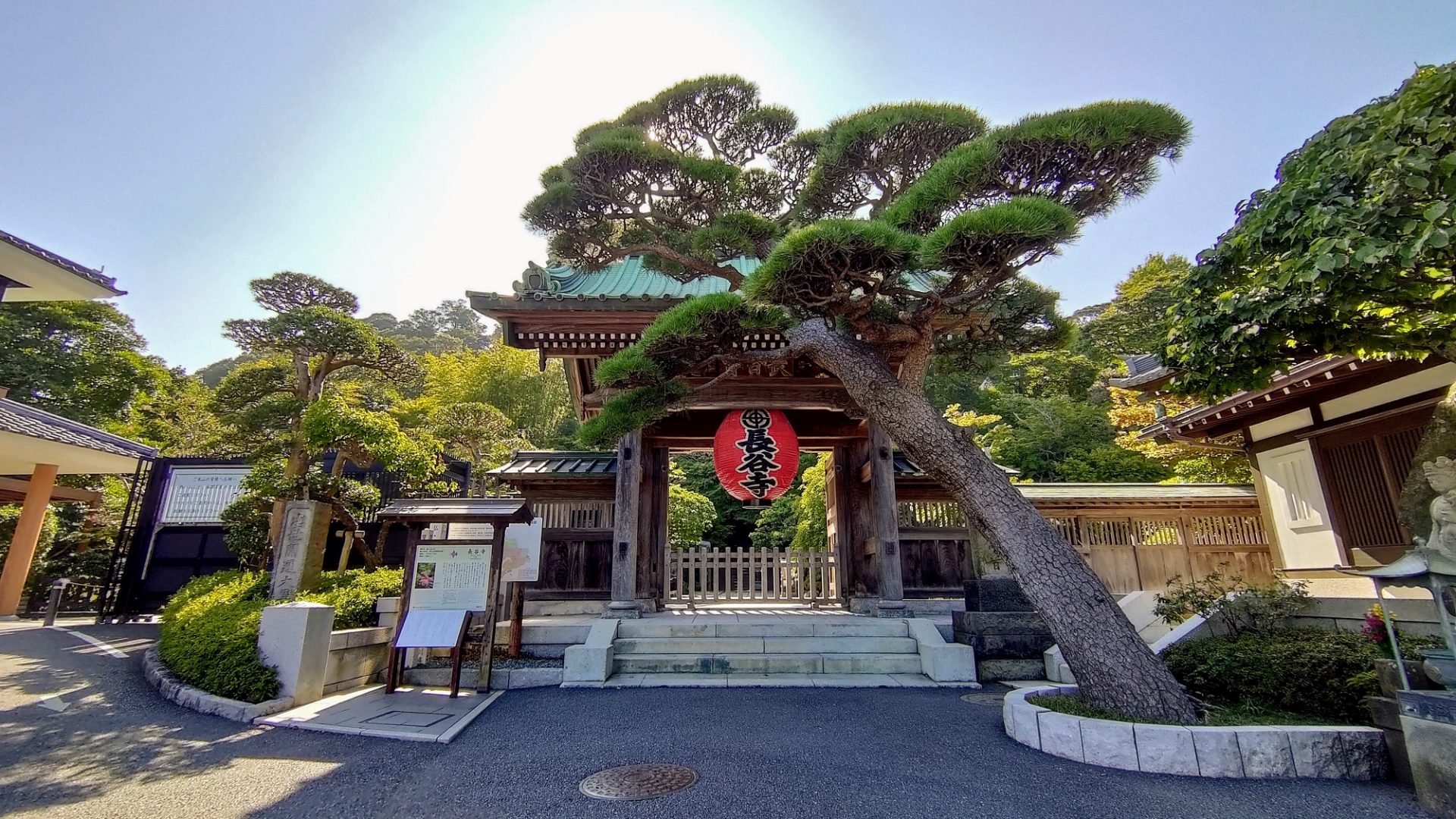
Hasedera Temple is a famous historical temple that enshrines the statue of Hase Kannon as its principal deity. The main temple building houses the Kannon Museum, a garden, and offers visitors a chance to become familiar with the scenic beauty of Kamakura. The solemn "Kannon-do" and the temple grounds surrounded by beautiful trees and ponds, and lanterns distributed to visitors, encase the area in a beautiful lights that offers a sense of connection. A private tour of the temple grounds is also held by the priests of Hasedera Temple. In addition to the guided tours of the Keidai required sites, visitors will be show through the museum and also have the opportunity to visit Kannon in the main hall up close and personal.Originally established in 736 when the Kannon stature was said to have washed ashore, the most recent construction dates back to 1985.Enjoy a panoramic view overlooking Kamakura's coastal city while taking a leisurely break.Opened in 1980, the Kannon Musem exhibits the Kannon Bodhisattva, the principal mage of Hasedera Temple, as well as many other ancient artefacts.According to legend, the nine-meter wooden statue of the Kannon (goddess of mercy) you can see here was carved in 721 CE in Nara, then cast into the sea, washing up in 736. In June and July, colourful hydrangeas bloom around the temple.The precincts with the majestic Kannon-do hall and lovely trees and ponds are enveloped in a light that “connects,” like the lanterns given to those who visit.

Temples & Shrines Tokaido Koshu kaido KANAGAWA

Daioji

Daioji

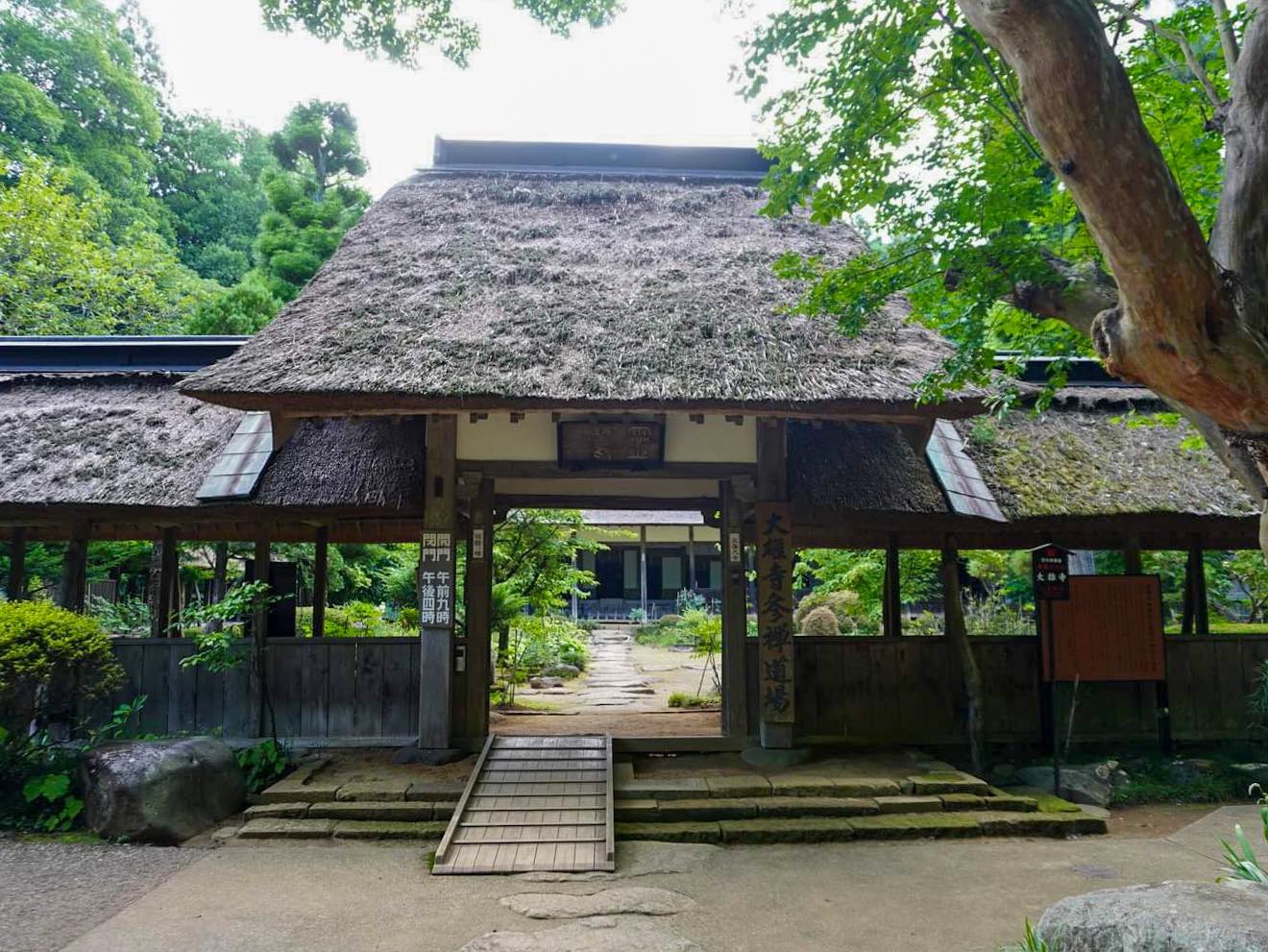
A famous temple built in Muromachi period Daioji Temple belongs to Soto Zen and has over 600 years history. Buildings in the temple are almost thatching that remain the Muromachi architectural style, 7 of these are designated as Important Cultural Properties of Japan. This temple is nearby the Kurobane Castle Park, and was protected by Ozeki clan who ruled Kurobane domain during Edo period.   16 Arhat Statues that have different expressions Walking on Daioji Temple’s stone steps, visitors can find 16 Arhat Statues stand around the step. Each of them has different expression, such as laughing, looking angry or shouting.These statues was built in 1995 for celebrating the 600 anniversaries of Daioji Temple.   Have a Zazen experience in Zen monastery Visitors can try a Zazen experience without any cost at Daioji Temple. If you are interested in Japanese traditional culture, no matter where you from, which religion you belong, everyone is welcomed to experience. All experiences in Daioji Temple need reservation. Make sure you take reservation at least 1 week before your visiting.

Nikko kaido Oshu kaido TOCHIGI
Mitutoyo Museum (Numata Memorial Hall / Measuring Instrument Museum)

Mitutoyo Museum (Numata Memorial Hall / Measuring Instrument Museum)

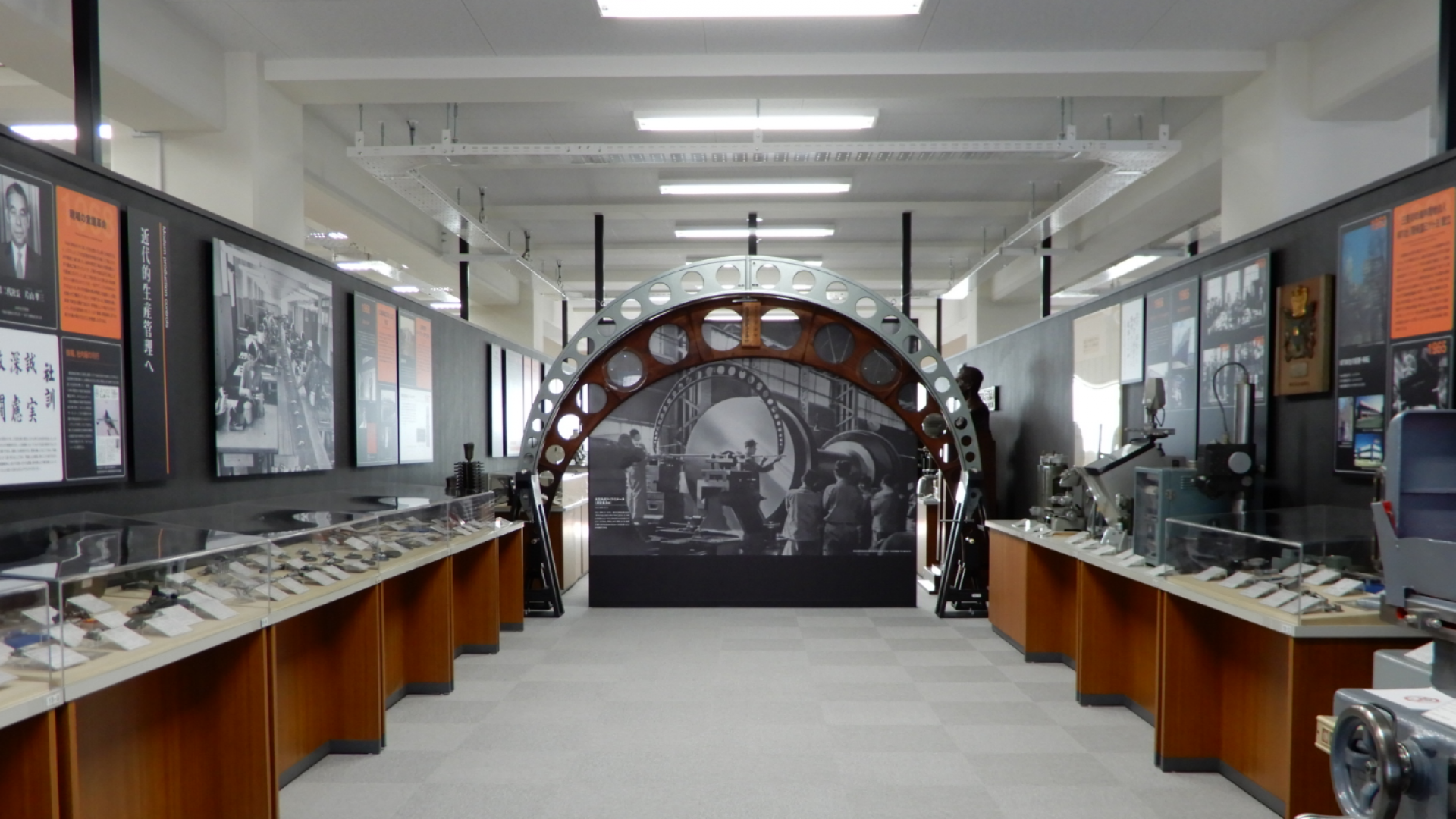
Mitutoyo Measurement Museum is a unique museum specialising in precision measuring equipment that supported the development of the company. The history and evolution of such instruments are showcased in the Numata Memorial Hall and Measuring Equipment Hall. In the Numata Memorial Hall, you can see the history of the Mitutoyo corporation since its founding in 1934 and the evolution of measuring instruments. The Measuring Equipment Hall introduces the long transition of the world with a focus on measuring equipment. The collections in this museum have been certified as a "Modern Industrial Heritage Collection" by the Ministry of Economy, Trade and Industry.

Culture & Arts Tokaido Koshu kaido KANAGAWA