
Greater Tokyo

See & Do

reset
Gentouan

Gentouan

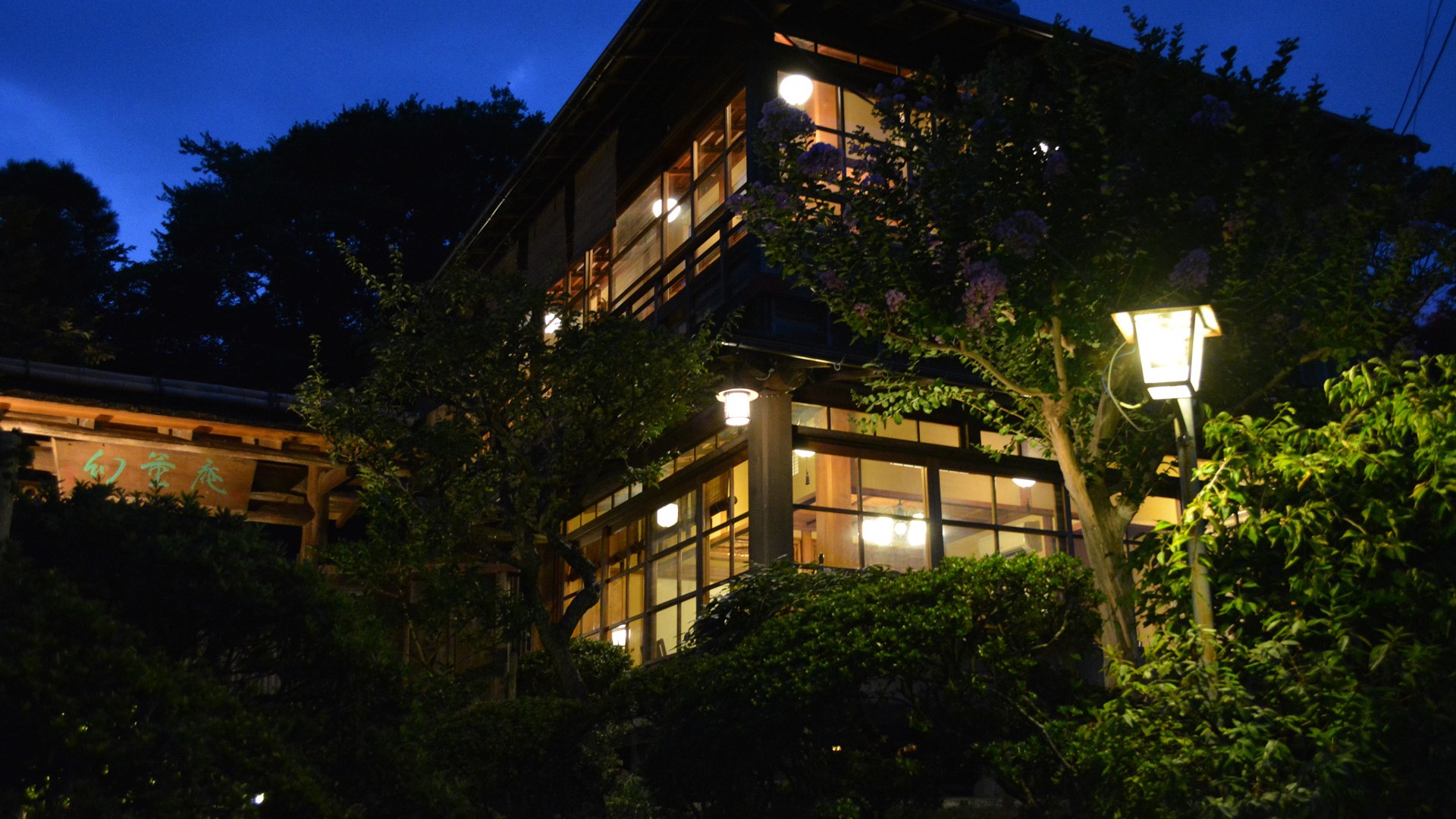
A one Michelin star kaiseki restaurant to be fully enjoyed. It’s located in a quiet residential neighbourhood a little distance away from Kita Kamakura station. The building, a renoavted old traditional Japanese home that was the former secondary residence of actress Kinuyo Tanaka, is extremely tasteful and very much a hidehouse. The menu is full course only for both lunch and dinner, and completely decided by the chef. Centered on local ingredients from Kamakura, the menu is decided according to the ingredients sourced on the day.Spend a quiet and luxurious time in an old house with the best kaiseki cuisine. It will make for a special trip. Dinner is limited to one or two groups per day, so reservations are required.

Eat & Drink Koshu kaido Tokaido KANAGAWA
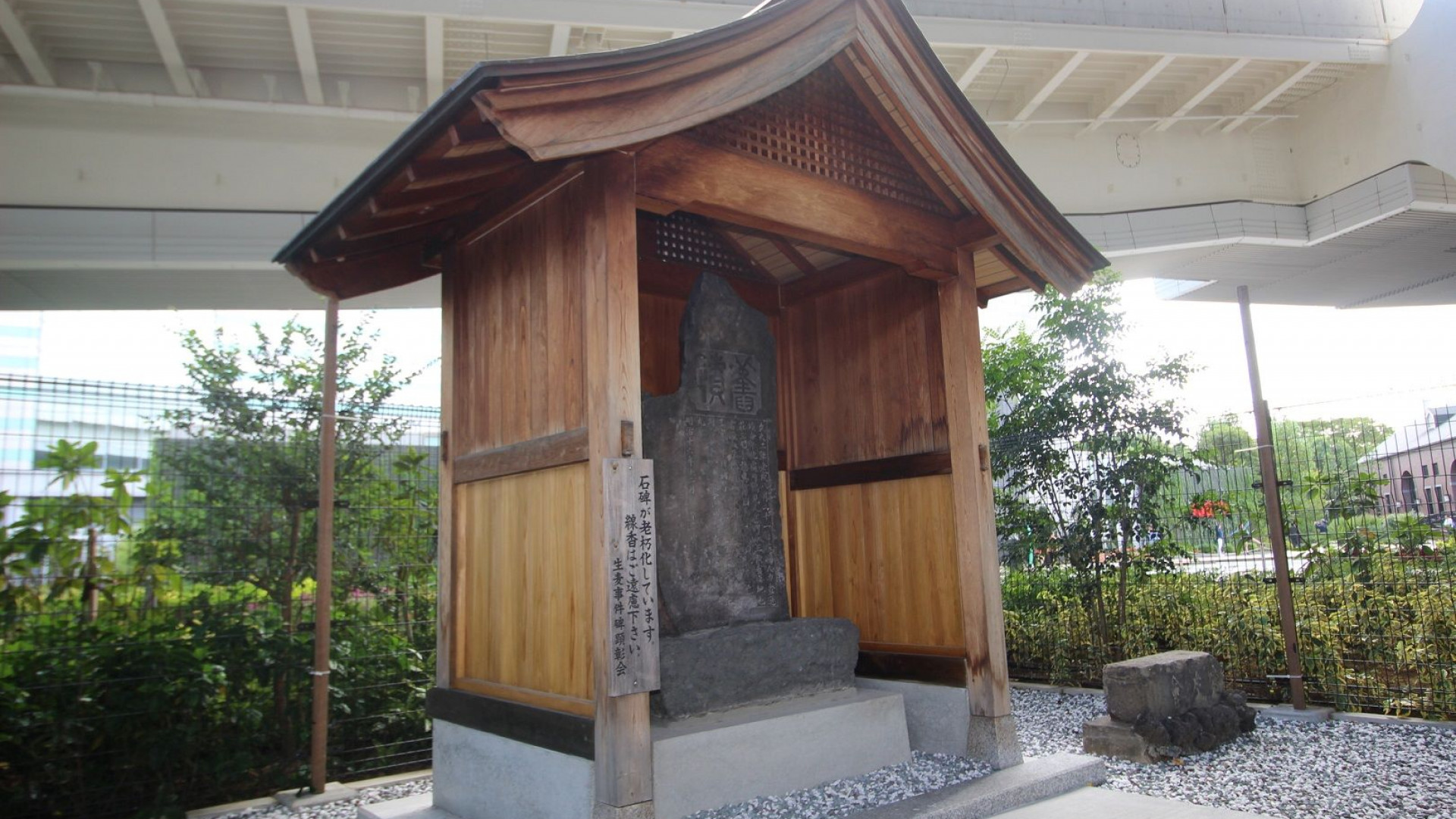
Scene of the Namamugi Incident and Monument

Scene of the Namamugi Incident and Monument

This is the scene of the Namamugi Incident in 1862, where British merchants were slashed when they interrupted the procession of Shimazu Hisamitsu, the feudal lord of Satsuma. As revenge, the British bombarded Kagoshima, resulting in the Anglo-Satsuma War. However, as a result of the war, ties between Satsuma and Britain were strengthened, encouraging modernization. These Anglo-Satsuma ties became the centre of the Meiji Restoration.

Culture & Arts Tokaido Koshu kaido KANAGAWA
Oyama-dera Temple

Oyama-dera Temple

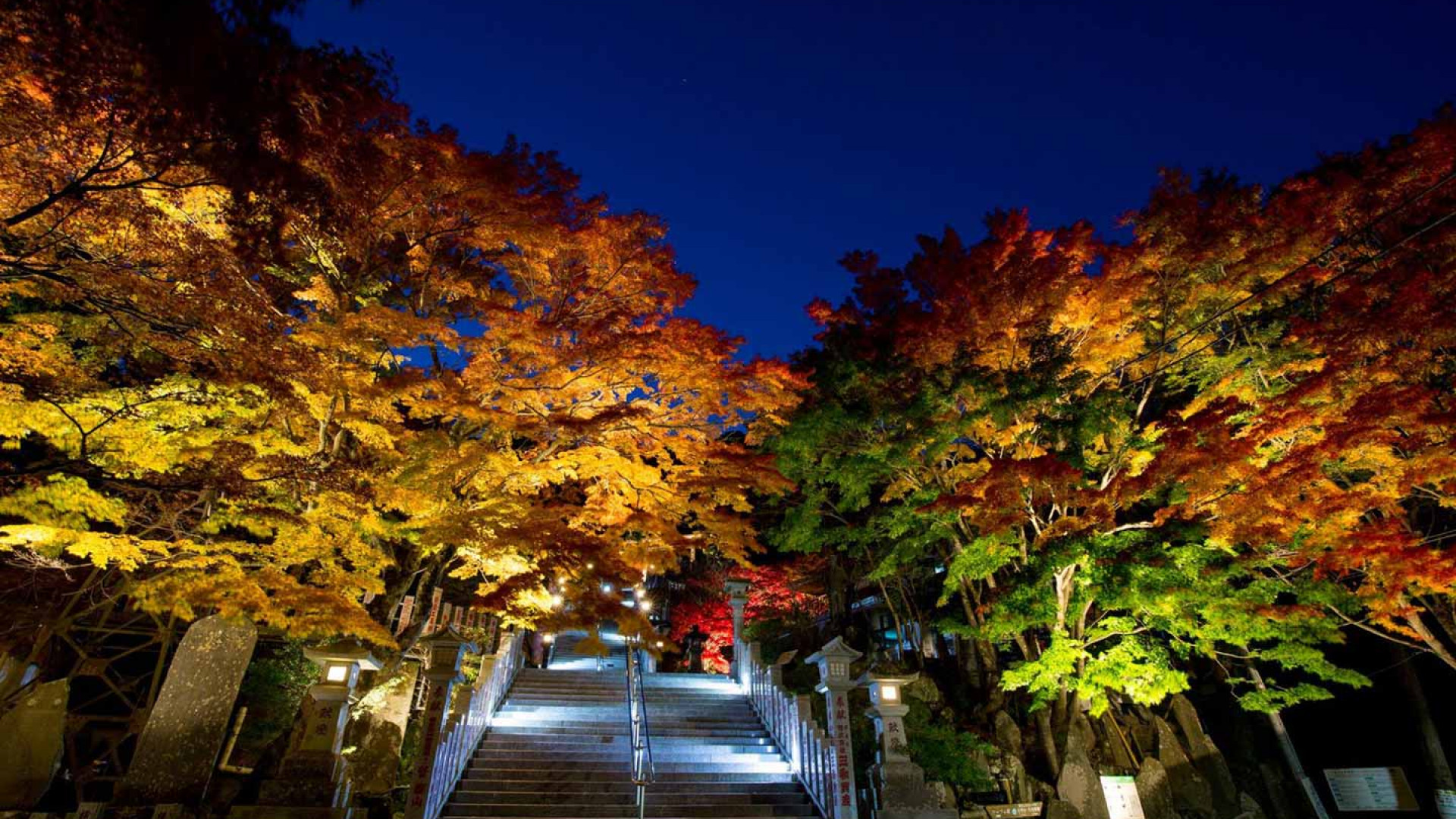
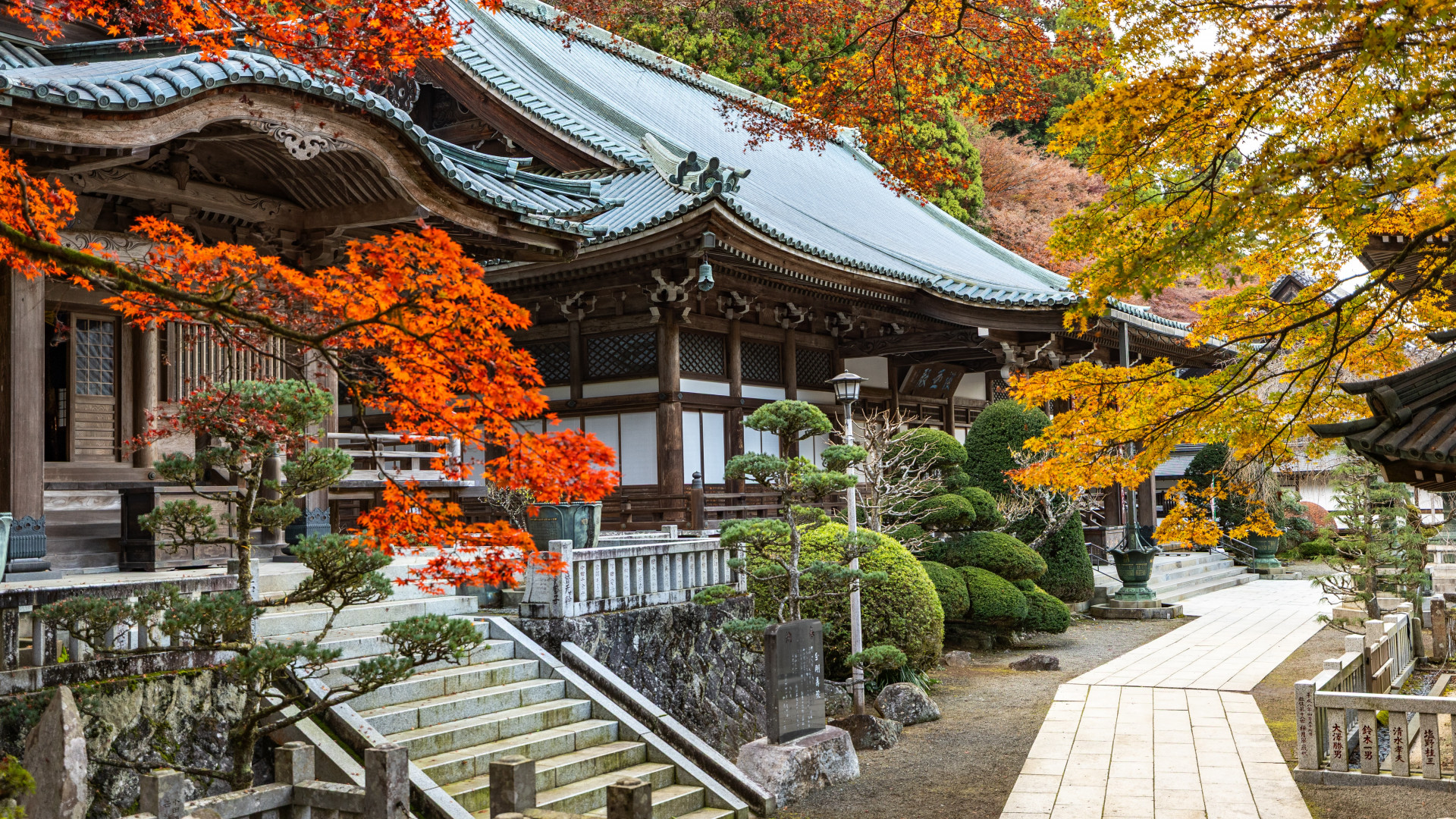
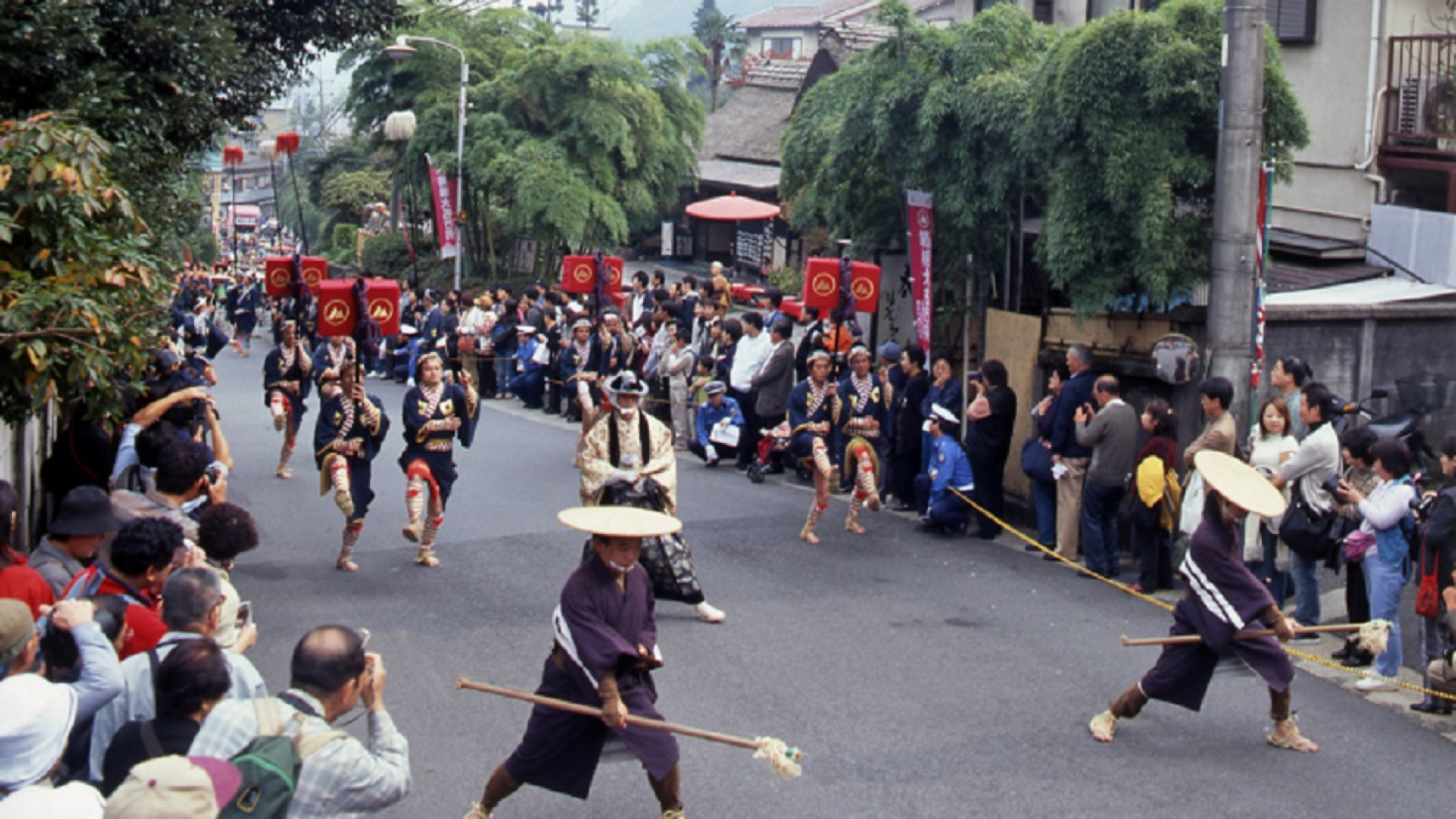
Known affectionately as "Fudo-san in Oyama," this is one of the three major fudo in the Kanto region. It is also the first of the 36 fudo (immovable buddhas) in the Kanto region. The temple was founded in 755 by Priest Rouben, who was a separate head priest of Todaiji Temple in Nara. The main image of Fudo Myoo, an iron statue of Fudo Myoo, and Nidoko (two children) are designated as national important cultural properties. In November, the leaves in front of the gate change color and are illuminated, creating a different atmosphere than seen during the daytime.Observe the autumn leaves along the temple’s tree-lined steps or ride the cable car to the summit for spectacular aerial views. For a different perspective, visit the temple at night when the autumn colors and grounds are illuminated.

Temples & Shrines Tokaido Koshu kaido KANAGAWA
Tahara-Furusato Park: Soba Restaurant Shinonome

Tahara-Furusato Park: Soba Restaurant Shinonome

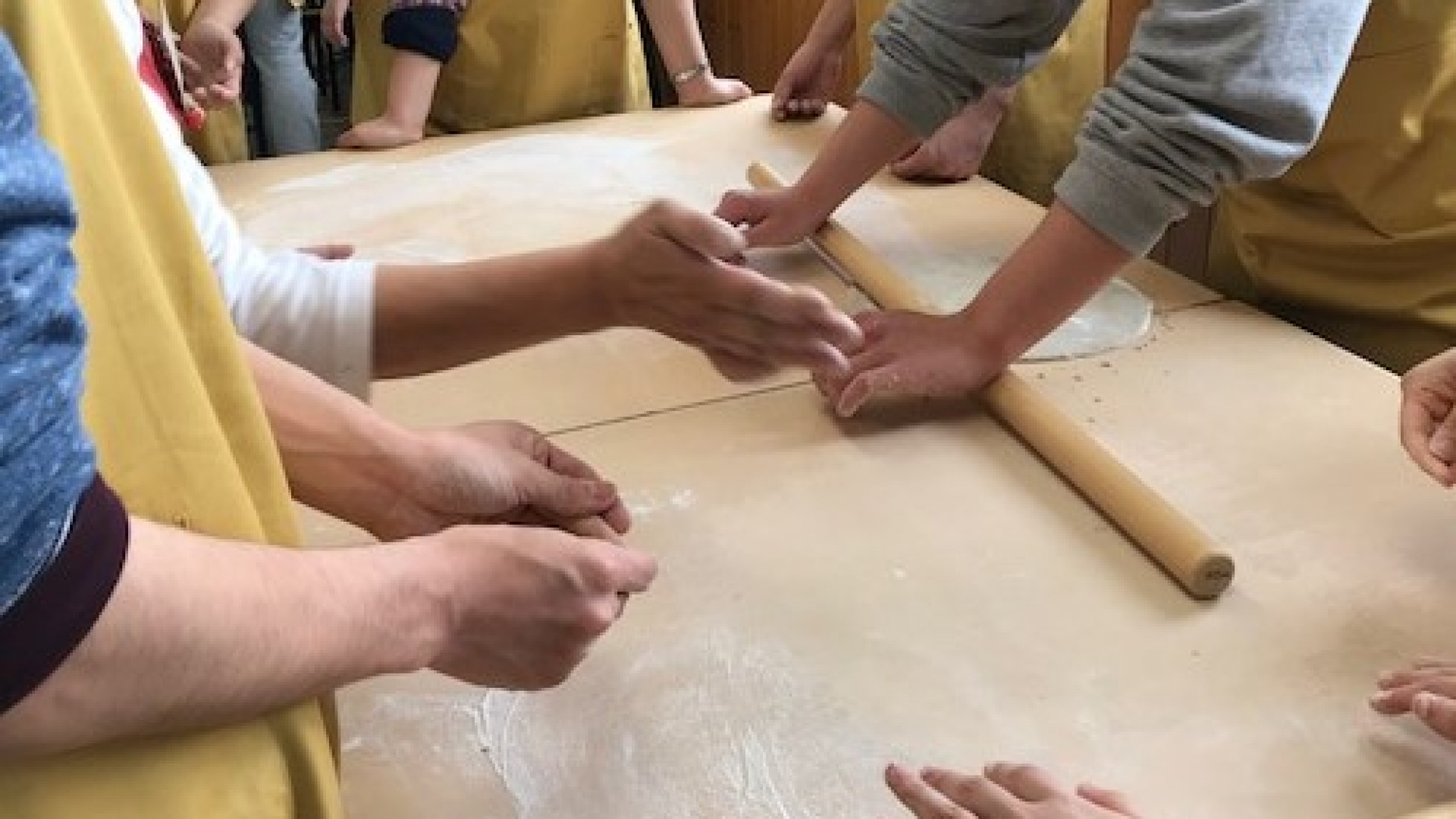
You can experience making soba here even if you don't go to Nagano (known as Shinshu in the past). In the soba restaurant Shinonome next to the workshop, you can enjoy the unique taste of the soba you made, be it with friends, family, or even by yourself! Furusato Park is surrounded by rice fields and farms and has a water mill as well. It is also well-known for its farmers market which sells vegetables freshly harvested on the day.

Eat & Drink Tokaido Koshu kaido KANAGAWA
Zama Sunflower Field

Zama Sunflower Field

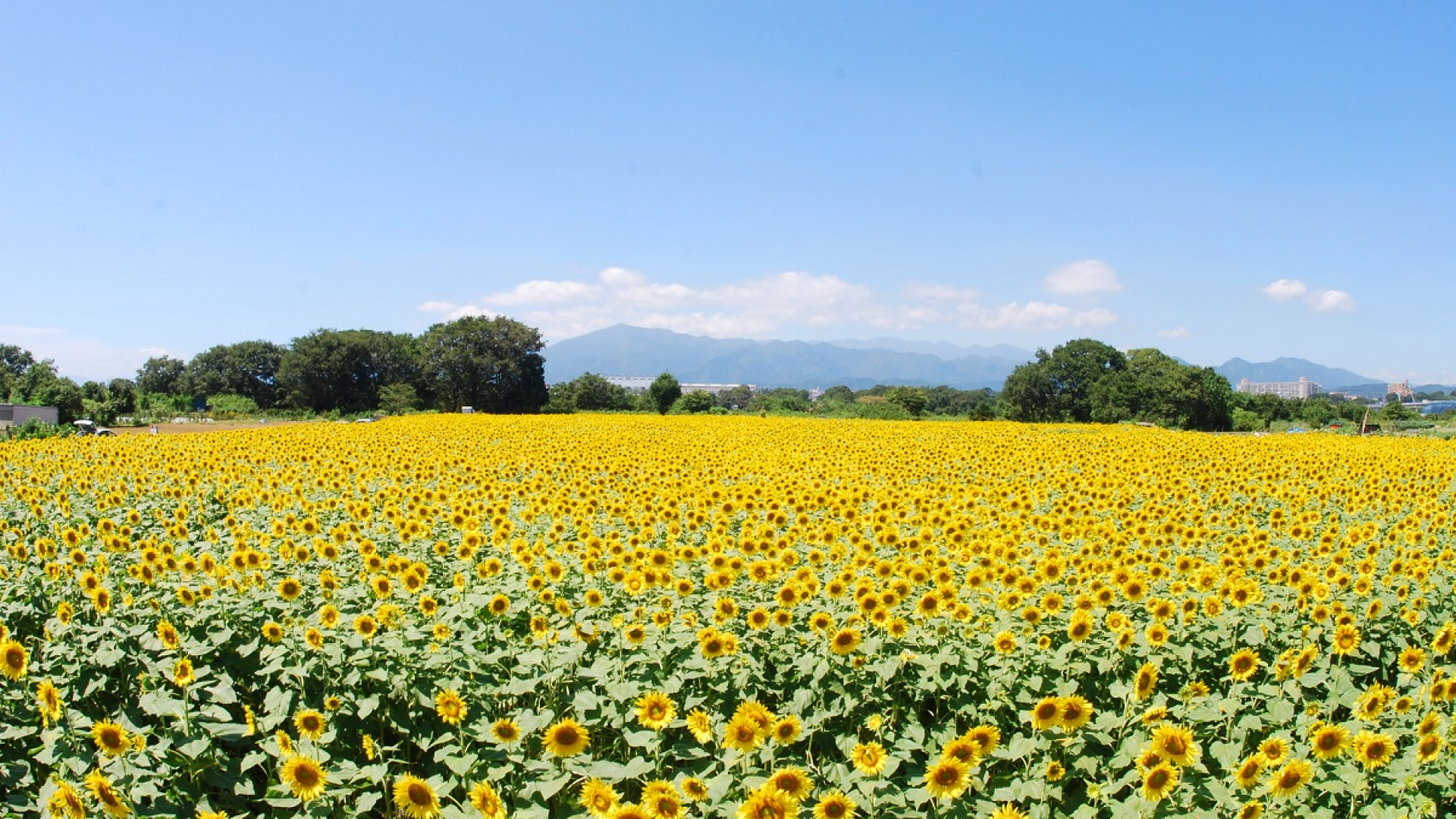
The Zama sunflower was established as the city flower of Zama City in 1969, and was selected as one of the "100 best places for flowers in Kanagawa" in 1994. A total of 550,000 flowers bloom over a total area of 5.5ha, and a sunflower festival is held every year.Add an artsy touch to your photos during the Kurihara festival by posing with props supplied by the festival. Model with picture frames and hats to immortalize the fun moment.

Nature & Views Tokaido Koshu kaido KANAGAWA
Shonandai Cultural Center Children’s Museum

Shonandai Cultural Center Children’s Museum

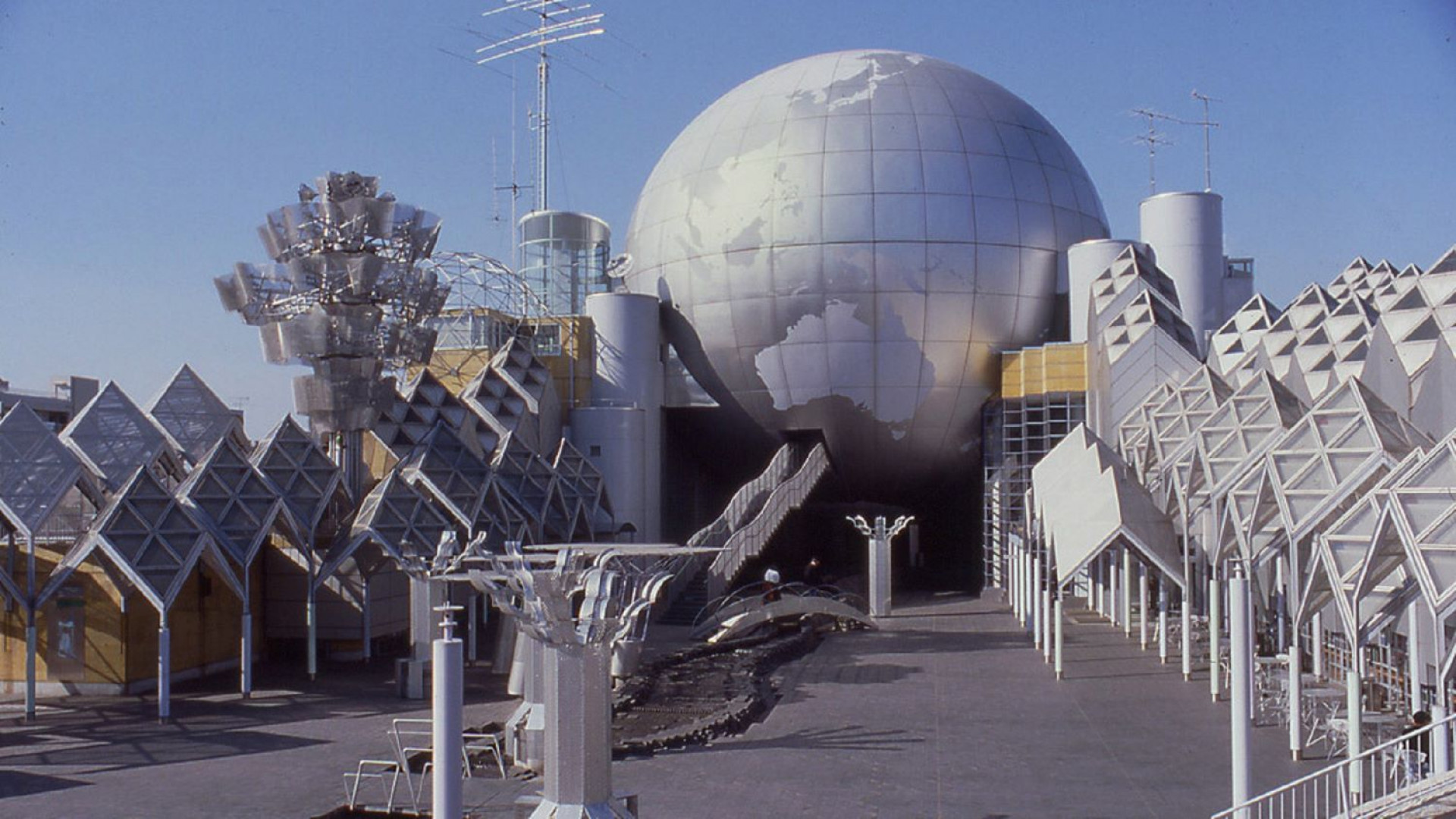
The Shonandai Cultural Center is a large facility with unique buildings such as a large globe, a civic theater and children's hall, and a community center. The children's museum has an exhibition hall where children can learn hands-on while having fun playing with toys from around the world and ethnic musical instruments. We also offer a planetarium with live commentary, a “space theater” with realistic full-dome movies, and a workshop room where many workshops are held.

Culture & Arts Tokaido Koshu kaido KANAGAWA
Kanagawa Prefectural Museum of Cultural History

Kanagawa Prefectural Museum of Cultural History

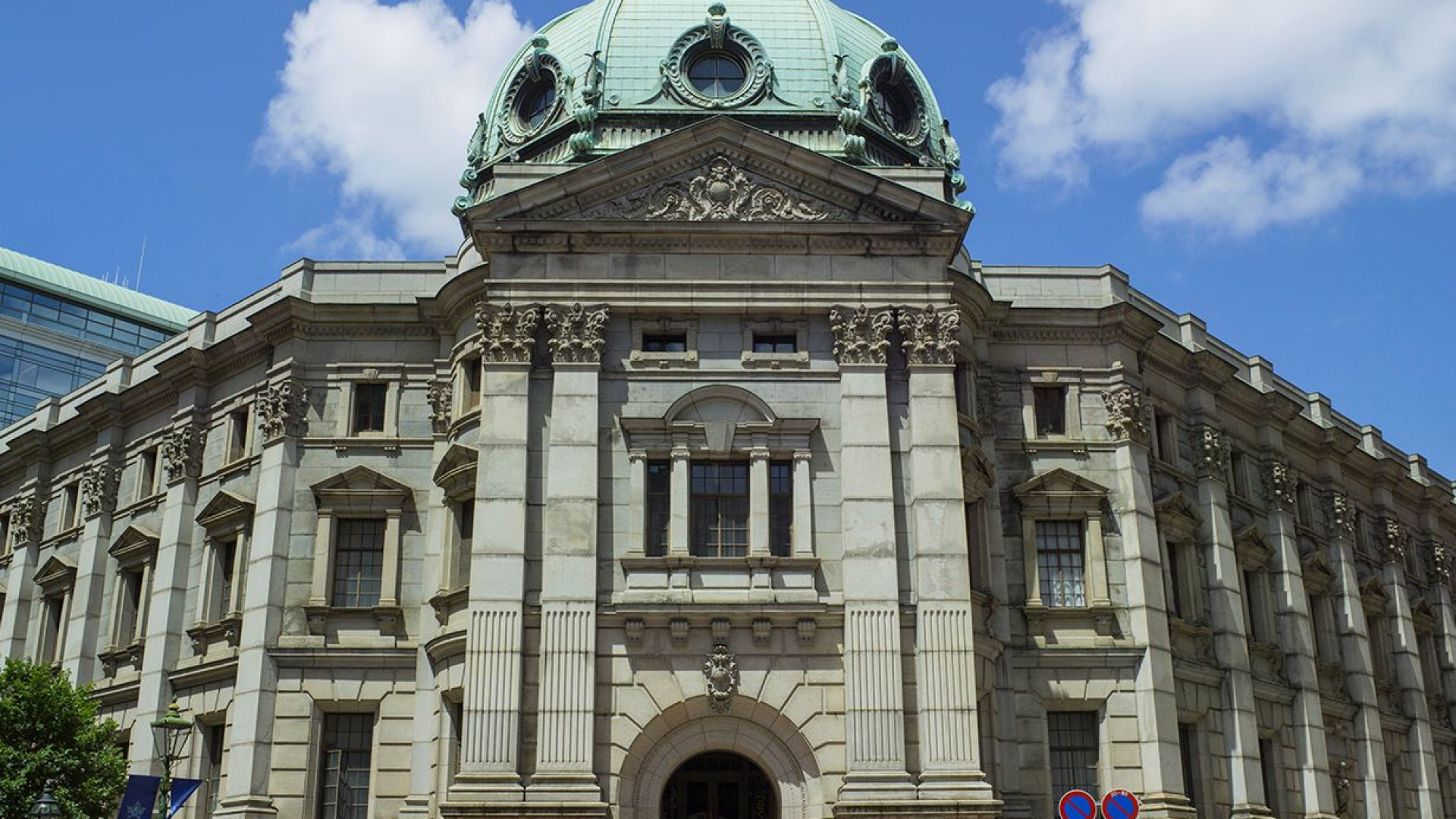
This place is temporarily closed. Please check the official website on reopening, operational information and more.This comprehensive themed permanent exhibit divides the history of Kanagawa into five eras. From ancient times and the Middle Ages to the Yokohama port opening and modernization, the exhibit looks at various historical perspectives under the theme of modern and traditional Kanagawa, taking into account people's lives and beliefs, political and economic changes, the influence of foreign cultures, etc. In addition, we regularly hold special exhibitions that are different from the permanent exhibits based on the research results of curators. Special exhibitions are held based on materials in the museum and collection exhibitions.

Culture & Arts Tokaido Koshu kaido KANAGAWA
Daiyūzan Saijo-ji Temple

Daiyūzan Saijo-ji Temple

Founded in 1394 by Soto Zen monk Ryoan Emyo Zenji, this ancient temple is a Soto sect training center renowned as one of the sect's three major prayer temples. Its natural beauty changes with the seasons, with its autumn foliage illuminated at night for seasonal viewing. Prayer services, zazen meditation experiences, and shojin-ryori vegetarian cuisine are available (reservation required). Temple legends feature tengu (mountain bird-like goblins), and the main hall enshrines the world's largest iron geta (wooden clogs).A unique aspect of this temple is its larger than life geta. These wooden sandals are left out for the tengu, winged spirits, that guard the temple grounds. The shoes vary in size, and some are even as tall as humans. Be sure not to miss this popular photography spot!One of the most sacred places in the Kanto region. Zen meditation sessions are held every second and fourth Sunday and Buddhist statue carving lessons every second and fourth Saturday of the month. There are spiritual spot tours around the grounds and other events as well.

Temples & Shrines Tokaido Koshu kaido KANAGAWA
Ehrismann Residence

Ehrismann Residence

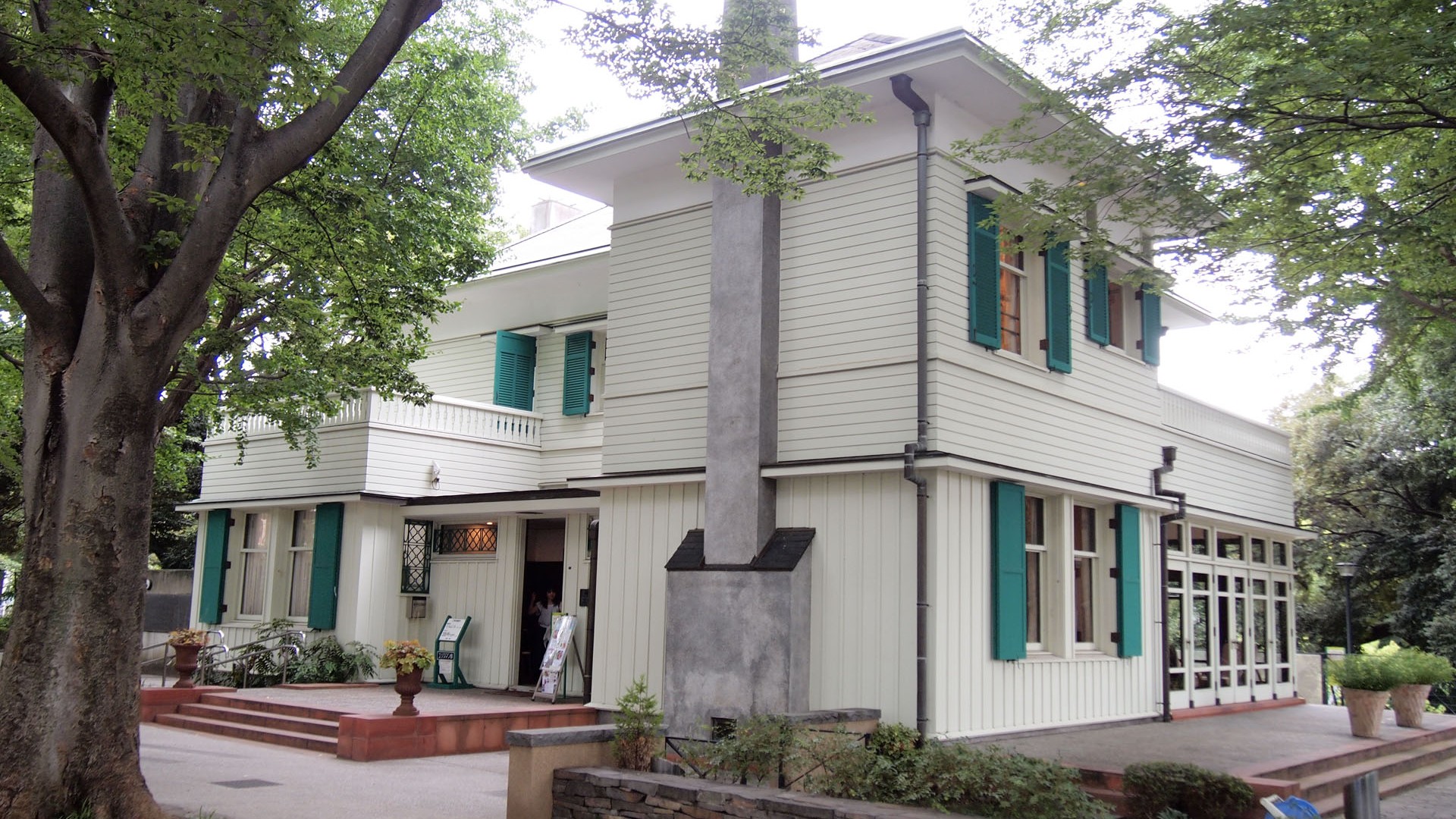
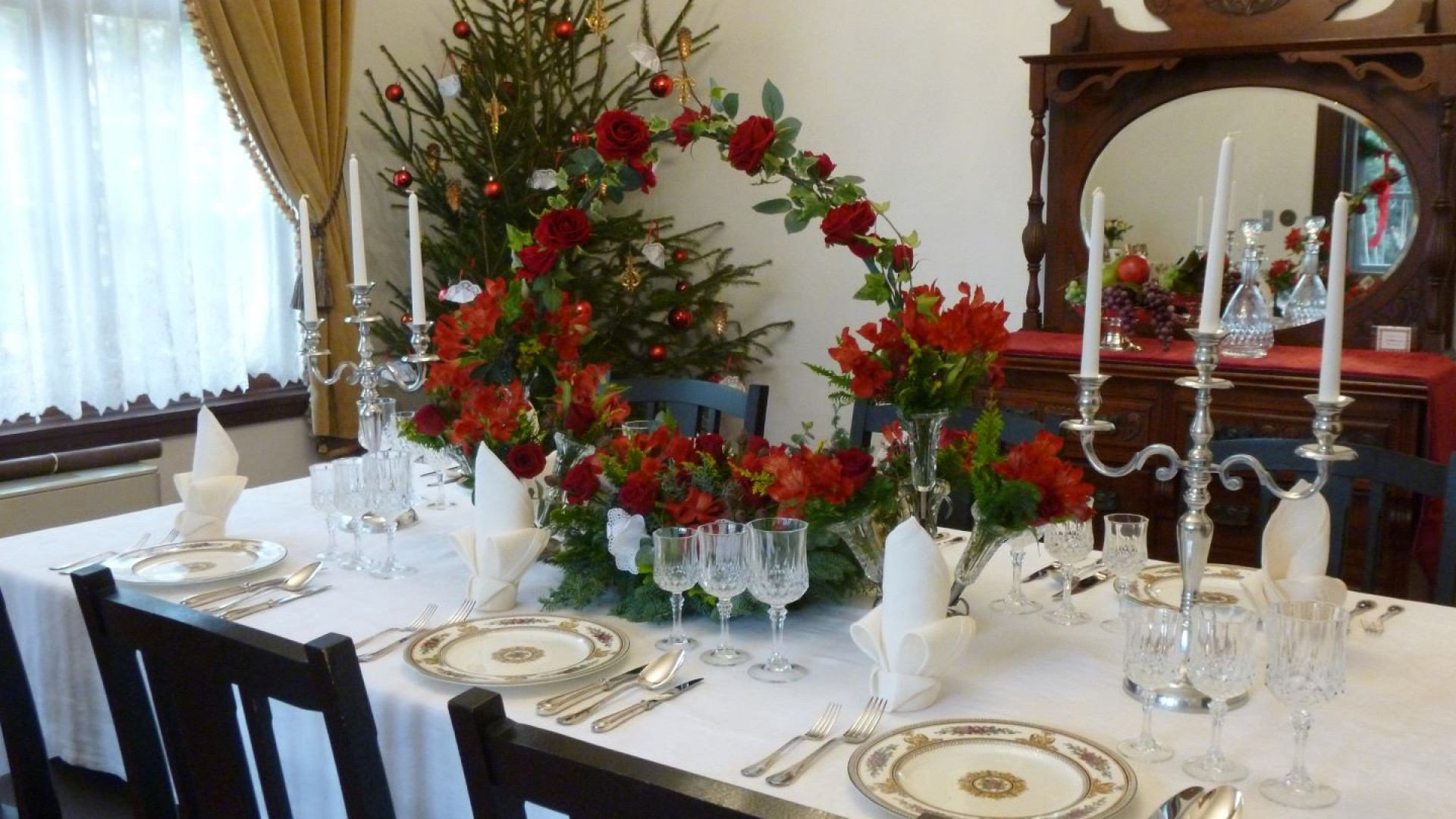
This was the private residence of silk trader Mr. Ellisman and was built in 1926 at 127 Yamate-cho and designed by A. Raymond, the "Father of Modern Japanese Architecture" who profoundly influenced Japan's architectural world. While possessing elements of a foreign-style mansion, it also shows the influence of Raymond's mentor, F. L. Wright, such as an emphasis on the horizontal lines of the eaves. It was relocated and restored to its current location in Motomachi Park in 1990. The first floor features a reception room with a fireplace, a combined living and dining room, and a sunroom overlooking the garden furnished with pieces designed by Raymond, while the second floor houses an exhibition on Western-style houses in Yamate. The basement is available for rental as a free-use space and includes a tea room utilizing the former kitchen area.One of eight restored Western Houses in the Yokohama, Yamate area, this is most beautiful in autumn and during the Christmas season. Take a break in its lovely little cafe.

Culture & Arts Tokaido Koshu kaido KANAGAWA