

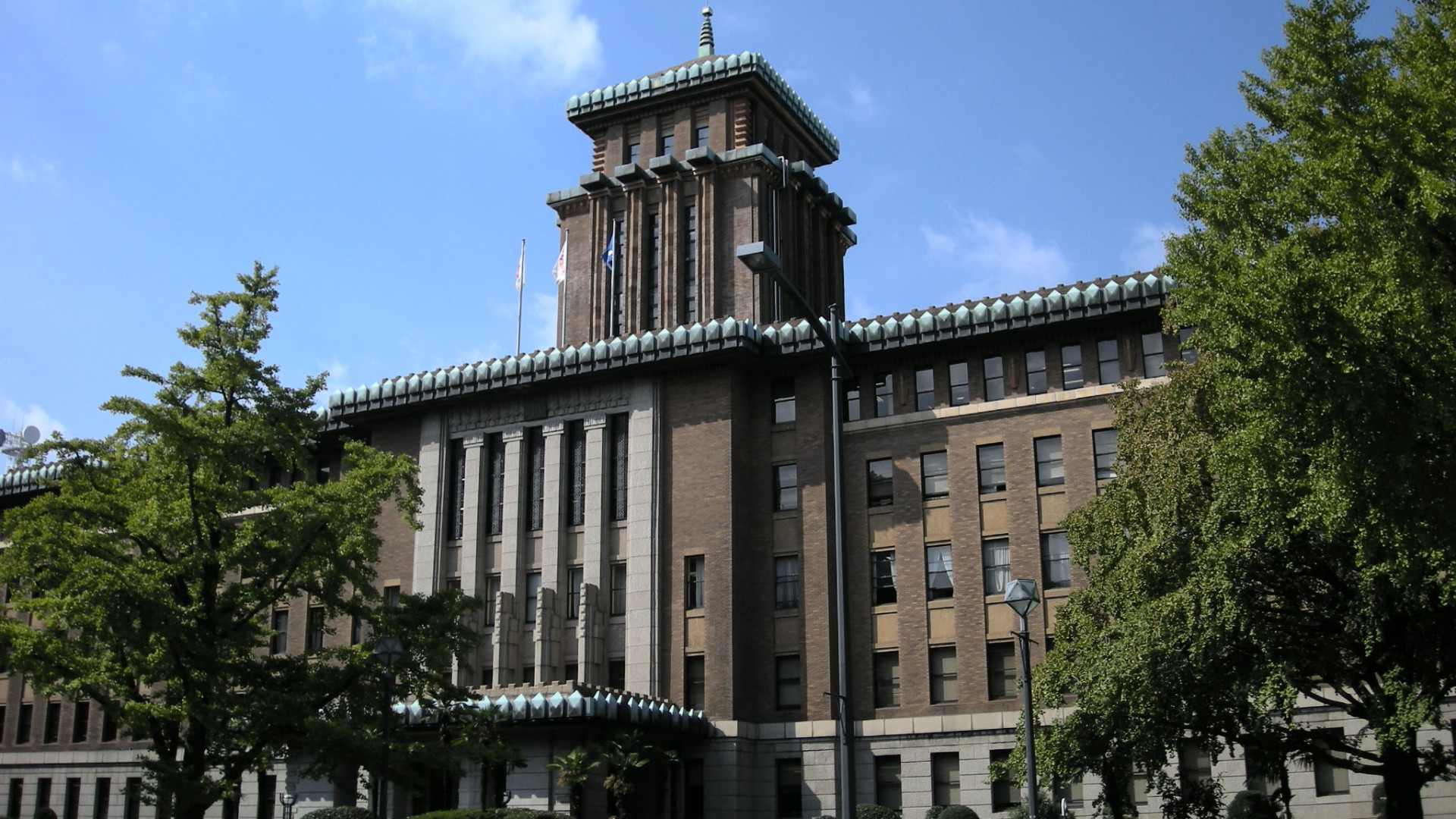
Kanagawa Prefectural Government’s Office (King’s Tower)
Enjoy a video and light display projected on the ground at the Shinko Chuo Hiroba, along with a special program that integrates the surrounding buildings in a light show.
Total: 1715 items
Enjoy a video and light display projected on the ground at the Shinko Chuo Hiroba, along with a special program that integrates the surrounding buildings in a light show.
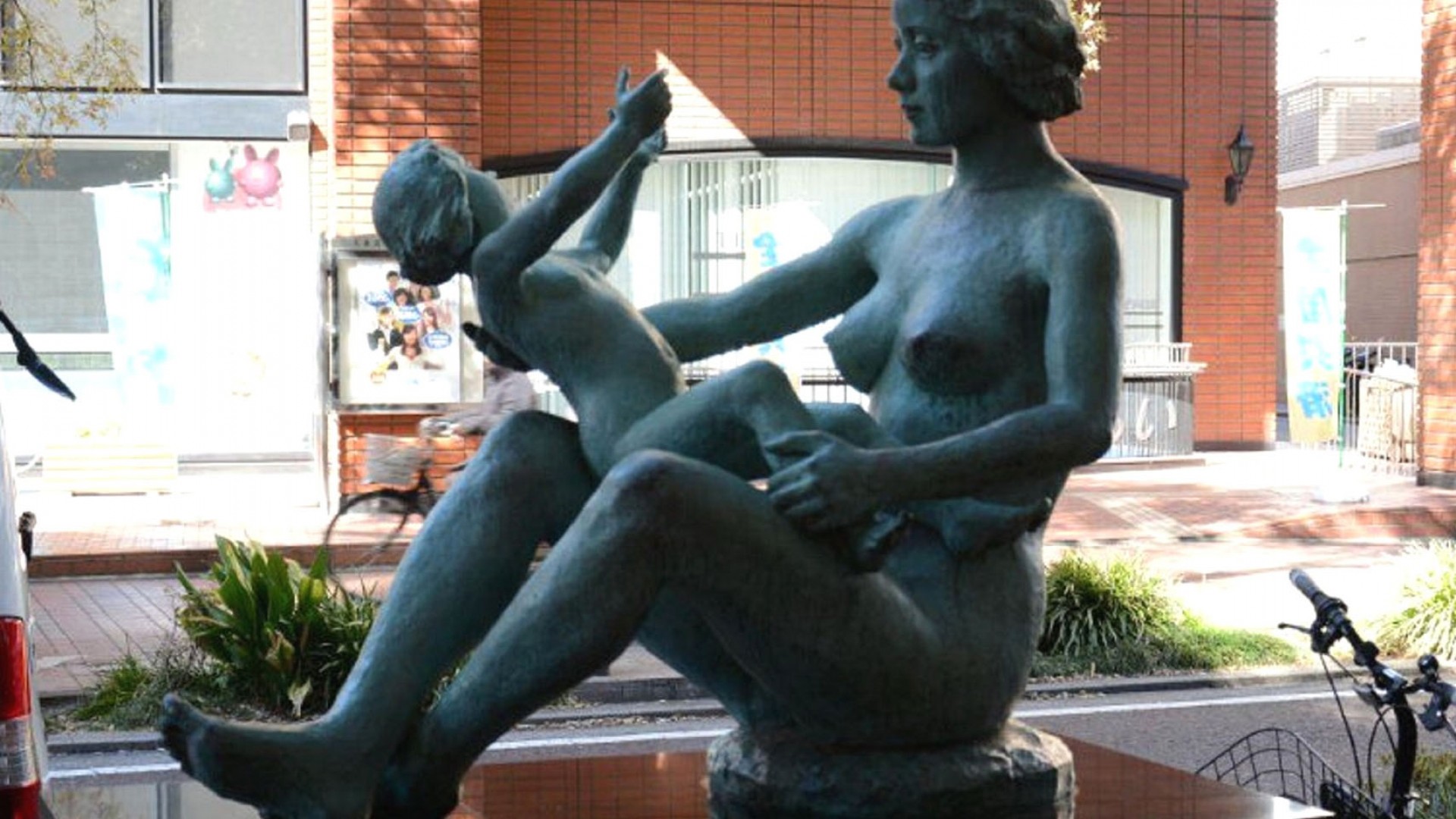
Ice cream in Japan is said to have originated in 1869 when Fusazo Machida opened Hyosuiten on Bashamichi-dori Avenue and sold "Aisukurin" there. The "Mother and Child of the Sun" was installed in 1976 as a statue commemorating the birth of ice cream.
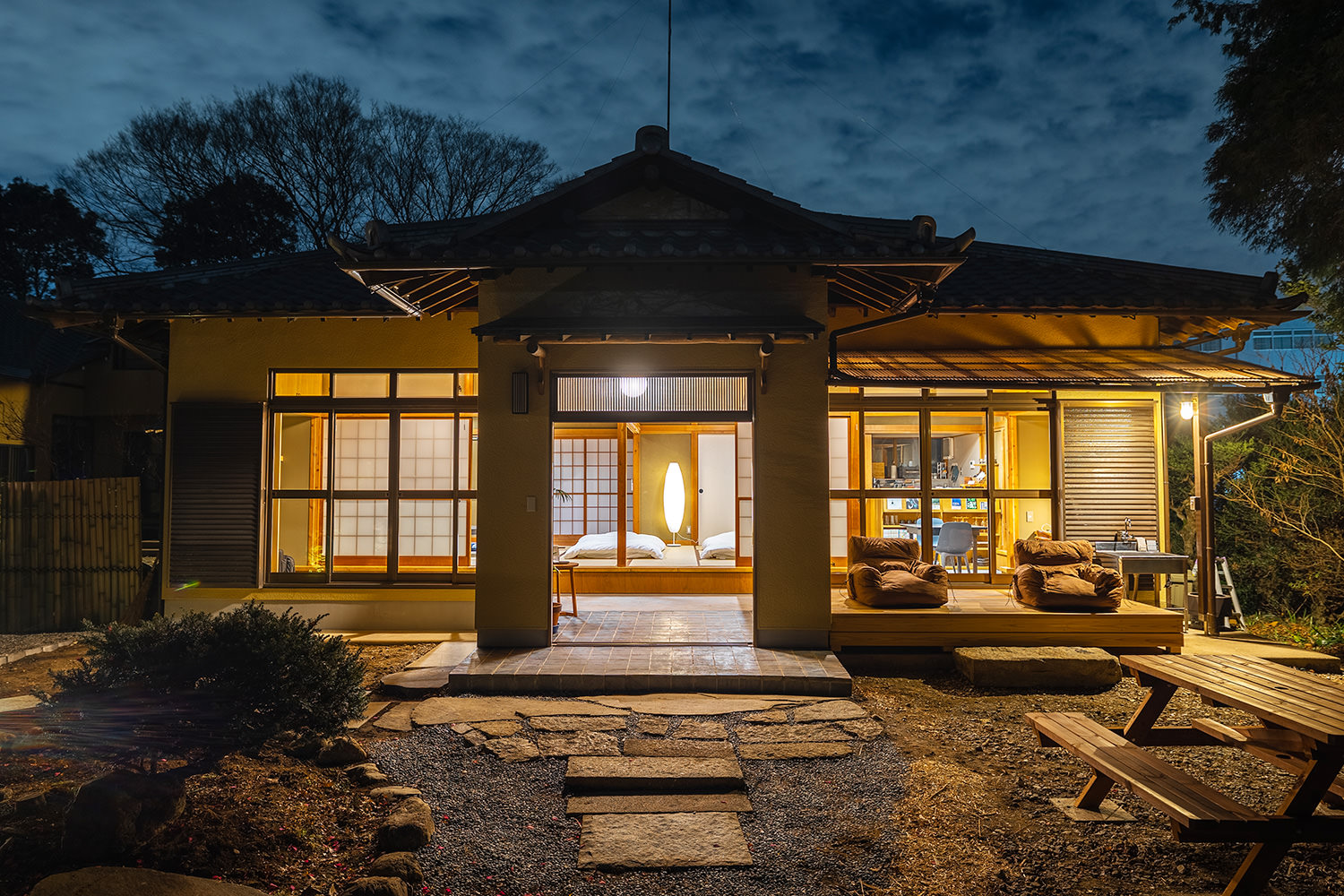
This is Hibiya Kadan's, a long-established florist, first glamping facility. Here, visitors can enjoy a high-quality relaxing time. Located only an hour and a half from central Tokyo, in the rich natural setting of Fujino, Sagamihara City, visitors can indulge in the ultimate in relaxation, made possible by Hibiya Kadan's meticulous attention to detail. In addition to Western-style rooms where you can relax and unwind as if you were in your own living room, there are also Japanese-style rooms with tatami mats, a rarity in campgrounds. In addition to glamping, you can also experience activities such as barbecue, farming, flower arrangement, coffee roasting, yoga, and blueberry picking in the outdoor recreation area.
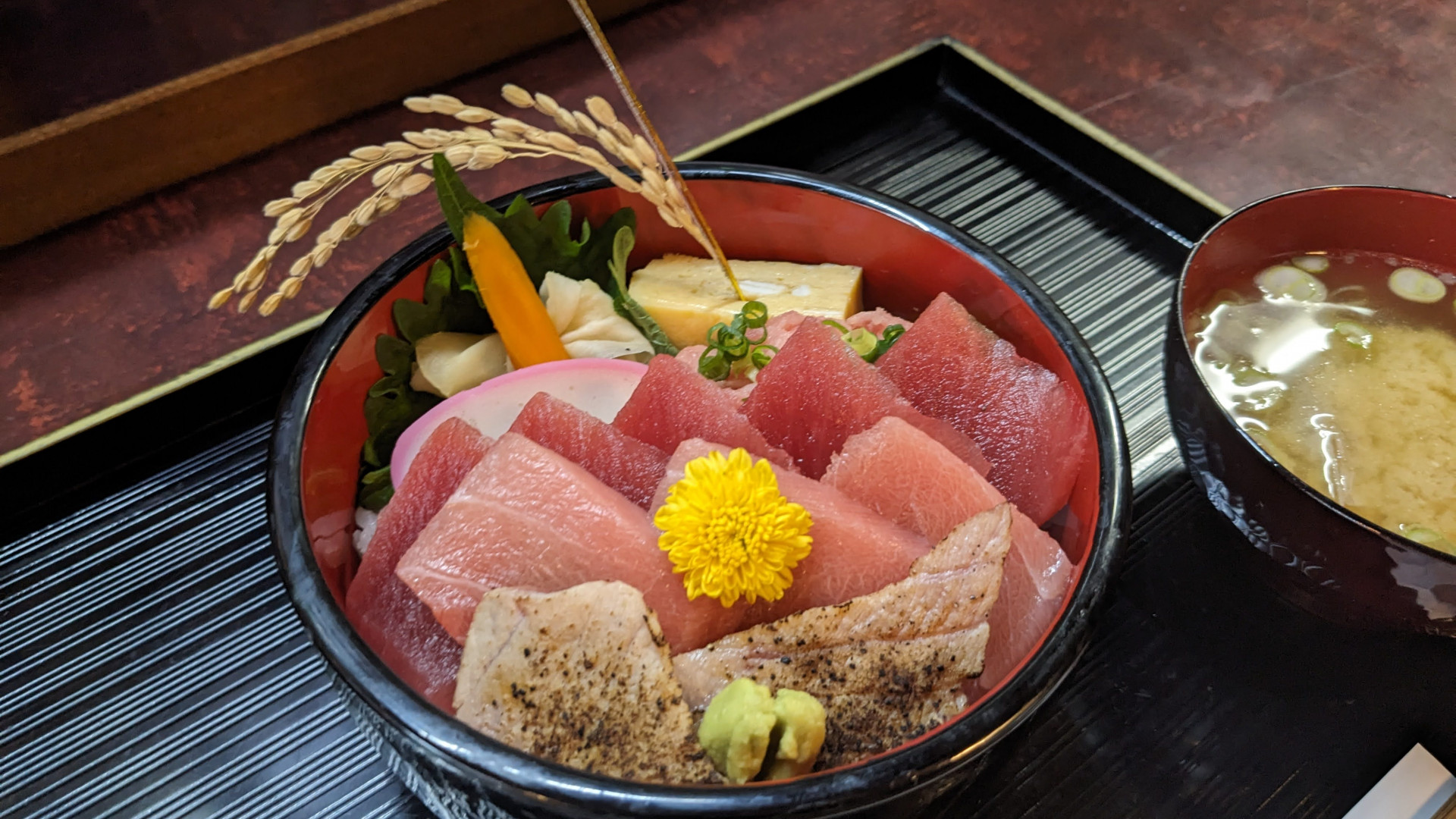
Located close to the tip of the Miura Peninsula, Muneyoshi is a restaurant that uses locally-sourced seafood, including luscious Misaki tuna, to craft its exquisite menu. Enjoy unparalleled freshness and choose your pick of sushi, sashimi, tempura, or a tuna course meal with an appetizer, tuna sashimi, a grilled fish burger, hot pot, and a seasonal dish. The relatively small establishment has 26 seats—six counter seats and two tatami rooms with eight seats each. Thanks to its local charm and delectable flavors, Muneyoshi is an authentic spot to savor Kanagawa’s fresh seafood. If you have a Misaki Maguro Day Trip Ticket, you can exchange the pass for a course meal that includes a tuna rice bowl, simmered local seafood, tuna ice cream, and more!
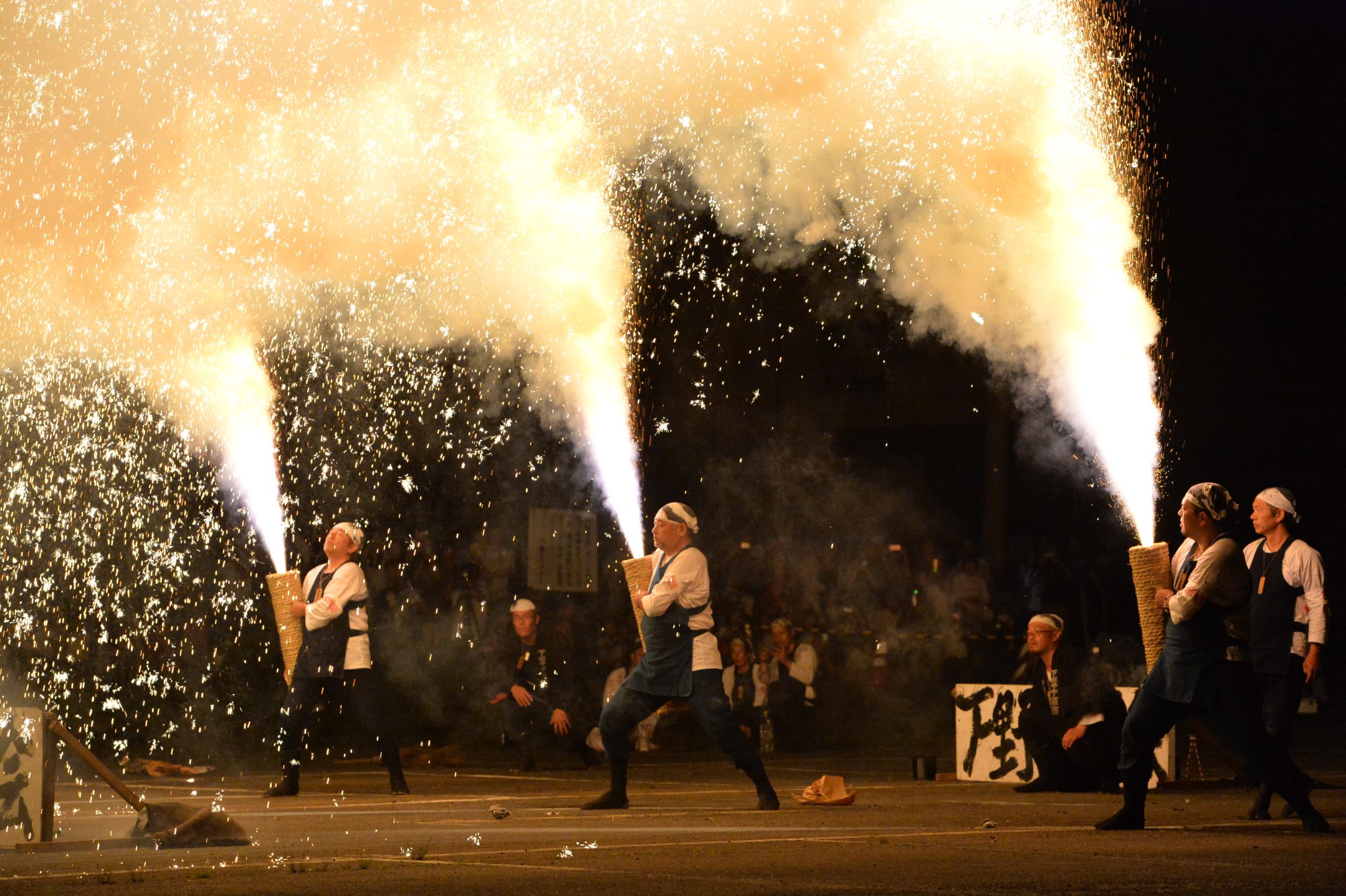
The "Mashiko Gion Festival" held at Kashima-jinja Shrine every July 23, 24, and 25. Kicking off the first night of the festival, an impressive rain of sparks falls from tezutsu fireworks shot up to 8 meters into the night sky from a combination of large and small cylindrical tubes. The handheld fireworks(Tezutsu Hanabi) are said to have originated in Toyohashi city. Tokugawa Ieyasu, who became the first Shogun of the Edo Period, brought that technology to his home in Mikawa province (current Aichi Prefecture). At the time gunpowder was strictly forbidden throughout Japan, but the villagers of this region were allowed to use Tezutsu Hanabi as a part of Shinto rituals offering to the gods in exchange for rich harvests, good health, family fortune and prosperity, and good luck in battle.
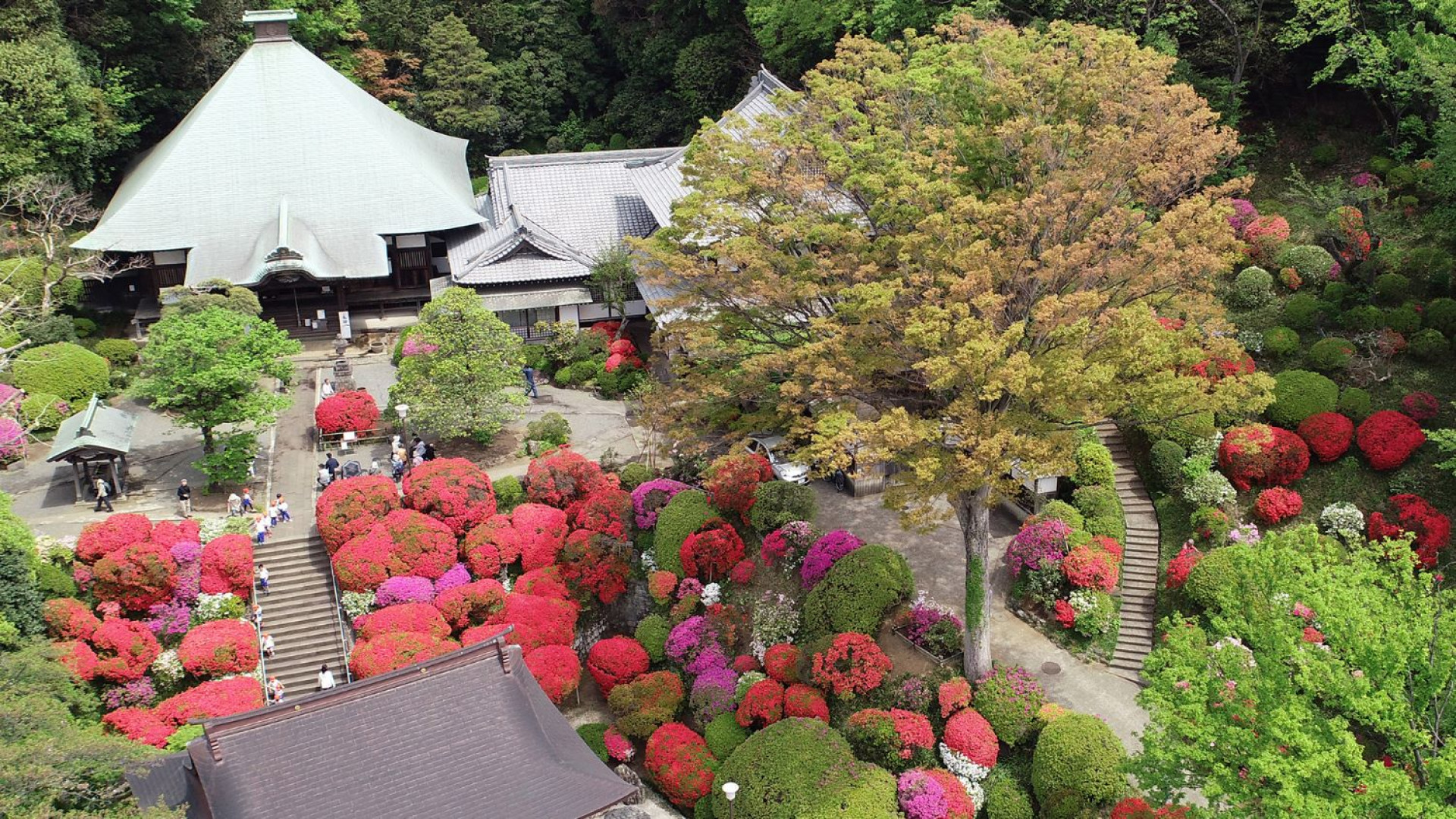
Shiboku-san Togakuin Temple is a temple of the Tendai sect of Buddhism, and there are few records of its history. Passing through the Niomon Gate, visitors will enter a manicured azalea garden and continue along the approach to the main hall, which was rebuilt during the Ansei Era. Various events such as Zen meditation sessions, sutra reading sessions, and numerous other workshops are held here. The events are also posted on YouTube and other social networking sites.
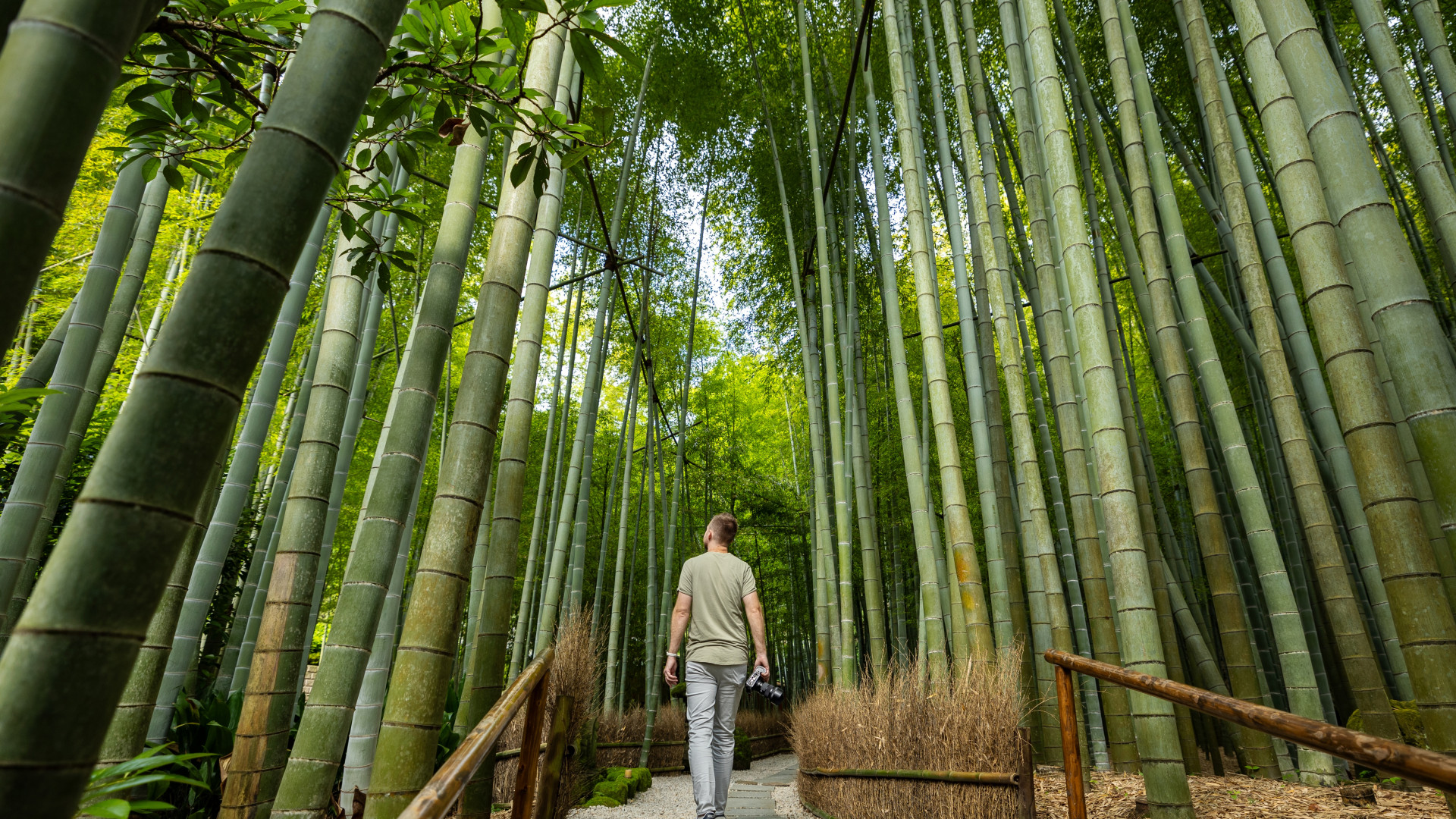
This ancient temple in Kamakura is known for the 1,000 moso bamboo trees on its grounds. Even in the present day, the solemn atmosphere of the temple conveys the tragedy of the Ashikaga clan. It also features a beautiful bamboo grove and garden. The “Sunday Zazen-kai” (Zen meditation), which has a reputation for being strict, is held every Sunday morning at 7:30 a.m. and is open to everyone. Please wear comfortable clothes to participate.This is probably the most impressive bamboo grove you will ever see. Be sure to get tickets for the temple's tranquil teahouse experience before entering.A temple in Kamakura with a beautiful garden and bamboo grove. A Sunday Zen meditation session is held at 7:30 in the morning every Sunday and is open to everyone. The session is reputed to be very strict, and be sure to wear comfortable clothing if you would like to participate.
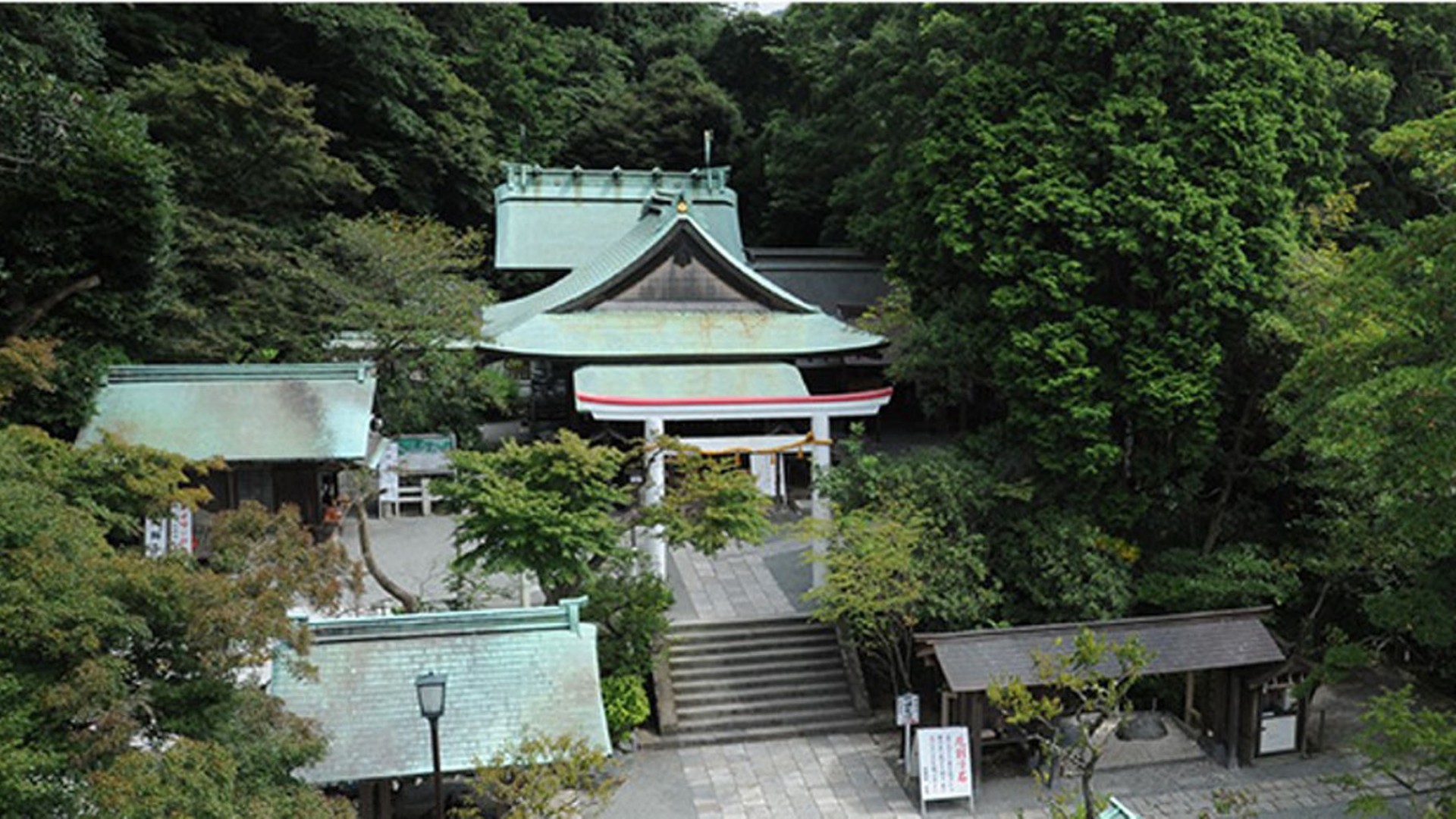
This shrine is dedicated to Prince Shinno Morinaga, the son of Emperor Godaigo, who devoted himself to overthrowing the Kamakura Shogunate. In 1869, Emperor Meiji built a shrine at the place where Prince Morinaga passed away and named it "Kamakura Shrine" in honor of him.
The world’s only concert hall made from Japanese cypress timber has been completed in Yugawara surrounded by mountains, ocean, and hot springs. Made by carpenters, it features ancient Japanese wood joinery and distinctive white plaster. Come and get a glimpse of indelible scenes of Japanese culture.
Yugawara Onsen is famous for being taken up in the Man'yoshu, Japanese classic book. Hot spring Ryokan, "The Ryokan Tokyo" was visited by many Meiji and Taisho cultural figures. This ryokan is a 'Cool' hot spring onsen remixed with the contemporary culture and the old Onsen culture from Nara era. Tatoos are allowed here.
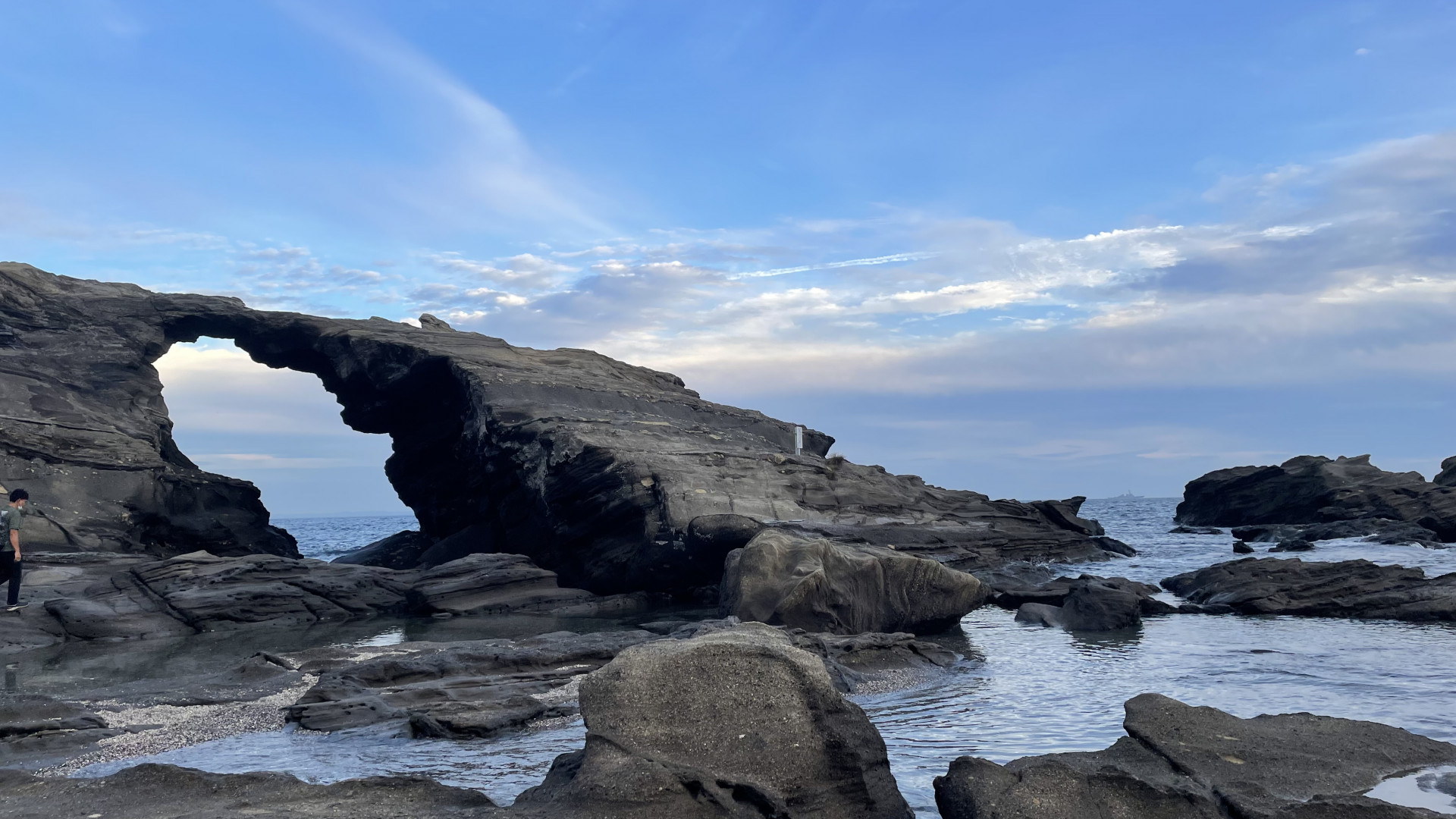
The island has been listed as a two-star destination in the revised third edition of Michelin Green Guide Japan. It has many scenic spots, with the southern hiking course offering views of the majestic Pacific Ocean and the strangely-shaped rock ‘Horseback Cave Mouth', while on the western part of the island, you can see views of Mt. Fuji over Sagami Bay. In addition, about 700,000 double-flowered daffodils planted all over the island are at their best from mid-January to early February.The southern part of Joagashima features untouched nature. Jagged cliffs hang over the white and blue waves, creating a remarkable landscape. It is also home to hiking trails and is a dream site for hikers and photographers alike. On the south side of the island you can find Jogashima Park. The park has an observatory, a picnic area, and a 16-meter-tall green lighthouse with a vegetable motif, the Awasaki Lighthouse. The gorgeous cliffs make a perfect place for hiking and resting.Jogashima is a wonderful place to visit at any time of the year. In particular, from mid-January to mid-February, approximately 700,000 double-layered daffodils are in full bloom. You can also observe the Japanese cormorant, which is designated a protected species by Kanagawa Prefecture.
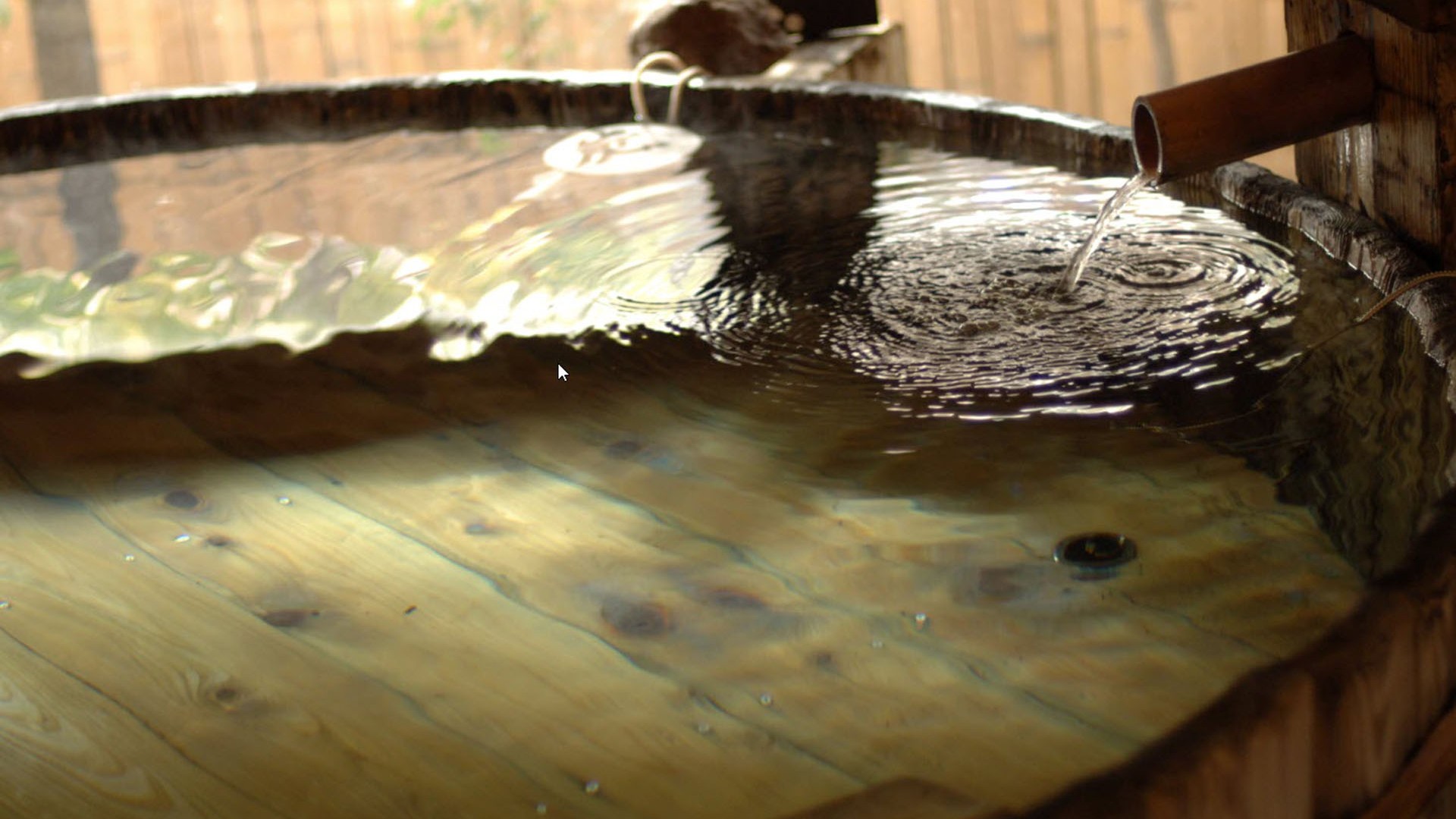
Shiraku Hot Spring is a natural hot spring with water that springs from about 1300 meters underground. The seawater underground has been trapped for hundreds of thousands of years and here you can expect better skin metabolism, smoother skin, and recovery from fatigue.
Soba Noodle Restaurant "Shirakawa-go" is on the 1st floor of the Yamashita House located in the center of Nihon Minka-en. This house is an old folk house with a large gassho-zukuri-style thatched roof, which is designated an important cultural property of Kanagawa prefecture. The soba noodle served here is made of spring water obtained from Oshino village in Yamanashi prefecture.
TEMPLESTAY ZENSŌ offers you a chance to stay in a traditional Japanese house adjacent to the temple grounds of Horinji Temple in the town of Chiyoda. The temple was founded in the early 14th century and remains a tranquil site of Buddhist devotion. Enjoy the amenities and comforts of a private villa while trying unique Buddhist experiences. Accommodating up to six people, the house comes with modern appliances and conveniences, including wi-fi service. Book activities such as zazen meditation or sutra copying to make the most of your proximity to Horinji Temple. Japanese-speaking visitors can take part in these activities with advance reservation, even if they are not staying at the temple. There are dining plans that can be added to the Onsen & Stay package, including one that provides everything you need a delicious barbecue meal.
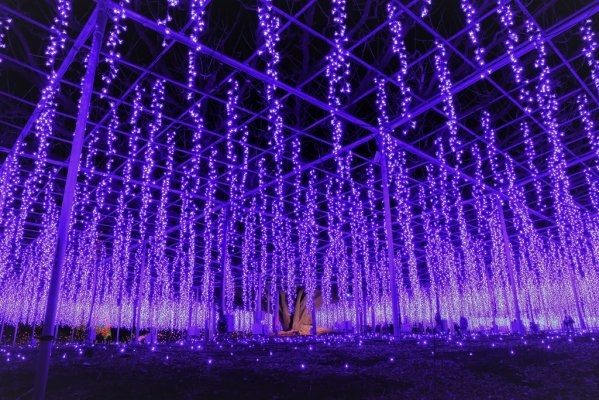
Ashikaga Flower Park is the only place in Japan chosen as one of ten “Dream Destinations” for global travel by the American news site, CNN. The park holds an illumination event in wintertime. Amazingly, for seven years in a row the park has garnered first place in the illumination category for Japan's "Illumination Award” selected by certified professionals knowledgeable about night tourism throughout Japan. This illumination event was also recognized as a Night View Heritage of Japan in 2011 and one of the three major illumination events in Kanto in 2012. This illumination event is very popular every year.
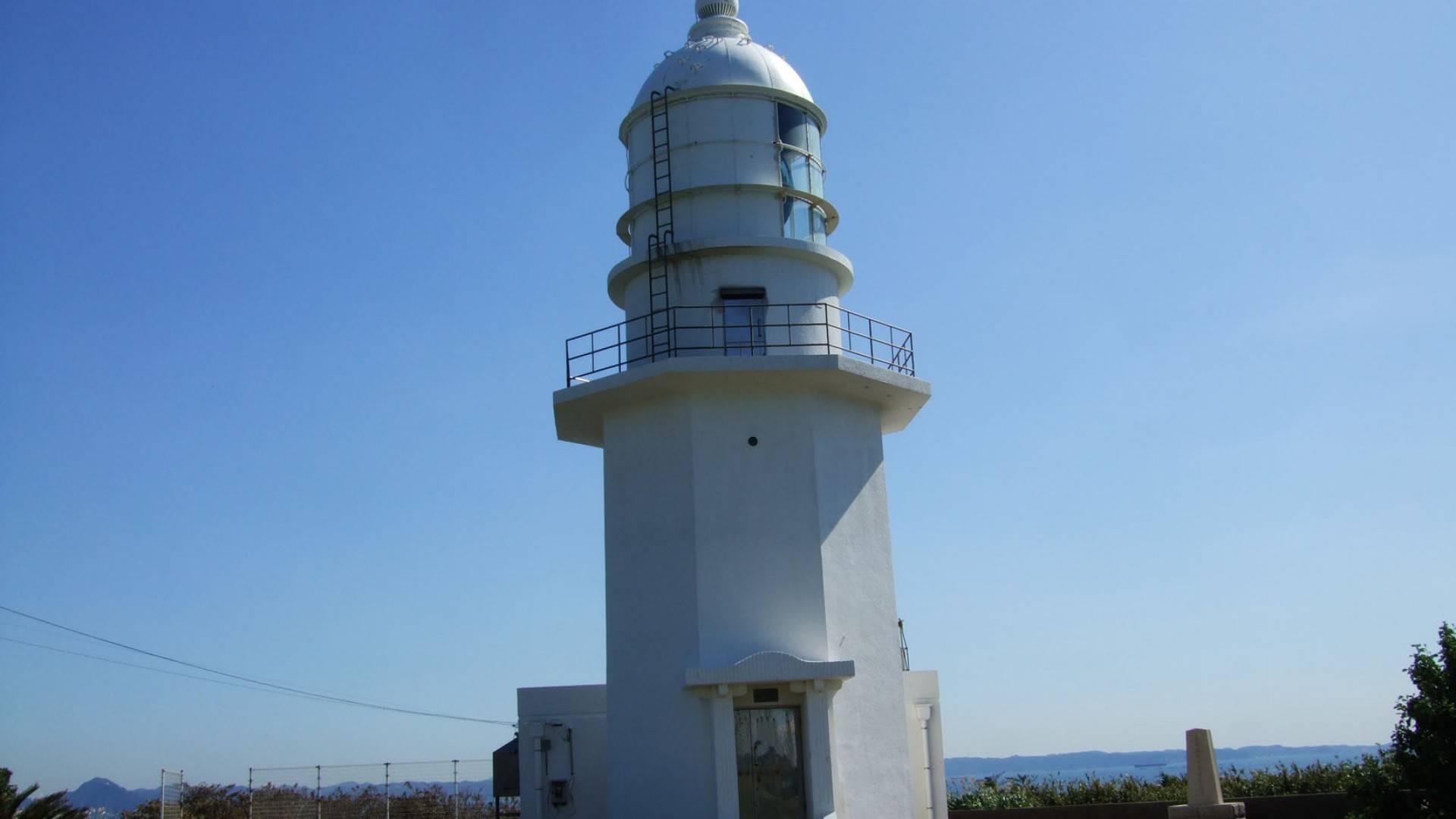
The Tsurugizaki Lighthouse was built on Tsurugizaki Cape in 1866 and rebuilt after the Great Kanto Earthquake. When you walk down the sidewalk from the lighthouse, there is a beautiful reef zone/area and around the area you can see sea creatures. It has been selected as one of Kanagawa's 50 scenic spots.
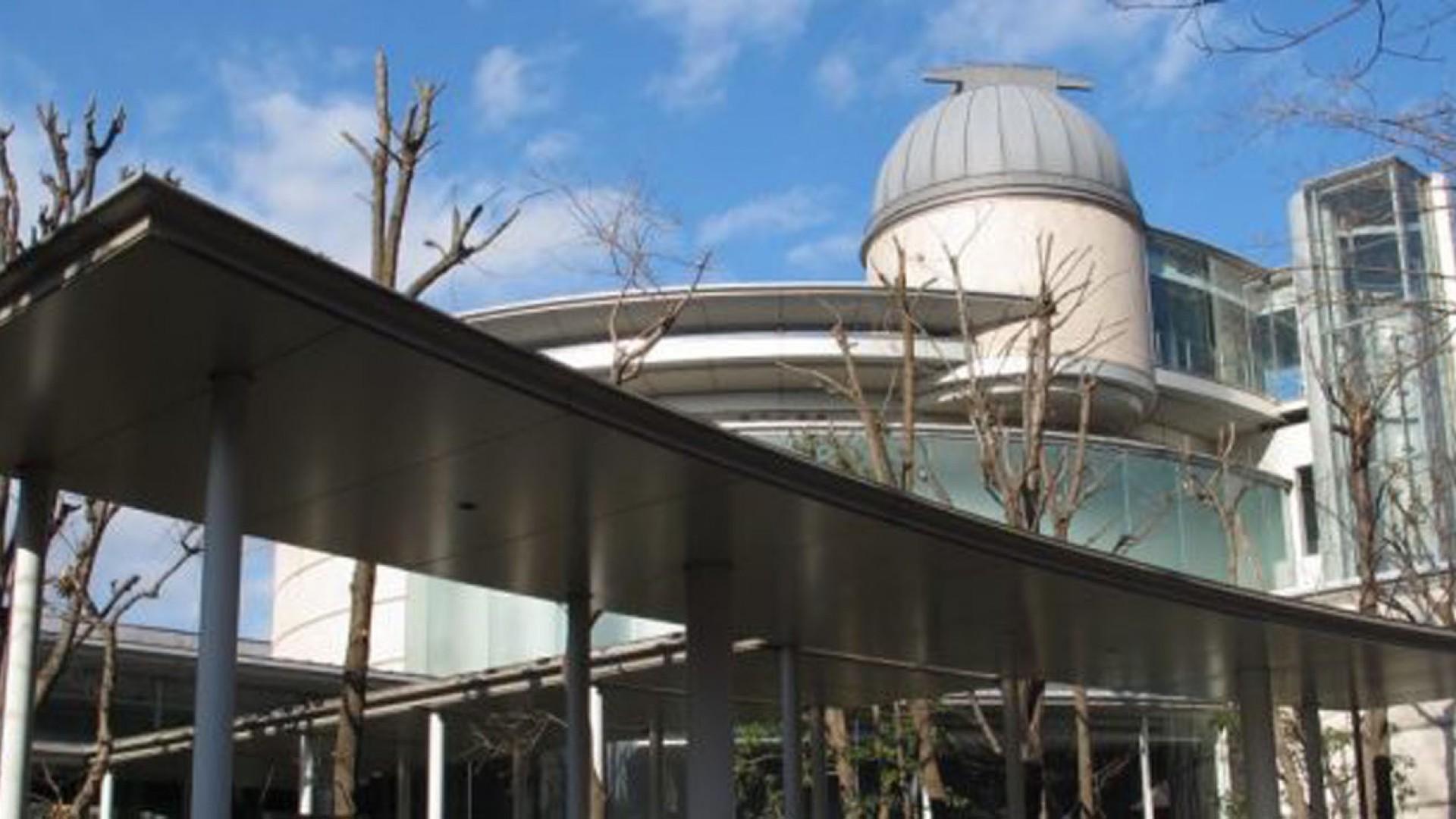
Since its opening in 1995, the Sagamihara City Museum has been a beloved community institution serving as a comprehensive museum dedicated to the history and nature of Sagamihara City. By 2024, its total number of visitors topped 3.5 million. Through its collaboration with the adjacent JAXA Sagamihara Campus, the museum has hosted a number of world-first exhibitions, including the return capsule of asteroid probe "Hayabusa" in July 2010 and "Hayabusa 2" in March 2021. Futhermore, the July 2025 reopening unveiled the renovated planetarium, offering the world's first experience of viewing one billion stars simultaneously, in 8K video.