

Greater Tokyo

See & Do

reset
Hase-dera Temple

Hase-dera Temple

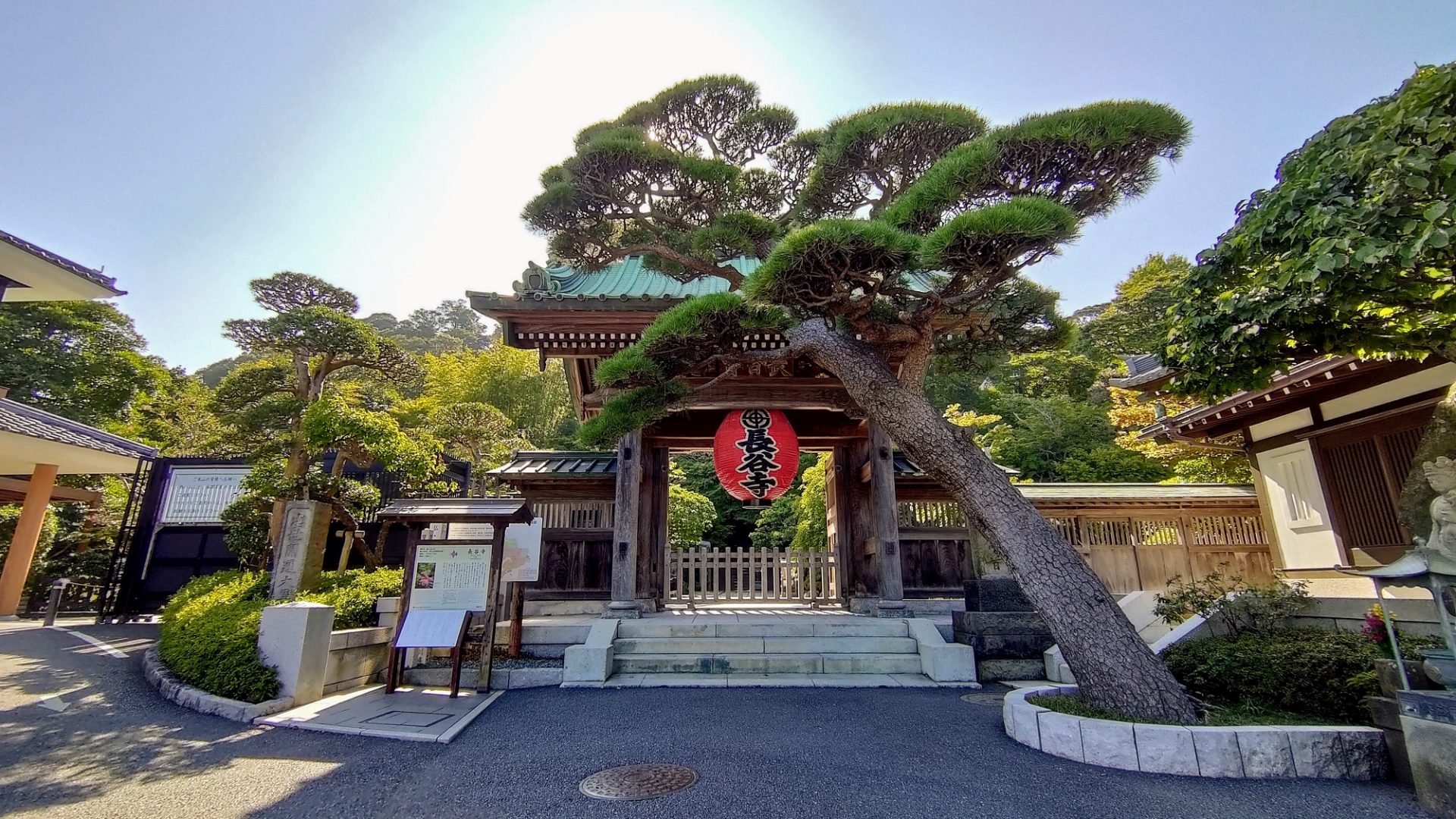
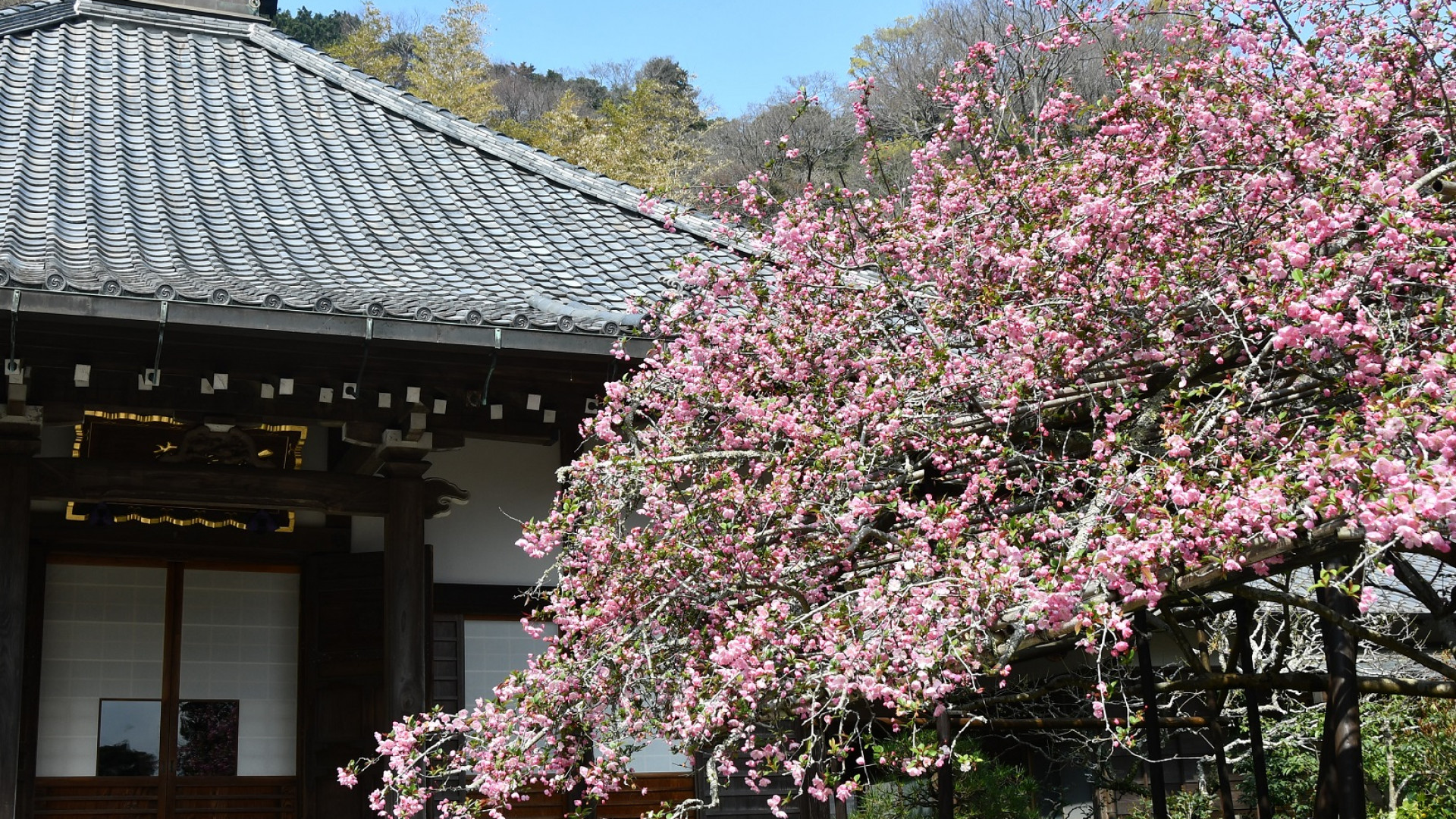
Hasedera Temple is a famous historical temple that enshrines the statue of Hase Kannon as its principal deity. The main temple building houses the Kannon Museum, a garden, and offers visitors a chance to become familiar with the scenic beauty of Kamakura. The solemn "Kannon-do" and the temple grounds surrounded by beautiful trees and ponds, and lanterns distributed to visitors, encase the area in a beautiful lights that offers a sense of connection. A private tour of the temple grounds is also held by the priests of Hasedera Temple. In addition to the guided tours of the Keidai required sites, visitors will be show through the museum and also have the opportunity to visit Kannon in the main hall up close and personal.Originally established in 736 when the Kannon stature was said to have washed ashore, the most recent construction dates back to 1985.Enjoy a panoramic view overlooking Kamakura's coastal city while taking a leisurely break.Opened in 1980, the Kannon Musem exhibits the Kannon Bodhisattva, the principal mage of Hasedera Temple, as well as many other ancient artefacts.According to legend, the nine-meter wooden statue of the Kannon (goddess of mercy) you can see here was carved in 721 CE in Nara, then cast into the sea, washing up in 736. In June and July, colourful hydrangeas bloom around the temple.The precincts with the majestic Kannon-do hall and lovely trees and ponds are enveloped in a light that “connects,” like the lanterns given to those who visit.

Temples & Shrines Koshu kaido Tokaido KANAGAWA
Tounodake

Tounodake

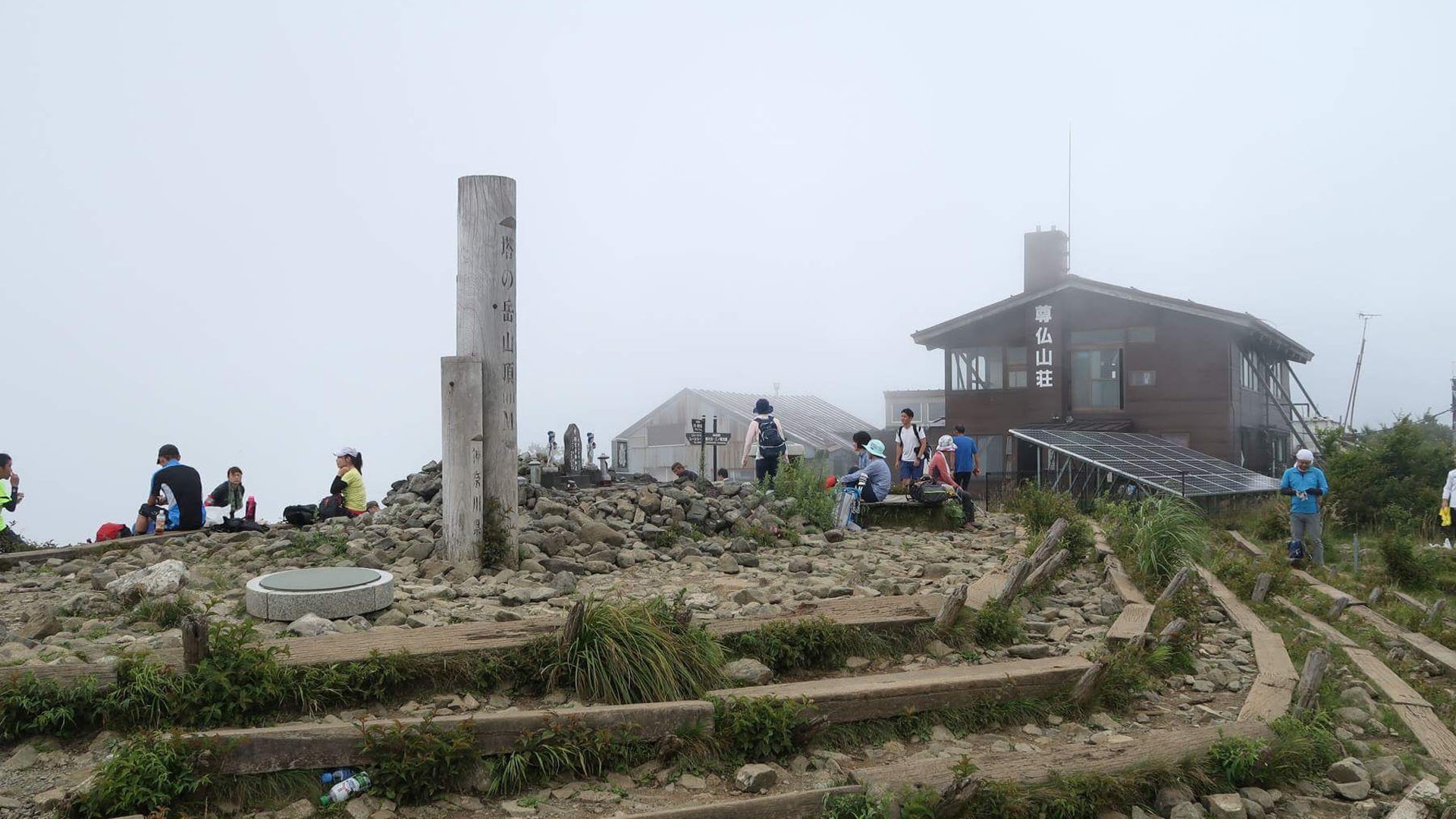
“Tonodake”, the most popular climbing spot in the Tanzawasan area, is known as the roof of Kanagawa Prefecture and boasts an elevation of 1,491 meters. Many climbers visit the mountain from early in the morning. There are a variety of routes that can be enjoyed by both beginners and advanced climbers. Once you reach the summit, a 360-degree panoramic view will refresh both your mind and body.Early morning trekking allows you to enjoy a special experience with fewer people and clear air.

Nature & Views Tokaido Koshu kaido KANAGAWA
Tahara-Furusato Park: Soba Restaurant Shinonome

Tahara-Furusato Park: Soba Restaurant Shinonome

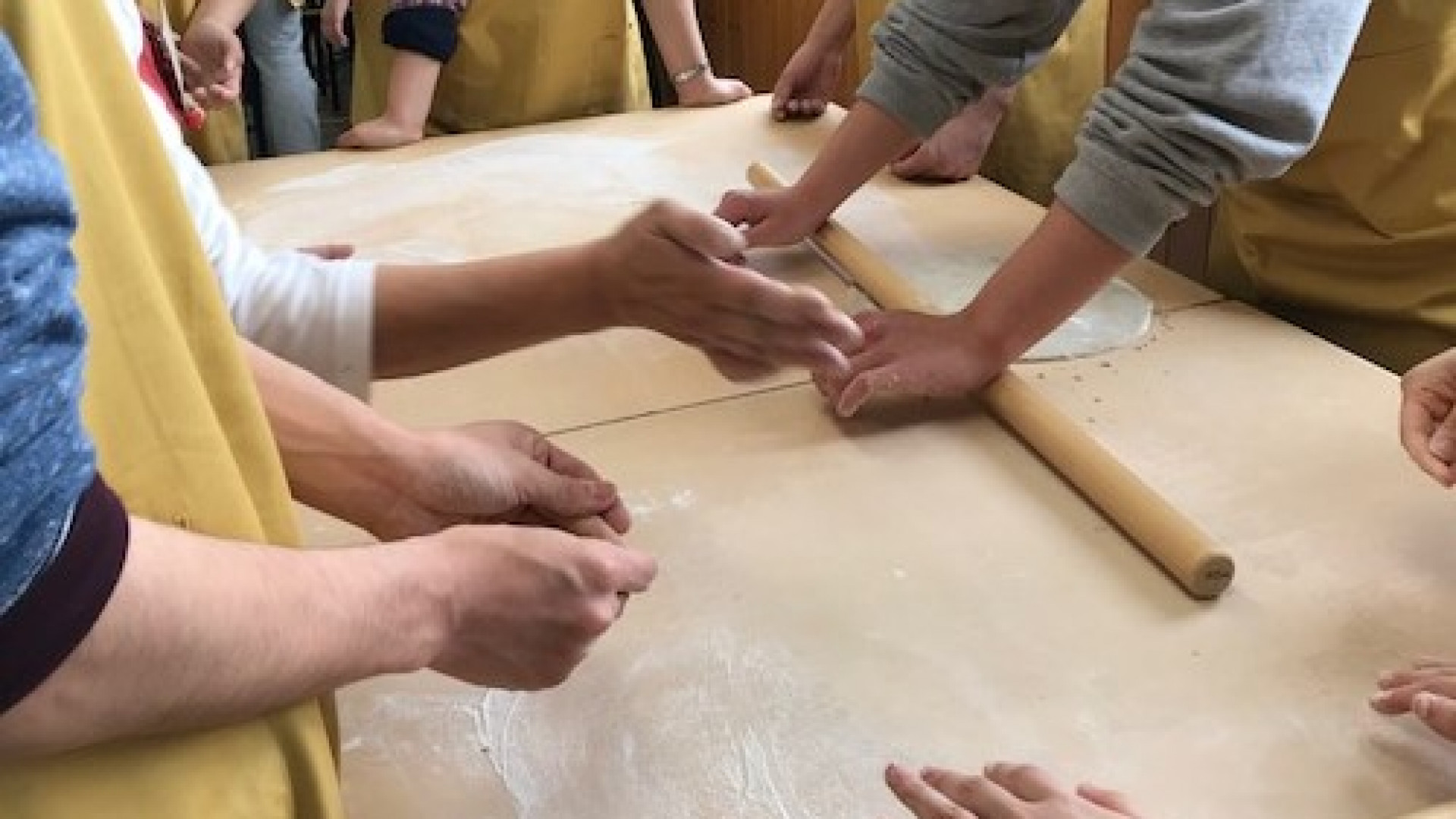
You can experience making soba here even if you don't go to Nagano (known as Shinshu in the past). In the soba restaurant Shinonome next to the workshop, you can enjoy the unique taste of the soba you made, be it with friends, family, or even by yourself! Furusato Park is surrounded by rice fields and farms and has a water mill as well. It is also well-known for its farmers market which sells vegetables freshly harvested on the day.

Eat & Drink Tokaido Koshu kaido KANAGAWA
Shonandai Cultural Center Children’s Museum

Shonandai Cultural Center Children’s Museum

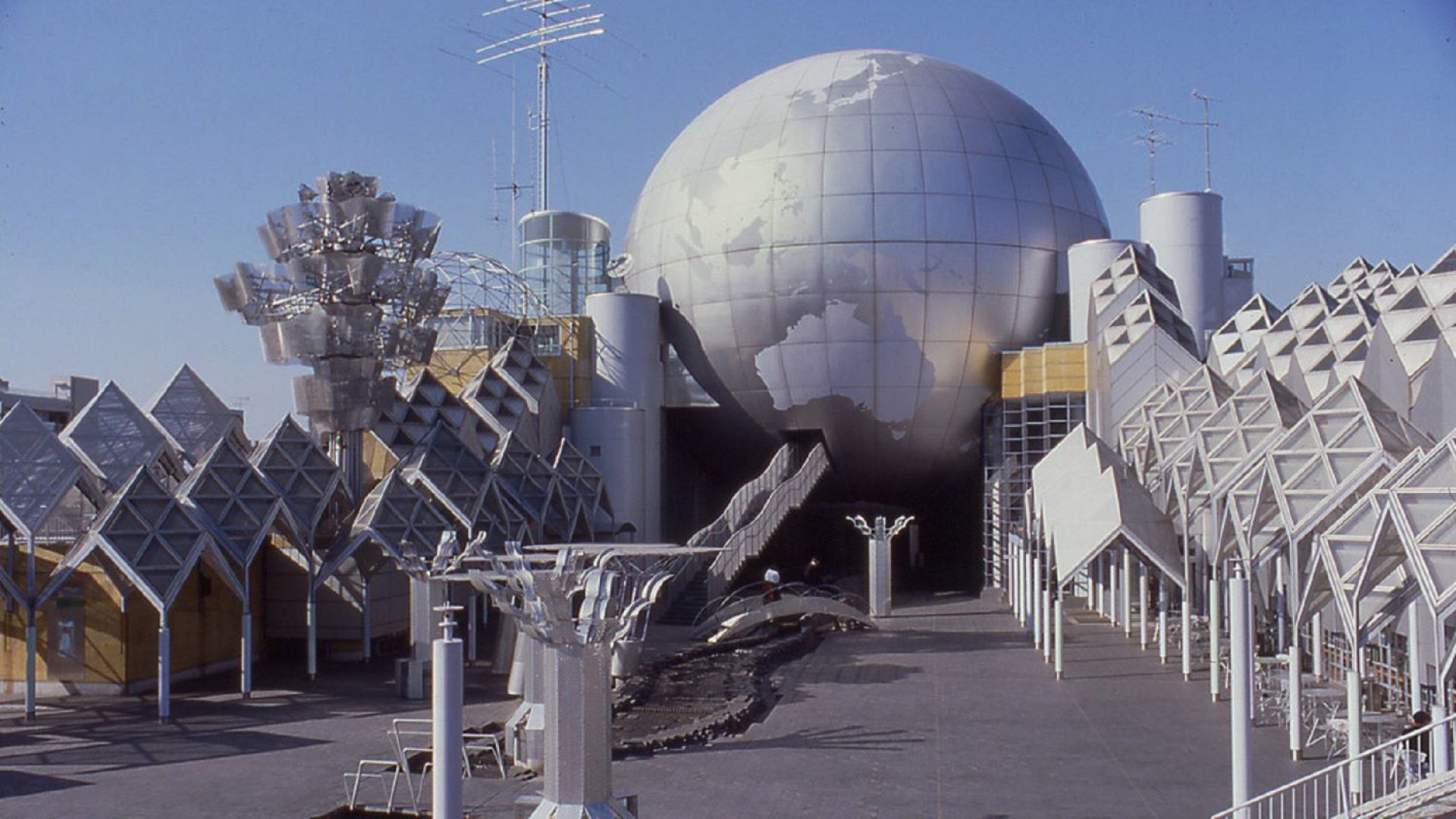
The Shonandai Cultural Center is a large facility with unique buildings such as a large globe, a civic theater and children's hall, and a community center. The children's museum has an exhibition hall where children can learn hands-on while having fun playing with toys from around the world and ethnic musical instruments. We also offer a planetarium with live commentary, a “space theater” with realistic full-dome movies, and a workshop room where many workshops are held.

Culture & Arts Tokaido Koshu kaido KANAGAWA
Sagamiko ILLUMILLION

Sagamiko ILLUMILLION

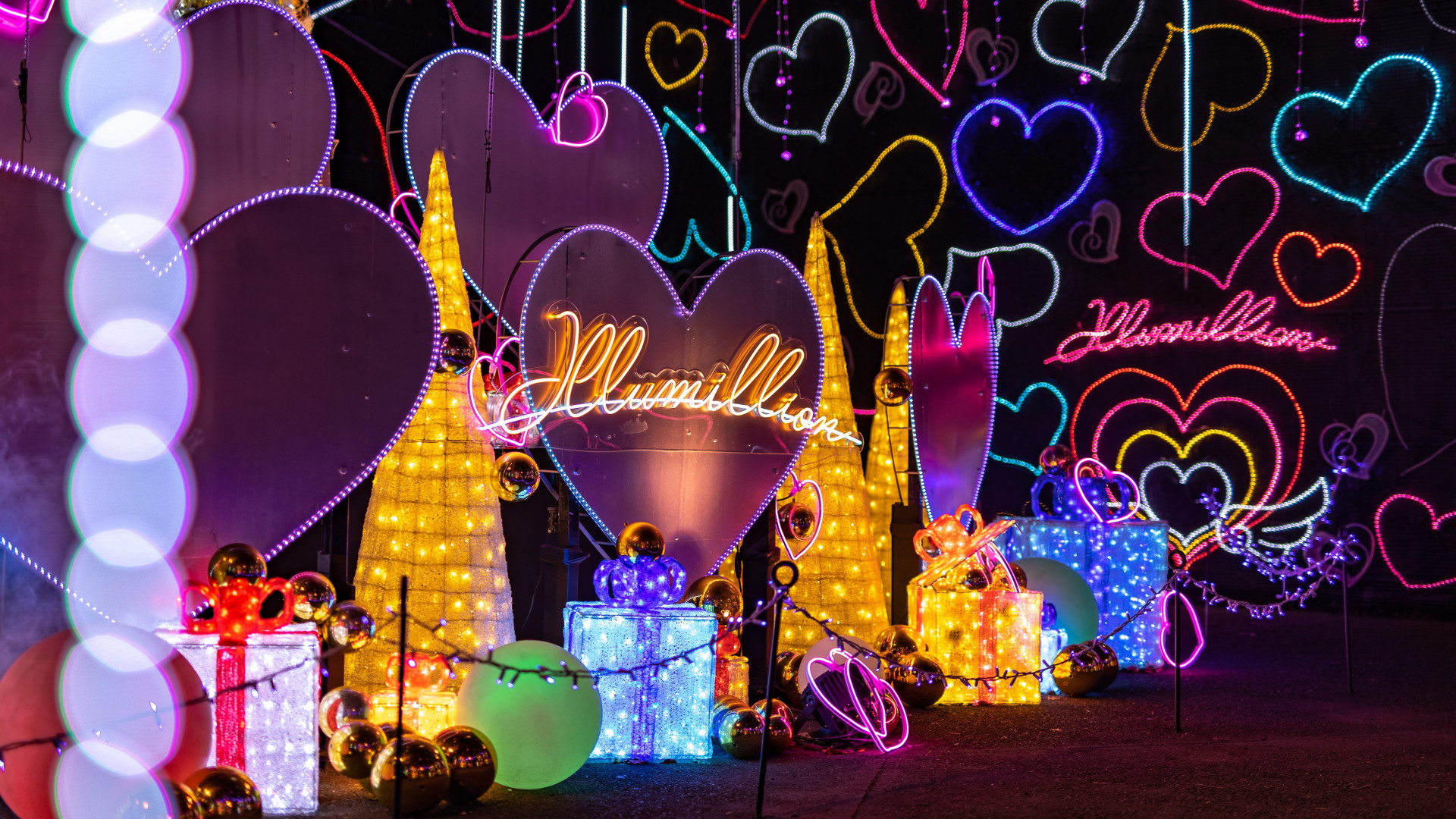
Sagamiko Illumillion is Kanto's largest illumination event with 6 million shining orbs. It is also certified as one of the three major illuminations in the Kanto region.For a memorable and less rushed experience stay overnight at PICA Sagami Lake (formerly known as the Paddington Bear Campground), which is located on Sagamiko Resort MORIMORI grounds. This facility is filled with quaint cabins and a nearby barbeque area where you can cook and purchase ingredients on-site.An illumination event at the Sagamiko Resort MORIMORI outdoor complex. It is certified as one of Kanto’s top three illumination events.

Culture & Arts Koshu kaido Tokaido KANAGAWA
Spring Mashiko  Pottery Fair

Spring Mashiko Pottery Fair

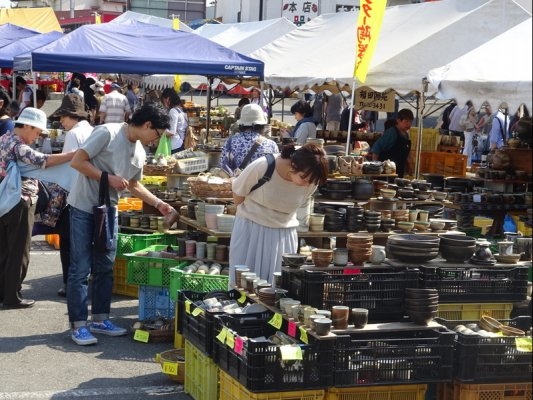
The Pottery Fair have been held twice a year since 1966.Once in the spring during Japan’s Golden Week Holiday, and once in the fall around November 3rd. There are about 50 shops and as many as 550 tents set up selling pottery. There is a great variety of pottery sold from traditional Mashiko pottery, such as vases and pots to articles for daily use like cups and plates. The Pottery Fair provides a great chance to enjoy talking with young artists and local potters in the shops and tents. Besides pottery, freshly-harvested vegetables grown in Mashiko and some other speciality items from the region are big attractions of the fair. Every year about 600,000 people come to enjoy the fair.

Oshu kaido Nikko kaido TOCHIGI
Iiyama Hakusan Forest Park Observatory

Iiyama Hakusan Forest Park Observatory

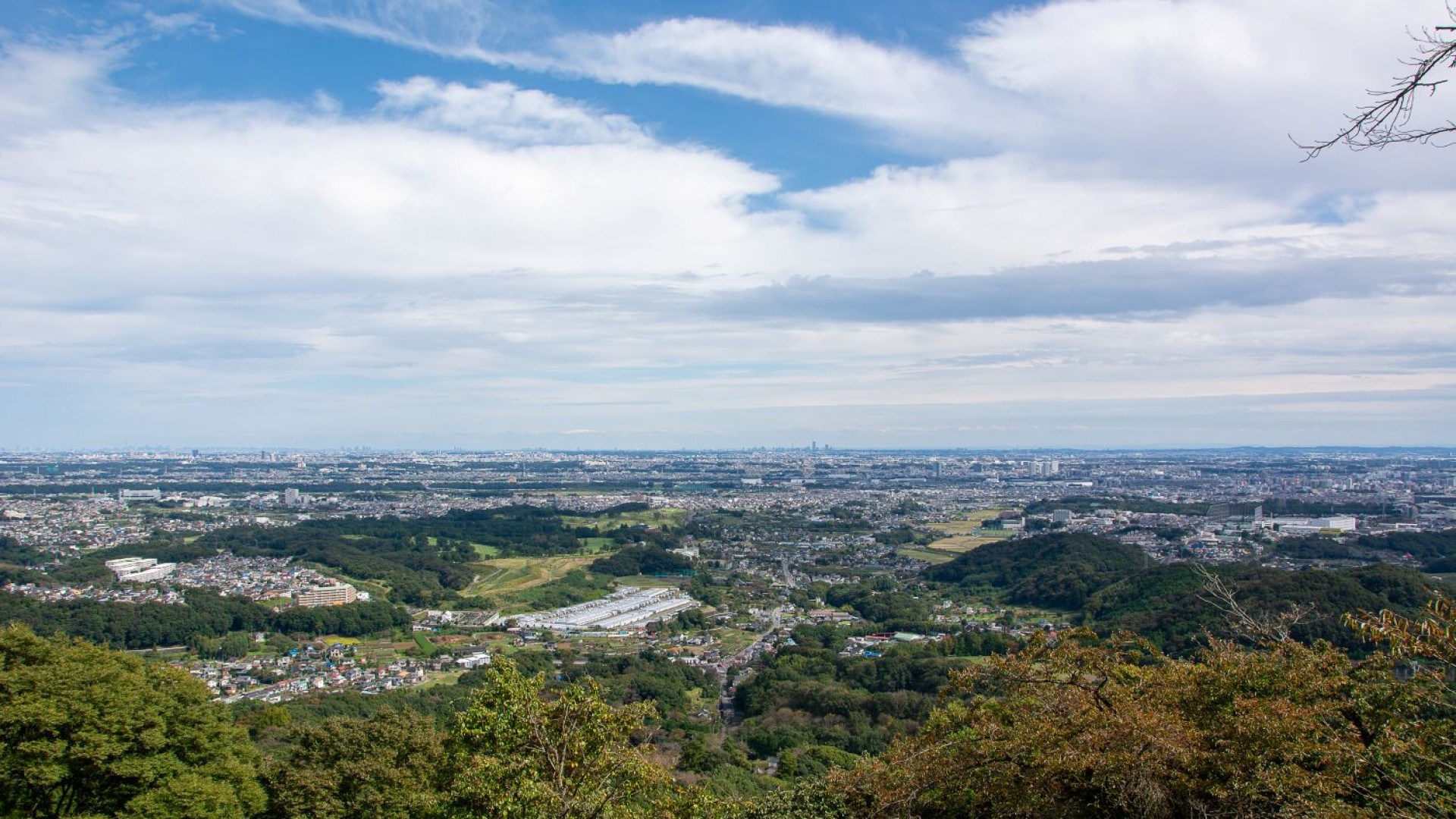
From Iiyama Kannon Chokokuji Temple it is about a 25 minute climb to reach the Hakusan Observatory. It is located at the top of Hakusan Mountain on the Hakusan Hiking Course and Hakusan Jyunrei Toge Hiking Course routes. The panoramic view from the 284-meter-high observatory includes Yokohama Minato Mirai on the right, Shinjuku buildings and Tokyo Sky Tree in front, and Mount Tsukuba on the left. We hope you will enjoy the breathtaking and inspiring view.

Nature & Views Tokaido Koshu kaido KANAGAWA
Seven Lucky Gods Meguri

Seven Lucky Gods Meguri

Previously located in the south of Hadano City, Minami Hadano Village, is home to many historic temples and shrines, as well as many spring water spots. Please feel free to visit the nine temples and shrines, some of which include the Seven Gods of Good Fortune plus cranes and turtles, to gather good fortune and enjoy a relaxing time. A special red seal map is available at each spot and at the Hadano Station Tourist Information Center, and visitors who collect all the red seal stamps on the map will receive a prize for completing the tour.

Culture & Arts Tokaido Koshu kaido KANAGAWA
Jogashima

Jogashima

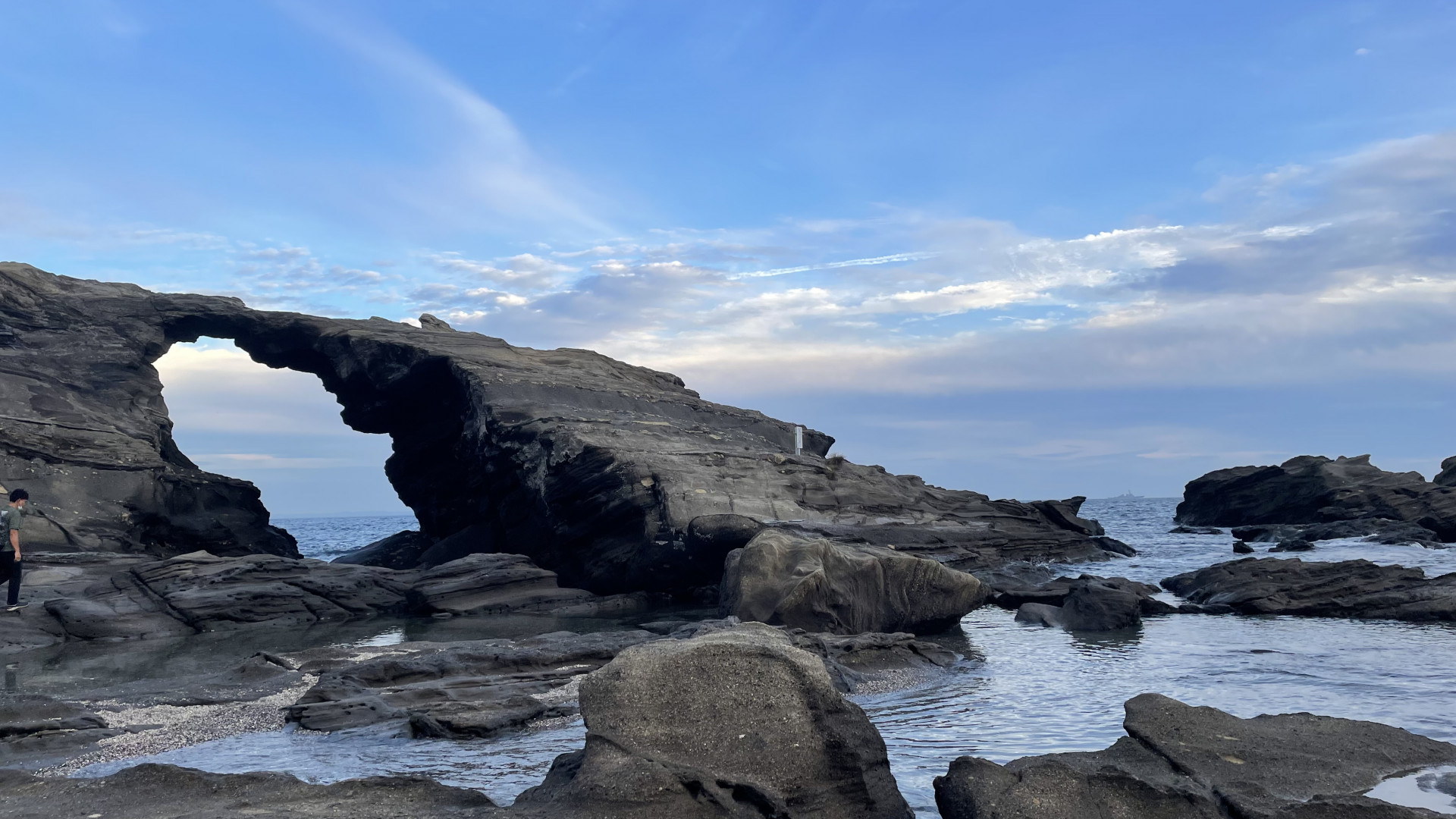
The island has been listed as a two-star destination in the revised third edition of Michelin Green Guide Japan. It has many scenic spots, with the southern hiking course offering views of the majestic Pacific Ocean and the strangely-shaped rock ‘Horseback Cave Mouth', while on the western part of the island, you can see views of Mt. Fuji over Sagami Bay. In addition, about 700,000 double-flowered daffodils planted all over the island are at their best from mid-January to early February.The southern part of Joagashima features untouched nature. Jagged cliffs hang over the white and blue waves, creating a remarkable landscape. It is also home to hiking trails and is a dream site for hikers and photographers alike. On the south side of the island you can find Jogashima Park. The park has an observatory, a picnic area, and a 16-meter-tall green lighthouse with a vegetable motif, the Awasaki Lighthouse. The gorgeous cliffs make a perfect place for hiking and resting.Jogashima is a wonderful place to visit at any time of the year. In particular, from mid-January to mid-February, approximately 700,000 double-layered daffodils are in full bloom. You can also observe the Japanese cormorant, which is designated a protected species by Kanagawa Prefecture.

Nature & Views Tokaido Koshu kaido KANAGAWA