


Greater Tokyo

See & Do

reset
Lacquer Workshop, NAMIKI (PILOT)

Lacquer Workshop, NAMIKI (PILOT)

Pilot Corporation, known today for the pens, created a high-end fountain pen utilizing Maki-e lacquer techniques in 1926 (Taisho 15). Later, the Kokkokai (a group of Maki-e artisans) was founded with living national treasure Maki-e artisan, Gonroku Matsuda, as its center. As a result, the ancient Japanese art of Maki-e has been preserved for over 100 years. Today, the workshop is in a brick building in Hiratsuka, which previously housed the former Second Navy Ammunitions Arsenal. The history of Maki-e-lacquered fountain pens and lacquered pieces are part of the exhibit.

Experience & Activities Tokaido Koshu kaido KANAGAWA
Salon de Thé Rosage, a dessert restaurant at Odakyu Hotel de Yama

Salon de Thé Rosage, a dessert restaurant at Odakyu Hotel de Yama

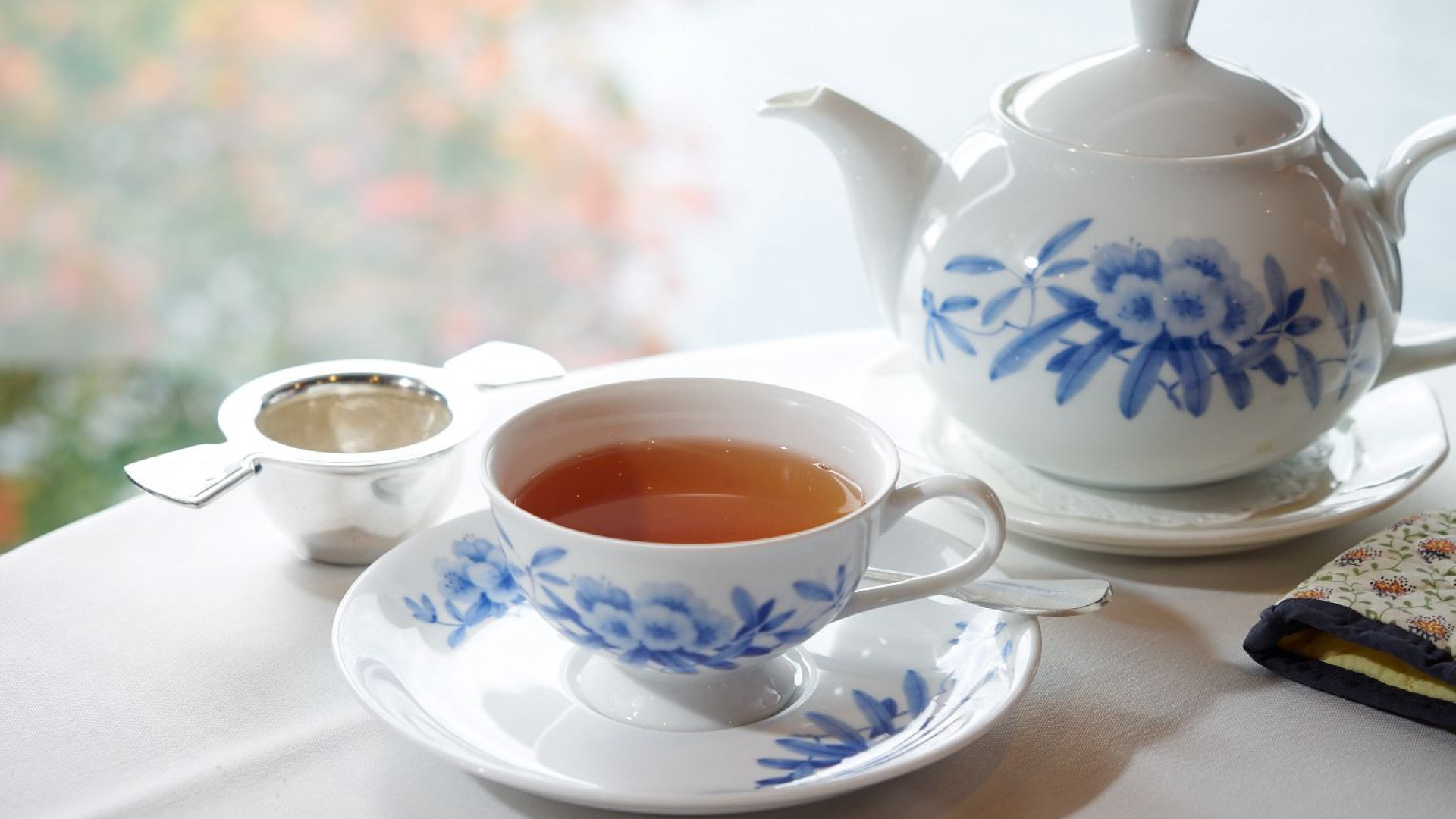
Salon de Thé Rosage, located on the shores of Lake Ashi in Hakone, is a dessert restaurant serving delicious tea, sweets, and light meals. When the weather is good, you can enjoy an elegant tea time on terrace seating savoring tea and desserts alongside the breeze of Lake Ashi. Certified as a cafe with delicious tea by the Japan Tea Association, this restaurant offers over 15 varieties of tea leaves selected meticulously by the tea instructors. Pair your tea with traditional apple pie, seasonal limited-edition sweets, and light lunch plates during lunchtime. Come indulge yourself with a luxurious moment aside Lake Ashi!

Eat & Drink Tokaido Koshu kaido KANAGAWA
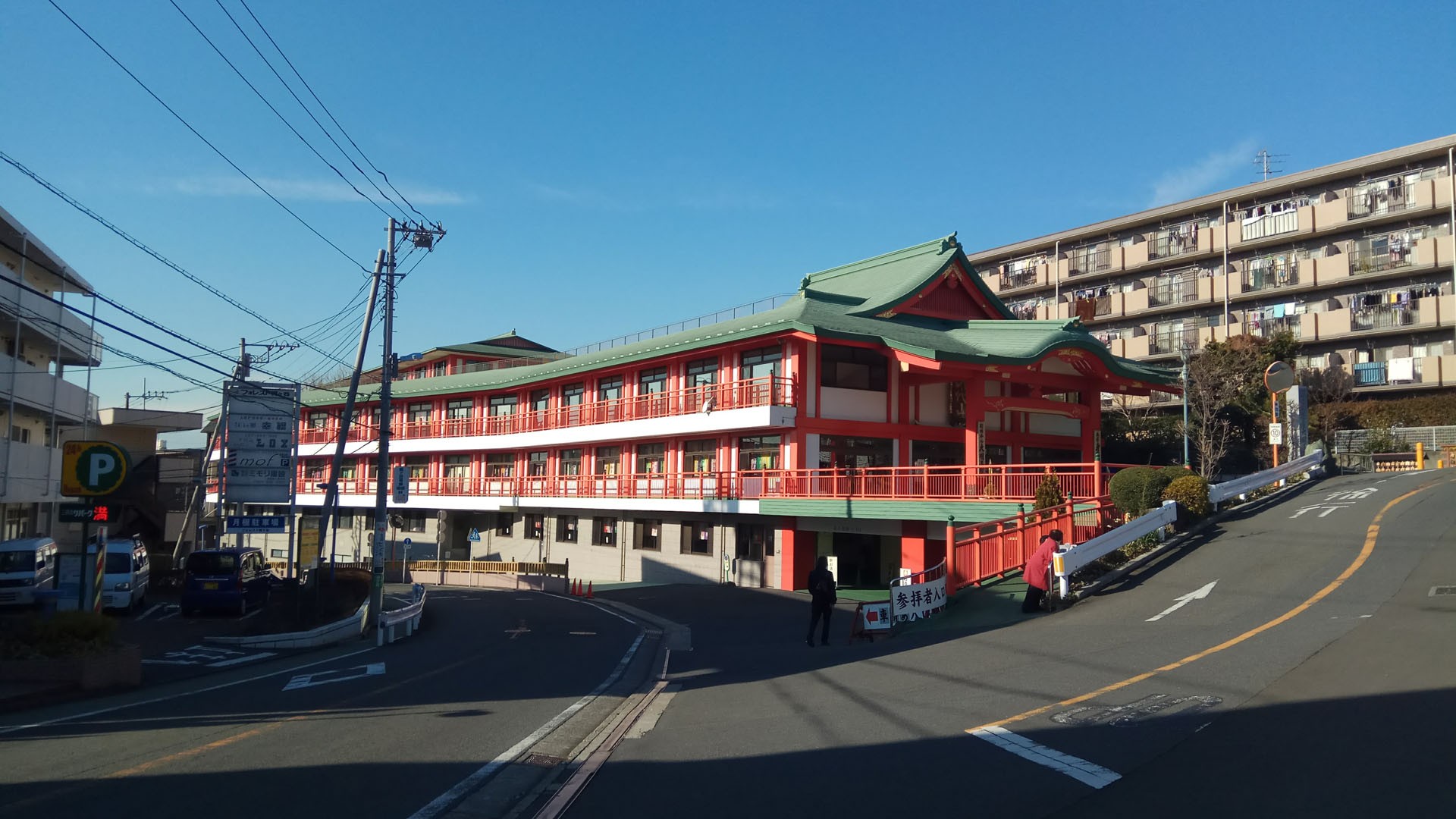
Migawari Fudoson Kawasaki Honzan

Migawari Fudoson Kawasaki Honzan

During the outbreak of an epidemic in Ebara-gun, Musashi Province, in the Genroku era (1688-1704), Yuten Shonin (a holy priest), who was on pilgrimage, taught the local people to revere Acala, a fierce Buddhist deity. Once they began to worship Acala the plague disappeared. Migawari Fudoson Temple began when one of its halls was built to enshrine Acala in order to give thanks for such a miracle. Nowadays, worshippers visit all year round in order to pray for traffic safety and to ward off evil. Visitors can also pray at the temple for family safety, business prosperity, academic success, and general good luck. The main temple is in Kawasaki City in Kanagawa Prefecture, with branches in Atami City, Shizuoka Prefecture, Yokohama City, Kanagawa Prefecture, and Suginami City, Tokyo.

Temples & Shrines Koshu kaido Tokaido KANAGAWA
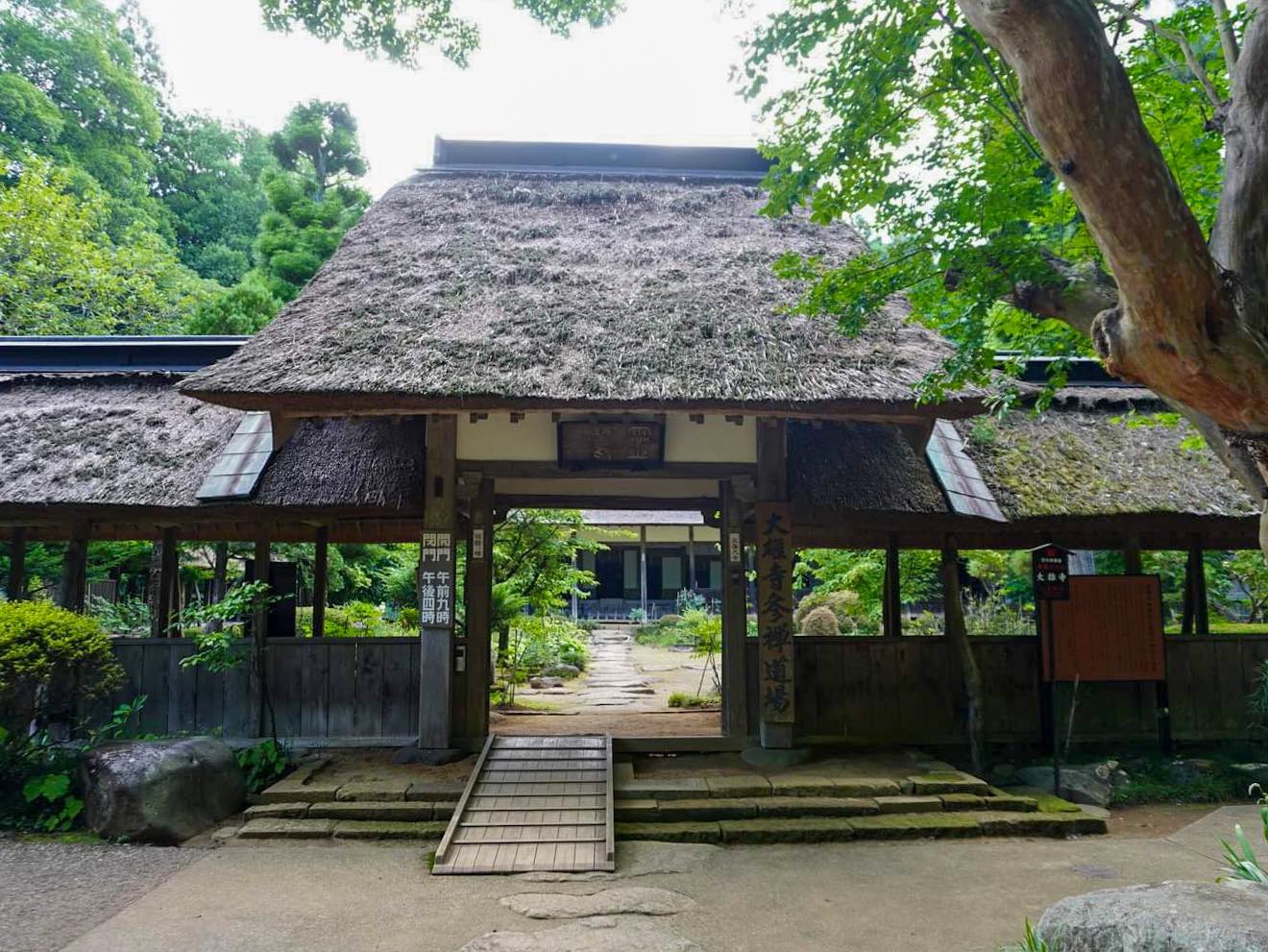
Daioji

Daioji

A famous temple built in Muromachi period Daioji Temple belongs to Soto Zen and has over 600 years history. Buildings in the temple are almost thatching that remain the Muromachi architectural style, 7 of these are designated as Important Cultural Properties of Japan. This temple is nearby the Kurobane Castle Park, and was protected by Ozeki clan who ruled Kurobane domain during Edo period.   16 Arhat Statues that have different expressions Walking on Daioji Temple’s stone steps, visitors can find 16 Arhat Statues stand around the step. Each of them has different expression, such as laughing, looking angry or shouting.These statues was built in 1995 for celebrating the 600 anniversaries of Daioji Temple.   Have a Zazen experience in Zen monastery Visitors can try a Zazen experience without any cost at Daioji Temple. If you are interested in Japanese traditional culture, no matter where you from, which religion you belong, everyone is welcomed to experience. All experiences in Daioji Temple need reservation. Make sure you take reservation at least 1 week before your visiting.

Nikko kaido Oshu kaido TOCHIGI
Yudate Lion Dance (Sengokuhara)

Yudate Lion Dance (Sengokuhara)

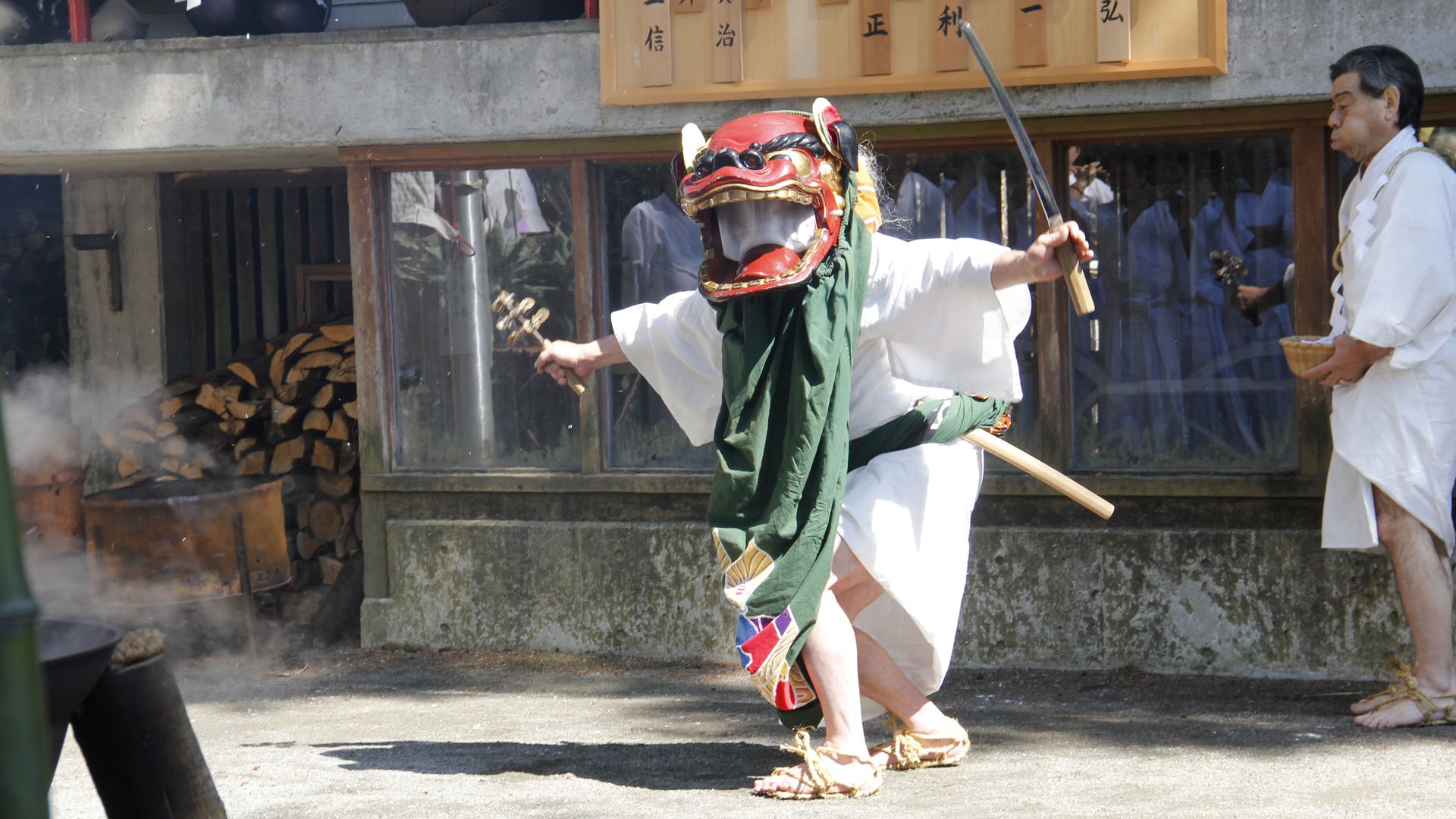
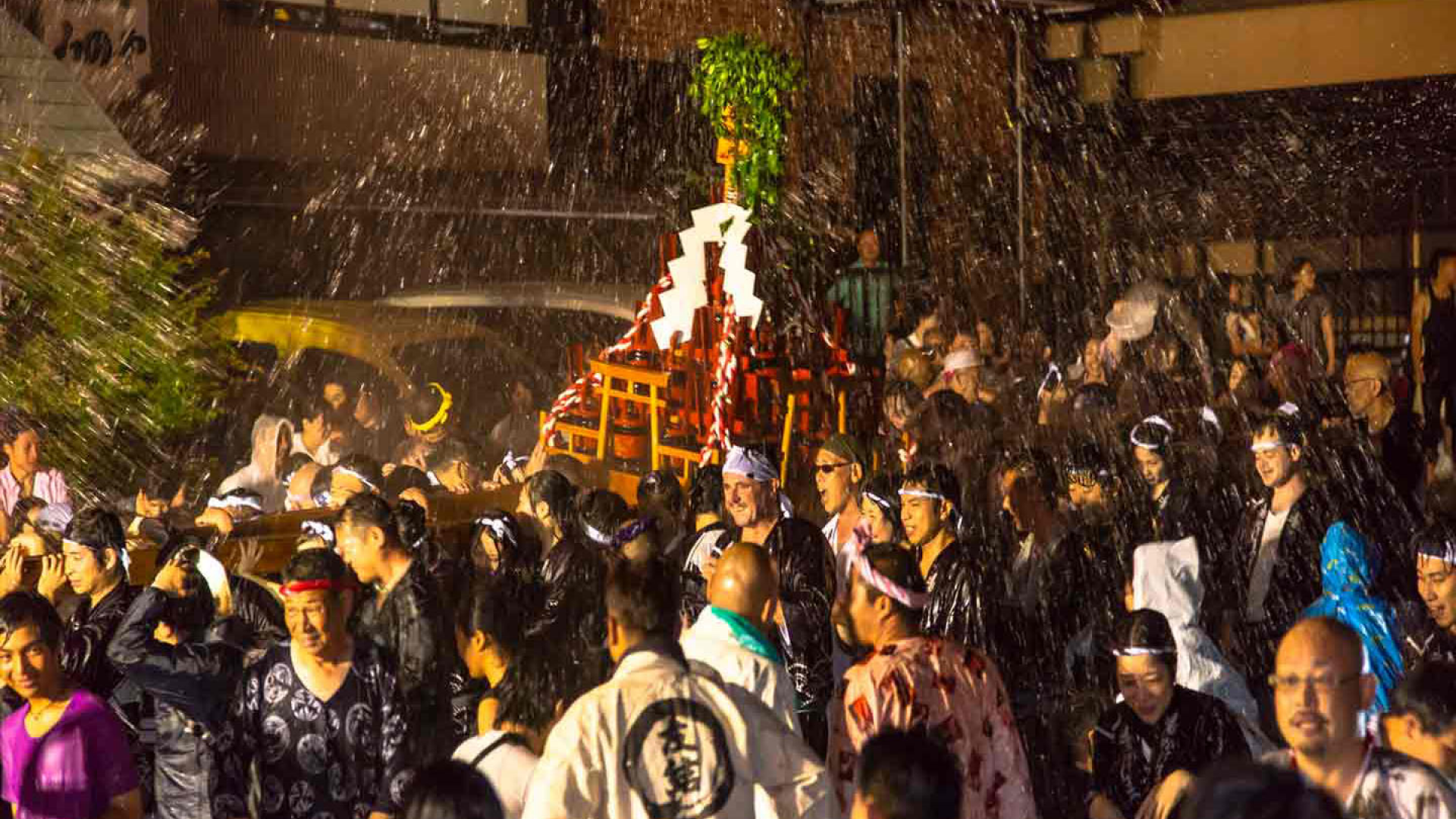
Yudate Kagura is a traditional event was handed down in 1776. While the Shinto ritual of yudate exists throughout Japan, it is not so common for it be carried out by a lion. Praying for sound health, peace and prosperity in the household, and bumper crops, the lion stirs boiling water with bamboo grass, and purifies the worshippers by sprinkling them with the water, warding off pestilence. While being selected as a national Intangible Folk Cultural Property, it is also designated as Yudate Shishimai, an Important Intangible Cultural Property of Kanagawa Prefecture.

Culture & Arts Tokaido Koshu kaido KANAGAWA