

Greater Tokyo

See & Do

reset
Kanagawa Prefectural Museum of Cultural History

Kanagawa Prefectural Museum of Cultural History

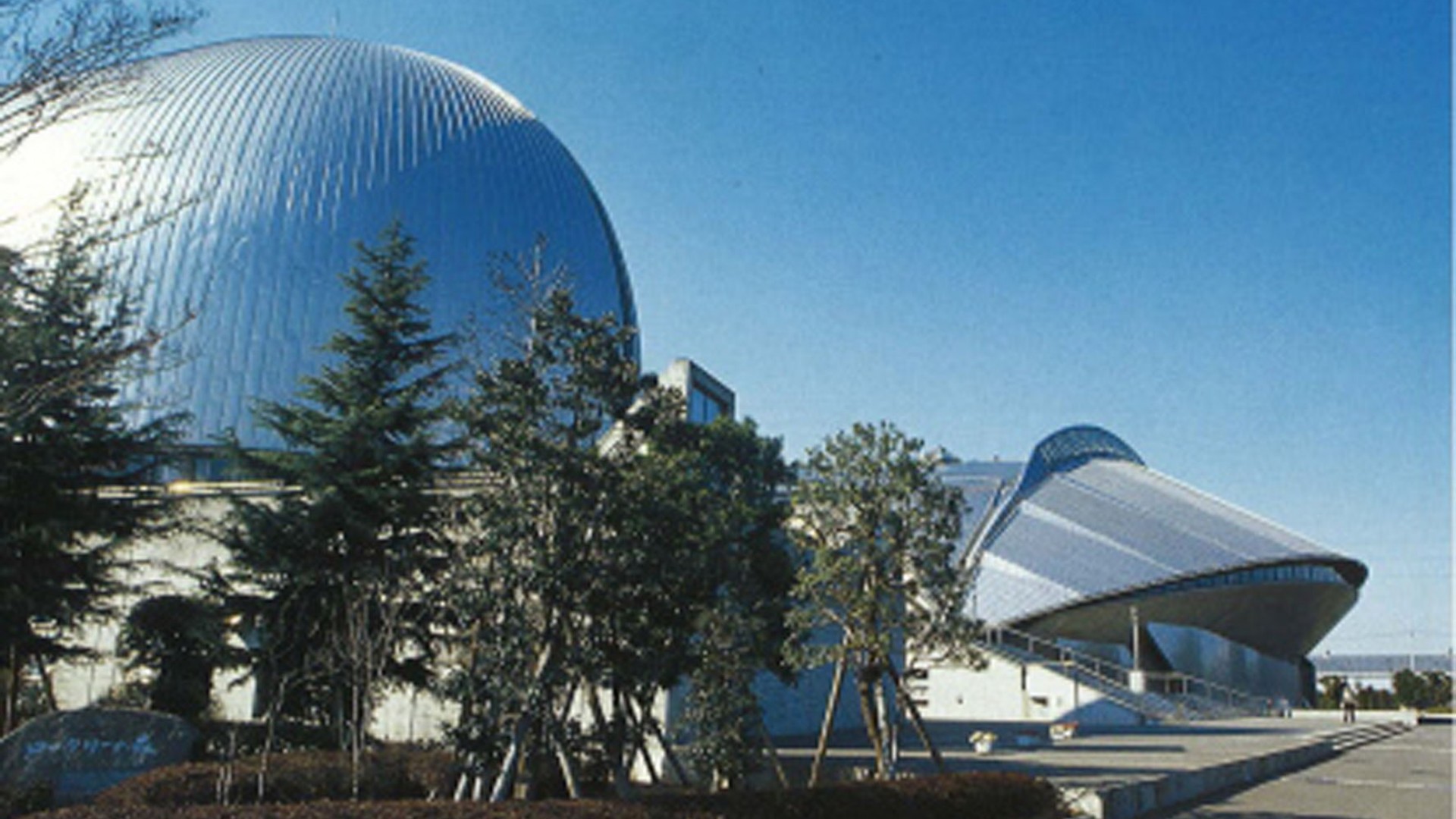
This place is temporarily closed. Please check the official website on reopening, operational information and more.This comprehensive themed permanent exhibit divides the history of Kanagawa into five eras. From ancient times and the Middle Ages to the Yokohama port opening and modernization, the exhibit looks at various historical perspectives under the theme of modern and traditional Kanagawa, taking into account people's lives and beliefs, political and economic changes, the influence of foreign cultures, etc. In addition, we regularly hold special exhibitions that are different from the permanent exhibits based on the research results of curators. Special exhibitions are held based on materials in the museum and collection exhibitions.

Culture & Arts Tokaido Koshu kaido KANAGAWA
Daiyūzan Saijo-ji Temple

Daiyūzan Saijo-ji Temple

Founded in 1394 by Soto Zen monk Ryoan Emyo Zenji, this ancient temple is a Soto sect training center renowned as one of the sect's three major prayer temples. Its natural beauty changes with the seasons, with its autumn foliage illuminated at night for seasonal viewing. Prayer services, zazen meditation experiences, and shojin-ryori vegetarian cuisine are available (reservation required). Temple legends feature tengu (mountain bird-like goblins), and the main hall enshrines the world's largest iron geta (wooden clogs).A unique aspect of this temple is its larger than life geta. These wooden sandals are left out for the tengu, winged spirits, that guard the temple grounds. The shoes vary in size, and some are even as tall as humans. Be sure not to miss this popular photography spot!One of the most sacred places in the Kanto region. Zen meditation sessions are held every second and fourth Sunday and Buddhist statue carving lessons every second and fourth Saturday of the month. There are spiritual spot tours around the grounds and other events as well.

Temples & Shrines Koshu kaido Tokaido KANAGAWA
Yudate Lion Dance (Sengokuhara)

Yudate Lion Dance (Sengokuhara)

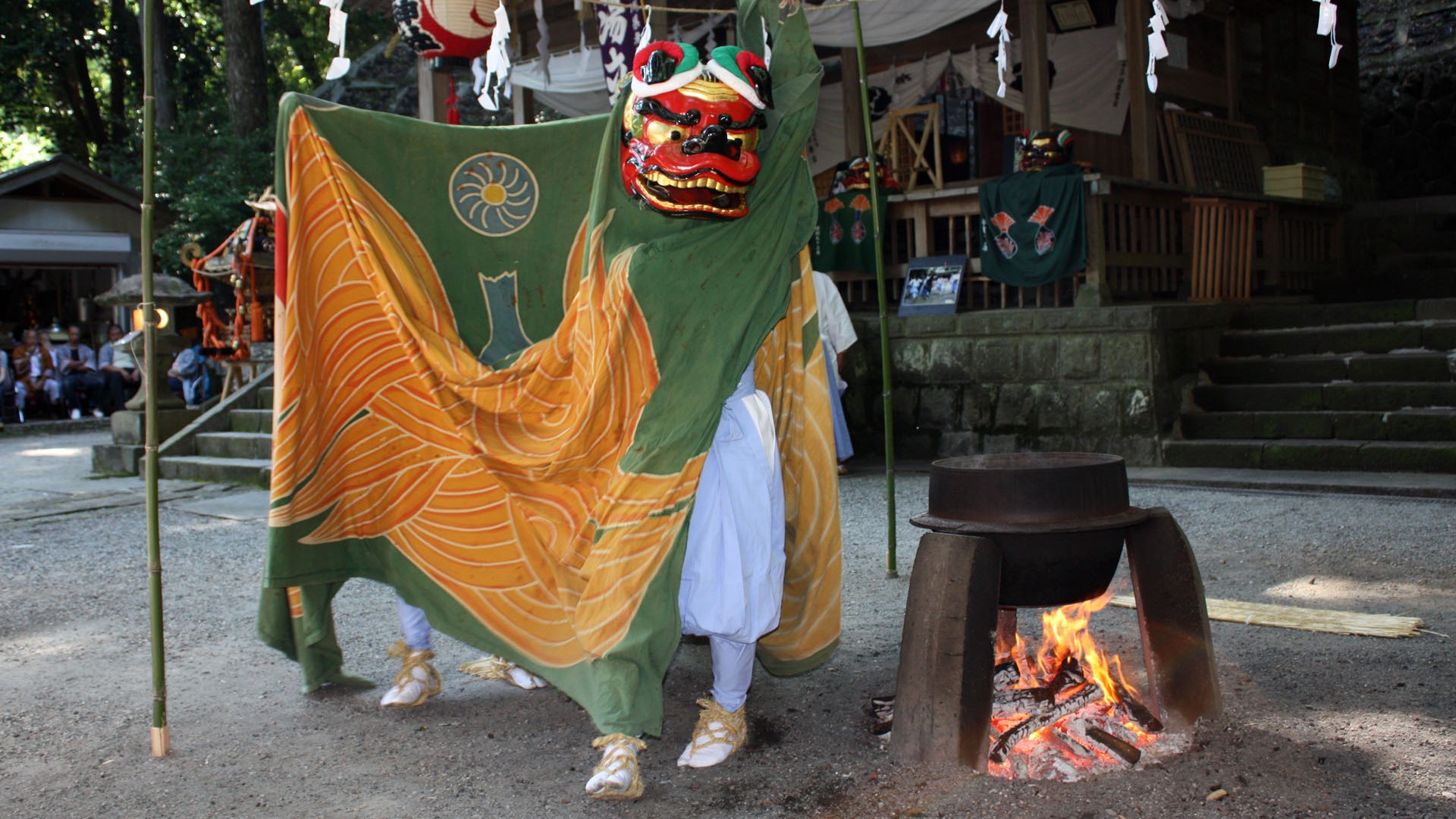
Yudate Kagura is a traditional event was handed down in 1776. While the Shinto ritual of yudate exists throughout Japan, it is not so common for it be carried out by a lion. Praying for sound health, peace and prosperity in the household, and bumper crops, the lion stirs boiling water with bamboo grass, and purifies the worshippers by sprinkling them with the water, warding off pestilence. While being selected as a national Intangible Folk Cultural Property, it is also designated as Yudate Shishimai, an Important Intangible Cultural Property of Kanagawa Prefecture.

Culture & Arts Tokaido Koshu kaido KANAGAWA
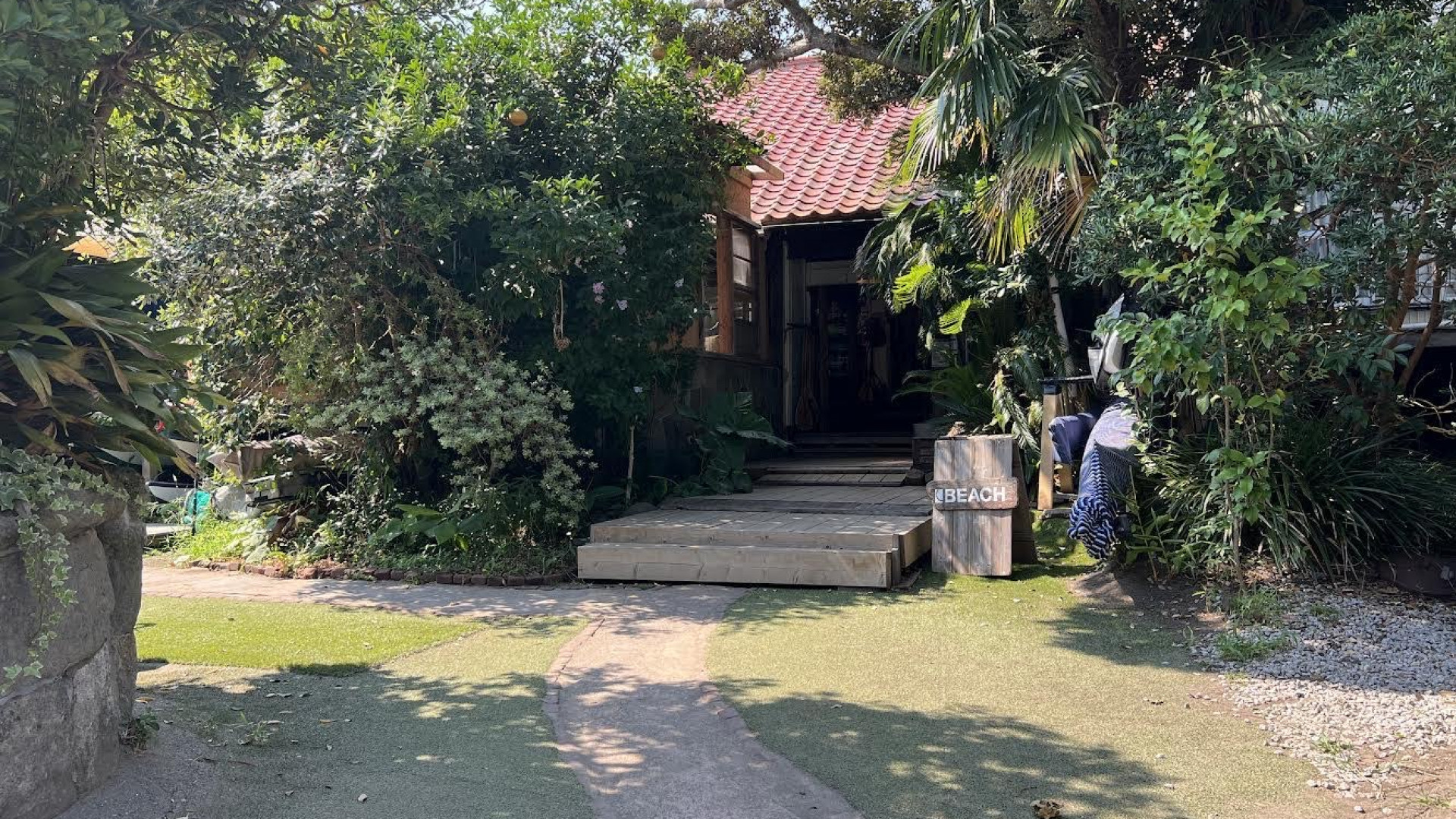
Tsurugaoka Hachimangu

Tsurugaoka Hachimangu

Alongside Usa and Ishimizu, Tsuruoka Hachimangu Shrine is one of the major Hachimangu shrines in Japan. In the 6th year of the Kouhei Era (1063), Minamoto no Yoriyoshi returned after subduing the Oshu region and entered Kamakura, where he secretly transferred Ishimizu Hachimangu Shrine to another shrine in Yui Township Tsuruoka near the coast and called it Tsuruoka Wakamiya Shrine. Later in the 4th year of the Jisho Era (1180), Minamoto no Yoritomo entered Kamakura and relocated the shrine to Kitayama in Kobayashi Township (the current site). In the 2nd year of the Kenkyuu Era (1191), the shrine pavilion was built on the hillside of the Mount Daijinyama, and the current spectacular upper and lower palaces were built. Since then, the shrine has been the head of the Kamakura Shogunate's religious order and has been revered as the deity of the Minamoto clan and the guardian deity of the warrior class. The present main shrine was rebuilt in 1828 by Ienari Tokugawa, the 11th shogun of the Edo Shogunate, and is designated as a National Important Cultural Property along with the regent shrine Wakamiya. Deities: Emperor Ojin, Himejin, and Empress Jingu. Regularly held festival day: September 15. The shrine has a Wakamiya regent shrine, Takeuchi Shrine, Maruyama Inari Shrine, Shirahata Shrine, Soreisha Shrine, Hatagami Benzaiten Shrine, and an Imamiya Shrine and Yui Wakamiya Shrine outside of the shrine grounds.An imposing shinto shrine founded in 1063, Tsurugaoka Hachimangu is the spiritual center of Japan's ancient capital Kamakura, so important that the city was built around it. In spring, the 1.8 km approach from the station is lined with vibrant pink cherry blossoms.The best time to visit a shrine is in the morning, so start your day with a visit and breathe in the crisp morning air.

Temples & Shrines Tokaido Koshu kaido KANAGAWA

Raitei

Raitei

Raitei is a restaurant that serves Japanese buckwheat noodles and kaiseki cuisine, where you can enjoy homemade buckwheat noodles and delicious dishes featuring precise techniques and fresh ingredients in a superb location with a view of the Shonan Sea and Mount Fuji. The restaurant building and the mountain gate was built in the Edo period and are 250 to 300 years old. They are designated as national tangible cultural properties. There is also a beautiful Japanese garden with bamboo and plum trees, cherry blossoms, a stone Buddha, and a tea ceremony room. On weekends and holidays, visitors can enjoy a sweet shop and beer garden.

Eat & Drink Tokaido Koshu kaido KANAGAWA

Yokohama Tram Museum

Yokohama Tram Museum

The Yokohama Tram Museum opened on the site of the Takigashira rolling stock factory in 1973, one year after the tram was abolished. In 1983, it was then rebuilt on the first floor of the current municipal housing building. In the hall, stop signs, paving stones and seven tram cars are all preserved as they were at that time, and reproduce the atmosphere of the time when the tram was running.Yokohama was not only the site of the very first rail station in Japan, but also home to a great trolley system. Walk through the many restored cars where you can sit and imagine being transported around the city.

Culture & Arts Tokaido Koshu kaido KANAGAWA
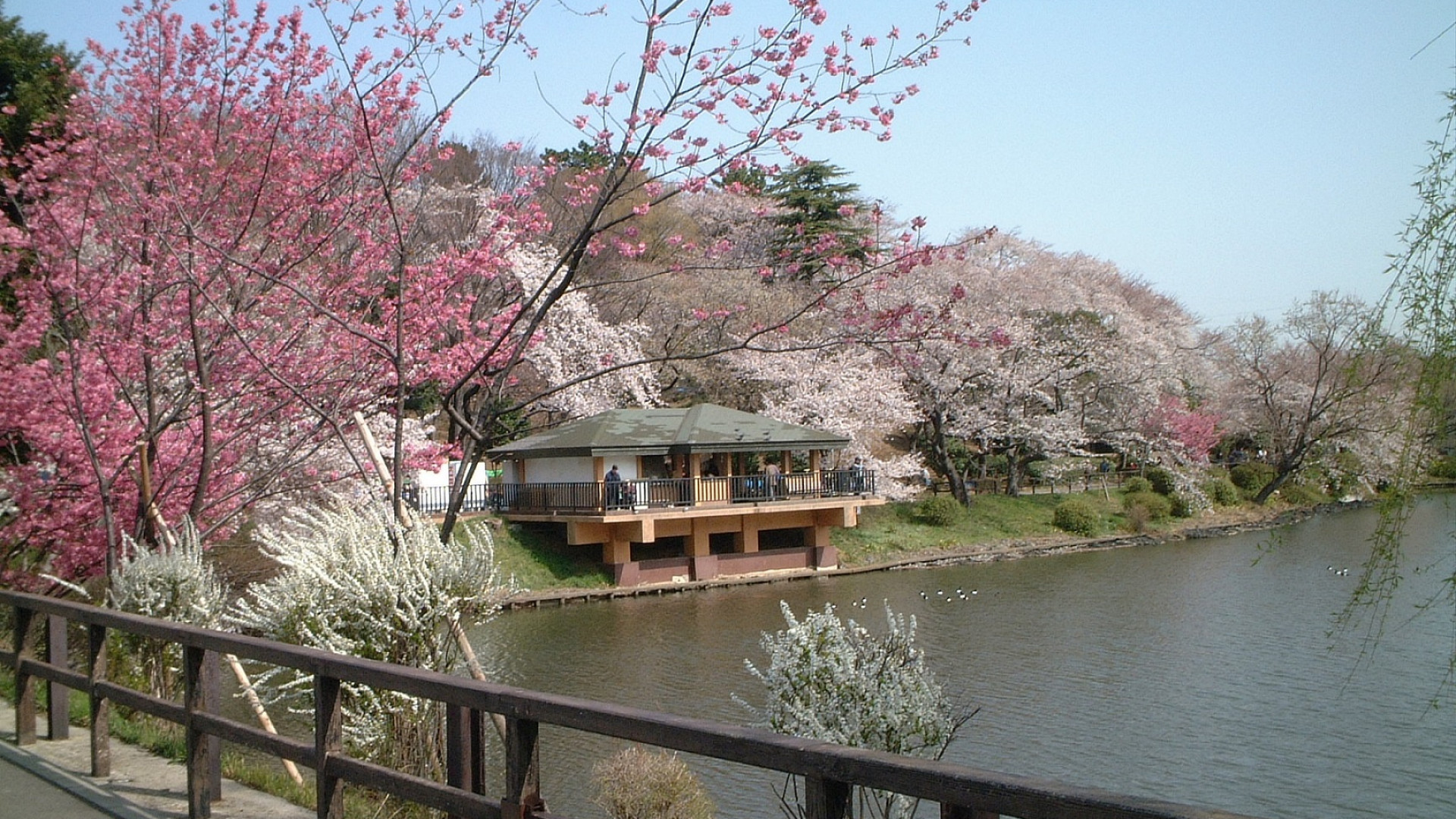
Yokohama Cosmoworld

Yokohama Cosmoworld

The main feature of this amusement park is one of the biggest Ferris wheels in the world, having a height of 112.5 meters and capacity of 480 passengers. Other attractions include a roller coaster and a rapid rafting ride. Operating hours of the Ferris wheel may vary depending on how crowded it is. *Please check the operating calendar for operating hours. Operating hours may vary due to weather conditions, especially when there is strong wind.The park offers about 30 different attractions for a wide range of people, including safe rides for small children and thrilling ones that will make adults scream with excitement.

Experience & Activities Tokaido Koshu kaido KANAGAWA
Kitakamakura Houan (tea room)

Kitakamakura Houan (tea room)

Houan is a traditional tea house built in 1934 in the forested valley behind Jochiji Temple in Kita-Kamakura. It features a building with two tea rooms (Jouan-ken)—one 8-mat and one 4-mat room, and the world's smallest tea house, the thatched-roof Musouan, measuring just under 2 mats. It is normally closed to the public, but just once a month, a tea house opens its doors to serve matcha and high-grade sweets to visitors freely touring the premises (reservation required). Information about various tea gatherings, introductory sessions for beginners, and traditional Japanese arts classes is posted on the official website and social media. They also accommodate inquiries for small-group tea ceremony experiences and tea gatherings for international visitors.

Eat & Drink Koshu kaido Tokaido KANAGAWA
Tsumada Yakushi

Tsumada Yakushi

The temple enshrines Yakushi Nyorai, known as the Buddha who saves people from illness, injury, and other suffering. In particular, the dumplings served on the temple fair, also known as "omedama-san," are said to be beneficial for eye diseases. There are many cultural assets on the temple grounds, including the Yakushido Hall, camphor tree, and bronze bell. The current Yakushido was reconstructed in 1758, but the raigo-hashira (pillars that surround the kitchen) are the same as those used when the temple was rebuilt in 1584. It is written in the Shinpen Sagami-no-Kuni Fudoki Manuscript that the earlier building was destroyed by fire during the attack on Odawara Castle by the Takeda clan in 1569. The temple is open to the public once every 60 years on the Kanoetora anniversary of the opening of the main sanctuary. The next one will be in 2070.

Temples & Shrines Tokaido Koshu kaido KANAGAWA
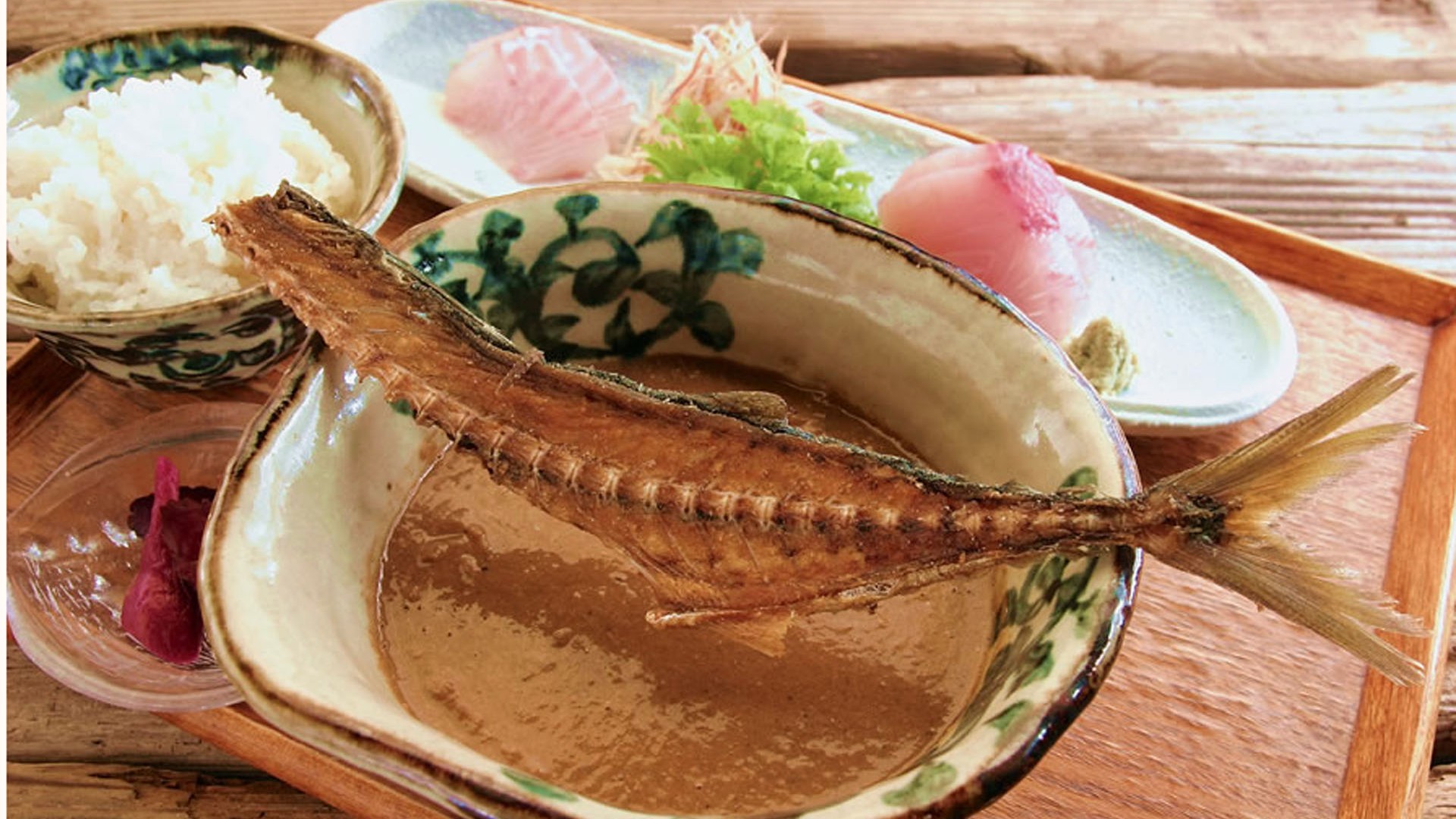
Hakone Komagatake Rope-Way

Hakone Komagatake Rope-Way

Within the national park, there is a cable car that connects the shore of Lake Ashi to the summit of Mt. Komagatake over a total distance of 1,783 m. The cable car takes about seven minutes each way. From the summit of Mt. Komagatake, you can enjoy uninterrupted views of Hakone that centers on Lake Ashi and can see the magnificent Mt. Fuji and the Southern Alps beyond it. Also, the 360-degree panorama that boasts a unique view of Hakone, overlooks Suruga Bay to Izu Islands, Sagami Bay to Shonan Beach, along with Tokyo Sky Tree and the Boso Peninsula. It is a place where you can experience seasonal flowers and plants, wild birds and insects, and the breath of nature.At the top, prepare yourself for one of the most stunning views of Mt. Fuji you will ever see. Also great 360 degree views of Sagami Bay and the entire Hakone region. Winter can be cold, but the skies are crystal clear.From the top of Mt. Komagatake, the panoramic view of Hakone centers on Lake Ashinoko. And to the northwest is magnificent Mt. Fuji. In the distance, you can see from Suruga Bay to the Izu Islands, the Shonan Coast, and the Boso Peninsula.

Experience & Activities Tokaido Koshu kaido KANAGAWA
Karasuoyama

Karasuoyama

Atop Mt. Karasuo, one can enjoy a fully panoramic view of Hadano city over the San-no-tou Ridge and the mountains of the Omote Ridge, such as San-no-tou and Tonotake. The origin of the name "Mt. Karasuo" is said to have come from an ascetic practitioner on this mountain, who prayed to a crow that flew over during his asceticism for blessings and the fulfillment of his ascetic practices.Please use the "Tanzawa Omote Ridge Traverse Course" as a reference and plan your hike accordingly.Early morning trekking allows you to enjoy a special experience with fewer people and clear air.

Nature & Views Tokaido Koshu kaido KANAGAWA