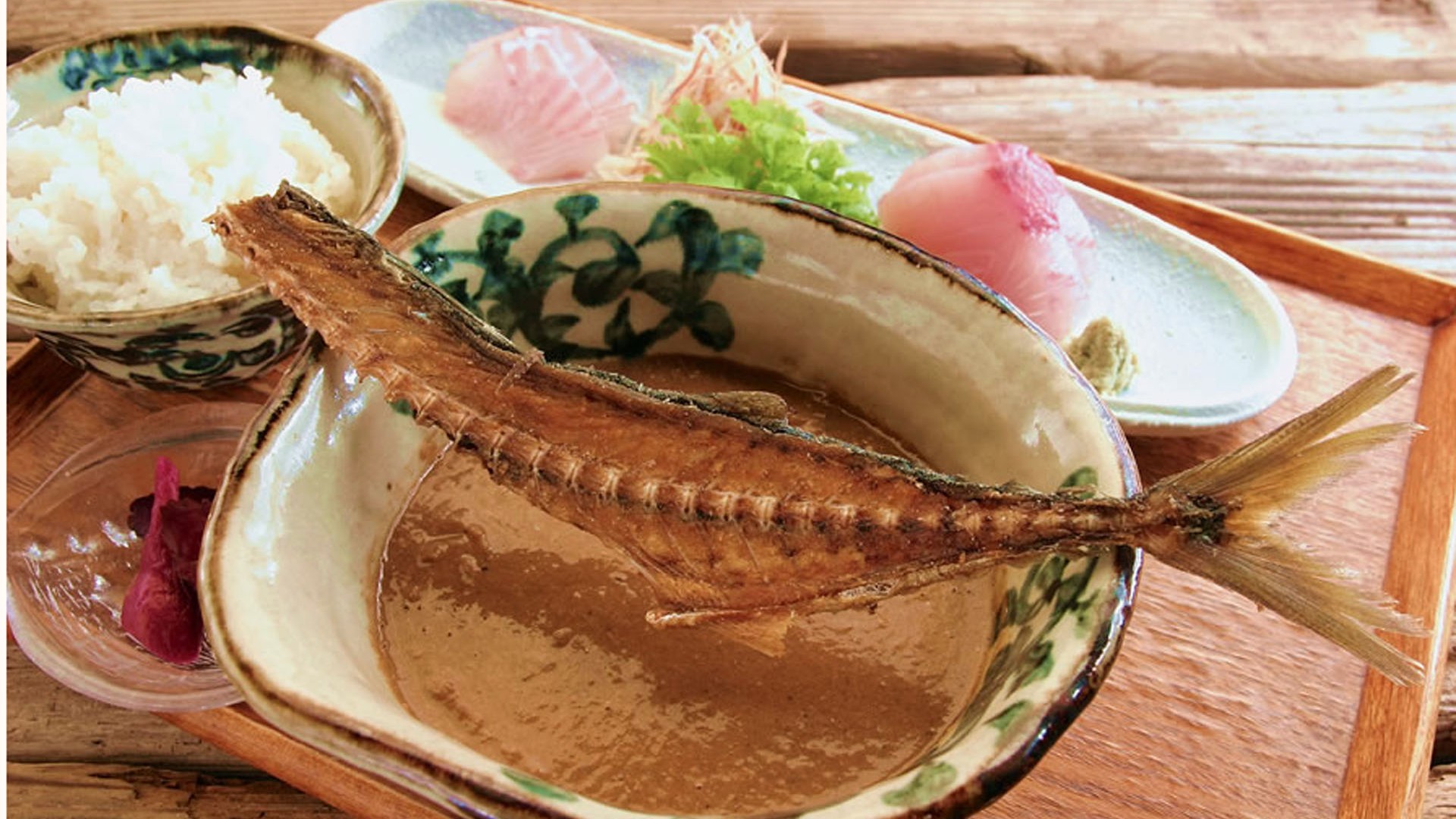
Enoshima Koya (Fish cuisine in cottage)
Try some seasonal seafood from the Shonan area
Total: 1715 items
Try some seasonal seafood from the Shonan area
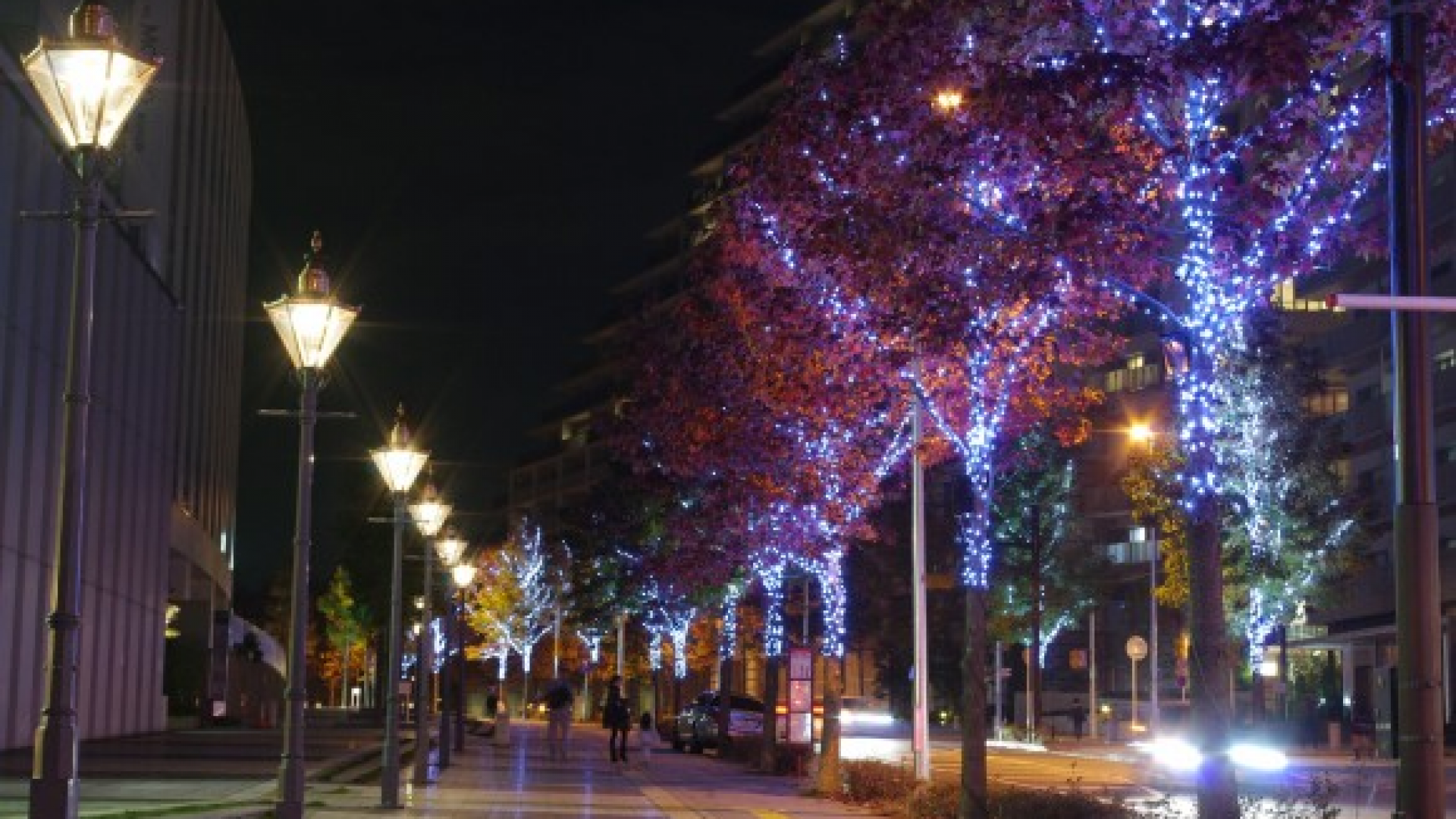
Illumination event that started in 2007 and is opened from November until February.
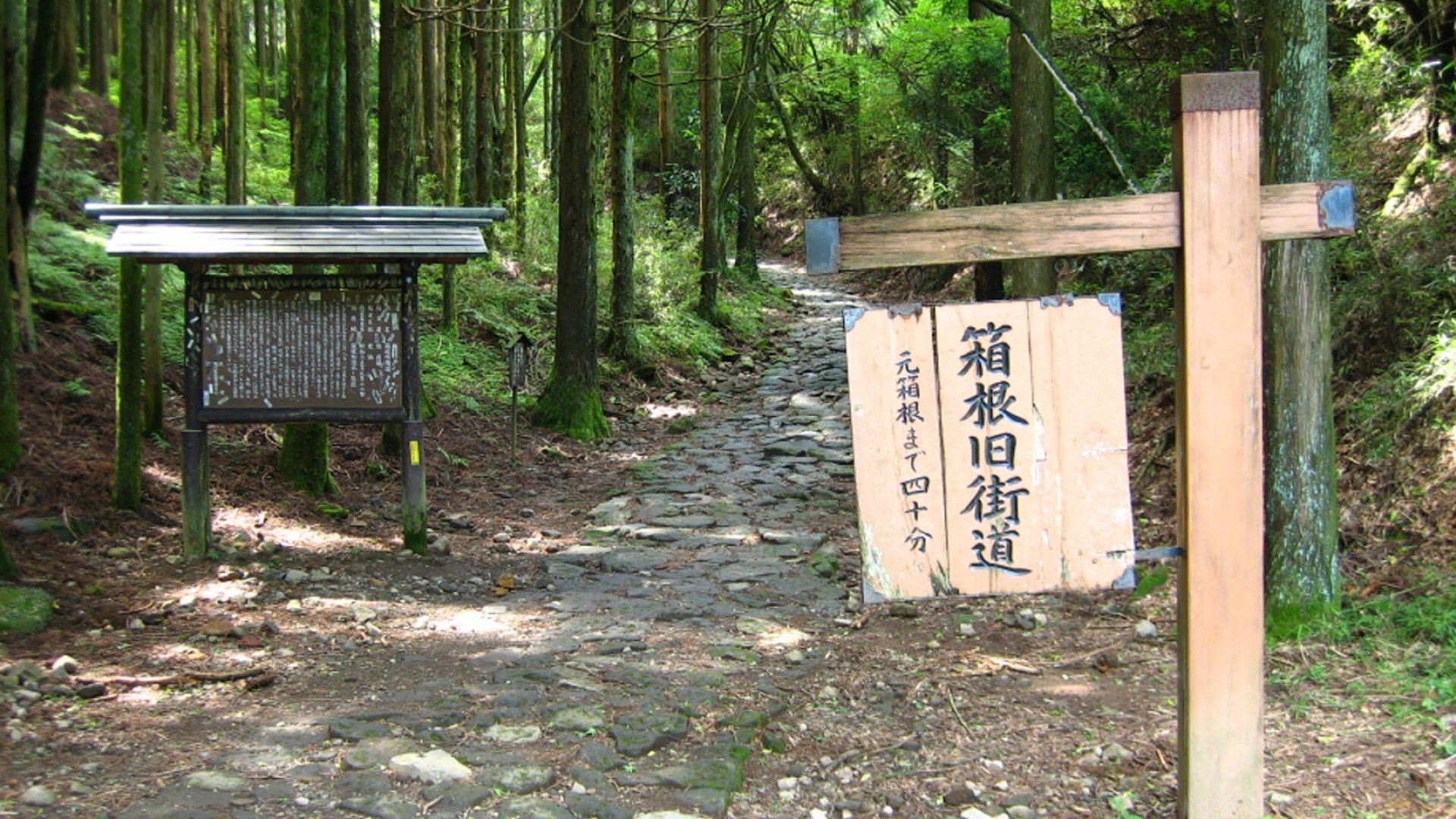
The Hakone Old Highway is a part of the Tōkaidō Highway established by the Edo Shogunal government, and the sloping road extends for 32 km from the Mishima post station via the Hakone-toge pass to the Odawara post station. The part between the Mishima post station and the Hakone check station through the Hakone-toge pass at an elevation of 846 m had been considered the most grueling part in the Tōkaidō Highway, as in addition to the steep ascent at high elevation, travelers had to walk through knee-deep mud if it snowed or rained. The Edo Shogunal government spent 1,400 ryo to pave the road with stone for 10 km of the road. According to records, it was originally paved with local Hakone-dake bamboo, however, it needed to be regularly repaved as the bamboo would rot, costing a great deal of money every year. Now only 2 km of the original stone pavement remains. Enjoy imagining travel in the old days while walking along the original paved segment of the old highway.The mountain road is overgrown with trees, so an early morning start is recommended. When the weather is nice, the sunlight through the trees feels refreshing. Be careful as the stone pavement is slippery after it rains.

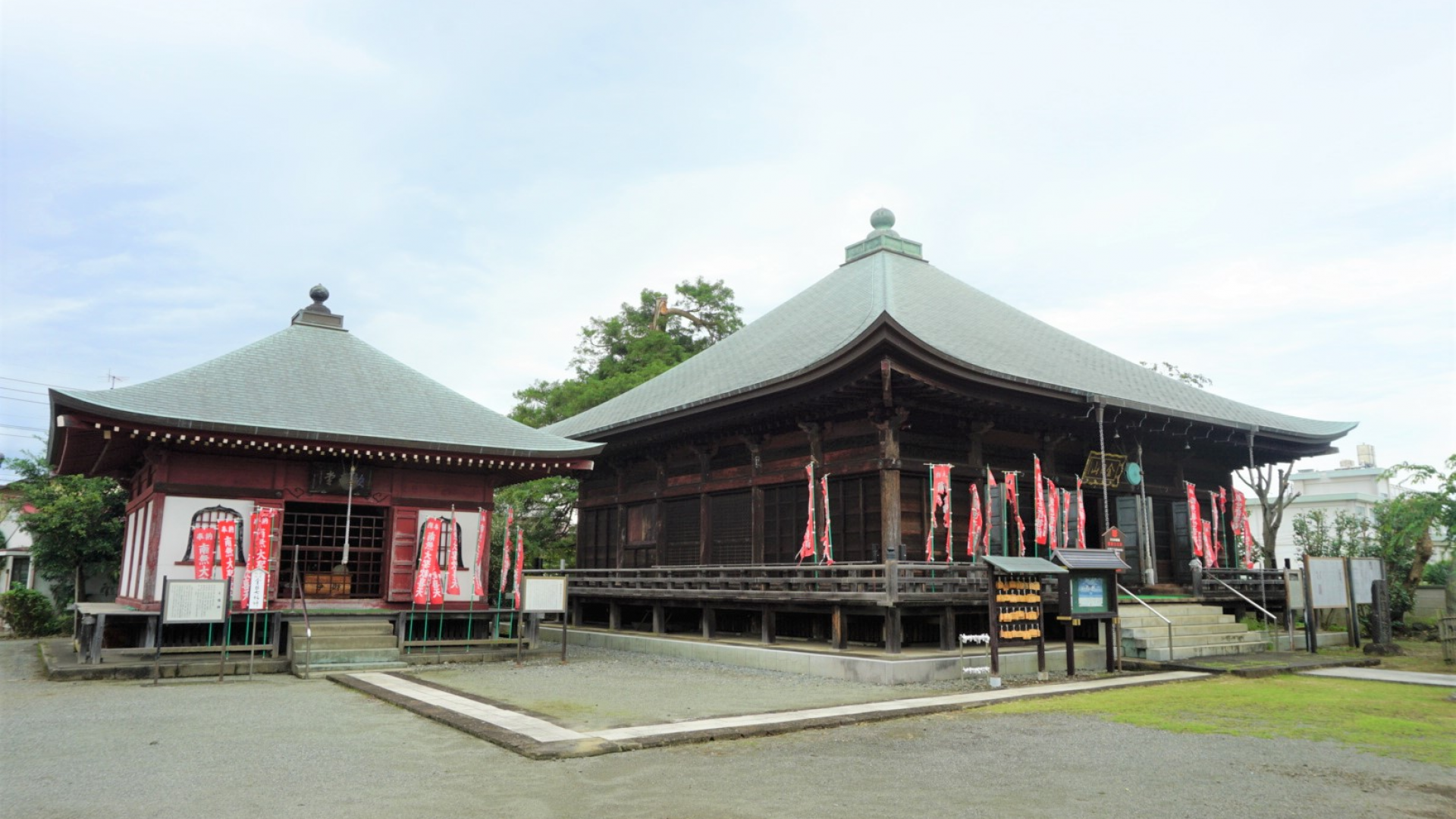
It is 1 of the 8 scenic spots of Hiratsuka and is the 7th pilgrimage site of Bando's 33 locations. Kannon's Zushi is very valuable and has been designated as an important cultural property. Many important cultural assets of the prefecture and city are also here.
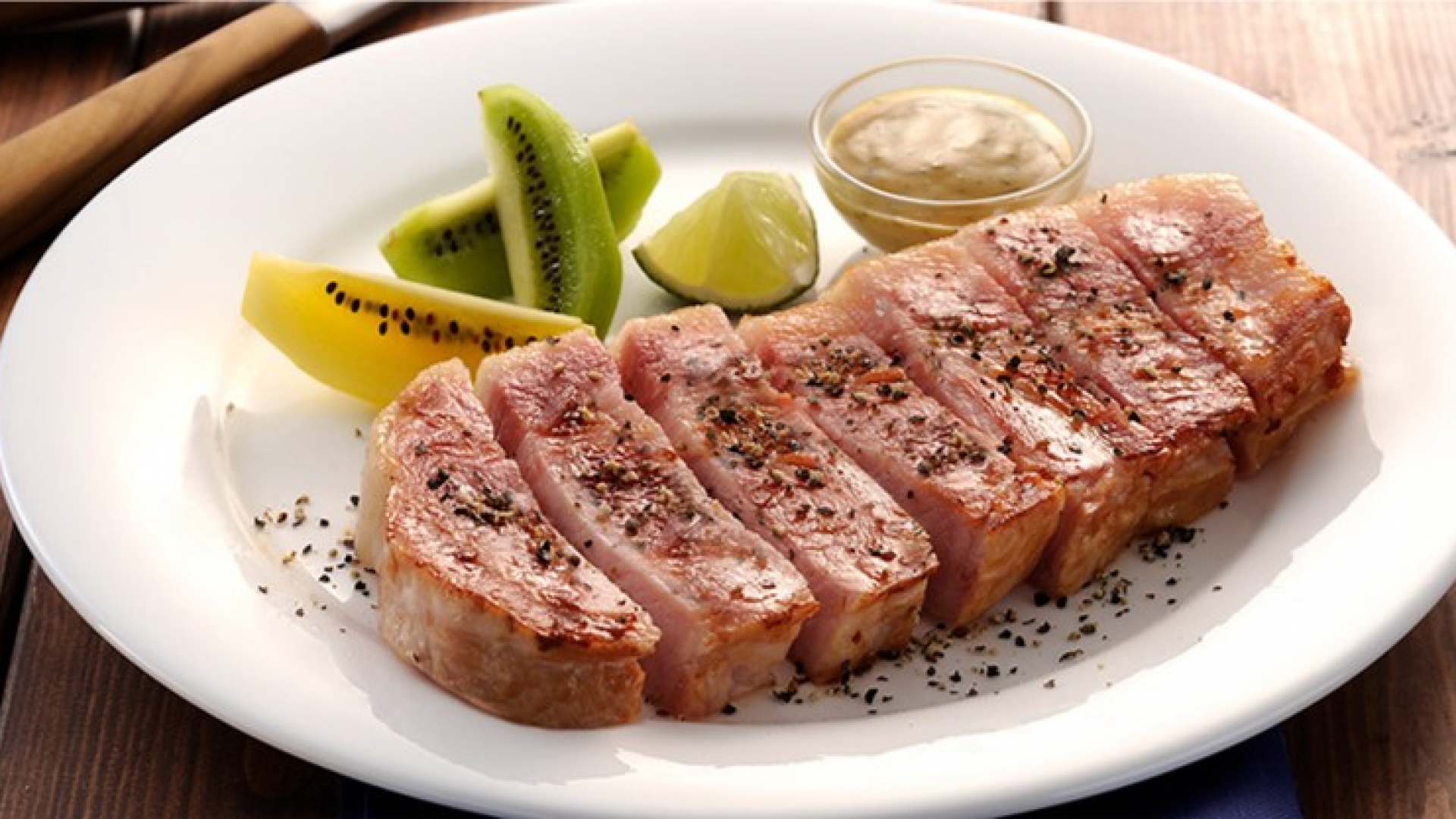
Since its founding in 1900, Kamakura Ham Tomioka Co. has continued to maintain its painstaking manufacturing techniques for over a century. Their headquarters factory has an archive where you can learn about the story and history behind the creation of the brand, and in the factory itself, you can view the treasured traditional manufacturing techniques they use. You can also experience those techniques with your own hands. There is also a shop where you can purchase souvenirs before you head home.
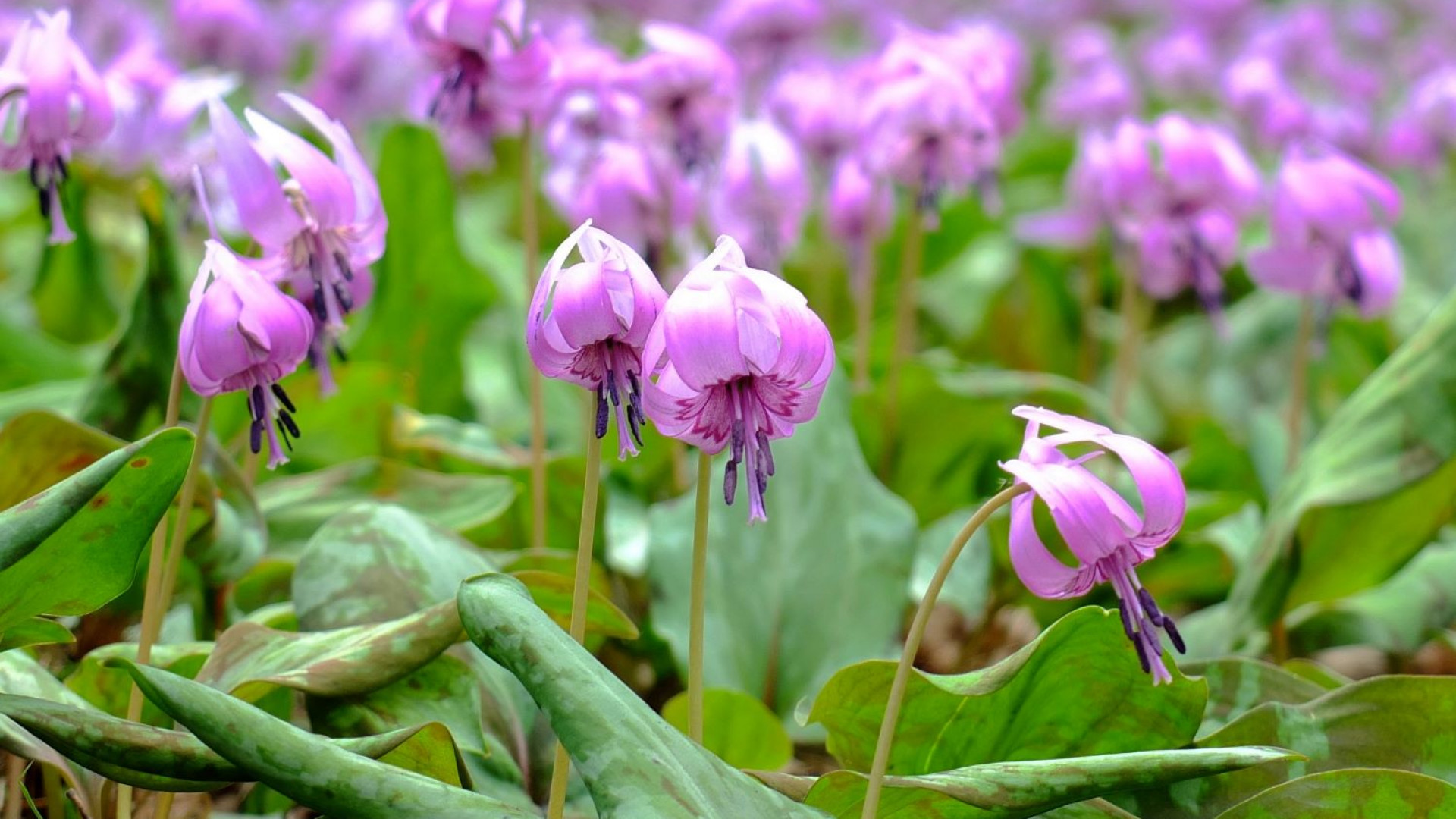
It is a privately owned forest, and is open to the public only in spring, when the dogtooth violet blooms. The well-groomed violets gently color the early spring after winter ceases with a subtle glow. The rare yellow violet and the white violet can also be seen. It is a famous place, which a lot of people visit during flowering season, with a camera in one hand. It has been selected as one of the “100 best places for flowers in Kanagawa”.
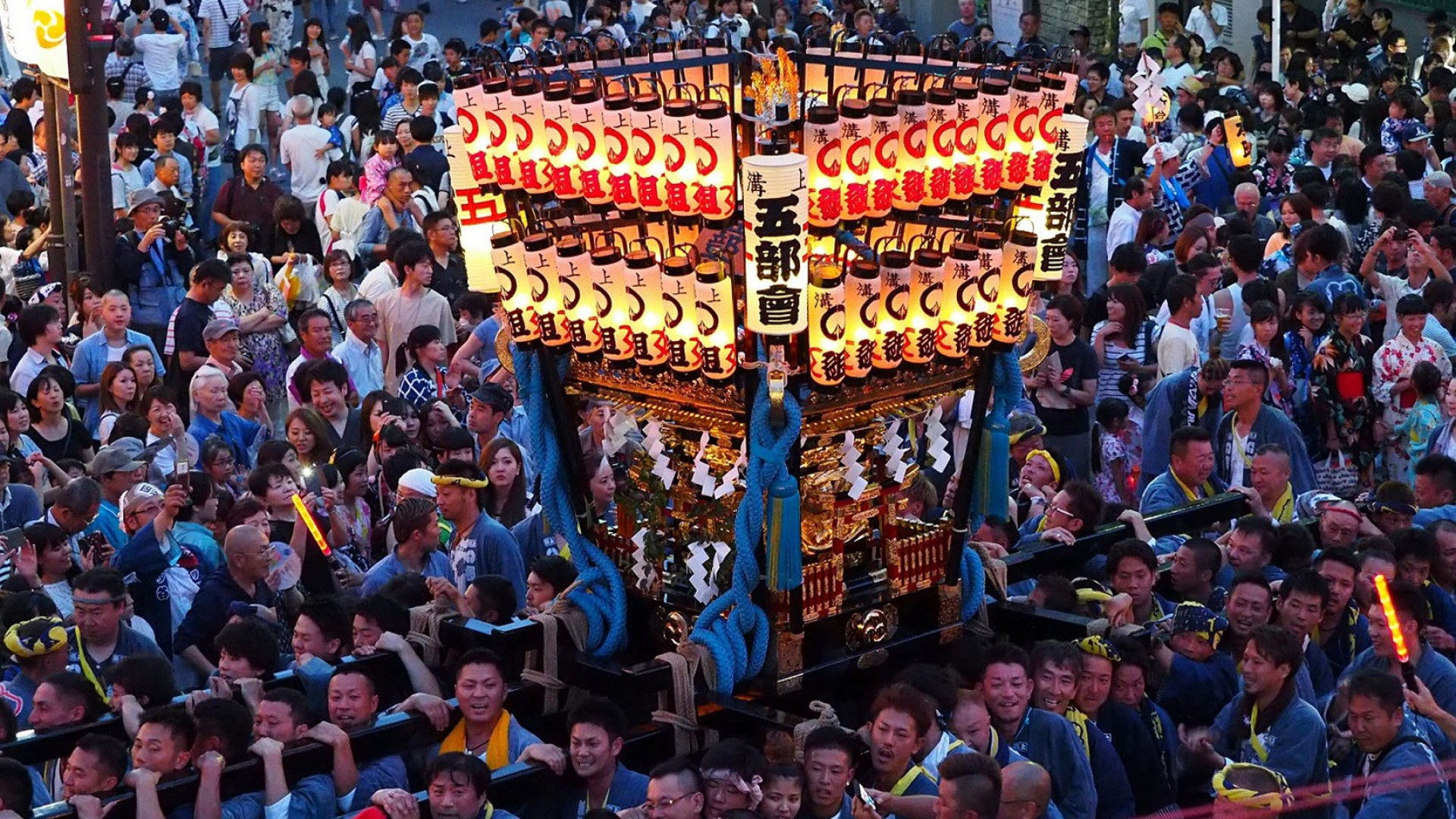
The Kamimizo Summer Festival has been held in Sagamihara since the end of the Edo period (1603-1868). The festival is said to be dedicated to Emperor Ushira, who prays for a good harvest and safety of the family, and is said to have been inspired by the Yasaka Shrine in Kyoto. On Sunday evenings, the local portable shrines (Mikoshi) and floats (Dashi) gather from each town and start a grand procession. Once the evening sun goes down, the lanterns of the portable shrines are lit, creating a fantastic spectacle that is not to be missed.
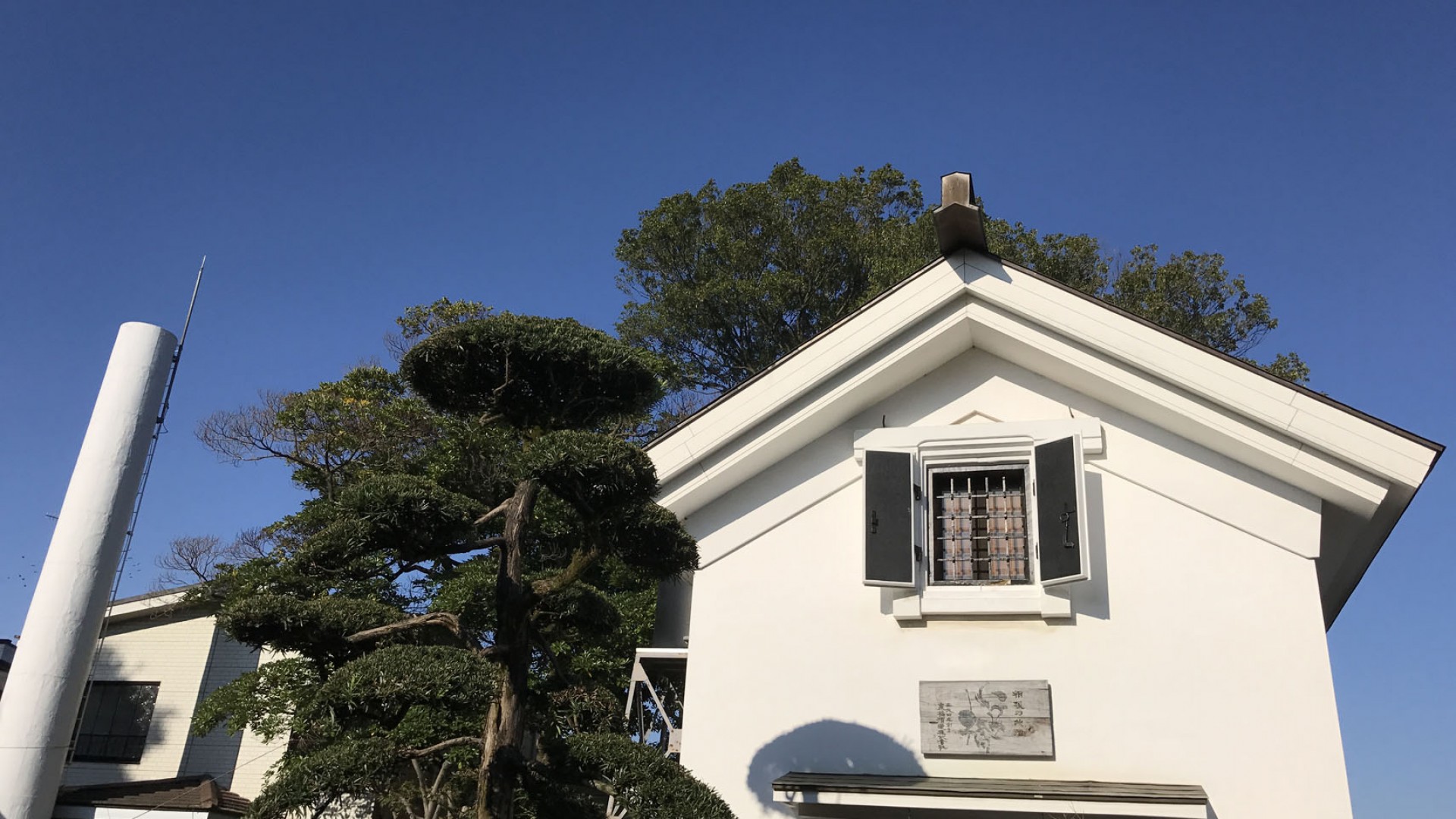
Founded in 1857, Izumibashi Sake Brewery is not only a sake brewery but also a cultivator of rice. We see sake as an agricultural by-product, and make sake by growing good rice first.The rice paddies glittering with morning sunshine remind you of a good old Japanese morning. Wake up totally refreshed as you take a tasty sip of Japanese sake made of rice harvested from the rice paddy. We have a shop to sell sake in the brewery as well.Early Morning Sightseeing
We sell various types of "Hakone Yosegi Zaiku," a traditional Japanese craft. We explain the history behind the craft daily and offer workshops to make secret boxes, coasters, and train-shaped money boxes. Registered cultural artifacts are also on display, so please come and visit us!
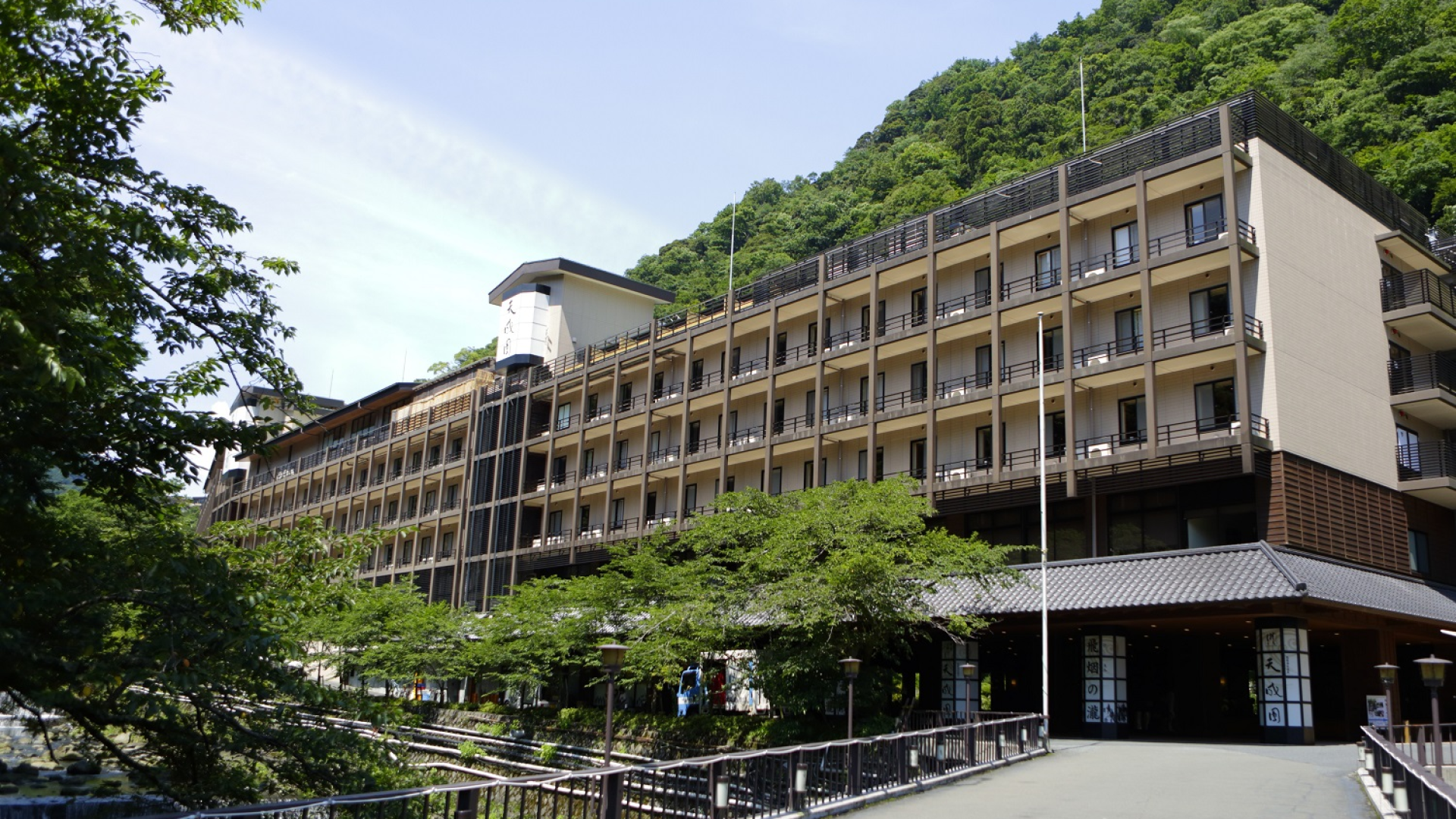
Tenseien is located approximately 12 minutes on foot or 5 minutes by taxi/circulating bus from Hakone-Yumoto Station. It has a rooftop open-air bath that allows you to keenly feel the four seasons of Hakone. The garden contains a waterfall, which, together with Tadamare Shrine, a branch of Hakone Shrine, is popular.Relax and enjoy our day-trip hot springs at your leisure, open from early morning until late at night. (Open from 10:00 AM to 9:00 AM the following morning.)Relax and enjoy our day-trip hot springs at your leisure, open from early morning until late at night. (Open from 10:00 AM to 9:00 AM the following morning.)
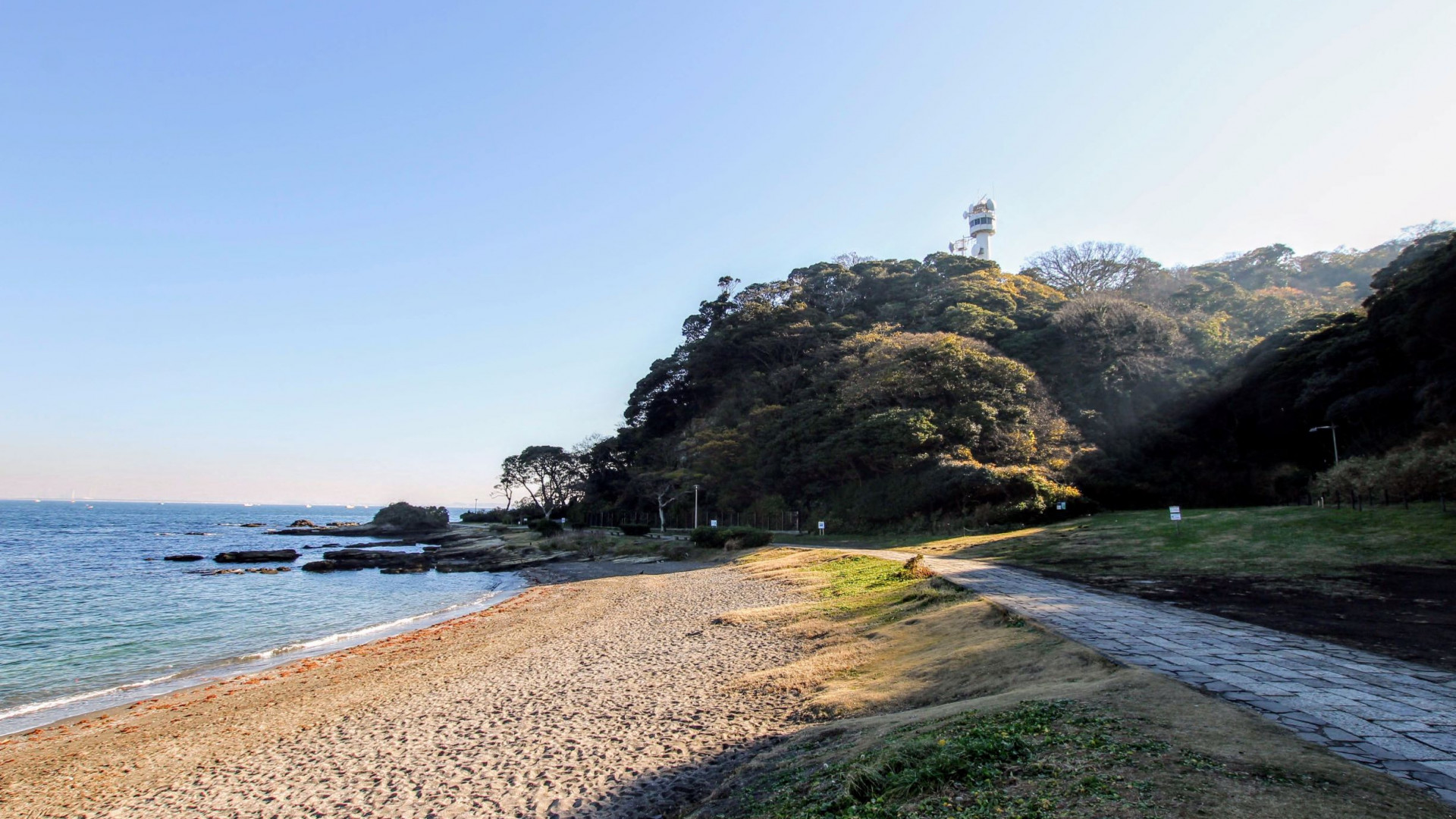
The whole of Cape Kannonzaki is maintained as a park and there, you can find an art museum with scenic landscapes and the Kannonzaki Lighthouse where you can enjoy a view of the Boso Peninsula. There are also wartime ruins you can visit the whole year round, and in summer, you can spend a day at the beach or enjoy a delicious barbecue. This place is also famous for its hydrangeas, and is selected as one of Kanagawa’s Top 100 Flower Spots.
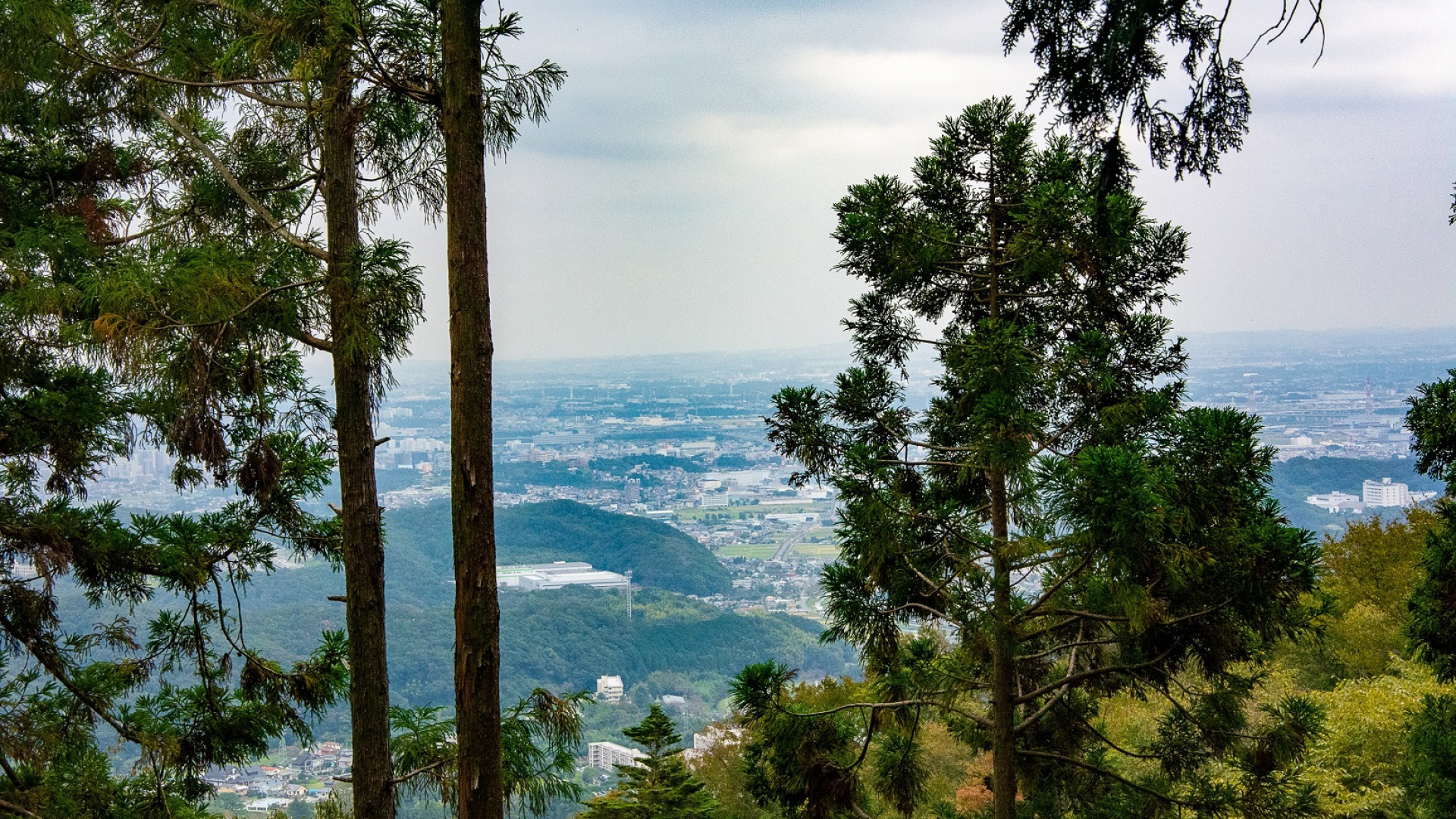
You will walk on the road along the mountain fields. From Kotakuji Onsen, you will walk on the forest trail and see the impressive waterfall, Ogama Benzaiten, and then enter the mountain trail. After passing the curved path, you will hike up a ridge that ascends 400 meters of Hinata-yama.
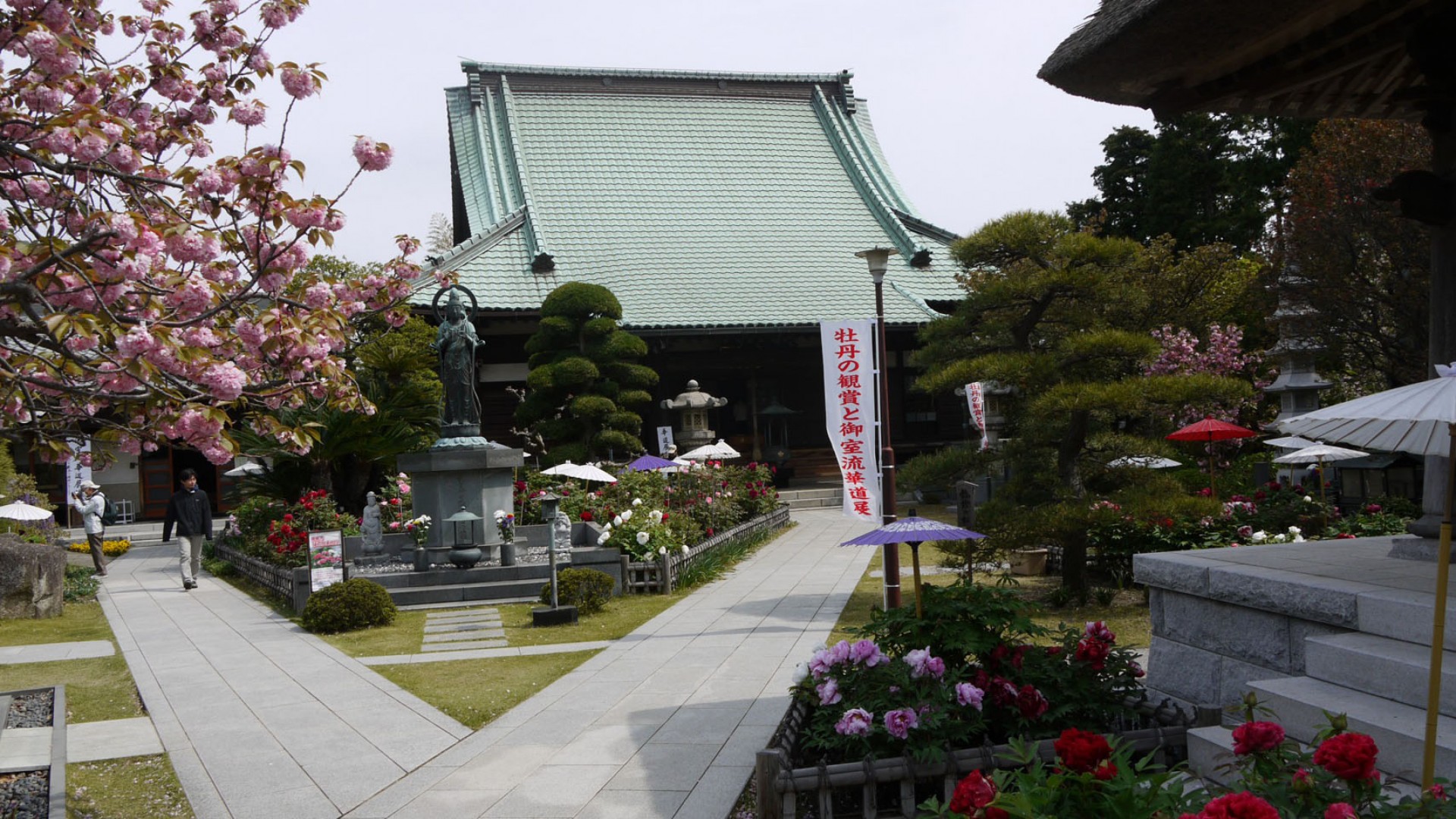
Ryugeji is one of the old temples that was founded by Minamoto no Yoritomo and Mongaku Shonin in the outer harbor area. It enshrines and is famous for Boke-fuji Kannon (dementia prevention). It also enshrines Jizobosatsuzazo and Daikokuten (the God of Wealth), which is one of the Yokohama Kanazawa Seven Deities of Good Fortune. The temple is also known as the temple of peony.
Mountain villa and campground located near the upper stream of Nakatsugawa River. In addition to accomodation facilities, there are also fireplaces, pizza ovens, and goemonburo (goemon baths). We also lend camping equipment.
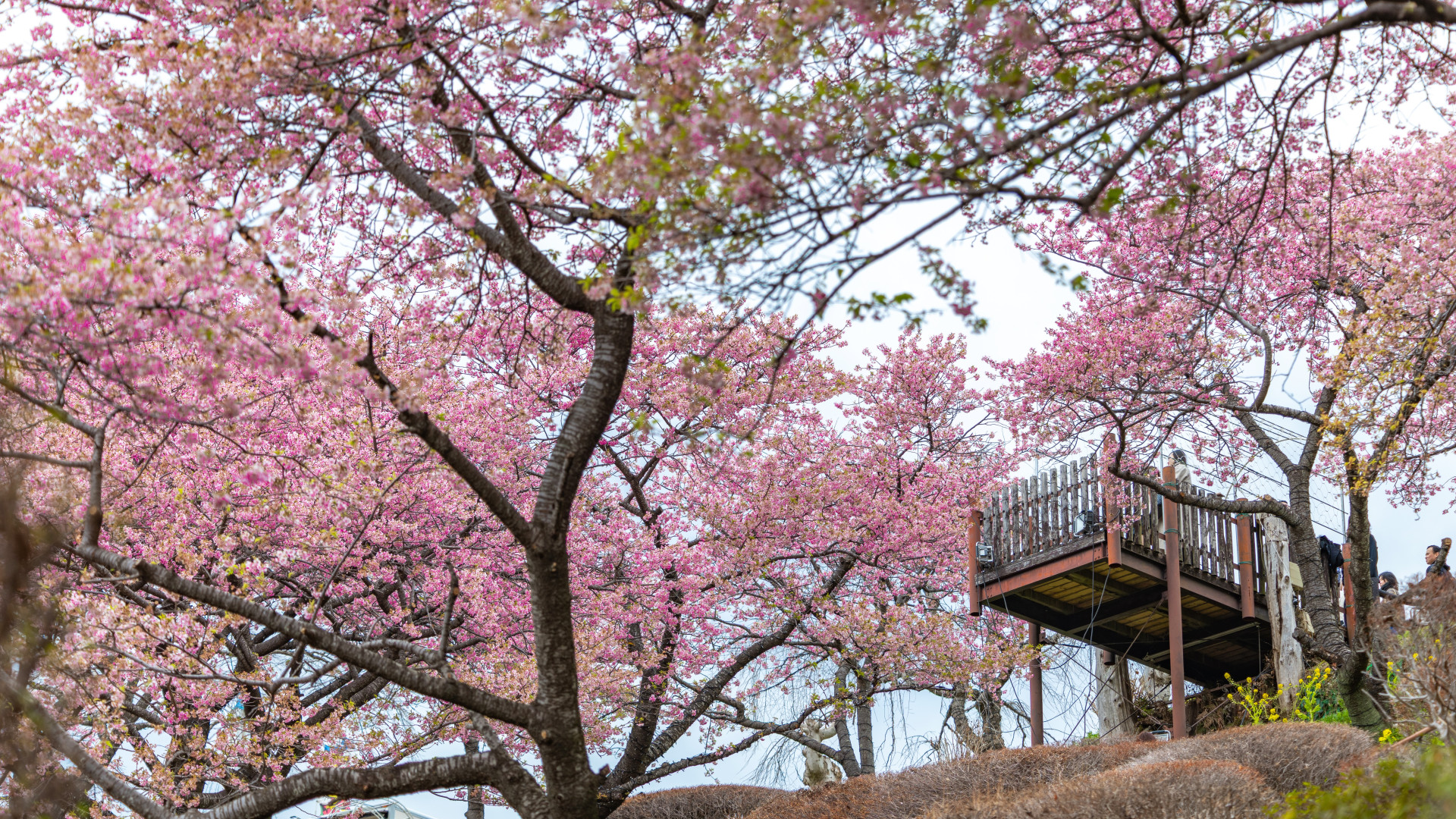
From Nishihirabatake Park you can see an astounding view of Mount Fuji, which is even recognized by the Ministry of Land, Infrastructure, Transport and Tourism as being one of the best as it made it onto their Fujimi-byakkei List.Visit Matsudayama Herb Garden, located in Nishihirabatake Park, for a spectacular view of nature as the garden’s seasonal herbs bloom alongside the cherry blossoms.The evening illumination allows you to enjoy both the night view and the cherry blossoms. The illumination seen from the bottom of the mountain is also fantastic, with the area around the park being painted in pink. Kawazu cherry blossoms bloom in February. For details, please visit the Matsuda Town website.
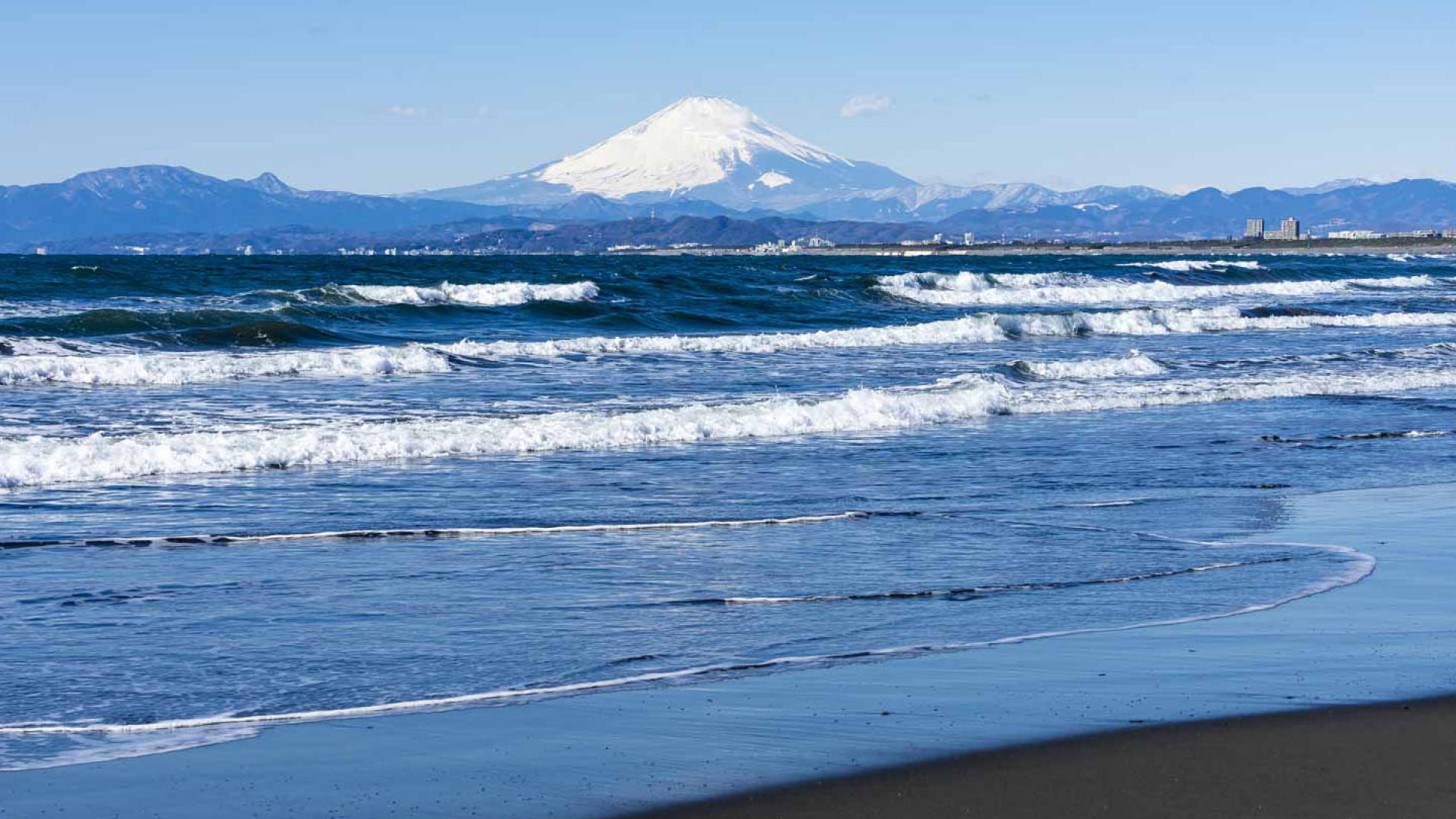
Spots where Mt. Fuji is visible across the sea are rare even in Japan. The Enoshima area, one of those rare spots, is known for its beautiful views of Mt. Fuji where it appears quite large, especially on sunny winter days. Recommended viewpoints include Enoshima, as well as points between Katase-Enoshima Station and Enoshima; for example, Enoshima Bentenbashi Bridge, Nishihama Beach, and Kugenuma Beach. The photo shows the scenery at Katase Beach (a short walk from Odakyu Line Katase-Enoshima Station (OE 16)).
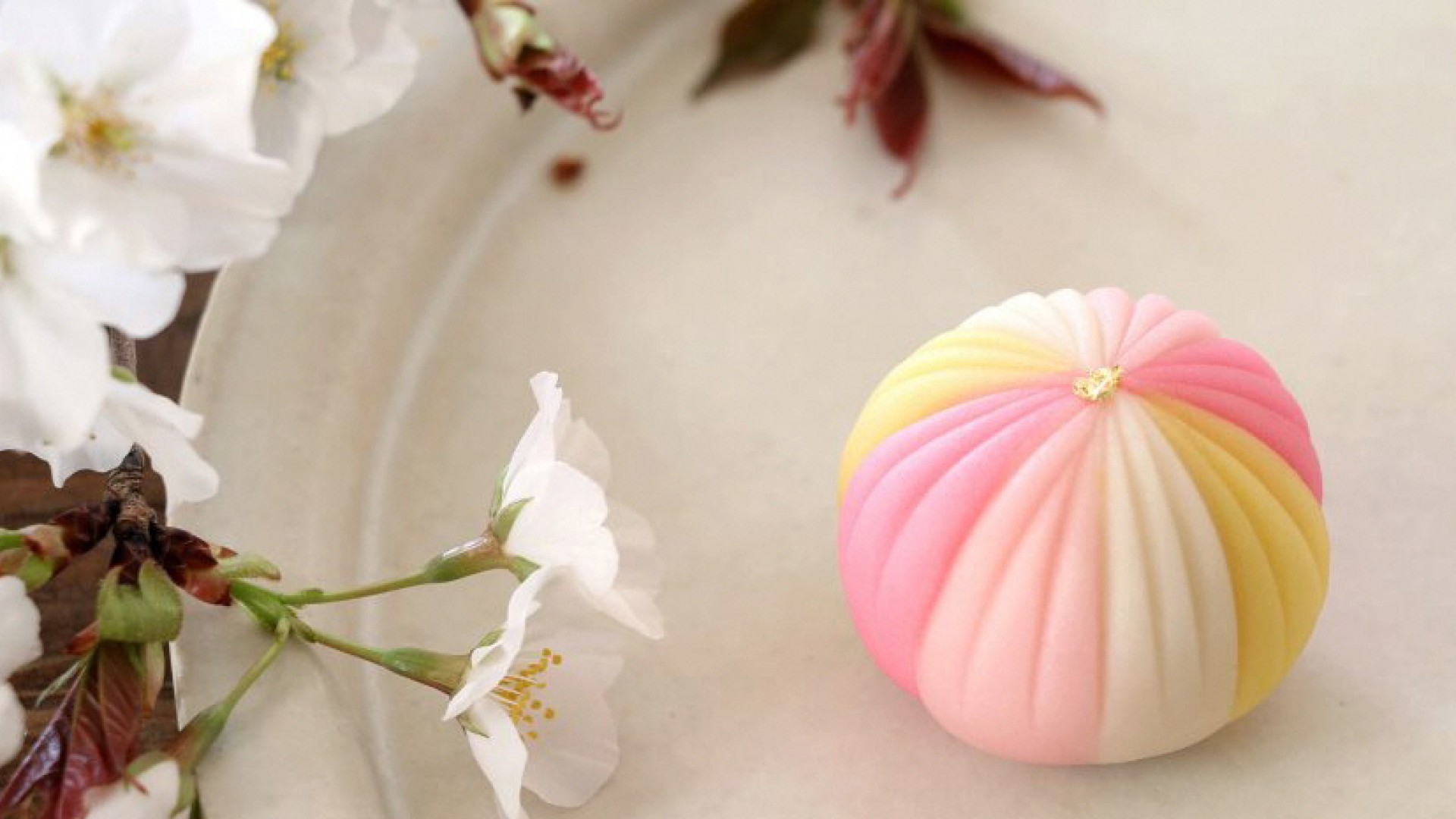
Wagashi contains appreciation, awe and respect for nature that have been nurtured by Japanese people. Making beautiful and delicious wagashi will promote understanding of those values.
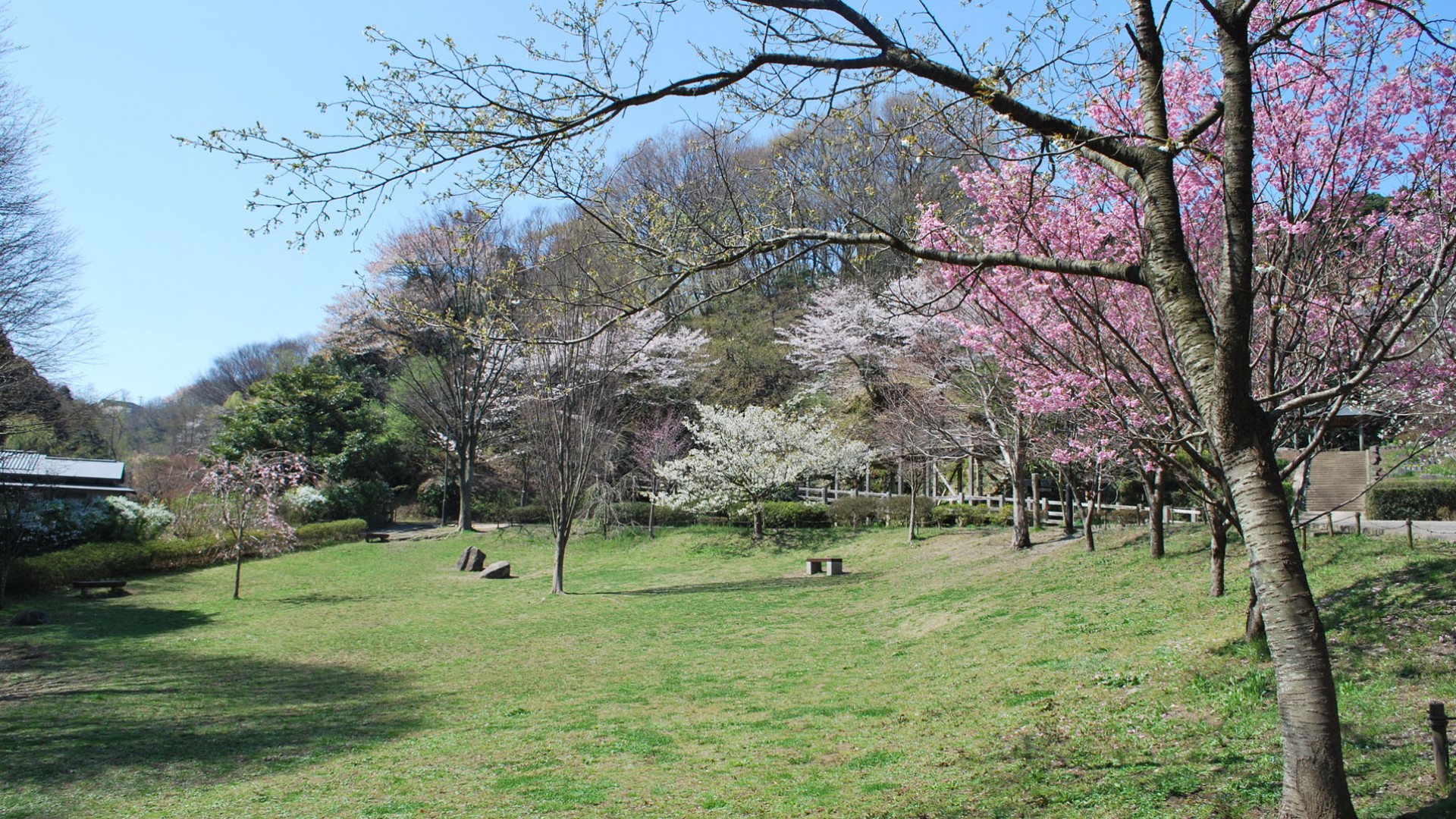
A 24.6 hectares park known for its natural landscapes and scenic beauty. Every year, the sakura (Somei Yoshino) blooming in late March is a sight not to be missed.