

Yoshiya Nobuko Memorial
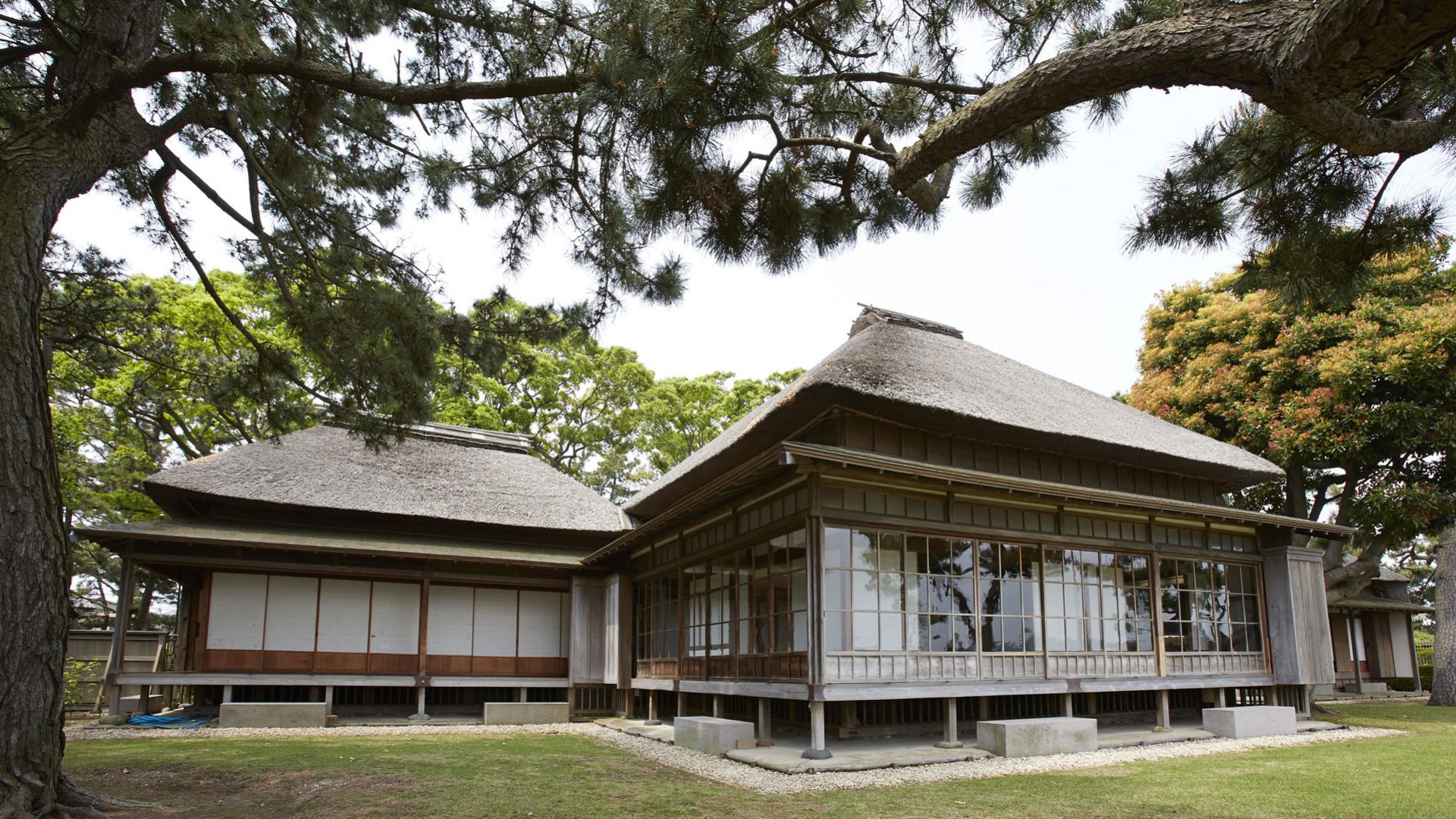
According to her wishes, the land and building is preserved as it is.
Total: 1715 items
According to her wishes, the land and building is preserved as it is.
This observatory was renovated in 2011. Here, you can enjoy a panoramic view of Yokohama's scenery, including Bay Bridge and Landmark Tower.
The Kamimizo Summer Festival has been held in Sagamihara since the end of the Edo period (1603-1868). The festival is said to be dedicated to Emperor Ushira, who prays for a good harvest and safety of the family, and is said to have been inspired by the Yasaka Shrine in Kyoto. On Sunday evenings, the local portable shrines (Mikoshi) and floats (Dashi) gather from each town and start a grand procession. Once the evening sun goes down, the lanterns of the portable shrines are lit, creating a fantastic spectacle that is not to be missed.
Enoki Terrace located in Koajiro no Mori (Koajiro forest) is a precious natural environment in the Kanto region where forests, wetlands, tidal flats and seas facing Sagami Bay reside.
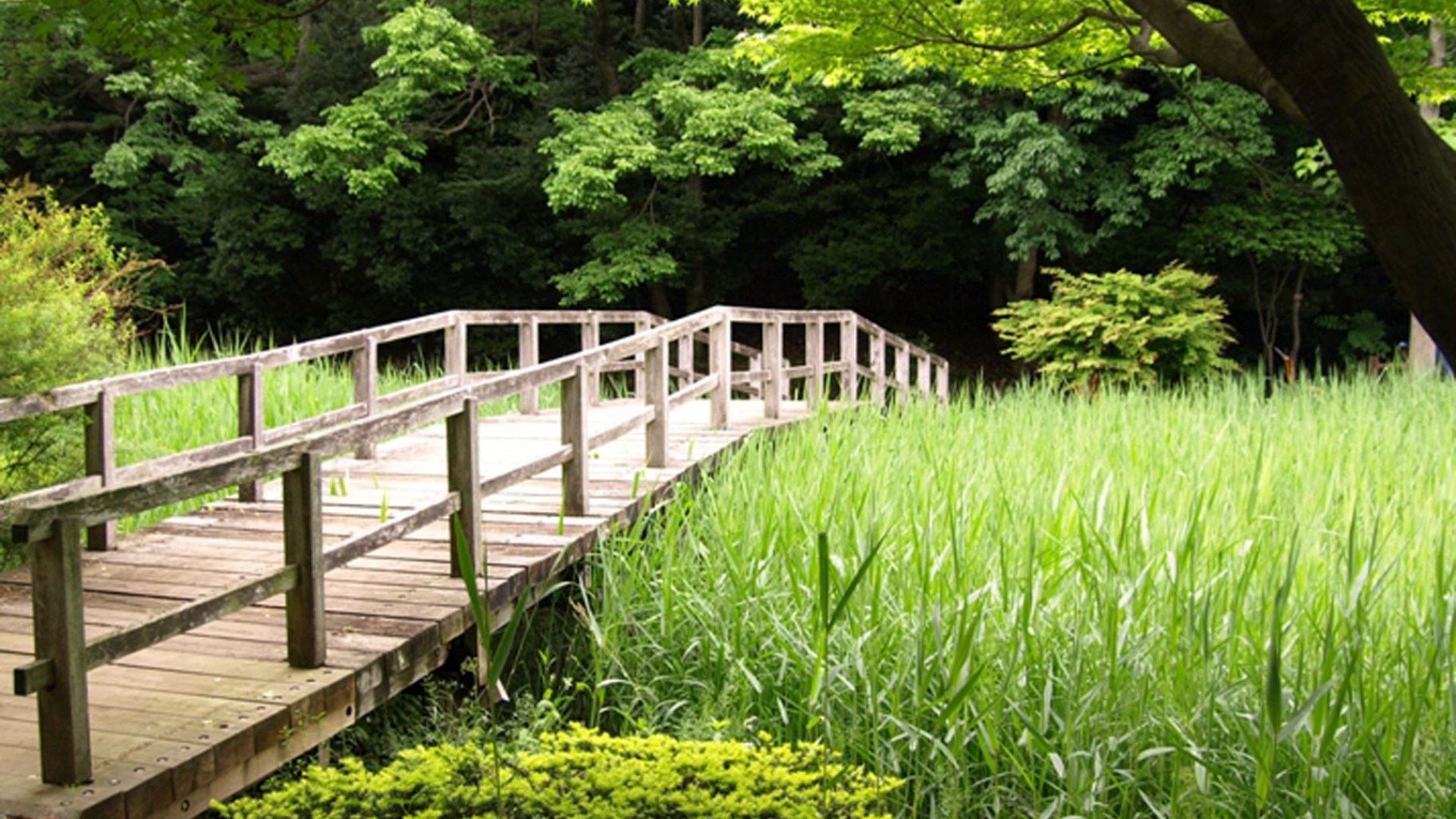
Izumi-no-mori spreads around the Yamato Suigenchi, the source of the Hikichi River. The park is positioned as the natural core of Yamato City. The wooded area and waterside space form a distinctive ecosystem, making it an ideal place for observing nature.
According to the myth, the God worshipped in Neno Shrine had 181 children. Because of that people worshiped this god as the oldest god in Kanto area for having babies and raising children.
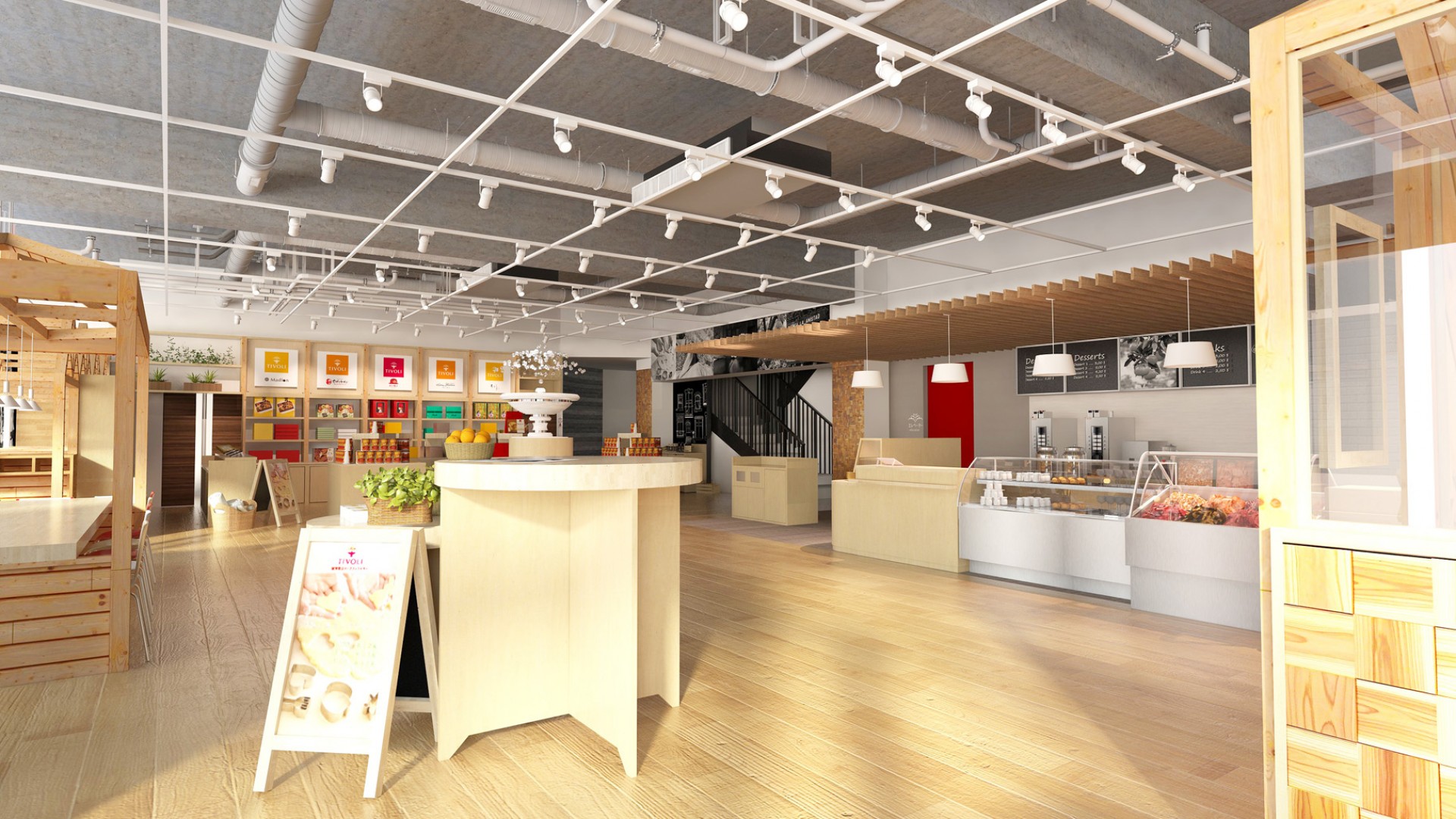
TIVOLI is confection maker which opened in November 2017 that produces assorted cookies and boasts the top share in the domestic market. This is their only facility for factory tours and direct retail. The theme is “sweet factory for the five senses.” From the second floor, visitors can observe the staff working and the robots moving nimbly as the sweets are produced. They also offer opportunities for guests to try making their own sweets. Small children can also participate. Guests can also enjoy learning about confection production and eat the freshly baked goodies.
This high-quality cruiser is endowed with stylish exterior design and modern interior. You can have a guided view of industrial night views, container berths, and other industrial locations from the ocean.
Ichijo Ekan Sanso Villa, a nationall designated Important Cultural Property villa with sukiya-style architecture, is surrounded by its beautiful garden, a space where hydrangeas, autumn foliage, red pines, and moss thrive. With the murmuring of the Nameri River flowing nearby and the chirping of wild birds, it is a lush Japanese garden where you can enjoy Japan's four seasons with all five senses. There is also a cafe within the garden where you can enjoy seasonal Japanese sweets. Tours of the villa are held regularly (advance reservations required so please check the website).
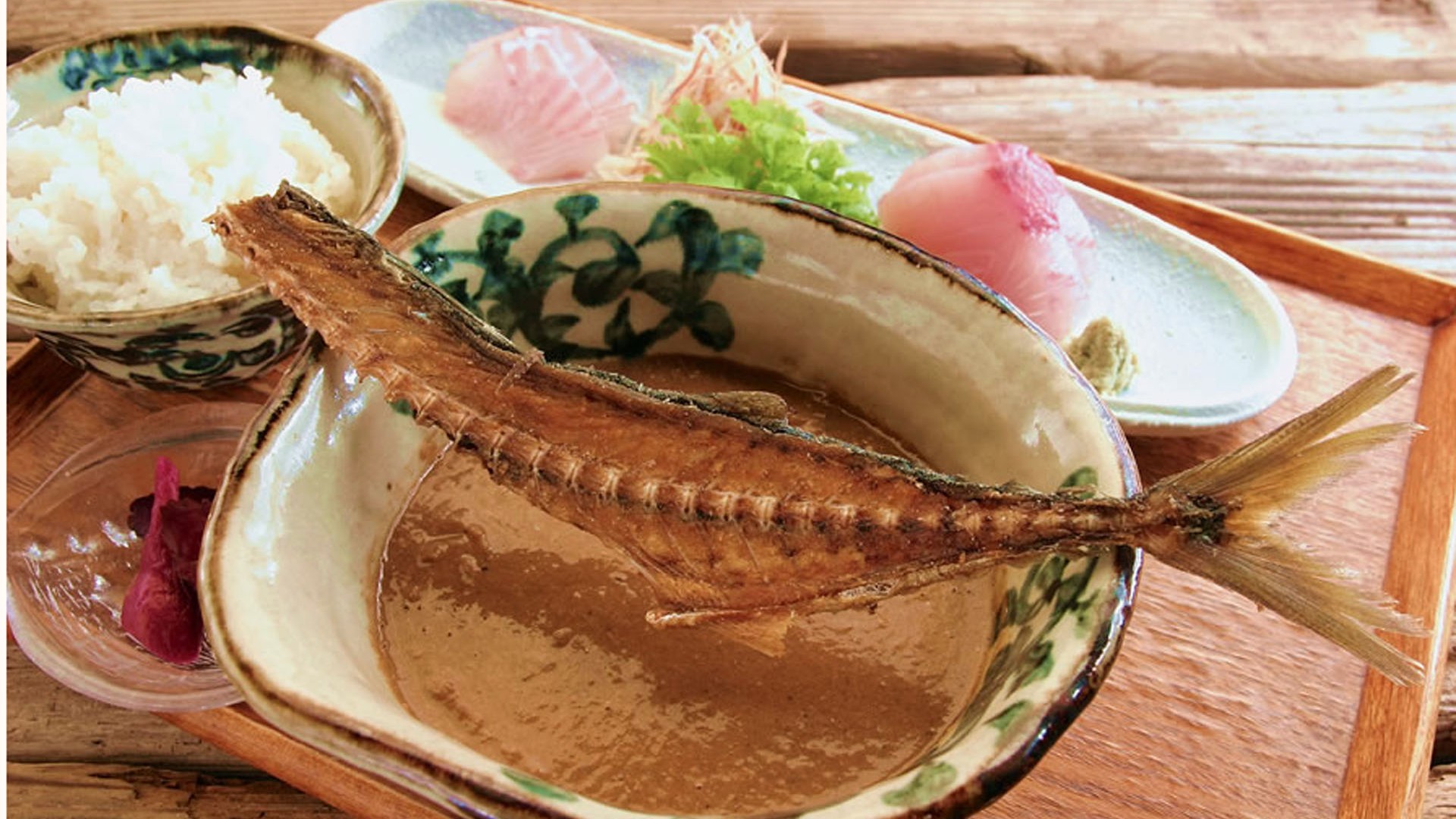
Located on the second floor of the fish market, Uoza offers fresh seafood with a beautiful view of Manazuru. BBQ is also now available on the terrace, where you can enjoy your food without having to bring anything (advance reservation required).
A store where you can experience making your own ume syrup and ume wine from 100 different combinations. There are also take-out drinks containing whole plums, "Choya Ume Kits" that you can make at home or in hotels, and store-specific plum wine that is popular as a souvenir. Reservations are required for the experience.
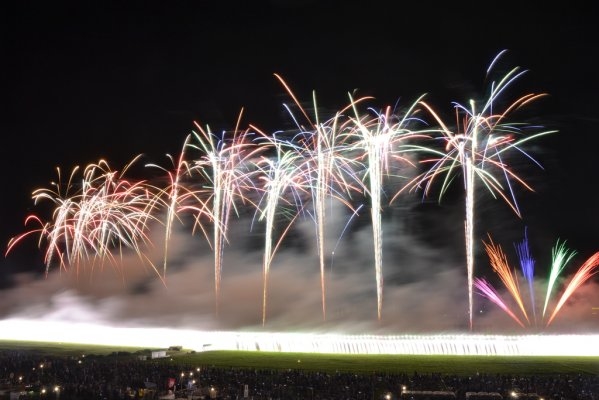
The "Moka Summer Festival," the largest event in Moka City, will be held for three days on late July. More than 20 portable shrines and floats gather together at the festival square, where you can feel the enthusiasm of the festival goers. On the first day of the festival, "Degyo-matsuri," or the "departure from the shrine," is held at Omae Shrine.Many festival-goers participate in the Degyo-matsuri to pray for the safety of the procession of portable shrines and stalls, a good harvest, the eradication of disease, and the development of industry. After the Degyo-Dashi, "Machiawase" is held, in which the portable shrines are carried across each town council, and the head mikoshi parades through the city. On the second day, "Festival Plaza" will be held and the city center will become a pedestrian zone. approximately 20,000 fireworks will color the night sky, and "Mikoshi Kawatogo (carried mikoshi to cross the river)" would be held on Gogyo River.
For one weekend in November, Nikko’s World Heritage shrines and temples are beautifully illuminated to create a magical atmosphere. Please enjoy the fantastic night atmosphere which is different from the daytime due to the lighting and scenery surrounded by autumn leaves.
Nasu is known as the largest volcanic zone in Japan. Several large eruptions in the past have claimed many victims here. The villagers in the neighboring area started to cleanse themselves to appease the anger of the mountain, visit Nasu Yuzen Shrine, light the fire of the Avici hell and worship this as gojinka (sacred fire). This then became established as an event to pray for a bumper harvest and sound health before long. The Gojinka Festival features a parade from Nasu Yuzen Shrine to Sesshoseki by participants attired in white clothing with torches. A large torch (gojinka) is then lit to create a fantastic atmosphere. While the gojinka burns, the folk entertainment of hakumen konmo kyubikitusne drums is presented at Sesshoseki - the site of the legend of kyubinokitusne (nine-tailed fox). The general public can also participate in the torch parade which involves a walk through the dark.
This vast nature is a home of approximately 600 animals.The kingdom consists of two areas, an indoor facility called “Town” and a vast green landscape called “Farm”. Visitors love to touch everyone's favourite capybaras and alpacas. Various performances by birds and small animals are enjoyable. There are many dog-friendly areas and dog parks, so this is also a happy kingdom for dog lovers. Relax in the Onsen inside after playing a lot!
This is the largest wintersweet (robai) garden in Japan. You can enjoy the pretty flowers and sweet scent of about 3000 plants with about 20,000 branches of wintersweet (robai), even in the cold of early spring.
Shonan shirasu (boiled whitebait) that is rich in flavor can only be eaten on the day they are caught. Those who miss out have the opportunity to purchase dried whitebait or dried sardines as sourvenirs. You can eat inside a restaurant in Enoshima.
The tradition of Yudate-kagura has been passed on since 1776. Spiritual rituals with the use of boiling water are performed throughout the country, but it is rare to see the performance done by the Shishi, a lion dog deity, as can be seen at this traditional event. Praying for health, safety, and prosperity the Shishi stirs the boiling water with a Kumazasa branch, and flick water from the branch to purify the participating spectators. This traditional event is selected as a National Traditional and Cultural Heritage event, as well as being registered as a Kanagawa prefecture important cultural heritage event.