

Yoshiya Nobuko Memorial
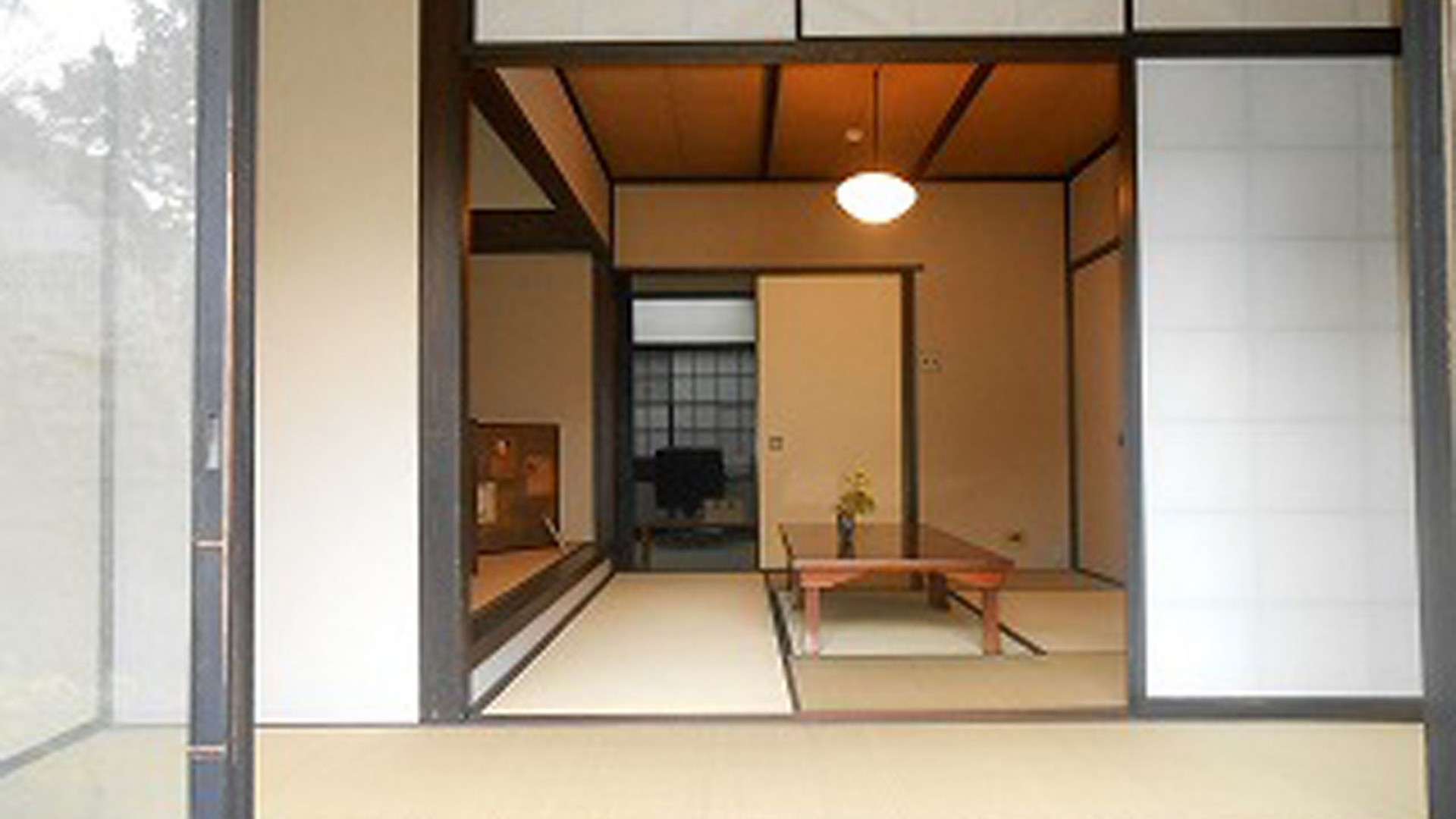
According to her wishes, the land and building is preserved as it is.
Total: 1727 items
According to her wishes, the land and building is preserved as it is.
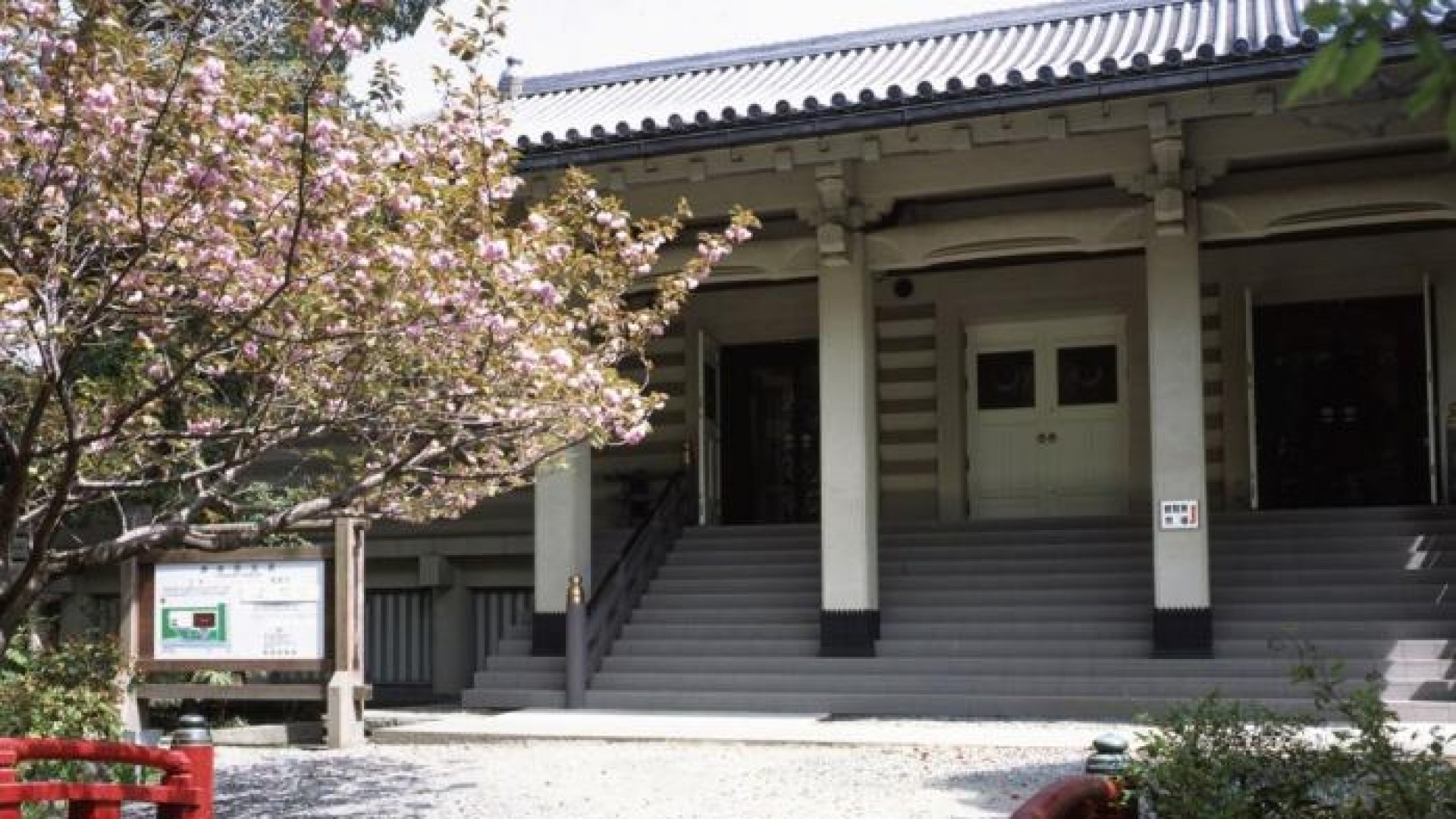
Opened on April 3, 1928, Kamakura Kokuhoukan is a museum of history and art. It displays and preserves a variety of cultural properties such as sculptures, paintings, artifacts, calligraphy, ancient documents, and archeological materials, which have been donated to the museum by temples and shrines in Kamakura City as well as in the neighboring areas.
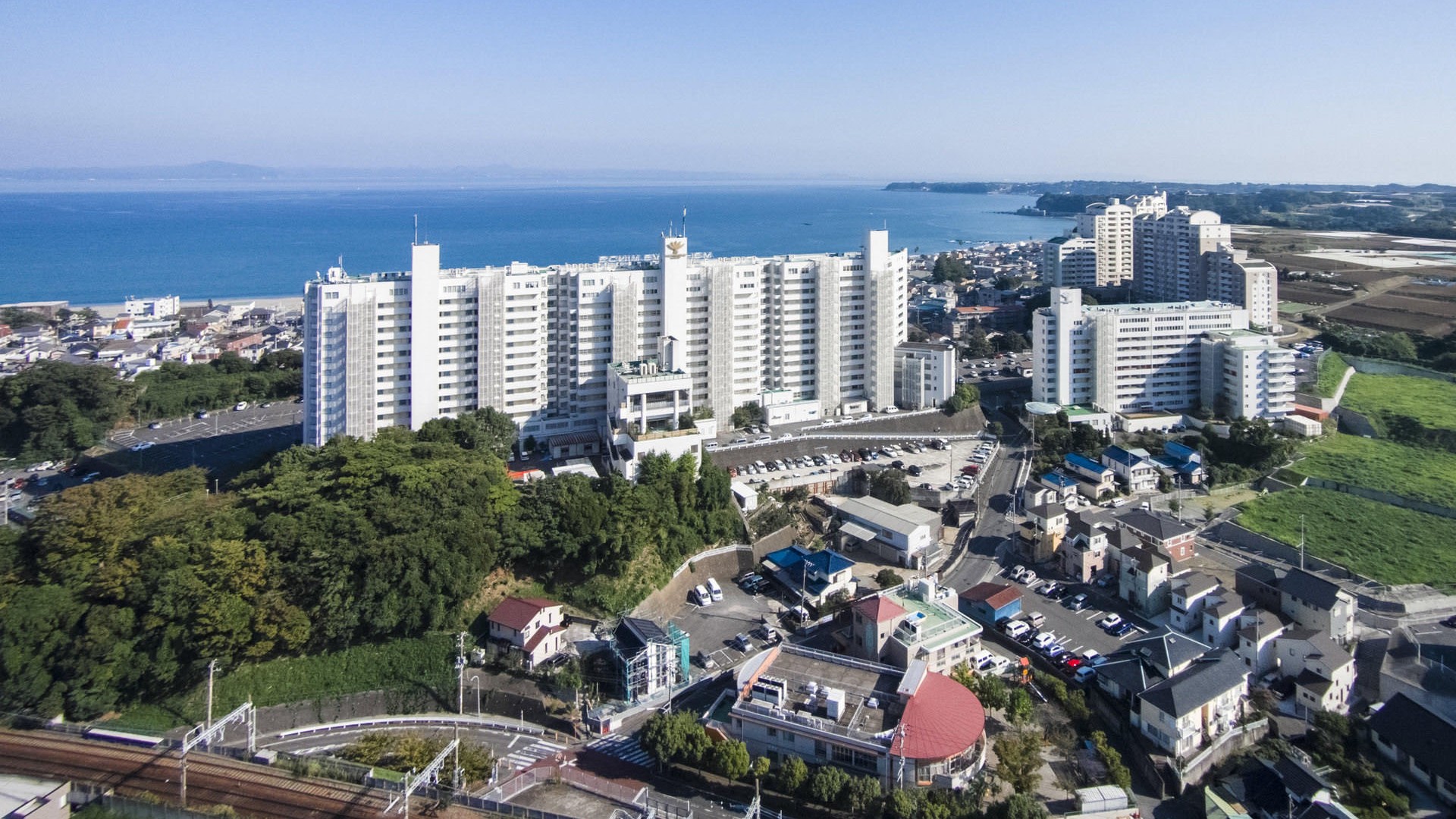
Every room is an ocean-view room and relatively spacious compared to typical same class accommodations. There is also a meeting room and a party room for large groups.
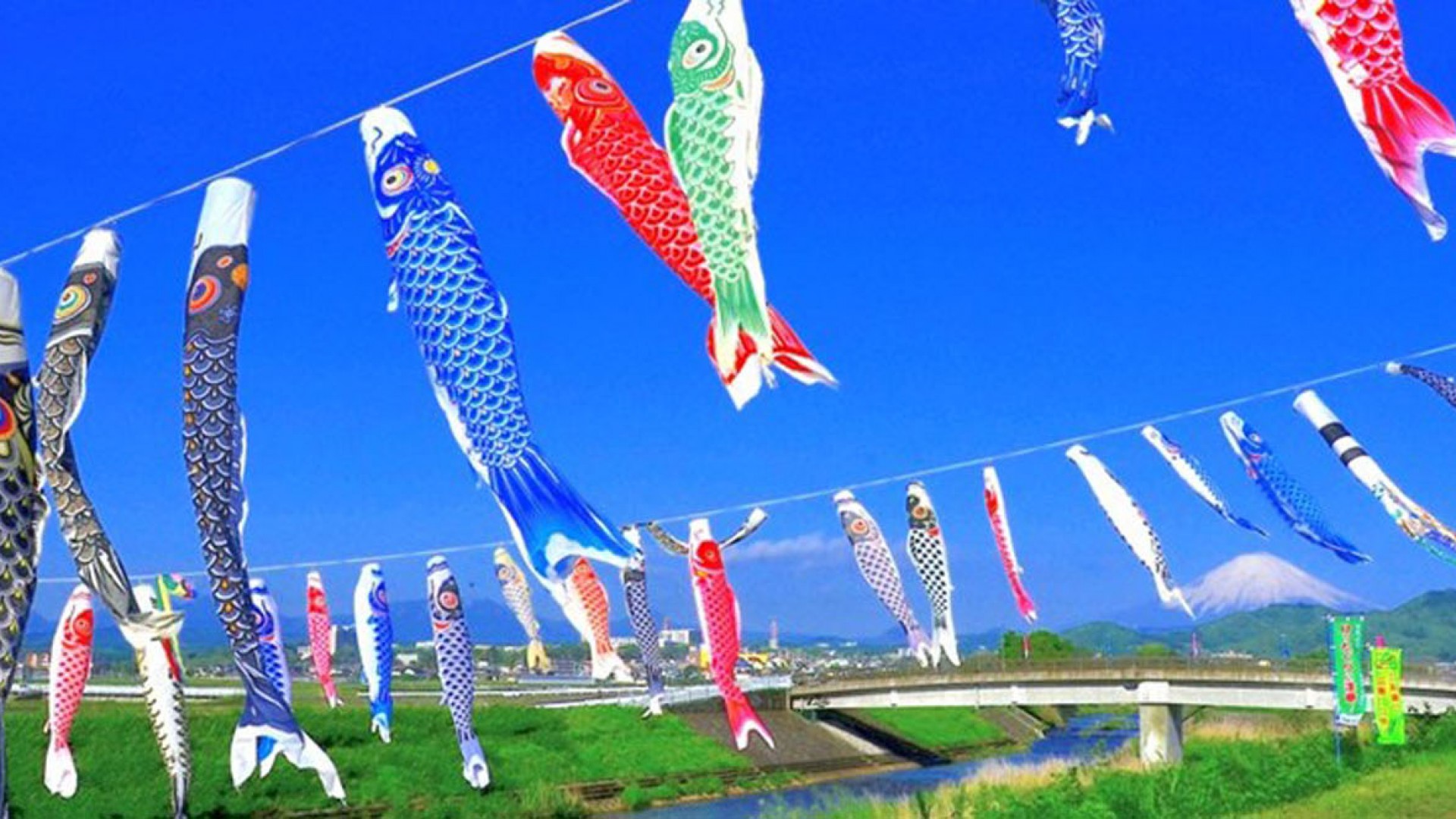
Around 300 Koinobori, carp-shaped wind socks, in different sizes, in the air above the Suzugawa River. There will be stalls and other entertainment that both kids and adults can enjoy.
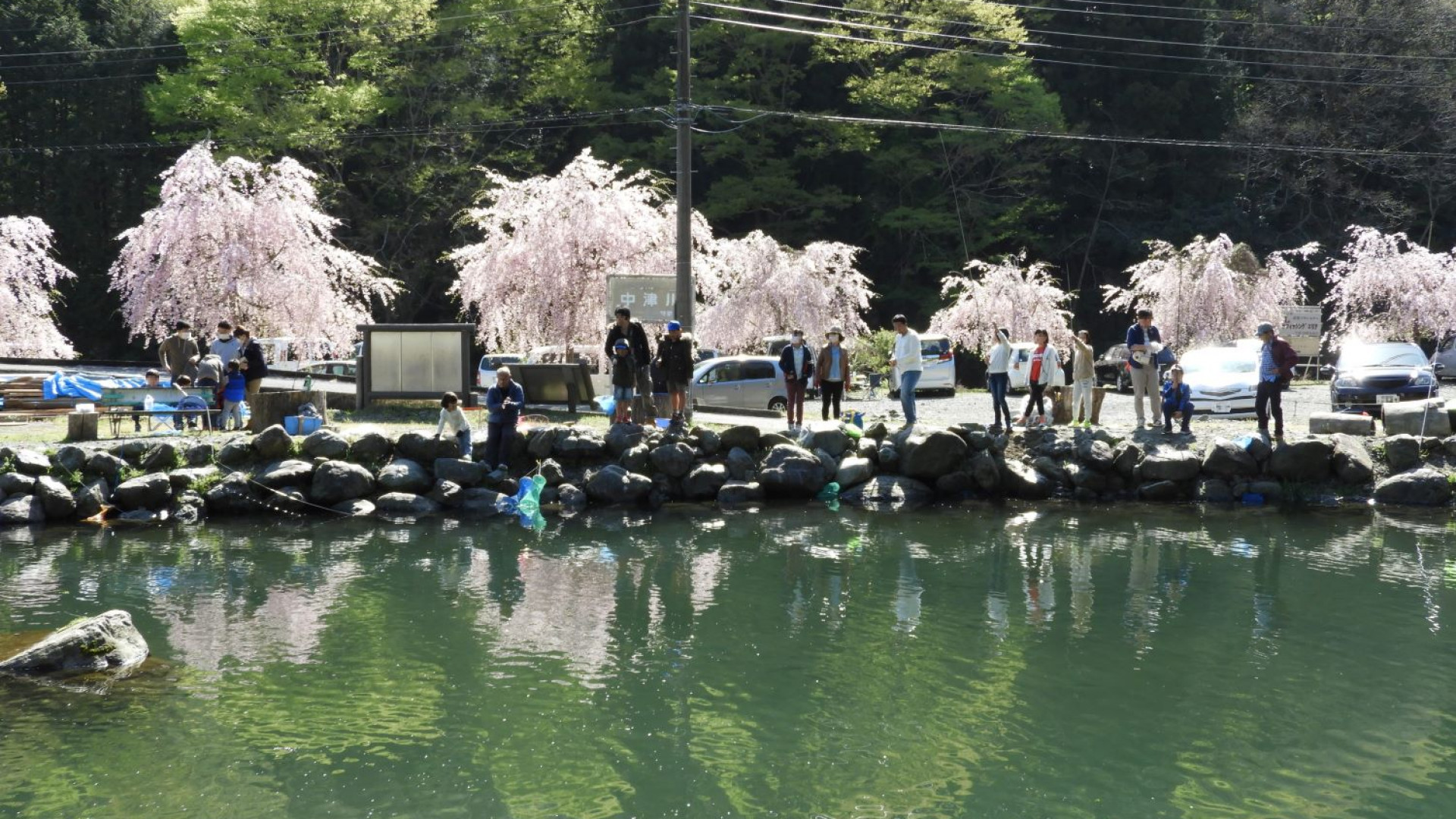
Using the stream from Nakatsu River that flows through Nishitanzawa, you can enjoy fishing cherry salmon, rainbow trout, and salvelinus leucomaenis (iwana). According to your skills, you can choose either river fishing or pond fishing. Barbecue sets as well as fishing tool sets are available for rent. Large buses are allowed.
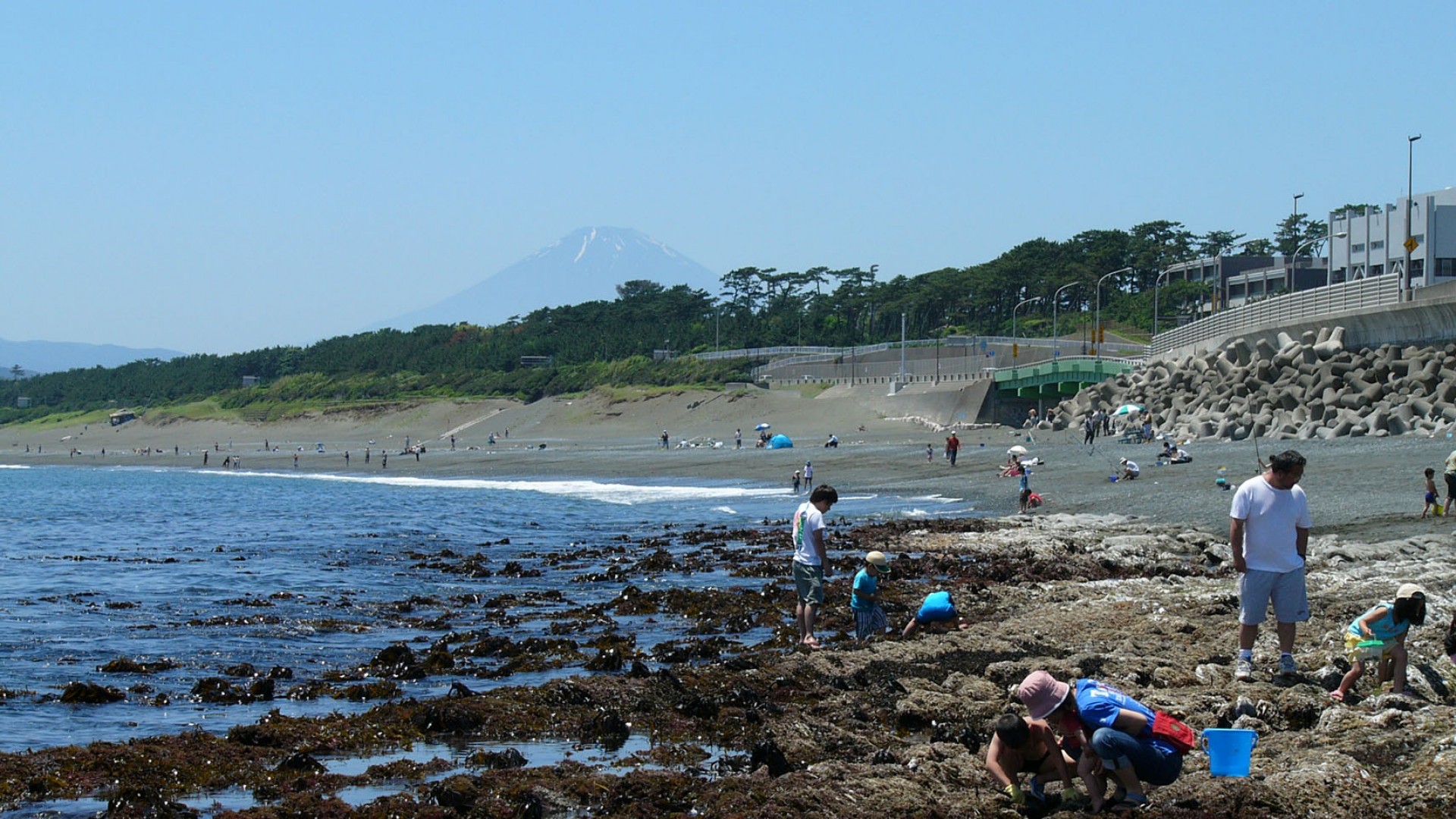
Terugasaki Coast is designated as a natural monument of Kanagawa Prefecture as the "Aobato (white-bellied green pigeon) Group Flyover Site in Oiso Terugasaki”. When the Oiso Hills are covered in green, they can also be observed at Mount Koraizan and Shonandaira. Early in the morning around May to November, you can view the aobato that fly in from the mountains and forests to drink seawater. Drinking seawater is said to provide salt and minerals. It is worth seeing the aobato risking their lives to come and drink seawater while avoiding the waves crashing onto the reefs.From May to November, admire the green pigeons that fly in from the mountains and forests to drink seawater during the early morning. It is said that they drink seawater to replenish salt and minerals. Avoiding the waves breaking on the reefs, the green pigeons risk their lives to come here. It is well worth watching.
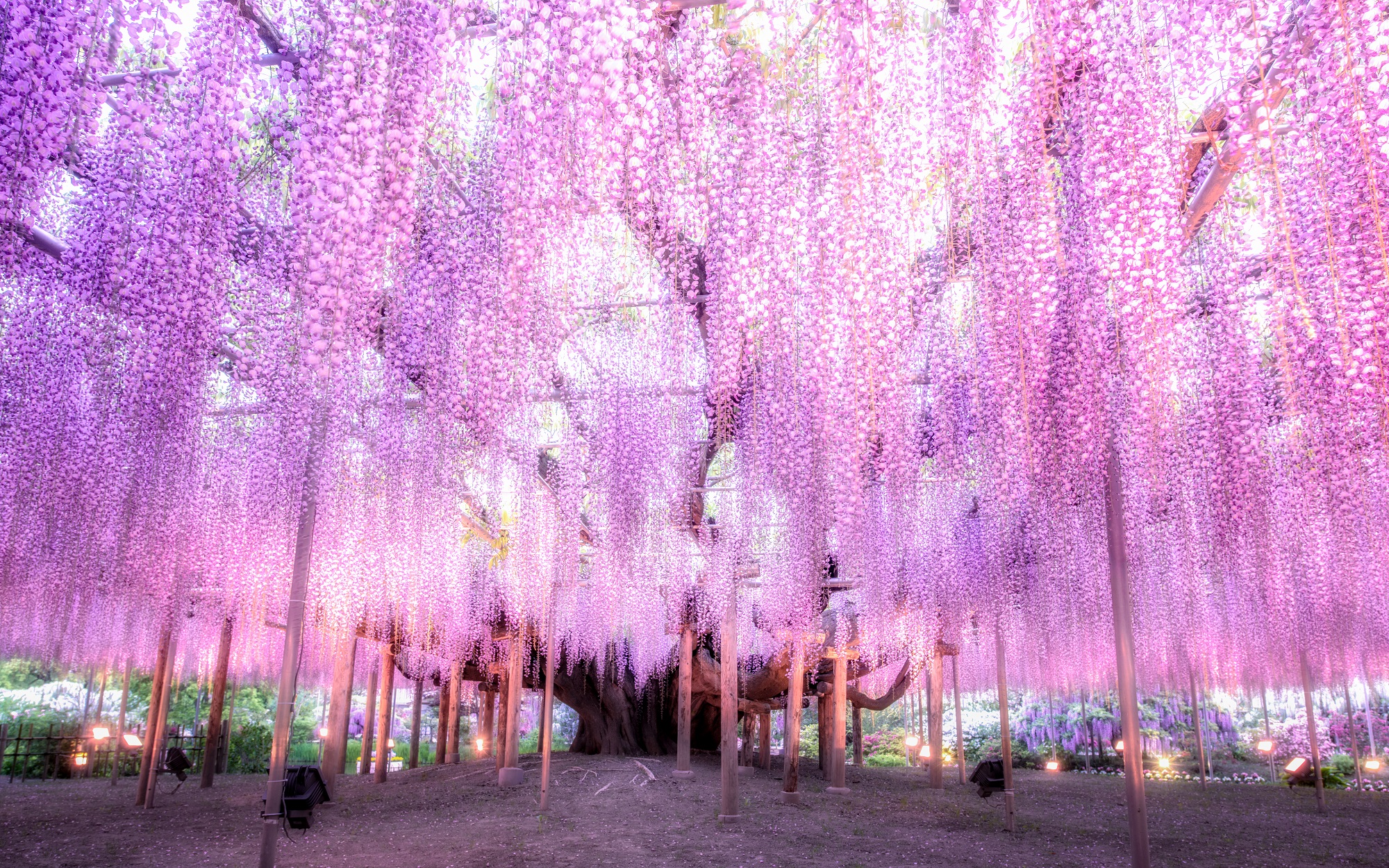
Selected as the only one for Japan in "CNN’ Top 10 Dream destinations for 2014" the Ashikaga Flower Park will be holding its "The Tale of the Wisteria~ Large Wisteria Festival". The size of the park is a substantial 94,000㎡, and boasts over 350 wisteria trees, allowing visitors to enjoy the sheer abundance of the beautiful flowers in bloom. Various colors of wisteria bloom in order, from pale pink, purple, white, to yellow,which allows you to enjoy all of the wisterias for about one full month. A wisteria shelf spanning 1,000㎡ is for the 150 year old large wisteria tree with a 80m long tunnel of white wisterias. An extremely rare double-petal wisteria shelf, and the white wisteria tunnel. It has also a beautiful light-up wisteria at night.
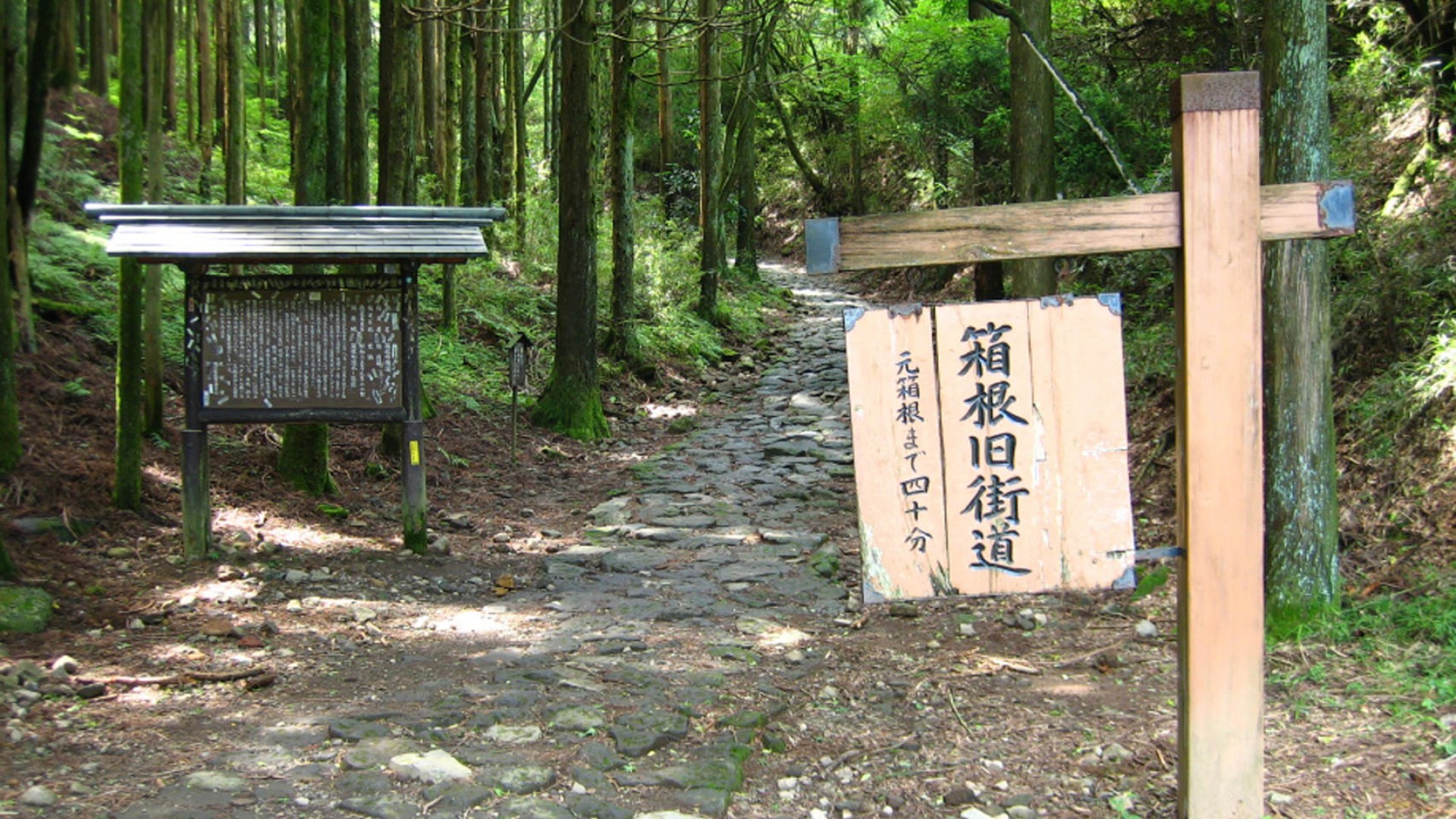
The Hakone Old Highway is a part of the Tōkaidō Highway established by the Edo Shogunal government, and the sloping road extends for 32 km from the Mishima post station via the Hakone-toge pass to the Odawara post station. The part between the Mishima post station and the Hakone check station through the Hakone-toge pass at an elevation of 846 m had been considered the most grueling part in the Tōkaidō Highway, as in addition to the steep ascent at high elevation, travelers had to walk through knee-deep mud if it snowed or rained. The Edo Shogunal government spent 1,400 ryo to pave the road with stone for 10 km of the road. According to records, it was originally paved with local Hakone-dake bamboo, however, it needed to be regularly repaved as the bamboo would rot, costing a great deal of money every year. Now only 2 km of the original stone pavement remains. Enjoy imagining travel in the old days while walking along the original paved segment of the old highway.The mountain road is overgrown with trees, so an early morning start is recommended. When the weather is nice, the sunlight through the trees feels refreshing. Be careful as the stone pavement is slippery after it rains.
Storehouse style buildings scattered in the Misaki Shitamachi Shotengai create an atmosphere of Showa period. The Shotengai offers various specialty foods, including Misaki Tuna. Annual events are: "Chakkirako (UNESCO Intangible Cultural Heritage)" on January 15, and "Miura Yoichi" in August.
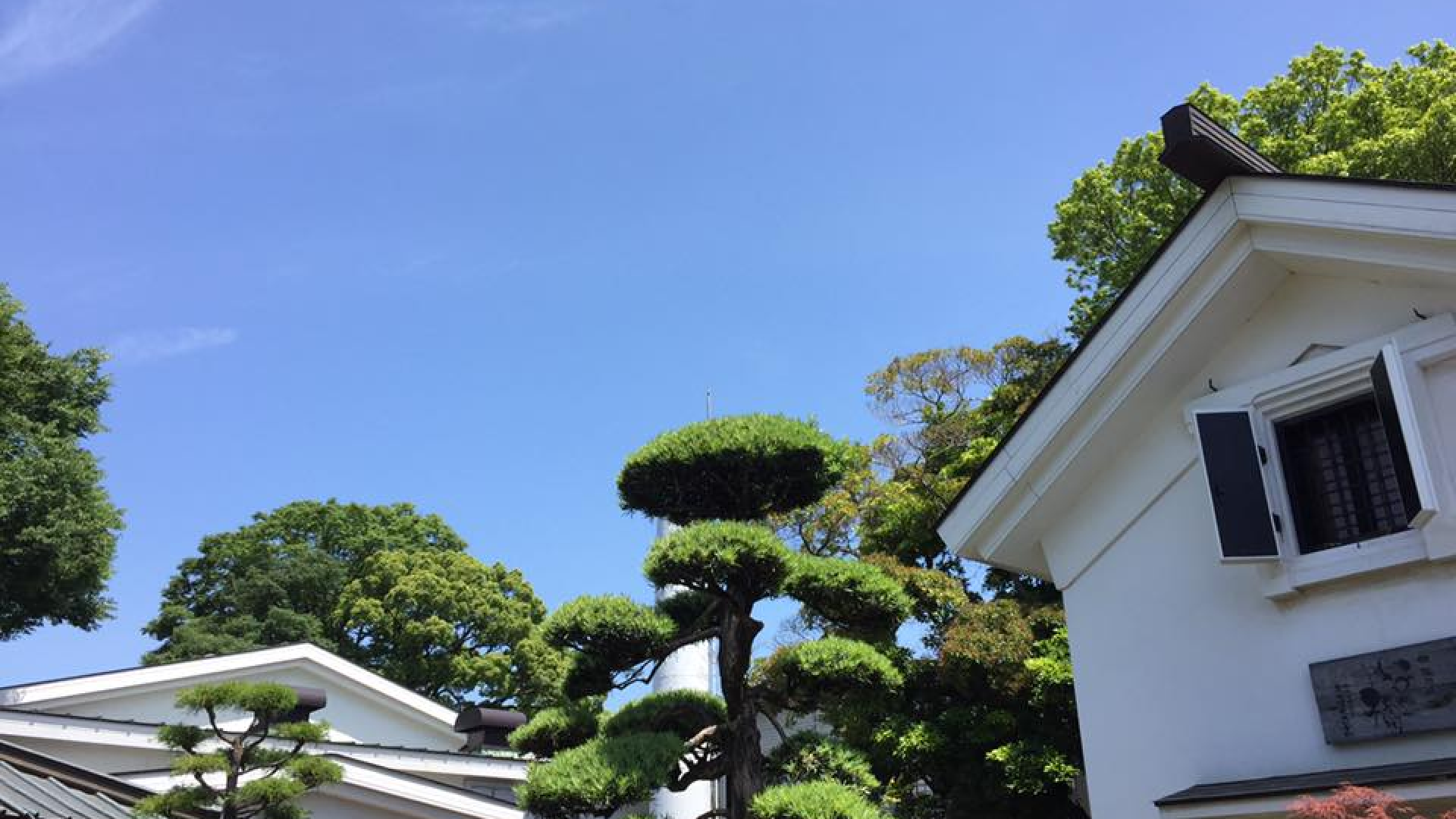
Be sure to check out Shuyukan, Izumibashi Shuzo Brewery's on-site shop and pick up limited items only available here! In March 2025, this store located in an old storehouse was renovated to add a dining area. You'll want to try the "Rice Flour Pizza", made with rice flour produced during the rice polishing process, along with tasing sets, and more. Visitors can enjoy enjoy the cintunously broastcast videos about rice production and sake brewing, adding an extra depth to the experience by allowing you to see, taste, and experience Izumibashi's cultivation and brewing firsthand. English videos are also available.
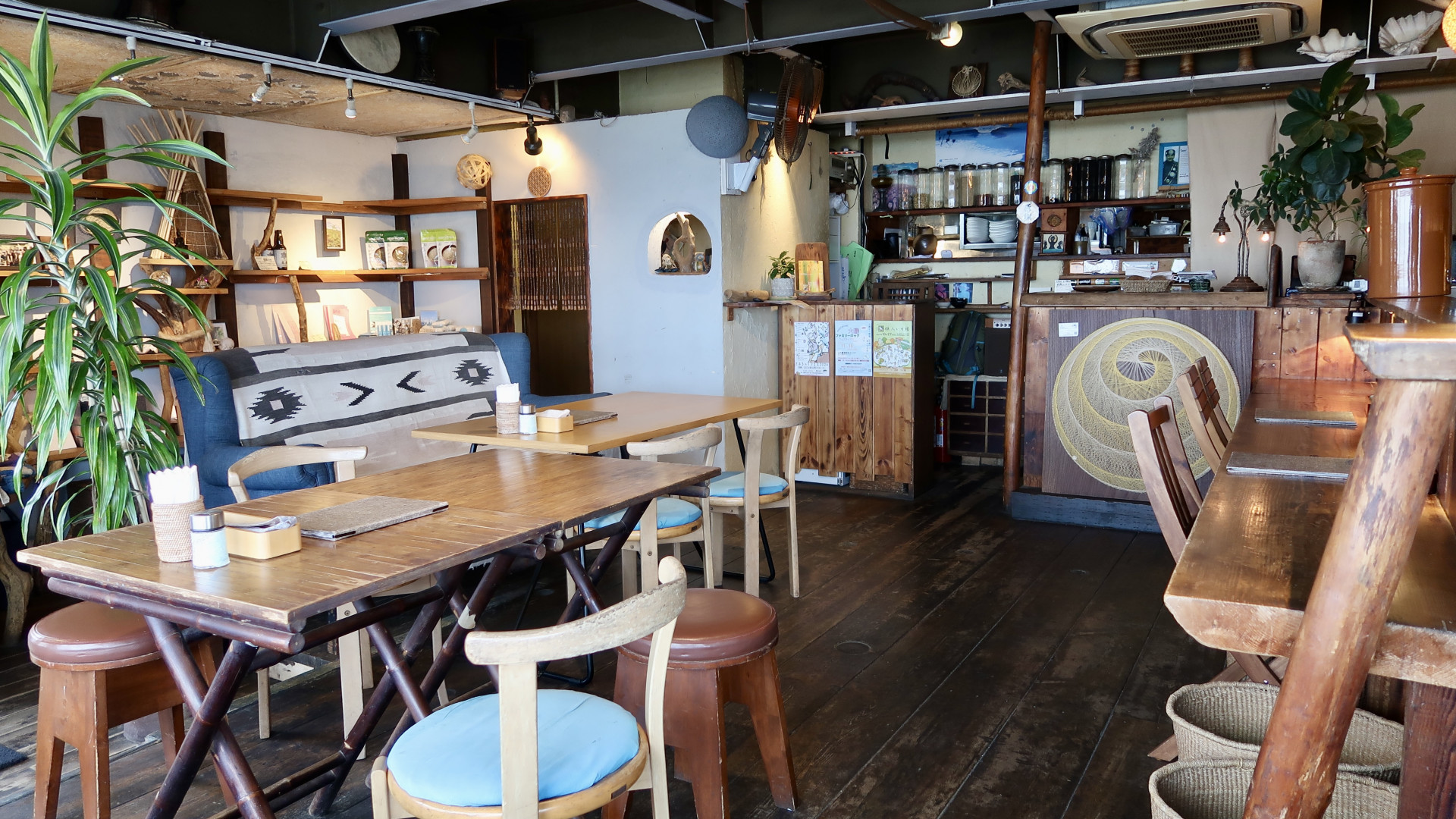
With the concept of "organic" and "hemp", Magokoro opened in the summer of 2002. We offer food made with fresh vegetables, fresh fish, nutritious grain, and hemp seeds. We will do our best to provide for vegetarians, those who consume halal meat, and those who have allergies. Please contact us beforehand.
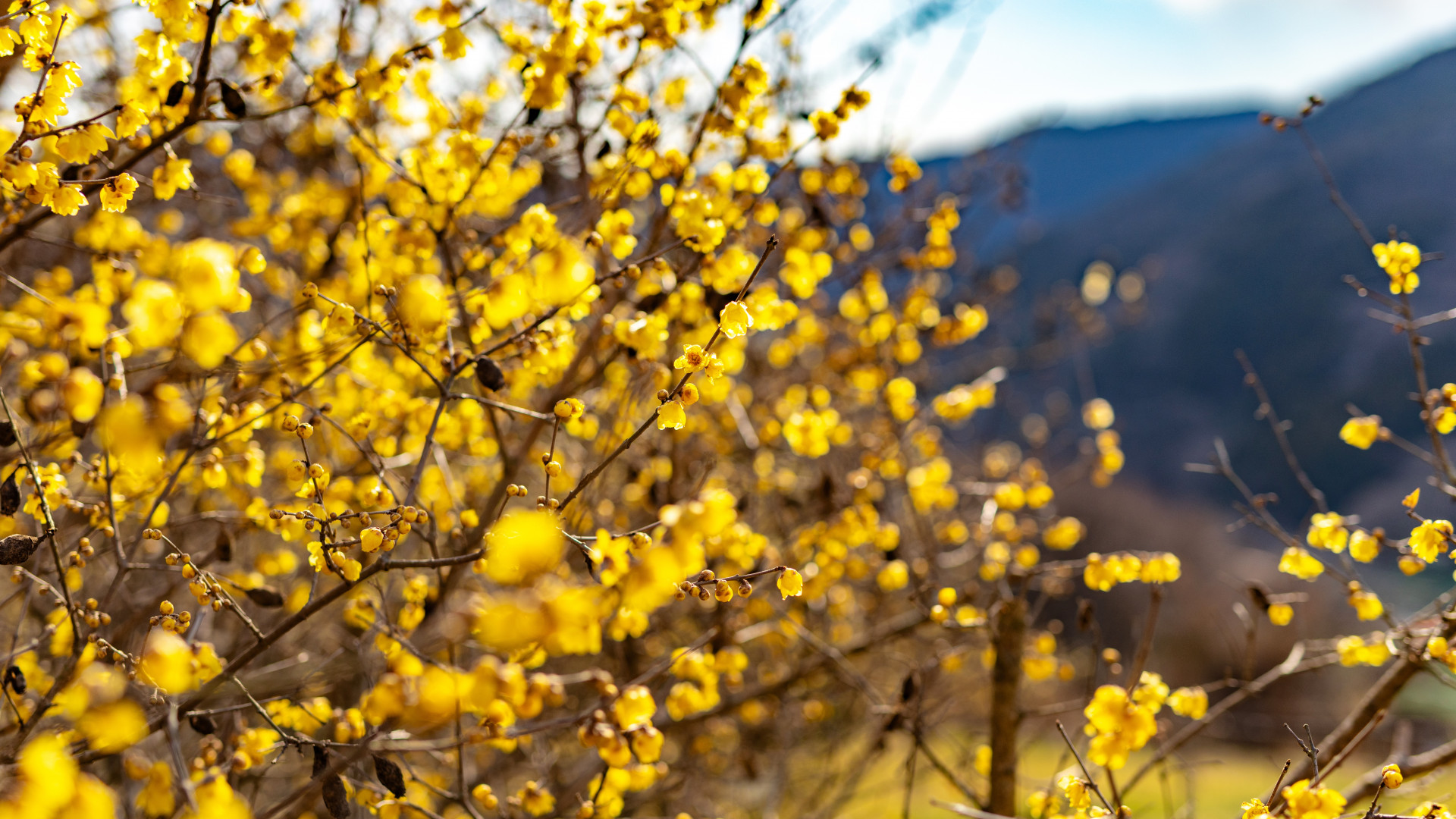
This is the largest wintersweet (robai) garden in Japan. You can enjoy the pretty flowers and sweet scent of about 3000 plants with about 20,000 branches of wintersweet (robai), even in the cold of early spring.
It started as a cemetery for sailors of Commodore Perry's squadron. Now, more than 5,000 foreigners from about 40 countries are buried here. The tombs of some famous contributors to the modernization of Japan are here. It is also an important cemetery from a historical point of view.
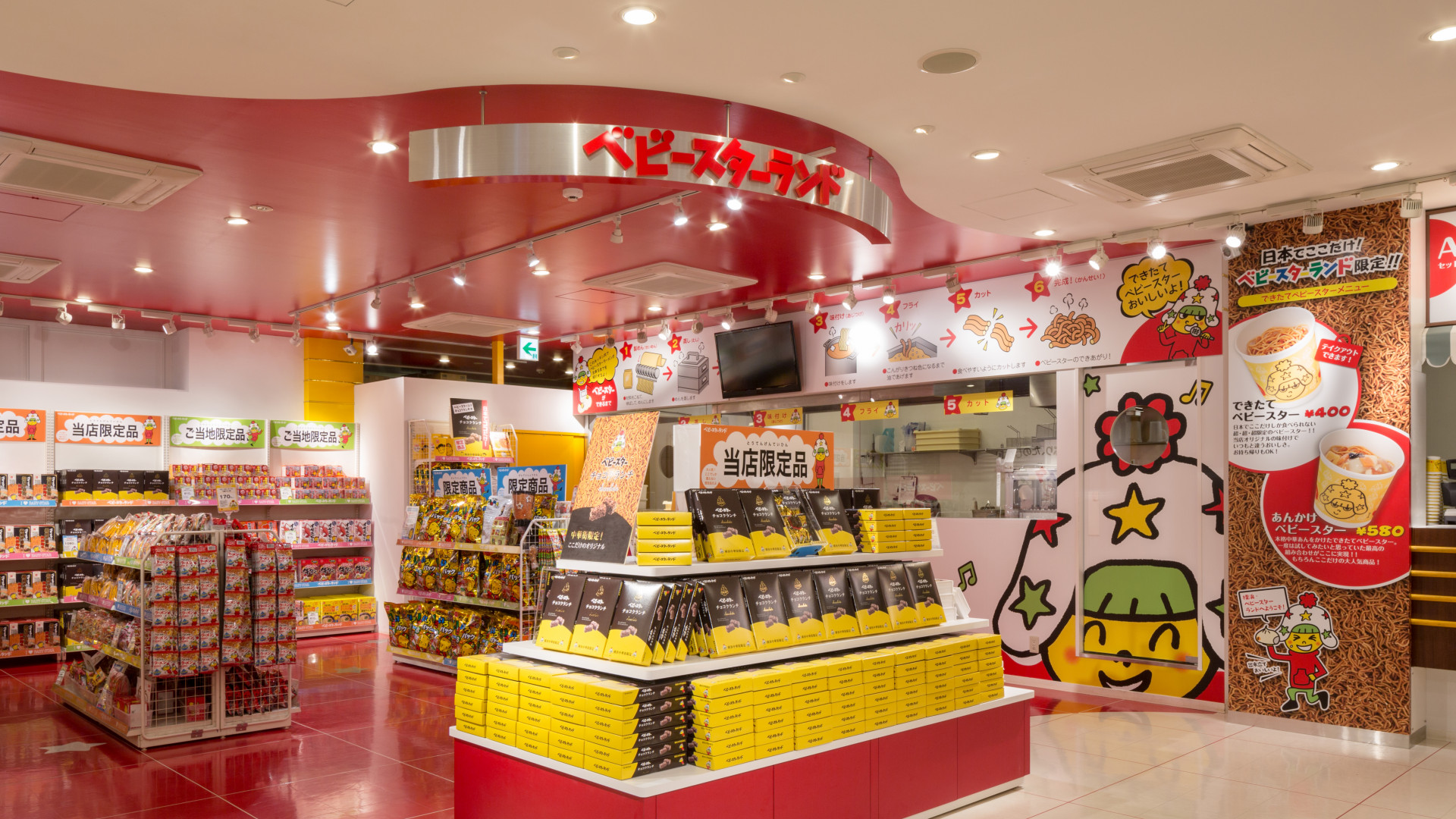
Baby-Star Land, nestled in the heart of Yokohama’s Chinatown, is a shop that celebrates the nationally renowned snack—Baby Star Ramen. This crispy treat originated in the 1950s and is essentially a pack of fried and flavored instant ramen that you can enjoy without cooking.Through glass windows, watch workers steam, fry, and cut noodles to create this umami-filled snack. Once you have stimulated your appetite with the savory aromas, enjoy a cup of freshly made Baby Star Ramen. You can even add additional toppings, such as cheese and corn.Aside from food, the shop also sells original goods and merchandise. Peruse cute bags, mugs, and shirts adorned with smiling characters. The brightly colored interior creates a playful environment that all ages can enjoy, and it is free to enter!
After being discontinued as a central wholesale market in 2015, this commercial facility was opened in September 2019 as a part of the Nanbu Market Restructuring Project. Built around the concept of "a live food market and center for exchange where people can connect with the local community through food", it houses stores selling fruits and vegetables, fresh fish, and meat, as well as bakeries and Western and Japanese restaurants. There is also a grassy plaza with a view of the sea, a rental space called 'Nanbu Base' with a kitchen attached, and an outdoor BBQ area, all making for a comfortable place for relaxing with family and friends. We will continue to strive to be a place loved by the whole community.
Savor the picturesque scenery of the Miura Peninsula on this topless doubledecker bus as you head for the abundant nature of Jogashima, which boasts 2 Stars in the Michelin Green Guide. Both one-way and round-trip courses are offered.
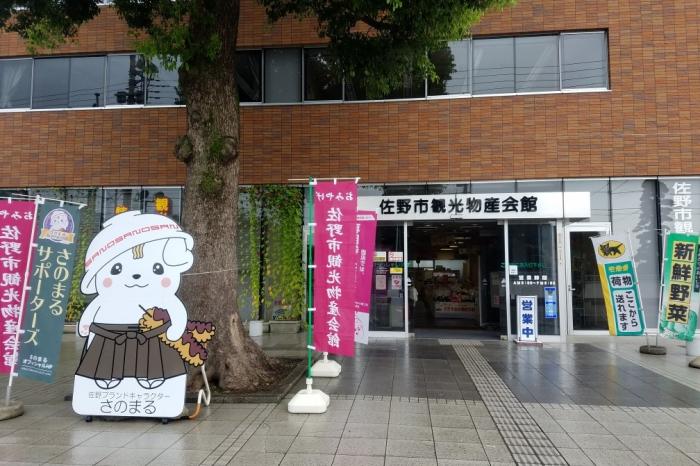
Sano, within a day’s reach from TokyoSano City is located in southwestern Tochigi Prefecture, about 70 kilometers from Tokyo. With its abundant produce and clean environment, it makes a lasting first impression on visitors. The city is also home to many historical sites, telling the long history of Sano’s development. When speaking of Sano’s cuisine, many immediately think of the rich soy-sauce-based Sano ramen. Made with clear water and carefully crafted wheat, this local specialty has become synonymous with the city’s gourmet culture. After enjoying Sano’s culinary delights, be sure to stop by the Sano City Tourist Product Center to take home a taste of Sano! Tourist product center – A comprehensive sightseeing hubInside the Sano City Tourist Product Center, you’ll find more than 800 varieties of souvenirs and specialty products, along with fresh vegetables sold directly from local farms. There is also a wealth of sightseeing information available, making it a convenient starting point for your Sano exploration.