

Greater Tokyo

See & Do

reset
Komadome Falls

Komadome Falls

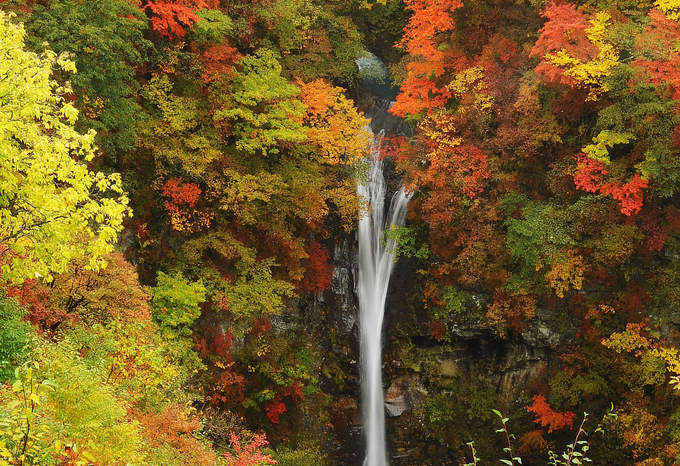
Considered Nasu's foremost waterfall, Komadome Falls is three meters wide and falls approximately twenty meters from a cliff on the Yosasa River. Once, it was a waterfall that can only be seen after the leaves have fallen, but along with the establishment of Nasu Heisei no Mori Forest in 2011, as well as a falls observatory, it became possible to catch a glimpse of Komagome Falls throught the seasons (closed during winter). The observation deck allows you to see a full view of the waterfall from above, which is surrounded by emerald green trees in the early summer and a rainbow of colorful leaves in the fall. Around the end of October, when the autumn leaves are at their peak, the contrast of red and yellow in the valleys together with the clear blue of the waterfalls is a spectacular sight for visitors."

Nikko kaido Oshu kaido TOCHIGI
Stone Museum in Ashino, Nasu

Stone Museum in Ashino, Nasu

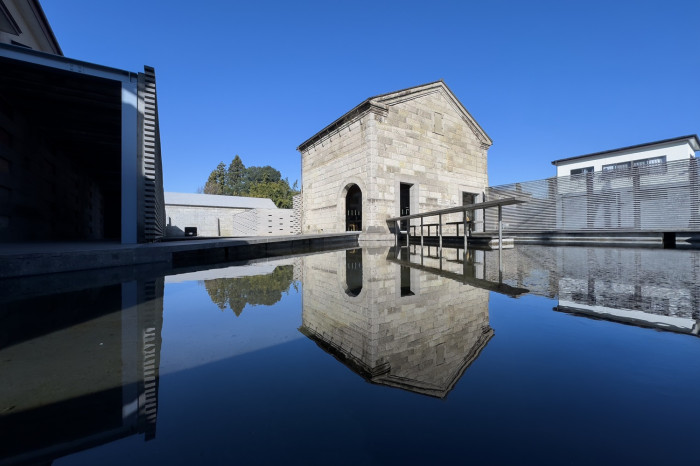
This modern art museum was created by transforming an old rice stone warehouse, redesigned by internationally acclaimed architect Kengo Kuma. The building itself is a beautiful space composed of stone, water, and light, making it not only a cultural site but also a popular photo spot. In winter, as the daylight fades, the lights from each building—divided by a flowing waterway—create a magical and dreamy atmosphere, offering a breathtaking seasonal view. Kengo Kuma (born 1954) is one of Japan’s most celebrated architects, known for projects such as the Nezu Museum in Aoyama, Tokyo, and GINZA KABUKIZA. More recently, he gained worldwide recognition for designing the new National Stadium in Tokyo. His architectural style, which features natural materials and lattice designs, is highly praised both in Japan and abroad. After a renewal in November 2024, the museum reopened with several new features. A café now adjoins the entrance, offering drinks brewed by a professional barista using an espresso machine. The revamped “Stone Lounge” invites visitors to relax while enjoying furniture designed by Kengo Kuma. The roof of the main gallery—the largest of the museum’s three historical stone warehouses—has also been renovated using Ashino stone, the same material as the building’s exterior. The entrance area is freely accessible without an admission ticket, allowing guests to enjoy shopping or a casual drink even without entering the exhibition area.

Nikko kaido Oshu kaido TOCHIGI
Saimyoji Temple

Saimyoji Temple

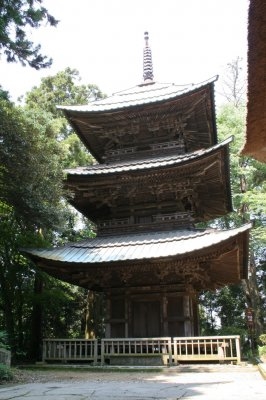
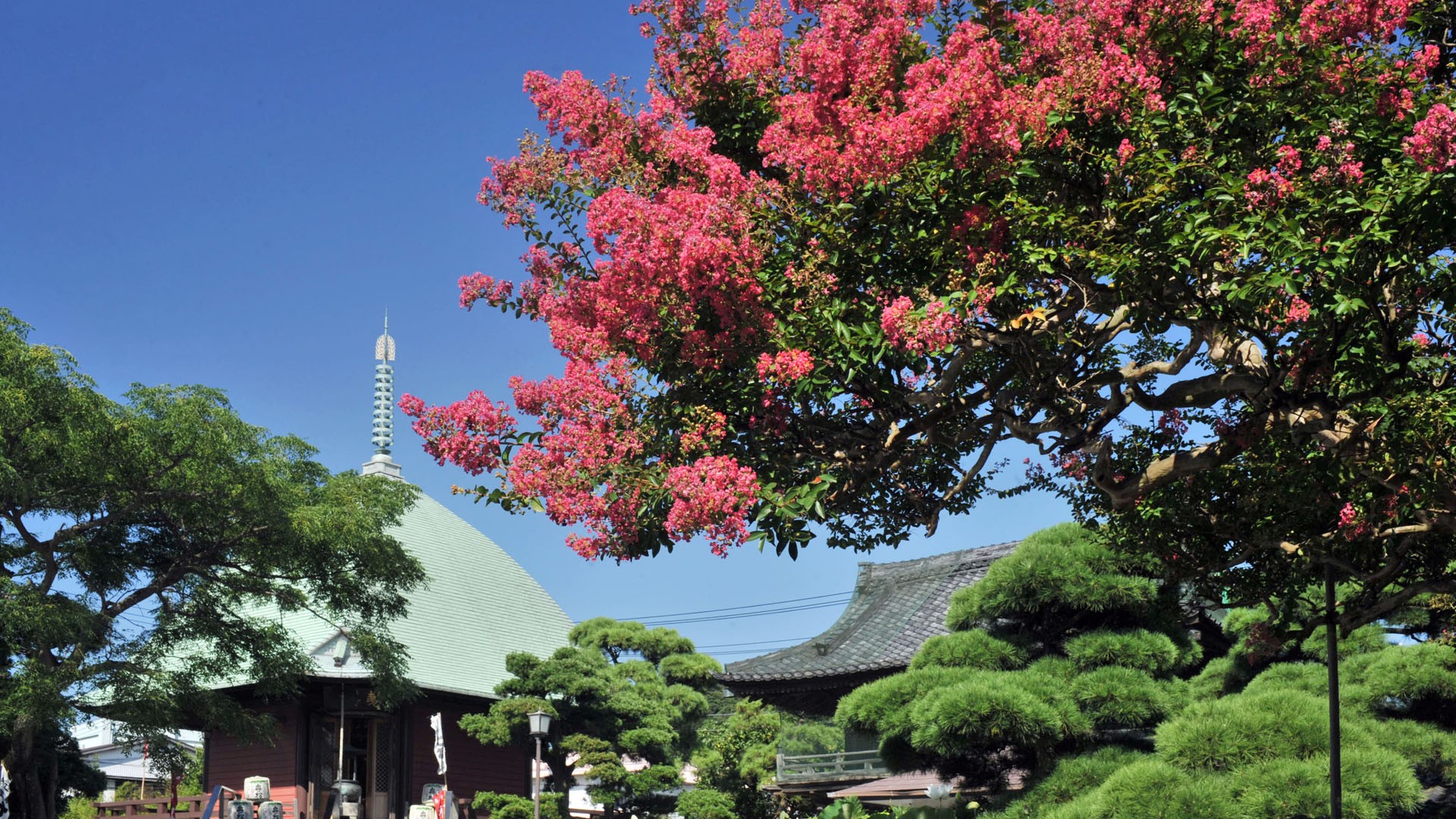
This Shingon Buddhist Sect Buzan School Temple in Mashiko City, Tochigi Prefecture is dedicated to the 11-headed Kanzeon Bodhisattva.  Saimyoji temple is the twentieth temple in the Bando (33 Kannon temples of kanto region) pilgrimage circuit. The gabled thatched two-story gate and three-story pagoda constructed in 1492 and the miniature shine in the main temple hall that is said to be created during the Muromachi period have all been designated Important Cultural Properties of Japan. A statue of a laughing Yama (king of Hell) next to the Bodhisattva Jizo who protects those who have fallen to hell is also found here at the temple. The laughing Yama (king of Hell) is said to be the incarnation of the jizo."

Nikko kaido Oshu kaido TOCHIGI
Lake Ashi

Lake Ashi

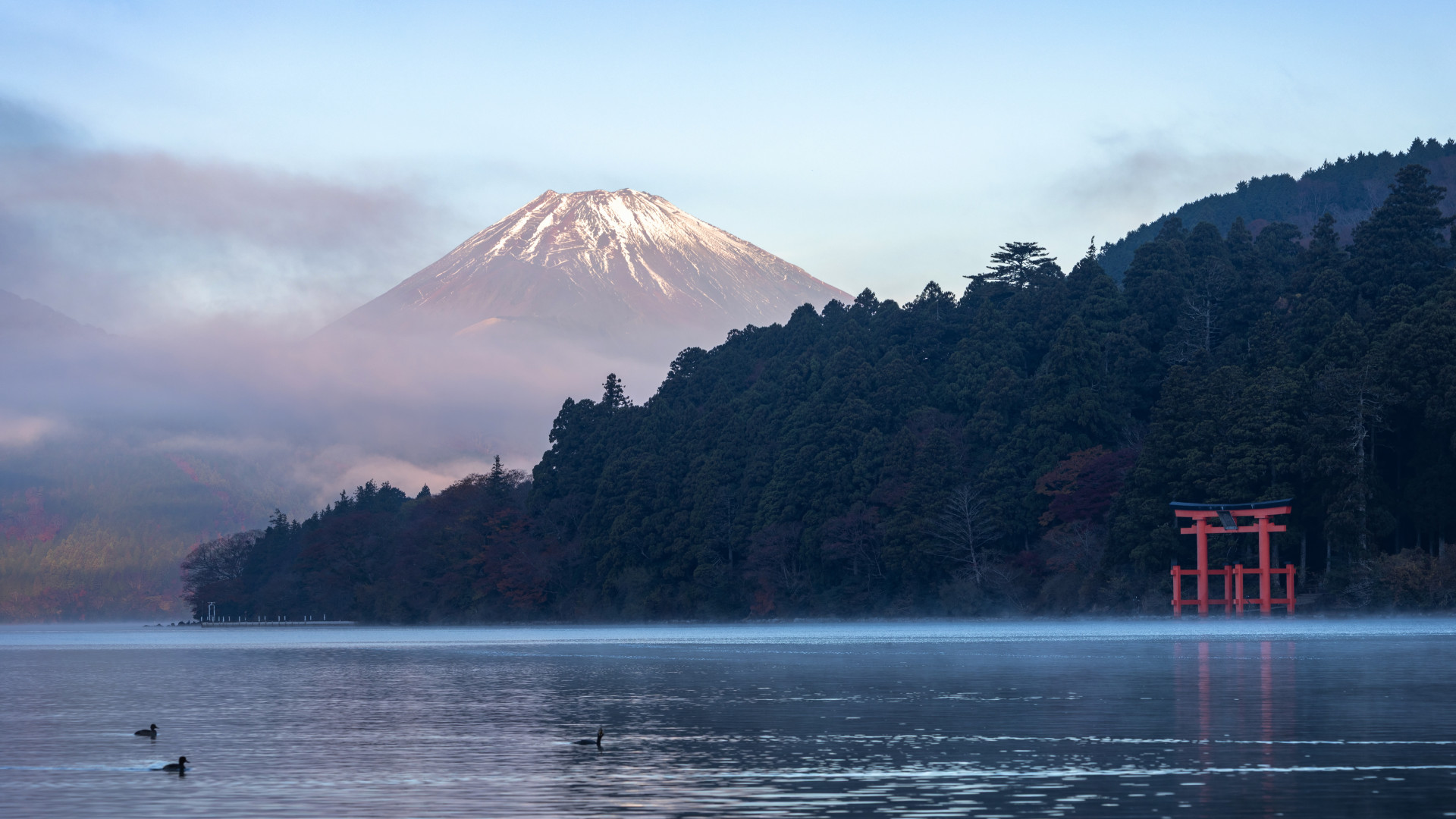
Lake Ashi, also known as Ashinoko, was created by a steam explosion of Mount Kamiyama about 3000 years ago. This caused a river to be dammed, which formed the lake. The majority of the lake’s water comes from a spring at the bottom of the lake. The area is often bustling with hikers along the shore, picnickers, and people fishing.The Hakone Sightseeing Cruise Pirate Ship is one of Ashinoko's most famous experiences. Pirate ships come in three different designs, but all cruises offer the same, smooth journeys across Ashinoko, promising a beautiful view of Mt. Fuji on clear days.Togendai Port is one of the three ports where the Hakone Sightseeing Cruise docks. It is also directly connected to the Hakone Ropeway.The Hakone Ropeway connects visitors from Togendai Port to the Owakudani observation platform, Hakone's most famous tourist spot. While the view of Mt. Fuji from the observatory is stunning on its own, the view from taking the ropeway alone will take your breath away.A 15-minute walk from Togendai pier, this small observation square is a lesser-known observatory that also provides beautiful views of Mt. Fuji and Ashinoko. If you feel like skipping Owakudani and taking a shortcut, this observatory is for you.Enjoy a magnificent view of Mt. Fuji, Lake Ashi, and the red torii gate, in the morning or evening at Motohakone Port. Depending on your luck, you can see the reflection of Mt. Fuji on the clear lake surface in the early morning if weather conditions permit.

Nature & Views Tokaido Koshu kaido KANAGAWA