

Greater Tokyo

See & Do

reset
Yama-no-hotel

Yama-no-hotel

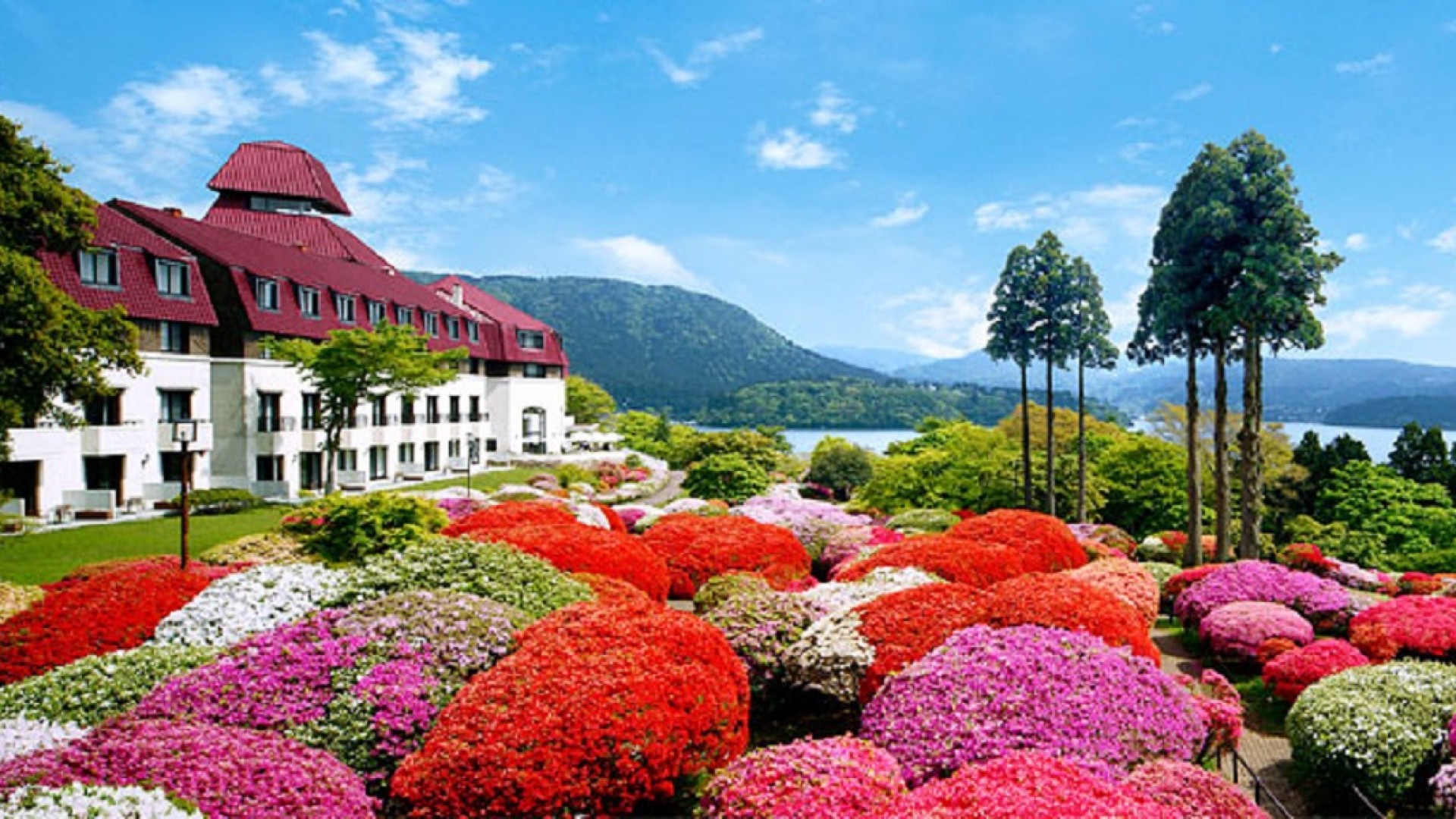
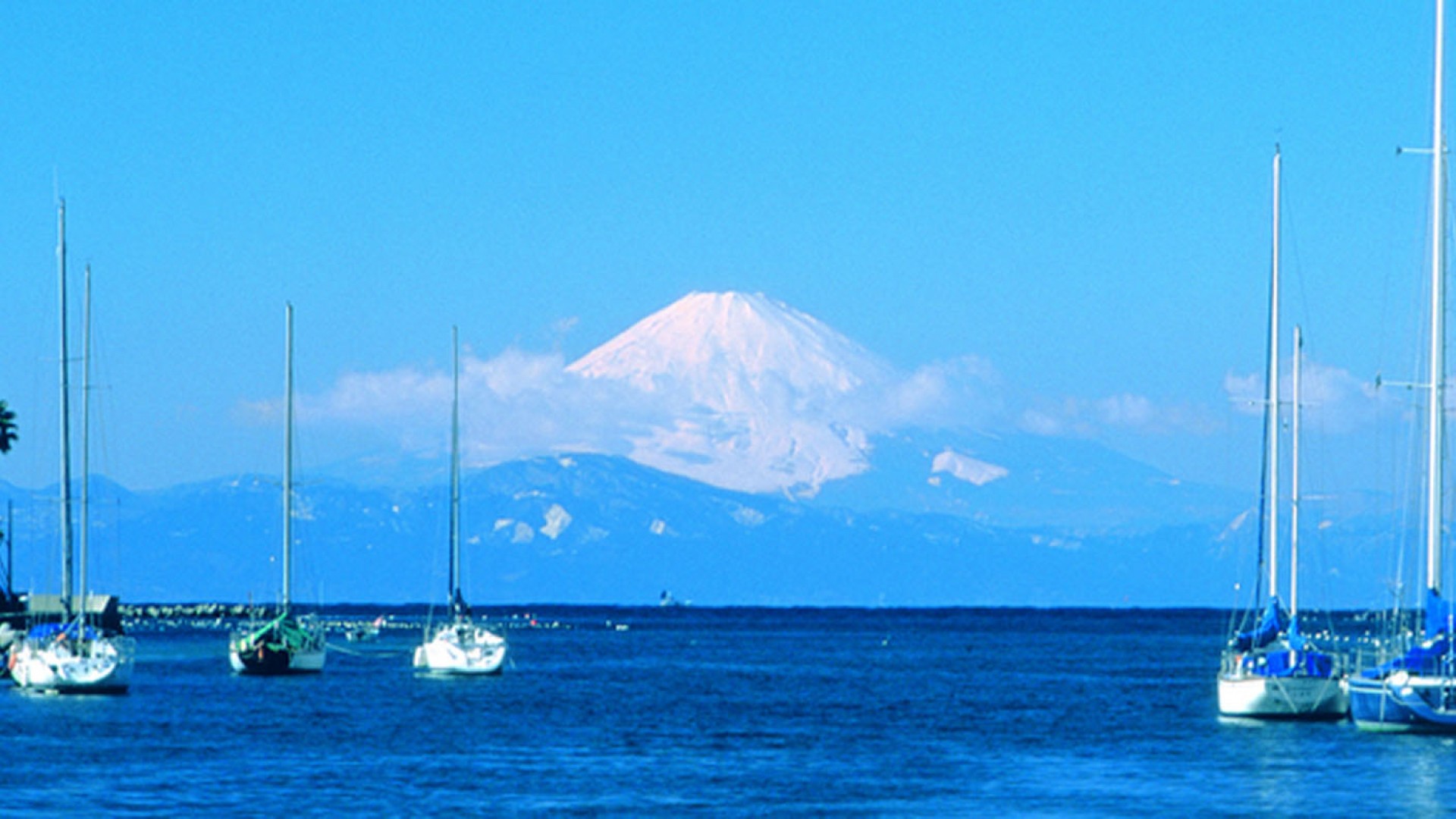
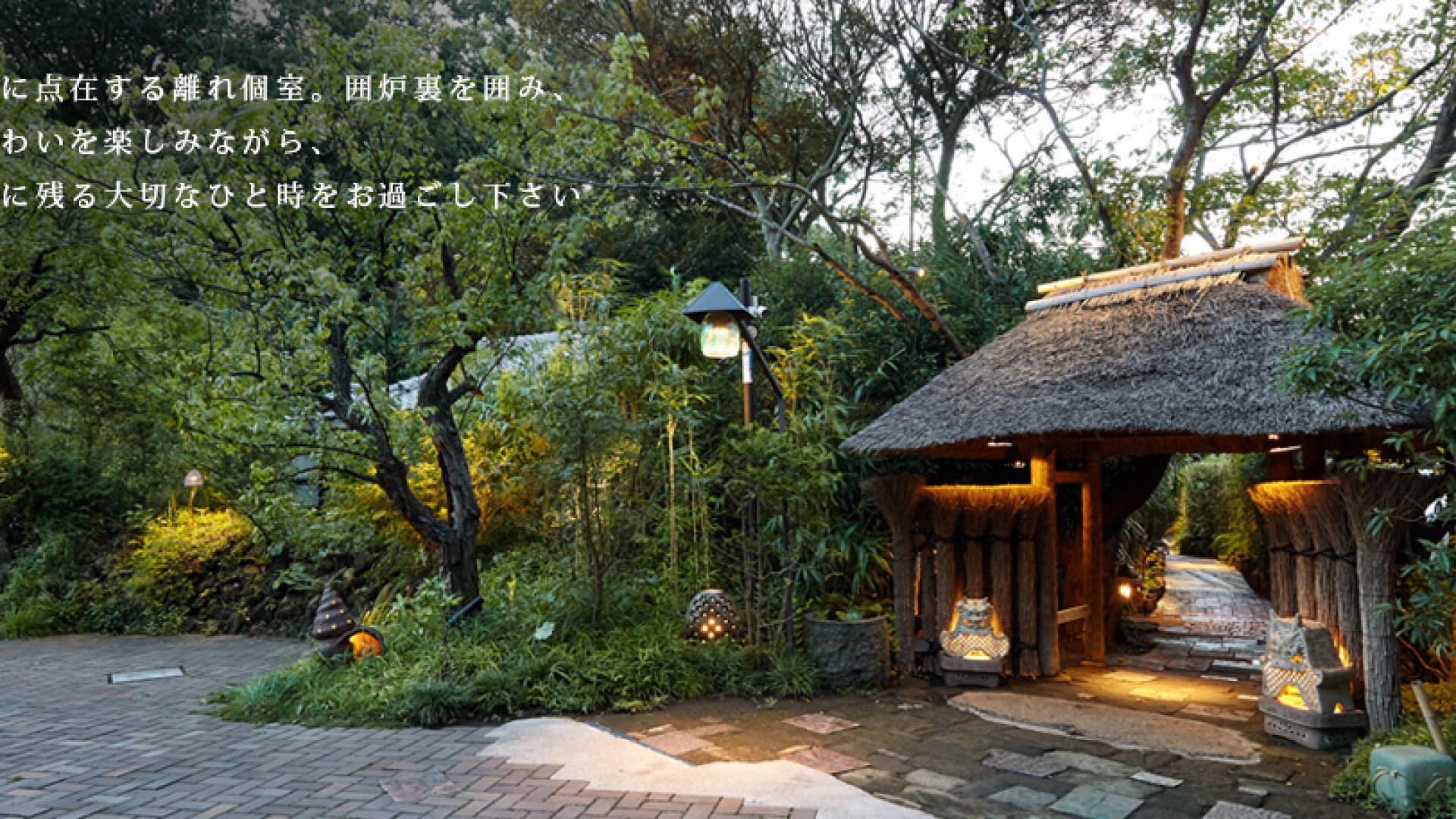
The Odakyu Hotel de Yama, located on the shores of Lake Ashi in Hakone, is an authentic resort hotel in an unbeatable location, with Lake Ashi sparkling before your eyes and a magnificent view of Mount Fuji opposite the garden. Built on the site of the former villa of Baron Koyata Iwasaki, the hotel still retains strong traces of its former days and exudes a romantically classic atmosphere. The large garden boasts a vast area that was inherited from the former Iwasaki Residence, designed to make the most of the natural characteristics of the hillside so that the flowers and trees of the four seasons grow in harmony with the majestic form of Mt. Fuji, as well as the deep blue waters of Lake Ashi. Colorful azaleas and rhododendrons begin to bloom in May in the vast garden, creating a spectacular view against Mt. Fuji and Lake Ashi in the background. In 2022, the garden's azaleas were recognized as "National Collection No. 10" by the Japan Association of Botanical Gardens, and in 2023, the rhododendrons were recognized as "National Collection No. 15". 230 hydrangeas of 25 varieties bloom from mid to late June. The Rose Garden is at its best twice a year, in June and October, which fills the garden with a sweet fragrance of rose. We hope you enjoy this garden filled with flowers from season to season to your fullest desire!

Onsen & Stay Tokaido Koshu kaido KANAGAWA
Oyama Shukubo (pilgrims’ lodging at a temple)

Oyama Shukubo (pilgrims’ lodging at a temple)

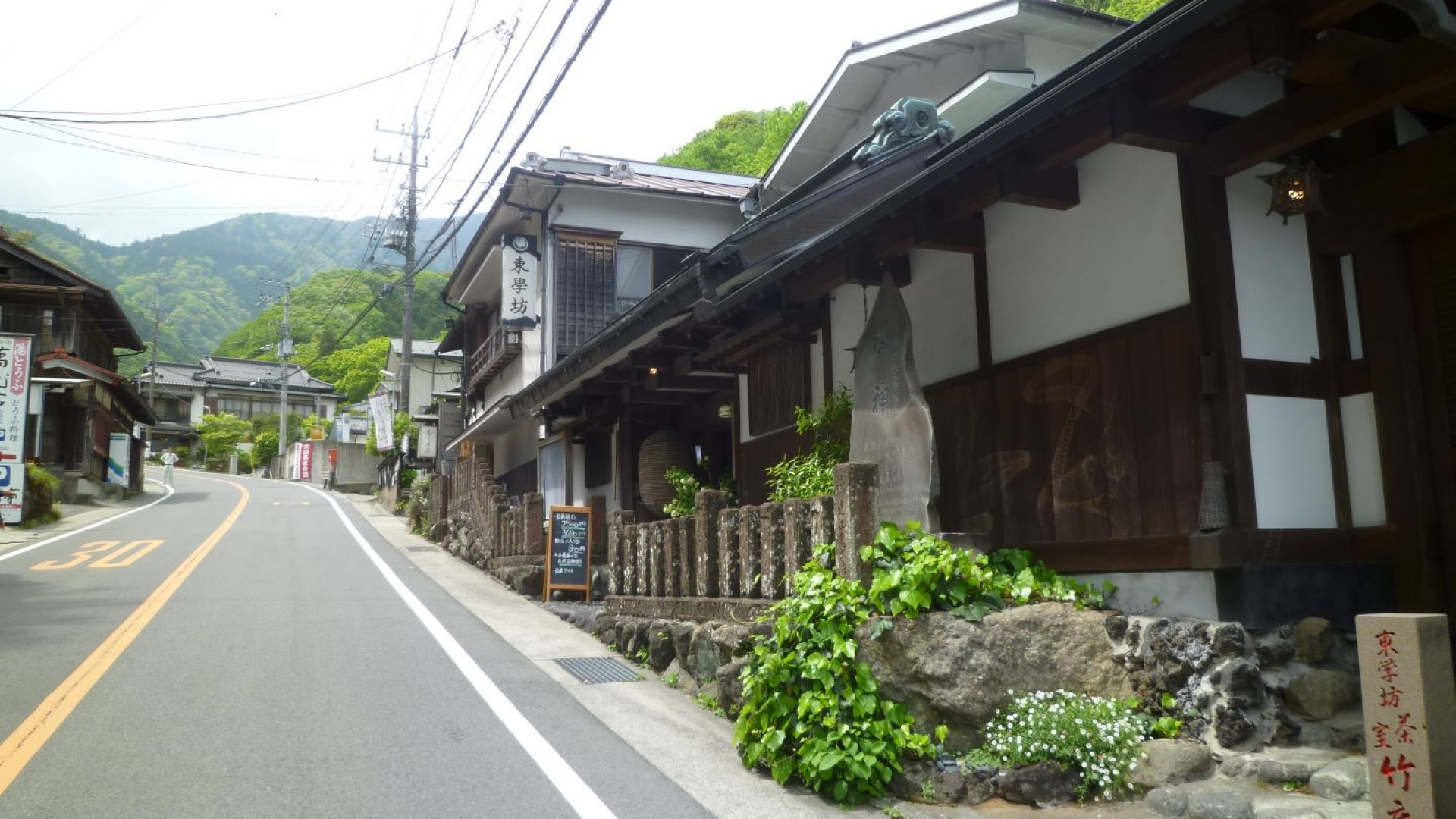
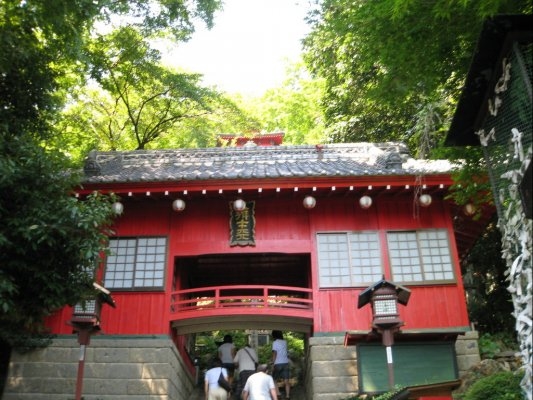
Mt. Oyama has been a theme for rakugo "Oyama Mairi" and a subject matter of Ukiyoe. Afuri Jinja (Shinto shrine) and Aburisan Oyamadera (Buddhist temple) were deeply believed in by the common people in Edo and this religious development had led to prosperity of shukubo (pilgrims' lodging) and souvenir shops at Mt. Oyama.About 50 shukubos are still in business and their specialty are tofu dishes. Clear spring water is used in making tofu. Each shukubo provides a variety of tofu dishes. Tamagaki (a fence around a shrine), Temizuya (place to wash hands and mouth), and Kabukimon (gate) create an atmosphere and liveliness of Edo period. The view from Oyama Afuri Jinjya was published on Michelin Green Guide Japon in June 2015 (Heisei 27) as a two-star scenic spot. Furthermore, "Oyama Mairi" was registered as Japan Heritage in April 2016 (Heisei 28). Mt. Oyama will draw many visitors/tourists' attention.

Onsen & Stay Tokaido Koshu kaido KANAGAWA
Nantaisan Tohai Kosha Taisai (Mt. Nantai Climbing Festival)

Nantaisan Tohai Kosha Taisai (Mt. Nantai Climbing Festival)

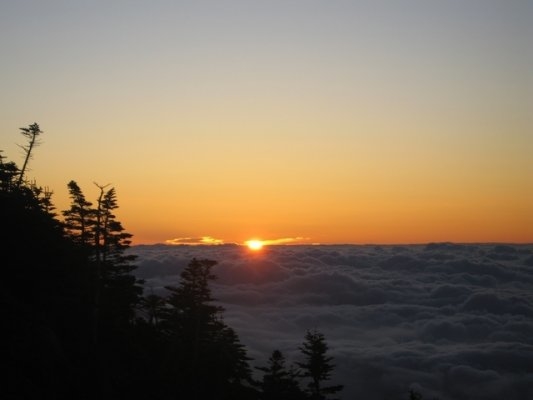
Climbing Mt. Nantai, a Sacred Site in Nikko The Tohai Kosha Taisai is the largest festival of Futarasan Jinja Shrine Chugushi, and has been held continuously for over 1,200 years since the late Nara period. Deeply rooted in the worship of Mt. Nantai, the festival takes place annually from July 31 to August 7. During this period, many visitors climb Mt. Nantai to pay their respects. In addition, pilgrims can climb Mt. Nantai at night during the festival. This allows climbers to reach the summit and witness the sunrise. At the shrine office, participants can receive items such as amulets, climbing certificates, sacred water, and coffee. Every year, around 2,000 climbers gather at night for this event. Before dawn, they set out, reaching the summit at around 4:40 a.m. to witness the rising sun. The sight of the glowing sun emerging from behind the sea of clouds is a truly awe-inspiring spectacle. The festival continues with rituals and ceremonies at the mountaintop.

Nikko kaido Oshu kaido TOCHIGI
Nasu Teddy Bear Museum

Nasu Teddy Bear Museum

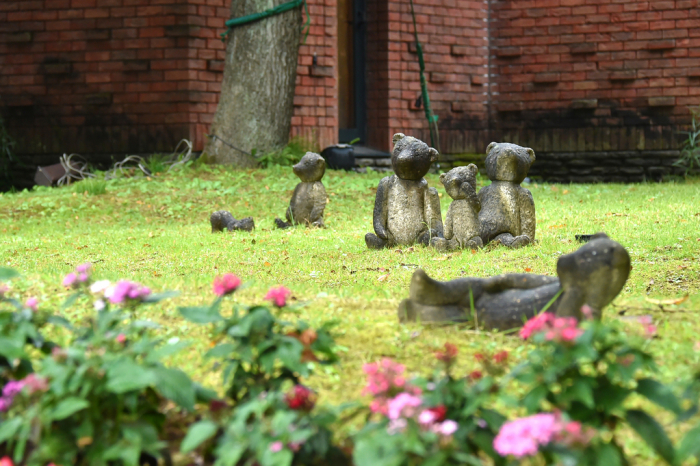
The Nasu Teddy Bear Museum exhibits teddy bears created by 100 artists from all over the world in order to further cultivate teddy bear culture. The museum building is modeled after a British manor house. You’ll find a collection that includes “artist bears” based on artists from around the world, as well as antique bears and Teddy Edward, the teddy bear that has traveled the most around the world. There are also planned exhibitions. The teddy bear museum features the works of Studio Ghibli into the museum as well as famous teddy bears. One of the museum highlights is the full-sized Cat Bus from My Neighbor Totoro. Unlike the Ghibli Museum that can only accommodate small children on the cat bus, even adult tourists can hop on and take pictures of this iconic bus. In addition, there’s a museum shop with a variety of teddy bear goods, as well as a tea room with teddy bear-themed menu items."

Nikko kaido Oshu kaido TOCHIGI
Isoyama Benzaiten Shrine, Izuruhara Benten Pond (Isoyama Park)

Isoyama Benzaiten Shrine, Izuruhara Benten Pond (Isoyama Park)

Izuruhara Benten Pond, the source of the Izuru River, is designated a Prefectural Natural Treasure and was selected as one of the nation’s clearest water sources by the Ministry of Environment. Take a look down into the transparent water and you will find Koi fish with sparkling scales swimming gracefully over swaying water plants. Samples of the pristine water are available to take home from the neighbouring Ichinokan hotel. Be sure to take a close look at the main building of Isoyama Benzaiten Shrine. Reconstructed in the Kamakura period (1185-1333), this cultural property is constructed without nails and displays the beauty of traditional Japanese architectural methods. Isoyama Benzaiten (nicknamed Fuzai) is a goddess of music, arts and knowledge and is one of seven lucky Sano gods built here in 948. The Benzaiten Shrine was moved here at the request of “Suisha-ko”, a group of devout local worshippers.

Nikko kaido Oshu kaido TOCHIGI
Tenseien

Tenseien

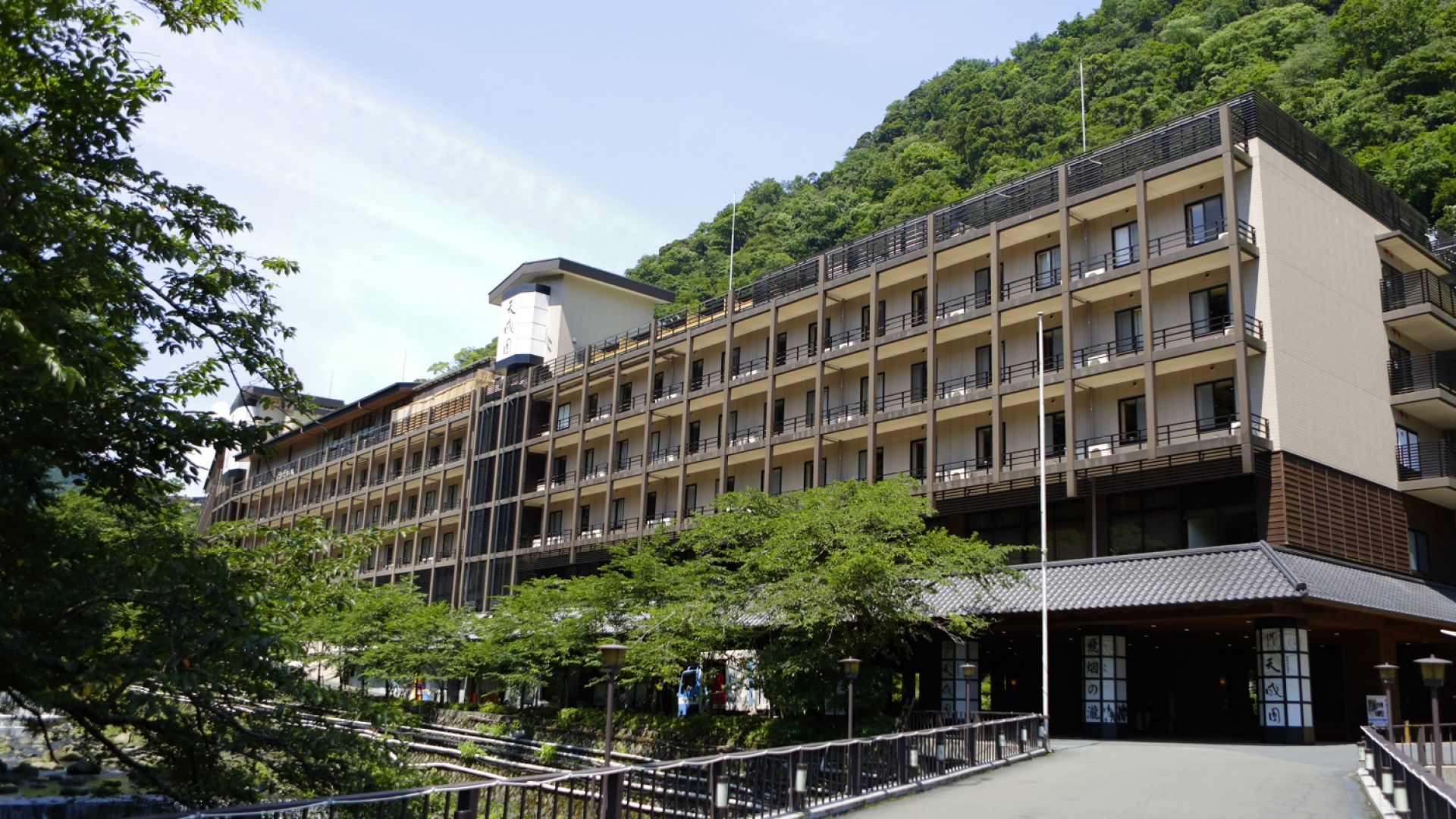
Tenseien is located approximately 12 minutes on foot or 5 minutes by taxi/circulating bus from Hakone-Yumoto Station. It has a rooftop open-air bath that allows you to keenly feel the four seasons of Hakone. The garden contains a waterfall, which, together with Tadamare Shrine, a branch of Hakone Shrine, is popular.Relax and enjoy our day-trip hot springs at your leisure, open from early morning until late at night. (Open from 10:00 AM to 9:00 AM the following morning.)Relax and enjoy our day-trip hot springs at your leisure, open from early morning until late at night. (Open from 10:00 AM to 9:00 AM the following morning.)

Onsen & Stay Tokaido Koshu kaido KANAGAWA
Gyojagatake

Gyojagatake

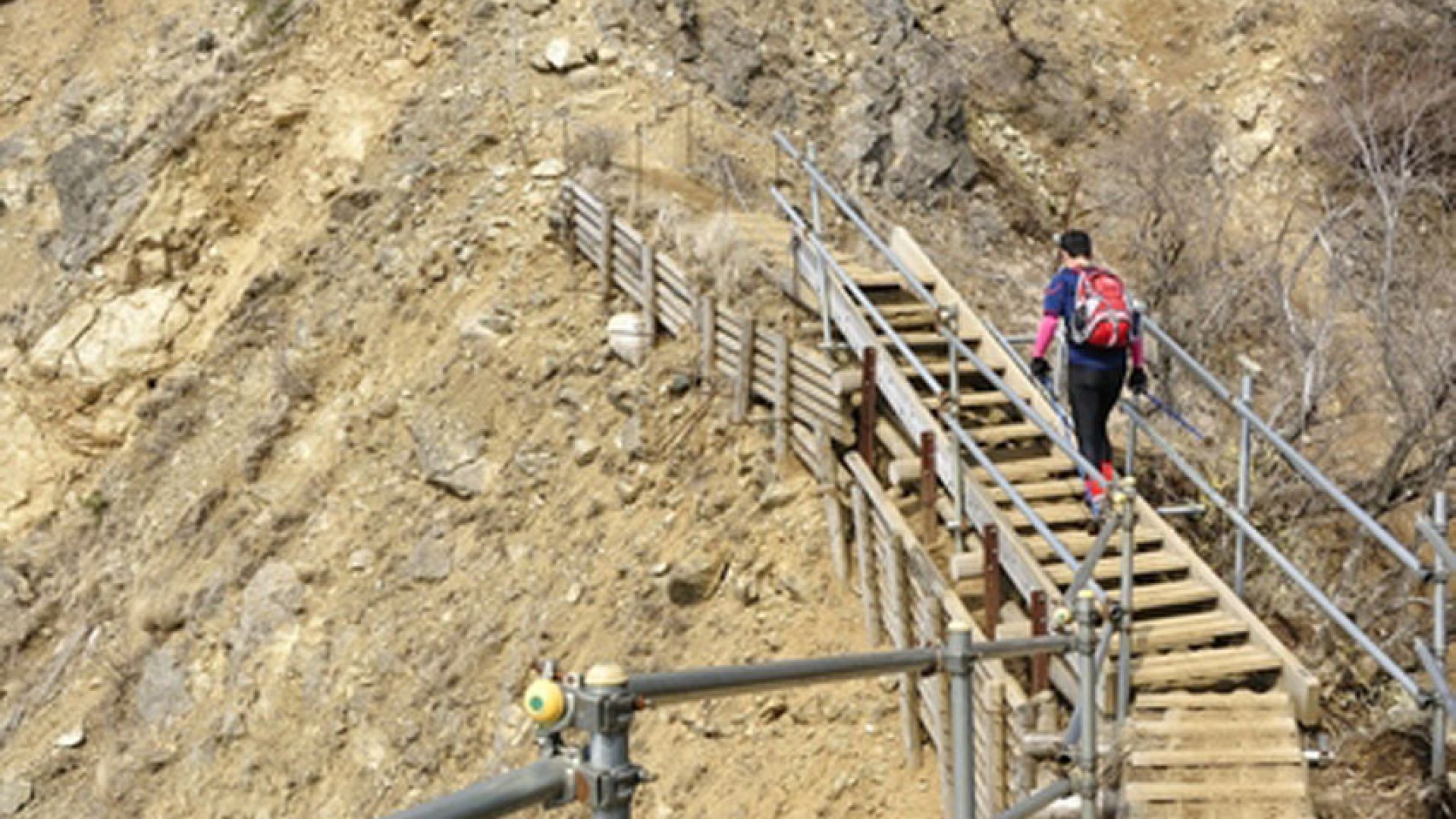
The ascent to the summit of Gyojadake is a series of small ascents and descents. The summit of Mt. Gyoja is narrow and not suitable for groups resting. A stone statue of En no Gyoja (En no Gyoja) used to be placed on the summit, but it has been damaged by the wind and rain. There are several places where you have to climb up from Gyoja-dake to Shindaihi, so please be careful.Please use the "Tanzawa Omote Ridge Traverse Course" as a reference and plan your hike accordingly.Early morning trekking allows you to enjoy a special experience with fewer people and clear air.

Nature & Views Tokaido Koshu kaido KANAGAWA
Taya Cave, Josenji Temple

Taya Cave, Josenji Temple

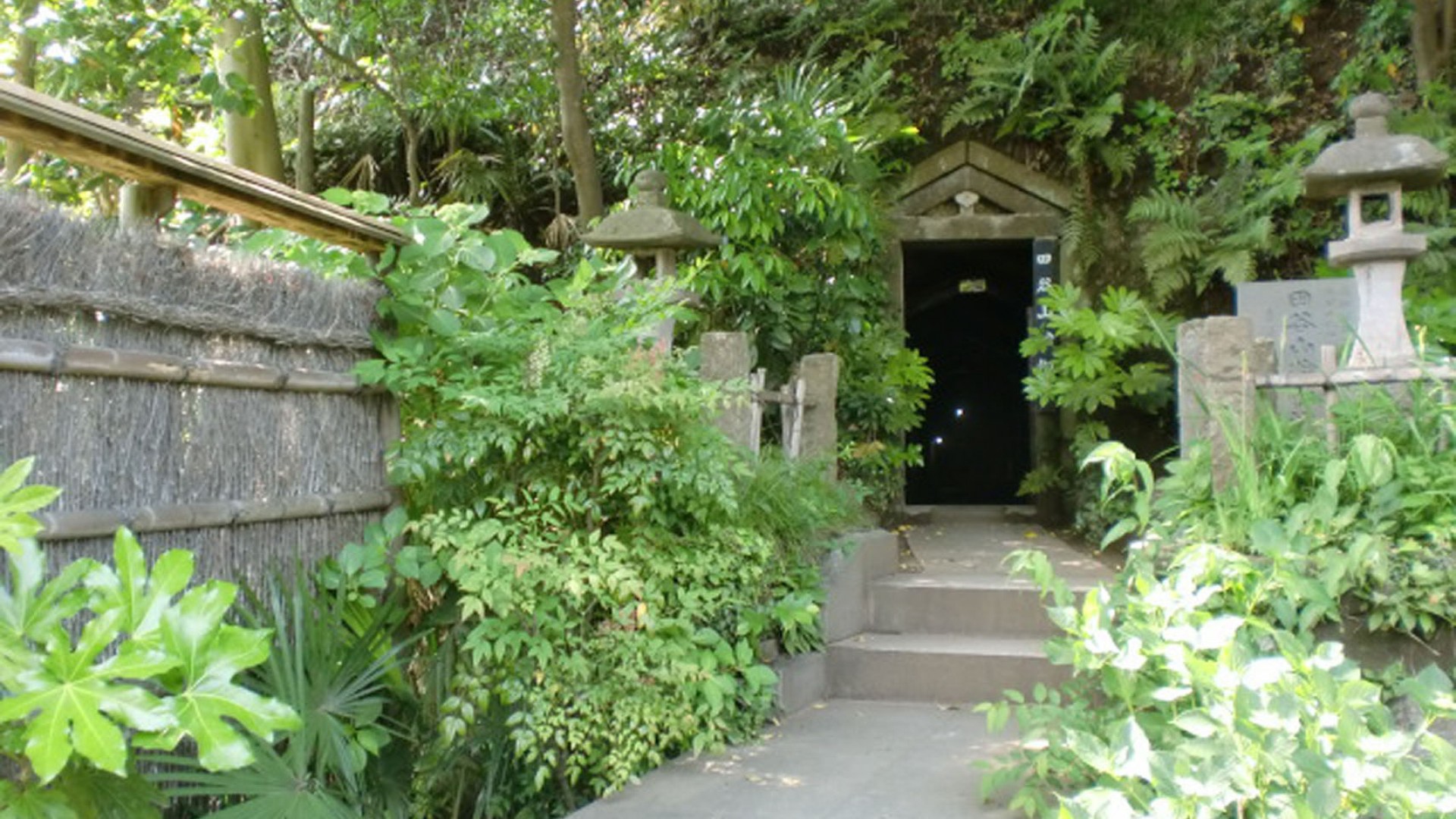
Taya-no-dokutsu (Taya Caves), located within the precincts of Josen-ji Temple on Mount Taya in the Daikaku-ji School of Shingon Buddhism, is officially called Yugado, a man-made cave dug by Buddhist ascetic monks for pilgrimages to sacred sites in Shikoku, Saigoku, Bando, and Chichibu. Josenji Temple was built in the first year of the natural calendar (1532) by high monk Takatsugu, a pupil of the highest ranking priest, Kaigen, a monk of Soshoin, a 25-bo temple in Tsurugaoka. But the cave in Taya is said to have been opened even earlier, in the Kamakura period, as a place for practicing esoteric Shingon Buddhism. Since then, from time to time the cave has been expanded and now measures 570m in actual size. The cave has three levels, upper, middle, and lower, with 17 large and small spaces connected by passageways, with walls and ceilings carved with mandalas, eighteen arhats, and Buddhist stories by Doshin Karukaya.Experience a historic Buddhist meditation cave with many beautiful wall carvings and murals. Explore the cave with a candle in hand, while entering different chambers including the meditation hall for a true spiritual experience.

Temples & Shrines Tokaido Koshu kaido KANAGAWA
Ichijo Ekan Sanso

Ichijo Ekan Sanso

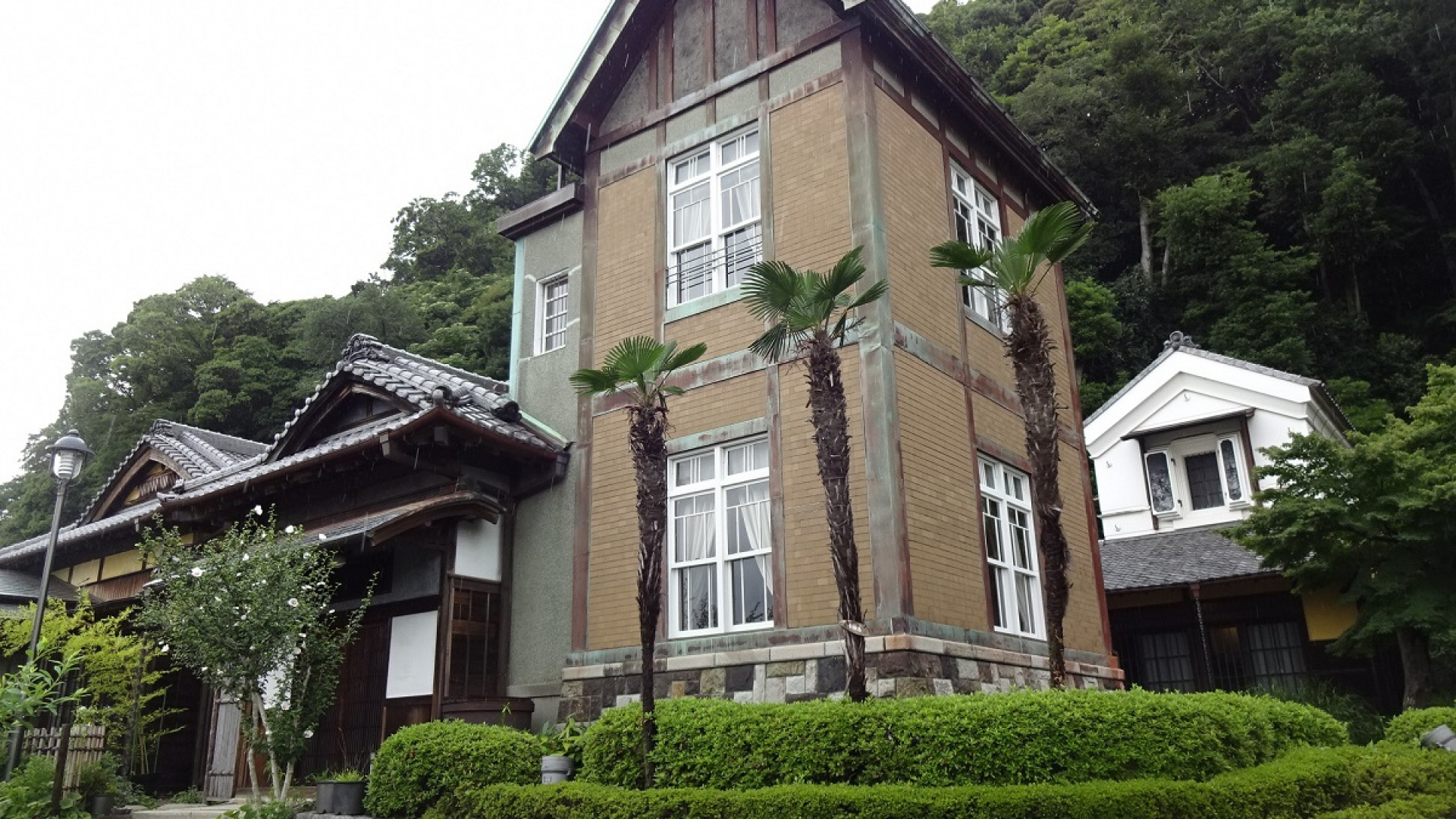
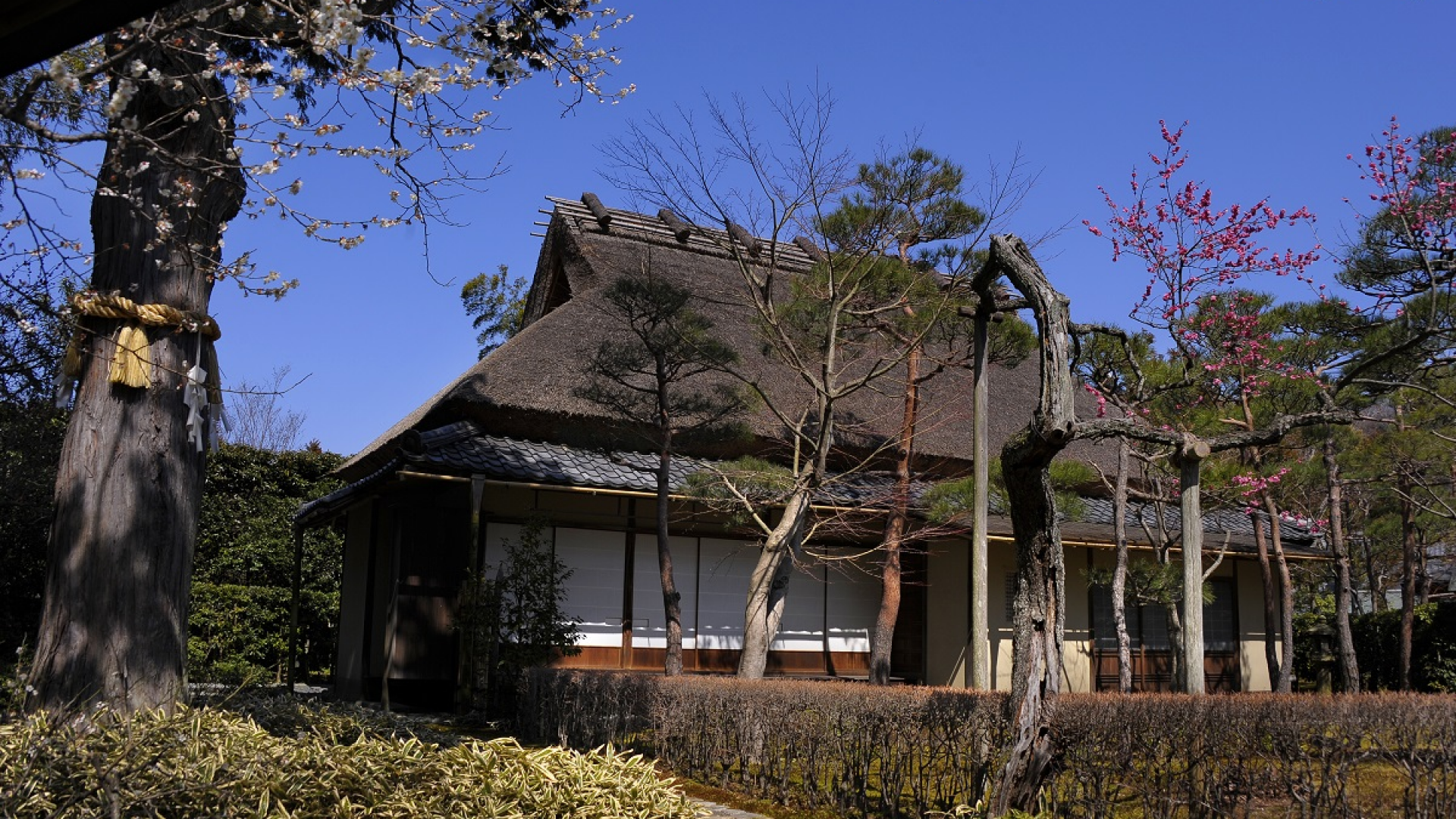
Ichijo Ekan Sanso Villa, a nationall designated Important Cultural Property villa with sukiya-style architecture, is surrounded by its beautiful garden, a space where hydrangeas, autumn foliage, red pines, and moss thrive. With the murmuring of the Nameri River flowing nearby and the chirping of wild birds, it is a lush Japanese garden where you can enjoy Japan's four seasons with all five senses. There is also a cafe within the garden where you can enjoy seasonal Japanese sweets. Tours of the villa are held regularly (advance reservations required so please check the website).

Culture & Arts Tokaido Koshu kaido KANAGAWA