
Greater Tokyo

See & Do

reset
Hakone Ginyu

Hakone Ginyu

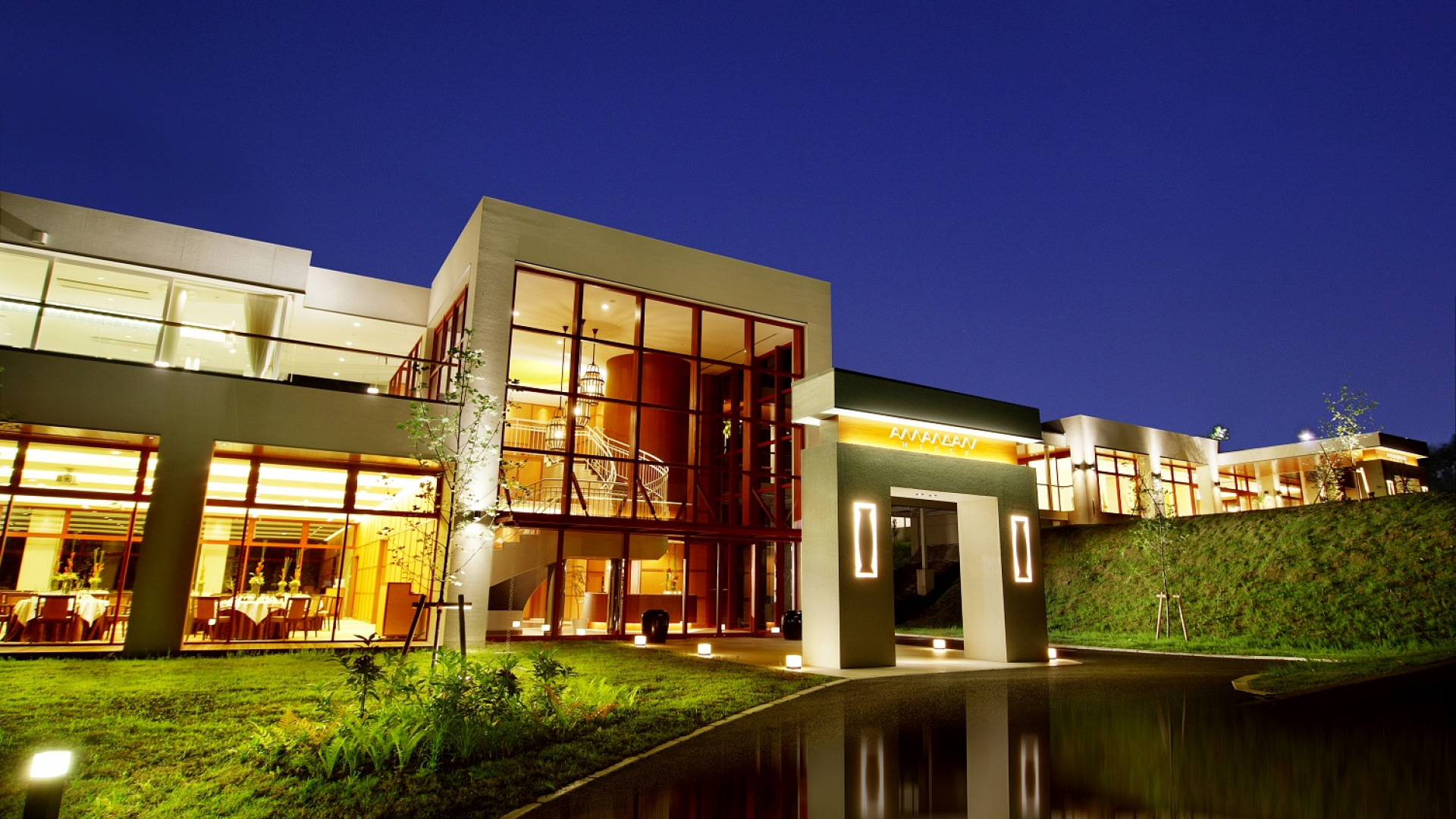
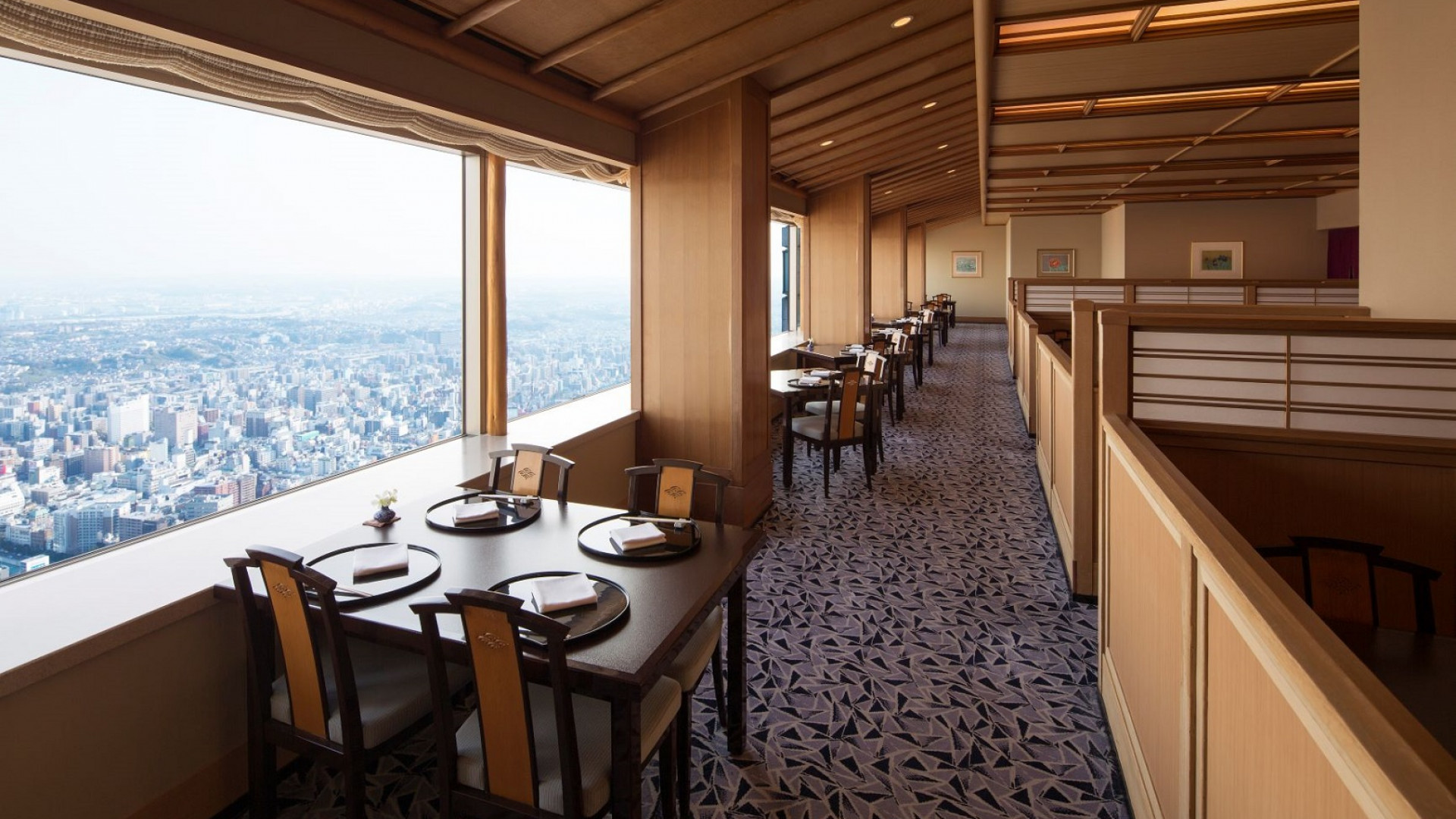
Hakone Ginyu is a luxury ryokan tucked away in rural Hakone, offering mountaineous views over the valley and Hayakawa River.Experience ultimate relaxation and stunning scenic views from the comfort of the private rotemburo (outdoor bath) that comes with each guest room, or head to the Infinity Bath that will make you feel even closer to nature against the expansive valley backdrop.Enjoy sophisticated traditional Kaiseki-style Japanese cuisine from the comfort of your private quarters, with dishes inspired by the season and made from carefully selected seasonal ingredients.The lobby, located 420m above ground, allows guests to take in the scenic grand Hakone mountain range. The panoramic view is beautiful throughout all four seasons.

Onsen & Stay Tokaido Koshu kaido KANAGAWA
Izuru Soba

Izuru Soba

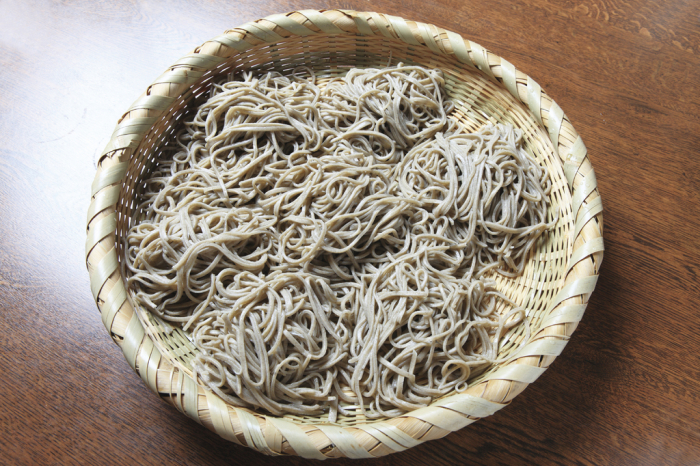
Hand-ground stone-milled soba noodles – savor the history and flavors of Manganji Temple Izuru Soba originates from Tochigi City’s historic “Izuru Manganji Temple.” In the past, soba was made by temple parishioners and locals as an offering, and it gradually became a well-known local delicacy. Along the Izuru Kaido Road, many soba shops and guesthouses line the route, allowing visitors to enjoy natural scenery while savoring freshly ground stone-milled soba noodles. The Izuru area also promotes “Tochigi Edo Cuisine,” offering not only traditional zaru soba but also unique creations such as white soba, soba flour sweets, and the specialty “Koedo Soba Kaiseki.” This is not only a culinary experience but also a cultural journey that blends history, faith, and gastronomy.

Nikko kaido Oshu kaido TOCHIGI
Hakone Komagatake Rope-Way

Hakone Komagatake Rope-Way

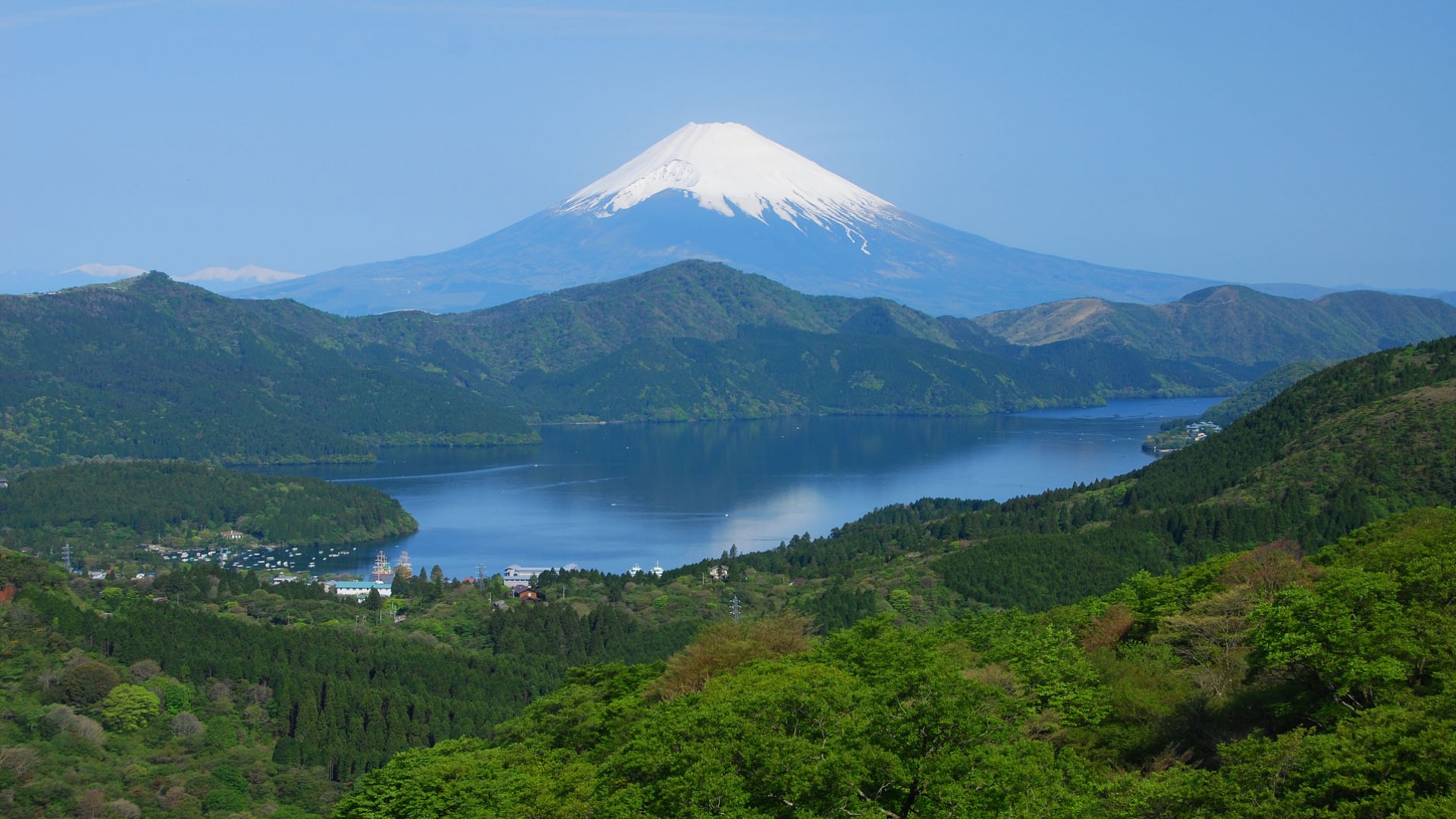
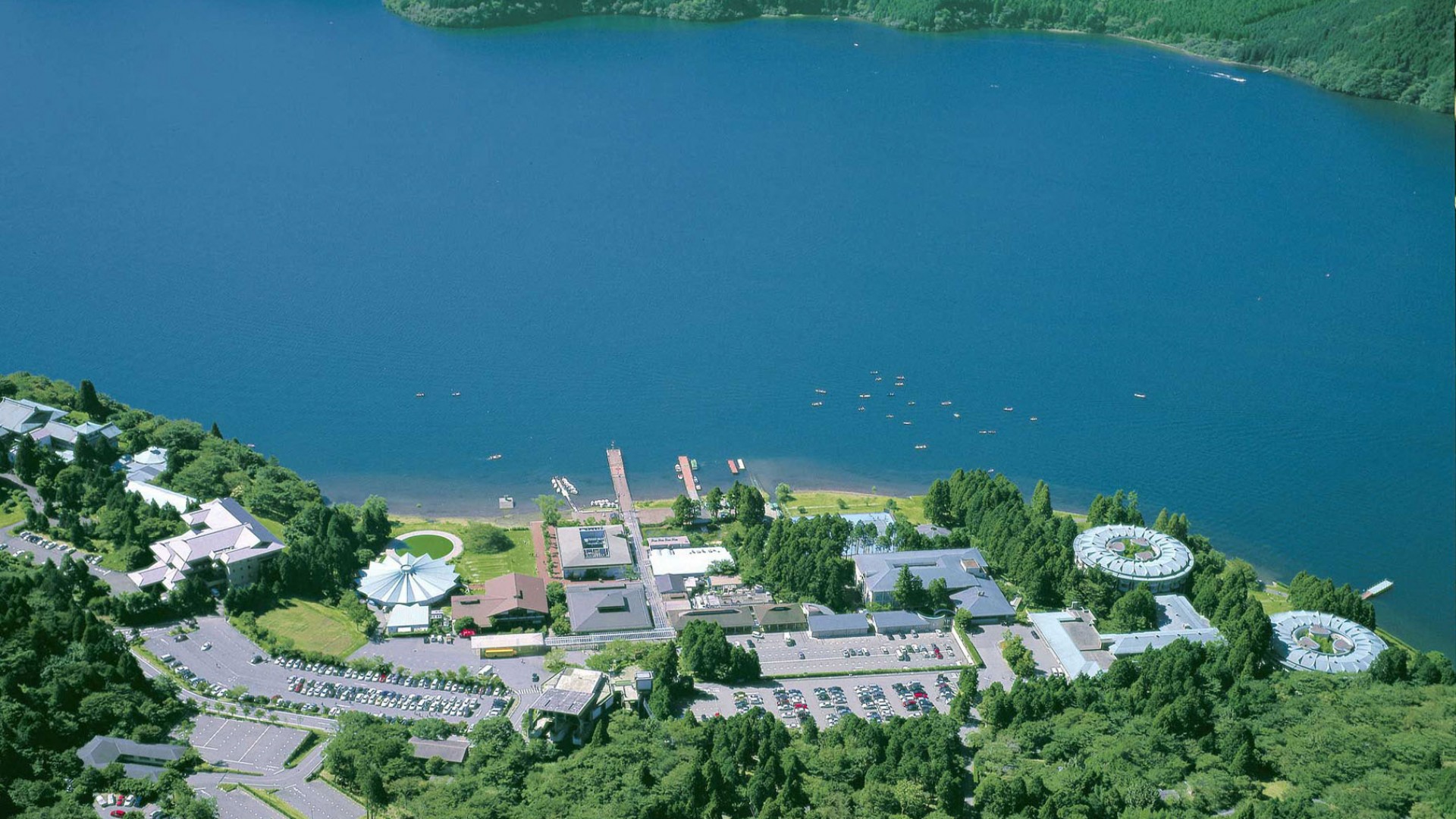
Within the national park, there is a cable car that connects the shore of Lake Ashi to the summit of Mt. Komagatake over a total distance of 1,783 m. The cable car takes about seven minutes each way. From the summit of Mt. Komagatake, you can enjoy uninterrupted views of Hakone that centers on Lake Ashi and can see the magnificent Mt. Fuji and the Southern Alps beyond it. Also, the 360-degree panorama that boasts a unique view of Hakone, overlooks Suruga Bay to Izu Islands, Sagami Bay to Shonan Beach, along with Tokyo Sky Tree and the Boso Peninsula. It is a place where you can experience seasonal flowers and plants, wild birds and insects, and the breath of nature.At the top, prepare yourself for one of the most stunning views of Mt. Fuji you will ever see. Also great 360 degree views of Sagami Bay and the entire Hakone region. Winter can be cold, but the skies are crystal clear.From the top of Mt. Komagatake, the panoramic view of Hakone centers on Lake Ashinoko. And to the northwest is magnificent Mt. Fuji. In the distance, you can see from Suruga Bay to the Izu Islands, the Shonan Coast, and the Boso Peninsula.

Experience & Activities Koshu kaido Tokaido KANAGAWA
Furukawa Ashio History Museum

Furukawa Ashio History Museum

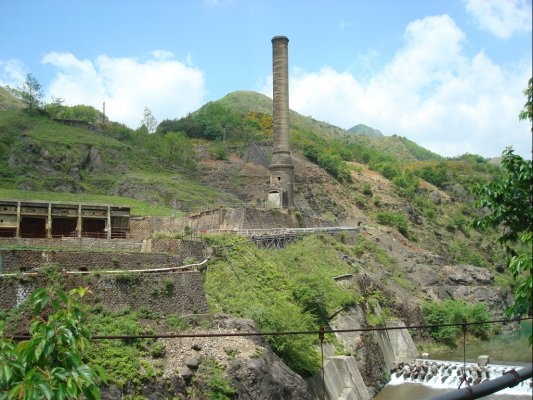
Overview of the Furukawa Ashio History Museum Ashio Copper Mine is one of the most important copper-producing sites in Japanese history. Discovered during the Sengoku period (1550), it was later mined under the direct control of the Edo shogunate. It once served as an essential source of material for Kan’ei Tsūhō, the currency of the time. As output later declined, the mine was taken over by the Furukawa family during the Meiji period. Due to advances in technology, new ore veins were found, and under the then national policy of enriching the country and strengthening the military, the mine prospered, making the Furukawa family magnates of the mining industry.   The Furukawa Ashio History Museum tells the stirring story of that industrial dawn. In addition to models of the Ashio Mining Office and stories of successive managers, it also exhibits the various tools used by miners in those days, recounting the history of the Ashio area.

Nikko kaido Oshu kaido TOCHIGI
Chuzenji Temple “Meditation bead making experience”

Chuzenji Temple “Meditation bead making experience”

Chuzenji Temple was established by Shodo Shonin in Nikko-zan in 784. Enshrining Nikko’s oldest Buddha statue, which is six-meters tall and was carved in a standing Japanese judas tree, the temple is a prayer temple (where visitors pray to the Buddha). Juzu, or prayer beads on a string, is one of the ritual items that people use to count how many times they have read a sutra or recited Buddha’s name. According to Siddhartha Gautama, praying to the Buddha repeatedly will remove earthly desires from people and make them happy. Those who visit to pay respect to the temple can join the prayer beads craft workshop. They can choose beads of their taste, made of natural stone and/or natural wood, with a wish in their minds to create a bracelet-shaped juzu. Their juzu becomes nenju when monks offer a prayer at the gomadan (fire ritual platform), and they can take it home as a wearable lucky charm.

Nikko kaido Oshu kaido TOCHIGI
The site of Ashikaga School

The site of Ashikaga School

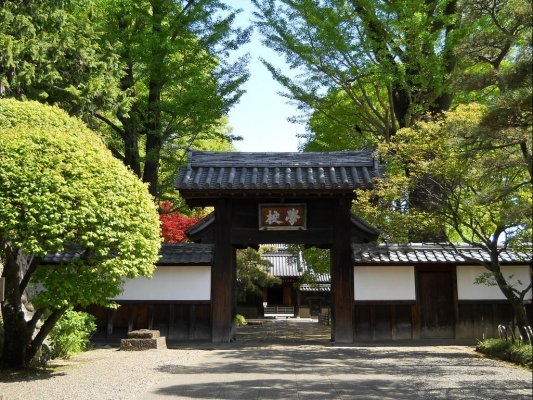
It is said that over 3,000 students studied at the school during the disturbances of the 10-year civil war (Onin War) starting in the 15th century.   When the Catholic missionary Francis Xavier came to the country in 1549, he described it as “Japan’s largest and most famous school” in his correspondence. Ashikaga thus became widely known overseas as well.   Today buildings have been restored,and visitors can view classrooms in their original historic form and join a program reading The Analects of Confucius on Sundays.

Nikko kaido Oshu kaido TOCHIGI