

Daikoku Sea Fishing Facility
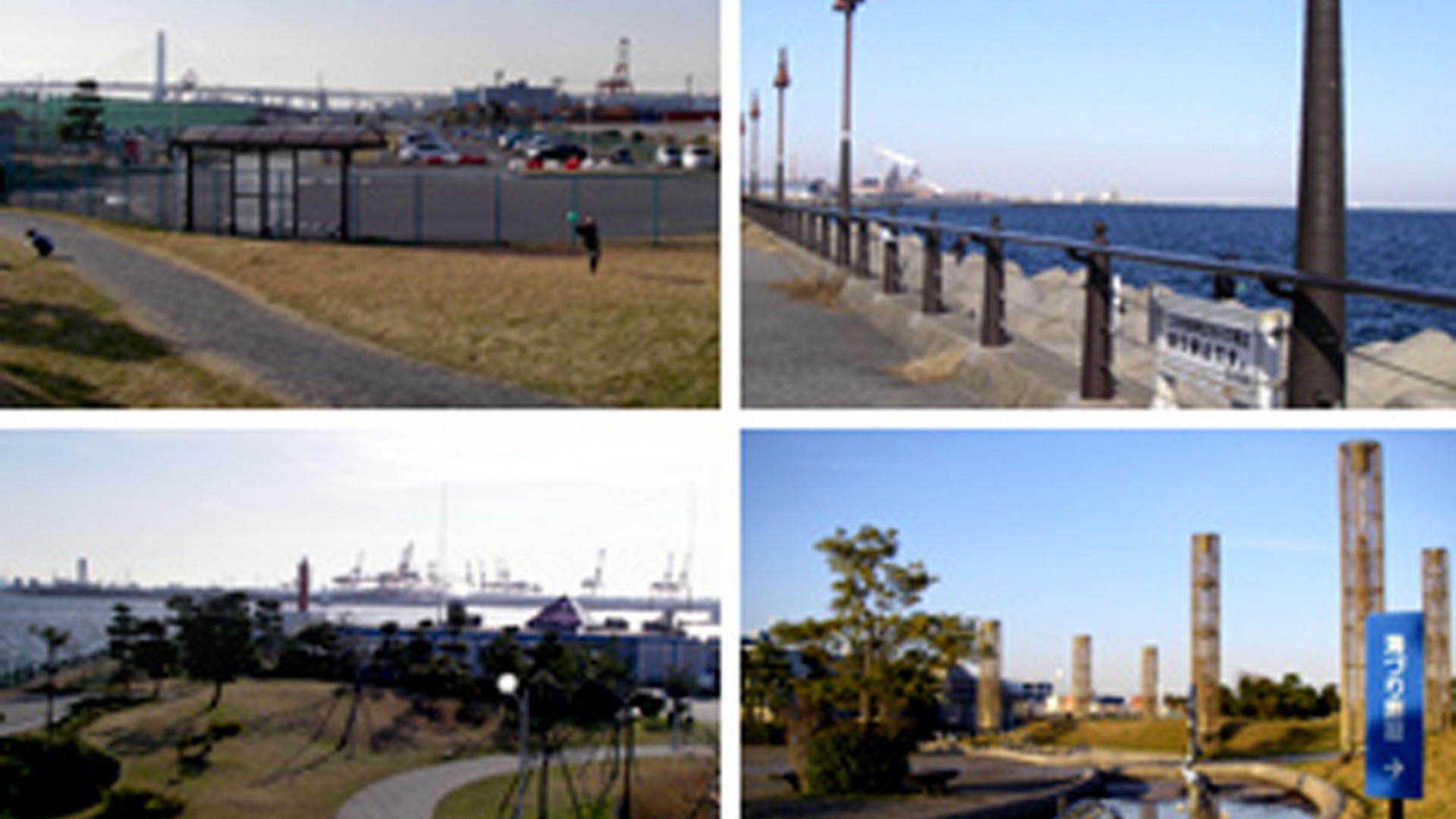
The Daikoku Sea Fishing Facility is a sea fishing park located in Yokohama city. From the park, you can overlook the Tokyo Bay.
Total: 1727 items
The Daikoku Sea Fishing Facility is a sea fishing park located in Yokohama city. From the park, you can overlook the Tokyo Bay.
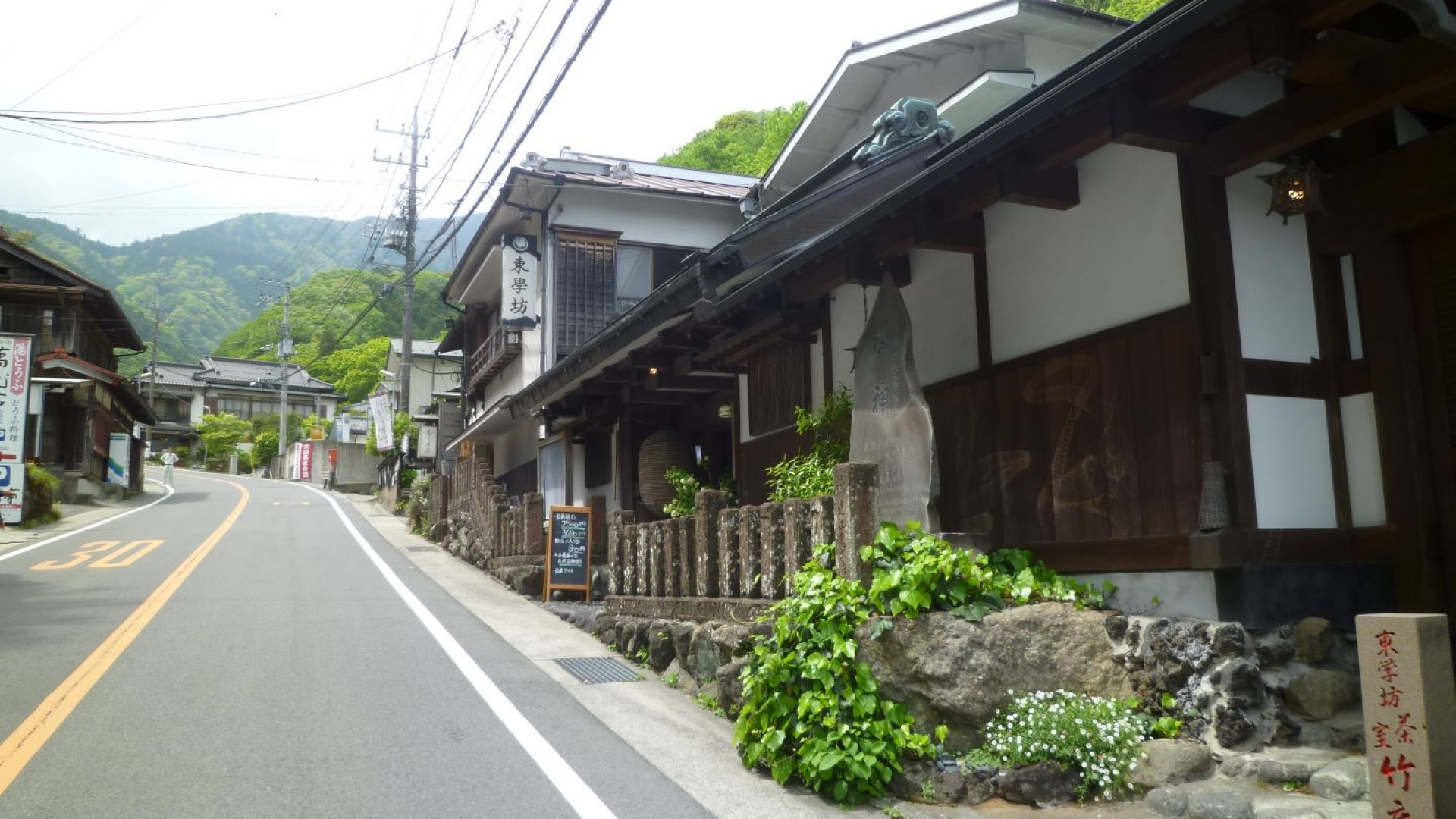
Mt. Oyama has been a theme for rakugo "Oyama Mairi" and a subject matter of Ukiyoe. Afuri Jinja (Shinto shrine) and Aburisan Oyamadera (Buddhist temple) were deeply believed in by the common people in Edo and this religious development had led to prosperity of shukubo (pilgrims' lodging) and souvenir shops at Mt. Oyama.About 50 shukubos are still in business and their specialty are tofu dishes. Clear spring water is used in making tofu. Each shukubo provides a variety of tofu dishes. Tamagaki (a fence around a shrine), Temizuya (place to wash hands and mouth), and Kabukimon (gate) create an atmosphere and liveliness of Edo period. The view from Oyama Afuri Jinjya was published on Michelin Green Guide Japon in June 2015 (Heisei 27) as a two-star scenic spot. Furthermore, "Oyama Mairi" was registered as Japan Heritage in April 2016 (Heisei 28). Mt. Oyama will draw many visitors/tourists' attention.
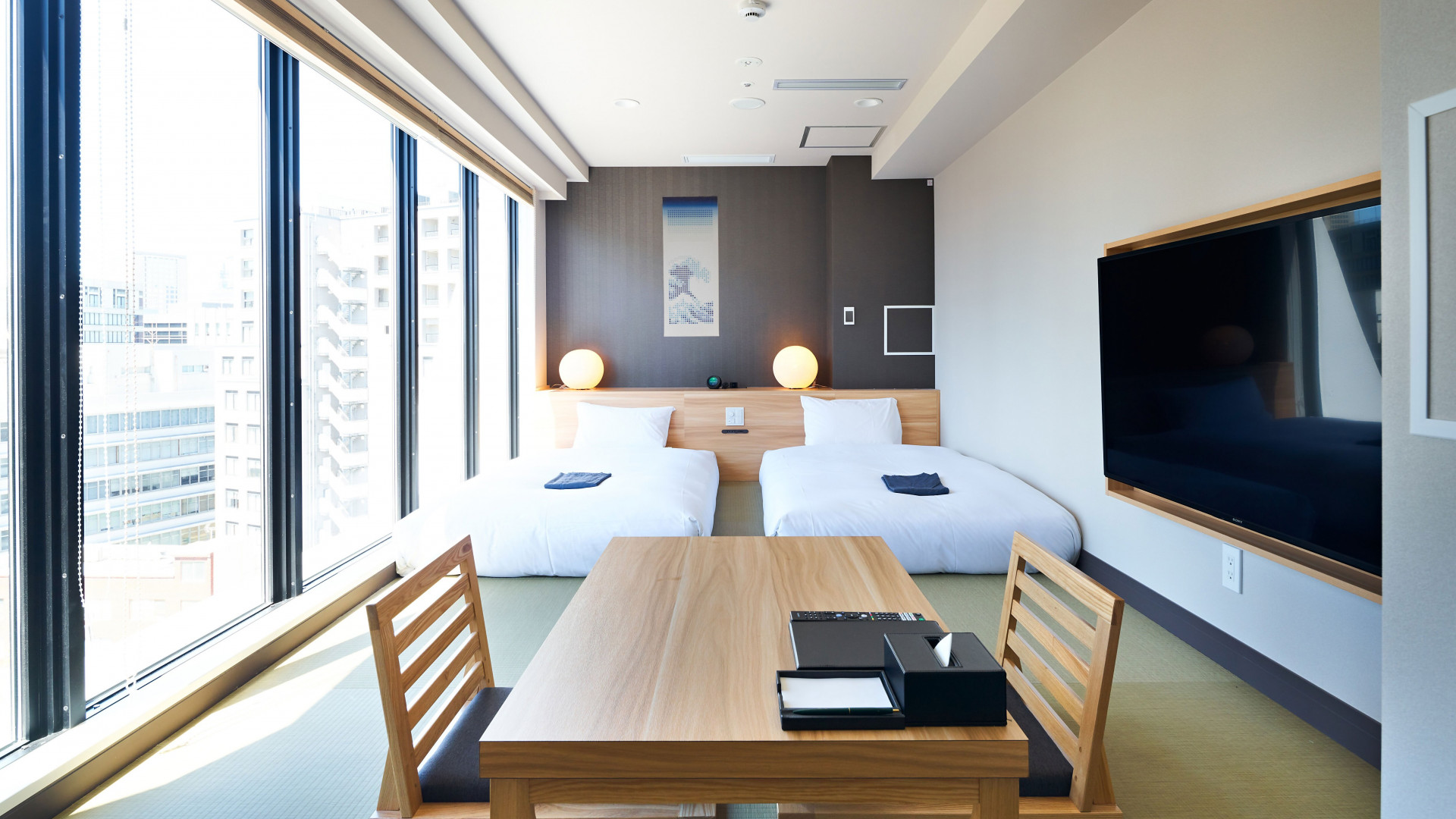
A path to life that connects local life with travelers.Hotel Enmichi is located on the site of what was once the approach to Inage Shrine, the main shrine, from Kawasaki-juku, the second post town on the Tokaido Road's 53 Stations, during the Edo period. It is believed to have been a place where travelers and pilgrims came and went, fostering various "connections." Here, we cherish the history of Kawasaki-juku, and believe in modern times, too, that the daily life of the local area is a tourism resource to be proud of. To this end, we aim to be an inn where various new "connections" are born of intersections between our community and the daily lives of travelers.Endo Restaurant Business Hours: Breakfast: Tuesday-Sunday, 7am–9am (closes once sold out) Lunch: Weekdays, 11:30am–2:30pm (Last order at 1:30pm); Weekends and holidays, 11:30am–3pm (Last order at 2pm) Dinner: Tuesday-Saturday, 5pm–9:30pm (Last order at 9pm) *Closed for dinner on Sundays and Mondays *Subject to change without notice on the day of operation.
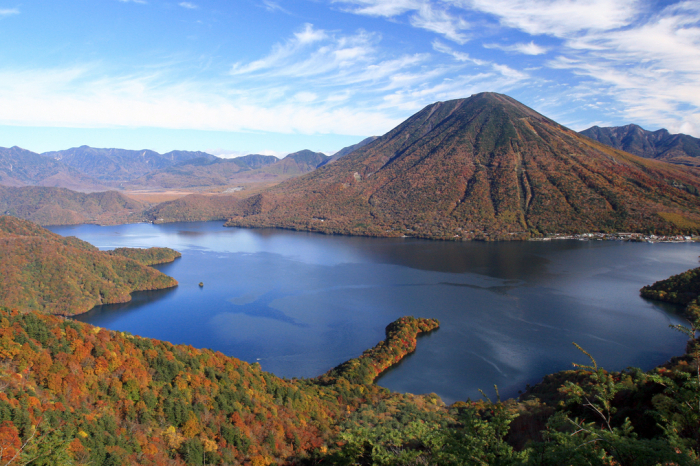
Mount Nantai is one of the representative peaks of the Nikko Mountains, standing at 2,486 meters. Towering over the northern shore of Lake Chuzenji, it offers magnificent scenery. Since ancient times, the mountain has been revered as a sacred object of worship. At its summit stands the Okumiya Shrine of Futarasan Shrine. Mount Nantai is also called “Futarasan.” The name “Futarasan” originates from the Buddhist term “Fudaraku.” Every year, a mountain-opening festival is held on July 31, and from midnight on August 1, many worshippers begin their pilgrimage from Futarasan Shrine’s Chugu Shrine, heading toward the summit to greet the sunrise. In addition, Lake Chuzenji, Kegon Falls, Ryuzu Falls, and the surrounding grasslands and fields at the foot of Mount Nantai were all formed by volcanic activity of the mountain. The official climbing season runs annually from April 25 to November 11. Starting from Futarasan Shrine’s Chugu Shrine, the climb to the summit takes about 6 to 8 hours round-trip. ※Climbing fee is 1,000 yen per person.※Reception hours are from 6:00 a.m. to 12:00 noon.※Entry is not permitted after 12:00 noon.※Please bring your own bear bell.
Enjoy a pottery experience, accommodations, and cuisine. Amenities include barbecue equipment, a traditional charcoal-fired sunken hearth, a pizza oven, and self-catering options. Individual travelers and groups alike are welcome to enjoy a rich variety of wonderful experiences. (Please make reservations via our website)
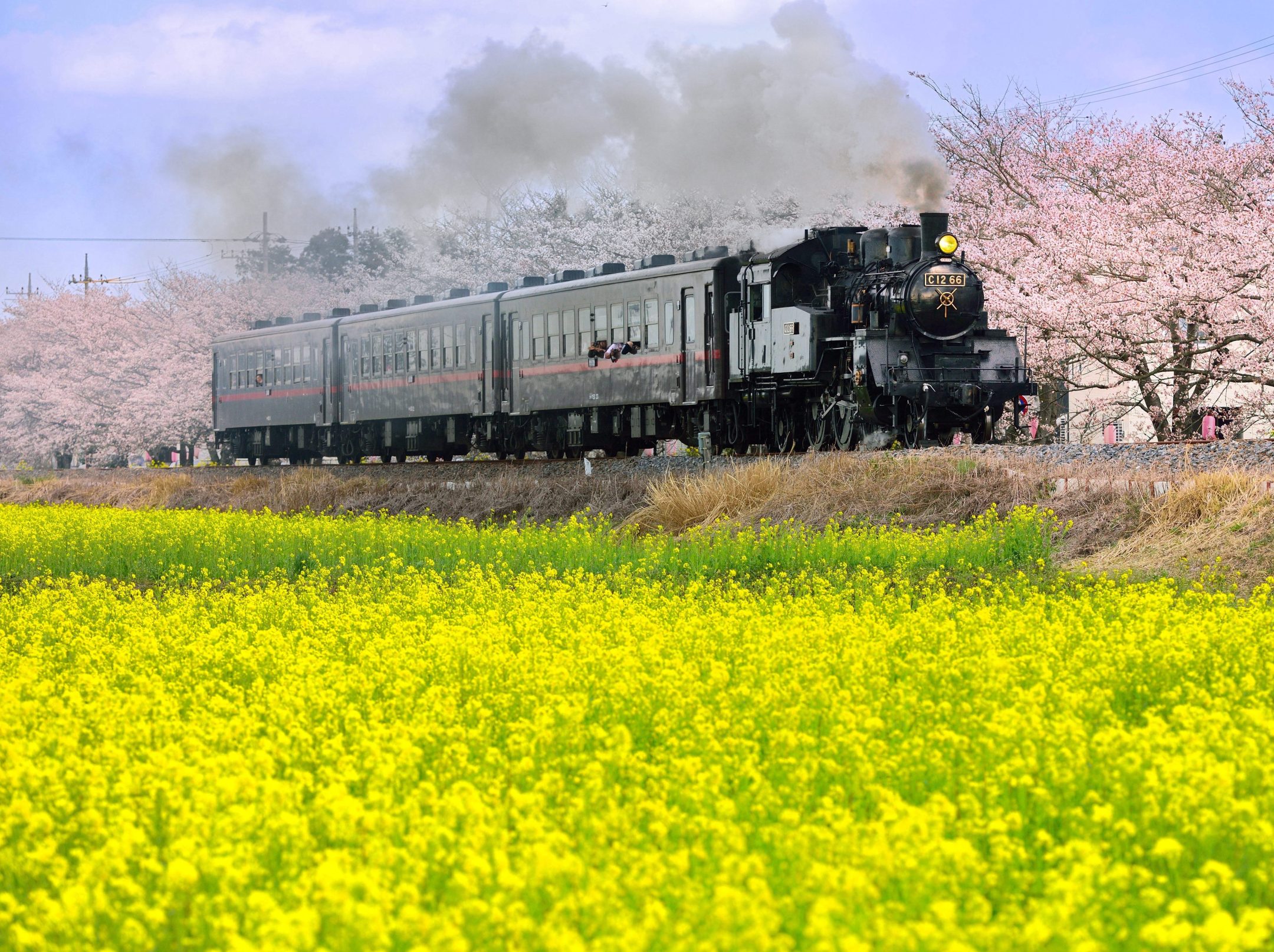
Since its debut as the nation’s first local line in 1912, the Mooka line has operated daily. Two models of Mooka steam locomotive run on weekends and holidays when many tourists come to see them working as they have for 100 years. In spring, the railway track is almost wrapped in pink cherry blossoms and the ground a shade of yellow with the spreading rapeseed field. The colour contrast attracts many photographers.
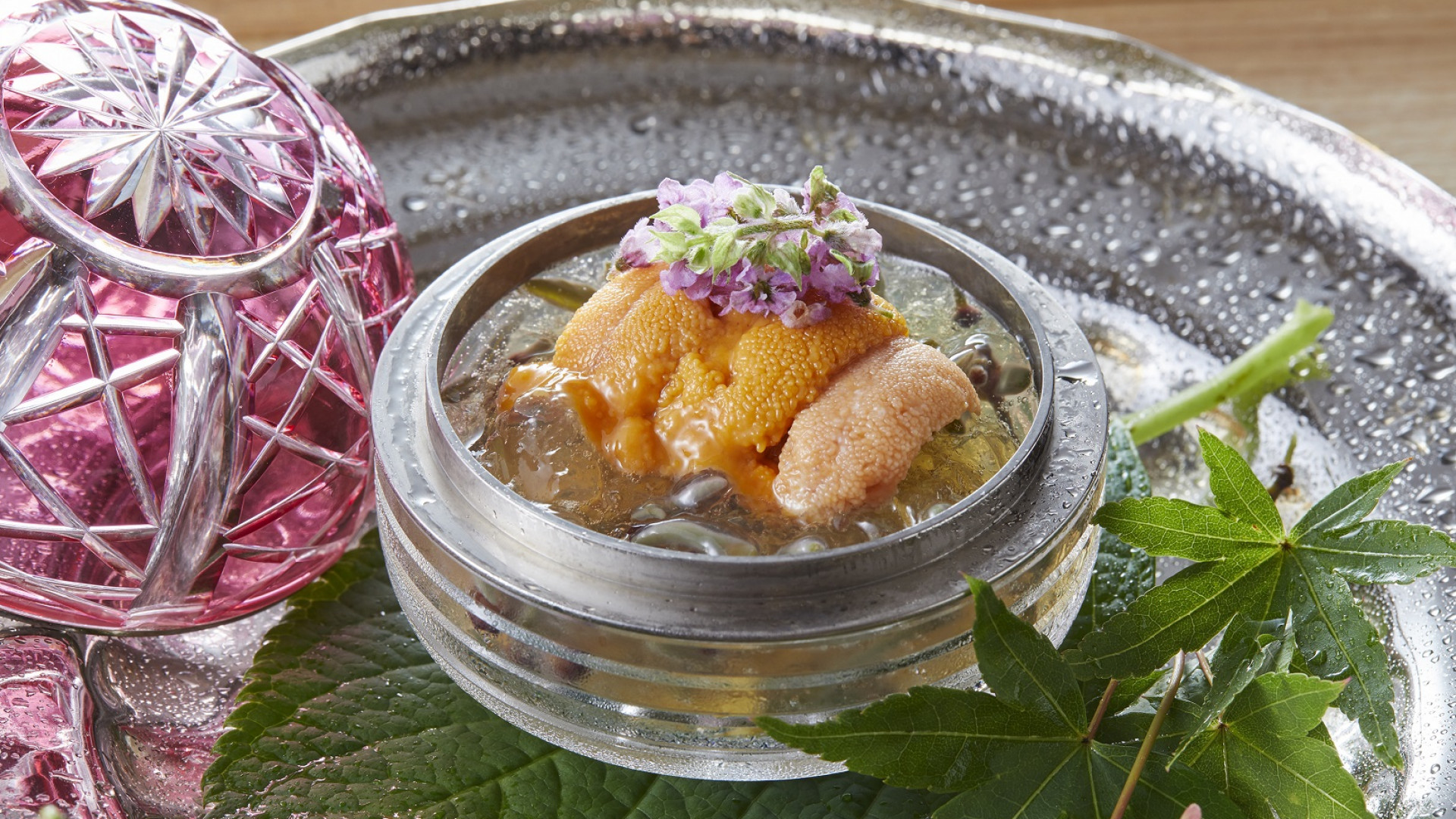
Featured in the Michelin Guide, Tokyo, Yokohama and Shonan 2012, it is the first restaurant awarded with three Michelin stars in the Kanagawa area. The owner previously worked in Shofukuro, a restaurant in Shiga Prefecture that produced a great number of chefs. He has worked diligently to create a space that goes beyond the framework of cooking to offer hospitality in every small detail.
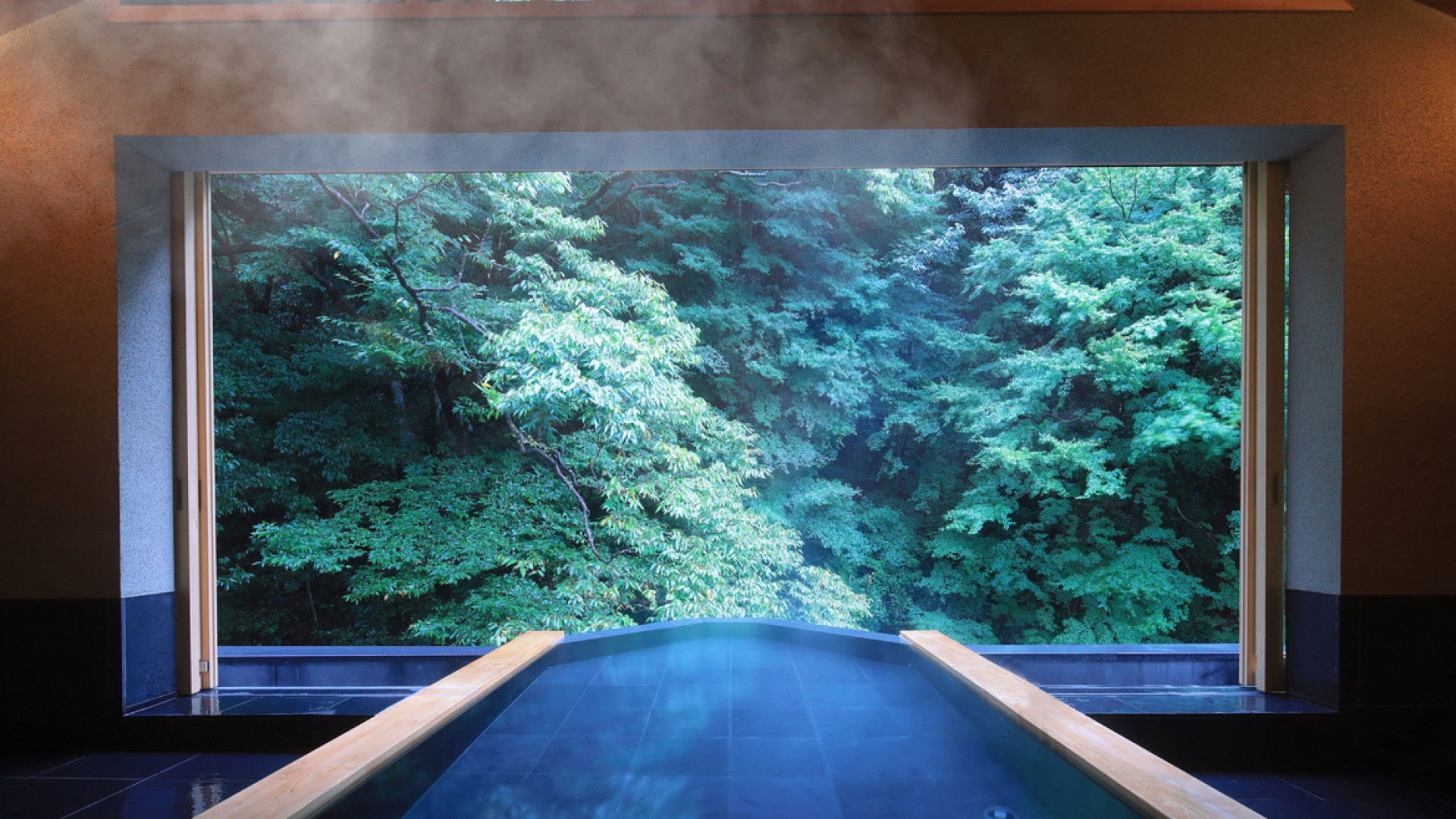
At the foot of the Hakone mountain range, the Oku-Yugawara hot spring village spreads across an ethereal landscape. Yui is an adult's hideaway, quietly standing by a clear stream. Surrender yourself to a moment of silence, free from the hustle and bustle, and feel the beauty of nature with all your senses. Let your mind and body reset.
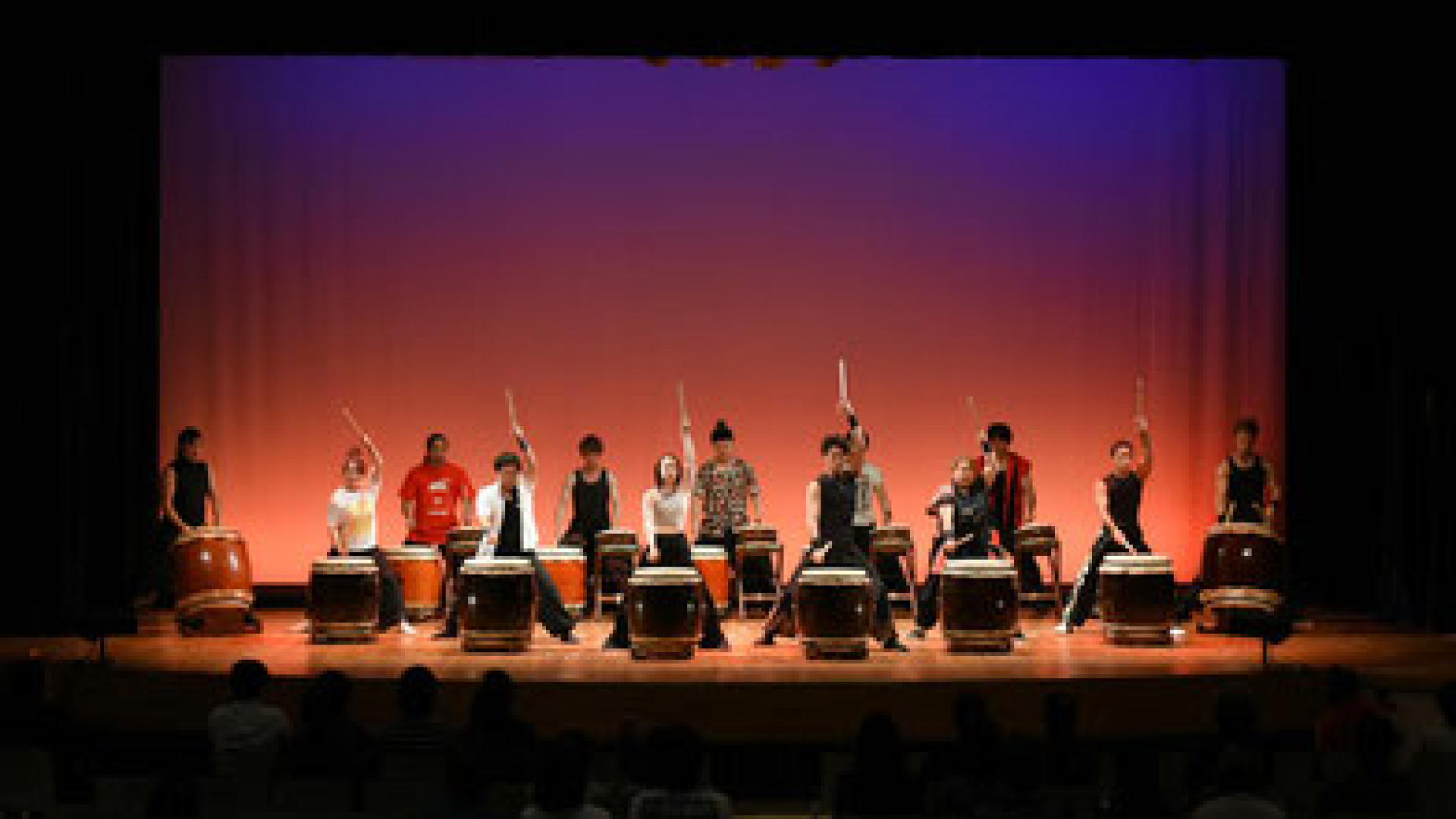
The world biggest Japanese drum "Takio" school. You can learn playing the taiko from the very basics. They colaborated aerobic movement with the great sound and air waves of Wadaiko, Japanese taiko. This is a new fitness style created by TAIKO-LAB. Punching the Wadaiko with the drumsticks and you step to the music. You can have an easy and effective aerobic exercise.
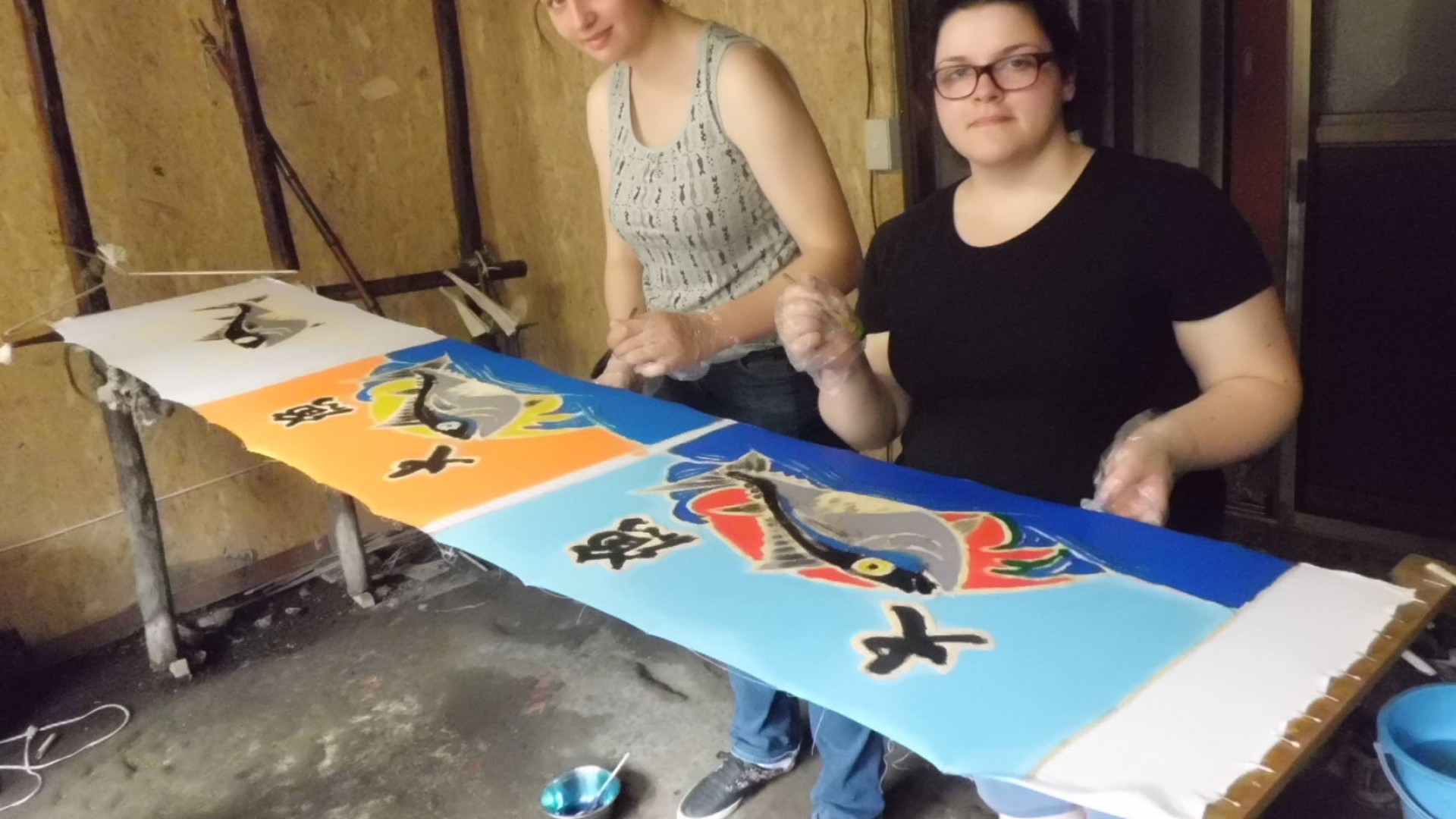
A long standing dye shop established in 1833, where craftsmen of the Edo Bakufu worked. The Tairyo-bata of Misaki is one of the Top 100 Picks of Kanagawa’s Local Specialties. Each and every one of the flags are handmade with traditional techniques passed down from the Edo Period and is used not only to celebrate a new ship, but other happy events such as marriage, childbirth, children’s festivals, and one’s 60th birthday. How about making your very own?
This pig farm is located in the westernmost area of Fujisawa. A shop is set up on the property on Saturdays, Sundays, and Mondays. Pork and pork products (such as marinated pork and hamburg steak) are sold from the refrigerator, and vegetables are also sold depending on the season.
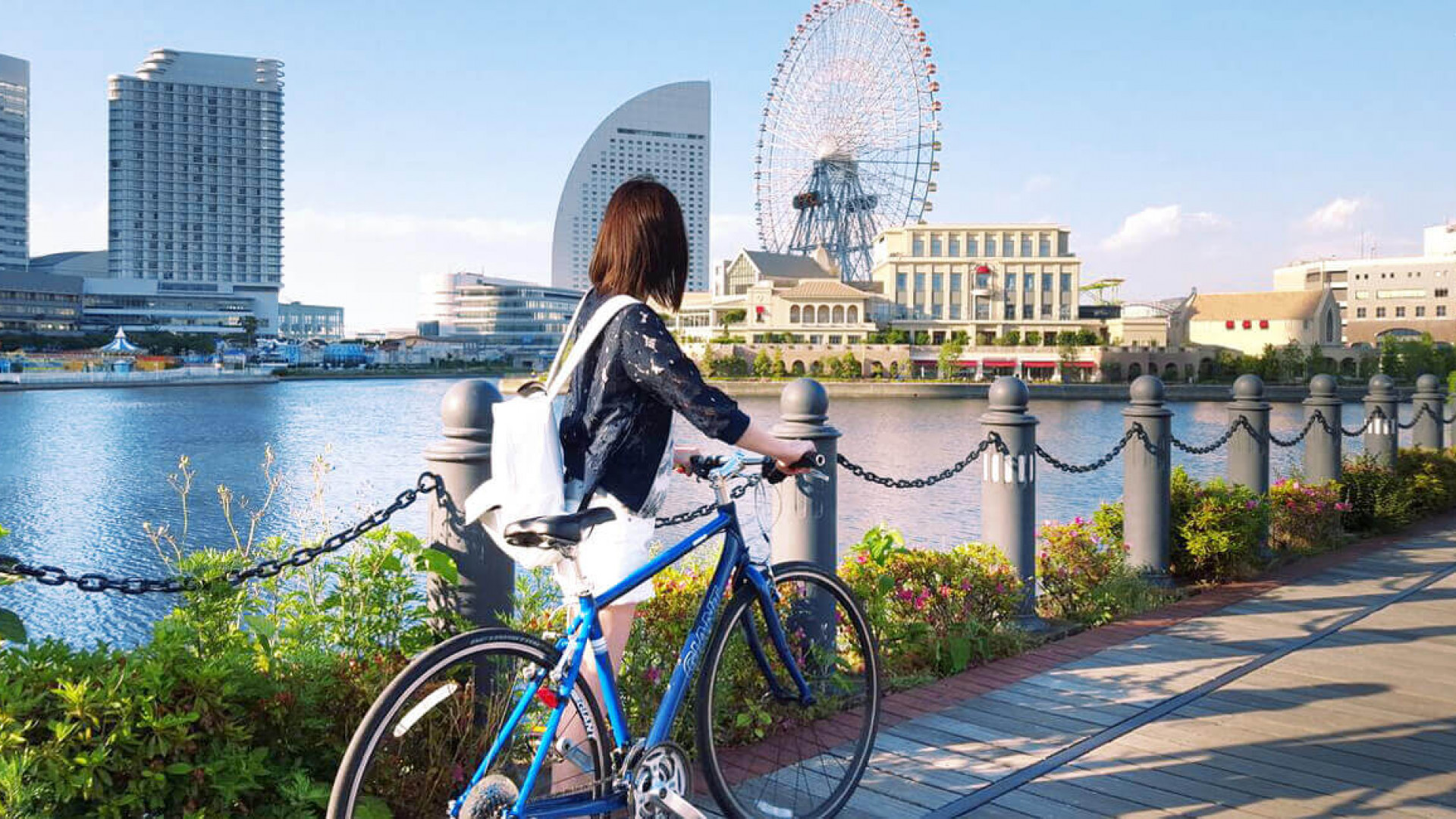
We are a sports bike rental store with locations in Yokohama, Shonan, and Shinjuku. You can enjoy Minato Mirai in Yokohama, Kamakura, and Kugenuma Beach in Shonan, and Shibuya, Yoyogi Park, Meiji Shrine, and Shinjuku Gyoen in Shinjuku. We also have cross bikes and road bikes available.
This plantation, where you can harvest produce by hand, was opened to the public out of a desire to let others experience both joy of farming firsthand and the deliciousness of fresh vegetables. Fruits and vegetables grown with utmost care fill the plantation from end to end. By harvesting them yourself, you will experience a truly meaningful flavor when you eat them. The plantation also has a store where they sell produce.
Within the national park, there is a cable car that connects the shore of Lake Ashi to the summit of Mt. Komagatake over a total distance of 1,783 m. The cable car takes about seven minutes each way. From the summit of Mt. Komagatake, you can enjoy uninterrupted views of Hakone that centers on Lake Ashi and can see the magnificent Mt. Fuji and the Southern Alps beyond it. Also, the 360-degree panorama that boasts a unique view of Hakone, overlooks Suruga Bay to Izu Islands, Sagami Bay to Shonan Beach, along with Tokyo Sky Tree and the Boso Peninsula. It is a place where you can experience seasonal flowers and plants, wild birds and insects, and the breath of nature.At the top, prepare yourself for one of the most stunning views of Mt. Fuji you will ever see. Also great 360 degree views of Sagami Bay and the entire Hakone region. Winter can be cold, but the skies are crystal clear.From the top of Mt. Komagatake, the panoramic view of Hakone centers on Lake Ashinoko. And to the northwest is magnificent Mt. Fuji. In the distance, you can see from Suruga Bay to the Izu Islands, the Shonan Coast, and the Boso Peninsula.
A park where visitors can enjoy nature throughout the four seasons and is also one of the eight picturesque spots of Zama. It is especially famous for its 120,000 vibrantly-colored red spider lilies. The red spider lilies that bloom brilliantly red in the midst of the greenery create a relaxing space.
This shrine was founded in 710 (Wado 3) by famous priest Gyoki and constructed by Tokitada Someya, a powerful and rich man. It is dedicated to the sun goddess Amaterasu. Minamoto no Yoriyoshi prayed to this shrine and his son, Minamoto no Yoshiie was born here. Founder and the first shogun of the Kamakura Shogunate, Minamoto no Yoritomo, his wife, Masako, a political leader, and their son, Minamoto no Sanetomo also worships this shrine. Here, you can find the well used for Tokimune Hojo’s (regent of the shogun) first bath and said to be Marquis Nijo’s favourite well. There is also an Man’yōshū (collection of Japanese poetry) inscription originating from the rear mountain named Mikoshiyama Mountain. This place also appears in the novel “The Sound of the Mountain” by Yasunari Kawabata.The greenery enveloping the worship hall and the straight, symbolic shrine path is lit up, creating a mystic and sublime atmosphere that beckons visitors.
Centered around Hiratsuka Station, it is an event that is about 8 kilometers and takes about 2-3 hours of walking. You can stroll around Tokaido's historic sites.(Taken from Hiratsuka Tourist Assocation official website)
It is an attractive program-packed outdoor fitness club that makes full use of the seas and mountains of Hayama, surfing, SUP, beach yoga, outrigger canoeing, trail running, Nordic walking etc, which are not otherwise experienced elsewhere. (From Zushi · Hayama WEB)