

Greater Tokyo

See & Do

reset
Nasu Yuzen Shrine

Nasu Yuzen Shrine

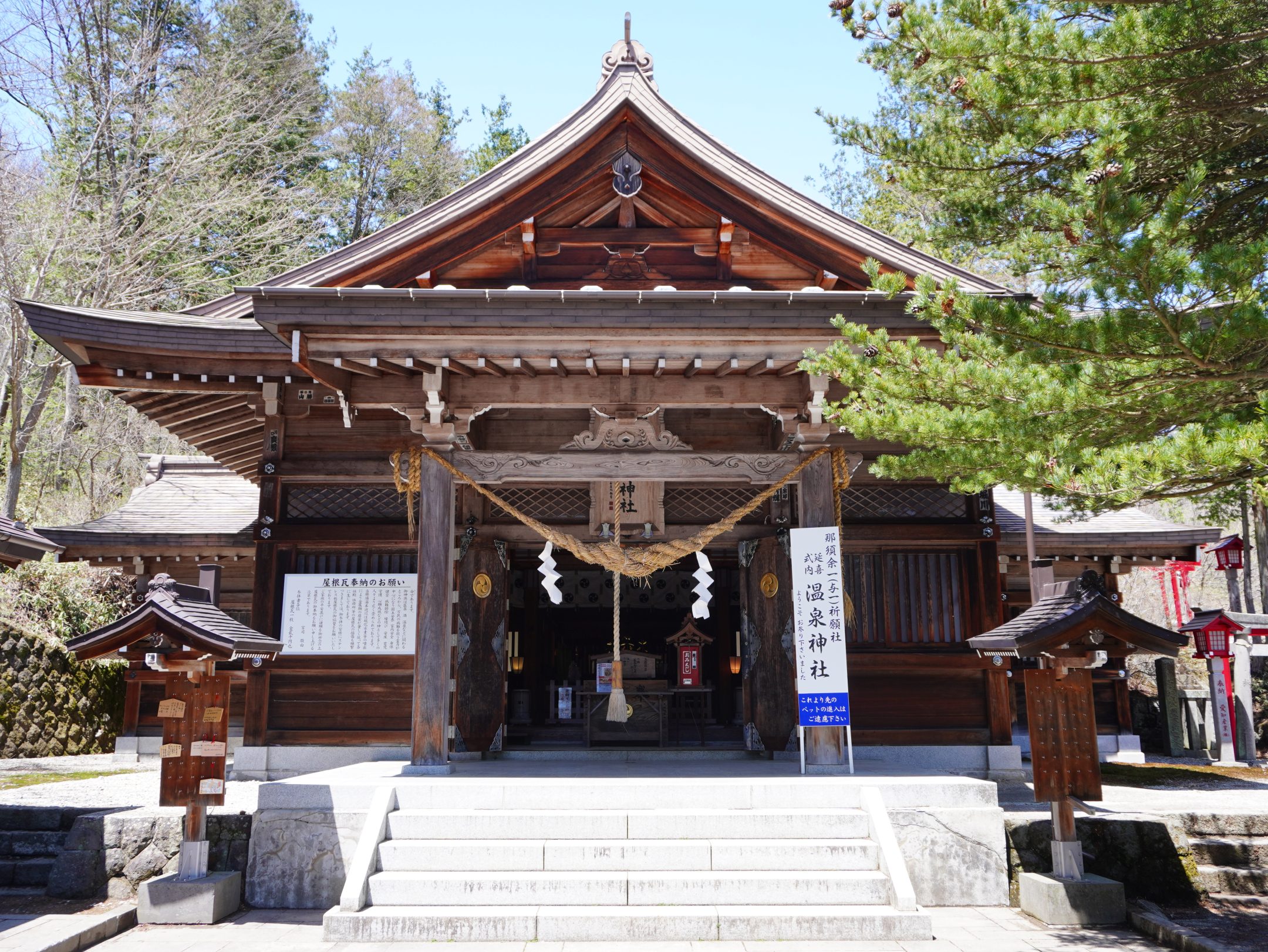
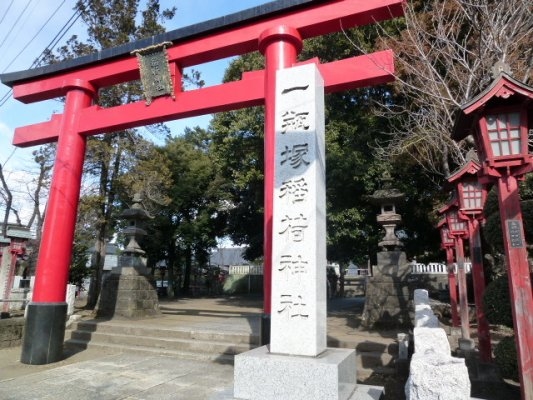
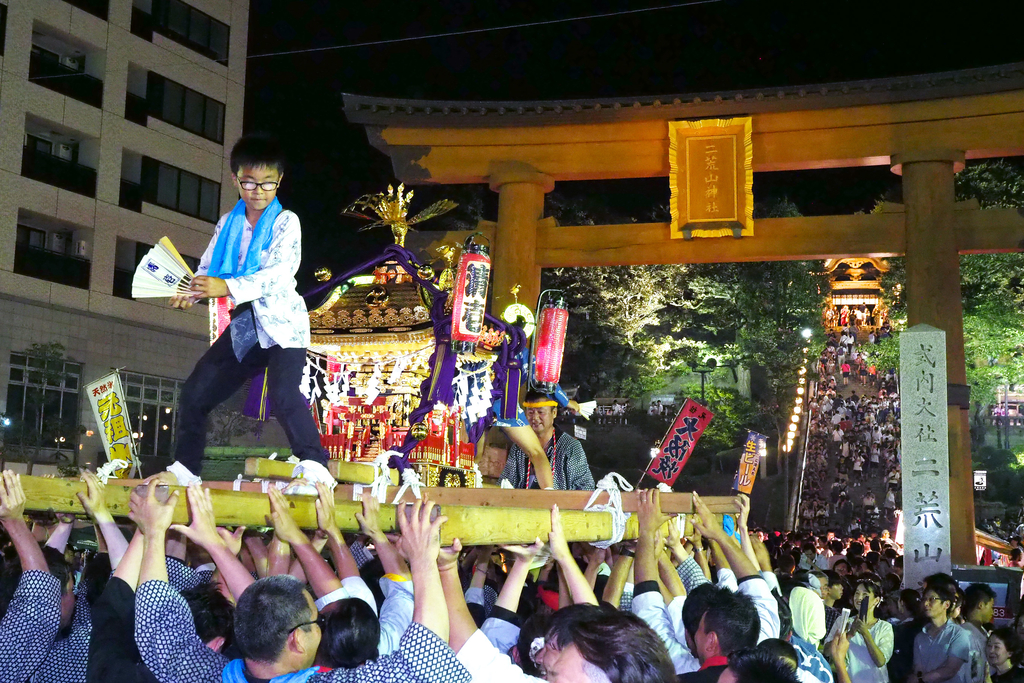
History of Nasu Yuzen Shrine It is said that a hunter named Kano found onsen here when he was trying to hunt a white deer. He built this shrine for thanksgiving. According to an article written in Nara period (A.D 710~794), we can confirm that the shrine already existed during that time.   During the Genpei War in 12th century, an archer called Nasu Yoichi came here to pray for victory over Taira family’s army. He shot down a fan by one arrow that enemy put on the front of their boat when he stood on the ground. It made him became legend and the shrine became very famous for blessing Yoichi. Yoichi donated his bow and arrow to the shrine, which became shrine’s tressure later.   Shrine’s famous festival The most important event of the shrine is the “Dai Festival”, which is held on October 8 and 9 every year. They dedicate onsen to the God, and perform a traditional dance called “Urayasu Dance”.   Then on October 9, people perform another traditional dance called “Ozawa’s Lion Dance,” which is designated as the “Intangible Cultural Property of Nasu Machi” to pray for prosperity.   There is also a famous festival be held on the last weekend of May, the “Nasu Seshosseki Gojinka Festival”. The highlight of the festival is a parade from Yuzen Shrine to Sesshoseki by participants attired in white clothing with torches.

Nikko kaido Oshu kaido TOCHIGI
Roadside Station Domannaka Tanuma

Roadside Station Domannaka Tanuma

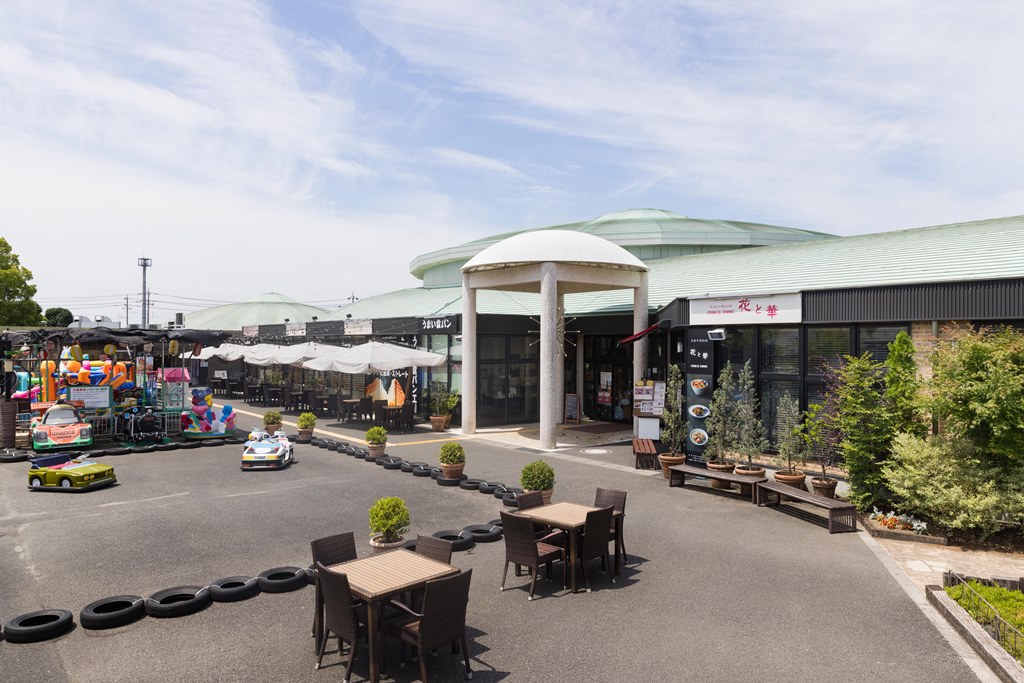
“Domannaka” means “the center,” and the name Domannaka Tanuma comes from the fact that it is located roughly at the center of Japan. In the farmer’s market, fresh vegetables from local producers fill the shelf every morning. You can buy vegetables that are fresh, safe, and reliable. The rice shop offers carefully selected rice such as Koshihikari. There are also an authentic Chinese restaurant and a self-service Japanese and Western food restaurant. The self-service restaurant has a rich lineup of menu items including Sano Ramen noodles and deep-fried potatoes, which are both local foods of Sano City, and Yamizo soba made with water from the Yamizo Mountains in Tochigi Prefecture. Both restaurants are spacious and have over 100 seats so that you can relax and enjoy your meal. There are also shops offering a wide variety of sweets: a gelato stand offering products made with the blessings of nature, a pancake café featuring original pancakes, and a fruit sandwich stand. You can also buy custard pudding to take home with you. On the premises, there is a foot bath filled with onsen water that leaves your skin silky smooth and massage chairs that make you feel you are receiving a massage in zero gravity.

Nikko kaido Oshu kaido TOCHIGI
Tonoike Shuzo

Tonoike Shuzo

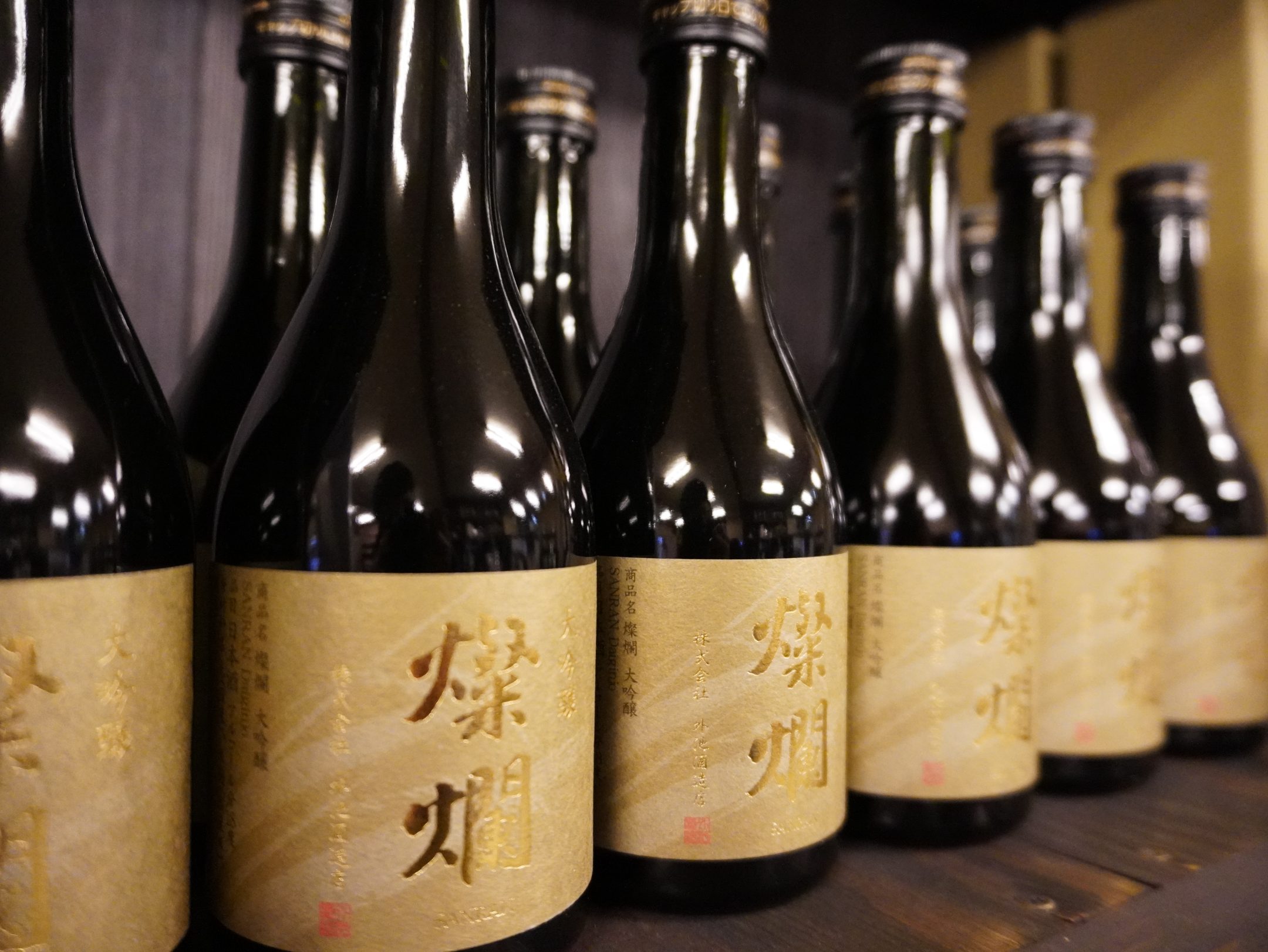
This brewery produces an array of choice sake and received a gold medal at the Annual Japan Sake Awards for its Sanran-daiginjo brew. Their facility tour is popular with tourists, where the brewer explains its history in detail. Come learn about the tradition and techniques of sake production. A gift shop on the grounds sells choice brews and cosmetics made with sake. Enjoy coffee brewed with the same water used for the sake, sweets with sake lees, a sake tasting set, and more at their café."

Oshu kaido Nikko kaido TOCHIGI
Mashiko Museum of Ceramic Art / Ceramic Art Messe Mashiko

Mashiko Museum of Ceramic Art / Ceramic Art Messe Mashiko

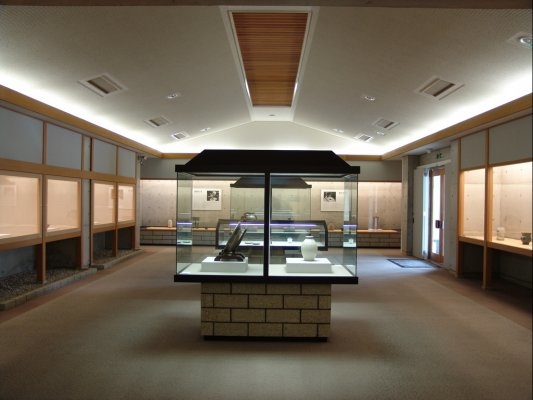
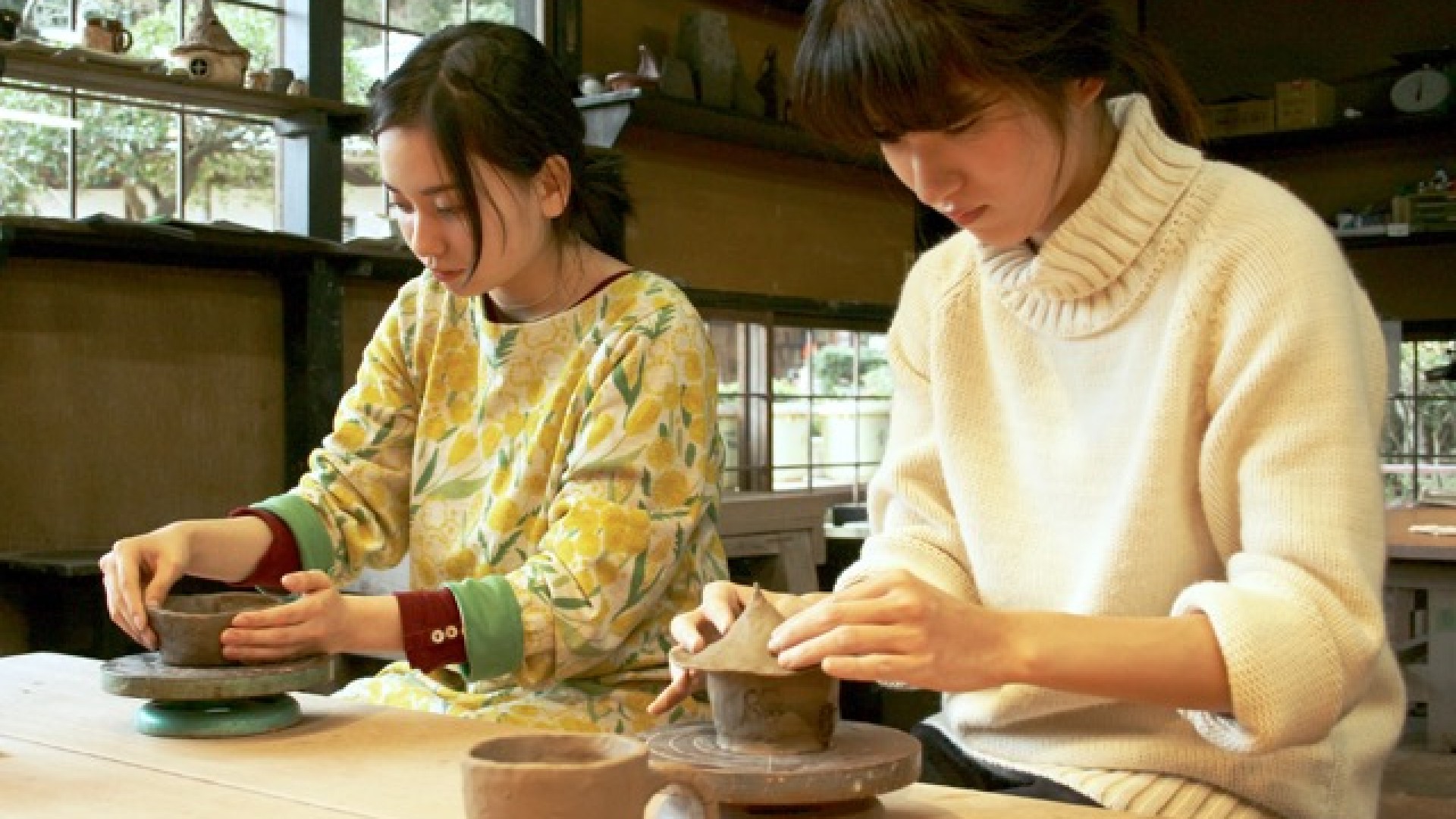
The Mashiko Museum of Ceramic Art features works by the late Mr. Shoji Hamada, who was a designated Living National Treasure, as well as works by other ceramists associated with the town of Mashiko. On the same site, there are also the Sasajima Kihei Hall, which has permanent exhibitions of works by the printmaker Kihei Sasajima, who studied under Shiko Munakata, and the Mashiko Arts & Crafts Residence, which hosts artists-in-residence from all over the world as part of an international exchange program. Shoji Hamada's House, which has been designated as a Cultural Property by the town of Mashiko, includes a reconstruction of the climbing kiln that Mr. Hamada used. You can also pick a cup you like and enjoy tea or coffee at salon located on the premises of the museum. There is also a museum shop in the salon where you can buy Mashiko pottery and more."

Nikko kaido Oshu kaido TOCHIGI
Nikko Tamozawa Imperial Villa Memorial Park

Nikko Tamozawa Imperial Villa Memorial Park

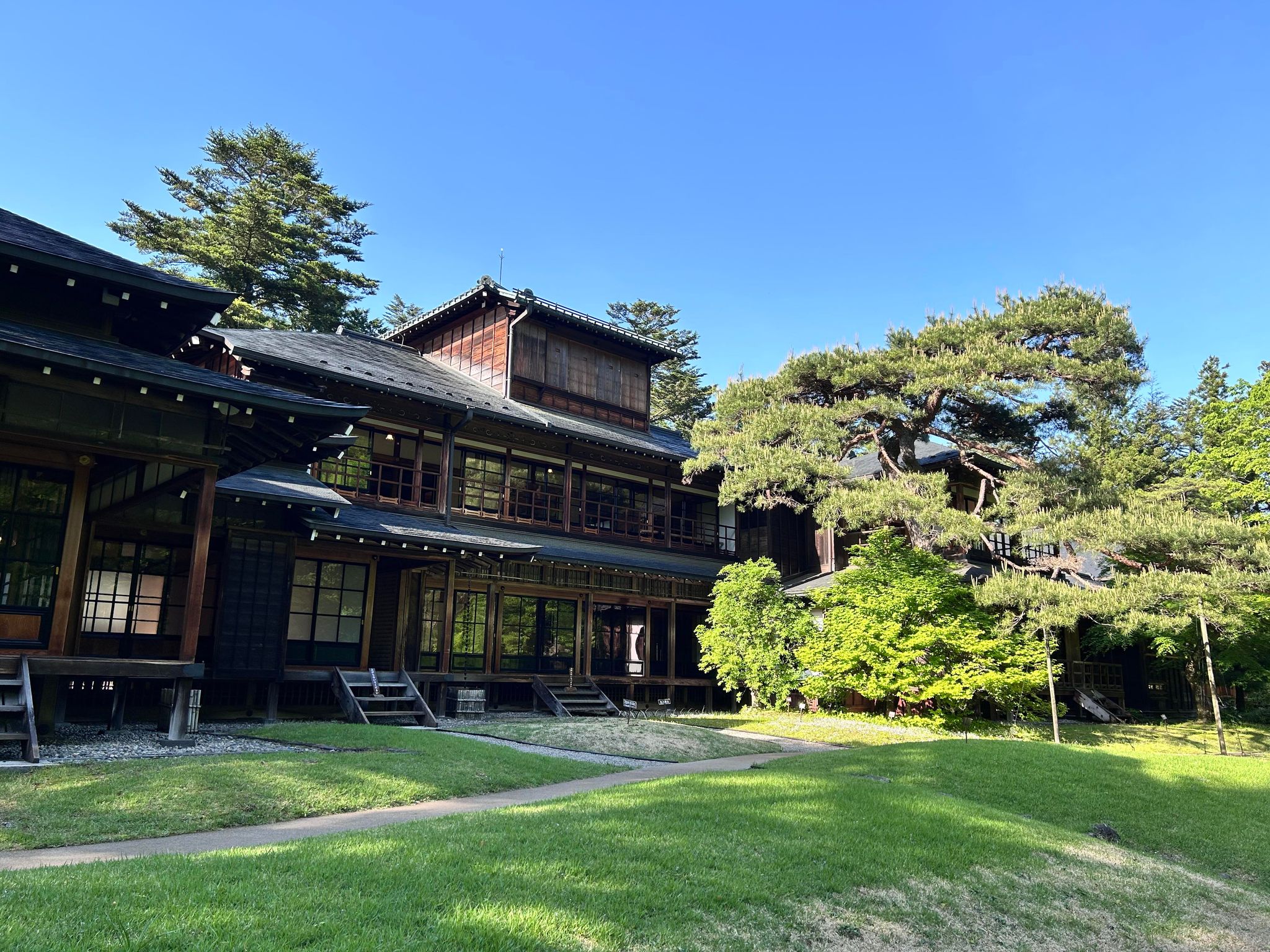
This villa and garden used to be a retreat for the imperial prince in the 19th century. In the year 2000, they were opened to the public after renovation works. The residence, combining architectural styles of different periods, is well worth visiting. Located close to the “Shrines and Temples of Nikko”, it is easily accessible. Take a walk in the garden with seasonal charms and 100 years of majestic history. After the historic tour, relax at the teahouse serving popular Japanese treats such as a bowl of maccha. English audio guides are available.

Nikko kaido Oshu kaido TOCHIGI
Shonan Wagasa Ei Yuu

Shonan Wagasa Ei Yuu

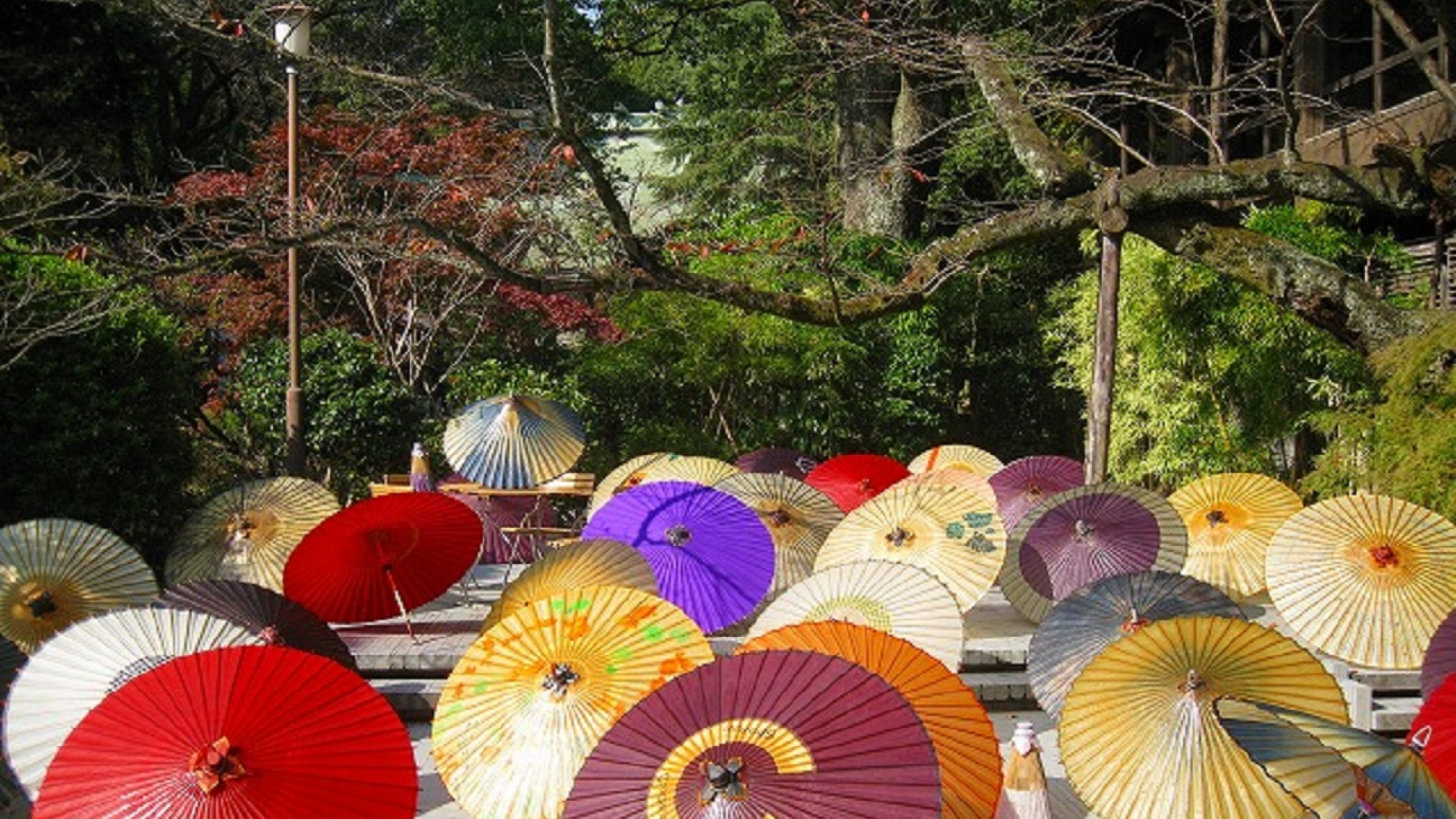
Shonan Wakasa Ei Yuu is the only studio in Kanagawa still making their wagasa (traditional Japanese umbrellas) entirely by hand. Wagasa were widely used during the Edo period (1603-1868), but quickly fell out of use during the Meiji period (1868-1912) with the popularization of Western umbrellas.The charms of wagasa are now being rediscovered, along with the traditional rituals and performances that they have long been used in. While the number of wagasa craftsmen is declining nationwide, a fascination with wagasa is growing both in Japan and overseas.

Experience & Activities Tokaido Koshu kaido KANAGAWA
Strawberry House Ebina

Strawberry House Ebina

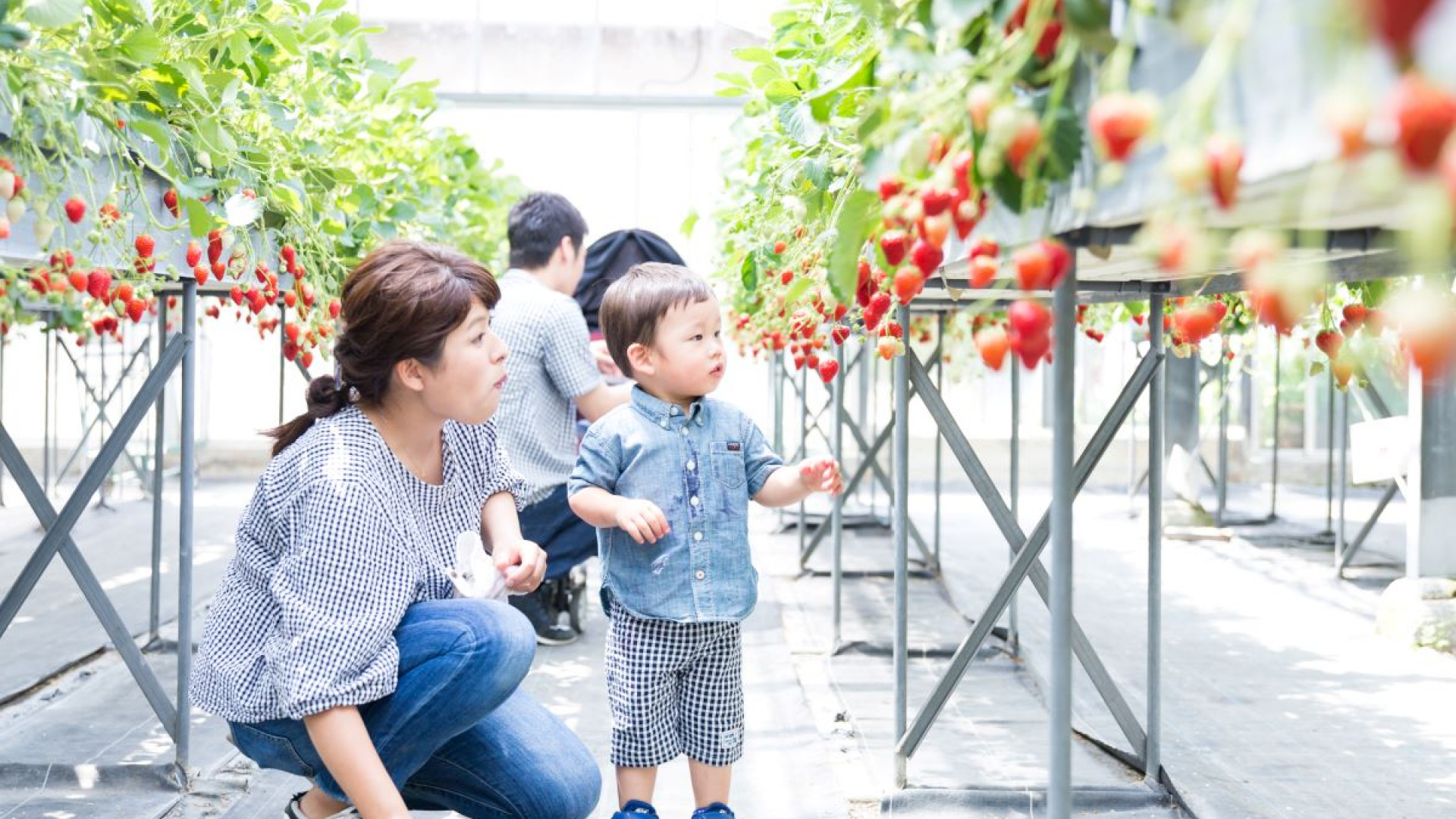
Savor the taste of up to 10 strawberry varieties (depending on growth conditions)! Advance reservations are required and can be made via the website. The elevated cultivation system allows for standing strawberry picking, with wide aisles accessible for guests with strollers or wheelchairs. A kids' play area is also available so families with young children can relax. Come taste the sweet deliciousness of perfectly ripened strawberries grown right here in Ebina!

Experience & Activities Koshu kaido Tokaido KANAGAWA
Yokohama Hoshi-no-naru-ki

Yokohama Hoshi-no-naru-ki

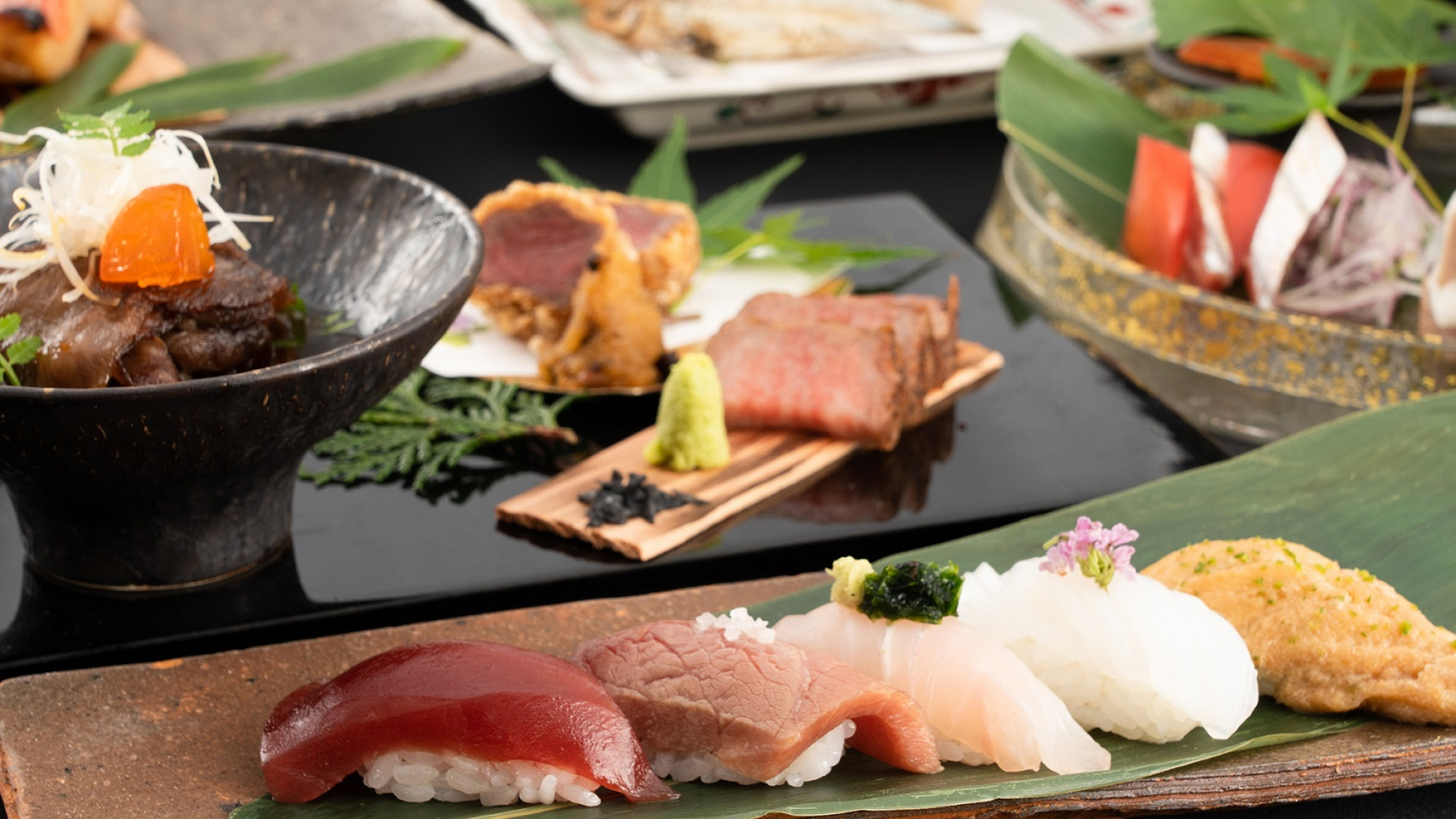
[Tradition × Innovation] Japanese cuisine originating in Yokohama. Enjoy the perfect Japanese cuisine of the best local Yokohama ingredients in the luxurious private space with a spectacular view and service. The blessings of nature and product of human endeavor are plentiful here. This space of refined aesthetic is decorated around the theme of [Rinpa / Sakura]. Enjoy the magnificent view of the contrasting ocean and city lights of the port city of Yokohama from 100 m above ground on the 28th floor of the Sky Building.

Eat & Drink Tokaido Koshu kaido KANAGAWA