
Greater Tokyo

See & Do

reset
【Closed in March 2024】Mt. Jeans Nasu

【Closed in March 2024】Mt. Jeans Nasu

The ski resort is known for its gondola ropeway providing superb views of the Nasu Mountains in every season. The fields are filled with daffodils and azaleas in spring, gentians in autumn and about 30,000 white azaleas (Rhododendron quinquefolium) growing in clumps during mid-May to early June, the largest collection in the country. The mountains’ autumn foliage is an incredible spectacle. For those who like to take a closer look at the flora of these mountains, well-maintained walking trails are the perfect option!

Nikko kaido Oshu kaido TOCHIGI
Kegon Falls

Kegon Falls

Kegon Falls is the most famous of Nikko’s 48 waterfalls. Water from Lake Chuzenji falls 97 metres straight down to the rocks below creating a dynamic and artistic work of nature. A special lift takes visitors to the basin where the force and roar of the water can be witnessed close up! Kegon Falls offers stunning views every season. Deep green in early summer, red and yellow leaves in autumn. in winter, the water freezes as it drops creating beautiful ice shapes almost like beautiful pieces of art.

Oshu kaido Nikko kaido TOCHIGI
Izuru Soba

Izuru Soba

Hand-ground stone-milled soba noodles – savor the history and flavors of Manganji Temple Izuru Soba originates from Tochigi City’s historic “Izuru Manganji Temple.” In the past, soba was made by temple parishioners and locals as an offering, and it gradually became a well-known local delicacy. Along the Izuru Kaido Road, many soba shops and guesthouses line the route, allowing visitors to enjoy natural scenery while savoring freshly ground stone-milled soba noodles. The Izuru area also promotes “Tochigi Edo Cuisine,” offering not only traditional zaru soba but also unique creations such as white soba, soba flour sweets, and the specialty “Koedo Soba Kaiseki.” This is not only a culinary experience but also a cultural journey that blends history, faith, and gastronomy.

Nikko kaido Oshu kaido TOCHIGI
Hotel Mashikokan

Hotel Mashikokan

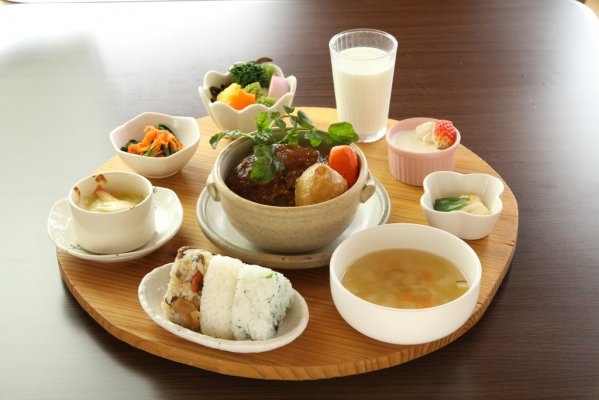
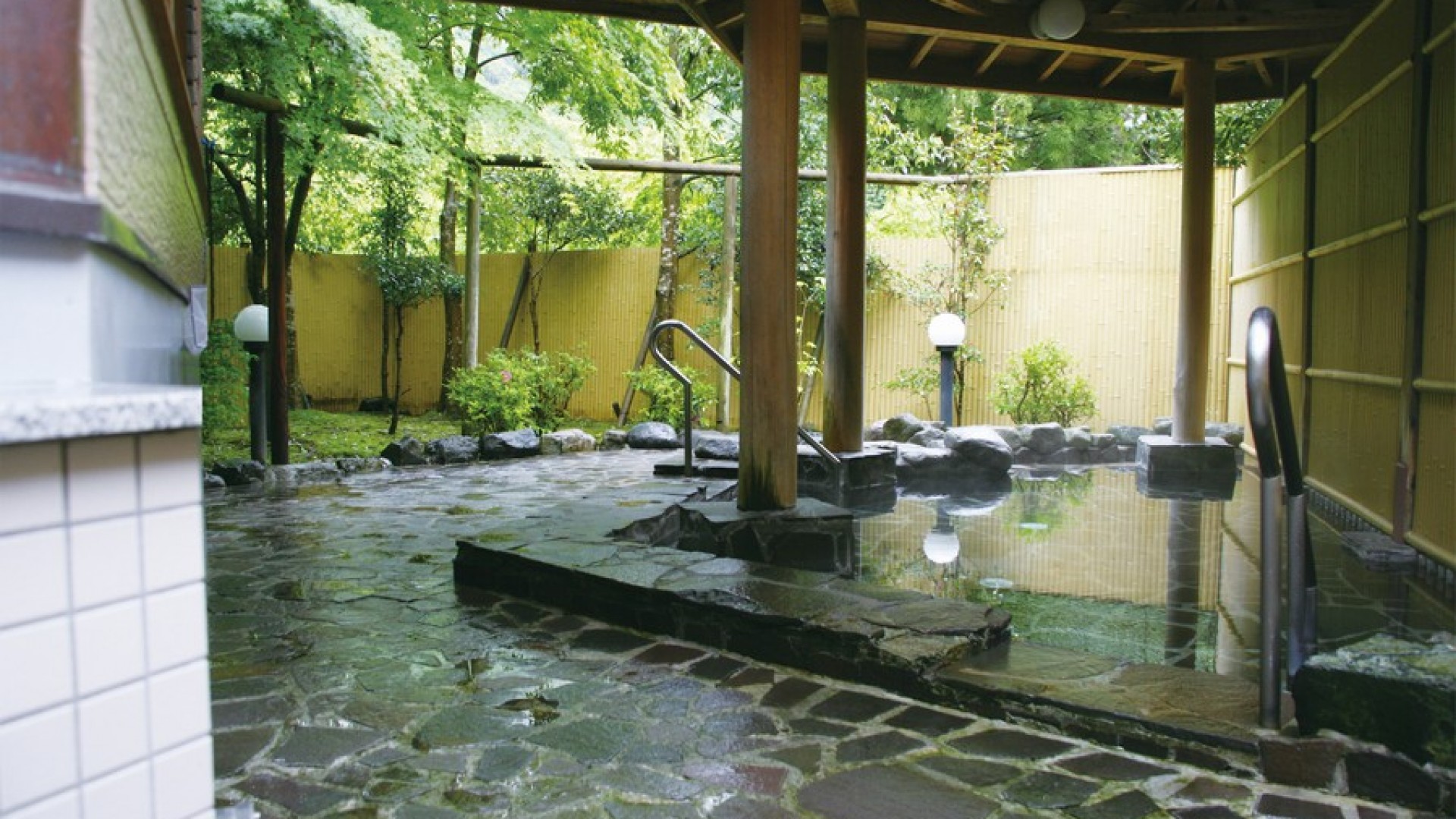
Mashikokan Satoyama Resort Hotel is a homey onsen hotel in a forest. If you open the window of the guest room, a fresh breeze and the sound of the forest gently enter the room. If you turn off the light at night and look up at the sky, the large moon and the starry sky softly light up the room. Meals are prepared with ingredients carefully grown by producers and thoroughly crafted to bring out their natural flavors. They will be cooked and served with love so that you can feel the four seasons of satoyama. Baths are filled with the skin-beautifying hot spring water from the satoyama. In both the spacious indoor bath and open-air bath, featuring a waterfall that the hotel proudly presents, you can enjoy the finest healing time while feeling the nature of satoyama. These baths are also available to non-staying guests. Please visit the hotel as the base of your fun activities in satoyama and enjoy a slow, relaxing time.

Nikko kaido Oshu kaido TOCHIGI
Sano Agritourism Farm ‘Agritown’

Sano Agritourism Farm ‘Agritown’

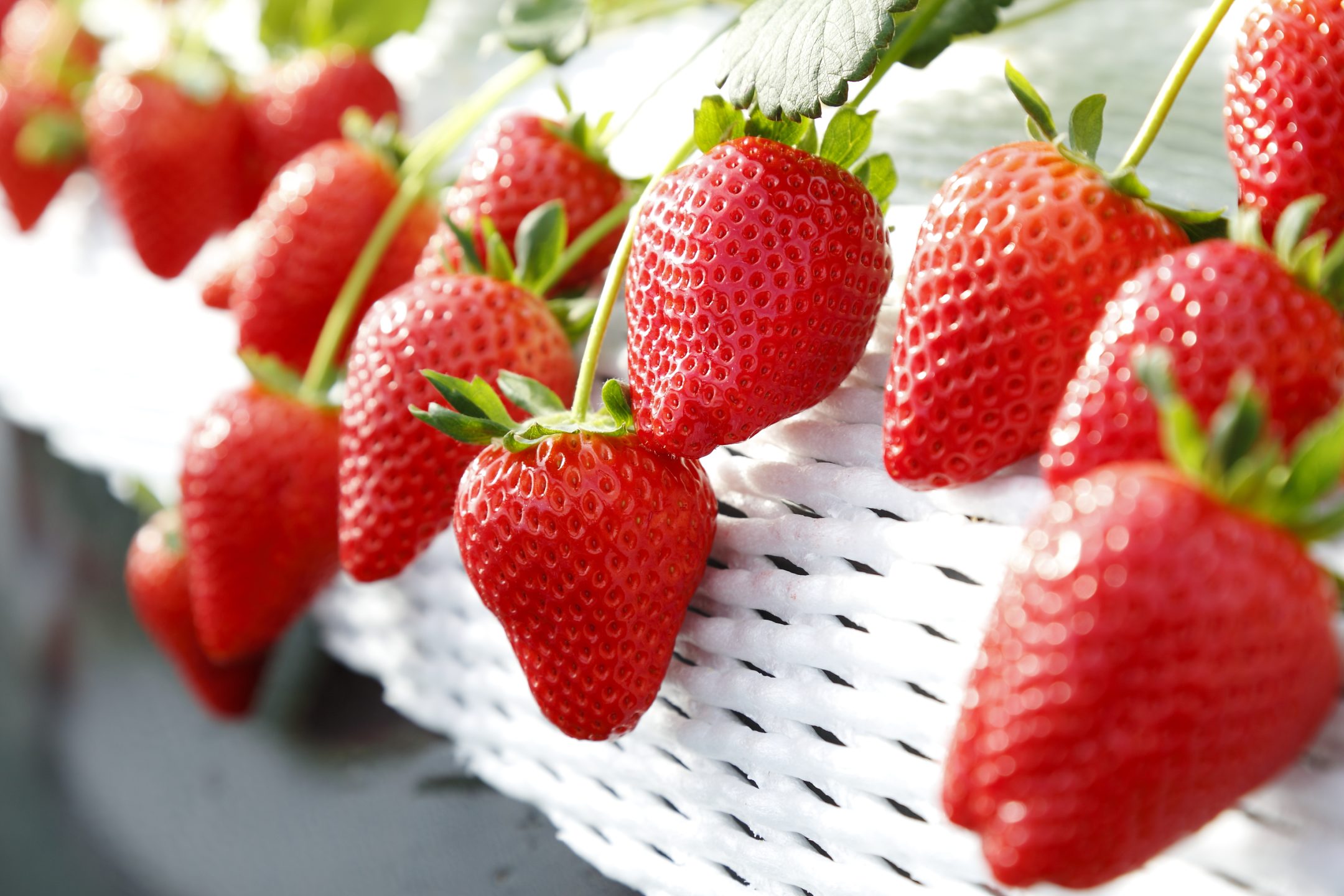
Sano Agritourism Farm ‘Agritown’ is a complex that houses a farm offering a harvest experience, farmer’s market, flower shop, and gelateria. You can enjoy a farm experience throughout the year including strawberry, blueberry, and peach picking, as well as harvesting of potatoes, peanuts, and edamame. For strawberry picking, you will choose one favorite breed to pick from three: the new breed Tochi-Aika, always popular Tochiotome, and the three-star breed Skyberry. Since the farm grows strawberries on raised beds, there is no need to crouch to pick them, making the farm popular among people in a wheelchair or pushing a stroller. The farmer’s market also has a section devoted to strawberry products including a wide variety of jams and confectionery.

Nikko kaido Oshu kaido TOCHIGI
LAKEHOUSE (THE RITZ-CARLTON, NIKKO)

LAKEHOUSE (THE RITZ-CARLTON, NIKKO)

The Lakehouse the restaurant offers you a garden gastronomy experience with seasonal local vegetables. Starring unique vegetables grown in the great nature of Tochigi Prefecture, dishes are prepared with carefully selected cooking methods using many herbs and spices. Here, you can enjoy multi-course meals for you to savor the flavor of the ingredients. Décor in the dining hall including sketches and pressed flowers of animals and plants found at Lake Chuzenji as well as lighting and artworks inspired by fishing will enhance your lakeside dining experience. The restaurant also has the takeout menu “Grab & Go,” including sandwiches with a lot of seasonal local vegetables, smoothies, cookies, coffee and other drinks. Please drop by and grab some for a picnic or a walk around the area.

Nikko kaido Oshu kaido TOCHIGI
Moka Lantern Festival

Moka Lantern Festival

The Moka Lantern Festival is held every year on August 15 at Gyokuya River Waterfront Park. The trees in the park are lit up, creating a fantastic atmosphere. On the stage, a concert will be held to bring back memories of the past. 3,500 lanterns floating on the surface of the river like scattered jewels will give you a sense of peace. We suggest that buy your lantern before the event begins. (Â¥600/a lantern) In addition, local restaurants will set up booths at the plaza, where you are welcome to enjoy food and drink as well as lantern viewing. Traffic Control 17:30~21:30 Parking Area Moka City Hall, Ashikaga Bank, Joyo Bank and Four Season Seifu, please check more informations on website.

Nikko kaido Oshu kaido TOCHIGI
Roadside Station Domannaka Tanuma

Roadside Station Domannaka Tanuma

“Domannaka” means “the center,” and the name Domannaka Tanuma comes from the fact that it is located roughly at the center of Japan. In the farmer’s market, fresh vegetables from local producers fill the shelf every morning. You can buy vegetables that are fresh, safe, and reliable. The rice shop offers carefully selected rice such as Koshihikari. There are also an authentic Chinese restaurant and a self-service Japanese and Western food restaurant. The self-service restaurant has a rich lineup of menu items including Sano Ramen noodles and deep-fried potatoes, which are both local foods of Sano City, and Yamizo soba made with water from the Yamizo Mountains in Tochigi Prefecture. Both restaurants are spacious and have over 100 seats so that you can relax and enjoy your meal. There are also shops offering a wide variety of sweets: a gelato stand offering products made with the blessings of nature, a pancake café featuring original pancakes, and a fruit sandwich stand. You can also buy custard pudding to take home with you. On the premises, there is a foot bath filled with onsen water that leaves your skin silky smooth and massage chairs that make you feel you are receiving a massage in zero gravity.

Nikko kaido Oshu kaido TOCHIGI
Haga Onsen Roman no Yu

Haga Onsen Roman no Yu

Haga Hot Spring and Roman Baths is a place where groups and individual visitors can casually enjoy a day at a hot spring.The color of the water that gushes forth from 1,500 meters below ground is a surprisingly gold hue.Another attractive feature is that there are two different hot springs to be enjoyed in one location. The first is good at keeping skin beautiful, making it soft and smooth. It is also known as a bijin no yu (Japanese for "beautiful person's hot spring"). The other spring has heat-retaining properties that help remove the cold within your body. It is also called an atatamari no yu ("warming hot spring"). The spa features open air baths, large public baths, massaging aerated baths, flowing water baths, and saunas. Other facilities include a lounge area, small Japanese-style rooms that can be used to host banquets, and more. The spa also holds beer gardens in the summer."

Nikko kaido Oshu kaido TOCHIGI
Sano yakuyoke-daishi (Kasuga Okayama Soshuji Temple)

Sano yakuyoke-daishi (Kasuga Okayama Soshuji Temple)

Sano yakuyoke-daishi is the popular name of this Tendai Buddhist temple in Sano City, Tochigi Prefecture. The name was made famous via TV commercials. A protective statue of the priest Ryogen is installed, so the temple has become associated with warding off misfortune. It’s one of the three main Tendai temples of the Kanto region for improving your luck, so every New Year’s Day people pour in for Hatsumode, the first prayers of the New Year."

Oshu kaido Nikko kaido TOCHIGI
Tochigi Flower Center

Tochigi Flower Center

The Tochigi Flower Center is located at the base of Mt. Mikamosan Park. Come enjoy a variety of flowers in a large flower bed shaped like six flower petals as well as the largest greenhouse in the country. The center plans a variety of exhibitions based on the season and also offers horticultural advice. Their permanent exhibits include flowers, fruits, and plants of the tropics and subtropics as well as strange, bizarre, and rare plants from around the world such as welwitschia mirabilis. Events are held showing off seasonal flowers."

Nikko kaido Oshu kaido TOCHIGI
Torinoko Sansho Shrine

Torinoko Sansho Shrine

Torinoko Sansho Shrine consists of a main hall, a worship hall, a tower gate, a Torii gate (at the prefectural border of Tochigi and Ibaraki) and the main shrine. The shrine is known for its lucky owl, a messenger from the god who brings good luck. The temple complex contains the nation’s largest statue of an owl, an owl post, an owl bell and an owl statue on which visitors pour water to wash their troubles away. Other notable sites include a miraculous turtle well that has never dried up and the building known as Gochiin where famous feudal lord Mitsukuni Tokugawa once stayed.

Nikko kaido Oshu kaido TOCHIGI
Yatai-no-Machi Central Park

Yatai-no-Machi Central Park

Yatai-no-Machi Central Park is home to the Yatai Museum, Tourism and Local Products Centre and “Kikusuien”, one of three famous gardens in Kanuma. The Yatai Museum’s exhibits include three hand-carved wooden floats – official local cultural properties – and videos on the Kanuma Autumn Festival which is designated an Important Folk Cultural Property. Take a close look at elaborate carvings on the floats and learn about the history of this famous festival. Built in the early 1900s, “Kikusuien” was known as one of three outstanding gardens in Kanuma at that time. Many cultural elites such as Sumio Kawakami (a printmaker) visited and loved this Japanese garden. Nowadays many people come to the restored garden for its fantastic autumn leaves in late November. The Tourism and Local Products Centre is a hub for tourism offering a selection of brochures about destinations in Kanuma in addition to a wide range of local products. At the Konjac café, visitors can enjoy a variety of dishes hand made from the local all-natural Konjac potatoes.

Nikko kaido Oshu kaido TOCHIGI
Kashi-no-Mori Park

Kashi-no-Mori Park

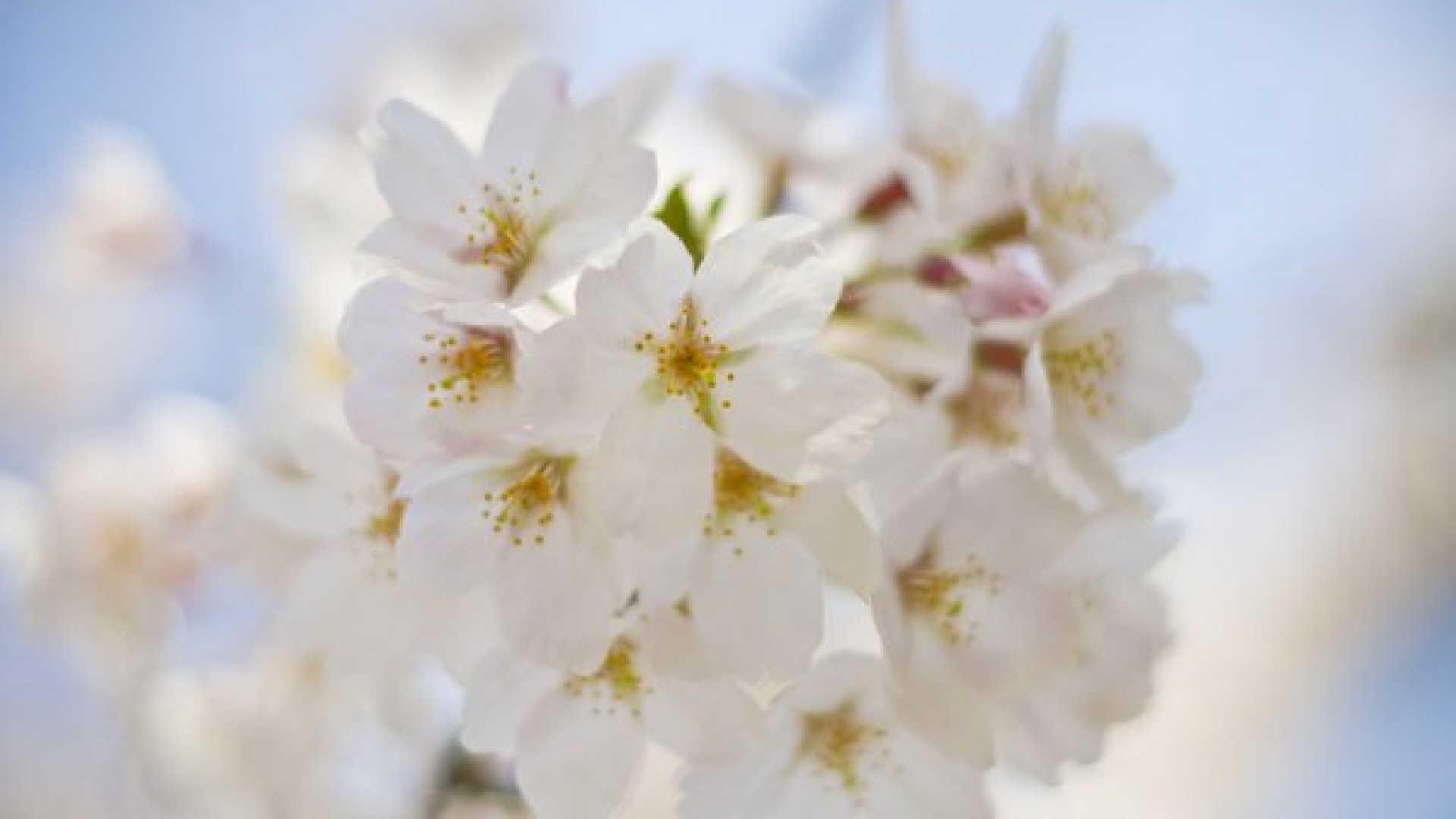
Kashi-no-Mori Park is an oasis for both children and adults throughout the year and is easily accessible by car. A wide range of events are held in the park in early April when visitors come for the “Sakura Festival” in spring. The park is also popular for a fantastic night time viewing of illuminated cherry blossoms. The streets around Kashi-no-Mori Park are lined with cherry blossom trees (north-south 2.3km, east-west 1.3km). Be sure to walk through the stunning cherry blossom tunnelled street with approximately 650 Yoshino cherry trees!

Nikko kaido Oshu kaido TOCHIGI
Ashio Copper Mine

Ashio Copper Mine

With a 400-year history, Ashio Copper Mine is a tourist attraction built out of the industrial remains of what used to be the largest copper mine in Japan. A trolley train transports visitors 700 metres underground to displays of the mine’s chronology and history and demonstrations of the harsh working conditions through life-like wax figures. You can learn more about this industrial property at the three on-site museums including the copper museum with displays of traditional copper processing methods. Then relax at the traditional cafe or enjoy a leisurely walk along the nearby Watarase River. Between 1610 and 1868, the copper mined here was an important resource for the prosperity of the nation. It was used to produce tiles for castles and shrines and was exported to China and the Netherlands. Among the coins of the years 1600 to 1867, coins produced in Ashio were known as “Ashiji-sen” with the Chinese character of “Ashi (foot)” on the back. Today the coin-shaped local Japanese sweet “Ashiji-sen Monaka” is a popular souvenir.

Nikko kaido Oshu kaido TOCHIGI