
Greater Tokyo

See & Do

reset
Yamaage Center

Yamaage Center

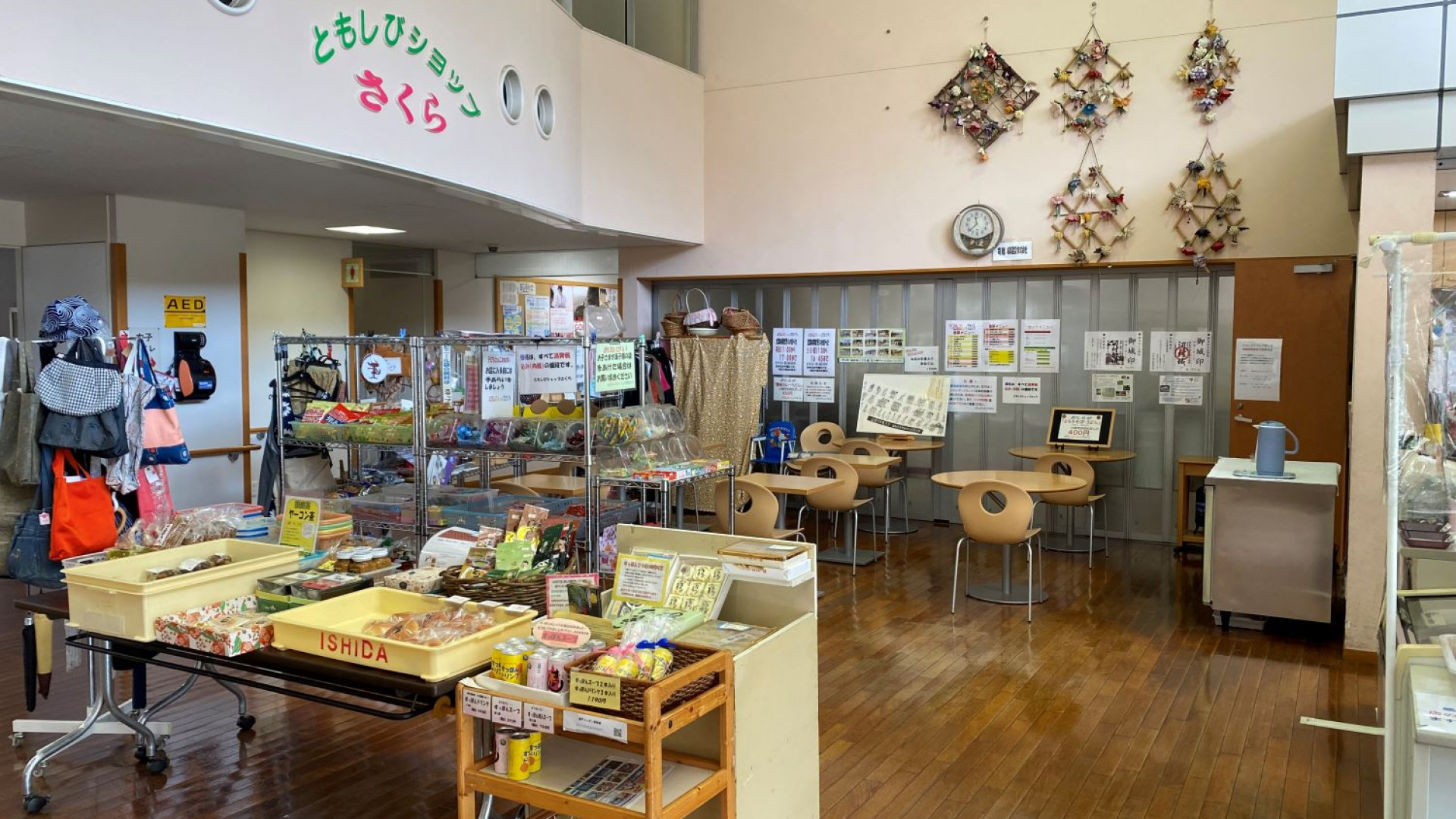
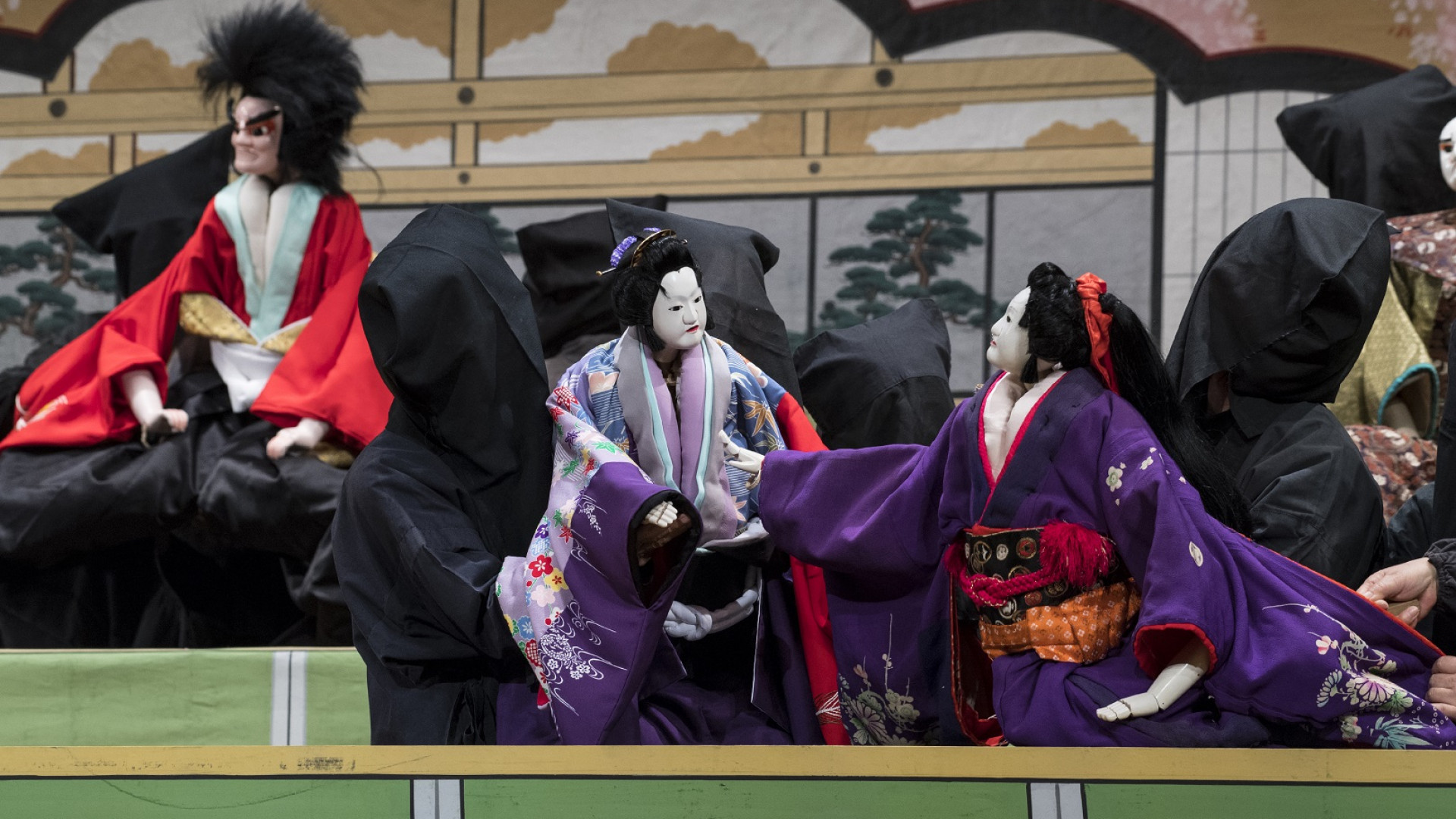
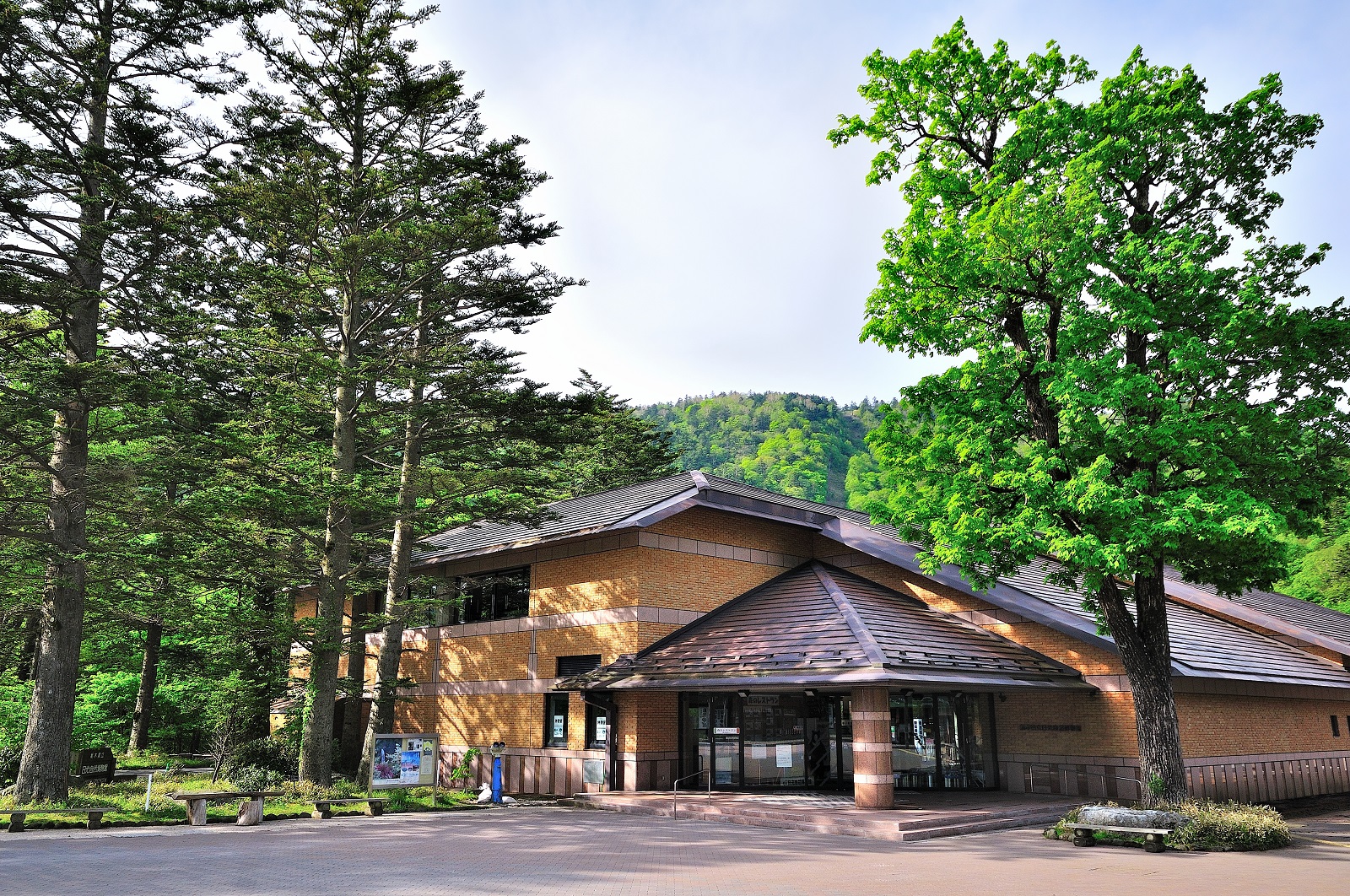
This museum features permanent exhibits about the Yamaage Matsuri of Karasuyama, UNESCO Intangible Cultural Heritage and a National Important Intangible Cultural Heritage. At this facility, a human-like robot named Kansuke Jiisan (Grandpa Kansuke) provides a detailed explanation of the Yamaage Festival. Visitors can get a close look at the large stalls actually used for the festival as well as a one-fifth-scale replica of the actual stage. Local specialty products are sold at the convenient tourist product corner offering the perfect souvenirs."

Nikko kaido Oshu kaido TOCHIGI
Tonoike Shuzo

Tonoike Shuzo

This brewery produces an array of choice sake and received a gold medal at the Annual Japan Sake Awards for its Sanran-daiginjo brew. Their facility tour is popular with tourists, where the brewer explains its history in detail. Come learn about the tradition and techniques of sake production. A gift shop on the grounds sells choice brews and cosmetics made with sake. Enjoy coffee brewed with the same water used for the sake, sweets with sake lees, a sake tasting set, and more at their café."

Oshu kaido Nikko kaido TOCHIGI
Nasu Teddy Bear Museum

Nasu Teddy Bear Museum

The Nasu Teddy Bear Museum exhibits teddy bears created by 100 artists from all over the world in order to further cultivate teddy bear culture. The museum building is modeled after a British manor house. You’ll find a collection that includes “artist bears” based on artists from around the world, as well as antique bears and Teddy Edward, the teddy bear that has traveled the most around the world. There are also planned exhibitions. The teddy bear museum features the works of Studio Ghibli into the museum as well as famous teddy bears. One of the museum highlights is the full-sized Cat Bus from My Neighbor Totoro. Unlike the Ghibli Museum that can only accommodate small children on the cat bus, even adult tourists can hop on and take pictures of this iconic bus. In addition, there’s a museum shop with a variety of teddy bear goods, as well as a tea room with teddy bear-themed menu items."

Nikko kaido Oshu kaido TOCHIGI
Nikko Saru Gundan

Nikko Saru Gundan

Visitors at this leisure facility can enjoy watching monkeys act in plays, do street performances, and more. It is famous for having produced Taro and Jiro, a trainer-monkey pair that was once the star of many TV commercials. In addition to the exhibit areas, the facility also a number of attractions where visitors can play with the monkeys. The area where visitors can take a photo while holding baby Japanese macaques is gaining popularity."

Nikko kaido Oshu kaido TOCHIGI
Nasu Alpaca Farm

Nasu Alpaca Farm

The first and largest alpaca farm in Japan.This alpaca farm is located along Prefectural Route 305 in Oshima, Nasu Town. About 400 alpacas are being raised on the expansive grounds of the ranch. Throughout the four seasons, you can enjoy watching the alpacas amidst the natural scenery of Mt. Nasudake. Fluffy four-legged friends are waiting for your visit, you can feed them, take a stroll with them, and take many unique photographs together with them. Enjoy watching and petting lovely wonder alpacas!"

Nikko kaido Oshu kaido TOCHIGI
Sano yakuyoke-daishi (Kasuga Okayama Soshuji Temple)

Sano yakuyoke-daishi (Kasuga Okayama Soshuji Temple)

Sano yakuyoke-daishi is the popular name of this Tendai Buddhist temple in Sano City, Tochigi Prefecture. The name was made famous via TV commercials. A protective statue of the priest Ryogen is installed, so the temple has become associated with warding off misfortune. It’s one of the three main Tendai temples of the Kanto region for improving your luck, so every New Year’s Day people pour in for Hatsumode, the first prayers of the New Year."

Nikko kaido Oshu kaido TOCHIGI
Kurita Museum

Kurita Museum

One of the largest museums of ceramics with Imari and Nabeshima collections in the world. Here, on the outskirts of Ashikaga, on 24.5 acres chosen for its picturesque scenery and taking advantage of nature, is a garden of mainly wild grass. In the garden is the main museum building, a historical building, a memorial church for unknown potters, and the pottery hall as well as the main gate, and the Holland Hall. A large feature of the museum is that it displays only Imari and Nabeshima pottery wares of the Edo period  created by the Nabeshima clan."

Nikko kaido Oshu kaido TOCHIGI
Watanabe Sahei Shoten “Sake Brewery Tour”

Watanabe Sahei Shoten “Sake Brewery Tour”

Watanabe Sahei Shoten is a family run brewery from 1842in Nikko. Their spirit that “Junmai Jyozosyu" is an authentic sake”. *”Junmai” is sake made only with rice, koji , and water *”Koji” is fungus which converts the starch from the rice into glucose Of course, we use Nikko’s natural grand water to make nice sake in Nikko’s very cold winter. Why don’t you try it? The owner can speak English. You can tour around with owner and hear his sprit of sake directly. *English guided tour / max 40 person *Reservation required (by Phone, E-mail, Online)

Oshu kaido Nikko kaido TOCHIGI
Kanuma Kumiko making Experience

Kanuma Kumiko making Experience

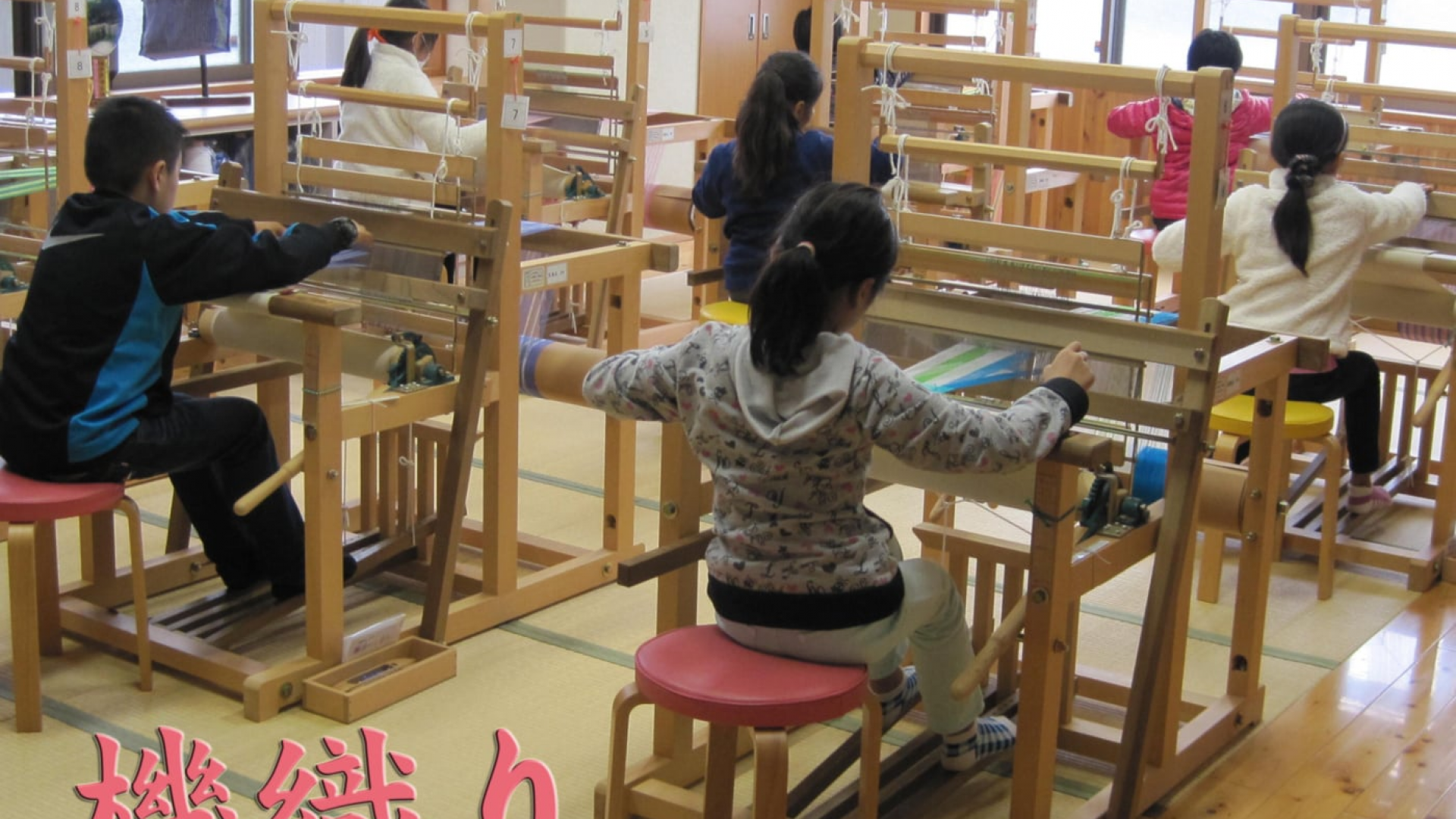
Experience the traditional wood-making craft of Kumiko in Kanuma. Kanuma Kumiko, designs made with strips of wood, is found in a traditional Japanese room. Because no nails are used in assembling the 1-5mm strips of wood which make up various designs, it requires traditional and very delicate skills. Visitors can try their hand at making coasters while learning about the techniques and designs of Kanuma Kumiko used mainly for Shoji (traditional Japanese screens and sliding doors) and interior furnitures.

Nikko kaido Oshu kaido TOCHIGI
Michi-no-Eki Nikko Kaido Nikoniko Honjin

Michi-no-Eki Nikko Kaido Nikoniko Honjin

The roadside station “Michi-no-Eki Nikko Kaido Nikoniko Honjin” held a grand opening to the public on 27 April 2015. It is located at the junction of three highways known as the Nikko Cedar Avenue (Nikko-Kaido, Aizunishi-Kaido and Reiheishi-Kaido), in the city centre of Nikko. The roadside station is a hub for tourism and transportation that leads visitors to sights such as the UNESCO World Heritage “Shrines and Temples of Nikko” and one of Japan’s most popular hot spring towns, “Kinugawa and Kawaji Onsen”. Nikko’s official “Michi-no-Eki” is home to a commemorative museum to the famous local composer Toru Funamura as well as restaurants and shops offering original local products, locally produced vegetable and fruits. A wide range of events take place in the performance hall and open space throughout the year.

Nikko kaido Oshu kaido TOCHIGI
Shimazaki Sake Brewery

Shimazaki Sake Brewery

Established in 1849, Shimazaki Sake Brewery is open for tours of the brewery and the history of the brewing process (prior bookings required). Along with a selection of local Sake, you can purchase other liqueurs made from Yuzu, strawberries or Ume plums and Sake ice cream made with Ginjo-shu. The “Sakagura Festival” held at the brewery in March offers sake-tasting, quizzes, prize draws and sales of limited edition Sake bottles.

Nikko kaido Oshu kaido TOCHIGI
Kashi-no-Mori Park

Kashi-no-Mori Park

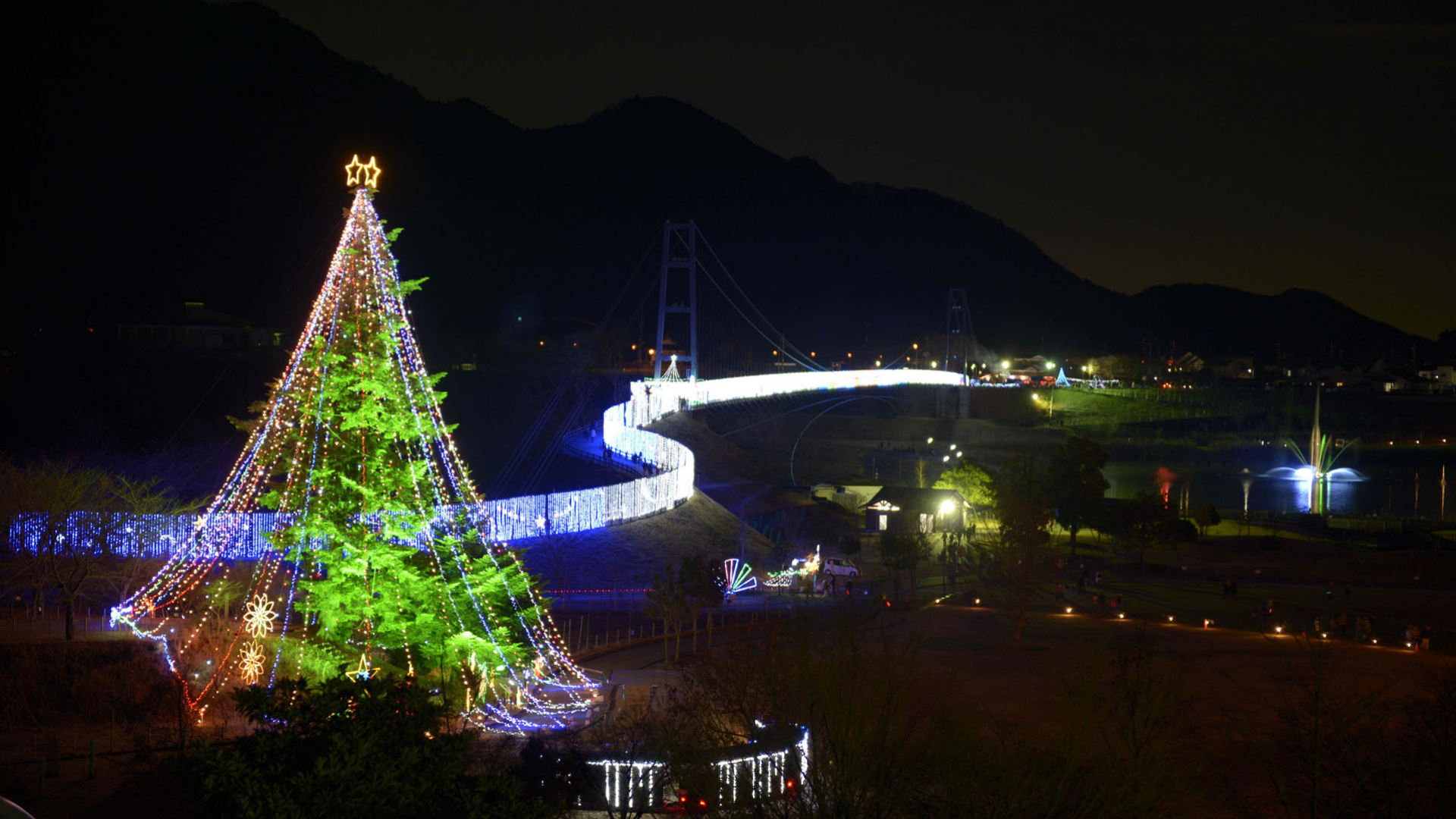
Kashi-no-Mori Park is an oasis for both children and adults throughout the year and is easily accessible by car. A wide range of events are held in the park in early April when visitors come for the “Sakura Festival” in spring. The park is also popular for a fantastic night time viewing of illuminated cherry blossoms. The streets around Kashi-no-Mori Park are lined with cherry blossom trees (north-south 2.3km, east-west 1.3km). Be sure to walk through the stunning cherry blossom tunnelled street with approximately 650 Yoshino cherry trees!

Nikko kaido Oshu kaido TOCHIGI
【Closed in March 2024】Mt. Jeans Nasu

【Closed in March 2024】Mt. Jeans Nasu

The ski resort is known for its gondola ropeway providing superb views of the Nasu Mountains in every season. The fields are filled with daffodils and azaleas in spring, gentians in autumn and about 30,000 white azaleas (Rhododendron quinquefolium) growing in clumps during mid-May to early June, the largest collection in the country. The mountains’ autumn foliage is an incredible spectacle. For those who like to take a closer look at the flora of these mountains, well-maintained walking trails are the perfect option!

Nikko kaido Oshu kaido TOCHIGI
Nasu Heisei-no-Mori Forest

Nasu Heisei-no-Mori Forest

Nasu Heisei no Mori is a forest park that was originally part of nearby Nasu Imperial Villa. The forest opened to the public in 2011 as part of Nikko National Park. Nasu Heisei-no-Mori Forest consists of two areas: the Forest Recreation Zone and the Forest Learning Zone. You can stroll freely through the forest. There are three loop trails in the Recreation Zone. The longest, about 3 kilometers, leads to the Komadome Waterfall Observation Deck. At Nasu’s Komadome Waterfall, the scene created by the dynamic, seasonal landscape of the mountains and the contrast of the waterfall’s stunningly clear, blue water is simply breathtaking. In contrary, entering the "Forest Learning Zone" is limited to people with guide reservations in advance, but is definitely a valuable experience, since a guide will walk you through the forest while providing you interesting knowledge about the surrounding nature. During the winter months when the Forest Learning Zone is closed to the public, the Field Center offers guided snowshoe walks through the Recreation Zone.

Oshu kaido Nikko kaido TOCHIGI
Sano Ramen Noodles

Sano Ramen Noodles

Home to one of Japan’s most famous local ramen noodles, Sano City is in the south of Tochigi. Sano Ramen is made with water of the finest quality listed in the 100 best spring waters in Japan, and wheat especially suited for noodle-making. Beaten by a green bamboo stems, these noodles are aerated for good thermal conductivity. As a result, they are cooked in a second and maintain a chewy but smooth texture. The clear broth, having a taste of soy sauce and a rich flavour, is distinctive and never boring for its simplicity. Sano Ramen has admirers of all ages.

Nikko kaido Oshu kaido TOCHIGI
Izuru Soba

Izuru Soba

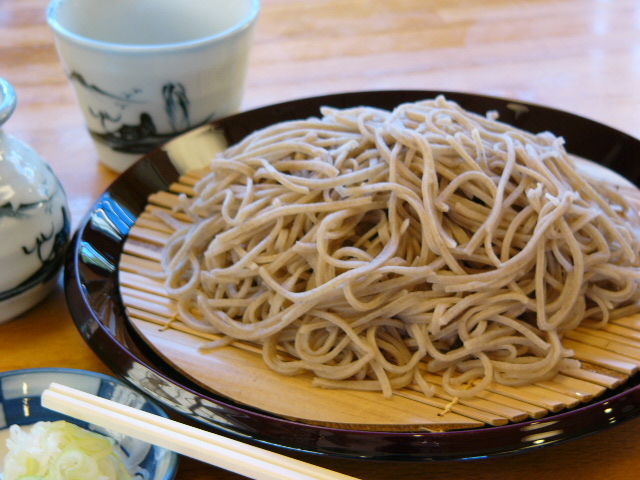
Hand-ground stone-milled soba noodles – savor the history and flavors of Manganji Temple Izuru Soba originates from Tochigi City’s historic “Izuru Manganji Temple.” In the past, soba was made by temple parishioners and locals as an offering, and it gradually became a well-known local delicacy. Along the Izuru Kaido Road, many soba shops and guesthouses line the route, allowing visitors to enjoy natural scenery while savoring freshly ground stone-milled soba noodles. The Izuru area also promotes “Tochigi Edo Cuisine,” offering not only traditional zaru soba but also unique creations such as white soba, soba flour sweets, and the specialty “Koedo Soba Kaiseki.” This is not only a culinary experience but also a cultural journey that blends history, faith, and gastronomy.

Nikko kaido Oshu kaido TOCHIGI