
Greater Tokyo

See & Do

reset
Daisei Gama(Kiln)

Daisei Gama(Kiln)

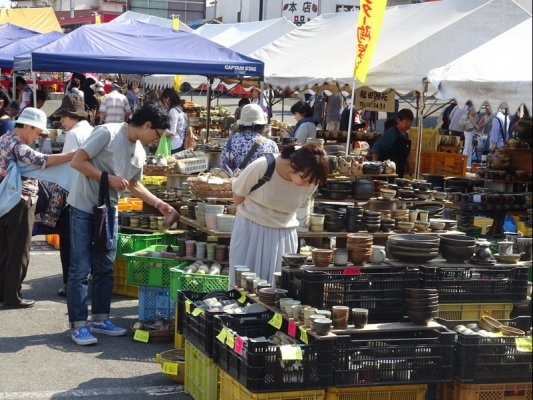
Daisei Gama, established in 1861, is a leading pottery studio in the pottery town of Mashiko. Its shop, a renovated traditional Japanese house, showcases a wide variety of pottery ranging from standard products to basic products with a few additional touches to the design, clay, and taste. Daisei Gama has been using a climbing kiln for generations since its establishment. Among climbing kilns operated by many pottery studios in Mashiko, it is the largest one. Daisei Gama uses Japanese red pine as fuel and traditional glaze that has long been used in Mashiko such as persimmon glaze as well as rice-bran white glaze, black glaze, amber glaze, and celadon glaze. Currently at Daisei Gama, the sixth-generation family head Kuninori Otsuka and the seventh-generation family head Seiichi Otsuka, together with craftworkers, are creating traditional, simple Mashiko pottery with a glimpse of strength and warmth inside. Visitors can view the climbing kiln. There is also a gallery in a separate building.

Nikko kaido Oshu kaido TOCHIGI
Meiji-No-Yakata

Meiji-No-Yakata

Meiji-No-Yakata is a restaurant remodeled from a villa built by an American merchant during the Meiji period (1868-1912). Japan at that time was just beginning to be introduced to Western culture. At the restaurant, you will see the fusion of Japanese and Western culture. The stone wall technique, used in construction of Japanese castles, was used to build the villa, and its interior was adorned with Western decor. Today, these features make the restaurant building very tasteful. Signature dishes are hamburger steak, omelet and rice (“omurice”), and hashed beef and rice (“hayashi rice”), which are all popular home-cooked dishes in Japan. The chef turns these dishes into masterpieces that you can experience only at Meiji-No-Yakata. Other strongly recommended dishes are multi-course meals featuring choice “Tochigi” steak using locally produced Tochigi Wagyu. Enjoy a relaxing dining experience in a classic atmosphere at Meiji-No-Yakata, a building selected as a cultural property, that transcends time and space.

Nikko kaido Oshu kaido TOCHIGI
Tezutsu Hanabi(Hand-held fireworks)

Tezutsu Hanabi(Hand-held fireworks)

The "Mashiko Gion Festival" held at Kashima-jinja Shrine every July 23, 24, and 25. Kicking off the first night of the festival, an impressive rain of sparks falls from tezutsu fireworks shot up to 8 meters into the night sky from a combination of large and small cylindrical tubes. The handheld fireworks(Tezutsu Hanabi) are said to have originated in Toyohashi city. Tokugawa Ieyasu, who became the first Shogun of the Edo Period, brought that technology to his home in Mikawa province (current Aichi Prefecture). At the time gunpowder was strictly forbidden throughout Japan, but the villagers of this region were allowed to use Tezutsu Hanabi as a part of Shinto rituals offering to the gods in exchange for rich harvests, good health, family fortune and prosperity, and good luck in battle.

Nikko kaido Oshu kaido TOCHIGI
Mashiko Museum of Ceramic Art / Ceramic Art Messe Mashiko

Mashiko Museum of Ceramic Art / Ceramic Art Messe Mashiko

The Mashiko Museum of Ceramic Art features works by the late Mr. Shoji Hamada, who was a designated Living National Treasure, as well as works by other ceramists associated with the town of Mashiko. On the same site, there are also the Sasajima Kihei Hall, which has permanent exhibitions of works by the printmaker Kihei Sasajima, who studied under Shiko Munakata, and the Mashiko Arts & Crafts Residence, which hosts artists-in-residence from all over the world as part of an international exchange program. Shoji Hamada's House, which has been designated as a Cultural Property by the town of Mashiko, includes a reconstruction of the climbing kiln that Mr. Hamada used. You can also pick a cup you like and enjoy tea or coffee at salon located on the premises of the museum. There is also a museum shop in the salon where you can buy Mashiko pottery and more."

Nikko kaido Oshu kaido TOCHIGI
Michi-no-Eki Nikko Kaido Nikoniko Honjin

Michi-no-Eki Nikko Kaido Nikoniko Honjin

The roadside station “Michi-no-Eki Nikko Kaido Nikoniko Honjin” held a grand opening to the public on 27 April 2015. It is located at the junction of three highways known as the Nikko Cedar Avenue (Nikko-Kaido, Aizunishi-Kaido and Reiheishi-Kaido), in the city centre of Nikko. The roadside station is a hub for tourism and transportation that leads visitors to sights such as the UNESCO World Heritage “Shrines and Temples of Nikko” and one of Japan’s most popular hot spring towns, “Kinugawa and Kawaji Onsen”. Nikko’s official “Michi-no-Eki” is home to a commemorative museum to the famous local composer Toru Funamura as well as restaurants and shops offering original local products, locally produced vegetable and fruits. A wide range of events take place in the performance hall and open space throughout the year.

Nikko kaido Oshu kaido TOCHIGI
Lake Chuzenji

Lake Chuzenji

Lake Chuzenji is the largest lake in Tochigi, framed by 25 kilometres of incredible nature. The area used to be a popular summer resort for foreigners in the late 19th to early 20th centuries. The villas of French and Belgian embassies can still be found here. You can enjoy seasonal charms by the lake. Walking trails surround the water’s edge and there is an excursion boat available on the lake. The views from the lake are spectacular, particularly when the cherry blossoms or azaleas are blooming or when the autumn leaves are turning. The “Koyo-meguri” tour, enjoying autumn leaves reflecting on the lake, is highly recommended.

Nikko kaido Oshu kaido TOCHIGI
Nikko Coffee Nishisando

Nikko Coffee Nishisando

The popular café chain Nikko Coffee, beloved by fans across Japan, opened its Nishisando branch in March 2020! In summer, visitors can enjoy shaved ice made with natural ice, while in mid-October, the shop also offers delicious treats like wagyu beef buns. With a concept of “Good things from Nikko, good things from Japan,” Nikko Coffee not only serves rich, aromatic coffee, but also sells handcrafted goods from Nikko and Tochigi Prefecture, as well as carefully selected items delivered from all over Japan.

Nikko kaido Oshu kaido TOCHIGI
Kitagura Cafe Higano

Kitagura Cafe Higano

Housed in “Kitagura,” a building constructed in the mid-Meiji period and registered as a Tangible Cultural Property of Japan, Kitagura Cafe Higano is located along Tochigi City’s famous Kuranomachi Street, a popular sightseeing area. The café is operated by Higano Shoten, a traditional confectionery shop founded in 1922. In addition to freshly brewed hand-drip coffee and homemade sweets, visitors can purchase the shop’s signature rice crackers, Okaki, as souvenirs. For coffee lovers, this is the perfect spot to relax and enjoy a quiet, charming atmosphere in the heart of historic Tochigi.

Oshu kaido Nikko kaido TOCHIGI
Tea Room Minami Yonban Classic (British embassy villa memorial park)

Tea Room Minami Yonban Classic (British embassy villa memorial park)

"South No. 4 Classic" café is located on the second floor of the former British Embassy Villa in the British Embassy Villa Memorial Park. From its spacious veranda, you can enjoy a panoramic view of Lake Chuzenji while savoring scones and tea sets supervised by the British Embassy Tokyo's chef. Limited-time and quantity events are held monthly.   〈Menu〉 British Cultural Experience Mini Afternoon Tea A set featuring British Embassy Tokyo's original scones, sandwiches, and tea. Plain and nut (walnut and almond) scones are served with generous portions of locally crafted jam from Tochigi Prefecture and clotted cream. Enjoy this one-plate set of sandwiches and seasonal fruits with premium British tea.   〈About the British Embassy Villa Memorial Park〉 Originally built in 1896 as the private villa of British diplomat Ernest Satow (1843-1929), this facility has been restored after serving as the British Embassy villa for many years. The facility features exhibits about its history as an international summer resort and British culture of the time. From the second-floor veranda,visitors can enjoy the "picture-perfect scenery" of Lake Chuzenji that Satow loved.

Nikko kaido Oshu kaido TOCHIGI
Machi-no-Eki Shin-Kanuma Juku

Machi-no-Eki Shin-Kanuma Juku

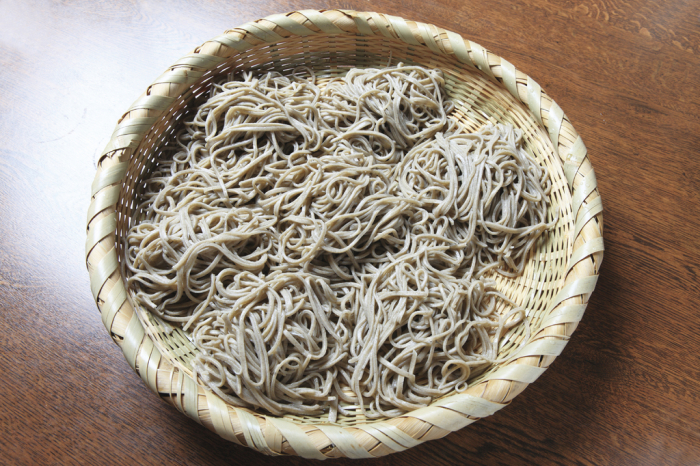
Machi no Eki Shin-Kanuma Juku is the central hub for tourism and local exchange in Kanuma City.The main building offers information on Kanuma's unique foods like "Kanuma Soba" and "Kanuma Konnyaku," as well as seasonal tourist information. The local products centerl gathers agricultural and specialty products from Kanuma City. There are also restaurants using carefully selected local ingredients. Why not visit our key station to learn more about Kanuma City?

Nikko kaido Oshu kaido TOCHIGI
ZEN RESORT NIKKO

ZEN RESORT NIKKO

Located in the Okunikko area, Zen Resort Nikko is an outdoor activity-oriented commercial complex where you can enjoy dining at a restaurant and glamping. The restaurant serves beef hamburger steaks with a wonderful umami taste and texture achieved only because they are made of 100% Wagyu beef. You can also savor a dish featuring Itadakimasu, a brand of freshwater rainbow trout developed in Nikko. The dinner (reservation required) is prix fixe, so you can choose dishes of your preference for each course. Enjoy alcohol beverages and food in the slow flow of time. In addition to accommodation facilities for glamping and camping, Zen Resort Nikko offers a rich lineup of seasonal activities such as SUP for summer and snow activities in winter.

Nikko kaido Oshu kaido TOCHIGI
Mt. Kongo Fire-walking Sadhana

Mt. Kongo Fire-walking Sadhana

At Mt. Kongo Zuihoji Temple in Furumine, the "Fire-Walking Sadhana Festival" is held on the last Sunday on May, for burning away afflictions, warding off bad luck, and praying for family safety. The ceremony begins with the sound of a shugenja (mountain ascetic) blowing a trumpet shell, followed by the performance of the axe, bow, and sword, and then the flames of the goma are extinguished.   While sutra chanting echoes, shugenjas and participants walk barefoot on the path, praying for protection from bad luck, safety in the home, and the fulfillment of various wishes.   After the ceremony, shugenjas would share tributes (like deserts, sake) with people, which means sharing happiness with each others.  

Oshu kaido Nikko kaido TOCHIGI