
Greater Tokyo

See & Do

reset
Mock Sumo Festival of Ikiko Shrine

Mock Sumo Festival of Ikiko Shrine

Enjoy a mock Sumo festival of Ikiko Shrine. Nakizumo, crying baby Sumo, is Japan's traditional event to pray for health and growth of the baby. In this style of Sumo wrestling, two children from one to two years of age are carried respectively by two local parishioners dressed as Sumo wrestlers to battle each other with shouts of "Yoisho, Yoisho," with the winner being the who cries first. It is held at Ikiko Shrine every September.

Nikko kaido Oshu kaido TOCHIGI
Okashi-no-Shiro Nasu Heartland

Okashi-no-Shiro Nasu Heartland

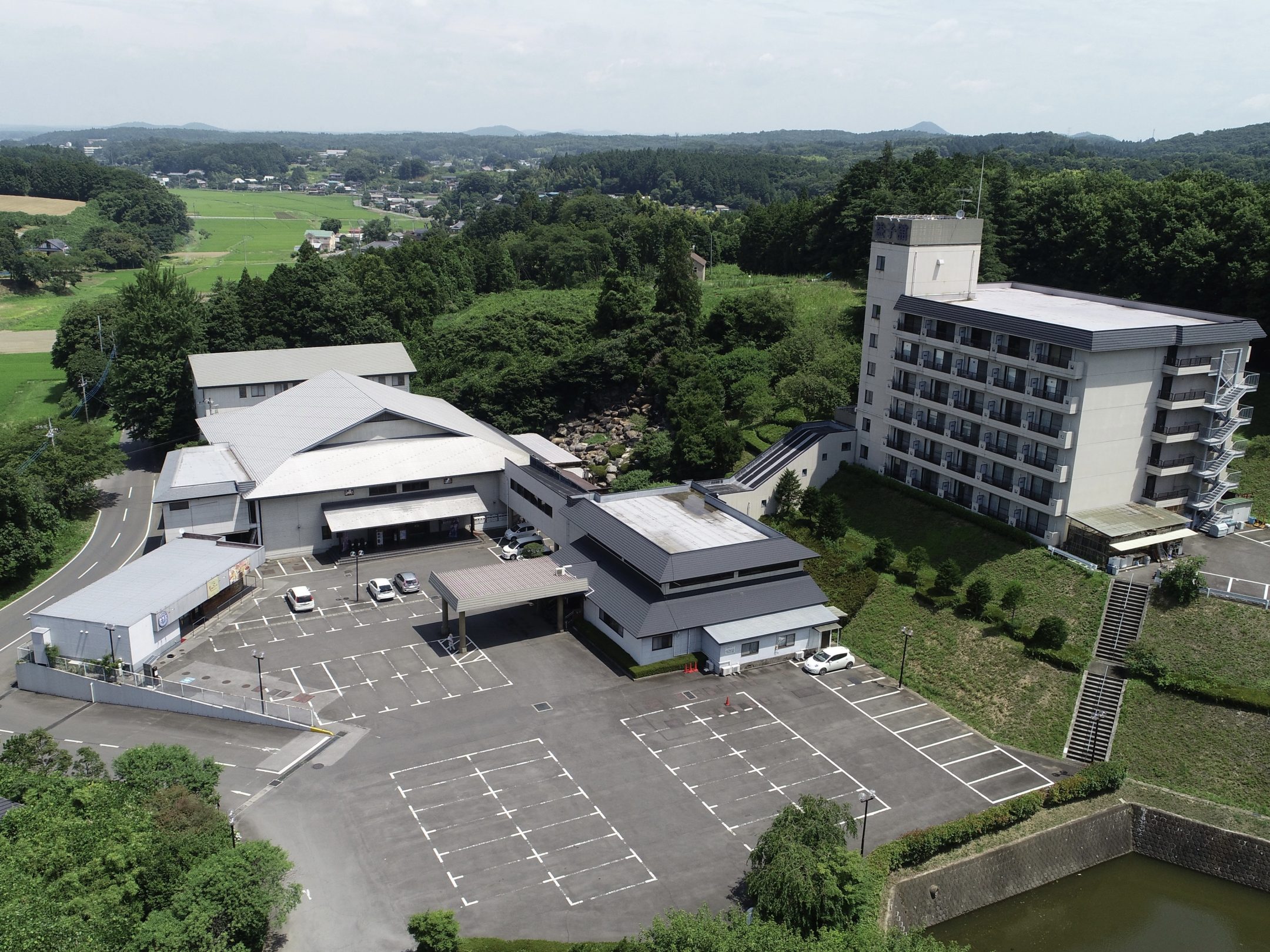
Okashi-no-Shiro Nasu Heartland (Sweets Castle Nasu Heartland) is a confectionery studio that produces baked goods and cakes using the finest ingredients. There is a tour space where visitors can see the confectionery production process up close. There are also other hands-on facilities such as crafts, strawberry picking, and hot spring bathing facilities.   <Nasu Kogen Ichigo no Mori Strawberry Picking Farm> From December to May every year, you can enjoy all-you-can-eat strawberry picking for 30 minutes. The varieties are "Tochiotome" and "Tochiaika". (Selection required) Enjoy the sweet and juicy strawberries that are in season in winter to your heart's content.   <Nasu Hana to Taiken no Mori (Nasu Flower and Experience Forest)> In addition to being able to experience crafts such as making wreaths and herbariums, there are many other experiences available, such as a sweets-making experience that can be enjoyed by children and adults alike, and a walking trail where you can enjoy forest bathing.   <Gensen Nasu Zan Reiwa no Yu (Source Hot Spring)> This is a day-trip bathing facility built in the style of a Japanese house. The spring water is a chloride hot spring, which is gentle on the skin and warms both the body and soul from the core.

Nikko kaido Oshu kaido TOCHIGI
Mount Kamakura

Mount Kamakura

Mount Kamakura towers 100 metres above the Nakagawa River and is 216 metres above sea level. The summit affords the most fantastic views in all of the Nakagawa Prefectural Natural Park.   The best viewing season is from late-October to mid-December when the area is blanketed with a layer of misty clouds, a phenomenon arising from the mixture of the cool mountain air and the warm waters of the Nakagawa River. During early and mid-November, when misty clouds glow in the morning sun, views of the autumn mountain foliage are mesmerising.   Come and see this renowned late-autumn scenery!

Oshu kaido Nikko kaido TOCHIGI
Mooka Railway SL Kyuroku (96) Kan

Mooka Railway SL Kyuroku (96) Kan

Known as the city of steam locomotives, the railway museum “Mooka Raiway SL Kyuroku (96) Kan” is located here in Mooka. The collection includes Japan’s only self-driving 9600 steam locomotive with a compressed air engine, along with a D51 steam locomotive and the old-style passenger train “Suhafu 4425”. The self-driving 9600 steam locomotive runs three times a day (at 10am, 12pm and 2:30pm) on Saturdays, Sundays and public holidays and visitors can ride in the guard’s van (300 yen per person).

Nikko kaido Oshu kaido TOCHIGI
Italian Embassy Villa Memorial Park

Italian Embassy Villa Memorial Park

From the mid Meiji to the early Showa periods, the area around Lake Chuzenji was home to foreign embassies and villas and flourished as summer resorts. The villa was built as a summer house for the Italian ambassador in 1928 and used by successive ambassadors until 1997. Along with the main building reconstructed with the original floor, fittings and furniture, the cottage is now open to the public as a history museum of the local international summer resorts. In addition to the buildings, the park pleases the eye with a lovely view of Lake Chuzenji.   The villa was designed by Czech architect Antonin Raymond (1888-1976). Raymond moved to the United States when he was 22 years old where he took up architecture. His first visit to Japan was during the New Year’s period in 1919-20 to work on the project of the Imperial Hotel with his mentor Frank Lloyd Wright. Raymond was advised by local craftsmen on traditional architectural materials. He made a good use of the local Nikko cedar on the walls and his chequered design creates a beautifully modern exterior to the two-storey wooden villa. The whole ceiling of the ground floor was made with cedar bark by wickerwork, a popular technique in the traditional Japanese Sukiya style of architecture. The space of the living room and study is skilfully divided by wickerwork patterns.

Nikko kaido Oshu kaido TOCHIGI
Itamuro Onsen

Itamuro Onsen

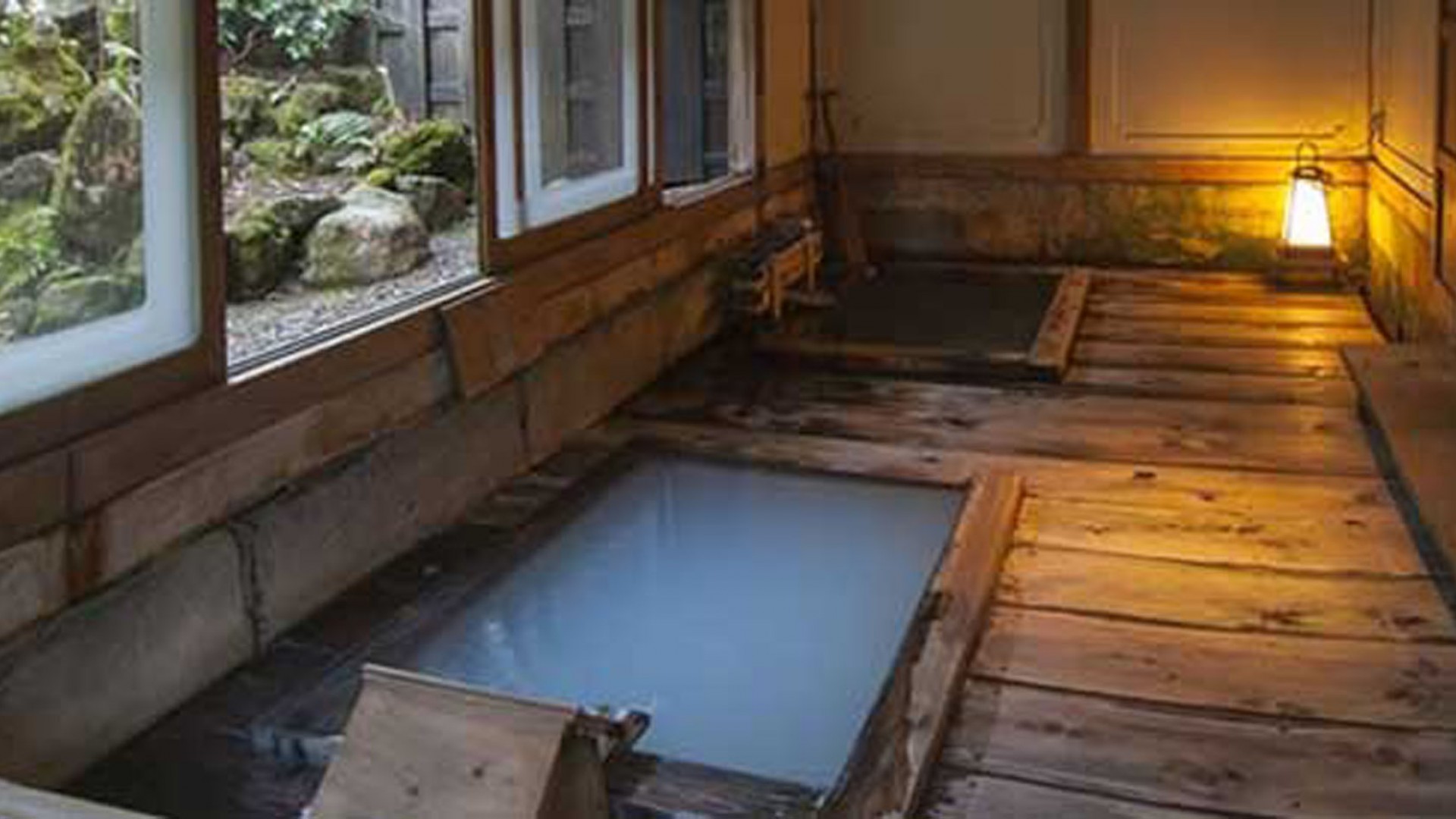
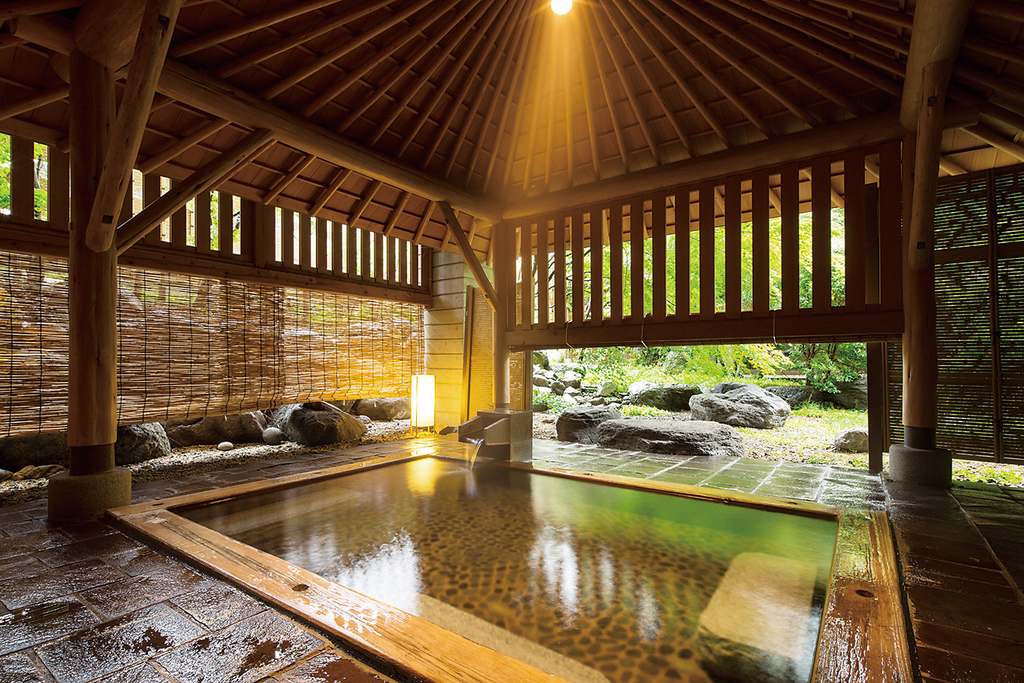
A peaceful Onsen resort in the mountain ravines located in the western Nasu mountains. The clear alkaline hot spring water is known for its health benefits and the Onsen was designated as a “National Health Spa” by the Ministry of the Environment in 1971. Nestling into a natural landscape and surrounded by a richly preserved environment, most visitors come here for in search of the renowned health effects. Long known as a rustic therapeutic spa, the Onsen maintains its distinctive atmosphere. The temperature of the source of spring water is from 38℃ to 45℃, and its lukewarm water is gentle to the body.

Nikko kaido Oshu kaido TOCHIGI
Yamaage Festival(Yamaage Matsuri)

Yamaage Festival(Yamaage Matsuri)

The Yamaage Festival is one of Japan's most unique festivals,a dazzling outdoor kabuki dance performance that has been carried on is the Karasuyama area since olden times.The festival was first held about 460 years ago by the ruler of Karasuyama Castle,Lord Suketane Nasu,to pray for peace over the land and dispel the plague that had been threatening his domain. The yama or "mountain" in the festival's name refers to the backdrops used in the performances.Handmade washi paper,a apecialty of the region,is pasted onto a bamboo frame and painted to look like mountains and waterfalls.Some of these "mountains" even reach 10 meters in height.Not only the dynamic kabuki and dances performed in front of these backdrops,but also the coordination and teamwork of the young male performers that form the heart of the festival are a sight to behold.In addition,it was enrolled in the UNESCO Intangible Cultural Heritage in December,2016.

Nikko kaido Oshu kaido TOCHIGI
Kegon Falls

Kegon Falls

Kegon Falls is the most famous of Nikko’s 48 waterfalls. Water from Lake Chuzenji falls 97 metres straight down to the rocks below creating a dynamic and artistic work of nature. A special lift takes visitors to the basin where the force and roar of the water can be witnessed close up! Kegon Falls offers stunning views every season. Deep green in early summer, red and yellow leaves in autumn. in winter, the water freezes as it drops creating beautiful ice shapes almost like beautiful pieces of art.

Oshu kaido Nikko kaido TOCHIGI
Kinugawa Okashino Shiro (Dessert Castle)

Kinugawa Okashino Shiro (Dessert Castle)

From popular sweets to outdoor activities — a delicious and relaxing stop on your hot spring tripKinugawa Okashino Shiro is a multi-purpose tourist facility that combines Japanese and Western sweets, cafés, and hands-on experiences. Inside, more than 30 varieties of handmade sweets are available, including seasonal fried bread, natural shaved ice, and other popular items, making it the perfect spot to buy souvenirs or enjoy sweet treats. The facility also includes “KINU COFFEE” café and “FUN GARDEN” outdoor space, where you can enjoy freshly grilled skewers, cakes, barbecues, and seasonal activities. Visitors can even take part in a dorayaki (red bean pancake) making workshop, adding an enjoyable hands-on element to the trip.

Nikko kaido Oshu kaido TOCHIGI
Kinugawa Onsen Ropeway

Kinugawa Onsen Ropeway

From Kinugawa Onsen Sanroku Station to Maruyama Summit Station, the ropeway ascends about 300 meters, offering a four-minute aerial ride with sweeping views of Kinugawa Onsen town and the surrounding valley. At the mountaintop observatory, visitors can see Keichozan Mountain, and on clear days, even Tokyo Skytree in the distance. The summit is also home to a troop of monkeys, where you can observe them up close or feed them. Near the ropeway station stands the Hotokegaura Shrine, dedicated to the guardian deity of Kinugawa Onsen. Its cherry blossoms have made it a hidden gem spot for spring hanami.

Nikko kaido Oshu kaido TOCHIGI
Jorakuji Temple (Rokujison)

Jorakuji Temple (Rokujison)

Jorakuji Temple was founded in the first year of Kenkyū (1190) as the family temple of the famed physician Nakano Tomoyuki. When Nakano Tomoyuki investigated the illness of his daughter, it marked the first time acupuncture therapy was introduced to Japan. Later, he was summoned to the imperial court to treat Emperor Go-Toba’s illness and was given the title “Rokujihōgen.” As his medical skills became widely known throughout the country, it is said that even the Thunder God himself once visited the temple for acupuncture treatment, making Jorakuji especially famous as a temple connected to the deity. Because of this tradition, the temple grounds are affectionately called “Rokujison-sama.” It is also known for the beautiful red spider lilies that bloom in abundance around the precincts. Every year on February 11, a grand festival is held, attracting many worshippers and visitors, creating a lively atmosphere.

Nikko kaido Oshu kaido TOCHIGI
Oyama Honba Yuki Tsumugi Craft Museum

Oyama Honba Yuki Tsumugi Craft Museum

What is Yuki Tsumugi?Yuki Tsumugi is a traditional silk fabric originating from Oyama City in Tochigi Prefecture and Yuki City in Ibaraki Prefecture, with a history dating back to the Nara period. Once valued for its durability, it is now prized as a top-class handwoven silk for its light yet strong texture. Oyama Honba Yuki Tsumugi Craft MuseumHonba Yuki Tsumugi is entirely handcrafted and was inscribed on UNESCO’s Representative List of the Intangible Cultural Heritage of Humanity in 2010. The Oyama Honba Yuki Tsumugi Craft Museum is dedicated to promoting this traditional art and offers the following experiences: Craftsman Demonstrations: Watch up close as artisans spin silk threads and weave on looms. Hands-on Weaving Experience: Try your hand at weaving under staff guidance (advance reservation recommended). Kimono Experience: Select your favorite Yuki Tsumugi kimono pattern and stroll through the streets of Oyama (some accessories require an additional fee). Closed on Mondays and during the New Year holidays. Some activities require ID and advance booking.

Nikko kaido Oshu kaido TOCHIGI
Fairfield by Marriott Tochigi Motegi

Fairfield by Marriott Tochigi Motegi

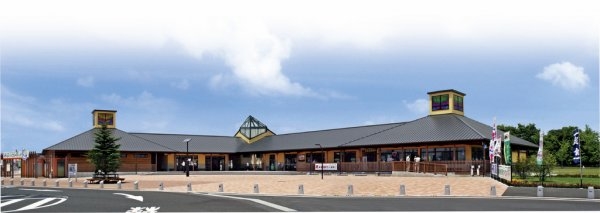
The hotel is located in Motegi, a small town rich in nature. It is surrounded by forest and does not receive city lights, so at night the sky is filled with stars. At the neighboring roadside station Motegi, they sell Yuzu Shio Ramen, which won the Grand Prix at Japan's roadside station gourmet competition, as well as freshly baked Baumkuchen. Also nearby is Mobility Resort Motegi, which offers a wide range of activities such as motorsports and athletics, making it the perfect base for car enthusiasts and families.

Nikko kaido Oshu kaido TOCHIGI