
Greater Tokyo

See & Do

reset
Shimotsuke Fudoki-no-Oka Museum

Shimotsuke Fudoki-no-Oka Museum

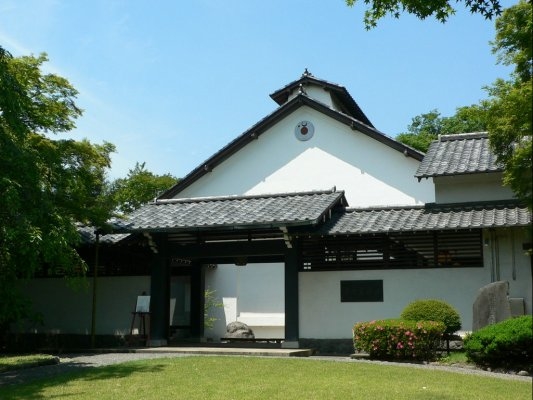
This museum displays artefacts excavated from the adjoining sites such as the National Historic Site-designated Shimotsuke Kokubun-ji Temple Remains and Amadera Ruins, and the Tochigi Prefecture Historic Site-designated Maruzuka Kofun and Atagozuka Kofun. The artefacts on display range from the Kofun period to the Nara period. Many ancient burial mounds, temple and provincial office ruins, and other sites connected to the prefecture's history and culture can be found in the area around the museum. The museum presents the history of Shimotsuke City from a variety of viewpoints, including government administration and the lives of everyday people in the distant past, the relationship between the region and more central areas of Japan, and the development of civil engineering and construction technologies."

Oshu kaido Nikko kaido TOCHIGI
Yamaage Center

Yamaage Center

This museum features permanent exhibits about the Yamaage Matsuri of Karasuyama, UNESCO Intangible Cultural Heritage and a National Important Intangible Cultural Heritage. At this facility, a human-like robot named Kansuke Jiisan (Grandpa Kansuke) provides a detailed explanation of the Yamaage Festival. Visitors can get a close look at the large stalls actually used for the festival as well as a one-fifth-scale replica of the actual stage. Local specialty products are sold at the convenient tourist product corner offering the perfect souvenirs."

Nikko kaido Oshu kaido TOCHIGI
Nasu Teddy Bear Museum

Nasu Teddy Bear Museum

The Nasu Teddy Bear Museum exhibits teddy bears created by 100 artists from all over the world in order to further cultivate teddy bear culture. The museum building is modeled after a British manor house. You’ll find a collection that includes “artist bears” based on artists from around the world, as well as antique bears and Teddy Edward, the teddy bear that has traveled the most around the world. There are also planned exhibitions. The teddy bear museum features the works of Studio Ghibli into the museum as well as famous teddy bears. One of the museum highlights is the full-sized Cat Bus from My Neighbor Totoro. Unlike the Ghibli Museum that can only accommodate small children on the cat bus, even adult tourists can hop on and take pictures of this iconic bus. In addition, there’s a museum shop with a variety of teddy bear goods, as well as a tea room with teddy bear-themed menu items."

Nikko kaido Oshu kaido TOCHIGI
Nasu Alpaca Farm

Nasu Alpaca Farm

The first and largest alpaca farm in Japan.This alpaca farm is located along Prefectural Route 305 in Oshima, Nasu Town. About 400 alpacas are being raised on the expansive grounds of the ranch. Throughout the four seasons, you can enjoy watching the alpacas amidst the natural scenery of Mt. Nasudake. Fluffy four-legged friends are waiting for your visit, you can feed them, take a stroll with them, and take many unique photographs together with them. Enjoy watching and petting lovely wonder alpacas!"

Nikko kaido Oshu kaido TOCHIGI
Gohanshiki

Gohanshiki

*Gohanshiki has been cancelled in 2020. This traditional ceremony is still observed only at Nikkosan Rinnoji Temple. In this ceremony, people are forced to eat a large amount of rice. Cooked rice are offered on a large plate and every grain are urged to eat. The big bowl contains 5.4 litres of rice. No one actually eats the rice, but it is said that those who participate in the ceremony will have a family fortune and a healthy life. This sacred rice dedication ceremony is part of Nikko's ancient mountain Buddhism. By doing that, it is believed that the blessing of Buddha will immediately eradicate the Seven Major Misfortunes such as fire, floods, devils, etc., and the people will receive the Seven Major Fortunes. It is said that even feudal lords such as the Tokugawa Shogun Families and other famous feudal lords across Japan joined this ceremony in the Edo period."

Nikko kaido Oshu kaido TOCHIGI
Ashikaga Machinaka Yuugakukan

Ashikaga Machinaka Yuugakukan

Ashikaga Machinaka Yuugakukan was opened in March 2003 as a facility to familiarize, enjoy, and learn about the history, culture, and nature of Ashikaga. Remodeled in 2016, the facility has a rest area and conference rooms, and provides tourist information. There are take-out shops for drinks, soups and lunch that can be enjoyed inside the building.On the second floor, visitors can try on traditional clothing made of Ashikaga Meisen silk."

Nikko kaido Oshu kaido TOCHIGI
Tachiki Kannon,Nikkosan Chuzenji Temple

Tachiki Kannon,Nikkosan Chuzenji Temple

This branch temple of Nikkosan Rinnoji Temple was founded in 784 by Shodo, the first head priest of Nikko. The wooden statue for which it’s named—which represents Kannon, the thousand-armed goddess of mercy—is said to have been carved by Shodo himself. The temple is also home to several historically significant Buddha statues. It is also the 18th stop on the 33 Kannon Temple Bando Pilgrimage route, so many pilgrims visit to see it."

Nikko kaido Oshu kaido TOCHIGI
Moka Momen Kaikan

Moka Momen Kaikan

Moka Momen is a traditional fabric made in Moka City, which is so smooth to the skin that it resembles silk. It reached the height of its popularity during the late Edo period, but the work to create it, from cultivating cotton to spinning, dyeing, and weaving fabric, has been inherited by the Moka Momen Kaikan where even today it is all performed by hand just as it was long ago. In addition to fabric for kimonos, items perfect for everyday use are also produced.

Nikko kaido Oshu kaido TOCHIGI
Katayama Shuzo “Sake Brewery Tour”

Katayama Shuzo “Sake Brewery Tour”

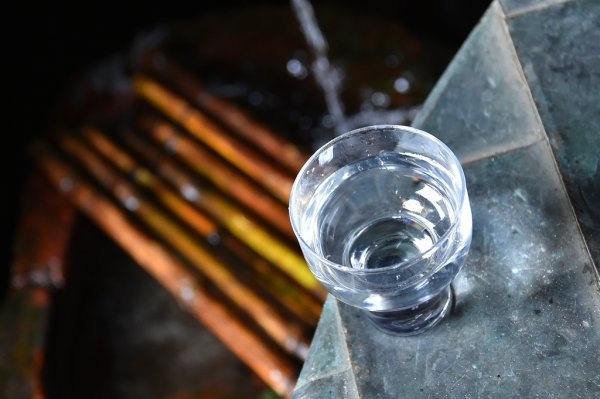
Katayama shuzo is a family run company from 1880 in Nikko. What particularly interesting is they use a traditional machine to make sake as shown here. The machine is called a "Fune" they use this machine to press the sake bags squeezing out sake. This technique takes a lot of time & labor. Exactly, they can make a distinctive flavor of sake. The owner and staffs are very friendly. Please make a reservation in advance, and come & visit. *English guided tour / max 30 person *Reservation required (by phone, e-mail)

Nikko kaido Oshu kaido TOCHIGI
Mock Sumo Festival of Ikiko Shrine

Mock Sumo Festival of Ikiko Shrine

Enjoy a mock Sumo festival of Ikiko Shrine. Nakizumo, crying baby Sumo, is Japan's traditional event to pray for health and growth of the baby. In this style of Sumo wrestling, two children from one to two years of age are carried respectively by two local parishioners dressed as Sumo wrestlers to battle each other with shouts of "Yoisho, Yoisho," with the winner being the who cries first. It is held at Ikiko Shrine every September.

Nikko kaido Oshu kaido TOCHIGI
Okashi-no-Shiro Nasu Heartland

Okashi-no-Shiro Nasu Heartland

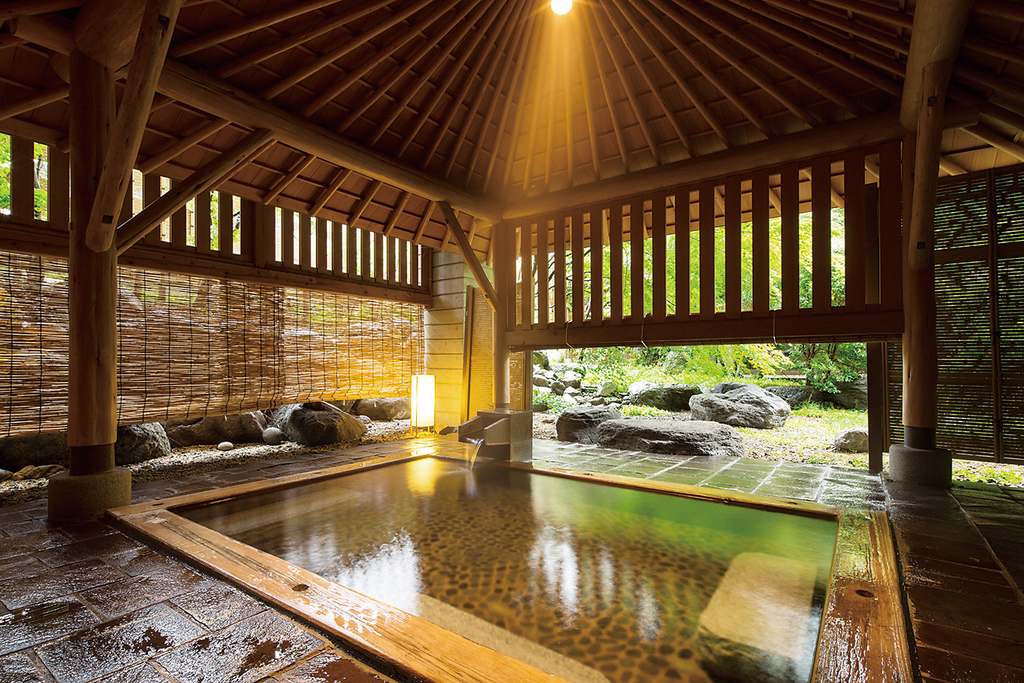
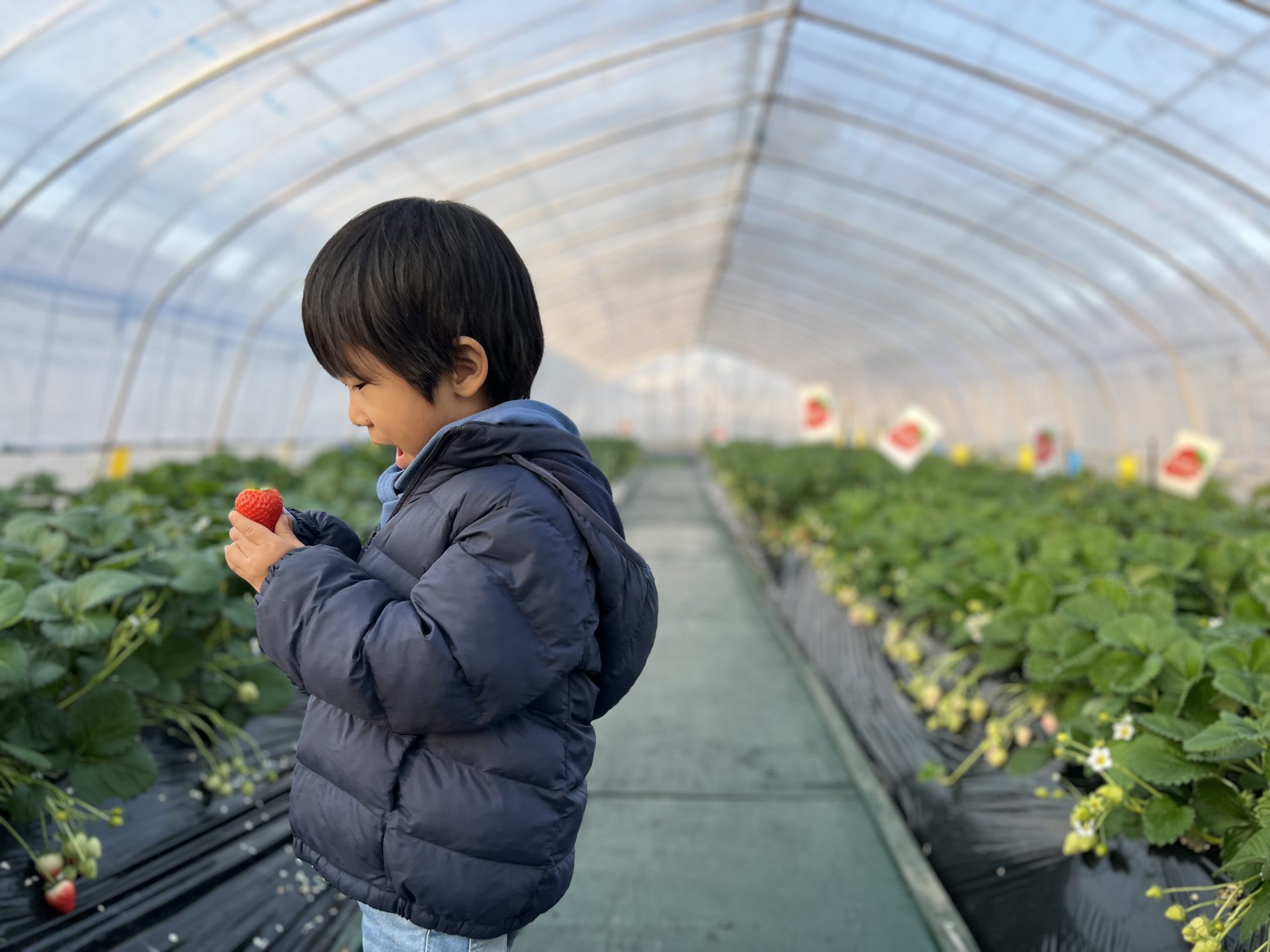
Okashi-no-Shiro Nasu Heartland (Sweets Castle Nasu Heartland) is a confectionery studio that produces baked goods and cakes using the finest ingredients. There is a tour space where visitors can see the confectionery production process up close. There are also other hands-on facilities such as crafts, strawberry picking, and hot spring bathing facilities.   <Nasu Kogen Ichigo no Mori Strawberry Picking Farm> From December to May every year, you can enjoy all-you-can-eat strawberry picking for 30 minutes. The varieties are "Tochiotome" and "Tochiaika". (Selection required) Enjoy the sweet and juicy strawberries that are in season in winter to your heart's content.   <Nasu Hana to Taiken no Mori (Nasu Flower and Experience Forest)> In addition to being able to experience crafts such as making wreaths and herbariums, there are many other experiences available, such as a sweets-making experience that can be enjoyed by children and adults alike, and a walking trail where you can enjoy forest bathing.   <Gensen Nasu Zan Reiwa no Yu (Source Hot Spring)> This is a day-trip bathing facility built in the style of a Japanese house. The spring water is a chloride hot spring, which is gentle on the skin and warms both the body and soul from the core.

Nikko kaido Oshu kaido TOCHIGI
Mount Kamakura

Mount Kamakura

Mount Kamakura towers 100 metres above the Nakagawa River and is 216 metres above sea level. The summit affords the most fantastic views in all of the Nakagawa Prefectural Natural Park.   The best viewing season is from late-October to mid-December when the area is blanketed with a layer of misty clouds, a phenomenon arising from the mixture of the cool mountain air and the warm waters of the Nakagawa River. During early and mid-November, when misty clouds glow in the morning sun, views of the autumn mountain foliage are mesmerising.   Come and see this renowned late-autumn scenery!

Nikko kaido Oshu kaido TOCHIGI