Greater Tokyo

See & Do

reset
Kinuko no Yu (Foot Bath)

Kinuko no Yu (Foot Bath)

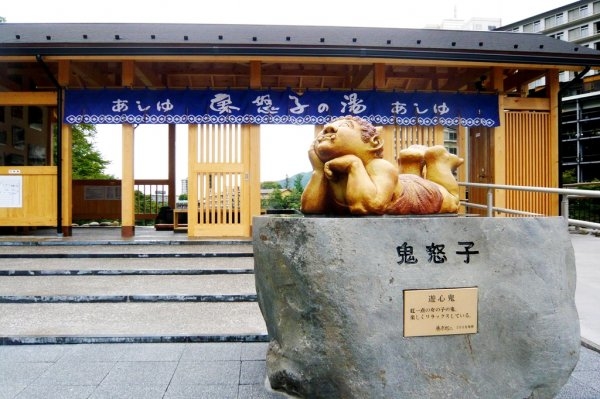
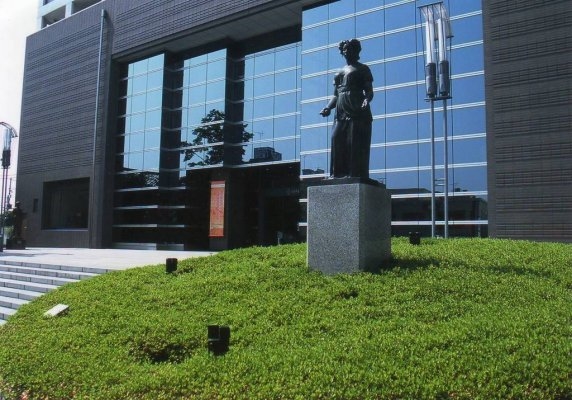
These foot baths are located in Nikko City, Tochigi Prefecture. These foot baths located on the right bank of the Kurogane Bridge that spans the Kinugawa River can be enjoyed while taking in the seasonal scenery of Kinugawa Gorge. A riverside promenade is located near the baths, allowing visitors to enjoy exploring the surrounding area while enjoying the views provided by Kurogane Bridge. Visitors are greeted at the entrance by a statue of Kinuko, the little sister of Kinuta, the local mascot of Kinugawa Onsen."

Nikko kaido Oshu kaido TOCHIGI
Ashikaga Machinaka Yuugakukan

Ashikaga Machinaka Yuugakukan

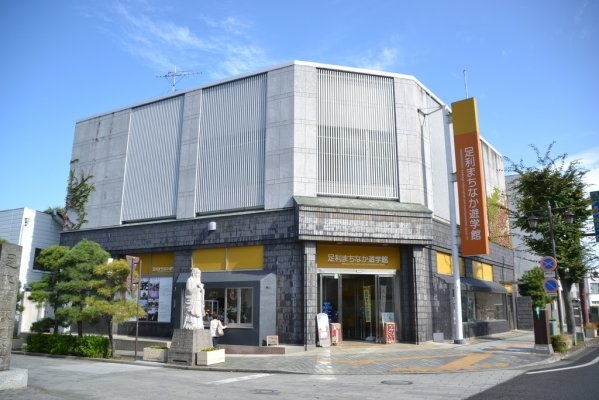
Ashikaga Machinaka Yuugakukan was opened in March 2003 as a facility to familiarize, enjoy, and learn about the history, culture, and nature of Ashikaga. Remodeled in 2016, the facility has a rest area and conference rooms, and provides tourist information. There are take-out shops for drinks, soups and lunch that can be enjoyed inside the building.On the second floor, visitors can try on traditional clothing made of Ashikaga Meisen silk."

Nikko kaido Oshu kaido TOCHIGI
Tochigi Local Sake Tasting in Kinugawa Onsen

Tochigi Local Sake Tasting in Kinugawa Onsen

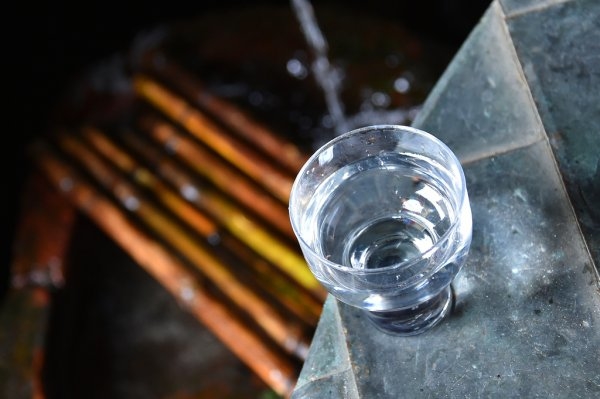
With the Nikko Mountain Range, the Nasu Mountain Range, and Mount Yamizo, Tochigi is a mountainous prefecture with many sources of fresh water. Pure water is said to be the "life of sake making," and many delicious sakes are created here.   We would love for visitors to Kinugawa Onsen to sample our excellent local sake. That's why, on weekends during the spring, Kinugawa and Kawaji Onsen Tourist Information Center will be holding a sake tasting event.   Please feel free to drop by for a quick drink after arriving in Kinugawa Onsen or while you wait for your train home. Don't miss this opportunity to savor local sake made with the utmost care by master brewers.   *Event period, time, and contents are subject to change without notice.

Nikko kaido Oshu kaido TOCHIGI
Bannaji Temple

Bannaji Temple

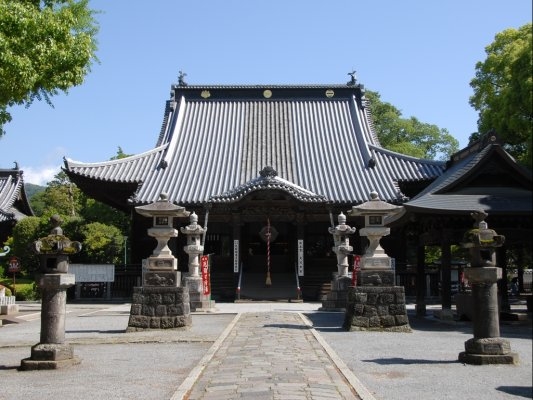
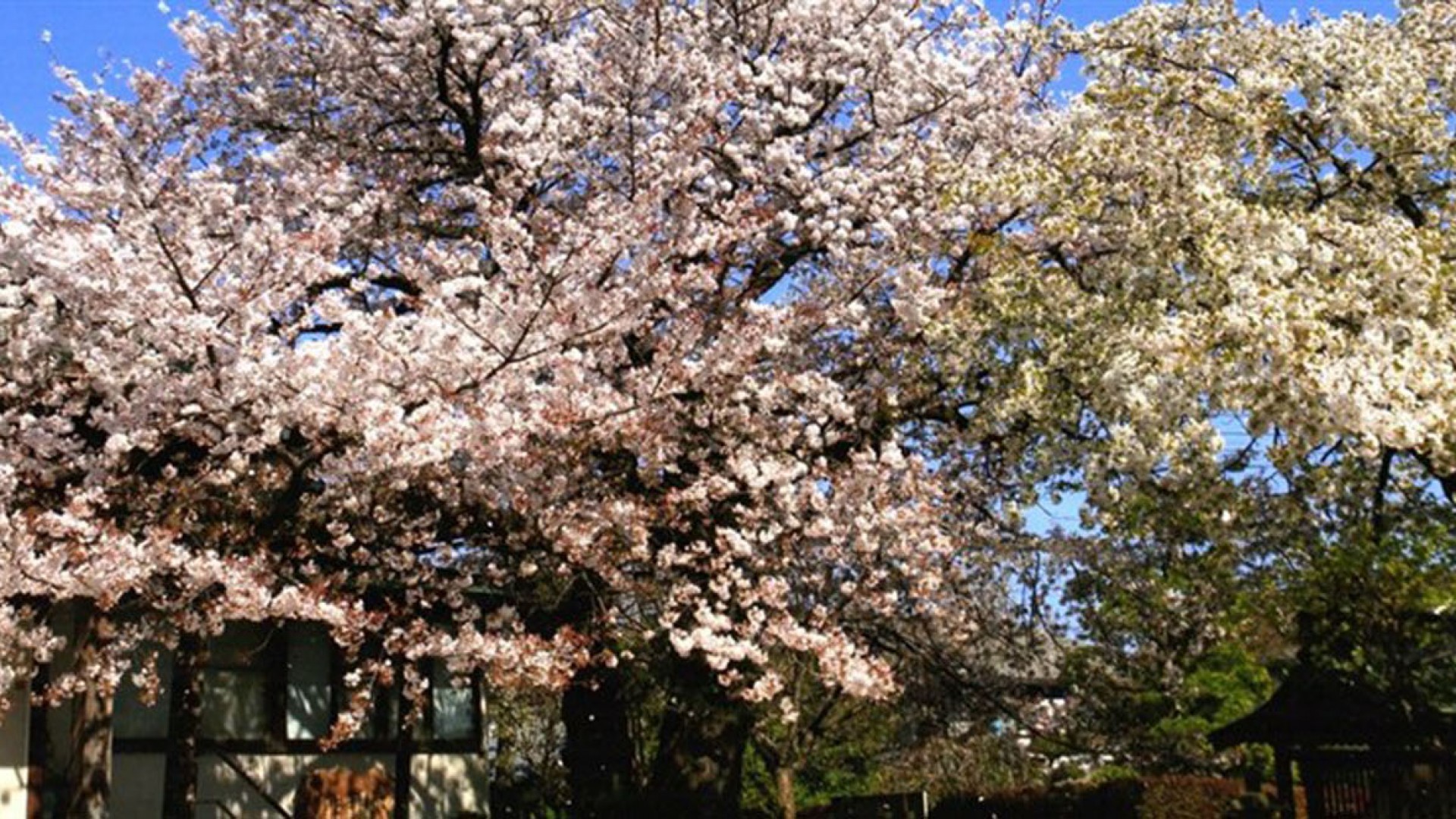
History of Bannaji Temple On the site of the present-day Bannaji Temple, a powerful samurai called Minamoto no Yoshiyasu, who was as famous as Taira no Kiyomori and Minamoto no Yoshitomo (the father of Minamoto no Yoritomo and Minamoto no Yoshitsune) built his castle at the end of Heian period. He is the first generation of Ashikaga family.   In 1196, Ashikaga Yoshikane, the son of Yoshiyasu, built a hall dedicated to Dainichi Nyorai, and the 3rd head of Ashikaga family, Ashikaga Yoshiuji, built a hall tower and other buildings. Since that, the Bannaji Temple bacame the clan temple of Ashikaga family. 150 years later, the 7th head of the family, Ashikaga Takauji, founded the Muromachi Shogunate, which gave the Ashikaga family the reign of Japan. Even in the Edo period, as the temple of the Ashikaga family, the direct descendant of the Minamoto clan, was revered and protected by the Tokugawa Shogun, who claimed to be a member of the Minamoto clan.   Became the National Treasure of Japan In 1923, Bannaji Temple was designated as a National Historic Site as the "Ashikaga Family Residence". The main hall, the bell tower, and the sutra hall were designated as National Important Cultural Properties. It was selected as the one of the 100 most famous castles in Japan. The 40,000-square-meter territory is laid out in a square shape, surrounded by a circular fortress and a moat, and retains the characteristics of the Kamakura period's Buke Yashiki (samurai's house).   Annual Events On February 3, the temple hosts the Ashikaga Setsubun Armor Parade, in which more than 150 participants dressed as samurai and wearing armor parade to Bannaji Temple and then perform the bean-scattering ceremony. In spring, you can enjoy cherry blossoms, and in fall, you can see the leaves of the city's natural monument, the Ginkgo tree (about 600 years old), turn yellow, and the beauty of the tree is breathtaking.      

Nikko kaido Oshu kaido TOCHIGI
Kinugawa Onsen “Oni” Festival

Kinugawa Onsen “Oni” Festival

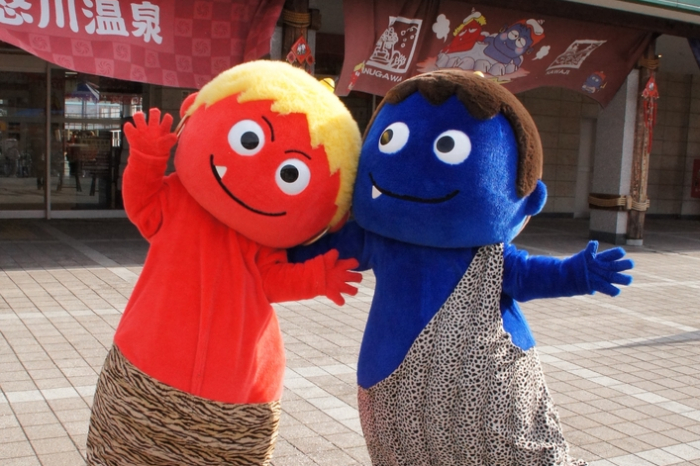
Setsubun Season – Celebrating with “Oni” from Around the World to Pray for Good Fortune and Drive Away Evil The Kinugawa Onsen “Oni” Festival (Shōfuku Oni Matsuri) is a winter celebration that combines the “Oni” in Kinugawa’s name with Japan’s Setsubun traditions. Held annually from late January to late February, the entire Kinugawa Onsen area becomes a festive stage where people and “oni” dance together to bring good luck and ward off evil. With the theme “Demons of the World Gather in Kinugawa – Humans and Oni Join in Festive Exorcism,” the event is both a blessing ceremony and a lively, family-friendly celebration. One of the highlights is the “SL Shōfuku Oni Train,” where participants dressed as oni ride a steam locomotive and interact with adorable local mascot characters like “Kinuta,” “Kinu-chan,” and “Kawa-chan.” Visitors can also enjoy taiko drum performances, monkey shows, chainsaw wood carving, demon-themed food, cultural experiences, and stamp rally games. It’s one of Kinugawa’s most vibrant seasonal events during the Setsubun period.

Nikko kaido Oshu kaido TOCHIGI
mekke Nikko Kyodo Center

mekke Nikko Kyodo Center

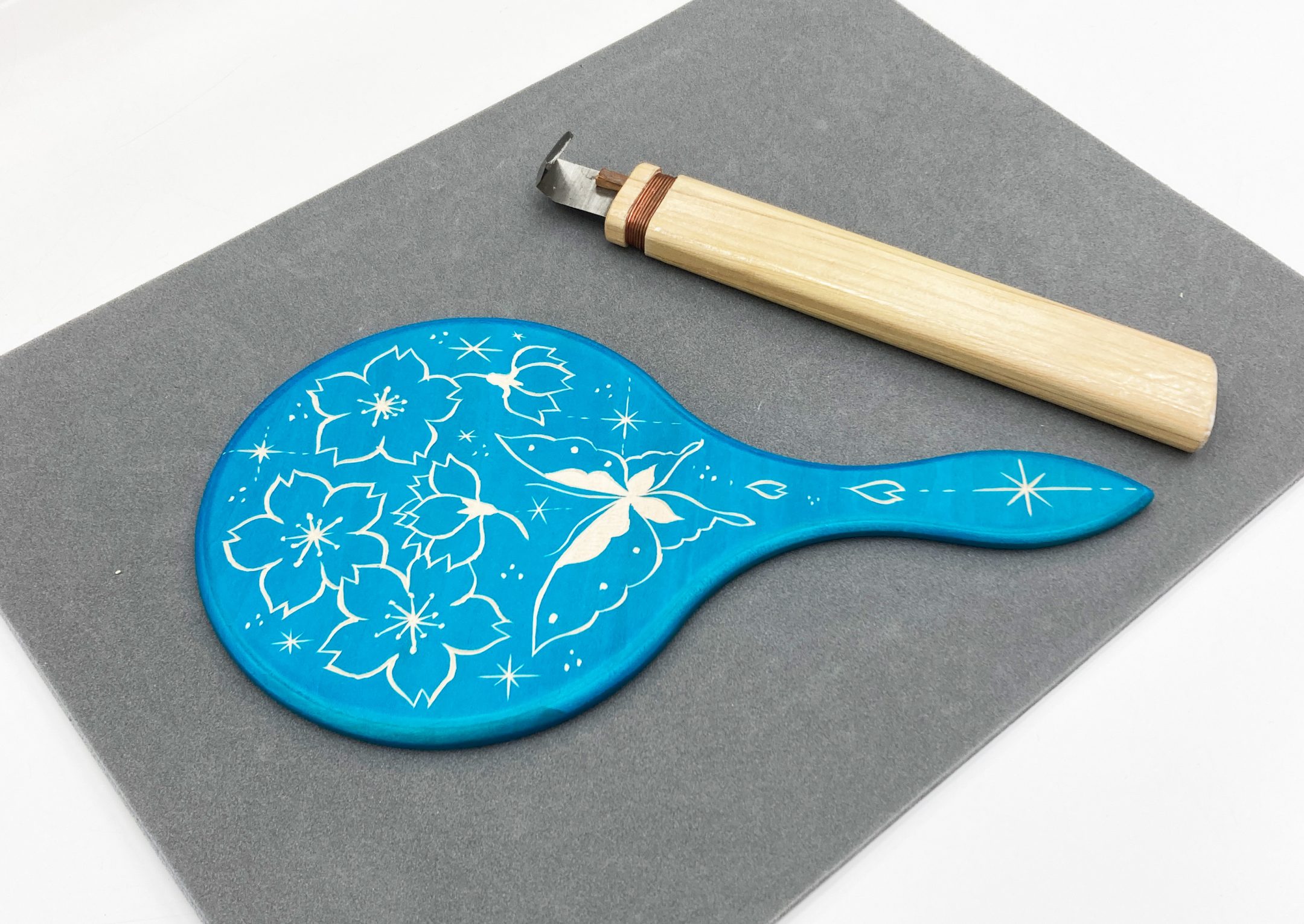
mekke is a base for “discovering” the charms of Nikko based on the theme of "feeling, connecting, and touring". Workshops that can only be experienced here, such as Nikko carving and deerskin leather crafting, are held from time to time. It also has a coworking space and community space, and is used as a place where tourists and local residents can easily connect with each other. Electric bicycles can be rented and baggage storage services are available, allowing visitors to tour Nikko in comfort. On the first floor, there is an exhibition space for Nikko's history and traditional performing arts, as well as a tourist information center, where you can freely pick up pamphlets to help you gather information for your trip. This is a new starting point for Nikko, where sightseeing, experience, and exchange are all connected in one place.

Oshu kaido Nikko kaido TOCHIGI
Shibazakura Festival

Shibazakura Festival

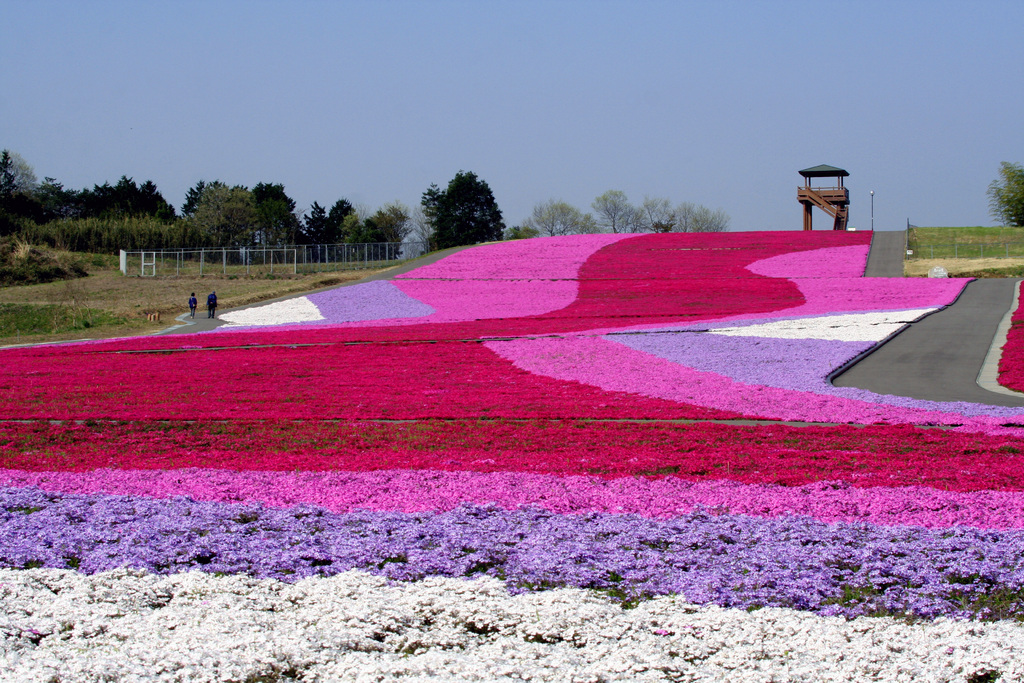
The Shibazakura Festival is held every year at Ichikai Town Shibazakura Park in April and May.   About 280,000 plants in magenta, pink, purple and white are planted over 18,000 square meters in Shibazakura park. The flower carpet is patterned after the Kokaigawa river, which starts near the town.   During the festival, a soba restaurant(Hana) in the park, you can enjoy authentic hand-made soba. Additionally, also sells agricultural products and shibazakura seedlings.

Nikko kaido Oshu kaido TOCHIGI
Anrakuji, Shakyo (sutra copying) experience

Anrakuji, Shakyo (sutra copying) experience

Come experience sutra copying at Anrakuji Temple (2-6-1 Okada, Samukawa-cho) on the second Sunday of every month (From 15:00, closed May and August). We have several chairs available, so those who are not comfortable sitting on the floor are more than welcome to join in. Our temple is said to have been built during the Yoro period (710-794), and our main statue of Dainichi Nyorai is a Buddhist image dating back to the Heian period (794-1192). On the hill behind the main hall remains "Ojinzuka," a late 4th-century round backward-facing burial mound, of which you can climb to the top to view Mt. Fuji and be enveloped by the power of ancient prayer.

Temples & Shrines Tokaido Koshu kaido KANAGAWA
Ohana de Ohanashi Sogetsu School Ikebana Studio fworks

Ohana de Ohanashi Sogetsu School Ikebana Studio fworks

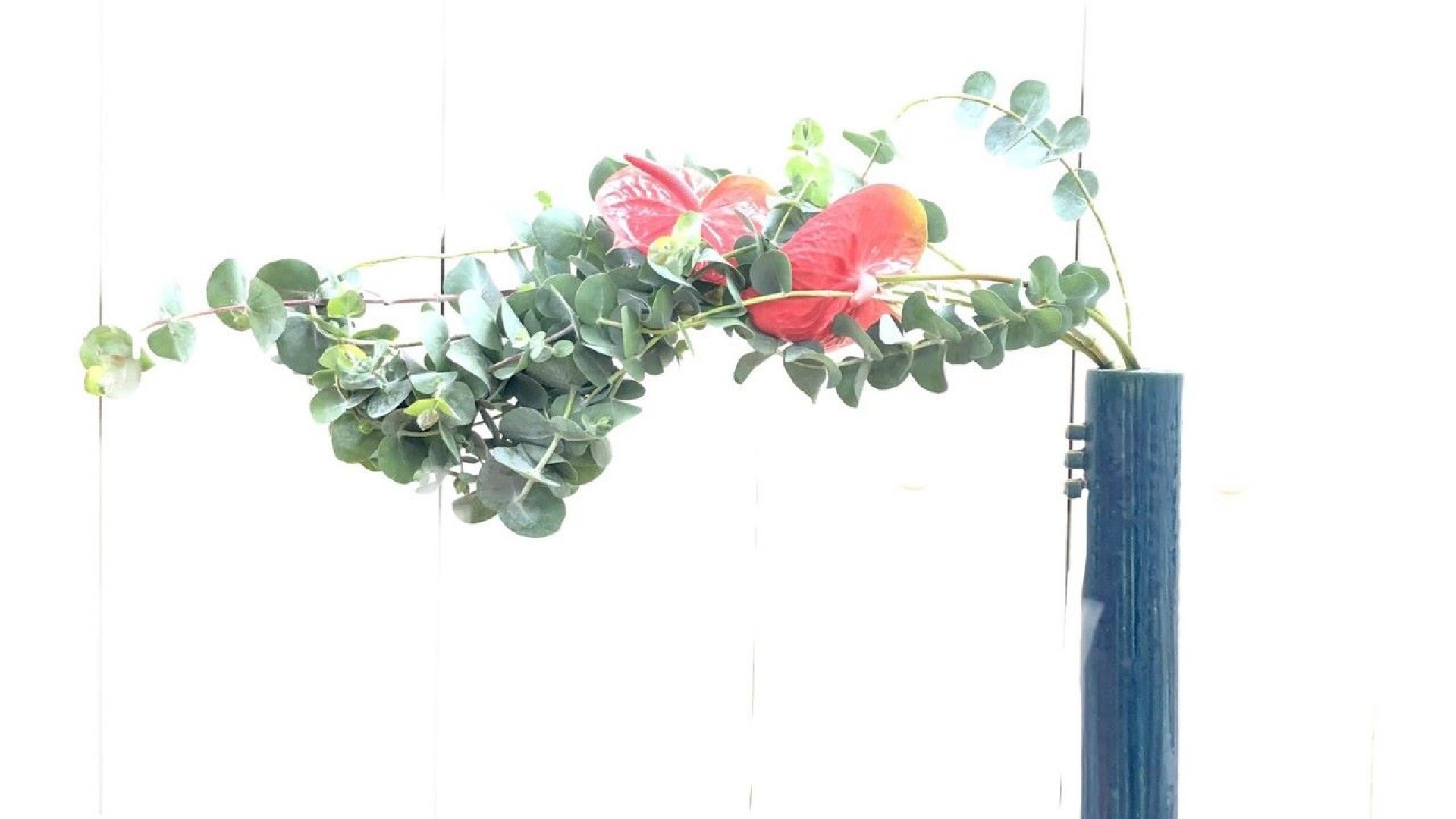
Interacting with flowers will lead you to create your own Ikebana, Japanese flower arrangement. Each person has his/her own sense of beauty. Arranging flowers makes you free of heart, being thoughtful and good communicator. Also you can get in touch with Japanese seasonal flowers. Japanese flower arrangement takes "space" very valuable. You can appreciate the meaning of space between plants and vacancy.

Experience & Activities Tokaido Koshu kaido KANAGAWA
NIKKO KANAYA HOTEL

NIKKO KANAYA HOTEL

Opened in 1873, this is Japan's oldest resort hotel and has been visited by many famous people, including Albert Einstein, Charles Lindbergh, and Helen Keller. While the exterior is Western-style, the interior incorporates Japanese furnishings and architectural styles throughout, creating a mysteriously nostalgic and gentle atmosphere. The unique guest rooms, which have been used by many famous people, create an extraordinary moment as if you have traveled back in time. The restaurant also serves lunch and dinner, and serves dishes that combine tradition and innovation. The hotel is just a 5-minute walk from the World Heritage Site, “Shrines and Temples of Nikko”, including Nikko Toshogu Shrine, making it an ideal hotel for early morning sightseeing to avoid the crowds.

Nikko kaido Oshu kaido TOCHIGI
Ryuo Festival

Ryuo Festival

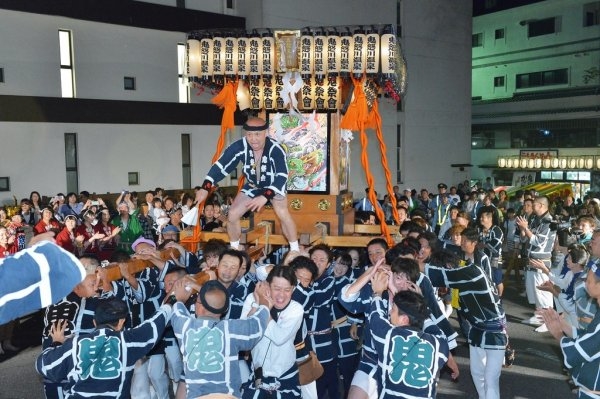
For the Ryuou Festival at Goryuo Shrine in Ryuokyo Canyon, a priest is invited from Nikko Toshogu Shrine to perform a Shinto ritual. Afterwards, in the evening, a grand festival is held in the hot spring towns of Kinugawa and Kawaji. At the main festival in Kinugawa Onsen, there is a procession of the magnificent Manto Mikoshi, or "Ten Thousand Lantern Mikoshi" (a mikoshi is a portable Shinto shrine), as well as the beautiful Onna-Taru Mikoshi, which is carried by women only. Additionally, there are folk entertainment performances, stalls, and for the grand finale, a brilliant fireworks display that lights up the night sky.  

Nikko kaido Oshu kaido TOCHIGI