Greater Tokyo

See & Do

reset
Izurusan Manganji Temple

Izurusan Manganji Temple

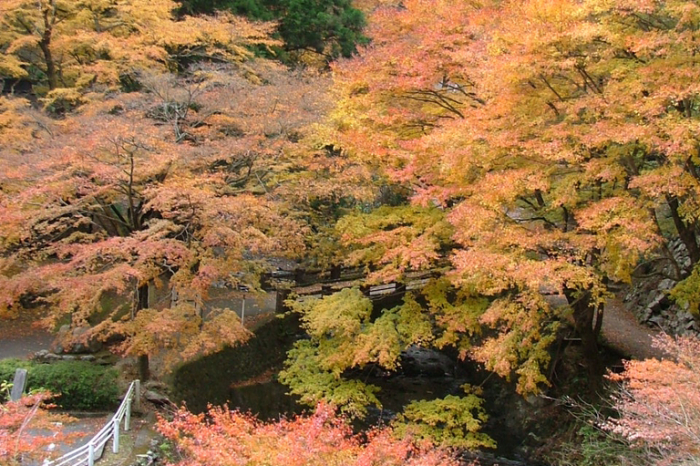
Izurusan Manganji Temple was founded in the year 767, approximately 1200 years ago.  This Shingon Buddhist Sect Chizan School Temple in Tochigi City is dedicated to the Thousand-Hand Kanzeon Bodhisattva. It is known as being a powerful spiritual location surrounded by forests and water with perpetual services offered for the deceased, zen meditation, and waterfall meditation. Nestled in nature with towering trees and fresh crisp air, the main temple, Omido, was built in 1368 and was reconstructed in 1764 after the great fire of 1740. The main temple hall has been designated a Prefectural Cultural Property whereas the Deva gate has been designated a City Cultural Property and the Izuru limestone caverns have been designated as City Natural Monument."

Oshu kaido Nikko kaido TOCHIGI
TENTAKA SHUZO Co., Ltd.

TENTAKA SHUZO Co., Ltd.

Tentaka Shuzo established itself in Otawara City, a nature-rich city suitable for sake brewing in Tochigi Prefecture. With a history of over 100 years, the brewery produces organic sake under the motto of “delicious, safe, and enjoyable” and is hosting brewery tours that include tasting. There are two brewery tour courses. One is the Standard Course that takes about 30 minutes, and the other one is the Special Course that requires about 60 minutes. In the Special Course, you can visit many rooms involved in sake production including the rice mill, rice steaming room, yeast growing room, sake brewing room, sake pressing room, and sake filtering room. Why don’t you join the tour and learn about Japanese sake production using the carefully selected ingredients, production method, equipment, and tools? ※Due to production preparation, there are no tours offered between the middle of December and the end of February.

Nikko kaido Oshu kaido TOCHIGI
Igashira Kanko Strawberry Farm (Agurikko)

Igashira Kanko Strawberry Farm (Agurikko)

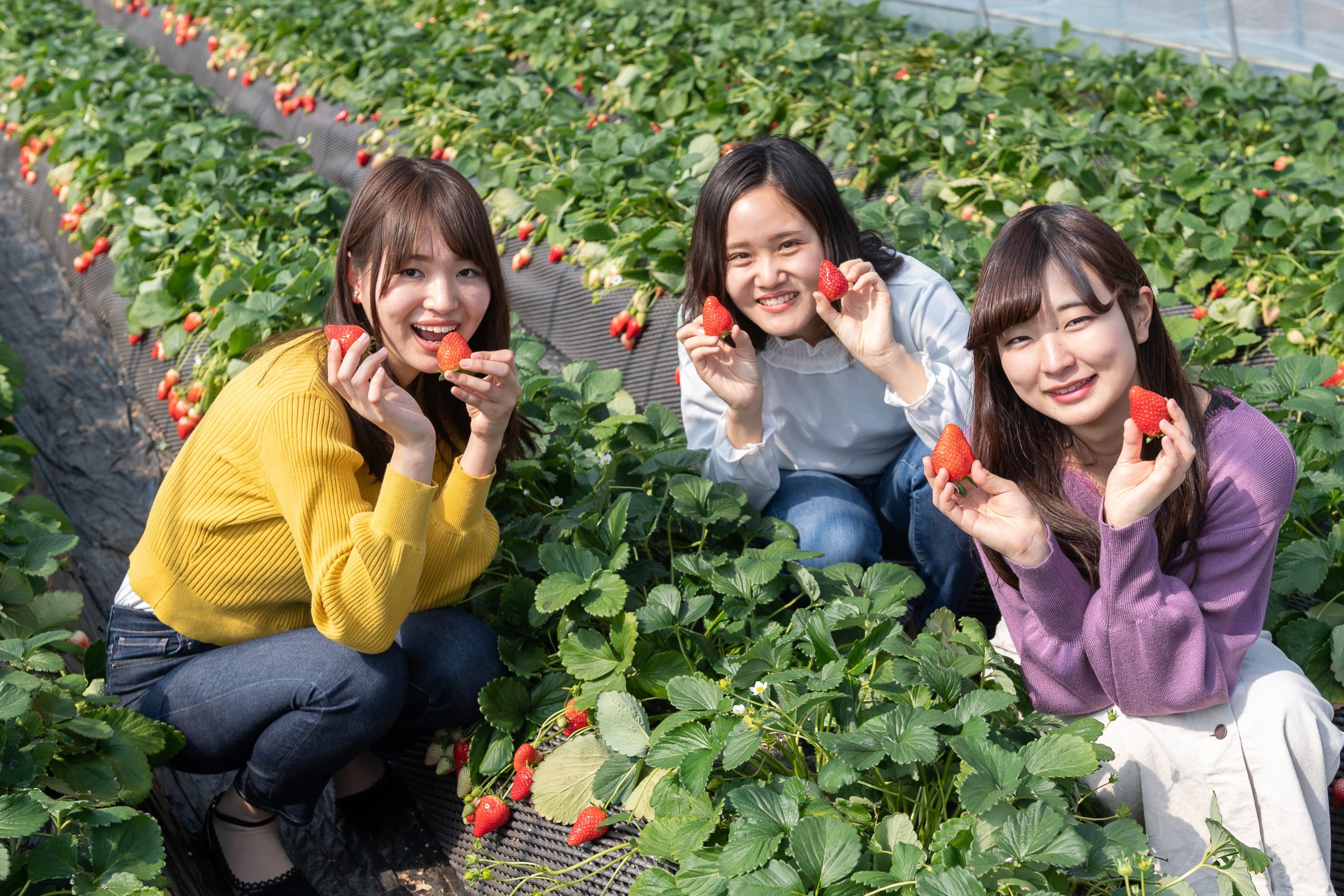
Moka City boasts the largest strawberry production in Japan. At Igashira Kanko Strawberry Farm, you can eat as many ripe, sweet strawberries as you like for 60 minutes. There are two varieties of strawberries: "Tochiotome," which has a good balance of sweetness and sourness, and "Tochi-Aika," which has little sourness and stands out for its sweetness. Enjoy your fill of fresh, delicious strawberries that are unique to this producing area. *You cannot choose the variety. *Reservations required for groups *Entry may be restricted depending on circumstances   In addition, the neighboring "Agurikko" sells fresh, freshly picked agricultural products all year round. Recommended products are fully ripe strawberries (January to May) and melons (May to June) from winter to spring, corn in summer, and pears and rice in autumn.

Nikko kaido Oshu kaido TOCHIGI
Mock Sumo Festival of Ikiko Shrine

Mock Sumo Festival of Ikiko Shrine

Enjoy a mock Sumo festival of Ikiko Shrine. Nakizumo, crying baby Sumo, is Japan's traditional event to pray for health and growth of the baby. In this style of Sumo wrestling, two children from one to two years of age are carried respectively by two local parishioners dressed as Sumo wrestlers to battle each other with shouts of "Yoisho, Yoisho," with the winner being the who cries first. It is held at Ikiko Shrine every September.

Nikko kaido Oshu kaido TOCHIGI
Yumoto Onsen

Yumoto Onsen

A peaceful Onsen town on the northern shore of Lake Yunoko, situated in the heart of Nikko National Park. It is said that the Buddhist monk Shodo Shonin, who first built a temple in Nikko about 1200 years ago to introduce Buddhism to the area discovered the Onsen. The milky-white sulphur-infused water is said to help with neuralgia and rheumatism. You can try it out in the foot bath known as “Anyo-no-yu” available free of charge in the town.(Closed for winter)   Taking in the tranquil landscape of the lake and mountains beyond clouds of steam, the Onsen provides a relaxing soak in the midst of some great nature.

Nikko kaido Oshu kaido TOCHIGI
Bannaji Temple

Bannaji Temple

History of Bannaji Temple On the site of the present-day Bannaji Temple, a powerful samurai called Minamoto no Yoshiyasu, who was as famous as Taira no Kiyomori and Minamoto no Yoshitomo (the father of Minamoto no Yoritomo and Minamoto no Yoshitsune) built his castle at the end of Heian period. He is the first generation of Ashikaga family.   In 1196, Ashikaga Yoshikane, the son of Yoshiyasu, built a hall dedicated to Dainichi Nyorai, and the 3rd head of Ashikaga family, Ashikaga Yoshiuji, built a hall tower and other buildings. Since that, the Bannaji Temple bacame the clan temple of Ashikaga family. 150 years later, the 7th head of the family, Ashikaga Takauji, founded the Muromachi Shogunate, which gave the Ashikaga family the reign of Japan. Even in the Edo period, as the temple of the Ashikaga family, the direct descendant of the Minamoto clan, was revered and protected by the Tokugawa Shogun, who claimed to be a member of the Minamoto clan.   Became the National Treasure of Japan In 1923, Bannaji Temple was designated as a National Historic Site as the "Ashikaga Family Residence". The main hall, the bell tower, and the sutra hall were designated as National Important Cultural Properties. It was selected as the one of the 100 most famous castles in Japan. The 40,000-square-meter territory is laid out in a square shape, surrounded by a circular fortress and a moat, and retains the characteristics of the Kamakura period's Buke Yashiki (samurai's house).   Annual Events On February 3, the temple hosts the Ashikaga Setsubun Armor Parade, in which more than 150 participants dressed as samurai and wearing armor parade to Bannaji Temple and then perform the bean-scattering ceremony. In spring, you can enjoy cherry blossoms, and in fall, you can see the leaves of the city's natural monument, the Ginkgo tree (about 600 years old), turn yellow, and the beauty of the tree is breathtaking.      

Nikko kaido Oshu kaido TOCHIGI
Kaneda Orchard

Kaneda Orchard

Kaneda Orchard uses electrolyzed water, organic fertilizers, and reduced agrochemicals to grow pears. It offers fully ripe pears grown through a carefully designed cultivation method. Besides opening the orchard for pear picking and selling pears, it also sells a wide variety of processed pear products including pear jelly, pear juice Haga Isshou, Shiawase wo Yobu Kosui Nashi no Cider, and Nikkori Nashi no Cider. The recommended juice preparation is equal parts pear juice and carbonated water. It tastes good with ice, too. It is also delicious when frozen and eaten as sorbet. Come and enjoy yourself at Kaneda Orchard.

Nikko kaido Oshu kaido TOCHIGI
Rinnoji Temple’s Gohan-shiki (rice-forcing) Festival

Rinnoji Temple’s Gohan-shiki (rice-forcing) Festival

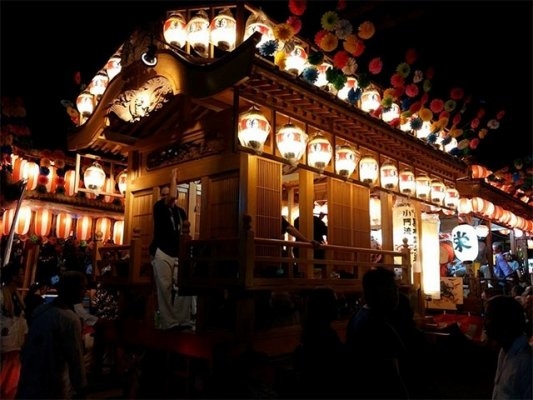
A Dramatic Ceremony Draws Laughter and Gasps The Gohan-shiki is a unique ceremony that has been handed down only in Nikko area. Nikko was opened as a sacred mountain for the syncretization of Shintoism and Buddhism, and mountain asceticism by mountain ascetics flourished, with the ascetics bringing back offerings made to the main deity in the mountain and sharing them with people in the village.   The entire ceremony consists of approximately three parts: the "Santen Gogyo Ku" and "Saito Daima Gomaku," the "Gohan Gonyo Ceremony," and the "Garamaki".   After the "Santen Gogyo Ku" and "Saito Daima Gomaku,"the hall becomes bright, the recipients line up on the platform, and the "ceremony of receiving rice with strength" begins. The ceremony proceeds in the following order: "Gojinshu (sacred wine)," "Prayer," "Gohan (rice)," "Naseen (rice dishes)," "Kinko (food)," and "Koyo (offering). One of the most spectacular parts of the ceremony is when a monk dressed in a mountain priest costume presents three heaping piles of rice to a kamishimo-dressed recipient, who is told to "eat 75 bowls of rice without leaving any leftovers". The comical sight of the recipient being forced to eat the rice and having it placed on his head is sure to draw laughter from the audience.   After successfully completing this ceremony, the recipients will conclude the ceremony by sowing the blessings they have received in the ceremony to the general public, in accordance with the Buddhist teaching of "not keeping the blessings for oneself but sharing them with others.   In the Edo period, only feudal lords of 100,000 koku or more could serve as a recipient, and the Tokugawa shoguns and other famous feudal lords from all over the country were named as recipient as an "honor for my clan".

Nikko kaido Oshu kaido TOCHIGI
Deai no Mori Strawberry Farm

Deai no Mori Strawberry Farm

This strawberry farm is operated by a company created through a collaboration between Kanuma City and JA. At the farm, you can enjoy picking Tochigi's representative strawberry varieties, Tochiotome and Tochi-Aika. Reservations are required for strawberry picking, and you can eat as much as you want for 45 minutes. The greenhouses are barrier-free and equipped with toilets, so anyone can pick strawberries in safety. The shop also sells Tochihime, a strawberry that has been dubbed a phantom variety because of its soft flesh and rare availability, as well as the luxury variety Skyberry.

Nikko kaido Oshu kaido TOCHIGI
Lake Yunoko

Lake Yunoko

Yunoko Lake is a lake that has formed by the eruption of Mt. Mitake. It is about 3 km in circumference. It is surrounded on three sides by mountains, and is somehow shrouded in a mysterious atmosphere. There is a walking path on the lakeshore, and you can make a round of it in about an hour. There are various types of primary forests in the surroundings, and you can see colorful autumnal leaves in the fall. It is also a spot famous for trout fishing, and is thronged with people during the fishing season from May to September."

Nikko kaido Oshu kaido TOCHIGI
Nijimi Falls

Nijimi Falls

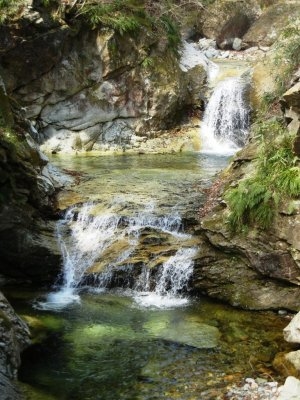
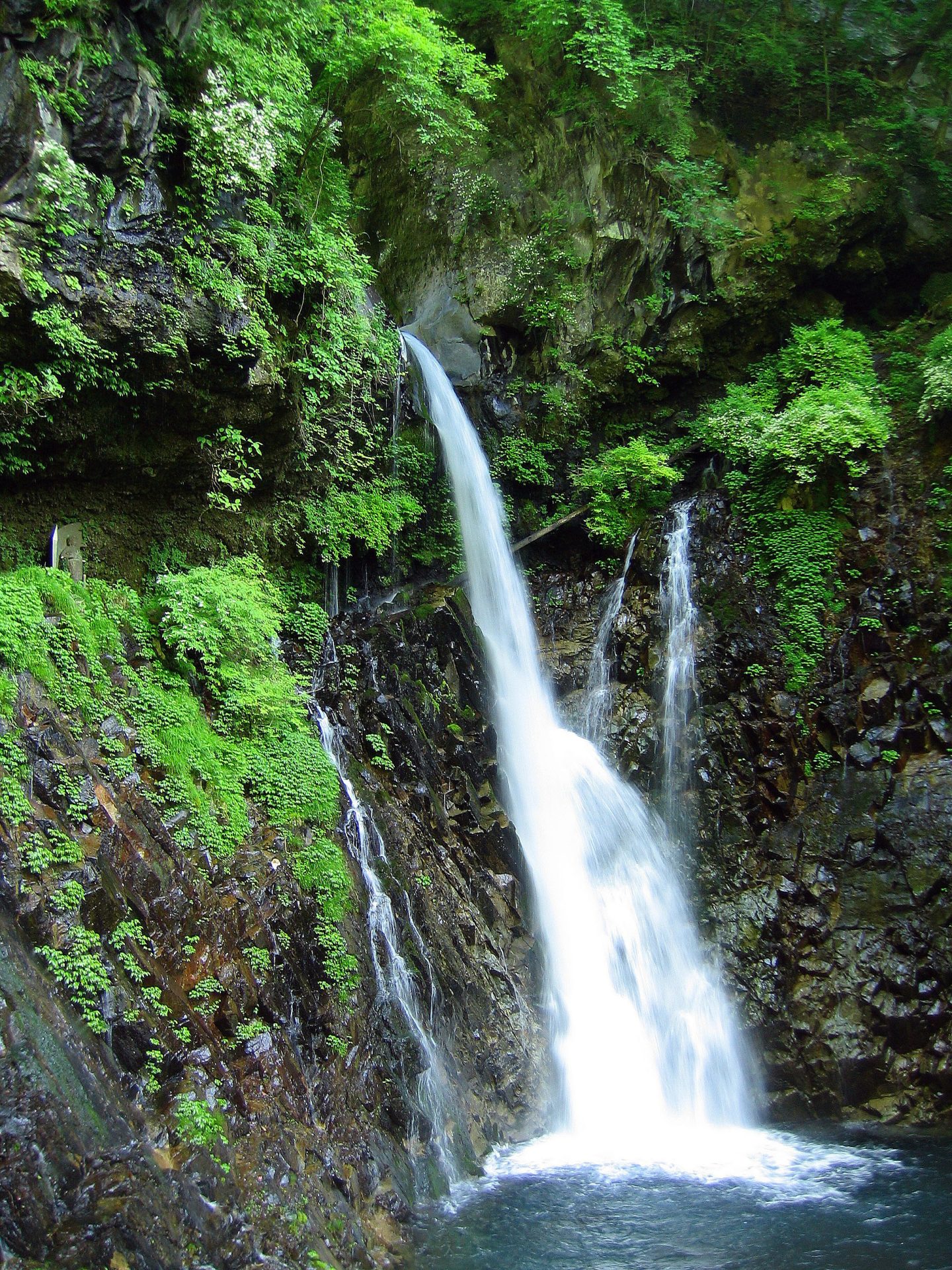
When sunlight hits the spray of the waterfall, a dreamy rainbow appears, making this a breathtaking highlight of your hike. Nijimi Falls is a symbolic scenic spot near Ryuokyo Gorge in Nikko. It is named after the rainbow often created by sunlight shining through the mist. The waterfall is about 20 meters high, and its powerful flow creates a misty spectacle. Visitors can enjoy close-up views of the waterfall from different angles along the well-maintained trail. This spot is an important stop along the Ryuokyo Gorge walking route. The trail is surrounded by lush nature, offering cool shade in summer, vibrant autumn leaves, and refreshing air all year round. It is recommended to wear sturdy walking shoes and take your time exploring. Particularly on sunny mornings, this is the best time to capture photos of the rainbow created in the mist.

Oshu kaido Nikko kaido TOCHIGI