
Greater Tokyo

See & Do

reset
Motegi Showa Museum

Motegi Showa Museum

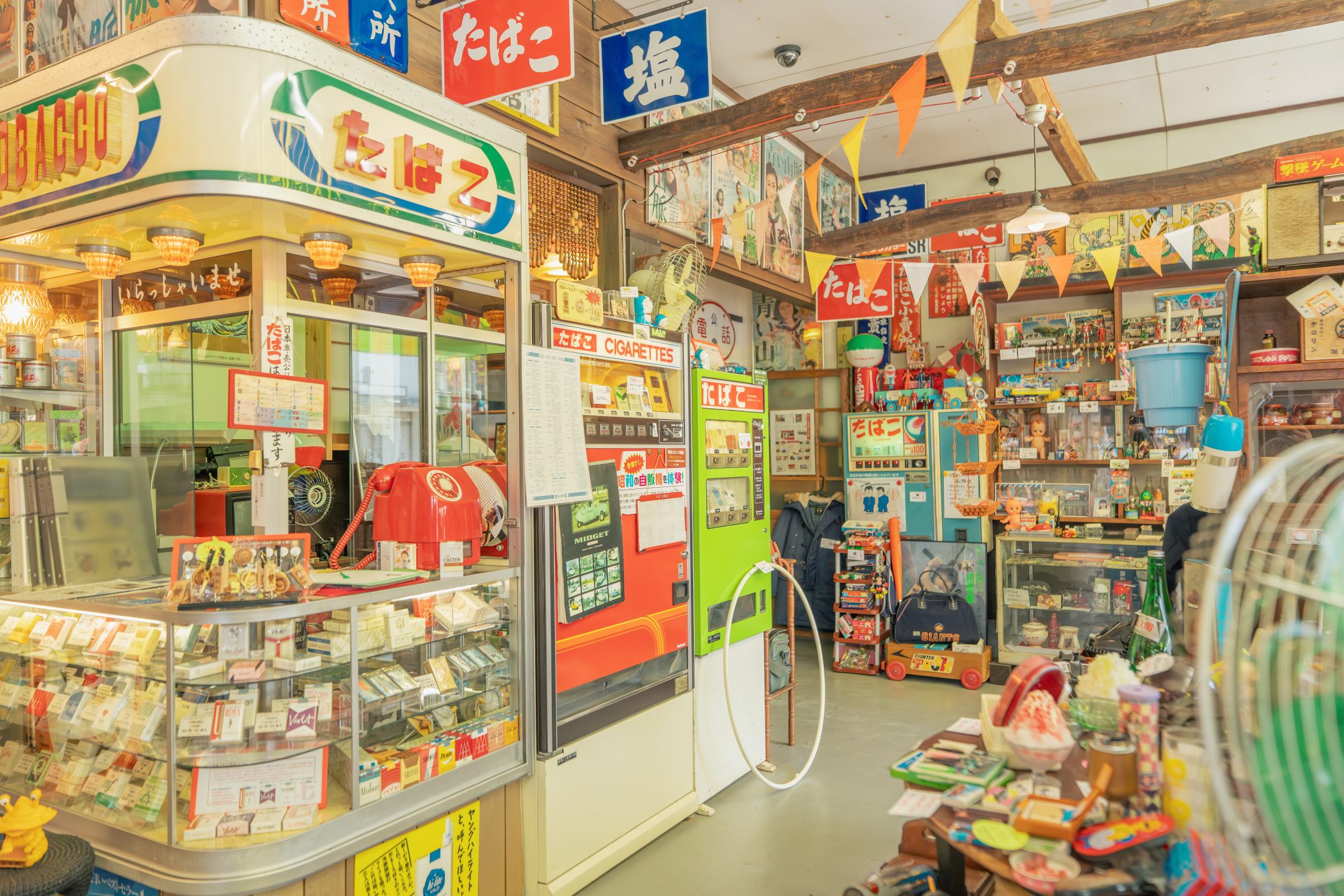
This is a mini theme park with a ""Showa Retro"" theme. Inside, you'll find thousands of retro items densely displayed, including classic enamel signs, old cigarette vending machines, and everyday household goods from the Showa era. The moment you step inside, you'll feel as if you've been transported back in time to the Showa era. Building No. 2 features exhibits of retro stationery and toys, and also has a shop selling dagashi. It's a place that transcends generations, offering a fun experience for young people who find the Showa style refreshingly new, and for older visitors who feel a deep sense of nostalgia. ※ ""Showa Retro"" is a term that refers to the culture, design, and atmosphere of Japan from the 1950s through the 1980s. It is characterized by a nostalgic and warm feeling. This aesthetic is popular across all generations, feeling new and fresh to younger people while evoking a sense of deep nostalgia for the older generation.

Oshu kaido Nikko kaido TOCHIGI
Hourai Country Club

Hourai Country Club

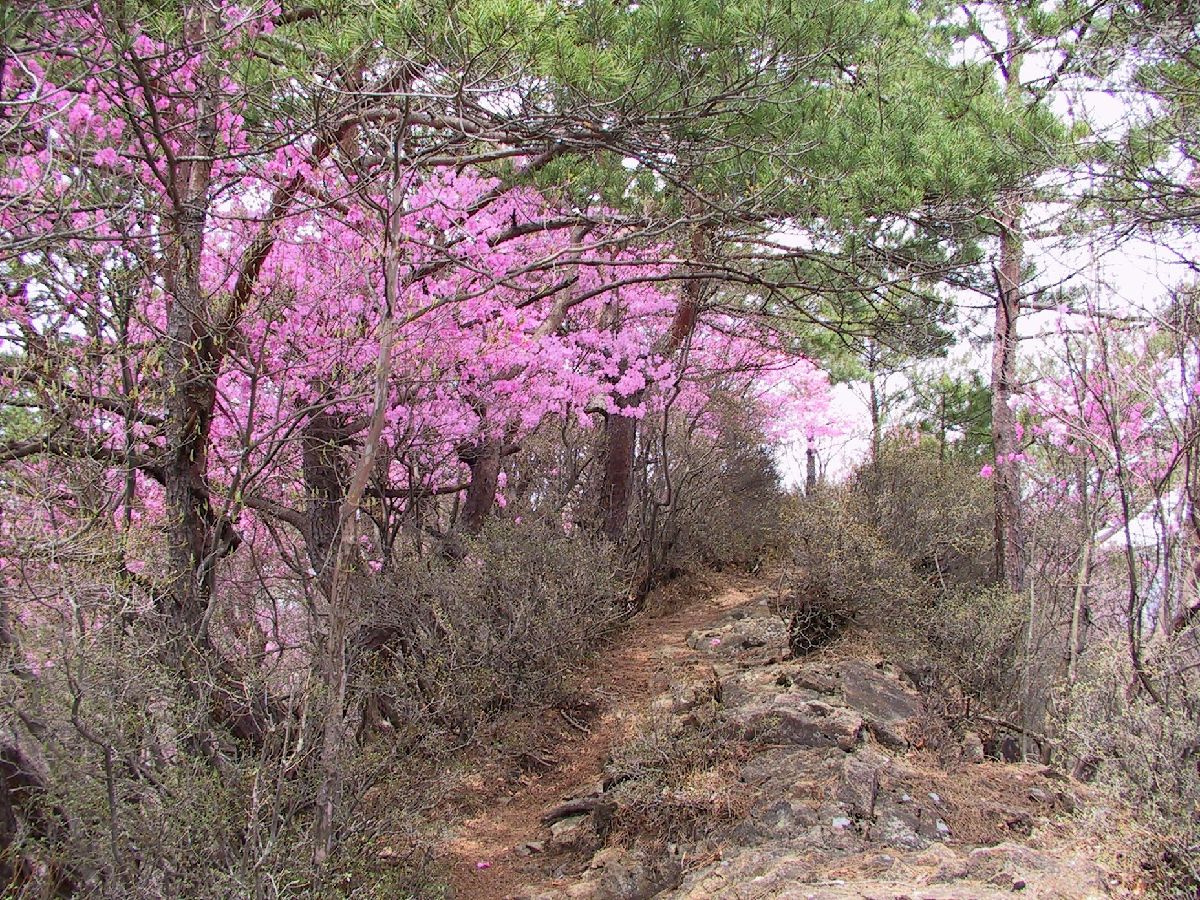
The globally renowned golf course architect, Robert Von Hagge, had a dream of creating the most beautiful and exciting golf course in Japan and his dream was realized with the Hourai Country Club. This 18-hole course features a beautiful contrast of light and shadow produced by the surrounding grand natural forest. Its 360-degree panoramic view makes the course a perfect resort course. On vast land with plenty of space, the holes are spaced so that they are away from each other. Hourai Country Club is one of the most prestigious courses in Japan, hosting the men’s Japan Golf Tour Championship from 2000 to 2002. At the clubhouse, you can enjoy meals prepared with locally sourced ingredients and dairy products from a nearby ranch.

Nikko kaido Oshu kaido TOCHIGI
Kanman-ga-fuchi Abyss

Kanman-ga-fuchi Abyss

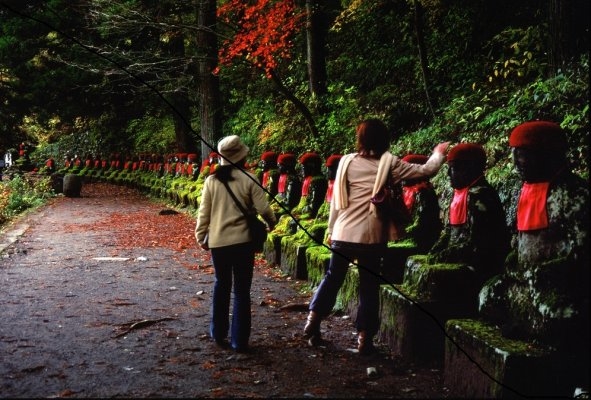
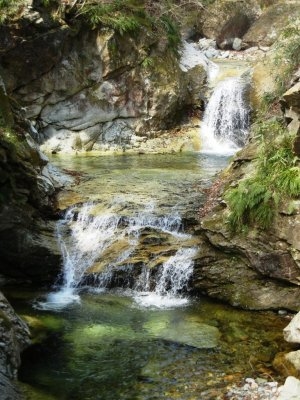
The little gorge formed by an eruption of nearby Mt. Nantai is a uniquely scenic spot. A row of approximately 70 Jizos are lined up along the south bank of the river. The group of Jizos is called “Baké-Jizo” because it is said that they are uncountable; if you try to count them, each time you will end up with a different number. Legend has it that the Sanskrit character “Kanman” on an upstream cliff was inscribed by Kobo Daishi, the founder of Shingon Buddhism, by throwing his brush. The Nikko Botanical Garden is on the opposite shore of the Jizos, and visitors can enjoy the scenic beauty in the seasons of spring verdant greens, autumn colours and snowy Jizos.

Nikko kaido Oshu kaido TOCHIGI
Kurobane Furusato Bussan Center Restaurant

Kurobane Furusato Bussan Center Restaurant

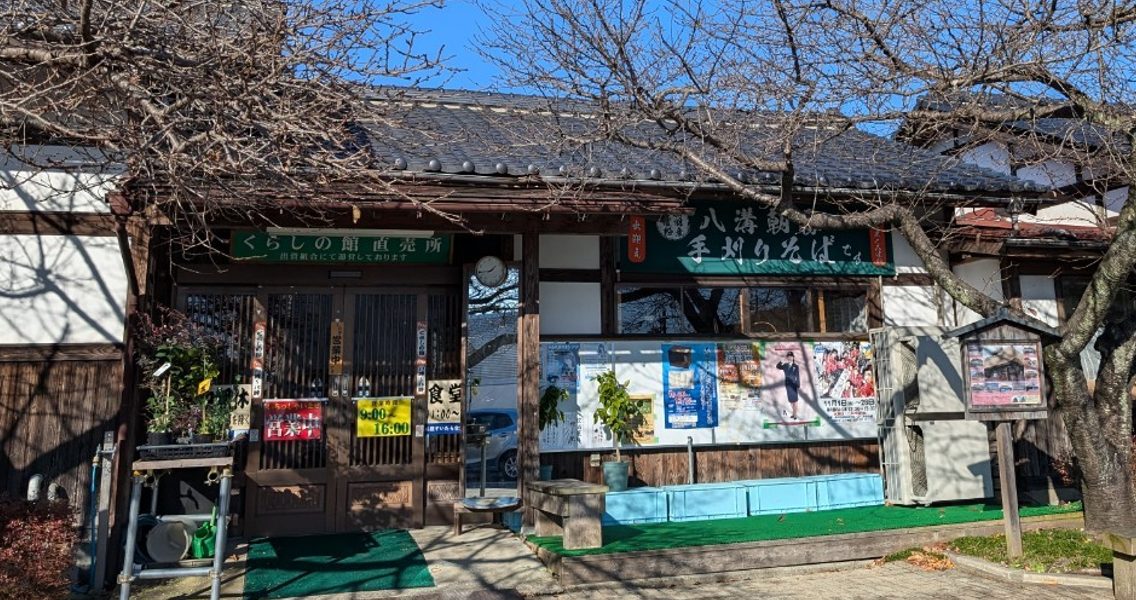
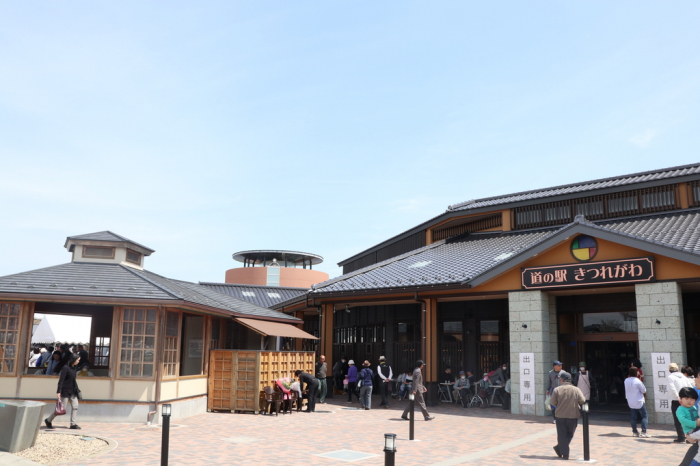
A traditional Japanese house built over 170 years ago has been relocated to the Kurobane Furusato Bussan Center. This building with a thatched roof houses Kurashi no Yakata and a restaurant. At the restaurant, ‘Oroshi Soba ― Yamizo Asagiri hand-picked soba ―’ is one of the popular menu items made with locally produced buckwheat flour. Adjacent to the restaurant is the Bussan Center. There, you can buy delicious vegetables produced by local farmers and steamed buns made with love. They also sell additive-free homemade miso called Ginjo Ichinen Miso. It is popular because miso soup made with this miso in the morning stays tasty until night.

Nikko kaido Oshu kaido TOCHIGI
Nikkozan Yumoto Onsenji Temple “16-Character SHAKYO or SHABUTSU (Copying Buddha’s picture) Experience”

Nikkozan Yumoto Onsenji Temple “16-Character SHAKYO or SHABUTSU (Copying Buddha’s picture) Experience”

"Nikkozan Yumoto Onsenji Temple" is a branch temple of the world heritage site "Nikkozan Rinnoji Temple". Its history dates back to 788 when Shodo Shonin, the founder of mountain worship in Nikko, discovered a hot spring and enshrined Yakushirurikou-nyorai (the Buddha of healing) to alleviate suffering. Since the Meiji era, it has been known as a hot spring resort for common people seeking recovery and longevity.   While traditional sutra copying or Buddha tracing involves transcribing the entire sutra or drawing the entire image, Onsenji Temple offers original templates designed to be completed in approximately 15-20 minutes. For the Onsenji 16-character sutra copying, you will trace a section of the Yakushi Sutra written in light ink using a brush pen. For Buddhist image copying, you will trace the outline of a Buddha drawn in light ink using a brush pen.   Both practices allow individuals to connect with the Buddha, receiving their blessings and promoting mental and physical relaxation. The time spent engaging in sutra copying and Buddha tracing, fostering a deeper connection with the Buddha and oneself, is truly invaluable. As a token of your experience, participants who complete sutra copying or Buddha tracing and offer their work will receive a special temple stamp. Note: Brush pens are available for rental.   【About the Hot Spring】 Color of the hot spring water: Milky white Note: The source water is colorless, it turns milky white due to oxidation. * Be cautious as the colorless spring water is very hot. Quality of spring water: Sulfate and hydrogen carbonate hot spring. Therapeutic effects: Cuts, cold extremities, fatigue recovery, and more. Caution: Shampoo and body soap are not provided. Please bring your own if necessary.

Nikko kaido Oshu kaido TOCHIGI
Yasaka Festival (Tenno Festival)

Yasaka Festival (Tenno Festival)

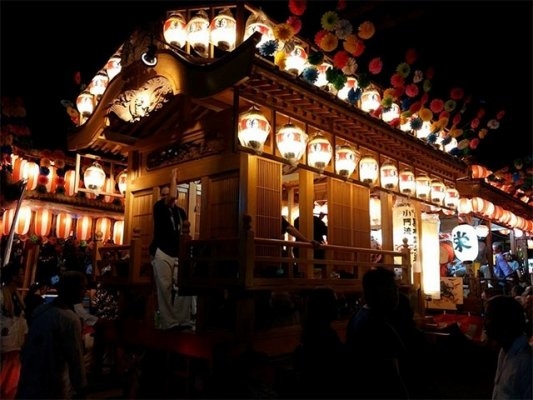
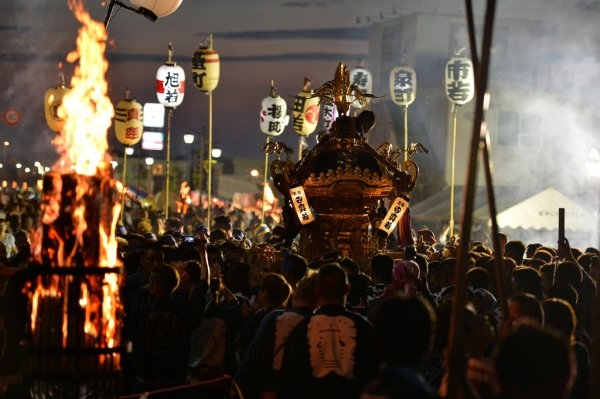
The Yasaka Festival, or more commonly as the Tenno Festival, is a festival held at Okoto Shrine where people go to pray for good health and to prevent the spread of illnesses during the summer.   Participants in the festival carry and parade a portable shrine called the “Great Tenno-sama,” which weighs approximately 1 ton.   Highlights of the festival include over ten stunning floats and mikoshi parading through the town, streets lined with stalls selling delicious food and unique crafts, and a grand gathering on the second night of the festival after 8PM. Here, all the mikoshi and floats come together for a spectacular display of traditional music and energetic performances.

Nikko kaido Oshu kaido TOCHIGI
Tochigi Prefectural Museum of Fine Arts

Tochigi Prefectural Museum of Fine Arts

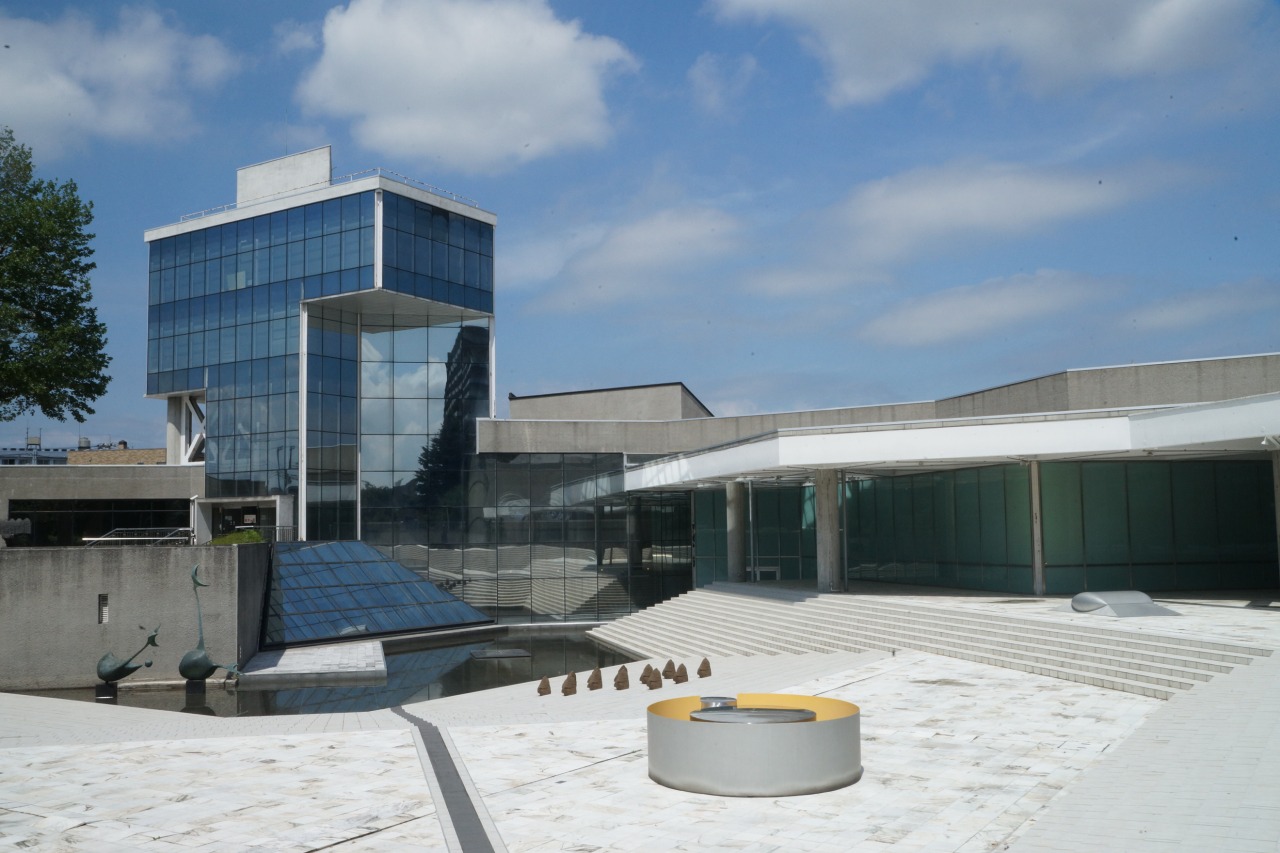
The Tochigi Prefectural Museum of Fine Arts opened in 1972 as one of the first public museums of modern and contemporary art in Japan. Kiyoshi KAWASAKI designed the museum architecture including the collection galleries built in 1981. This art museum's collection spans local and domestic artists as well as works from western Europe, and their 9,000-piece collection includes examples of paintings, woodblock prints, illustrations, photographs, and handicrafts. In the Meissen Porcelain Collection Room, around 100 works are displayed. The exhibits from the best collection of Meissen porcelain in Japan are rotated about 4 times annually."

Nikko kaido Oshu kaido TOCHIGI
Mamada Kumihimo Braid-making Experience

Mamada Kumihimo Braid-making Experience

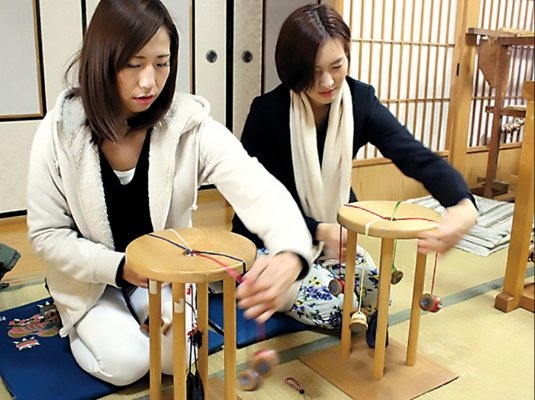
Mamada Kumihimo is a traditional Japanese cord created by hand braiding. The cords were used in the armour of Samurai warriors long ago. Today the silk woven cords have a wide range of uses such as bolo ties, obi-himo ties used to secure the obi of women’s kimonos and haori-himo ties in the men and women wear short coats over their kimonos. Try your hand at making your own strap with the vegetable-dyed, pure silk threads made from domestically grown cocoons at a traditional Mamada cord shop.

Nikko kaido Oshu kaido TOCHIGI
Omoigawa River Nagashi-bina

Omoigawa River Nagashi-bina

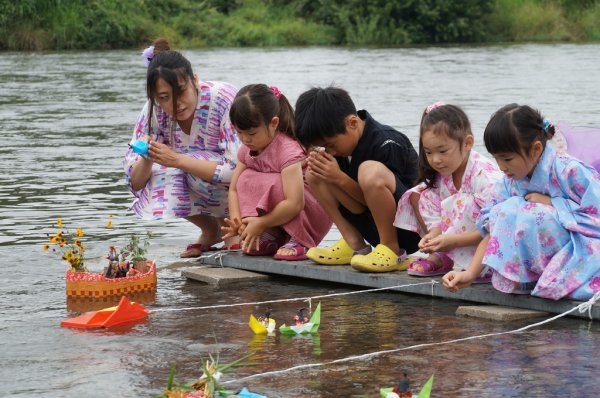
A beloved summer tradition in Oyama City, the “Omoigawa River Nagashi-bina” is held on the first Sunday of July each year. Dressed in yukata, adults and children gather along the banks of the Omoigawa River, holding paper dolls onto which they place their wishes before sending them to float downstream. These paper dolls, known as Shimotsuke Dolls, range from 10 cm to 40 cm in height and are crafted using the artistry and tradition of Shimotsuke shibori dyeing. The paper is twisted to create beautiful patterns, with each doll featuring a unique hairstyle and kimono design. A tanzaku (narrow paper strip) is attached so participants can write their wishes. The “Omoigawa River Nagashi-bina” is open to everyone. The first 50 participants wearing yukata will receive a “Nagashi-bina” doll as a gift.

Nikko kaido Oshu kaido TOCHIGI
Moka Summer Festival “Kojin Festival”

Moka Summer Festival “Kojin Festival”

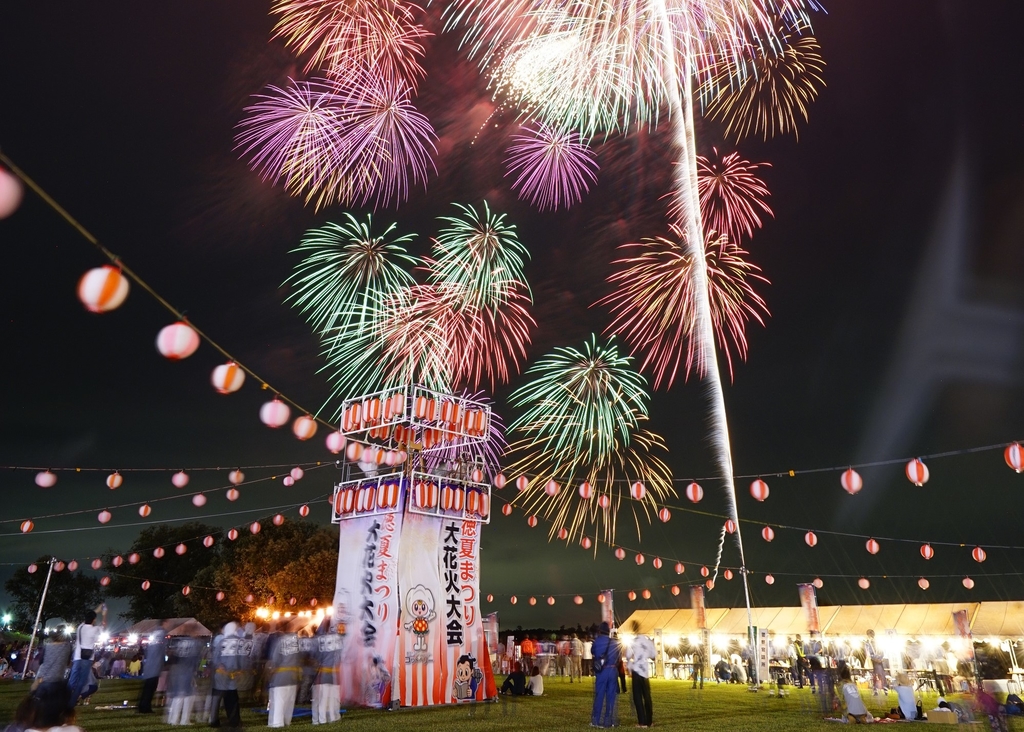
The "Moka Summer Festival," the largest event in Moka City, will be held for three days on late July. More than 20 portable shrines and floats gather together at the festival square, where you can feel the enthusiasm of the festival goers.   On the first day of the festival, "Degyo-matsuri," or the "departure from the shrine," is held at Omae Shrine.Many festival-goers participate in the Degyo-matsuri to pray for the safety of the procession of portable shrines and stalls, a good harvest, the eradication of disease, and the development of industry. After the Degyo-Dashi, "Machiawase" is held, in which the portable shrines are carried across each town council, and the head mikoshi parades through the city.   On the second day, "Festival Plaza" will be held and the city center will become a pedestrian zone. approximately 20,000 fireworks will color the night sky, and "Mikoshi Kawatogo (carried mikoshi to cross the river)" would be held on Gogyo River.

Nikko kaido Oshu kaido TOCHIGI