

Greater Tokyo

See & Do

reset
Tenpyo-no-Oka Park

Tenpyo-no-Oka Park

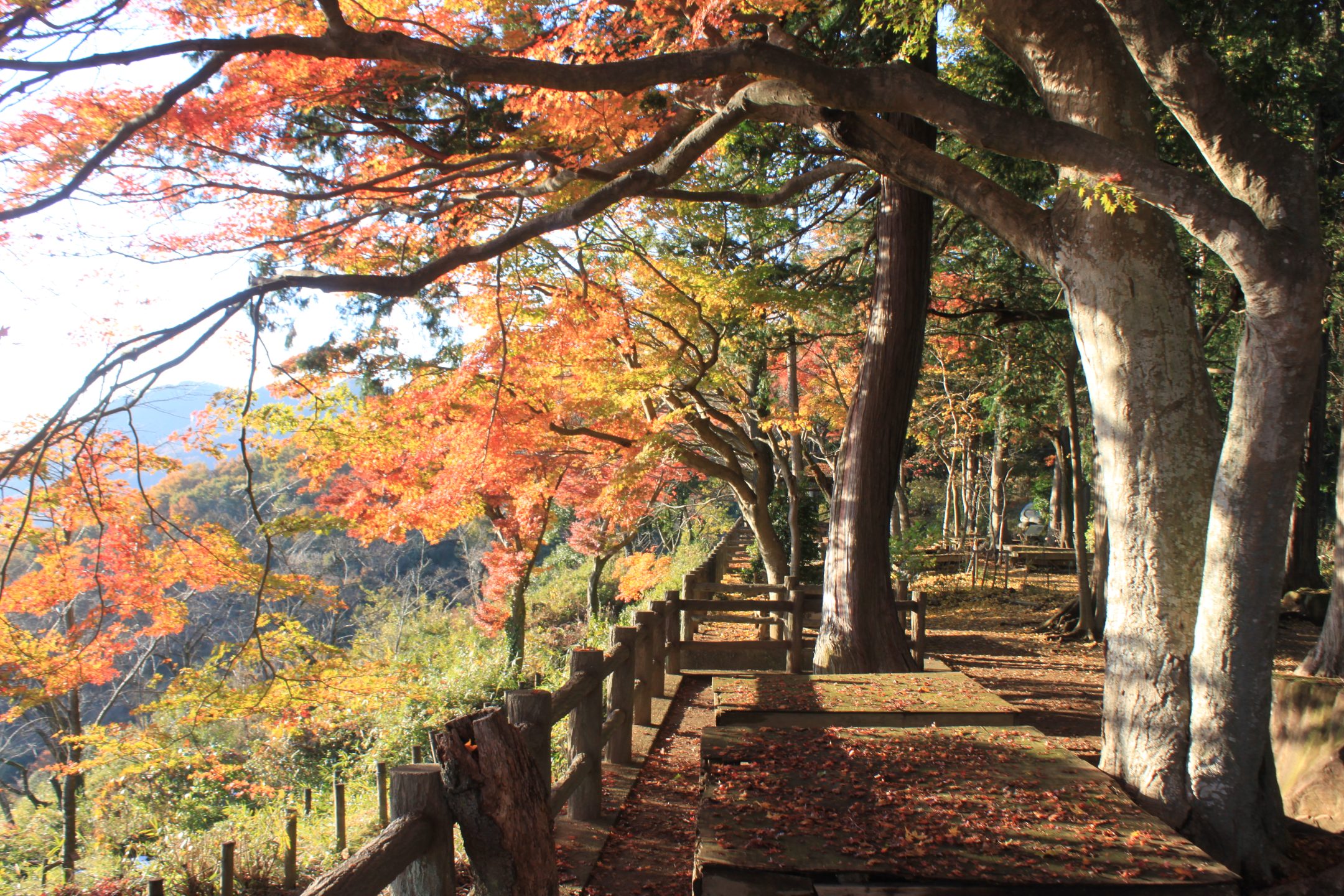
The vast grounds of Tenpyo-no-Oka Park consist of pristine forest containing a number of historic sites. A great number of visitors come to the Tempyo flower festival held in mid to late April when the 450 double-flowered cherry trees bloom. Enjoy strolling through the woods and travel back in time with a visit to one or more of the various museums in the park. The “Botchan Bus” departs from in front of the folklore museum for a 15-minute circumnavigation of the park – popular for families and perfect for sightseeing. A popular sight is the stone-walled keyhole-shaped ancient tomb of Kunimiyama. Clap your hands under the stairs in the ring-shaped area of the tomb, and hear the echoing sounds of a roaring dragon reverberate back from the large stone above. On the first Sunday of November the Tenpyo Imoni Festival is held here serving home-style Imoni soup to 3,000 guests. The soup is made with local produce including dried gourd strips, taro roots and leeks in a huge pot measuring 2.5 metres across. ☆

Nikko kaido Oshu kaido TOCHIGI
Mt. Ohira

Mt. Ohira

At Mt. Ohira in Tochigi City, you can enjoy seasonal scenery such as a tunnel of cherry blossoms in spring, hydrangea slopes in early summer, and autumn leaves in autumn. Located in the center of Tochigi city, it is a prefectural natural park that was designated in March 1955. From Kenshin-daira near the summit, you can get a panoramic view of the Kanto Plain, and the majestic view of the peaks below floating in mist has earned it the nickname Matsushima on land. From the observation deck you can also see Mt. Tsukuba, and on clear, sunny days you can even see the skyscrapers of Tokyo's subcenter and Mt. Fuji in the distance.

Nikko kaido Oshu kaido TOCHIGI
Izurusan Manganji Temple

Izurusan Manganji Temple

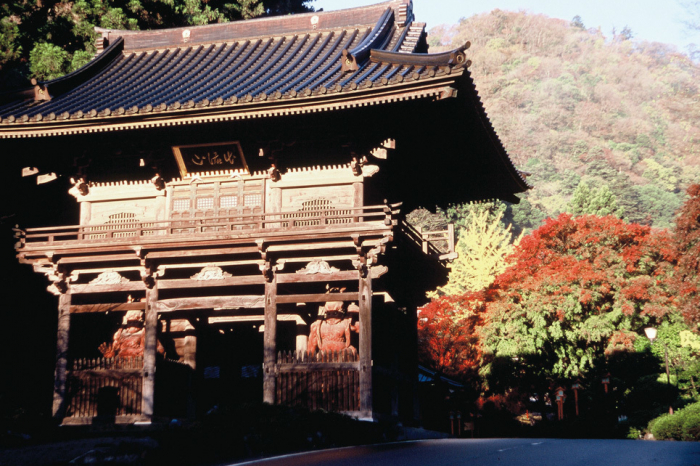
Izurusan Manganji Temple was founded in the year 767, approximately 1200 years ago.  This Shingon Buddhist Sect Chizan School Temple in Tochigi City is dedicated to the Thousand-Hand Kanzeon Bodhisattva. It is known as being a powerful spiritual location surrounded by forests and water with perpetual services offered for the deceased, zen meditation, and waterfall meditation. Nestled in nature with towering trees and fresh crisp air, the main temple, Omido, was built in 1368 and was reconstructed in 1764 after the great fire of 1740. The main temple hall has been designated a Prefectural Cultural Property whereas the Deva gate has been designated a City Cultural Property and the Izuru limestone caverns have been designated as City Natural Monument."

Nikko kaido Oshu kaido TOCHIGI
Tochigi Prefectural Museum

Tochigi Prefectural Museum

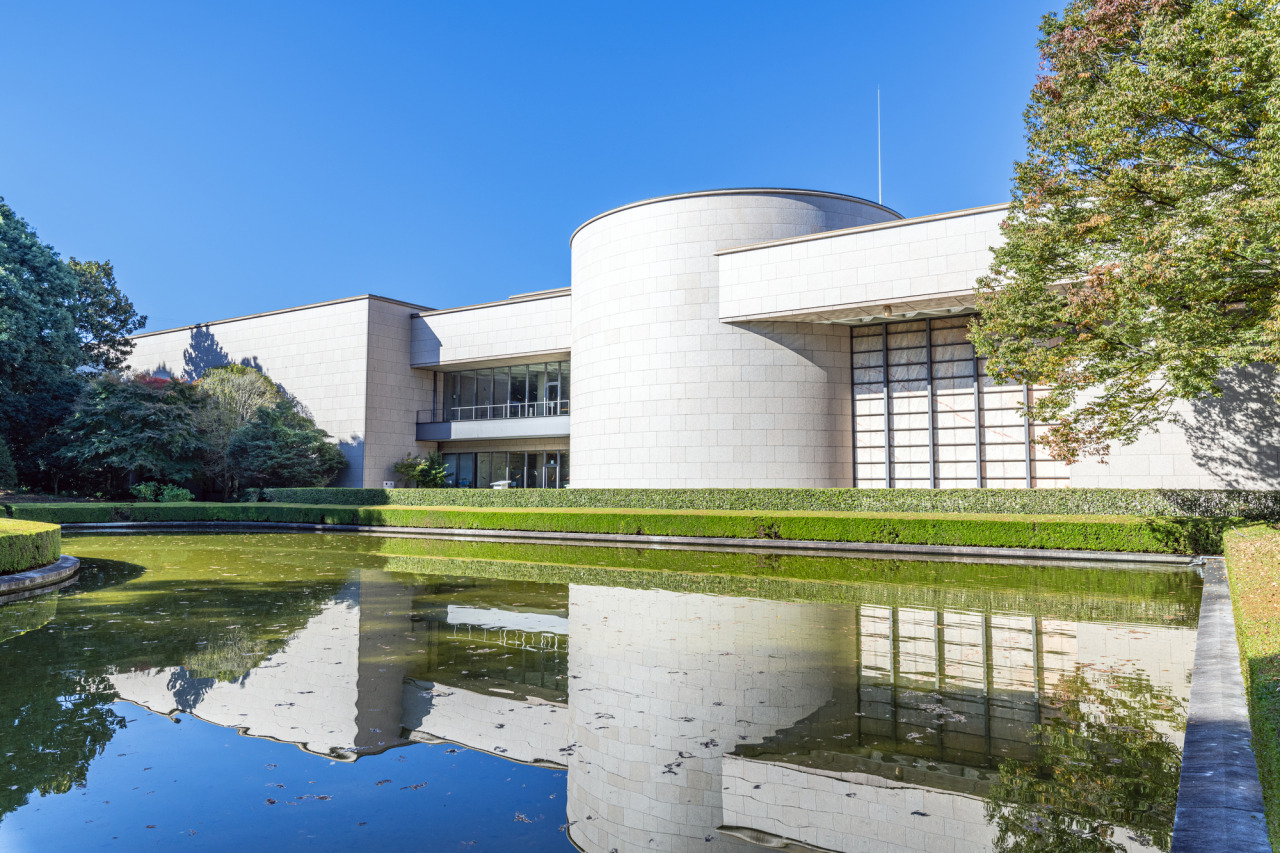
The Tochigi Prefectural Museum in Utsunomiya City is located in Tochigi Central Park and collects, preserves, and researches materials relating to Tochigi's nature and culture. This museum was opened as a general museum aimed at deepening understanding of Tochigi's nature and culture in October of 1982. The 72m spiral slope flora and fauna of Nikko, Tochigi's most famous area, exhibit is a site to see.The exhibition displays the animals in order of elevation and environment from the 600m elevation of the area around the Shinkyo Bridge to the 2578m elevation of the peak of Mt. Shirane. The exhibition rooms introduce the history of Tochigi from its geological age to the present, with themes on each era in chronological order, making the history easy to understand.The museum also hosts a variety of other themed exhibitions and planned exhibits as well as exhibits on nature, geology, plants and animal introductions."

Nikko kaido Oshu kaido TOCHIGI
Mamada Jaga Maita

Mamada Jaga Maita

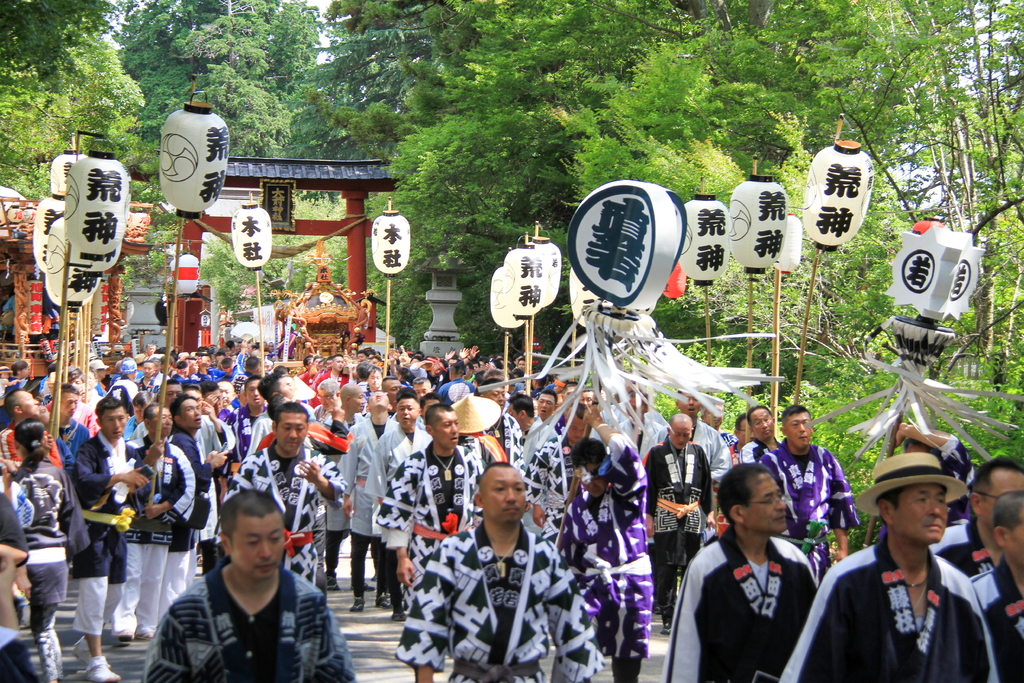
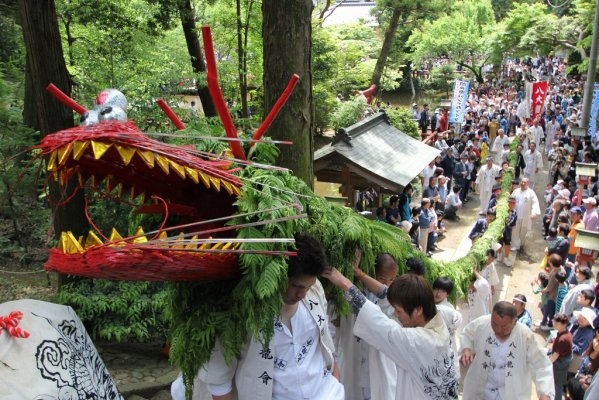
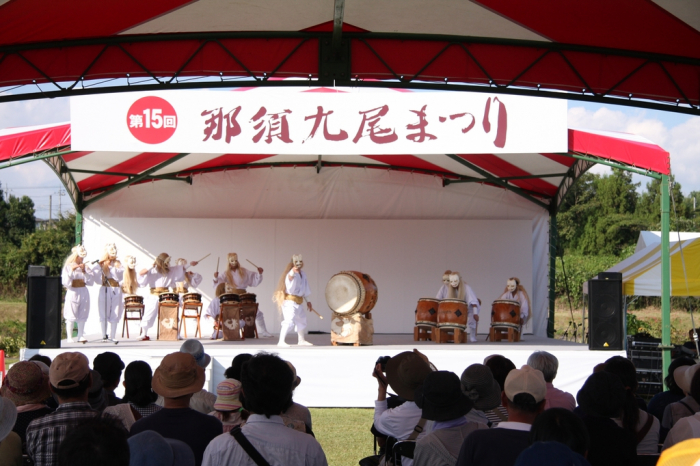
There is a strange festival which conveys faith in the dragon god called ""Mamada-no Jaga Maita (popularly known as the ""Snake Demon Festival"" that is designated as a national important intangible folk culture asset in Mamada. This event is held before the rice planting to pray to the gods and Buddha for moderate winds, as well as a bumper harvest and the elimination of plagues.   ""Jaga Maita, Jaga Maita, Jaga Maita of April 8!"" These yells echo around the town on the day of the event. This event features 15-meter dragon-head and snake-body animals decorated with fern leaves on the snake body made from bamboo and straw also paraded around the town.   The seven snakes of each district first gather at Mamada Hachimangu Shrine. The snake gathering and purification rites ceremony then takes place. After that, the water of Benten Pond is drunk to the heart's content of the participants before they go around the town again.   This festival was once held on April 8 in Japan's old calendar. However, because the bearers of the event are children of junior high school age and younger, it is now held on May 5 (Children's Day) when the schools are closed.

Nikko kaido Oshu kaido TOCHIGI
Kirifuri-kogen Highland (Kirifuri-kohgen)

Kirifuri-kogen Highland (Kirifuri-kohgen)

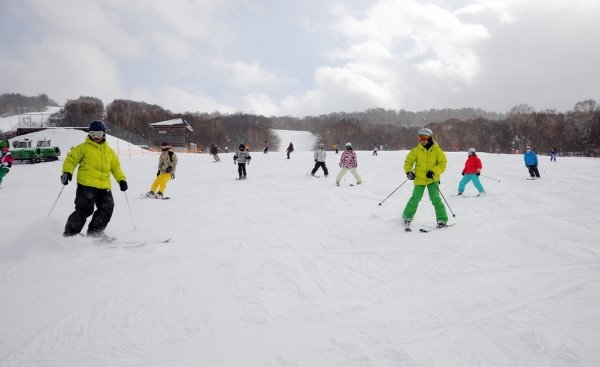
These highlands, situated 1,200 metres above sea level, are a paradise of alpine plants and are well-known for the “Nikko Kisuge”. With 260,000 Nikko Kisuge blooming from late June to mid-July, the grasslands are carpeted in these bright yellow lilies. Walking paths through the fields are available. Enjoy azaleas in spring, autumn colours and skiing in winter! There are selections of restaurants, accommodations and leisure facilities to satisfy couples and families.

Nikko kaido Oshu kaido TOCHIGI
Okashitsukasa Beniya Miyake

Okashitsukasa Beniya Miyake

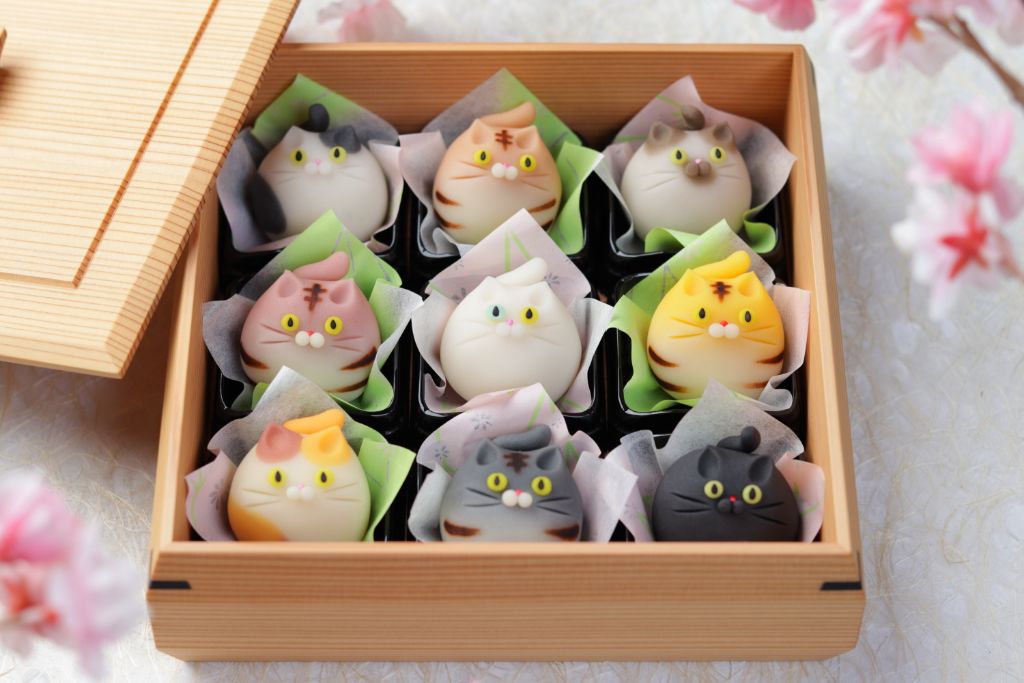
Okashitsukasa Beniya Miyake, a traditional Japanese confectionery store, is popular for its cute and beautiful sweets. Their jouyo nerikiri (a type of Japanese confectionery), made with carefully selected ingredients and crafted by skilled artisans, is incredibly popular for its elegant flavor and charming appearance.As it often sells out quickly, we recommend visiting the store early. Please try these confections that the artisans have put their heart and soul into creating.

Nikko kaido Oshu kaido TOCHIGI
Moka Momen Kaikan

Moka Momen Kaikan

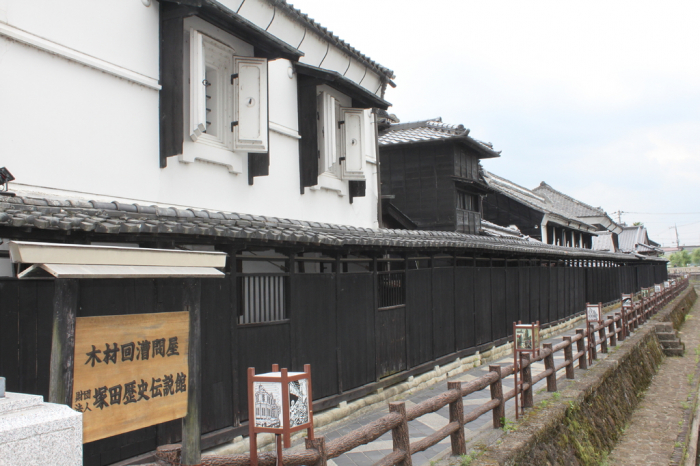
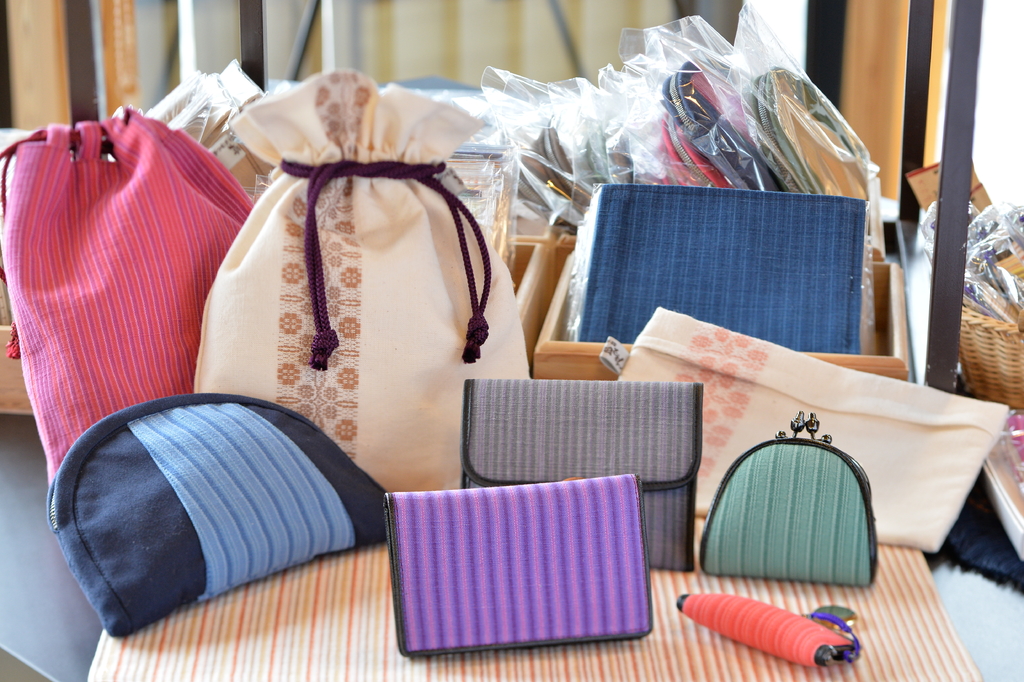
Moka Momen is a traditional fabric made in Moka City, which is so smooth to the skin that it resembles silk. It reached the height of its popularity during the late Edo period, but the work to create it, from cultivating cotton to spinning, dyeing, and weaving fabric, has been inherited by the Moka Momen Kaikan where even today it is all performed by hand just as it was long ago. In addition to fabric for kimonos, items perfect for everyday use are also produced.

Nikko kaido Oshu kaido TOCHIGI
Ryuzu Falls

Ryuzu Falls

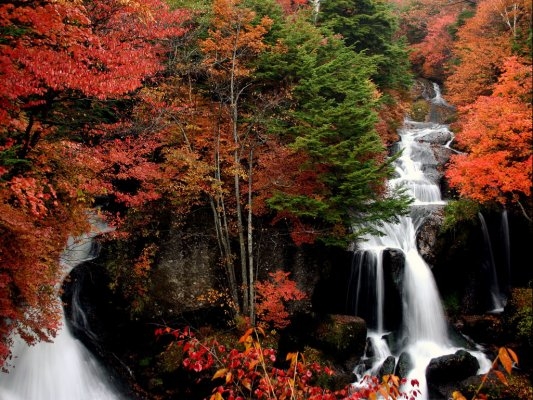
Ryuzu Falls cascades 210 metres down 10-metre wide terraces of volcanic rock from a historic eruption of Mount Nantai. The name “Ryuzu” (dragon’s head) comes from the presence at the base of the falls where a huge rock splits the waterfall in two. The area is popular for its stunning views of red and purple azalea blossoms from May to June as well as the autumnal red leaves in late September. The viewing platform offers the best view of the waterfall surrounded by the colours of the season. Ryuzu Falls is a popular location for visitors and is known as one of the five best falls in Nikko,along with Kegon Falls,Kirifuri Falls,Urami Falls, and Yudaki Falls.

Oshu kaido Nikko kaido TOCHIGI
Irohazaka

Irohazaka

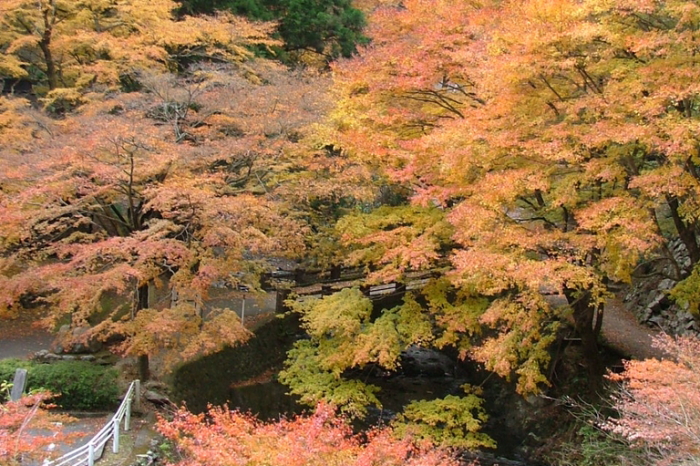
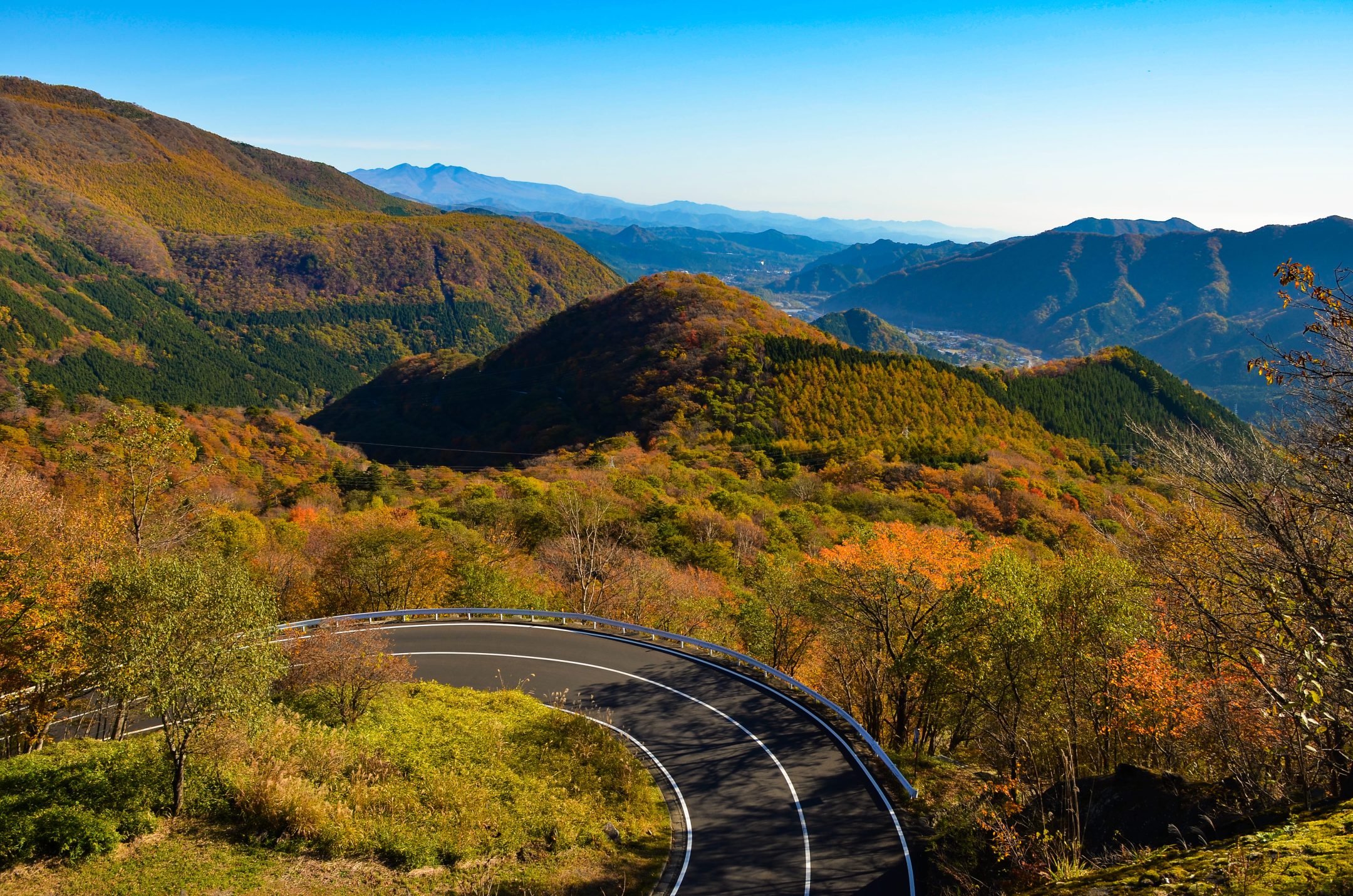
Irohazaka is a pair of winding roads (ascending and descending) connecting Nikko-city and the mountainous Lake Chuzenji area. The roads are named after the 48 syllables of the Japanese alphabet (kana) as they contain 48 hairpin turns while rising and falling 440 metres in elevation. The best viewing spot is the Akechidaira observatory on the descending road. The picturesque landscape is known as the most beautiful place to celebrate autumn leaves in Nikko, and it is well worth putting up with the traffic on the roads at this popular time.

Nikko kaido Oshu kaido TOCHIGI