Greater Tokyo

See & Do

reset
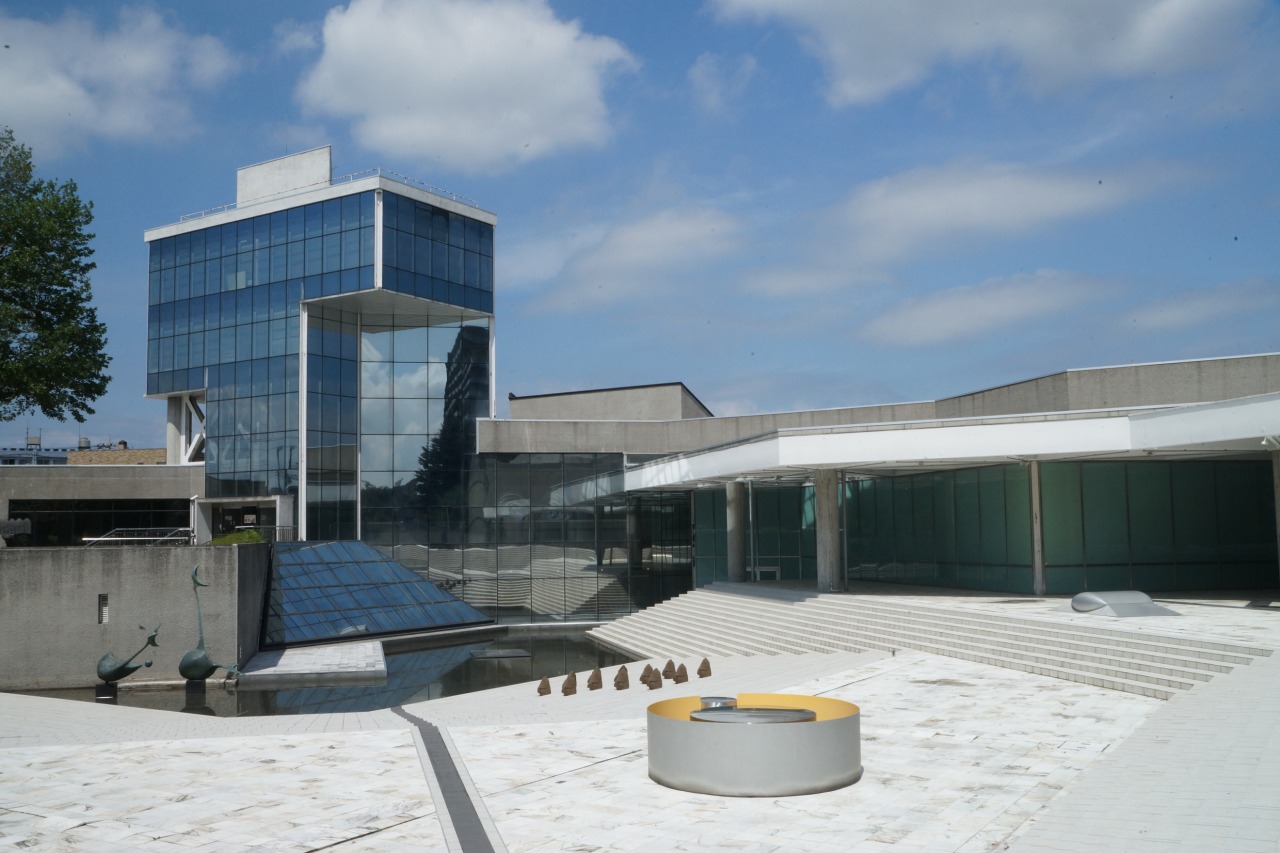
Tochigi Prefectural Museum of Fine Arts

Tochigi Prefectural Museum of Fine Arts

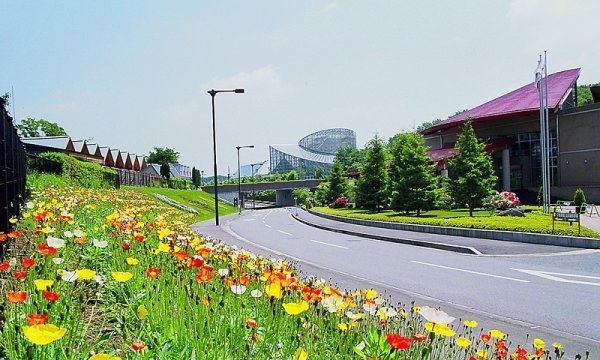
The Tochigi Prefectural Museum of Fine Arts opened in 1972 as one of the first public museums of modern and contemporary art in Japan. Kiyoshi KAWASAKI designed the museum architecture including the collection galleries built in 1981. This art museum's collection spans local and domestic artists as well as works from western Europe, and their 9,000-piece collection includes examples of paintings, woodblock prints, illustrations, photographs, and handicrafts. In the Meissen Porcelain Collection Room, around 100 works are displayed. The exhibits from the best collection of Meissen porcelain in Japan are rotated about 4 times annually."

Nikko kaido Oshu kaido TOCHIGI
Sanbonmatsu Chaya

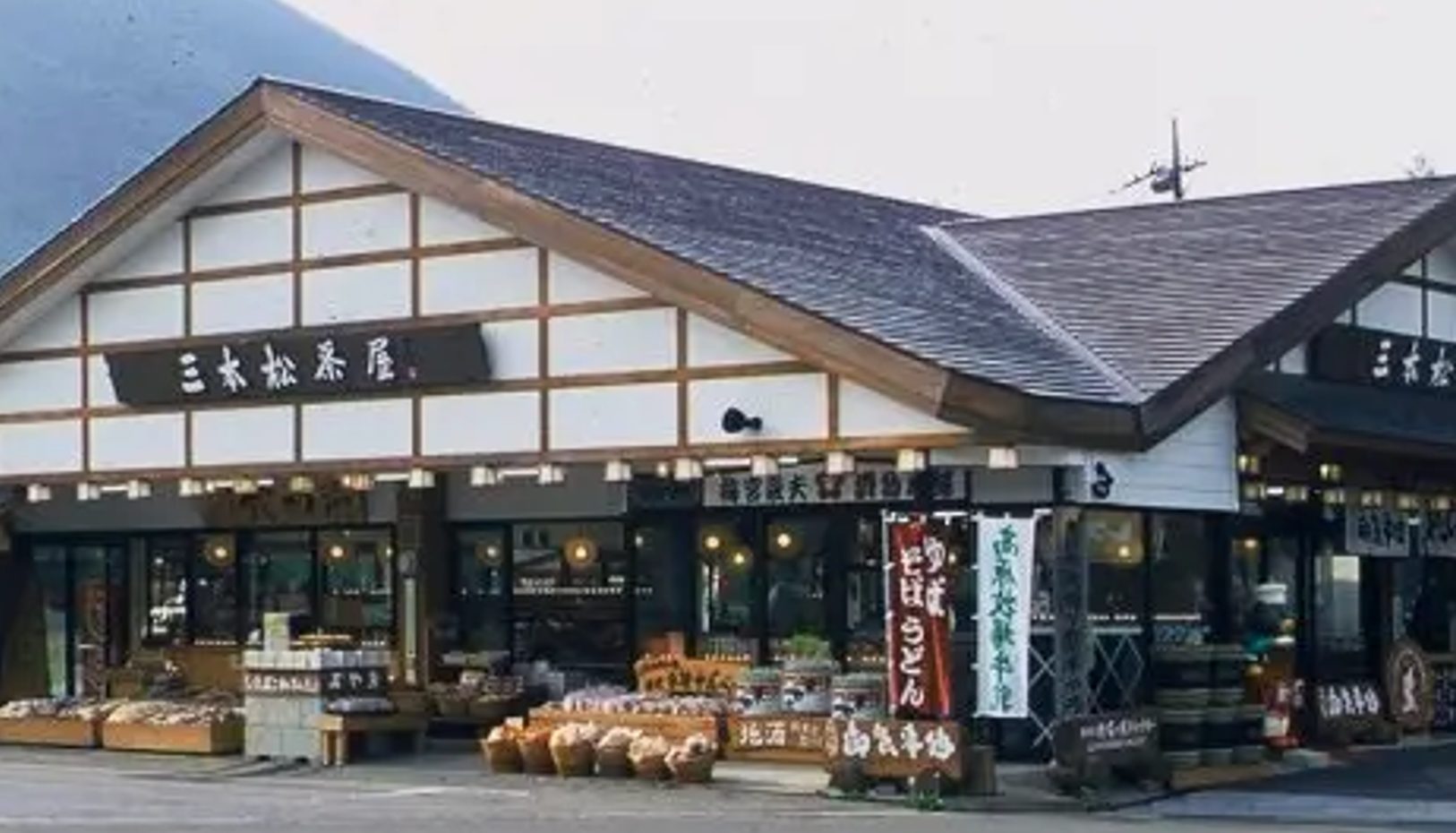
Sanbonmatsu Chaya

For over 100 years since its foundation, Sanbonmatsu Chaya has been a rest area for people who travel to, from, and through Oku-nikko. Please drop by for a rest during your trip. The restaurant serves homemade dishes using a lot of local ingredients, and the souvenir shop has a line up of items that you can buy only at Sanbonmatsu Chaya! They also offer a dessert making workshop (from around August through October): You will first harvest strawberries at Mt. Berry Okunikko in Senjogahara and then make sweets at Sanbonmatsu Chaya. You can make a reservation a week before, but they recommend you do so as early as possible. If there is a vacancy, you can even reserve your spot on the same day. Please enjoy making a dessert you like!

Nikko kaido Oshu kaido TOCHIGI
Mock Sumo Festival of Ikiko Shrine

Mock Sumo Festival of Ikiko Shrine

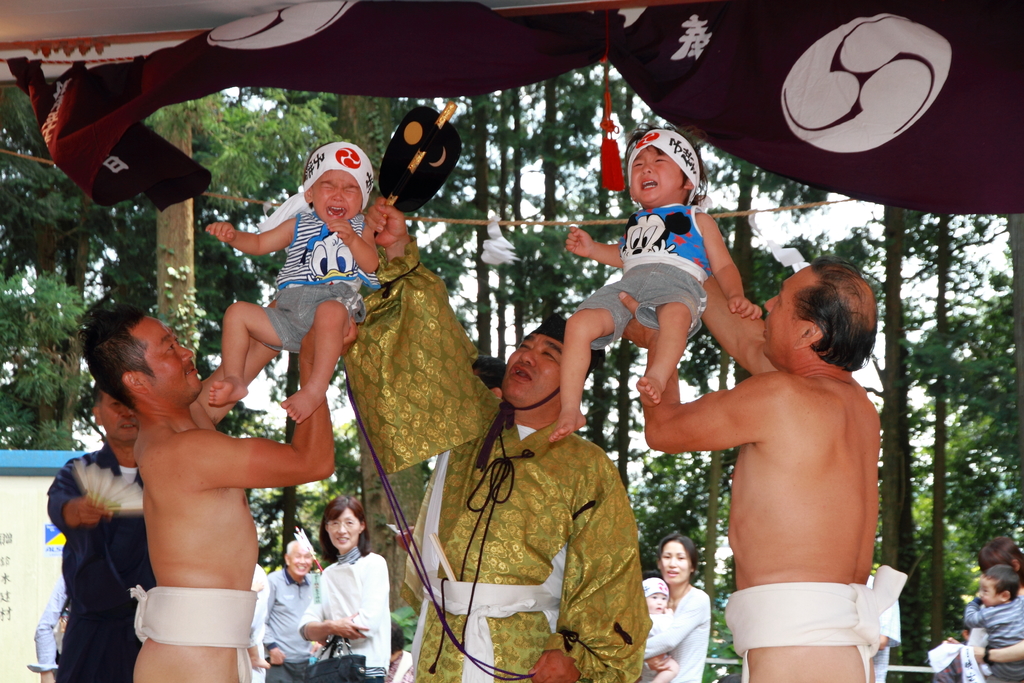
Enjoy a mock Sumo festival of Ikiko Shrine. Nakizumo, crying baby Sumo, is Japan's traditional event to pray for health and growth of the baby. In this style of Sumo wrestling, two children from one to two years of age are carried respectively by two local parishioners dressed as Sumo wrestlers to battle each other with shouts of "Yoisho, Yoisho," with the winner being the who cries first. It is held at Ikiko Shrine every September.

Nikko kaido Oshu kaido TOCHIGI
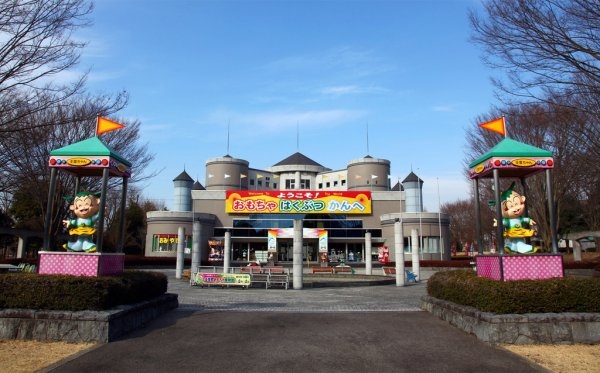
Motegi Showa Museum

Motegi Showa Museum

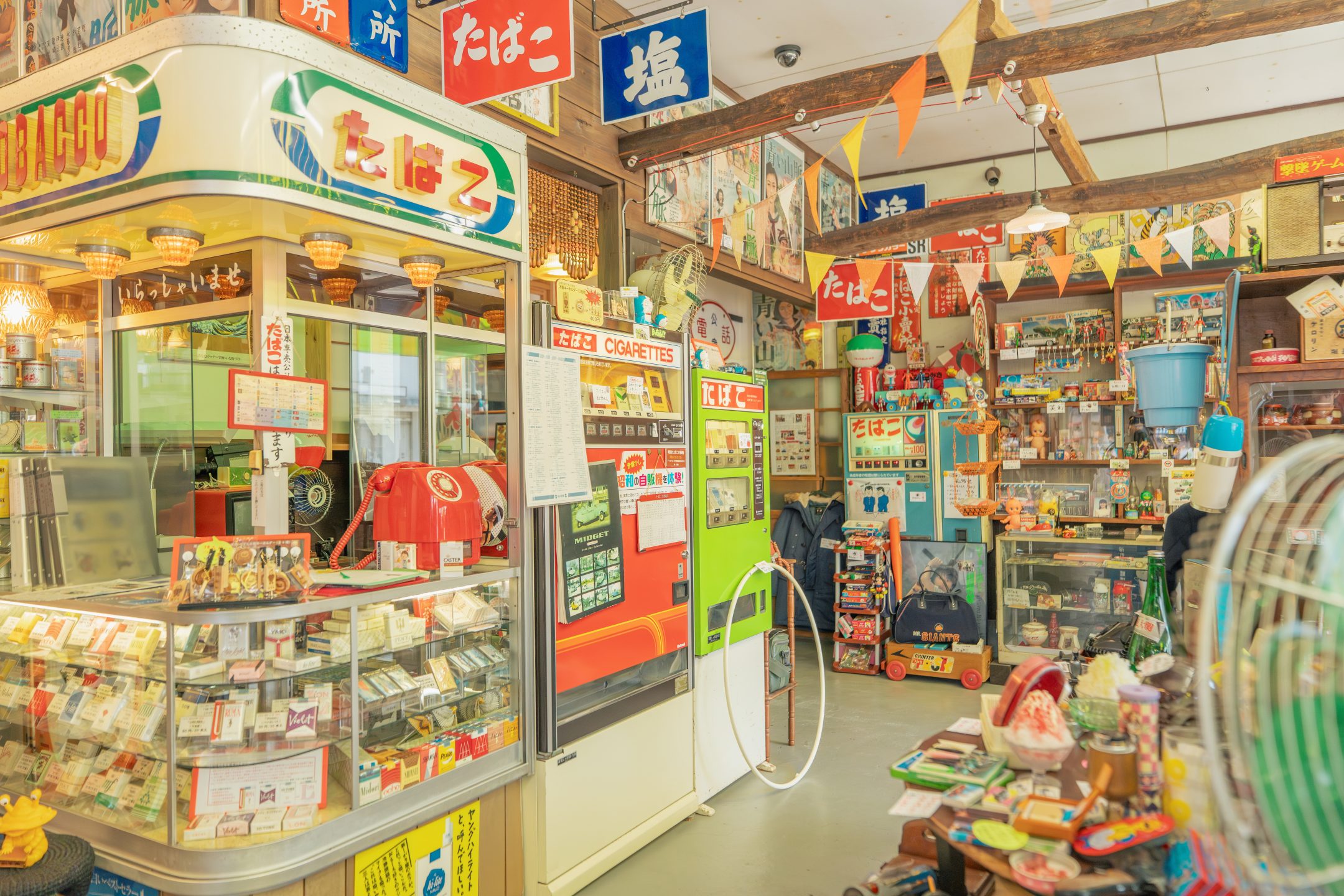
This is a mini theme park with a ""Showa Retro"" theme. Inside, you'll find thousands of retro items densely displayed, including classic enamel signs, old cigarette vending machines, and everyday household goods from the Showa era. The moment you step inside, you'll feel as if you've been transported back in time to the Showa era. Building No. 2 features exhibits of retro stationery and toys, and also has a shop selling dagashi. It's a place that transcends generations, offering a fun experience for young people who find the Showa style refreshingly new, and for older visitors who feel a deep sense of nostalgia. ※ ""Showa Retro"" is a term that refers to the culture, design, and atmosphere of Japan from the 1950s through the 1980s. It is characterized by a nostalgic and warm feeling. This aesthetic is popular across all generations, feeling new and fresh to younger people while evoking a sense of deep nostalgia for the older generation.

Nikko kaido Oshu kaido TOCHIGI
Kaneda Orchard

Kaneda Orchard

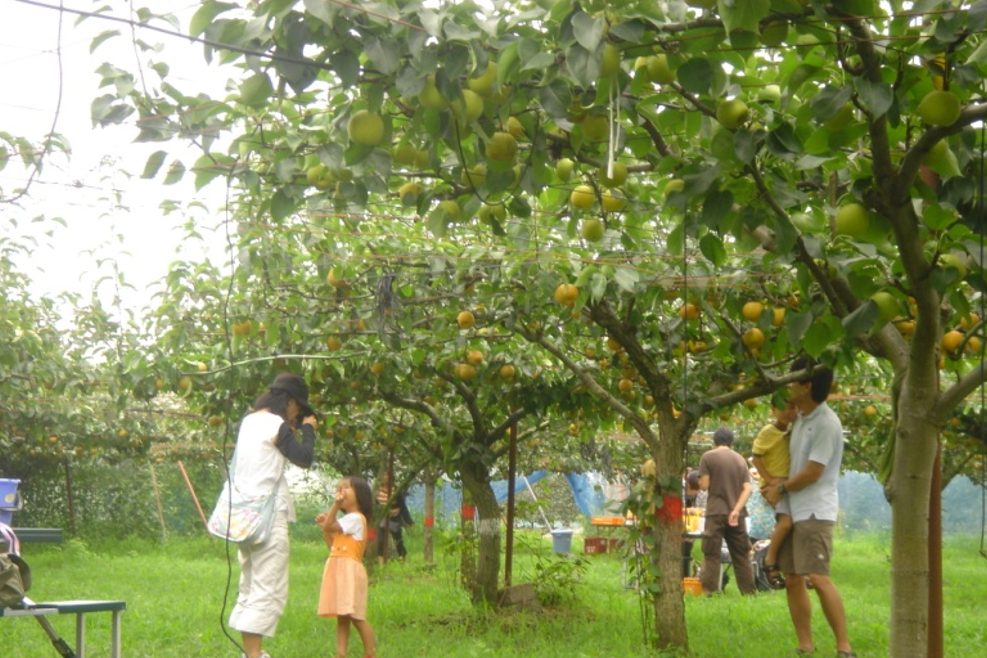
Kaneda Orchard uses electrolyzed water, organic fertilizers, and reduced agrochemicals to grow pears. It offers fully ripe pears grown through a carefully designed cultivation method. Besides opening the orchard for pear picking and selling pears, it also sells a wide variety of processed pear products including pear jelly, pear juice Haga Isshou, Shiawase wo Yobu Kosui Nashi no Cider, and Nikkori Nashi no Cider. The recommended juice preparation is equal parts pear juice and carbonated water. It tastes good with ice, too. It is also delicious when frozen and eaten as sorbet. Come and enjoy yourself at Kaneda Orchard.

Nikko kaido Oshu kaido TOCHIGI
Mibu-machi Toy Museum

Mibu-machi Toy Museum

The Mibu-machi Toy Museum provides displays of model trains on an elaborate landscape diorama along with a model train driving experience. 18 world heritage sites including temples and shrines of Nikko are placed on the N-gauge (25m2) diorama. The driver’s seat on the HO-gauge (37m2) provides excellent views, and is equipped with a sound system to give visitors a realistic railway experience.   The museum has an interactive app-based game, which you can unlock fun quizzes and characters on your device. Collect answers and points within the specified time limit to break the hidden seal in the castle! The app is the perfect way for the whole family to play and learn about the museum.

Nikko kaido Oshu kaido TOCHIGI
Michi-no-Eki(Roadside Rest Stops)  Utsunomiya Romantic Village

Michi-no-Eki(Roadside Rest Stops) Utsunomiya Romantic Village

This Roadside Rest Stops offering a farming and forest experience, dog park, hot spring, pool, and accommodation. Tochigi Prefecture has the largest production of two-rowed barley – an ingredient used to make beer. Romantic village's brewery has a full lineup of beers including staple original beers, the Mugitaro brand, and Gyoza Roman, a beer that pairs well with Gyoza .Be sure to try a freshly brewed one!

Oshu kaido Nikko kaido TOCHIGI
Kurobane Furusato Bussan Center Restaurant

Kurobane Furusato Bussan Center Restaurant

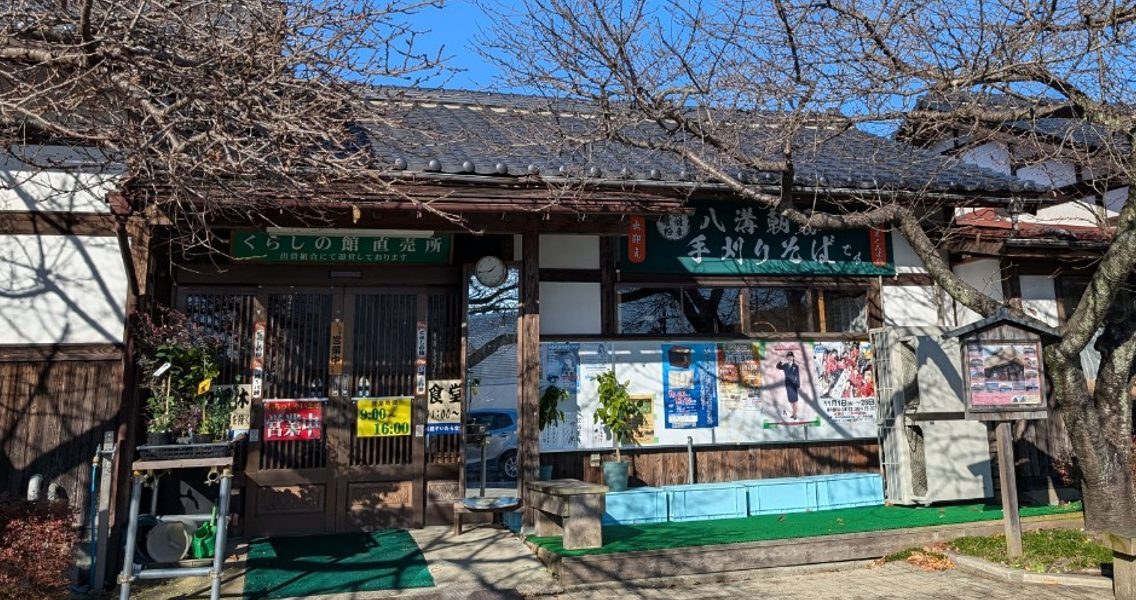
A traditional Japanese house built over 170 years ago has been relocated to the Kurobane Furusato Bussan Center. This building with a thatched roof houses Kurashi no Yakata and a restaurant. At the restaurant, ‘Oroshi Soba ― Yamizo Asagiri hand-picked soba ―’ is one of the popular menu items made with locally produced buckwheat flour. Adjacent to the restaurant is the Bussan Center. There, you can buy delicious vegetables produced by local farmers and steamed buns made with love. They also sell additive-free homemade miso called Ginjo Ichinen Miso. It is popular because miso soup made with this miso in the morning stays tasty until night.

Nikko kaido Oshu kaido TOCHIGI
Nikkozan Yumoto Onsenji Temple “16-Character SHAKYO or SHABUTSU (Copying Buddha’s picture) Experience”

Nikkozan Yumoto Onsenji Temple “16-Character SHAKYO or SHABUTSU (Copying Buddha’s picture) Experience”

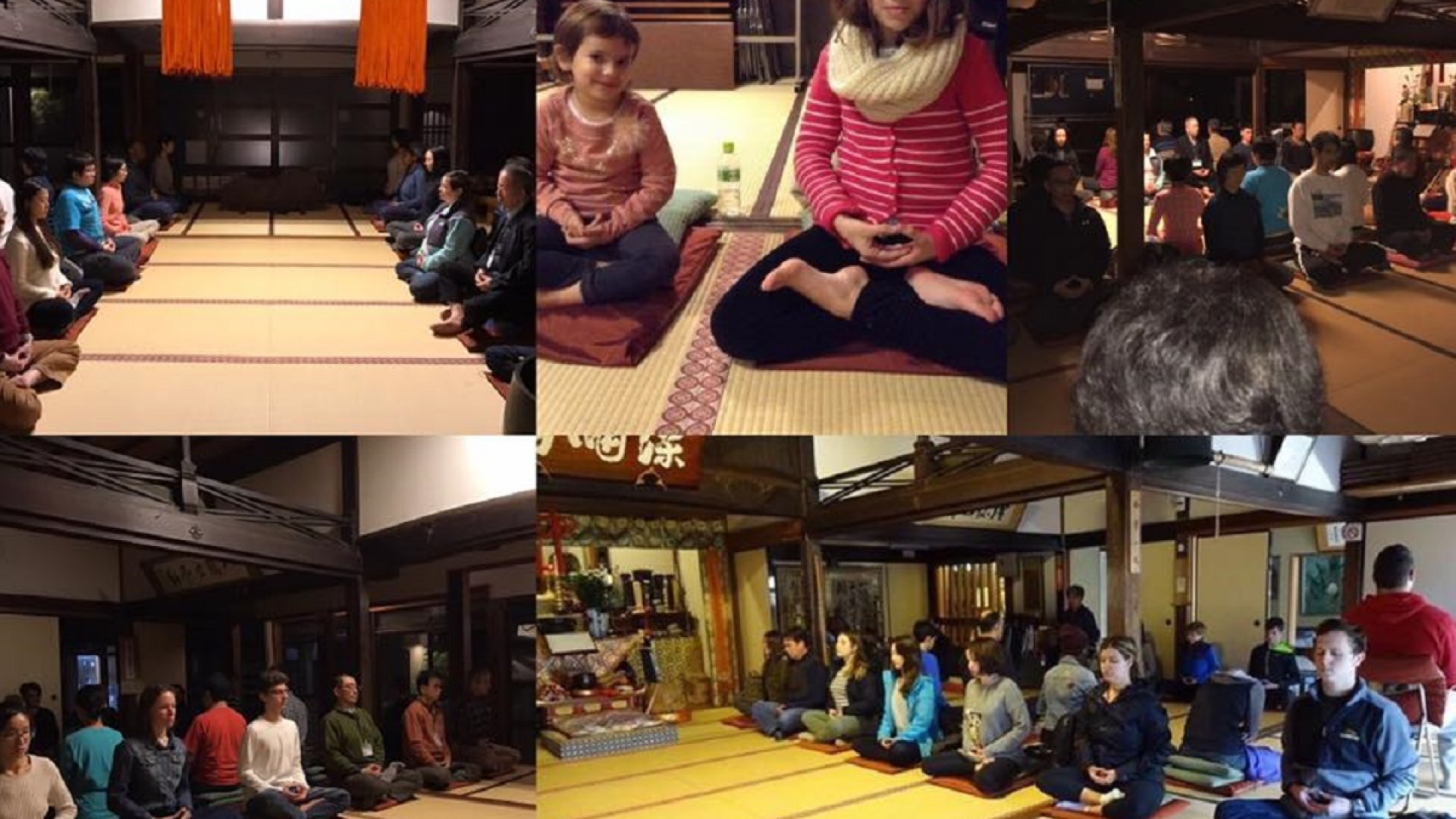
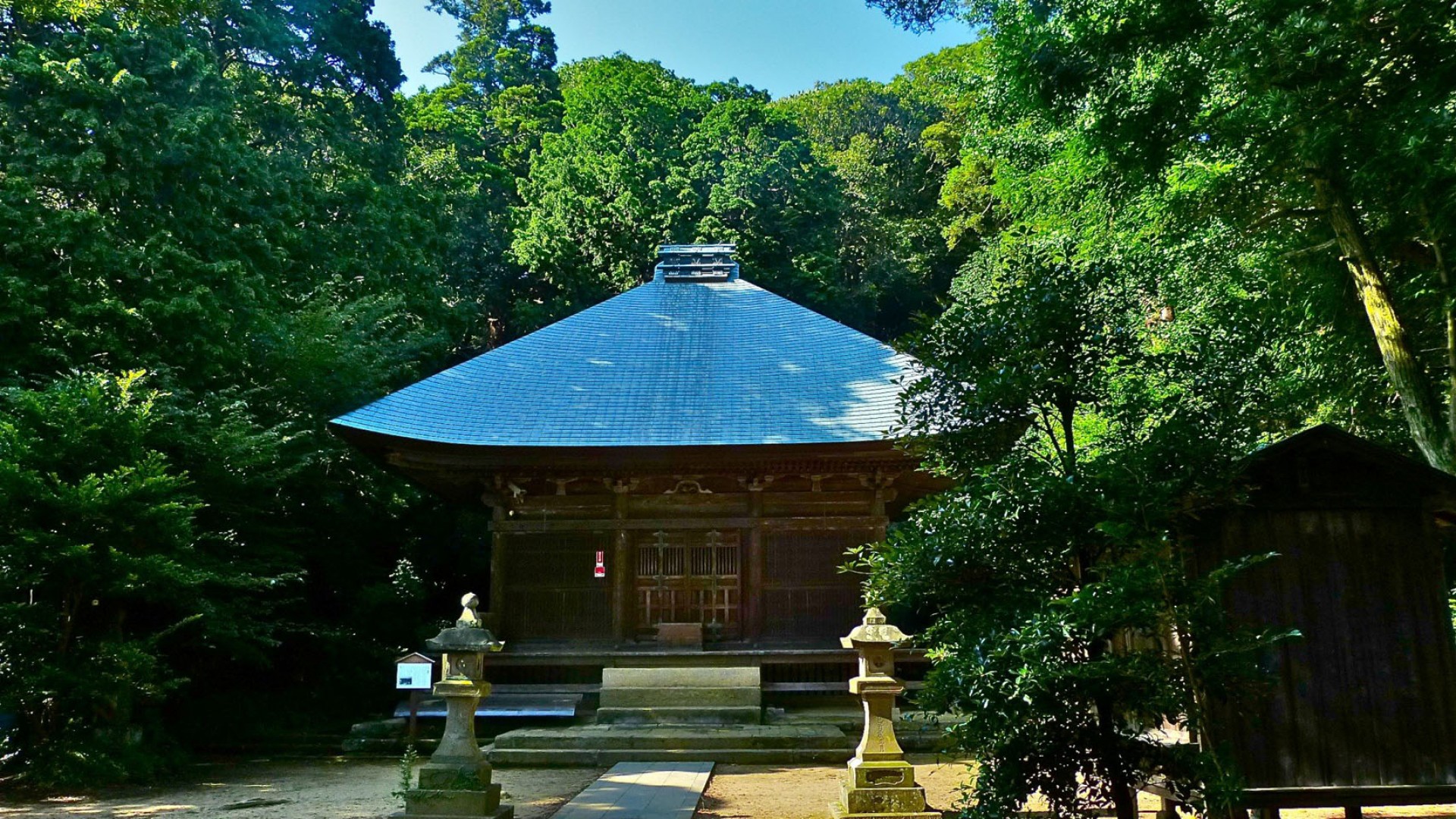
"Nikkozan Yumoto Onsenji Temple" is a branch temple of the world heritage site "Nikkozan Rinnoji Temple". Its history dates back to 788 when Shodo Shonin, the founder of mountain worship in Nikko, discovered a hot spring and enshrined Yakushirurikou-nyorai (the Buddha of healing) to alleviate suffering. Since the Meiji era, it has been known as a hot spring resort for common people seeking recovery and longevity.   While traditional sutra copying or Buddha tracing involves transcribing the entire sutra or drawing the entire image, Onsenji Temple offers original templates designed to be completed in approximately 15-20 minutes. For the Onsenji 16-character sutra copying, you will trace a section of the Yakushi Sutra written in light ink using a brush pen. For Buddhist image copying, you will trace the outline of a Buddha drawn in light ink using a brush pen.   Both practices allow individuals to connect with the Buddha, receiving their blessings and promoting mental and physical relaxation. The time spent engaging in sutra copying and Buddha tracing, fostering a deeper connection with the Buddha and oneself, is truly invaluable. As a token of your experience, participants who complete sutra copying or Buddha tracing and offer their work will receive a special temple stamp. Note: Brush pens are available for rental.   【About the Hot Spring】 Color of the hot spring water: Milky white Note: The source water is colorless, it turns milky white due to oxidation. * Be cautious as the colorless spring water is very hot. Quality of spring water: Sulfate and hydrogen carbonate hot spring. Therapeutic effects: Cuts, cold extremities, fatigue recovery, and more. Caution: Shampoo and body soap are not provided. Please bring your own if necessary.

Nikko kaido Oshu kaido TOCHIGI
Rinnoji Temple’s Gohan-shiki (rice-forcing) Festival

Rinnoji Temple’s Gohan-shiki (rice-forcing) Festival

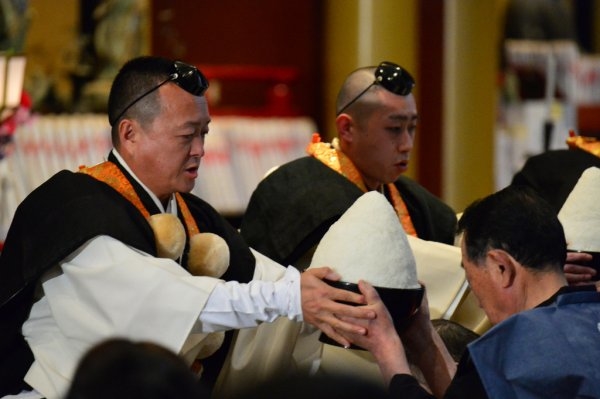
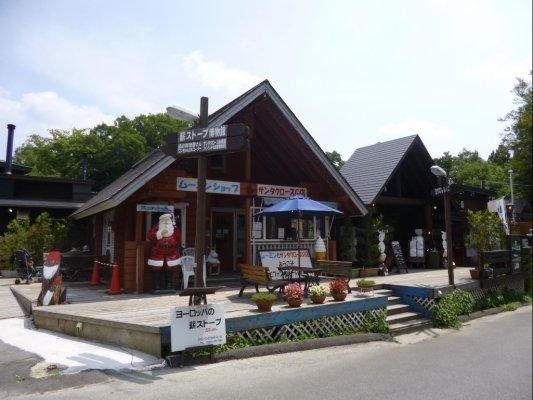
A Dramatic Ceremony Draws Laughter and Gasps The Gohan-shiki is a unique ceremony that has been handed down only in Nikko area. Nikko was opened as a sacred mountain for the syncretization of Shintoism and Buddhism, and mountain asceticism by mountain ascetics flourished, with the ascetics bringing back offerings made to the main deity in the mountain and sharing them with people in the village.   The entire ceremony consists of approximately three parts: the "Santen Gogyo Ku" and "Saito Daima Gomaku," the "Gohan Gonyo Ceremony," and the "Garamaki".   After the "Santen Gogyo Ku" and "Saito Daima Gomaku,"the hall becomes bright, the recipients line up on the platform, and the "ceremony of receiving rice with strength" begins. The ceremony proceeds in the following order: "Gojinshu (sacred wine)," "Prayer," "Gohan (rice)," "Naseen (rice dishes)," "Kinko (food)," and "Koyo (offering). One of the most spectacular parts of the ceremony is when a monk dressed in a mountain priest costume presents three heaping piles of rice to a kamishimo-dressed recipient, who is told to "eat 75 bowls of rice without leaving any leftovers". The comical sight of the recipient being forced to eat the rice and having it placed on his head is sure to draw laughter from the audience.   After successfully completing this ceremony, the recipients will conclude the ceremony by sowing the blessings they have received in the ceremony to the general public, in accordance with the Buddhist teaching of "not keeping the blessings for oneself but sharing them with others.   In the Edo period, only feudal lords of 100,000 koku or more could serve as a recipient, and the Tokugawa shoguns and other famous feudal lords from all over the country were named as recipient as an "honor for my clan".

Nikko kaido Oshu kaido TOCHIGI
Otono-sama Cuisine”Ohime-sama” Cuisine

Otono-sama Cuisine”Ohime-sama” Cuisine

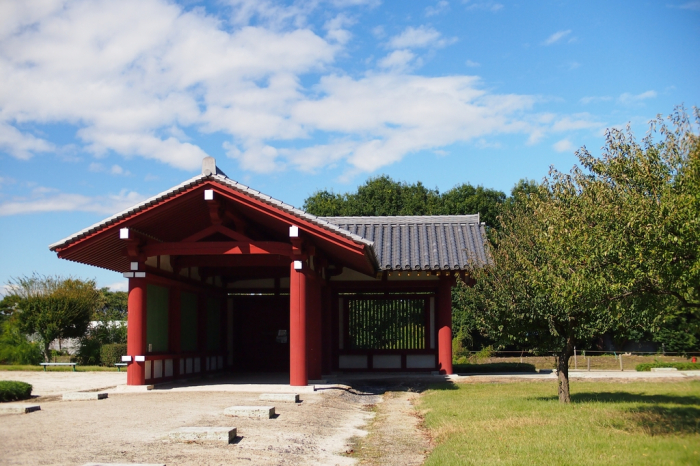
Otono-sama (Lords') cuisine and "Ohime-sama"(Princess') cuisine are based on the menus of the Edo era's Daimyo (feudal lords). Enjoy recreations of these foods that have been adapted over 200 years and made with a unique diversity of ingredients. This cuisine is highly regarded for its healthy ingredients and playful presentation. It’s currently offered at 12 restaurants in the town of Mibumachi renowned for developing a rich menu over three years.

Nikko kaido Oshu kaido TOCHIGI
Mamada Kumihimo Braid-making Experience

Mamada Kumihimo Braid-making Experience

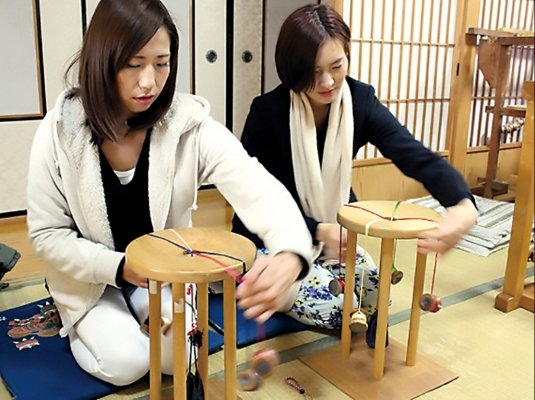
Mamada Kumihimo is a traditional Japanese cord created by hand braiding. The cords were used in the armour of Samurai warriors long ago. Today the silk woven cords have a wide range of uses such as bolo ties, obi-himo ties used to secure the obi of women’s kimonos and haori-himo ties in the men and women wear short coats over their kimonos. Try your hand at making your own strap with the vegetable-dyed, pure silk threads made from domestically grown cocoons at a traditional Mamada cord shop.

Nikko kaido Oshu kaido TOCHIGI