
Greater Tokyo

See & Do

reset
Tosho Onsen (Day-Use Hot Spring)

Tosho Onsen (Day-Use Hot Spring)

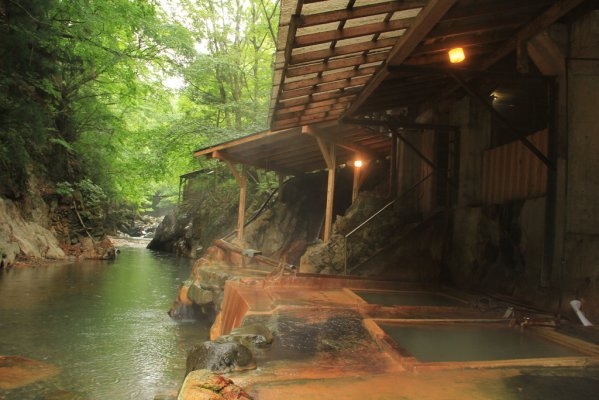
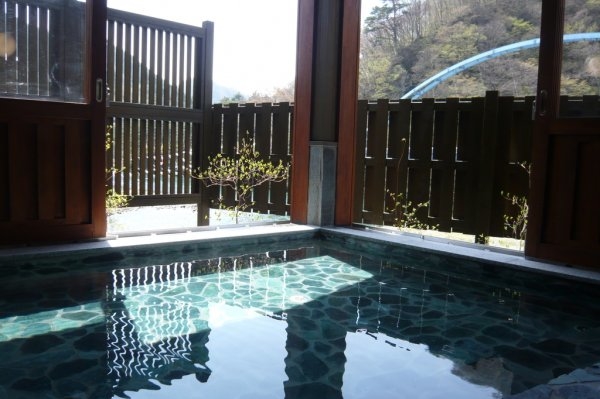
Tosho Onsen, located in Imaichi in Nikko City, is a popular day-use hot spring facility loved by both locals and visitors. The facility features an outdoor rotenburo designed like a Japanese garden, where you can enjoy a distant view of Mt. Nikko’s mountains. Indoor baths are equipped with handrails, ensuring a safe and relaxing soak for visitors of all ages. During the winter solstice, guests can experience a seasonal yuzu bath, said to promote circulation and keep the body warm. The spacious rest areas and on-site restaurant offer hearty local dishes such as charcoal-grilled chicken, making it an ideal spot to unwind both body and mind.

Nikko kaido Oshu kaido TOCHIGI
Tochigi Prefectural Central Park

Tochigi Prefectural Central Park

A prefectural park combining Japanese and Western garden design with nature, culture, and disaster-prevention functionsTochigi Prefectural Central Park is located in the center of Utsunomiya City and was created under the theme of “water, greenery, and culture.” Within the park are Western-style sunken gardens, Japanese-style ponds, and multipurpose plazas, which also interact with the neighboring Tochigi Prefectural Museum. Visitors can enjoy a wide variety of landscapes, including waterfalls, stone gardens, and the expansive Noh Stage Plaza with its modern fountain pool. Seasonal flowers and meticulously maintained lawns add to the park’s charm. The park also features the “Midori no Shōkansho” (Green Consultation Office), which regularly holds exhibitions and workshops, providing advice on gardening and tree care for citizens. This space serves as a multipurpose area for relaxation, recreation, and environmental education. As a disaster-prevention park, it also has emergency response functions, making it an important part of daily life for local residents.

Oshu kaido Nikko kaido TOCHIGI
Mount Nantai

Mount Nantai

Mount Nantai is one of the representative peaks of the Nikko Mountains, standing at 2,486 meters. Towering over the northern shore of Lake Chuzenji, it offers magnificent scenery. Since ancient times, the mountain has been revered as a sacred object of worship. At its summit stands the Okumiya Shrine of Futarasan Shrine. Mount Nantai is also called “Futarasan.” The name “Futarasan” originates from the Buddhist term “Fudaraku.” Every year, a mountain-opening festival is held on July 31, and from midnight on August 1, many worshippers begin their pilgrimage from Futarasan Shrine’s Chugu Shrine, heading toward the summit to greet the sunrise. In addition, Lake Chuzenji, Kegon Falls, Ryuzu Falls, and the surrounding grasslands and fields at the foot of Mount Nantai were all formed by volcanic activity of the mountain. The official climbing season runs annually from April 25 to November 11. Starting from Futarasan Shrine’s Chugu Shrine, the climb to the summit takes about 6 to 8 hours round-trip. ※Climbing fee is 1,000 yen per person.※Reception hours are from 6:00 a.m. to 12:00 noon.※Entry is not permitted after 12:00 noon.※Please bring your own bear bell.

Nikko kaido Oshu kaido TOCHIGI
Mt. Ohira Cherry Blossom Festival

Mt. Ohira Cherry Blossom Festival

Famous for its “Warehouse Town” scenery, Tochigi City hosts the Mt. Ohira Cherry Blossom Festival in early April. Located west of the city, Mt. Ohira is covered with about 4,000 cherry trees, forming a spectacular 2-kilometer-long tunnel of blossoms along the sightseeing road from the foot of the mountain. On the opposite side of the summit, the Kenshin-daira Observatory offers panoramic views of the Kanto Plain’s picturesque rural landscapes. On clear days, you can even see Tokyo Skytree and Mt. Fuji. Nearby eateries serve Mt. Ohira’s three famous specialties—rice dumplings, grilled chicken skewers, and rolled omelets—providing a feast for both the eyes and taste buds. At the foot of Mt. Ohira stands Taisan-ji, an ancient Shingon Buddhist temple. Its grounds are home to a 360-year-old weeping cherry tree, said to have been planted by the mother of Tokugawa Ietsuna, the fourth shogun of the Tokugawa Shogunate. The weeping cherry season begins in late March. For details, please check the Tochigi City Tourism Association website.

Nikko kaido Oshu kaido TOCHIGI
Omoigawa River Nagashi-bina

Omoigawa River Nagashi-bina

A beloved summer tradition in Oyama City, the “Omoigawa River Nagashi-bina” is held on the first Sunday of July each year. Dressed in yukata, adults and children gather along the banks of the Omoigawa River, holding paper dolls onto which they place their wishes before sending them to float downstream. These paper dolls, known as Shimotsuke Dolls, range from 10 cm to 40 cm in height and are crafted using the artistry and tradition of Shimotsuke shibori dyeing. The paper is twisted to create beautiful patterns, with each doll featuring a unique hairstyle and kimono design. A tanzaku (narrow paper strip) is attached so participants can write their wishes. The “Omoigawa River Nagashi-bina” is open to everyone. The first 50 participants wearing yukata will receive a “Nagashi-bina” doll as a gift.

Nikko kaido Oshu kaido TOCHIGI
Nagamine Park

Nagamine Park

One of "Japanese city park best 100", the famous azalea viewing place in Kanto City, North Kanto City, about 5,000 azaleas in full bloom here, and every year in May will be held “azalea festival”, swarming with many people.   From early April to mid-May (the peak season for cherry blossoms and azaleas), the park is illuminated at night, and the dreamlike flower scene makes people linger.   There are also lawn parks and amusement facilities in the park, which are suitable for family picnics. On a clear day, you can see Mt. Takahara and Mt. Nikko from the observatory in the park.

Nikko kaido Oshu kaido TOCHIGI
YOSHIDA MURA Village

YOSHIDA MURA Village

Yoshida Mura is 60 minutes away from Tokyo and is at the eastern edge of Shimotsuke City, Tochigi Prefecture, where the Kinu River runs nearby. It is a quiet area surrounded by fields. In lush green nature, Yoshida Mura produces rice, strawberries, asparagus, and onions. They have an Italian restaurant called Ristorante Italia Verace, where dishes are prepared with local agricultural ingredients to bring out the taste of nature’s blessing, and also a bakery called Yoshida Mura Bakery. At Ristorante Italia Verace, the chef who received culinary training in Italy makes dishes using plenty of ingredients freshly harvested by local partner farmers. The restaurant is the symbol of Yoshida Mura. At Yoshida Mura Bakery, Chef Numao, who practiced baking at famous bakeries such as The Standard Bakers, an authentic bakery based in Oya Town, Utsunomiya City, and Boulangerie Rire in Shimotsuke City, offers carefully crafted and baked bread.

Nikko kaido Oshu kaido TOCHIGI
Nikkozan Yumoto Onsenji Temple “16-Character SHAKYO or SHABUTSU (Copying Buddha’s picture) Experience”

Nikkozan Yumoto Onsenji Temple “16-Character SHAKYO or SHABUTSU (Copying Buddha’s picture) Experience”

"Nikkozan Yumoto Onsenji Temple" is a branch temple of the world heritage site "Nikkozan Rinnoji Temple". Its history dates back to 788 when Shodo Shonin, the founder of mountain worship in Nikko, discovered a hot spring and enshrined Yakushirurikou-nyorai (the Buddha of healing) to alleviate suffering. Since the Meiji era, it has been known as a hot spring resort for common people seeking recovery and longevity.   While traditional sutra copying or Buddha tracing involves transcribing the entire sutra or drawing the entire image, Onsenji Temple offers original templates designed to be completed in approximately 15-20 minutes. For the Onsenji 16-character sutra copying, you will trace a section of the Yakushi Sutra written in light ink using a brush pen. For Buddhist image copying, you will trace the outline of a Buddha drawn in light ink using a brush pen.   Both practices allow individuals to connect with the Buddha, receiving their blessings and promoting mental and physical relaxation. The time spent engaging in sutra copying and Buddha tracing, fostering a deeper connection with the Buddha and oneself, is truly invaluable. As a token of your experience, participants who complete sutra copying or Buddha tracing and offer their work will receive a special temple stamp. Note: Brush pens are available for rental.   【About the Hot Spring】 Color of the hot spring water: Milky white Note: The source water is colorless, it turns milky white due to oxidation. * Be cautious as the colorless spring water is very hot. Quality of spring water: Sulfate and hydrogen carbonate hot spring. Therapeutic effects: Cuts, cold extremities, fatigue recovery, and more. Caution: Shampoo and body soap are not provided. Please bring your own if necessary.

Oshu kaido Nikko kaido TOCHIGI
Koyasan Shingonsyu Kofukuji Temple

Koyasan Shingonsyu Kofukuji Temple

Kofukuji Temple in Nasu, Tochigi Prefecture, is a historic temple founded in 1460. For many years, it has been a beloved place of tranquility for local residents. The temple offers a variety of experiences, including traditional temple activities such as sutra copying and goma fire rituals, as well as more modern offerings like yoga (reservations are required) and lotus flower crafting. Everyone is welcome to participate. Despite its long history, Kofuku-ji Temple offers a warm and welcoming atmosphere, making it a perfect destination for those interested in experiencing Japanese culture.  

Nikko kaido Oshu kaido TOCHIGI
Hourai Country Club

Hourai Country Club

The globally renowned golf course architect, Robert Von Hagge, had a dream of creating the most beautiful and exciting golf course in Japan and his dream was realized with the Hourai Country Club. This 18-hole course features a beautiful contrast of light and shadow produced by the surrounding grand natural forest. Its 360-degree panoramic view makes the course a perfect resort course. On vast land with plenty of space, the holes are spaced so that they are away from each other. Hourai Country Club is one of the most prestigious courses in Japan, hosting the men’s Japan Golf Tour Championship from 2000 to 2002. At the clubhouse, you can enjoy meals prepared with locally sourced ingredients and dairy products from a nearby ranch.

Nikko kaido Oshu kaido TOCHIGI
Nagaoka Hyakuana Tomb Group

Nagaoka Hyakuana Tomb Group

Nagaoka Hyakuana Tomb Group was built at first half of the 7th centry, and it was designated as a prefectual histric site.   It is said to be mass tomb like a family  tomb, hollowed out like a beehive on a hillside made of tuff. It is said that Hyakuana (one hundred hole ), but actually it has 52 holes. The various kinds of Kannon statues that were later carved into each horizontal tomb are said to have been created by the famous monk Kobo Daishi.

Nikko kaido Oshu kaido TOCHIGI
Ohira Town grape complex(Grapes picking)

Ohira Town grape complex(Grapes picking)

The foot of Mt. Ohira is famous as a grape-growing mountain region, and is home to one of the largest grape-growing complexes in the Kanto region. The well-drained terrain and warm climate in spring and summer help to grow delicious grapes. There are about 50 grape farms in this area, and you can enjoy grape picking from August to September. A variety of grapes are grown here, including Kyoho grapes, also known as the king of grapes, the popular high-end variety Shine Muscat, Delaware, and Pione.

Nikko kaido Oshu kaido TOCHIGI
Mamada Hachimangu Shrine

Mamada Hachimangu Shrine

Mamada Hachimangu Shrine is said to have been founded as far back as nearly 1200 years ago during the years of the Tenpyo Era.On Children's Day on May 5 every year, the "Jya Matsuri" (Snake Festival), which is a Tochigi Prefecture Intangible Folk Cultural Asset, is held and enjoyed by a great many people. In the spring cherry trees blossom and ceremonial sumo matches are held in September, as well as a variety of other events making the shrine very popular. The shrine's dohyo was also the filming location for “Thermae Romae II”."

Nikko kaido Oshu kaido TOCHIGI
Hachimanyama Park

Hachimanyama Park

This park located in the center of Utsunomiya City. It numerous attractions include Utsunomiya Tower, which offers a sweeping view of the city, Adventure U playground, which features a large playground and go-kart track, a zoo, and more. Some 800 cherry blossoms trees and 700 azalea bushes have been planted in the park, making it a well-known destination for flower viewing. During the flower-viewing season, the park is illuminated with paper lanterns, Utsunomiya Tower is lit up, and vendors set up festival stalls in the park."

Nikko kaido Oshu kaido TOCHIGI
Boken Katsudo Center

Boken Katsudo Center

The Utsunomiya City Adventure Activity Center is a hands-on learning facility for children with little opportunity to come in contact with nature to develop creativity, teamwork and independence by learning about nature. The center has a full range of facilities including a spacious arena, an observation deck looking out on Mt. Nantai and the Nikko Mountains, wall climbing and an adventure area with a rope swing, a wooden bridge, a cave and more."

Nikko kaido Oshu kaido TOCHIGI