

Greater Tokyo

See & Do

reset
Stone Museum in Ashino, Nasu

Stone Museum in Ashino, Nasu

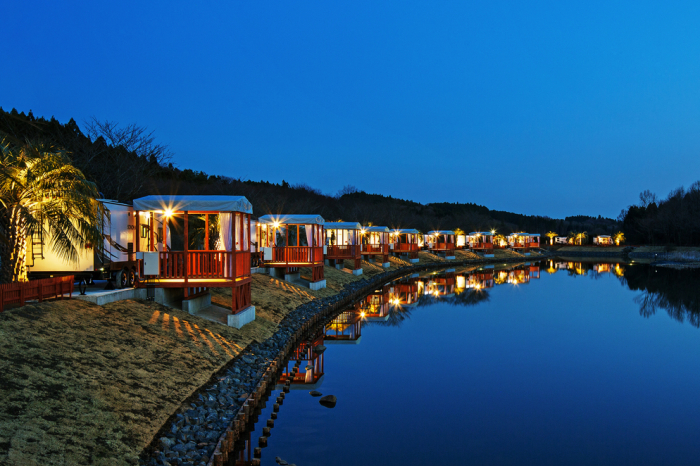
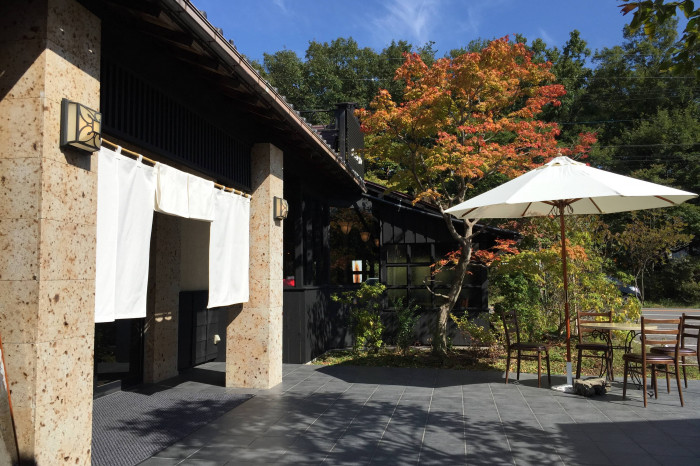
This modern art museum was created by transforming an old rice stone warehouse, redesigned by internationally acclaimed architect Kengo Kuma. The building itself is a beautiful space composed of stone, water, and light, making it not only a cultural site but also a popular photo spot. In winter, as the daylight fades, the lights from each building—divided by a flowing waterway—create a magical and dreamy atmosphere, offering a breathtaking seasonal view. Kengo Kuma (born 1954) is one of Japan’s most celebrated architects, known for projects such as the Nezu Museum in Aoyama, Tokyo, and GINZA KABUKIZA. More recently, he gained worldwide recognition for designing the new National Stadium in Tokyo. His architectural style, which features natural materials and lattice designs, is highly praised both in Japan and abroad. After a renewal in November 2024, the museum reopened with several new features. A café now adjoins the entrance, offering drinks brewed by a professional barista using an espresso machine. The revamped “Stone Lounge” invites visitors to relax while enjoying furniture designed by Kengo Kuma. The roof of the main gallery—the largest of the museum’s three historical stone warehouses—has also been renovated using Ashino stone, the same material as the building’s exterior. The entrance area is freely accessible without an admission ticket, allowing guests to enjoy shopping or a casual drink even without entering the exhibition area.

Nikko kaido Oshu kaido TOCHIGI
Tochigi Central Park

Tochigi Central Park

This park in Mutsumi-cho, Utsunomiya City has a theme of "Water, Greenery, and Culture." It's arranged like a strolling garden and has a Western style sunken garden centered on a pond, as well as a Japanese garden. Their Green Consultation Center holds horticultural exhibits and other events. The Tochigi Prefectural Museum is also on the grounds. Astroll through Central Park in Utsunomiya reveals the beauty of each season. For example, in March and April camellias and tulips bloom; in June, find roses, hydrangea and wisteria; April to mid-June brings peonies; November, deciduous trees light up the park with red, yellow and orange."

Nikko kaido Oshu kaido TOCHIGI
Ryuka falls

Ryuka falls

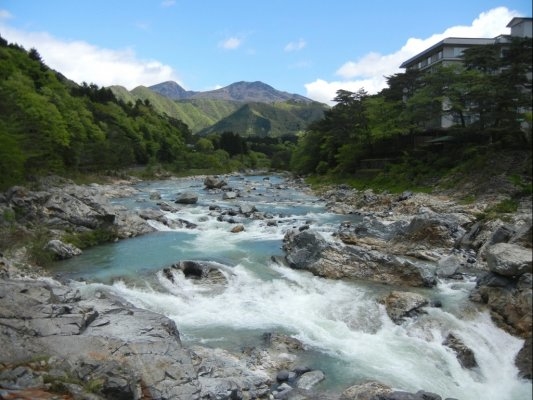
Ryuka Falls is a famous waterfall which flows and falls over 3 drops, and is both beautiful and imposing. There is a viewing platform close to the waterfall basin where visitors can feel the force of the waterfall. Even among the many waterfalls of Shiobara, said to be as many as 100, this fall ranks in the top 10 most famous. There is a promenade which makes for an easy to walk course, which is only a short distance and with very little height variation, making it easy for even for families to enjoy the walk together."

Nikko kaido Oshu kaido TOCHIGI
Ooyaji Temple(Ooya Kannon)

Ooyaji Temple(Ooya Kannon)

The beginning of Ooyaji Temple Nearby the Utsunomiya City, the Ooyaji Temple has been built surrounded by a cavern. Within the temple are 10 stone carvings of buddha carved directly into the cavern wall including Japan’s oldest statue of the goddess Kannon (the Oya thousand-armed Kannon).   It is said that long time ago, a venomous snake was living in the Oya area and every creatures were killed by its poison. In A.D. 810, a famous monk Kukai Daishi heard this story and stayed at this area for a few days. When he left, he told people that the snake would never come back again. People found that there was a Senju Kannon (also known as Ooya Kannon) carved into the cavern, and built this temple for thanking Kukai Daishi.   Symbol of Japan's Silk Road, the Ooya Kannon In recent study, scholars had found some similarities between Ooya Kannon and the Buddhas of Bamiyan. It is believed to be Japan’s Silk Road heritage carved by Afghan monks.   When you visit, please join your hands in prayer for world peace and happiness for people while reflecting on Kannon’s great heart.

Nikko kaido Oshu kaido TOCHIGI
Nasu Orgel Museum

Nasu Orgel Museum

This music box museum is located in Nasu County, Tochigi Prefecture. Its permanent exhibit features 100 items including antique music boxes, mechanical musical instruments, and other items, most of which are from the collection of music box collector Kiyoshi Sato. The museum mainly exhibits antique music boxes made in the 19th and 20th centuries in Europe and the Americas. Visitors can enjoy explanations and music box performances by the staff for 20 minutes every hour. Visitors to the museum, which is visited by many tourists, can also enjoy activities such as making their own music box."

Nikko kaido Oshu kaido TOCHIGI
Lake Ikari

Lake Ikari

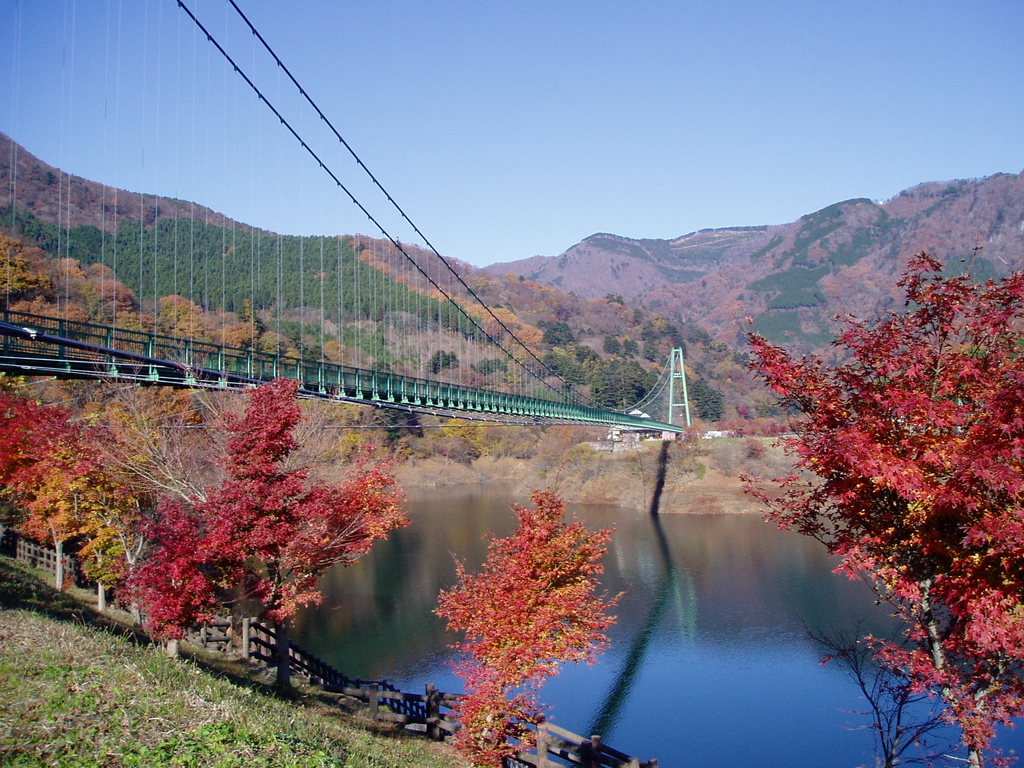
Lake Ikari is a reservoir on the Ojikagawa River, downstream of Yunishigawa Dam.The lake's name, which means ""50 'ri' lake,"" is derived from the fact the lake is located 50 'ri' from Nihonbashi in Edo. During the fall foliage season from mid-October to early November, the lake and the fiery leaves of the trees on its shore create a beautiful contrast, attracting large numbers of visitors. Around May 5th each year, koinobori carp streamers can be seen ""swimming"" as they are flown from the top of Ikari Dam.""

Nikko kaido Oshu kaido TOCHIGI
Kinugawa Onsen Night Cherry Blossom Event “Kinugawa Mangekyo”

Kinugawa Onsen Night Cherry Blossom Event “Kinugawa Mangekyo”

Cherry blossom viewing spots in Kinugawa Onsen, “Gokoku Shrine” and “Onsen Shrine” Located at the foot of the Kinugawa Cable Car, Gokoku Shrine and Onsen Shrine are one of the most famous cherry blossom viewing spots in Kinugawa Onsen and Tochigi Prefecture. During the cherry blossom season, a week-long cherry blossom lighting event called “Kinugawa Mangekyo” is held. From 6:00 p.m. to 8:30 p.m., the cherry blossoms are lit up, creating an otherworldly, beautiful scene that is sure to mesmerize. In addition to night lighting events, the venue also hosts mini concerts, cherry blossom banquets, and other events that allow visitors to immerse themselves in the world of nighttime cherry blossoms with their friends and family.   Convenient transportation During the event period, there are two main ways to get to the venue from Kinugawa Onsen's various lodging facilities. The first is to take the shuttle buses prepared by the event organizers (contact the official website for details on how and where to take them), while the second is to call a cab from your hotel and tell the taxi driver to “鬼怒川万華郷・定額タクシー利用 (Kinugawa Mangekyo, flat-rate cab use)”, and you will be able to go to the venue with a fixed fare of 1,000 yen.

Nikko kaido Oshu kaido TOCHIGI
Mibu-machi Toy Museum

Mibu-machi Toy Museum

The Mibu-machi Toy Museum provides displays of model trains on an elaborate landscape diorama along with a model train driving experience. 18 world heritage sites including temples and shrines of Nikko are placed on the N-gauge (25m2) diorama. The driver’s seat on the HO-gauge (37m2) provides excellent views, and is equipped with a sound system to give visitors a realistic railway experience.   The museum has an interactive app-based game, which you can unlock fun quizzes and characters on your device. Collect answers and points within the specified time limit to break the hidden seal in the castle! The app is the perfect way for the whole family to play and learn about the museum.

Nikko kaido Oshu kaido TOCHIGI
Ryuzu Falls

Ryuzu Falls

Ryuzu Falls cascades 210 metres down 10-metre wide terraces of volcanic rock from a historic eruption of Mount Nantai. The name “Ryuzu” (dragon’s head) comes from the presence at the base of the falls where a huge rock splits the waterfall in two. The area is popular for its stunning views of red and purple azalea blossoms from May to June as well as the autumnal red leaves in late September. The viewing platform offers the best view of the waterfall surrounded by the colours of the season. Ryuzu Falls is a popular location for visitors and is known as one of the five best falls in Nikko,along with Kegon Falls,Kirifuri Falls,Urami Falls, and Yudaki Falls.

Nikko kaido Oshu kaido TOCHIGI
Yumoto Onsen

Yumoto Onsen

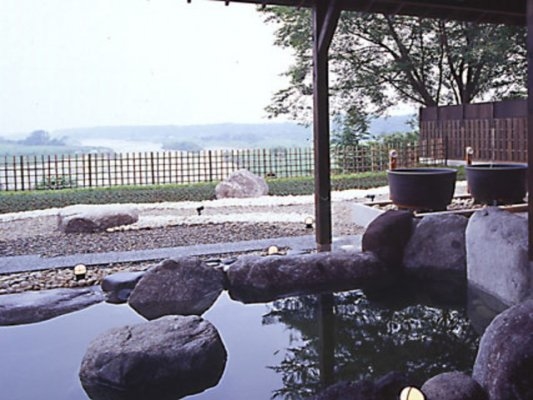
A peaceful Onsen town on the northern shore of Lake Yunoko, situated in the heart of Nikko National Park. It is said that the Buddhist monk Shodo Shonin, who first built a temple in Nikko about 1200 years ago to introduce Buddhism to the area discovered the Onsen. The milky-white sulphur-infused water is said to help with neuralgia and rheumatism. You can try it out in the foot bath known as “Anyo-no-yu” available free of charge in the town.(Closed for winter)   Taking in the tranquil landscape of the lake and mountains beyond clouds of steam, the Onsen provides a relaxing soak in the midst of some great nature.

Nikko kaido Oshu kaido TOCHIGI
Bannaji Temple

Bannaji Temple

History of Bannaji Temple On the site of the present-day Bannaji Temple, a powerful samurai called Minamoto no Yoshiyasu, who was as famous as Taira no Kiyomori and Minamoto no Yoshitomo (the father of Minamoto no Yoritomo and Minamoto no Yoshitsune) built his castle at the end of Heian period. He is the first generation of Ashikaga family.   In 1196, Ashikaga Yoshikane, the son of Yoshiyasu, built a hall dedicated to Dainichi Nyorai, and the 3rd head of Ashikaga family, Ashikaga Yoshiuji, built a hall tower and other buildings. Since that, the Bannaji Temple bacame the clan temple of Ashikaga family. 150 years later, the 7th head of the family, Ashikaga Takauji, founded the Muromachi Shogunate, which gave the Ashikaga family the reign of Japan. Even in the Edo period, as the temple of the Ashikaga family, the direct descendant of the Minamoto clan, was revered and protected by the Tokugawa Shogun, who claimed to be a member of the Minamoto clan.   Became the National Treasure of Japan In 1923, Bannaji Temple was designated as a National Historic Site as the "Ashikaga Family Residence". The main hall, the bell tower, and the sutra hall were designated as National Important Cultural Properties. It was selected as the one of the 100 most famous castles in Japan. The 40,000-square-meter territory is laid out in a square shape, surrounded by a circular fortress and a moat, and retains the characteristics of the Kamakura period's Buke Yashiki (samurai's house).   Annual Events On February 3, the temple hosts the Ashikaga Setsubun Armor Parade, in which more than 150 participants dressed as samurai and wearing armor parade to Bannaji Temple and then perform the bean-scattering ceremony. In spring, you can enjoy cherry blossoms, and in fall, you can see the leaves of the city's natural monument, the Ginkgo tree (about 600 years old), turn yellow, and the beauty of the tree is breathtaking.      

Nikko kaido Oshu kaido TOCHIGI
The Kurobane Hydrangea Flower Festival

The Kurobane Hydrangea Flower Festival

Kurobane Castle Ruins Park is known and loved for its flowers; the Kurobane Hydrangea Flower Festival is held here when the roughly 6,000 hydrangeas in the area come into bloom.   From inside the park, visitors can admire the flowers that line the old moat from the bridge. During the festival, various events including a haiku contest and photography contest are held, and stalls are set up. In the evening (from 7:00 pm to 9:00 pm), the hydrangeas are lit up so that visitors can admire them even at night-time.

Oshu kaido Nikko kaido TOCHIGI