
Greater Tokyo

See & Do

reset
Kubo Memorial Tourism and Cultural Exchange Center

Kubo Memorial Tourism and Cultural Exchange Center

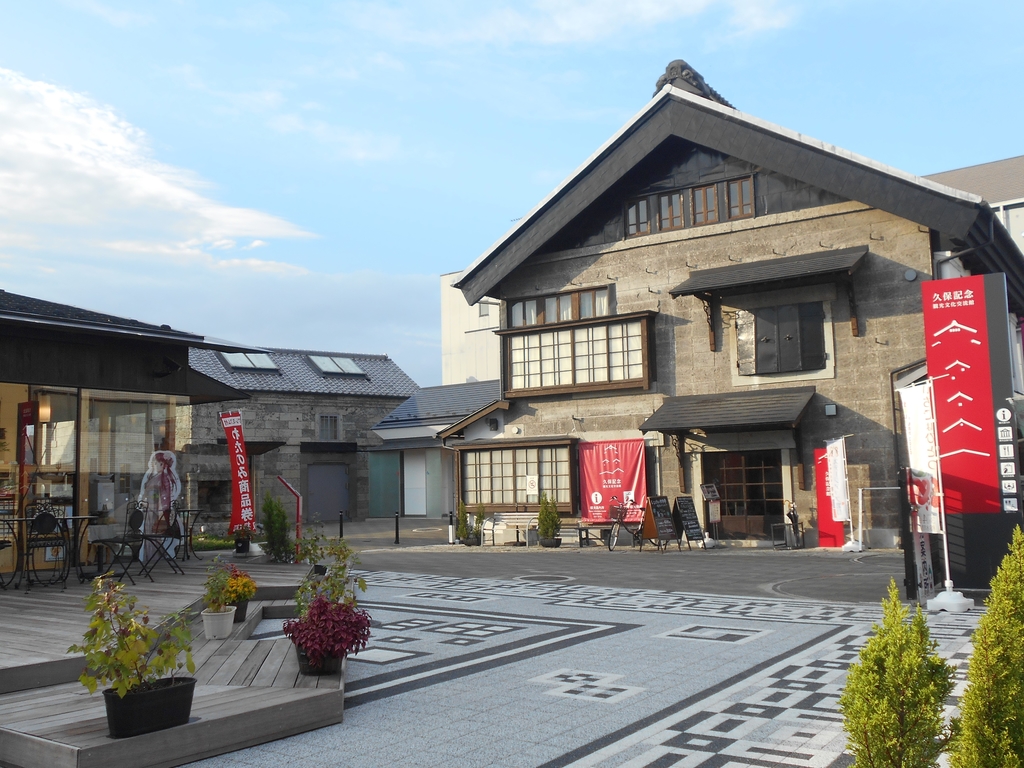
The residence of Sadajiro Kubo, an art critic connected with Moka City, has been given new form as a tourism center. There are a total of five buildings here, which include a Tourism Product Promotion Center and an Italian restaurant, in addition to historical buildings consisting of an Art Exhibition Hall built in 1923, a Tourism Town Development Center built in 1879, and the Kubo Memorial Hall built in 1907.

Nikko kaido Oshu kaido TOCHIGI
Coco Farm and Winery

Coco Farm and Winery

Coco Farm and Winery offers tours of the winery, a fine selection of wines and food prepared with freshly picked local vegetables. Enjoy lunch at the restaurant with an incredible view of the vineyards. Stroll up to the hill top with a glass of wine in hand and sit back and relax under white parasols to enjoy sunshine! The stylish bottles available in the shop are perfect for souvenirs. Or why not stay overnight at one of the local Ashikaga hotels after a day of exploring?

Nikko kaido Oshu kaido TOCHIGI
Kirifuri-kogen Highland (Kirifuri-kohgen)

Kirifuri-kogen Highland (Kirifuri-kohgen)

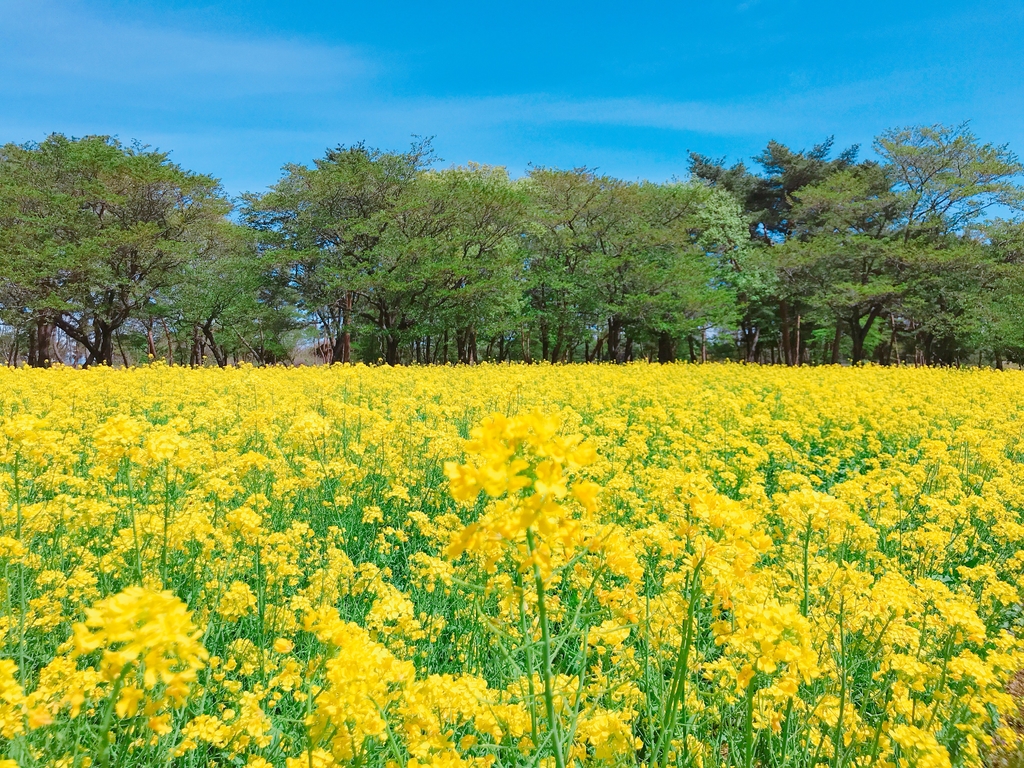
These highlands, situated 1,200 metres above sea level, are a paradise of alpine plants and are well-known for the “Nikko Kisuge”. With 260,000 Nikko Kisuge blooming from late June to mid-July, the grasslands are carpeted in these bright yellow lilies. Walking paths through the fields are available. Enjoy azaleas in spring, autumn colours and skiing in winter! There are selections of restaurants, accommodations and leisure facilities to satisfy couples and families.

Nikko kaido Oshu kaido TOCHIGI
Kinugawa Onsen “Oni” Festival

Kinugawa Onsen “Oni” Festival

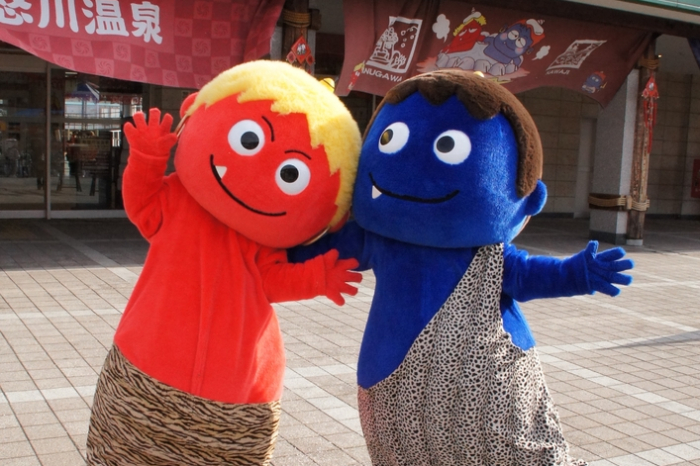
Setsubun Season – Celebrating with “Oni” from Around the World to Pray for Good Fortune and Drive Away Evil The Kinugawa Onsen “Oni” Festival (Shōfuku Oni Matsuri) is a winter celebration that combines the “Oni” in Kinugawa’s name with Japan’s Setsubun traditions. Held annually from late January to late February, the entire Kinugawa Onsen area becomes a festive stage where people and “oni” dance together to bring good luck and ward off evil. With the theme “Demons of the World Gather in Kinugawa – Humans and Oni Join in Festive Exorcism,” the event is both a blessing ceremony and a lively, family-friendly celebration. One of the highlights is the “SL Shōfuku Oni Train,” where participants dressed as oni ride a steam locomotive and interact with adorable local mascot characters like “Kinuta,” “Kinu-chan,” and “Kawa-chan.” Visitors can also enjoy taiko drum performances, monkey shows, chainsaw wood carving, demon-themed food, cultural experiences, and stamp rally games. It’s one of Kinugawa’s most vibrant seasonal events during the Setsubun period.

Nikko kaido Oshu kaido TOCHIGI
Omaruyama Hotel

Omaruyama Hotel

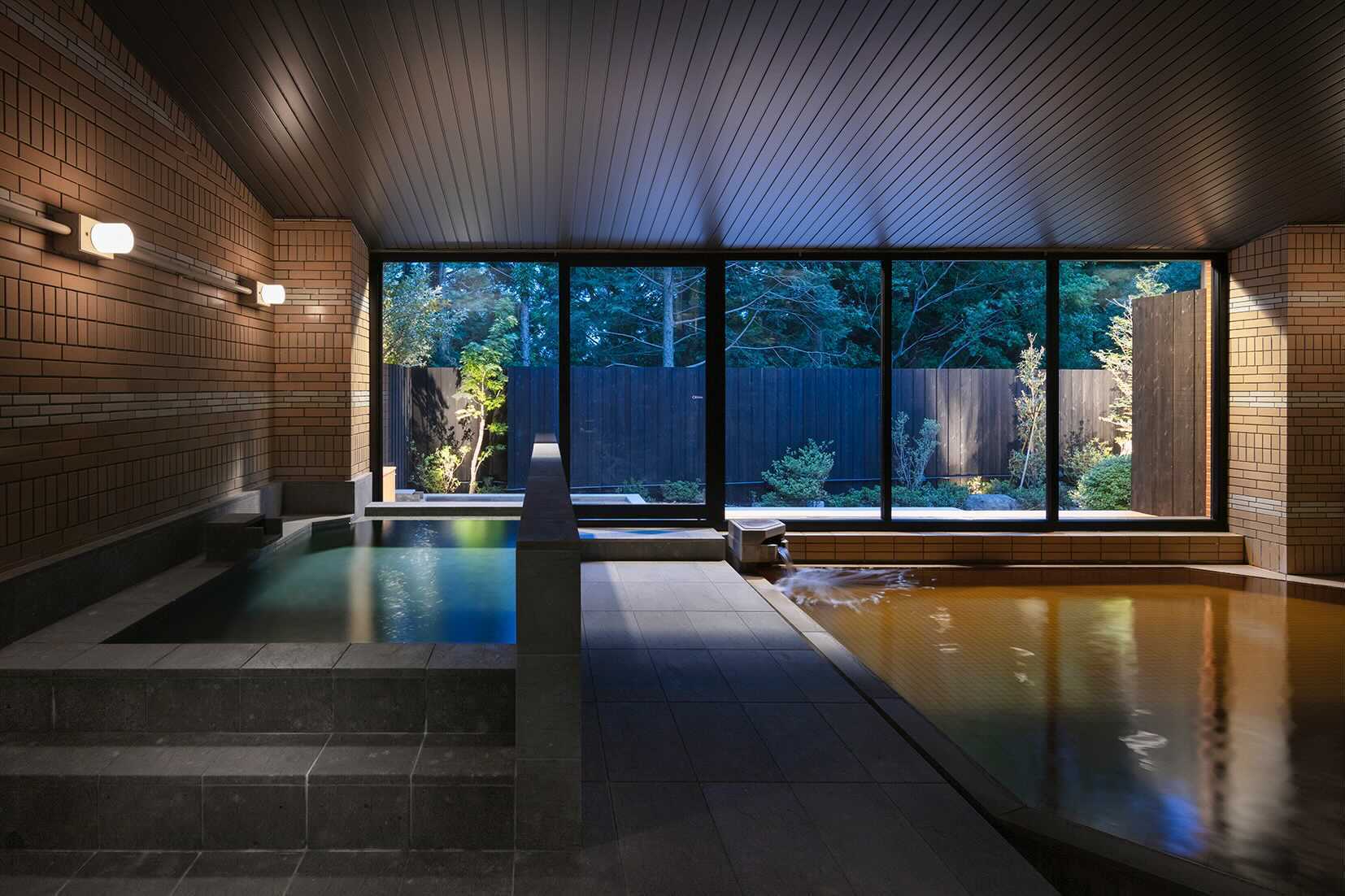
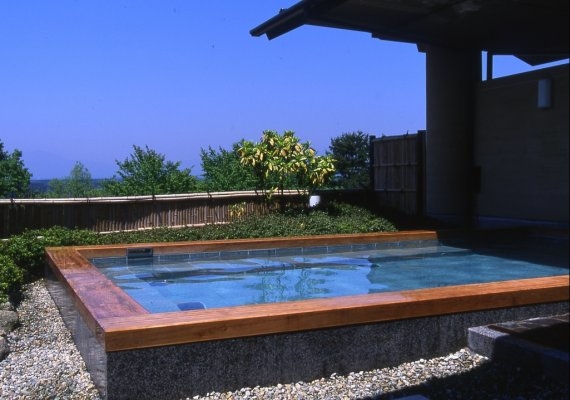
his hotel was built with the hope of allowing visitors to experience the nature and history of this land, which local people have cherished for many years, while enjoying a comfortable stay.   The hot springs here are sourced 100% from "Kitsuregawa Onsen", one of Japan's top three beautifying hot springs. Renowned as one of the finest quality hot springs in the country, it gently removes dead skin cells, has high heat retention and moisturizing properties, and helps prevent dryness. Our guest rooms, surrounded by lush forests, offer a peaceful and relaxing environment.   One of the highlights of your stay is our cuisine, which features creative dishes that showcase the freshest local ingredients and are designed to be "enjoyed with all five senses".   Why not visit our hotel and experience our warm hospitality filled with the charm of the local area?   【About the Hot Spring】 Water color: Brownish Spring quality: Chloride spring Therapeutic effects: Rheumatism, diabetes, chilblains, acne, etc.

Oshu kaido Nikko kaido TOCHIGI
Nikkozan Yumoto Onsenji Temple “16-Character SHAKYO or SHABUTSU (Copying Buddha’s picture) Experience”

Nikkozan Yumoto Onsenji Temple “16-Character SHAKYO or SHABUTSU (Copying Buddha’s picture) Experience”

"Nikkozan Yumoto Onsenji Temple" is a branch temple of the world heritage site "Nikkozan Rinnoji Temple". Its history dates back to 788 when Shodo Shonin, the founder of mountain worship in Nikko, discovered a hot spring and enshrined Yakushirurikou-nyorai (the Buddha of healing) to alleviate suffering. Since the Meiji era, it has been known as a hot spring resort for common people seeking recovery and longevity.   While traditional sutra copying or Buddha tracing involves transcribing the entire sutra or drawing the entire image, Onsenji Temple offers original templates designed to be completed in approximately 15-20 minutes. For the Onsenji 16-character sutra copying, you will trace a section of the Yakushi Sutra written in light ink using a brush pen. For Buddhist image copying, you will trace the outline of a Buddha drawn in light ink using a brush pen.   Both practices allow individuals to connect with the Buddha, receiving their blessings and promoting mental and physical relaxation. The time spent engaging in sutra copying and Buddha tracing, fostering a deeper connection with the Buddha and oneself, is truly invaluable. As a token of your experience, participants who complete sutra copying or Buddha tracing and offer their work will receive a special temple stamp. Note: Brush pens are available for rental.   【About the Hot Spring】 Color of the hot spring water: Milky white Note: The source water is colorless, it turns milky white due to oxidation. * Be cautious as the colorless spring water is very hot. Quality of spring water: Sulfate and hydrogen carbonate hot spring. Therapeutic effects: Cuts, cold extremities, fatigue recovery, and more. Caution: Shampoo and body soap are not provided. Please bring your own if necessary.

Nikko kaido Oshu kaido TOCHIGI
TERAYAMA KOSEN (Terayama Hot Spring)

TERAYAMA KOSEN (Terayama Hot Spring)

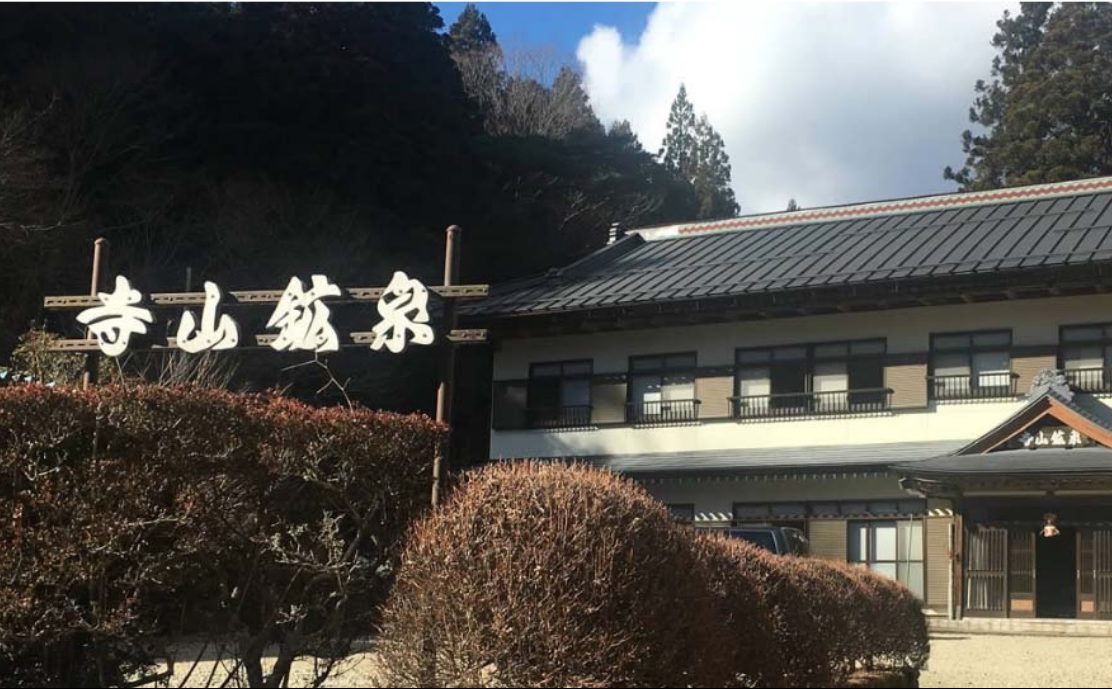
Toji-ba is a place where people stay for extended periods to undergo therapeutic treatments using hot spring baths. In Japan, this has long been cherished as a traditional method of promoting health and wellness. "Terayama Hot Spring" is said to have healing powers for various ailments. The high-quality spring water, rich in iron, is known as the "Miracle Bath" and comes highly recommended even by medical professionals. When consumed, it is effective in treating anemia, gastrointestinal diseases, and constipation. When used for bathing, it improves blood circulation, promoting detoxification and relieving various types of pain. Furthermore, the meals at the inn are prepared with the intention of "eating healthy and safe food to become energized," and they use organic vegetables grown without pesticides and local wild mountain vegetables. Please visit according to your travel style, whether it's a day trip or an overnight stay.   【About the Hot Spring】 Water color: Reddish brown (after heating) Quality: Ferruginous spring Therapeutic effects: Drinking: Anemia, gastrointestinal diseases, constipation, etc. Bathing: Neuralgia, rheumatism, gastrointestinal diseases, gynecological diseases, diabetes, atopic dermatitis, etc.

Nikko kaido Oshu kaido TOCHIGI
Moka Momen Kaikan

Moka Momen Kaikan

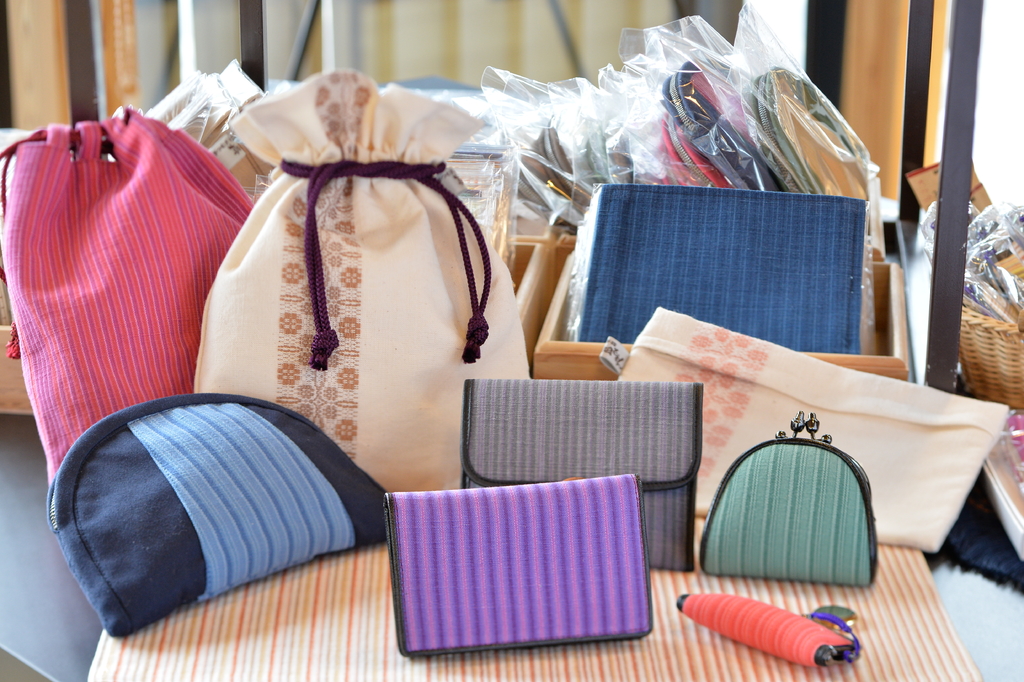
Moka Momen is a traditional fabric made in Moka City, which is so smooth to the skin that it resembles silk. It reached the height of its popularity during the late Edo period, but the work to create it, from cultivating cotton to spinning, dyeing, and weaving fabric, has been inherited by the Moka Momen Kaikan where even today it is all performed by hand just as it was long ago. In addition to fabric for kimonos, items perfect for everyday use are also produced.

Nikko kaido Oshu kaido TOCHIGI
Michi-no-Eki Yunishigawa

Michi-no-Eki Yunishigawa

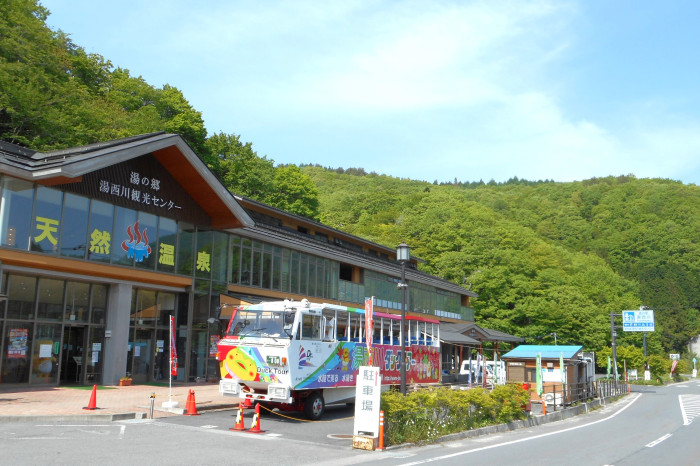
Michi-no-Eki Yunishigawa is a roadside station located in the north of Nikko, about 300 metres from the former Aizu-nishi highway (Route 121). It offers natural hot springs and a stone sauna, and local delicacies such as smoked salamander, strawberry buns and Bandai-mochi rice cake (not available in winter). The cafeteria serves uniquely dam-shaped rice and curry as well as locally produced soba noodles. Look out for Kurippa here, a local mascot based on a folk tale of the mythological creature Kappa. Accommodation can be arranged at the information desk. The car park has rapid charging points for electric vehicles. Located 600 metres above sea level, the location offers fine views of the natural surroundings. Enjoy the seasonal beauty of verdant greens, autumn leaves and snowy winter scenes.

Oshu kaido Nikko kaido TOCHIGI
Kurobane Furusato Bussan Center Restaurant

Kurobane Furusato Bussan Center Restaurant

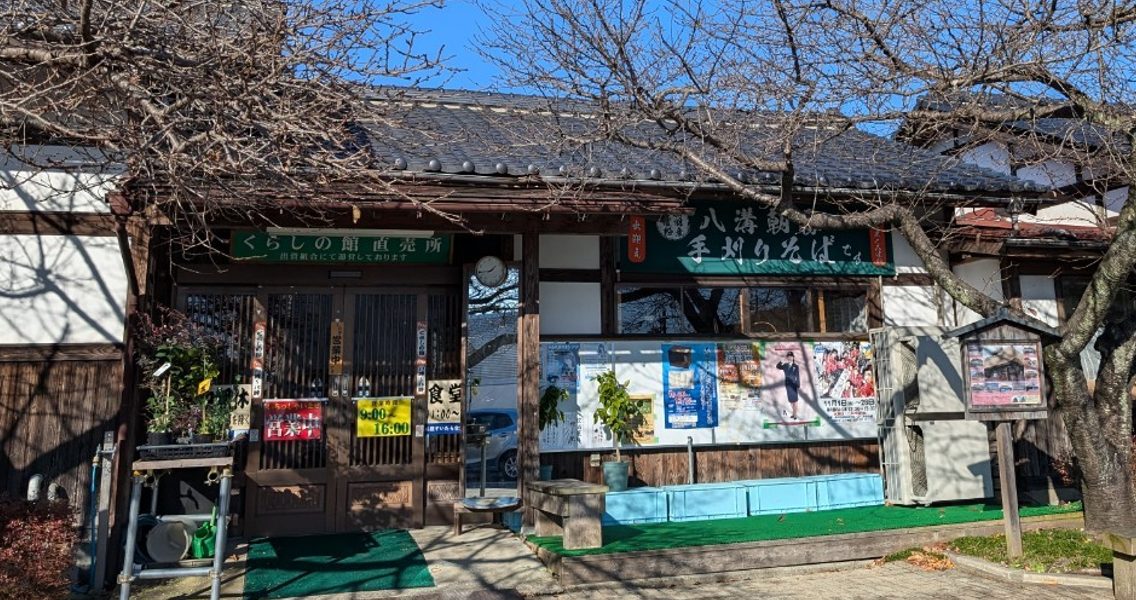
A traditional Japanese house built over 170 years ago has been relocated to the Kurobane Furusato Bussan Center. This building with a thatched roof houses Kurashi no Yakata and a restaurant. At the restaurant, ‘Oroshi Soba ― Yamizo Asagiri hand-picked soba ―’ is one of the popular menu items made with locally produced buckwheat flour. Adjacent to the restaurant is the Bussan Center. There, you can buy delicious vegetables produced by local farmers and steamed buns made with love. They also sell additive-free homemade miso called Ginjo Ichinen Miso. It is popular because miso soup made with this miso in the morning stays tasty until night.

Nikko kaido Oshu kaido TOCHIGI
Yamaage Center

Yamaage Center

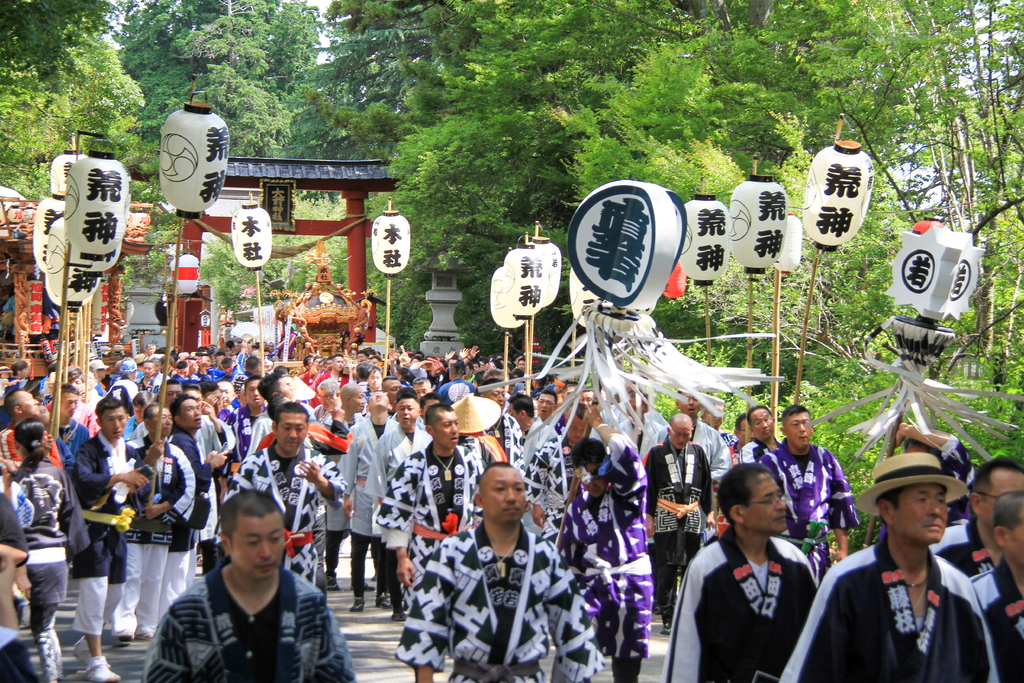
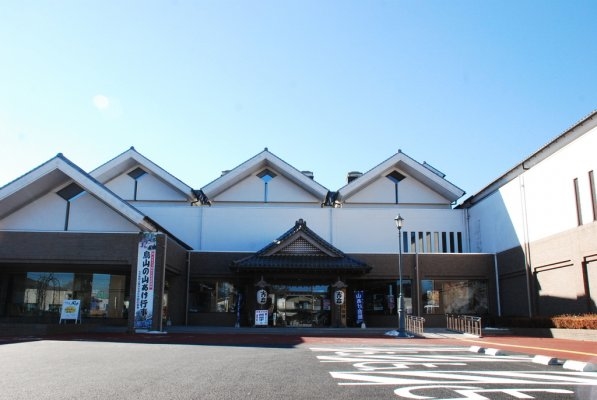
This museum features permanent exhibits about the Yamaage Matsuri of Karasuyama, UNESCO Intangible Cultural Heritage and a National Important Intangible Cultural Heritage. At this facility, a human-like robot named Kansuke Jiisan (Grandpa Kansuke) provides a detailed explanation of the Yamaage Festival. Visitors can get a close look at the large stalls actually used for the festival as well as a one-fifth-scale replica of the actual stage. Local specialty products are sold at the convenient tourist product corner offering the perfect souvenirs."

Nikko kaido Oshu kaido TOCHIGI
Tochigi Prefectural Museum of Fine Arts

Tochigi Prefectural Museum of Fine Arts

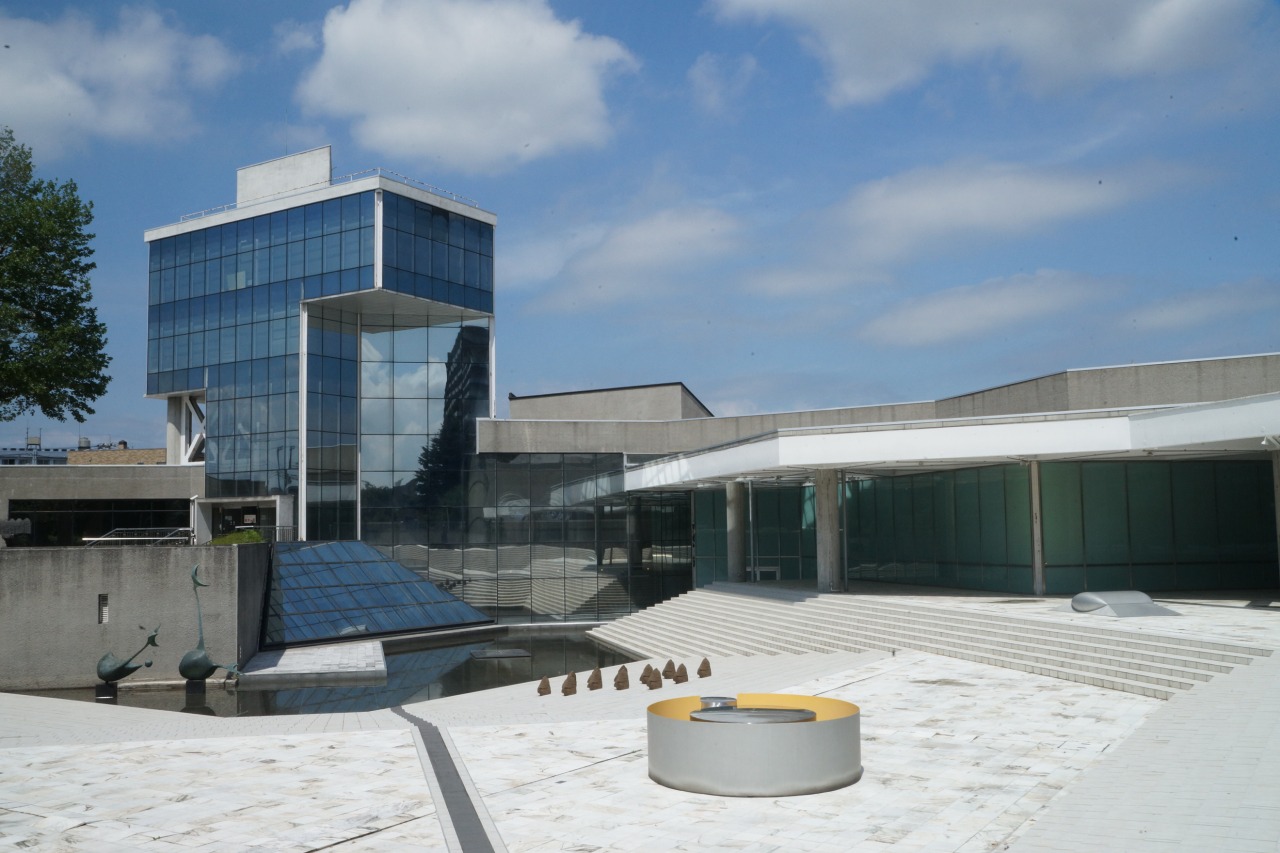
The Tochigi Prefectural Museum of Fine Arts opened in 1972 as one of the first public museums of modern and contemporary art in Japan. Kiyoshi KAWASAKI designed the museum architecture including the collection galleries built in 1981. This art museum's collection spans local and domestic artists as well as works from western Europe, and their 9,000-piece collection includes examples of paintings, woodblock prints, illustrations, photographs, and handicrafts. In the Meissen Porcelain Collection Room, around 100 works are displayed. The exhibits from the best collection of Meissen porcelain in Japan are rotated about 4 times annually."

Nikko kaido Oshu kaido TOCHIGI