

Greater Tokyo

See & Do

reset
Yakushiji Hachimangu Shrine

Yakushiji Hachimangu Shrine

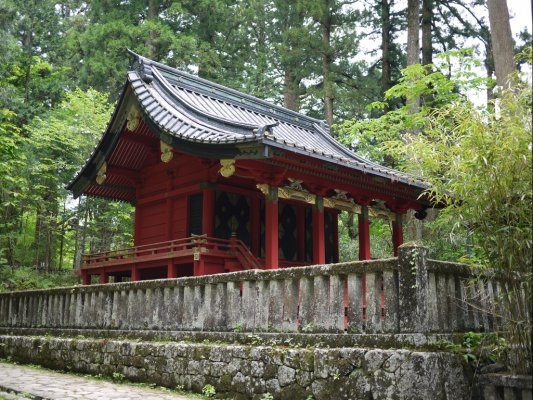
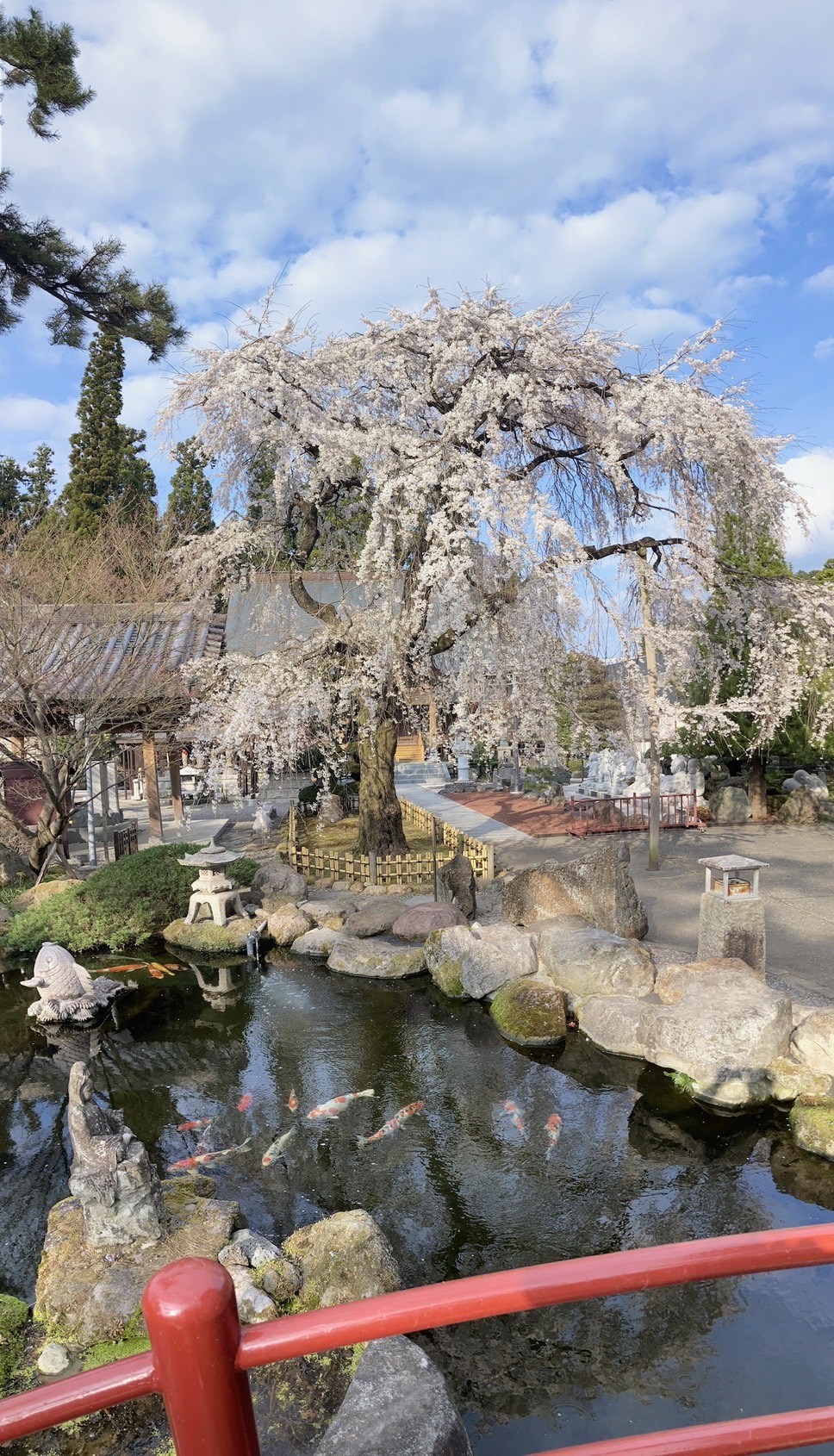
Yakushiji Hachimangu Shrine is also referred to as "Hachiman for warding off misfortune and disaster" and attracts a large number of worshippers.It was also known as the patron saint of the Genji and is known as a shrine where prayers are answered as Minamoto no Yoriyoshi and Minamoto no Yoshiie pracyed for victory in battle there. The shrine has long served as a patron saint for successive feudal lords and a center of faith for the people."

Nikko kaido Oshu kaido TOCHIGI
Mamada Hachimangu Shrine

Mamada Hachimangu Shrine

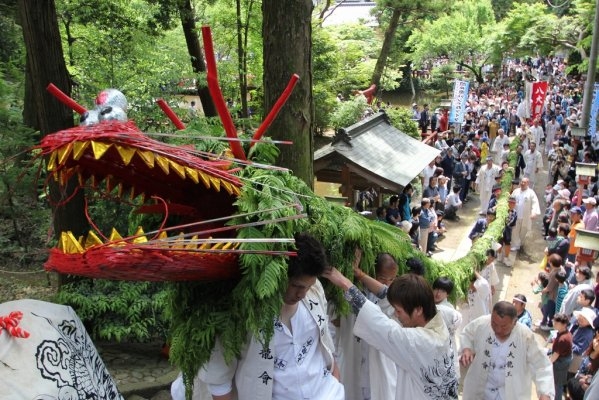
Mamada Hachimangu Shrine is said to have been founded as far back as nearly 1200 years ago during the years of the Tenpyo Era.On Children's Day on May 5 every year, the "Jya Matsuri" (Snake Festival), which is a Tochigi Prefecture Intangible Folk Cultural Asset, is held and enjoyed by a great many people. In the spring cherry trees blossom and ceremonial sumo matches are held in September, as well as a variety of other events making the shrine very popular. The shrine's dohyo was also the filming location for “Thermae Romae II”."

Nikko kaido Oshu kaido TOCHIGI
Ryushun Falls

Ryushun Falls

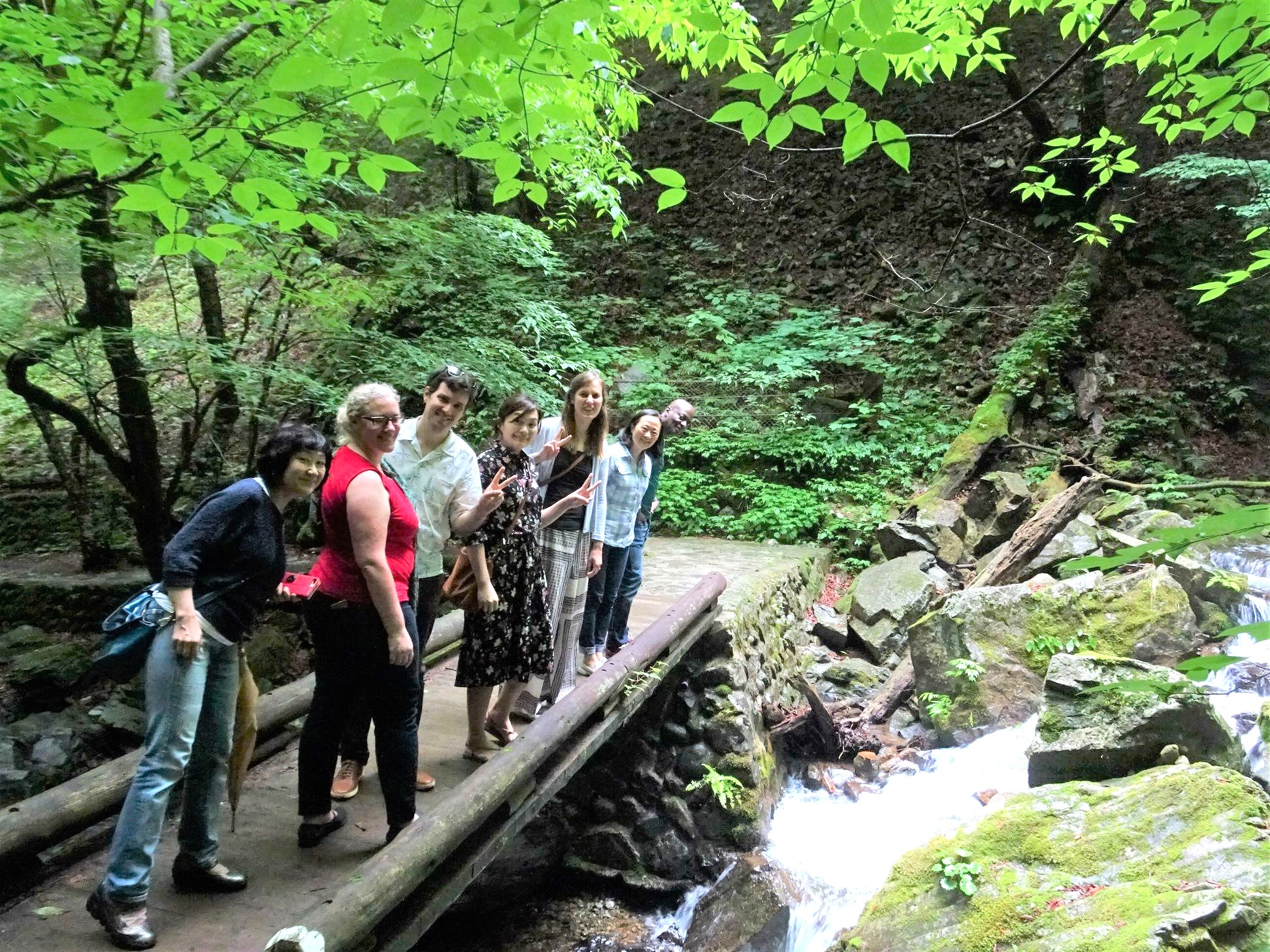
The waterfall can be reached via a 10 minute walk from the Ryushun parking area on the left side of the road past the Saruiwa Tunnel on National Route 400. Just past the Ryushun no Tsuribashi suspension bridge, the falls are 15 meters tall. The falls’ name means “spring flowing,” said to be an allusion to the fact that the falls dry up for three months in winter and don’t start flowing again until spring. Although not a particularly strong waterfall, the sight of the waters quietly flowing over the bare rock wall is elegant and soothing. The area around where the Ryushun no Tsuribashi suspension bridge crosses Senryu Gorge is also quite beautiful and popular destination to walk."

Nikko kaido Oshu kaido TOCHIGI
Daichuji Temple

Daichuji Temple

Daichuji Temple is a temple which is famous as the place where Uesugi Kenshin and Hojyo Ujiyasu made peace in 1568. This famous Buddhist temple's main gate is a rare example of ancient temple architecture. The grounds also include seven legendary "wonders": A hearth kept constantly lit to ward away a ghost; a set of stairs whose use is prohibited because they are said to bring bad luck; the "rootless" wisteria which grew from a cane; a well which is said to make the sound of horse hooves and neighing; a haunted toilet; a mountain to the east of the temple from which the sound of a wooden clapper can be heard by the head priest when danger threatens the temple; and a room where it is said that if you sleep in it, you will awaken lying in the opposite direction you fell asleep in. The history of the temple goes far beyond this however as it was originally built more than 800 years ago. The temple had the confidence of Tokugawa Ieyasu during the Edo period, and until the end of the Edo period was in a position of command as first among 3 leading temple at the head of the Soto sect. The temple is also home to a 200m path to the temple which is lined with hydrangeas and is spoken of in the Seven Wonders of the World and is also one of the "Tochigi Top 100 Scenic Places"."

Nikko kaido Oshu kaido TOCHIGI
Boken Katsudo Center

Boken Katsudo Center

The Utsunomiya City Adventure Activity Center is a hands-on learning facility for children with little opportunity to come in contact with nature to develop creativity, teamwork and independence by learning about nature. The center has a full range of facilities including a spacious arena, an observation deck looking out on Mt. Nantai and the Nikko Mountains, wall climbing and an adventure area with a rope swing, a wooden bridge, a cave and more."

Nikko kaido Oshu kaido TOCHIGI
Mt. Ohira

Mt. Ohira

At Mt. Ohira in Tochigi City, you can enjoy seasonal scenery such as a tunnel of cherry blossoms in spring, hydrangea slopes in early summer, and autumn leaves in autumn. Located in the center of Tochigi city, it is a prefectural natural park that was designated in March 1955. From Kenshin-daira near the summit, you can get a panoramic view of the Kanto Plain, and the majestic view of the peaks below floating in mist has earned it the nickname Matsushima on land. From the observation deck you can also see Mt. Tsukuba, and on clear, sunny days you can even see the skyscrapers of Tokyo's subcenter and Mt. Fuji in the distance.

Oshu kaido Nikko kaido TOCHIGI
Kinuko no Yu (Foot Bath)

Kinuko no Yu (Foot Bath)

These foot baths are located in Nikko City, Tochigi Prefecture. These foot baths located on the right bank of the Kurogane Bridge that spans the Kinugawa River can be enjoyed while taking in the seasonal scenery of Kinugawa Gorge. A riverside promenade is located near the baths, allowing visitors to enjoy exploring the surrounding area while enjoying the views provided by Kurogane Bridge. Visitors are greeted at the entrance by a statue of Kinuko, the little sister of Kinuta, the local mascot of Kinugawa Onsen."

Nikko kaido Oshu kaido TOCHIGI
Roadside Station Nasunoyoichi no Sato

Roadside Station Nasunoyoichi no Sato

This roadside station is located on the side of National Route 461 in Otawara City, Tochigi Prefecture. It is notable for the fan-shaped roofs of each of its buildings. It features a wide variety of facilities including a farmer's market where visitors can buy fresh seasonal produce, a restaurant where they can enjoy their limited issue Yoichi Bento boxes, and more. The station, which is visited by many tourists, also features the Yoichi Denshokan, a museum dedicated to the samurai warrior Nasu no Yoichi."

Nikko kaido Oshu kaido TOCHIGI
Nikko Yumoto Visitor Center

Nikko Yumoto Visitor Center

Founded by Ministry of Environment of Japan in1994, the Nikko Yumoto Visitor Center provides information on hiking trails and seasonal highlights, so visitors can enjoy the natural environment to the fullest.   Visitors to the center can also learn about local seasonal attractions, such as the autumn leaves that bloom in the Oku Nikko area, or the flowers that bloom in season. There is also an exhibition on the ecology of Oku Nikko, where you can learn more about the natural environment of Oku Nikko through a diorama of the terrain, videos, and seasonal events. In addition to learning more about the best time to explore each area, you can also take a break here too.   Visitor Center also offers guided bird-watching tours, animal exploration tours, hiking, snowshoeing, and cross-country skiing tours, and occasionally hosts exhibitions on topics such as reducing the damage caused by deer farming, the history of Oku Nikko, and the culture of the local hot springs. Visitor Center's official website also recommends hiking routes, including the Nikko Shirane Mountain Route, the Yunokko Lake Route, and the Battlefield Plain Wetland Route.    

Nikko kaido Oshu kaido TOCHIGI
Shiobara Onsen Visitor Center

Shiobara Onsen Visitor Center

This tourist information center located in Nasushiobara City, Tochigi Prefecture provides explanations and guidance for the nature and promenade in Shiobara, and operates various walking plans. For example, it coordinates nature walking plans corresponding to the season and members, hikes with park conductors and nature learning activities. In addition, the visitor center has a rest corner where you can rest yourself after walking."

Nikko kaido Oshu kaido TOCHIGI
Shiobara Imagination Archives

Shiobara Imagination Archives

This composite facility can be found along the Shiobara Valley Line in Shiobara, Nasushiobara City. You’ll find exhibits on Shiobara’s history and literature as well as a shop selling souvenirs and local produce, a cafe and restaurant specializing in western dishes made with local ingredients. There’s also a foot bath facility utilizing on-site hot spring water as well as a tourism information section and valley observation platform. "

Nikko kaido Oshu kaido TOCHIGI