

All-You-Can-Grab Fish in kawaji & Obarazawa
You can experience grabbing freshwater fish by hand in the clear waters of the Ojikagawa rivers and Kinugawa Park. The fish you catch can then be cooked for you and eaten at your ryokan.
Total: 1715 items
You can experience grabbing freshwater fish by hand in the clear waters of the Ojikagawa rivers and Kinugawa Park. The fish you catch can then be cooked for you and eaten at your ryokan.
Isokawa Ryokuchi Park is a promenade built on a tree lined road along a natural riverbank, which allows visitors to get in touch with nature.The promenade is approx. 1.4km which takes about 30 minutes to walk, so even families with small children can easily enjoy the moderate length hike. There are arbors in 2 locations within the park where visitors can eat packed lunches they bring with them and have a "mini-hiking" experience."
The Shirasagi Shrine enshrines Yamato Takeru, the son of the Emperor Keiko the 12th emperor of Japan who was enshrined in 783.During those ancient days, Yamato Takeru carried the sword Kusanagi and travelled throughout Japan, leading the country to peace. Legend says that as a result, his soul turned into a swan and he continues to protect peace still.The shrine is also home to Japan's largest votive picture at a width of 8m and a height of 4m, which is known a votive picture which grants wishes and bestows happiness."
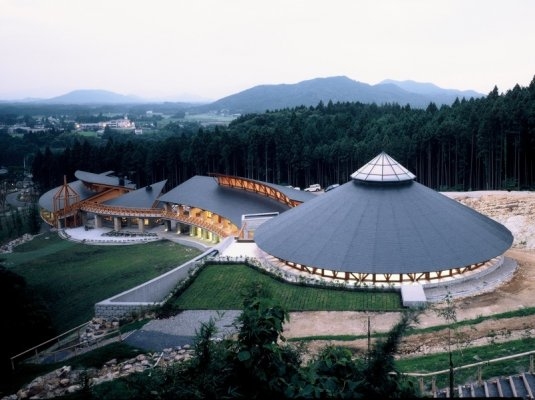
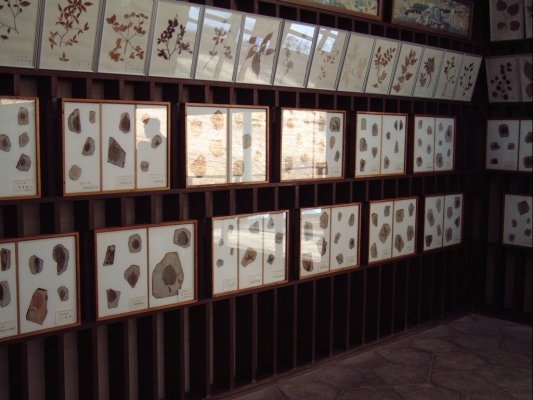
This outdoor science museum is located in Nasushiobara City, Tochigi Prefecture. First opened in 1905, the museum preserves and displays the fossils that have been excavated on its grounds. The exhibit room displays a wide variety of fossils and minerals collected from around the world, mostly notably the many fossils produced locally in the Shiobara area. "
This park is famous for its cherry blossoms, azaleas, hydrangeas, and other flowers. Some of the park's attractions include a Japanese garden, a French garden, and a garden with all the prefectural trees from across the country. Visitors can also enjoy a sweeping view of Nasunogahara from the top of the hill. The best time to see the park's roughly 1300 Yoshino cherry trees is from early to mid-April each year."
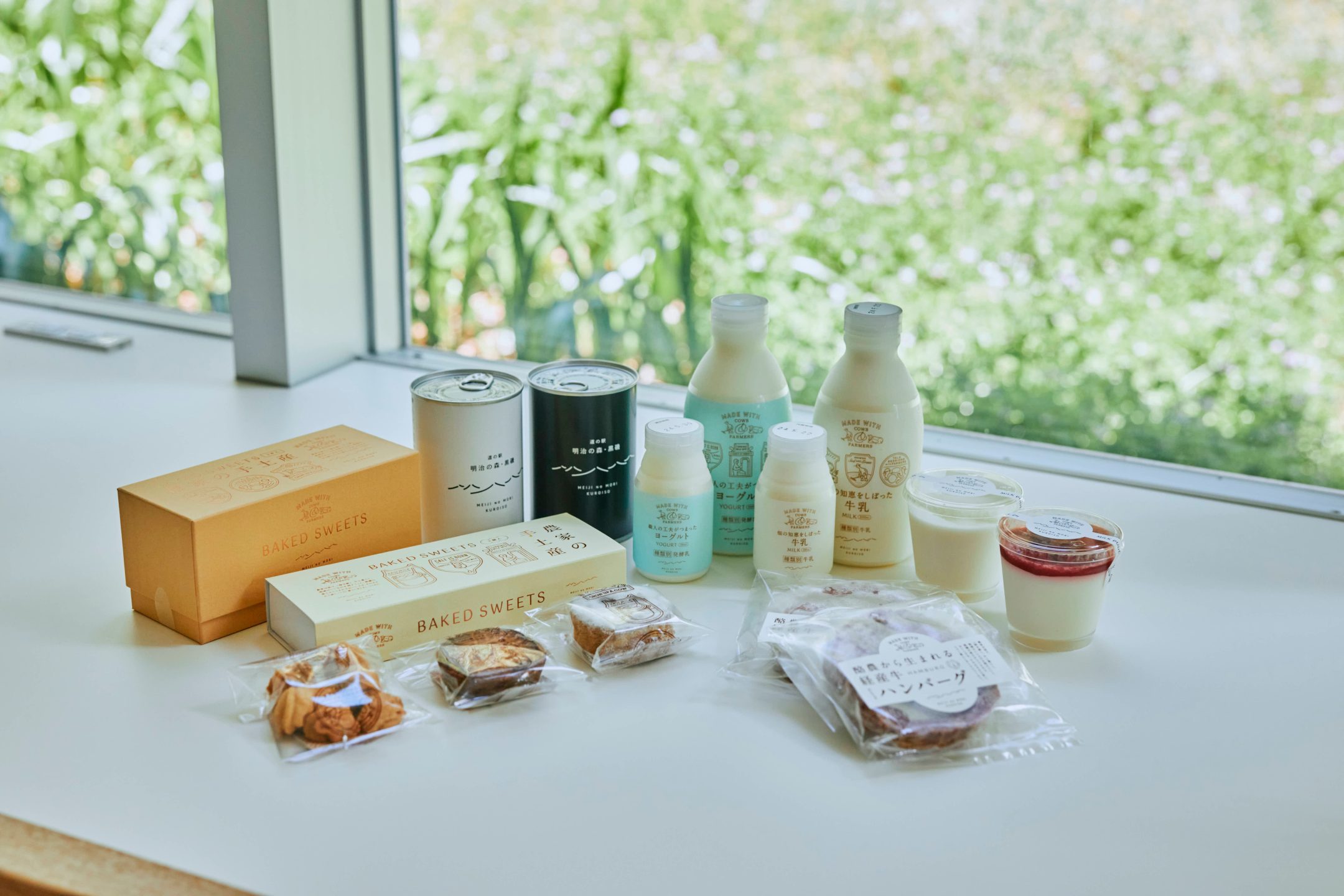
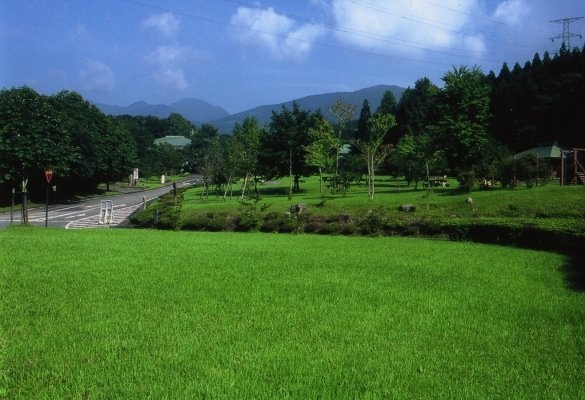
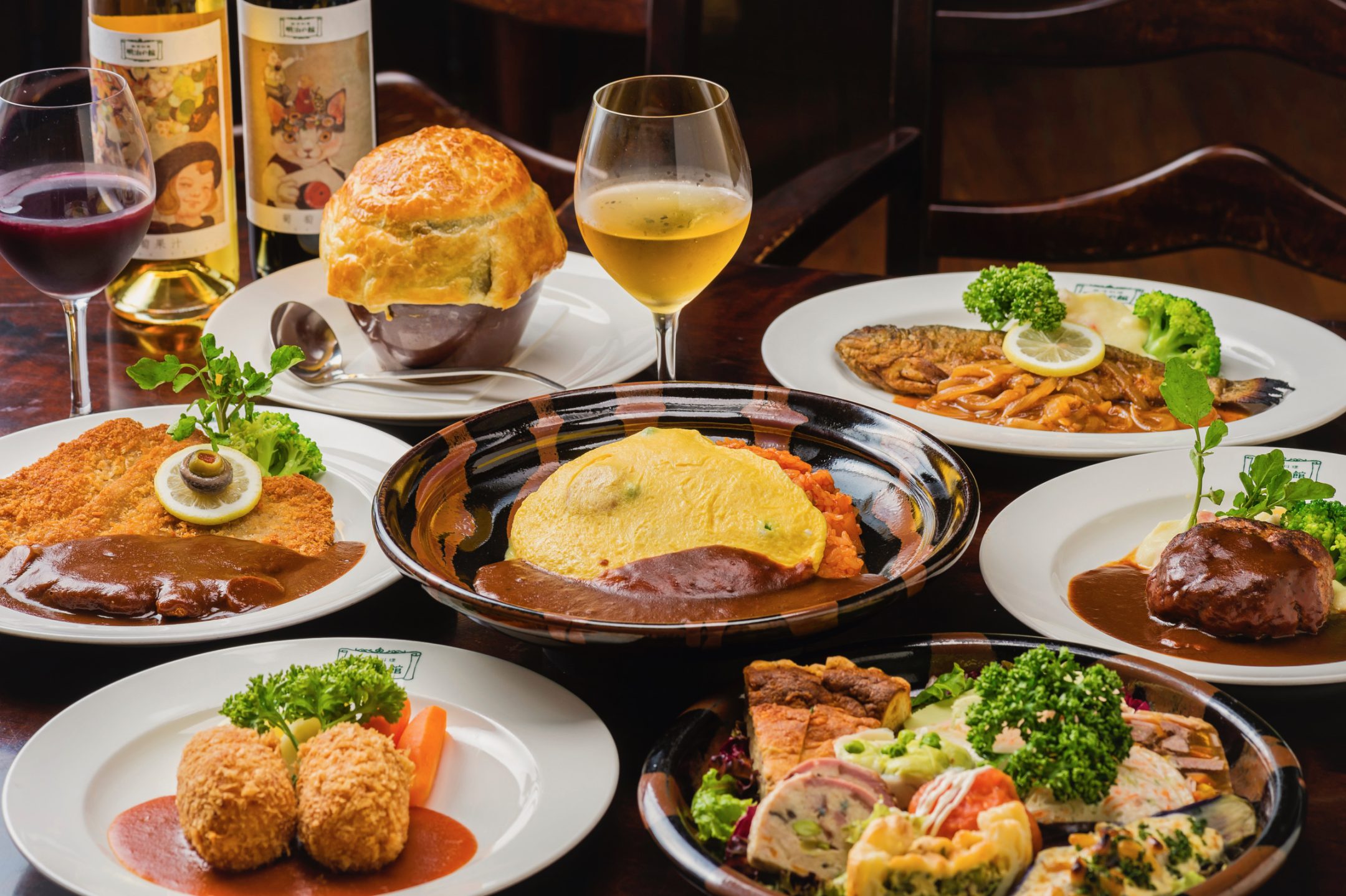
Roadside Station Meiji no Mori/Kuroiso was opened as a roadside station when improvements were made to the Aoki Nasu Bettei second home on a 7.5-hectare lot. This roadside station is located on the side of the Kuroiso-Tajima Route (Prefectural Route 369), which runs through Nasushiobara City, Tochigi Prefecture. It features farmer's market that offers fresh produce, local eggs, and dairy products,restaurant, a bakery, and more. It is located adjacent to the Former Aoki Family Nasu Villa. This villa that belonged to Aoki Shuzo is a nationally-designated Important Cultural Property."
The Takase Kanko Yana is a weir on the fresh waters of the Ara River.Come try fresh sweetfish cuisine while looking at the clear waters of the nearby Nakagawa River. You can even try your hand at catching sweetfish with their Yana traps. Enjoy robata-yaki in the tatami rooms and food cooked directly in front of you. The restaurant is open from June to November each year in accordance with the sweetfish fishing season."
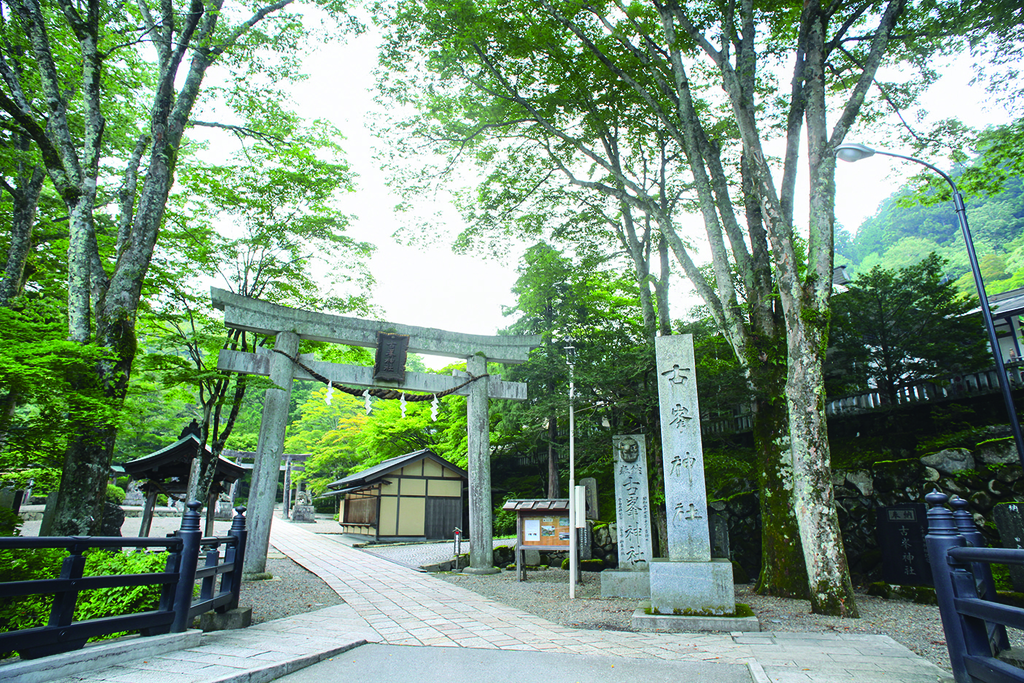
An ancient shrine rebuilt in the Nara era and included in the Engi-Shiki (set of ancient Japanese governmental regulations), it is also a famous place in Kanto for the first shrine visit of the New Year (hatsumode). The main shrine building, which is a prefectural cultural property, is a masterwork of Genroku-era carpenter Sezaemon Sakurai and sculptor Entetsu Shimamura.
This steam locomotive, called “Taiju”, has been operating since August 2017. “Taiju” is also known as the other name of the Tokugawa Shogun, who is enshrined at Nikko Toshogu Shrine. Tobu Railway, with its network from the Asakusa area in Tokyo to this Kinugawa Onsen area, was once called one of the biggest “kingdoms of steam locomotives”, as it used to operate as many as 85 steam locomotives mainly for forwarding freight. How about enjoying a ride on Taiju on the way to your sightseeing destination? All seats on the Taiju are reserved and can be purchased at Tobu Tourist Information Center Asakusa on the first floor of Asakusa Station, website,or Tobu Railway Line Stations. Shimoimaichi Station and Kinugawa Onsen Station are equipped with railway turntables where you can enjoy watching a dynamic steam locomotive in front of you!
This is a cherry blossom festival held from late March to early April every year. Various events are held in places around Mooka during this period. You can admire the cherry blossoms with cherry blossom viewing dumplings in one hand and appreciate the cherry trees lit up in the evening. Enjoy spring in Mooka when the city is colored with the color of cherry blossoms from ten thousand cherry trees. ☆
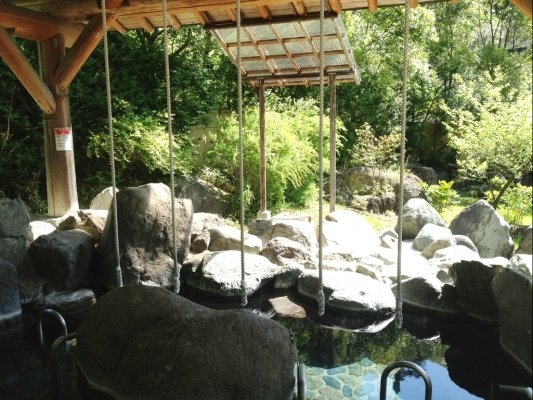
Loved by many women for its skin-beautifying and health-promoting effects, this hot spring inn even produces its own “Shutsuyoku Bijin” facial lotion made from fresh spring water. To celebrate its 30th anniversary, Okunasu Taishomura Satinoyu Onsen restored its unique “Tsuna-no-Yu” bath in August 2014. This distinctive bathing style involves holding onto a rope tied to the beams of the bathhouse while standing in waist-deep water in a bath over one meter deep. Popular in the mid-1960s, it was believed to improve peripheral nerve function and promote blood circulation, attracting many visitors seeking relief from joint and nerve pain. The bath, paved with river stones, measures 4.3 meters long, 2.6 meters wide, and 1.25–1.4 meters deep. Hot spring water wells up from below, stimulating the soles of the feet and letting bathers fully enjoy the benefits of the high-quality spring water. Day-trip visitors can also try the Tsuna-no-Yu. It is available to men on Mondays, Wednesdays, and Fridays, and to women on Tuesdays, Thursdays, Saturdays, and Sundays.
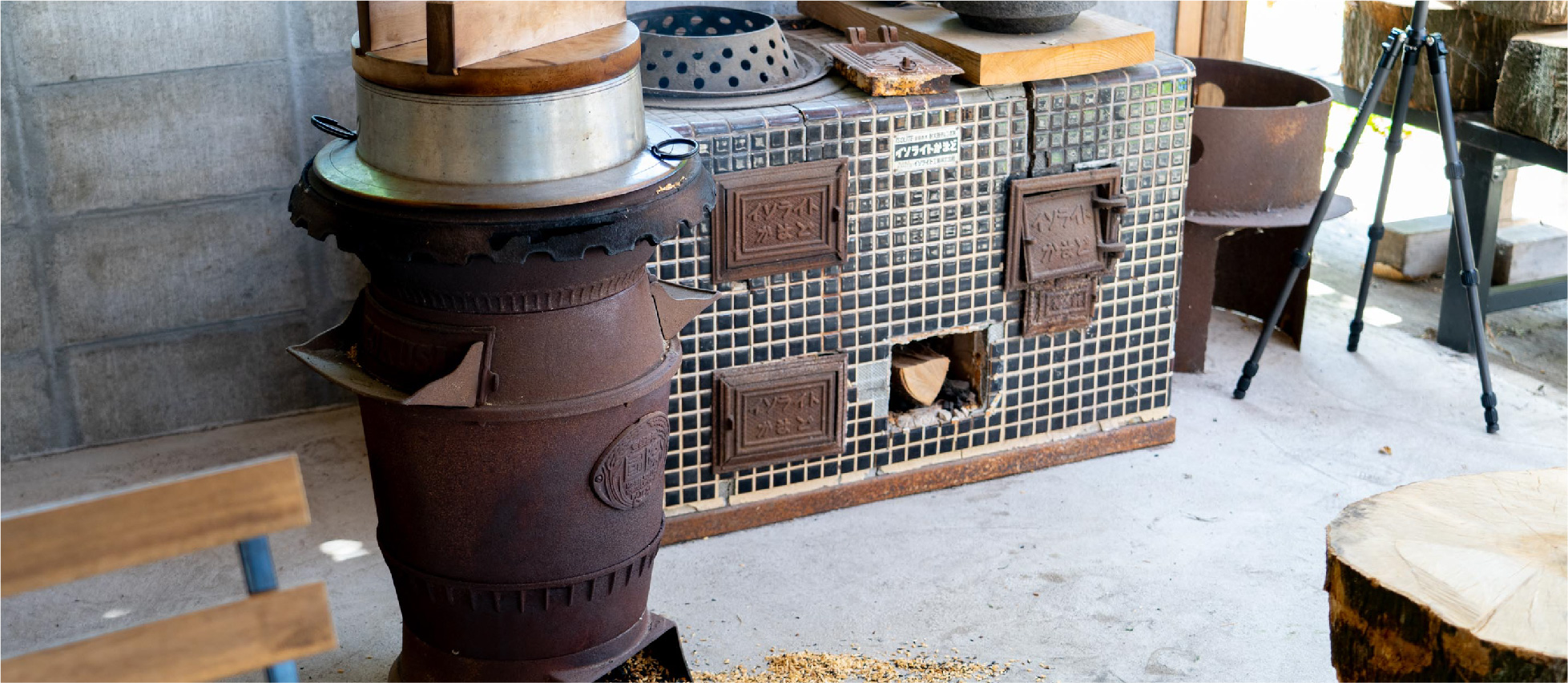
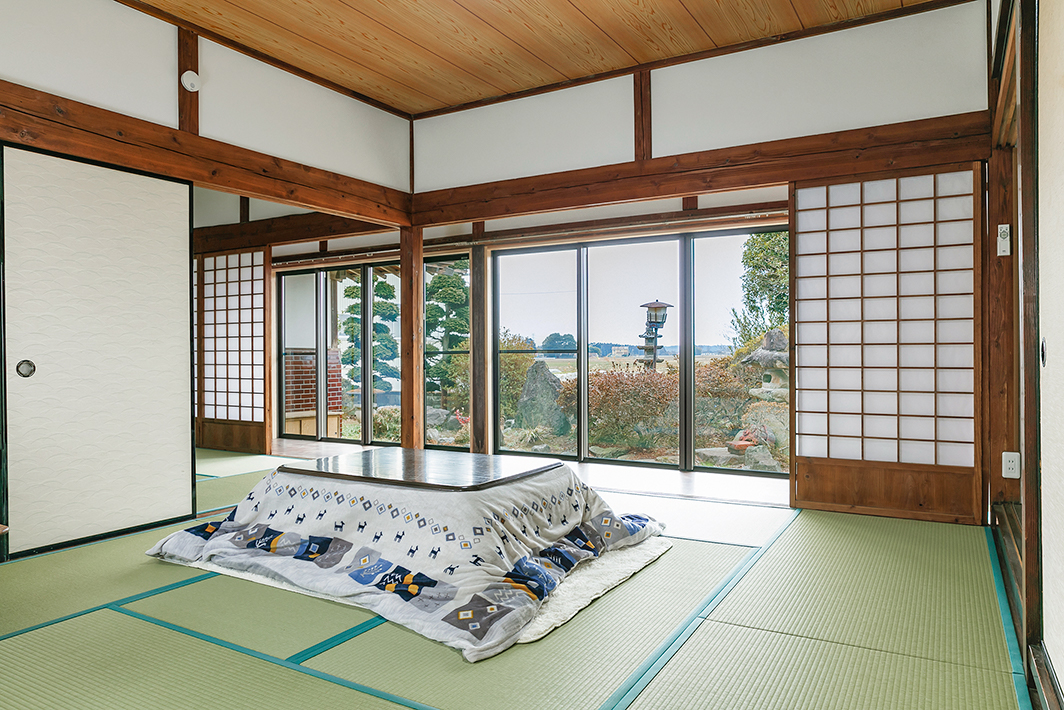
Hanazono sou is a farm stay operated by a farming family making rice for 15 generations in Hanazono, Ohtawara City. It is a lodging where guests can indulge themselves in the slow flow of time and the scenery of the vast countryside as well as the starry sky at night. For dinner, guests can cook for themselves in the shared kitchen or with the BBQ equipment. You can harvest chemical-free vegetables from the field and use them for dinner. They also serve home-grown rice freshly steamed on the rice-husk stove. After the meal, you are invited to enjoy Hanazono sou’s original Japanese sake for a relaxing time. In the morning, you will choose a Japanese or Western breakfast and cook it with the farm stay staff. The Japanese breakfast is freshly cooked rice on the rice-husk stove, miso soup with homemade miso, and a dish of seasonal vegetables. The Western breakfast is pancakes using homemade rice flour and soup featuring seasonal vegetables.
Mashiko Gion Festival began in 1705, when an epidemic of infectious diseases killed many people and pests infested crops, people pray to Tenno for illnesses and harvest. Five towns take turns organizing the festival. The organizer sets up a mikoya and carries the mikoshi out of the shrine for the first day and last day of the festival. On the second day of the festival, a traditional event call “Sake Topping Festival(Omiki Cho-dai Shiki)” is held on organizer’s town. Male worshippers in formal kimonos drink hot sake under the scorching heat to pray for a good harvest and health. After the organizer side finished their drinks, 10 men from next organize town also need to challenge it. This festival is one of the “Top 3 Strange Festivals of Kanto Area”. Also, on the first night of the festival, people will set off Tezutsu-hanabi with majestic yells is breathtaking.
Join a tour of the factory manufacturing the popular local rice cracker “Nikko Jingoro Senbei”! This traditional Senbei is named after Jingoro Hidari, an artist who made the famous wood carving of the sleeping cat at the Nikko Toshogu Shrine.
This is very special tour to experience an annual grand Buddhist ceremony in the breathtaking nature of Nasushiobara. This historical event, where tradition, culture, and nature merge, features monks in dazzling attire performing captivating rituals. It's an unmissable spectacle full of unforgettable highlights! There are day trip and overnight options available. The both courses will follow the same schedule on the first day. Please be sure to check the official website below..
Waterfalls, cliffs, a picturesque suspension bridge — Shiobara’s fresh, green scenic beauty between April and June looks completely different when full of autumn leaves during October and November. Surround yourself with its natural wonder on a beginner- and kid-friendly canoe excursion along a still river. (Please make reservations via our website)
Enjoy Nasu’s snowy peaks under the guidance of local experts. The gradual slope provides even first-time snowshoers with a safe, enjoyable experience. Private shuttle buses are available. (Please make reservations via our website)
Dress up in Samurai armour at the Ashikaga Machinaka Yugakukan and enjoy strolling around the neighbouring historic area that is home to the National Historic Site of Ashikaga School and the National Treasure, Banna-ji Temple. Stride along the atmospheric stone-paved streets dressed as a brave Samurai!