

Greater Tokyo

See & Do

reset
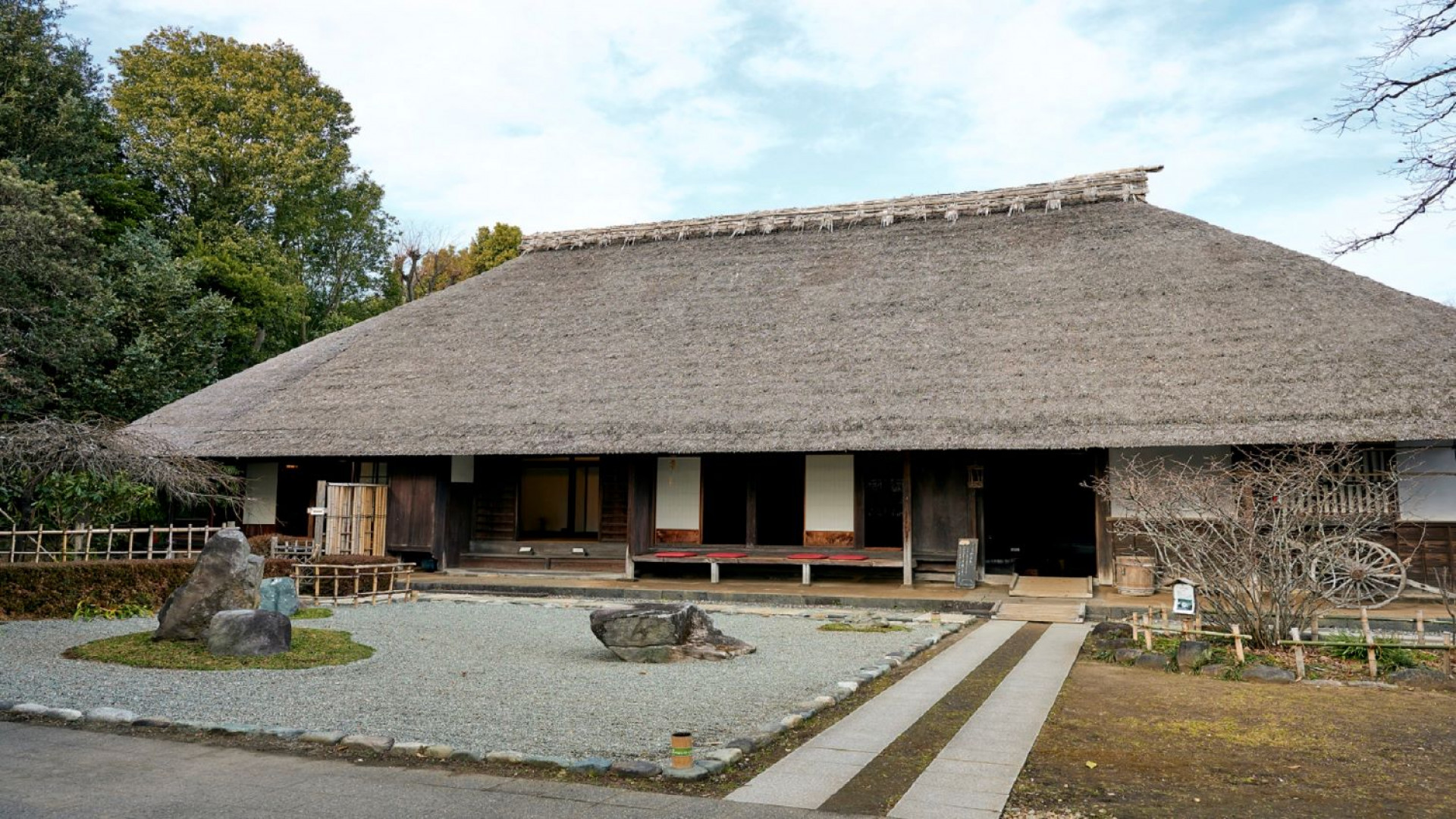
Scene of the Namamugi Incident and Monument

Scene of the Namamugi Incident and Monument

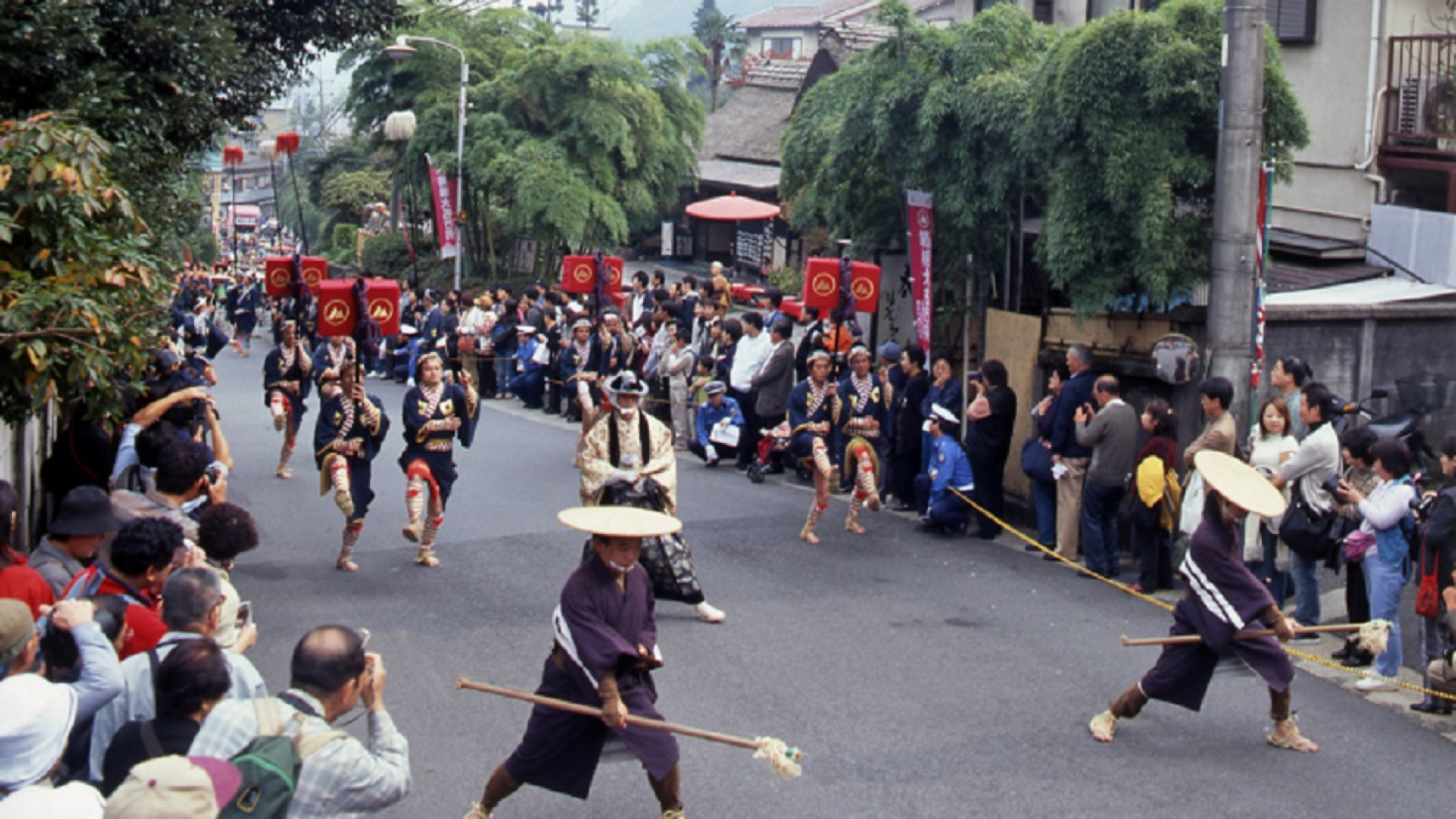
This is the scene of the Namamugi Incident in 1862, where British merchants were slashed when they interrupted the procession of Shimazu Hisamitsu, the feudal lord of Satsuma. As revenge, the British bombarded Kagoshima, resulting in the Anglo-Satsuma War. However, as a result of the war, ties between Satsuma and Britain were strengthened, encouraging modernization. These Anglo-Satsuma ties became the centre of the Meiji Restoration.

Culture & Arts Tokaido Koshu kaido KANAGAWA
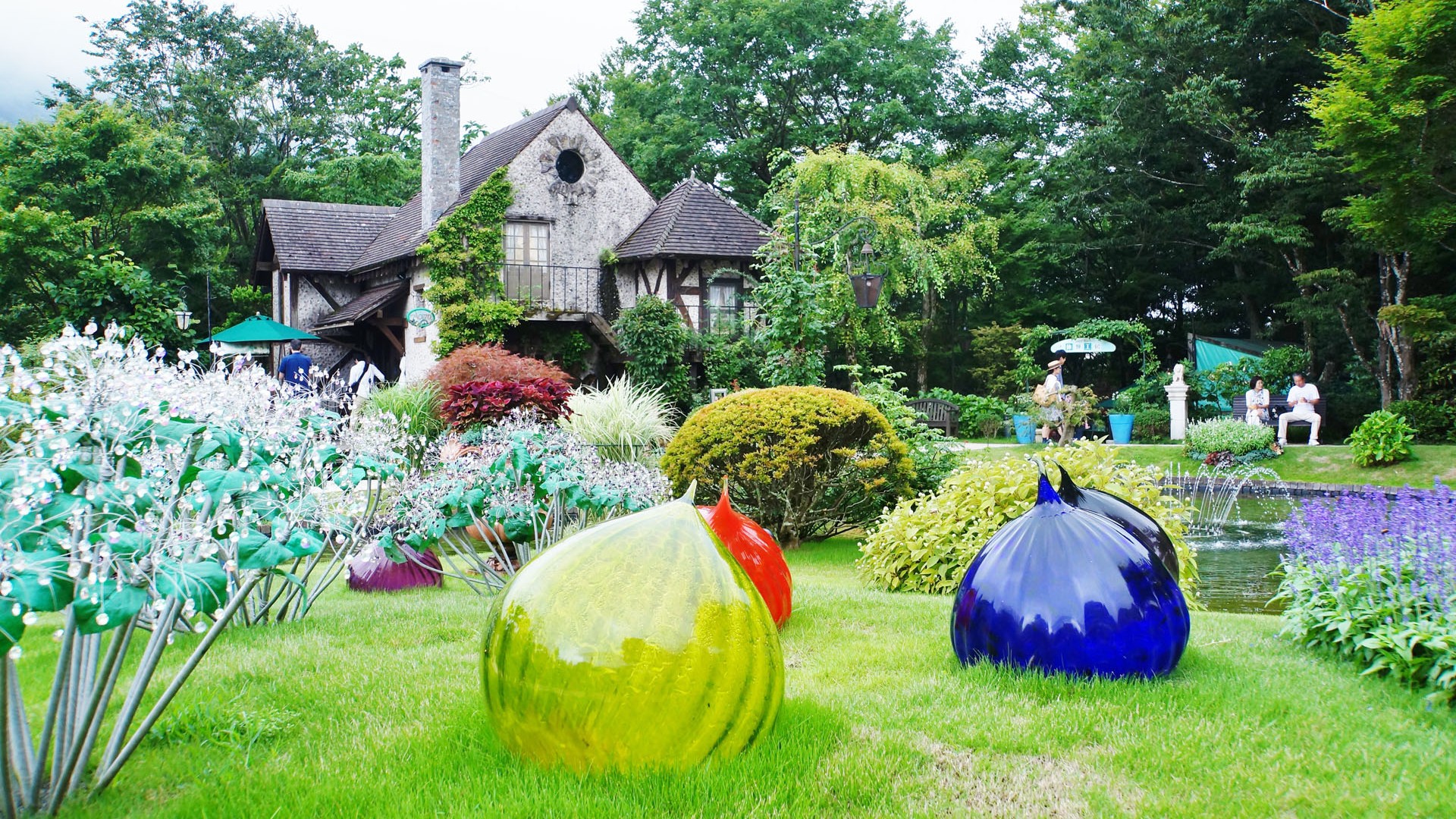
Hakone Venetian Glass Museum

Hakone Venetian Glass Museum

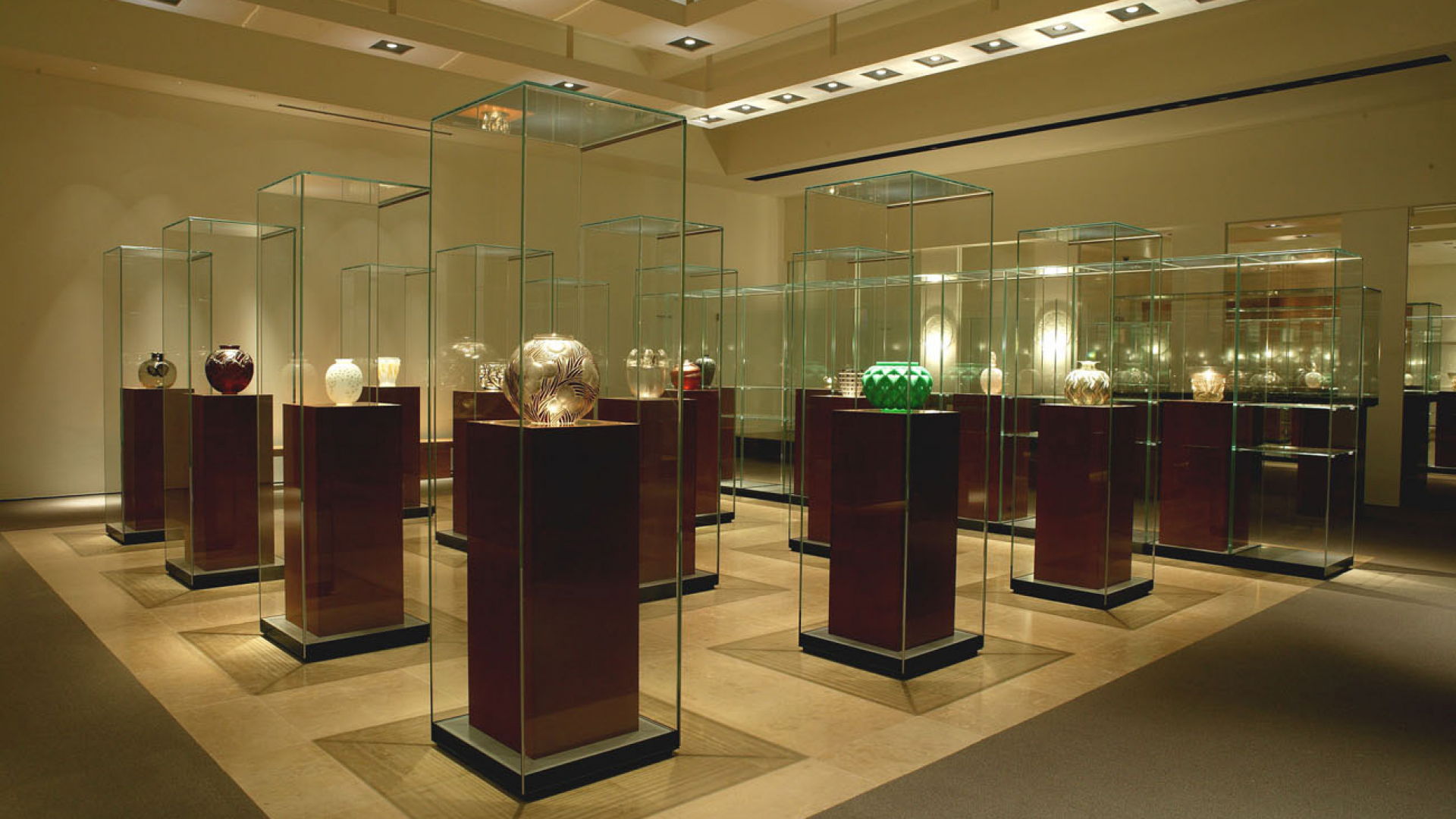
An exhibition of Venetian glass masterpieces that fascinated European royal aristocrats during the Renaissance. There are various facilities in the museum, such as a cafe restaurant where you can enjoy Italian cuisine and original sweets made with seasonal ingredients, and a museum shop where you can find glass products directly imported from all over the world.Magical atmosphere for lovers of glass and Venice, but don't expect to see anything Japanese here. Good on both sunny and rainy days.

Culture & Arts Tokaido Koshu kaido KANAGAWA
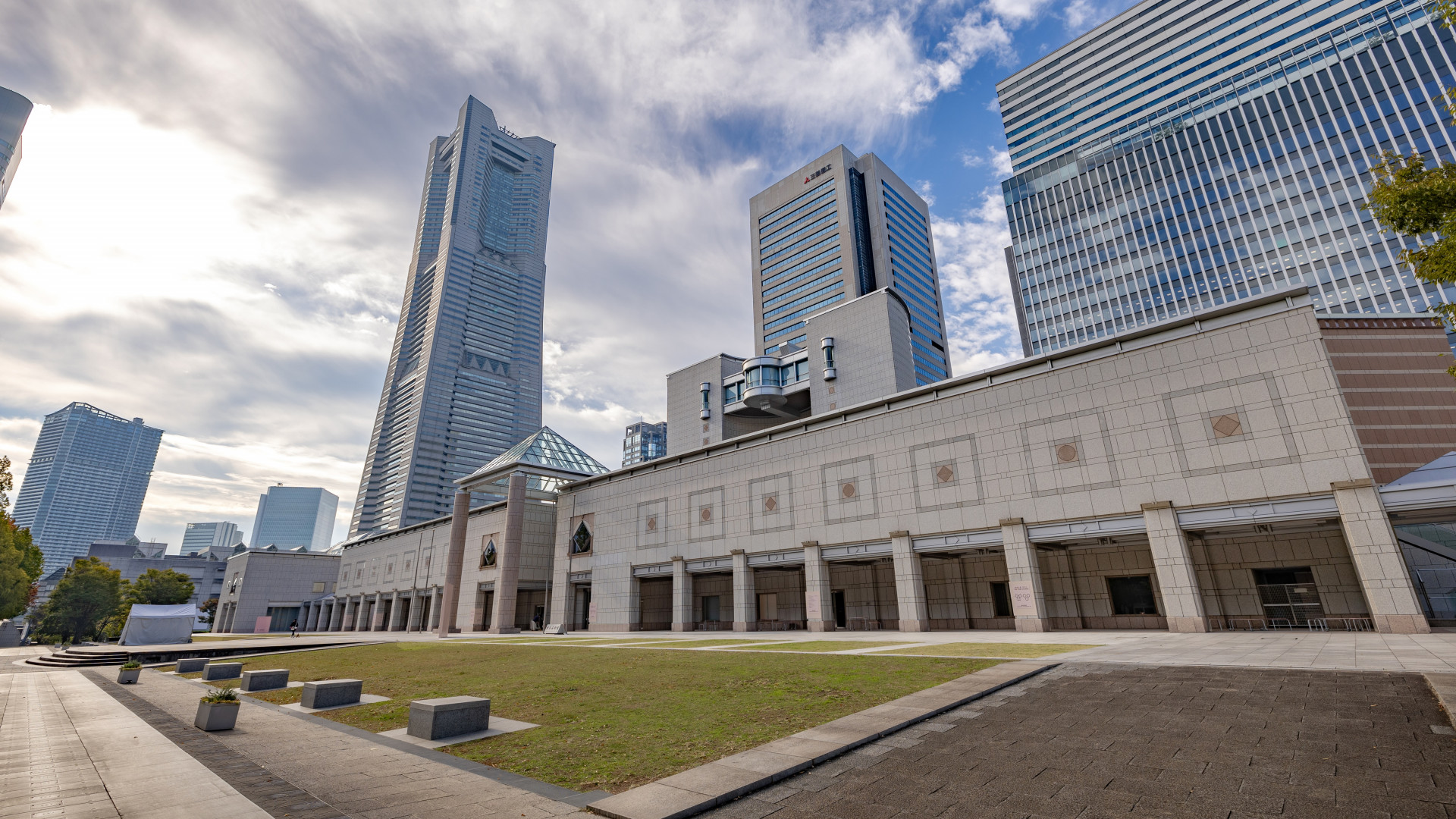
Yokohama Archives of History

Yokohama Archives of History

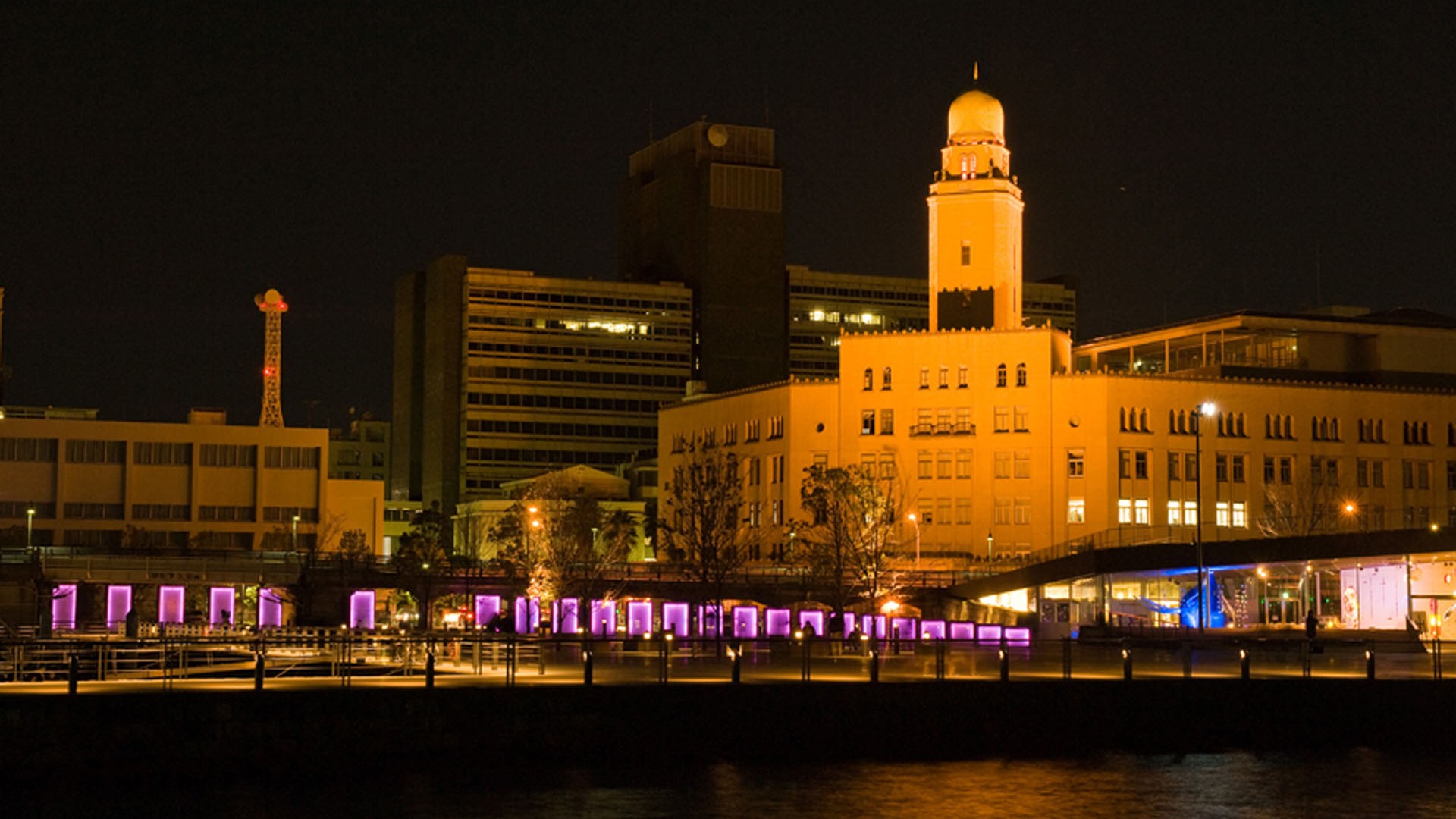
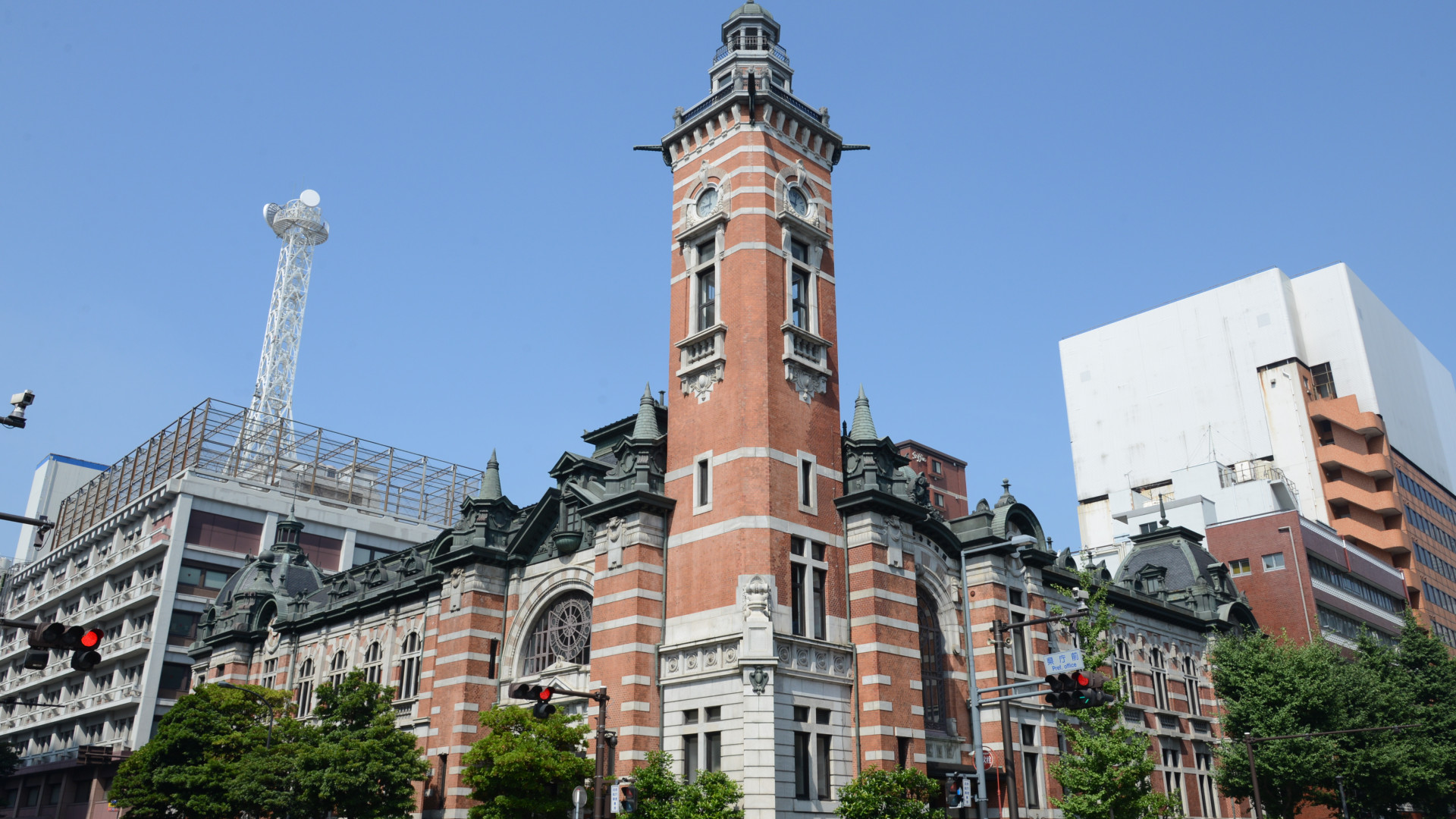
Displays materials on Yokohama history from the end of the Edo period/Opening up of the port period to the beginning of the Showa period. The building was formerly used as the British consulate until 1972. There is a historical camphor tree in the courtyard. *Includes a cafe.Learn the fascinating history of how a small fishing village became the second largest city in Japan. It starts with the landing of Commodore Perry and his black ships.

Culture & Arts Tokaido Koshu kaido KANAGAWA
KAMAKURABORI MUSEUM

KAMAKURABORI MUSEUM

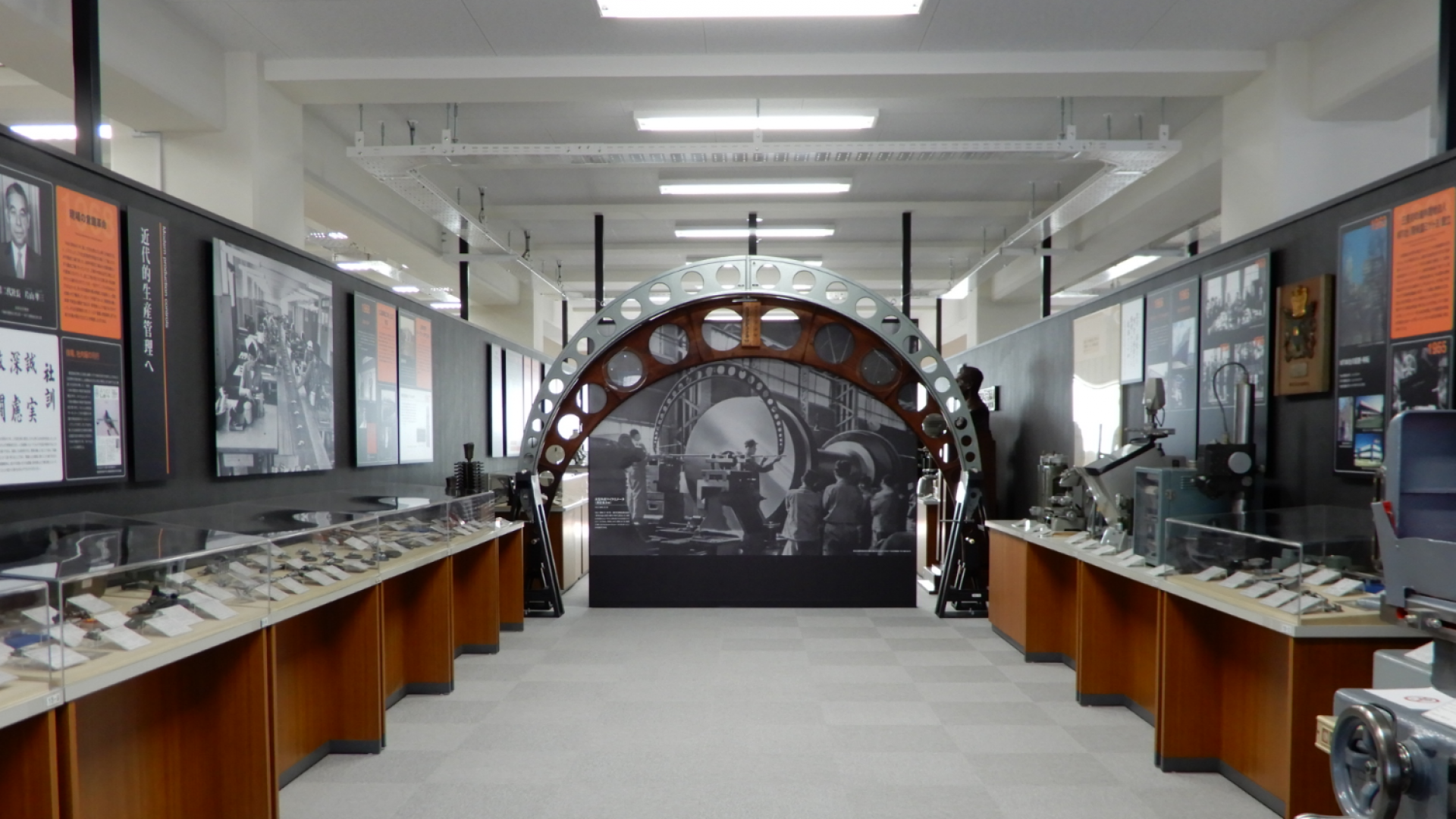
The Kamakurabori Museum, on the 3rd floor of the Kamakurabori Kaikan, is the only museum that introduces the history and works of Kamakurabori (a form of Japanese lacquerware). This museum is used by many people as a place for history and culture, experience, and exchange. About 50 works and materials of Kamakurabori, a traditional craft boasting a history of about 800 years, are on display in the permanent exhibition. Relax and enjoy masterpieces from the Muromachi period (1336-1573) to the present while learning about the production process and its history. In the two-hour hands-on class, you can experience Kamakurabori making under the careful guidance of a full-time instructor. It is a program that even beginners can easily enjoy.

Culture & Arts Tokaido Koshu kaido KANAGAWA
Okada Museum of Art

Okada Museum of Art

The museum was built on the former site (about 6,300㎡) of the Kaikatei Hotel, a hotel for Westerners of the Meiji period. The total floor space of the 5 story building is about 7,700㎡ and the exhibition area is about 5,000㎡. Ancient and modern art, centered around Japan, China, and Korea, that were collected by Kazuo Okada, honorary director, are on exhibition at the large venue.This 12m-high by 30m-wide mural adorns the museum facade. “Wind/Time” by Fukui Kotaro shows two guardian deities of Hakone soaring through the air in this decorative masterpiece reminiscent of the Rimpa school.Opposite the "Wind/Time" mural, sip while you dip in 100% natural hot spring water at this relaxing footbath cafe.After arriving at the museum, please try the footbath and enjoy a private tour of the back room of Kaikatei, where an overview of the museum and highlights of the special exhibition will be given. After the museum closes, experience a private gallery talk by the curator, followed by free time to view the exhibition on your own.Luxury in Kanagawa

Culture & Arts Tokaido Koshu kaido KANAGAWA
Hakone Museum Of Art

Hakone Museum Of Art

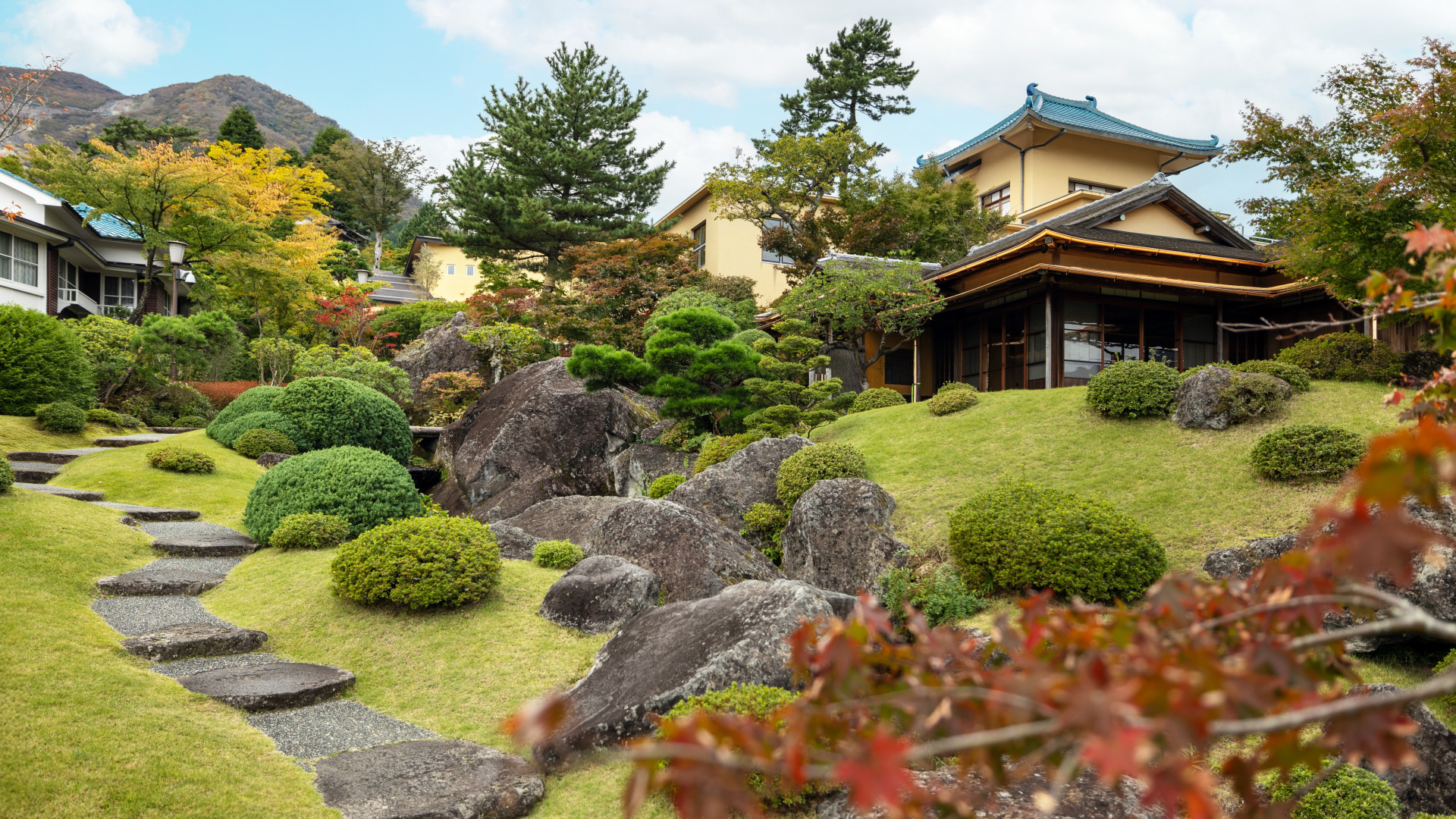
Hakone museum of art is the oldest museum in Hakone. The museum opened in Hakone-cho Gora in 1952. The museum displays Asian and Japanese ceramics that have been collected by the founder of the museum Mokichi Okada before his death. The exhibition mainly consists of “Japanese Yakimono (ceramics)”.Collections are: Mino wares such as Shino, Oribe, and Kiseto from Momoyama to Edo era, pots and jars of Six Old Kilns of Japan (Tokoname, Seto, Shigaraki, Tanba, Bizen, and Echizen) from Kamakura to Muromachi era, and earthenware and haniwa (a hollow clay) from Jomon era.There is Japanese garden with “Koke Niwa”, “Hagi no michi”, “Take Niwa”. There are over 130 kinds of mosses and 200 Japanese maples, which create beautiful scene in all four seasons. Any visitors are welcomed to view the garden.It is rare to see the place like Hakone museum since they have great ceramics and Japanese gardens at the same time. People who are interested in traditional culture of Japan must visit here.Admire this spacious garden known for its grassy area, large rocks and stream that cuts through the middle. Take in the panoramic view of Mt Myōjō and Mt Asama.Designed by Okada Mokichi and completed in 1952, explore collections of ancient Asian earthenware, porcelains and ceramics.The museum displays are interesting, but its beautiful Japanese garden and wonderful moss garden are what most people come to see!

Culture & Arts Tokaido Koshu kaido KANAGAWA