

Greater Tokyo

See & Do

reset
Shonan Hiratsuka Tanabata Festival

Shonan Hiratsuka Tanabata Festival

The Shonan Hiratsuka Tanabata Festival was started as a postwar commercial revitalization initiative, and is characterized by the vibrance of its Tanabata decorations, said to be the most lavish in Japan, made possible by the city's commercial power. Approximately 300 ornaments fill the streets of the city center, centered in the main venue, Shonan Star Mall, with gorgeous decorations, some reaching over 5 meters in height! In the evening, the decorations are lit up, creating an even more beautiful and impressive sight. During the festival, various events are held, including a Tanabata decoration competition and a parade. The festival has developed into one of Japan's most representative summer traditions, with the Shonan Hiratsuka Orihime, chosen through a contest, participating in various events, such as parades and visits to the city, further livening up the Tanabata festival.Held every July, Tanabata is a vibrant festival celebrating the one annual meeting of two celestial lovers. The bright colours of the decorations around the city and the night-time illuminations are rivaled by the beautiful kimonos worn by visitors.The Tanabata Festival, which announces the arrival of summer in Shonan, is one of the largest in Japan, along with the Sendai City Tanabata Festival in Miyagi Prefecture. About 500 gorgeous decorations are presented in the center of Hiratsuka, and at night, they are lit up to create a magical atmosphere. A parade and more than 400 stalls—selling a wide variety of things, such as Shonan gourmet foods—make the festival even more exciting.

Culture & Arts Tokaido Koshu kaido KANAGAWA
Oiso no Sagicho

Oiso no Sagicho

This is a fire festival held during Little New Year (around January 14) that has continued since the Edo period. In summer, nine sites are set up on the beach, which is crowded with bathers, and fire is lit to pray for good health and family safety. The festival is designated as an Intangible Folk Cultural Property of Japan and attracts many people every year. It is said that if you eat dumplings cooked over the fire you will not catch a cold, and if you write your name on a piece of paper that you burned and it flies up high it will make your arms grow longer, and if you take a pine cinder and put it on your roof it will be a charm to ward off fire.

Culture & Arts Tokaido Koshu kaido KANAGAWA
Hakone Old Highway

Hakone Old Highway

The Hakone Old Highway is a part of the Tōkaidō Highway established by the Edo Shogunal government, and the sloping road extends for 32 km from the Mishima post station via the Hakone-toge pass to the Odawara post station. The part between the Mishima post station and the Hakone check station through the Hakone-toge pass at an elevation of 846 m had been considered the most grueling part in the Tōkaidō Highway, as in addition to the steep ascent at high elevation, travelers had to walk through knee-deep mud if it snowed or rained. The Edo Shogunal government spent 1,400 ryo to pave the road with stone for 10 km of the road. According to records, it was originally paved with local Hakone-dake bamboo, however, it needed to be regularly repaved as the bamboo would rot, costing a great deal of money every year. Now only 2 km of the original stone pavement remains. Enjoy imagining travel in the old days while walking along the original paved segment of the old highway.The mountain road is overgrown with trees, so an early morning start is recommended. When the weather is nice, the sunlight through the trees feels refreshing. Be careful as the stone pavement is slippery after it rains.

Culture & Arts Tokaido Koshu kaido KANAGAWA
Motomachi Illumination

Motomachi Illumination

Since the opening of the port of Yokohama, this chic district was the earliest to adopt the modern western culture with its many shops aimed at foreigners. At this shopping street brimming with uniqueness, not only can you find many gourmet food, you can also find jewellery, furniture and fashion brands originating from Yokohama's Motomachi. From Autumn to Winter Motomachi is lit up brightly with colorful illuminationsMotomachi goes all-out during the year-end holiday season to create a warm and jolly atmosphere. A fun place to enjoy lights, shopping, and restaurants.

Culture & Arts Tokaido Koshu kaido KANAGAWA
Hana to Utsuwa no Harmony

Hana to Utsuwa no Harmony

“Hana to Utsuwa no Harmony” is an early summer event that started in 2001. The event takes place at 7 Yamate Seiyoukans in Yokohama. The theme of 2017 was “Motenashino Hana Monogatari (hospitalities and stories of flowers) -- 7 Chapters --”. Seven coordinators arranged the flowers and tablewares of each Seiyoukans differently. (Theme is different each year)This event is not only about the decorations but paid workshops, such as flower arrangements. This 9-day event usually starts on the first Saturday of June and ends on the second Sunday of June.

Culture & Arts Tokaido Koshu kaido KANAGAWA
Homma Yoseki Museum

Homma Yoseki Museum

Homma Yoseki Museum is an art gallery that exhibits a collection of Yosegi Zaiku wooden mosaic work, a traditional craft from Hakone that has been continued since the Edo period. Visiting will help you to understand the beauty of this historical art. It holds around 500 pieces, of which at least 200 are always on display. The exhibits change with the seasons, with the Yosegi Gakujin-Bina dolls that are on display in spring being especially worth seeing.

Culture & Arts Tokaido Koshu kaido KANAGAWA
Mikasa Historic Memorial Warship

Mikasa Historic Memorial Warship

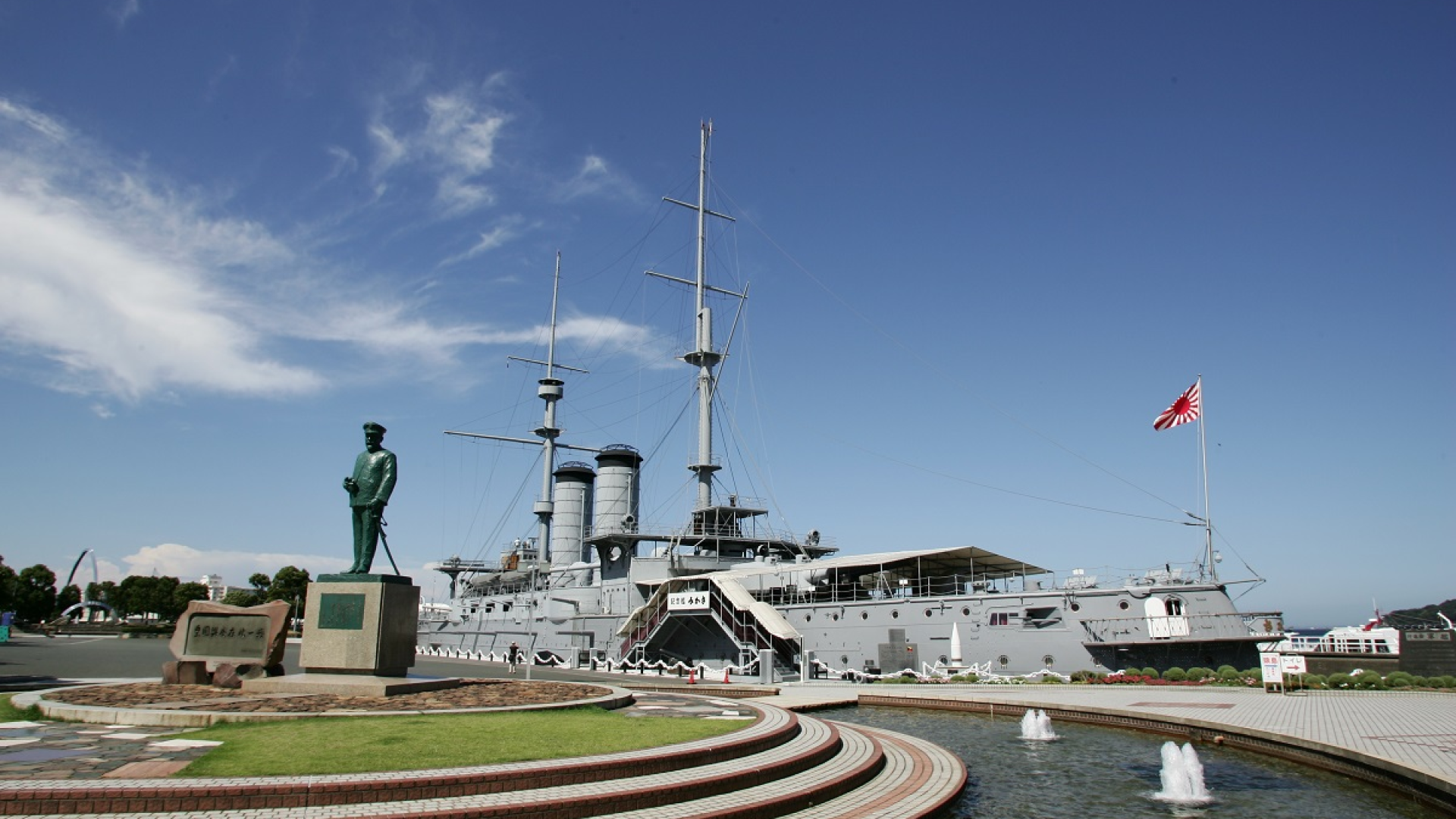
Memorial Ship MIKASA is a battle ship that was built in England 1902 (Meiji 35). In 1905 (Meiji 38), MIKASA was led by Admiral Heihachiro Togo, Commander-in-Chief of the Combined Fleet, and battled as a Falg ship of the Combined Fleet in the Battle of Tsushima. Japan won an overwhelming victory in the battle against Baltic Fleet of Russia. Japanese are proud of MIKASA's unsurpassed accomplishment, and the ship is the symbol of our pride.Listed as one of the worlds three great memorial ships, Mikasa was used defensively to defeat the Russian Baltic fleet during the Japanese-Russo War. Below deck is a great museum filled with excellent presentations about the ship's history.

Culture & Arts Tokaido Koshu kaido KANAGAWA
Kamakura Museum of Literature

Kamakura Museum of Literature

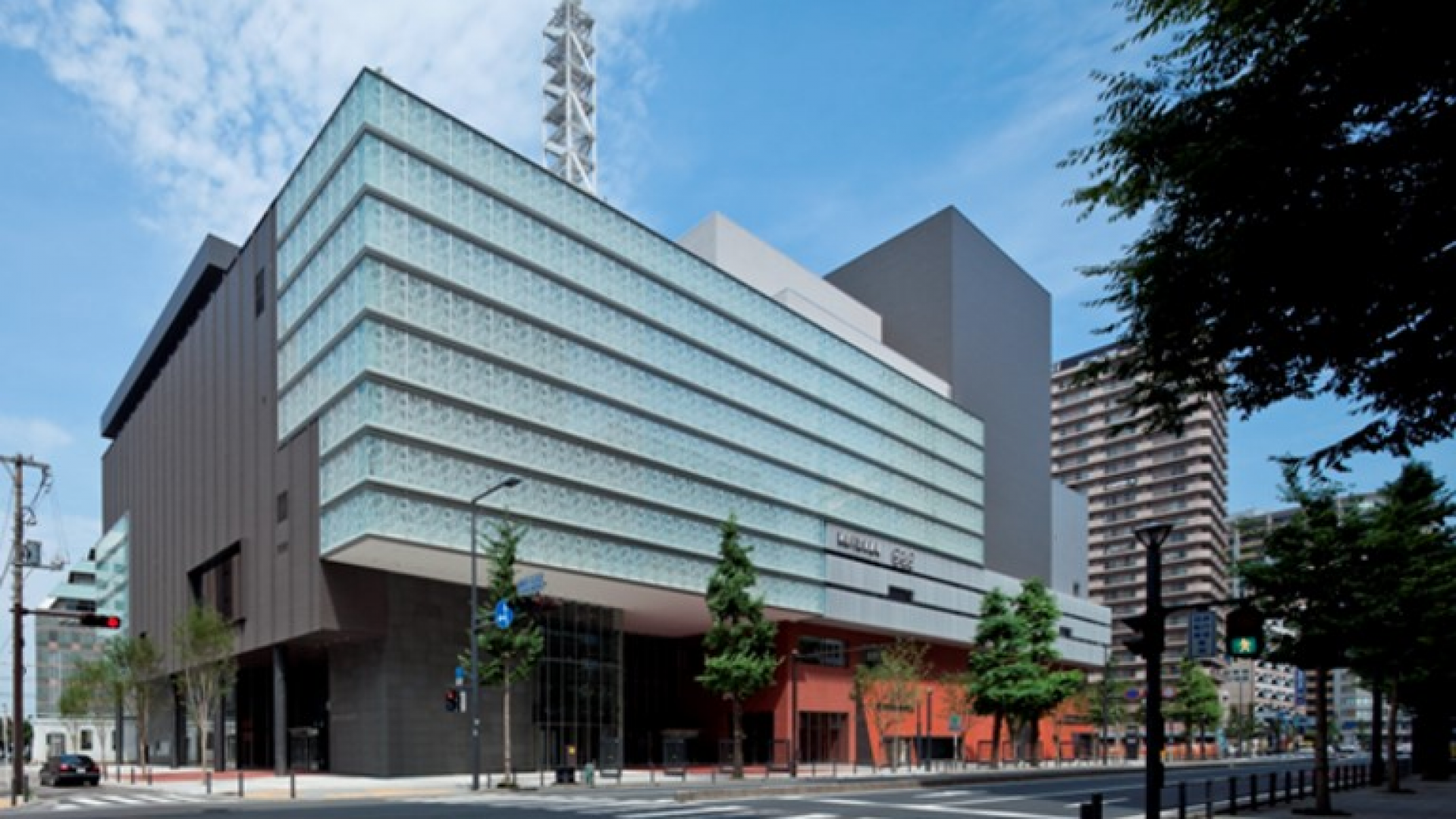
This place is temporarily closed. Please check the official website on reopening, operational information and more.The Kamakura Museum of Literature was built in 1936 (Showa 11) as the former Kamakura villa of Maeda Marquis family. You can view the rooms reminiscent of the past, with marble fireplaces and stained glass, as well as the important resources inside from related authors such as Yasunari Kawabata. In the garden filled with greenery, some 250 shrubs of roses bloom in Spring and Autumn. This building is the model for the villa in Yukio Mishima’s novel, “Spring Snow”.The grounds and rose garden are quite beautiful, but there is not a lot of English support available inside the museum.

Culture & Arts Tokaido Koshu kaido KANAGAWA
Atsugi Ayu Matsuri

Atsugi Ayu Matsuri

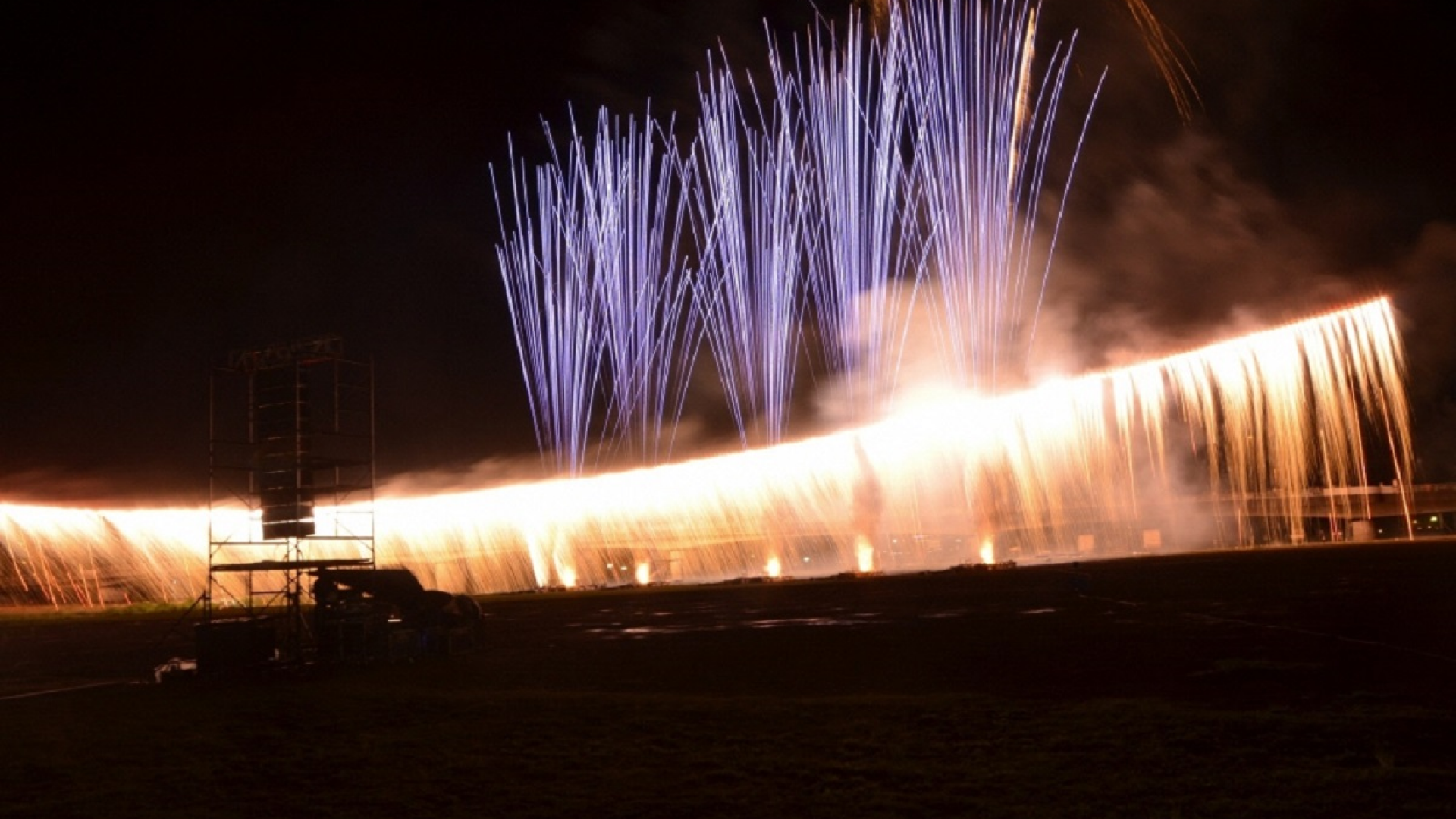
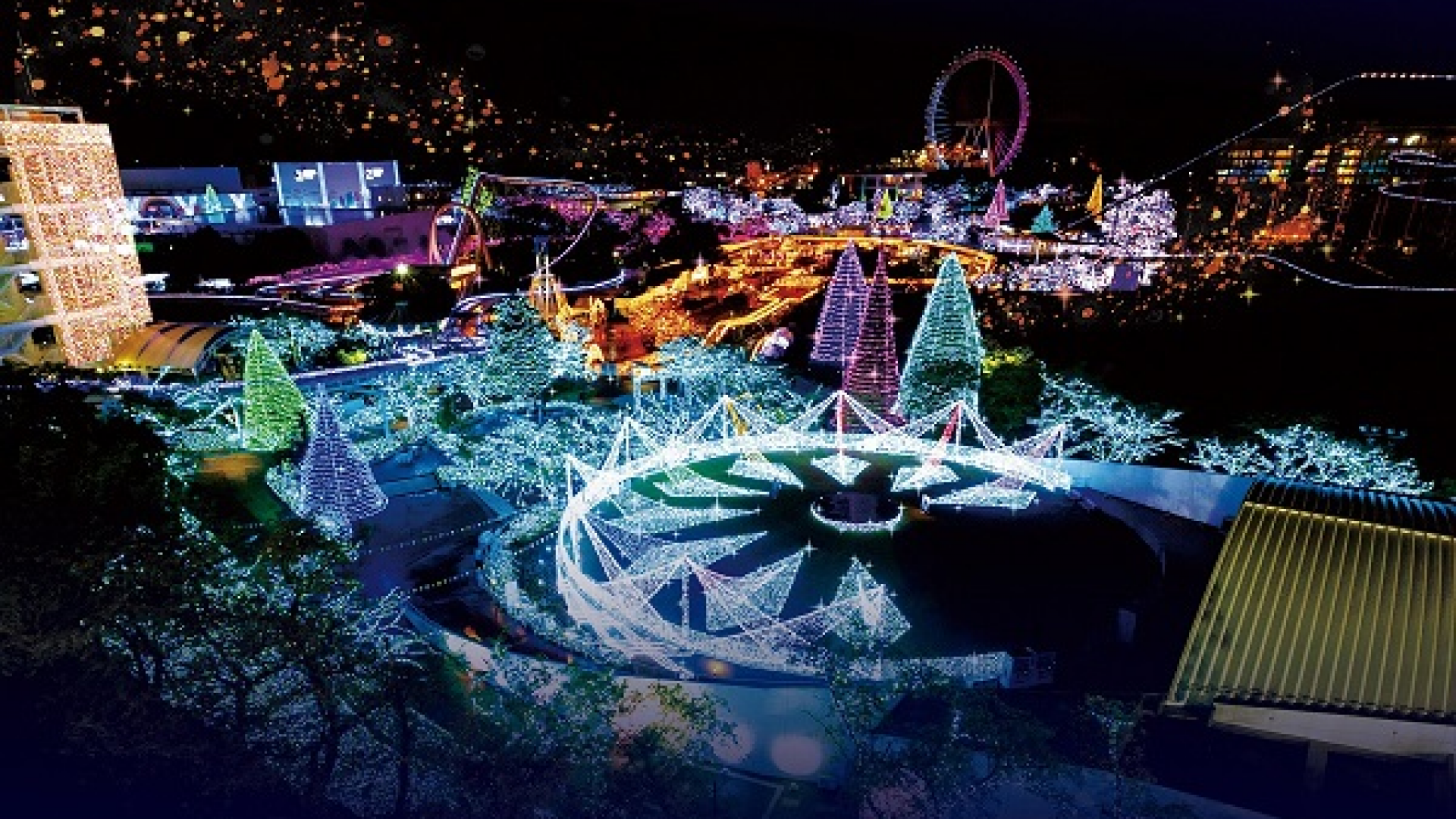
The Ayu Matsuri Grand Fireworks Display is held on the first night of the festival, and the viewing area and the firework launch site are close together so that visitors can enjoy the powerful fireworks. The number of fireworks launched is one of the most in the prefecture, at about 10,000, and the finale, the Niagara, is a must-see. The fireworks festival takes place on the first night of the Atsugi Ayu Matsuri held over two days on the first Saturday and Sunday of August every year. The varied program features about 10,000 fireworks. Paid seating is available from one month in advance.

Culture & Arts Koshu kaido Tokaido KANAGAWA