

Niju Falls
Niju Falls, also called "Amagoi-no-taki" is one of Oyama's six waterfalls and is believed to call the rain.
Total: 343 items
Niju Falls, also called "Amagoi-no-taki" is one of Oyama's six waterfalls and is believed to call the rain.
The ascent to the summit of Gyojadake is a series of small ascents and descents. The summit of Mt. Gyoja is narrow and not suitable for groups resting. A stone statue of En no Gyoja (En no Gyoja) used to be placed on the summit, but it has been damaged by the wind and rain. There are several places where you have to climb up from Gyoja-dake to Shindaihi, so please be careful.Please use the "Tanzawa Omote Ridge Traverse Course" as a reference and plan your hike accordingly.Early morning trekking allows you to enjoy a special experience with fewer people and clear air.
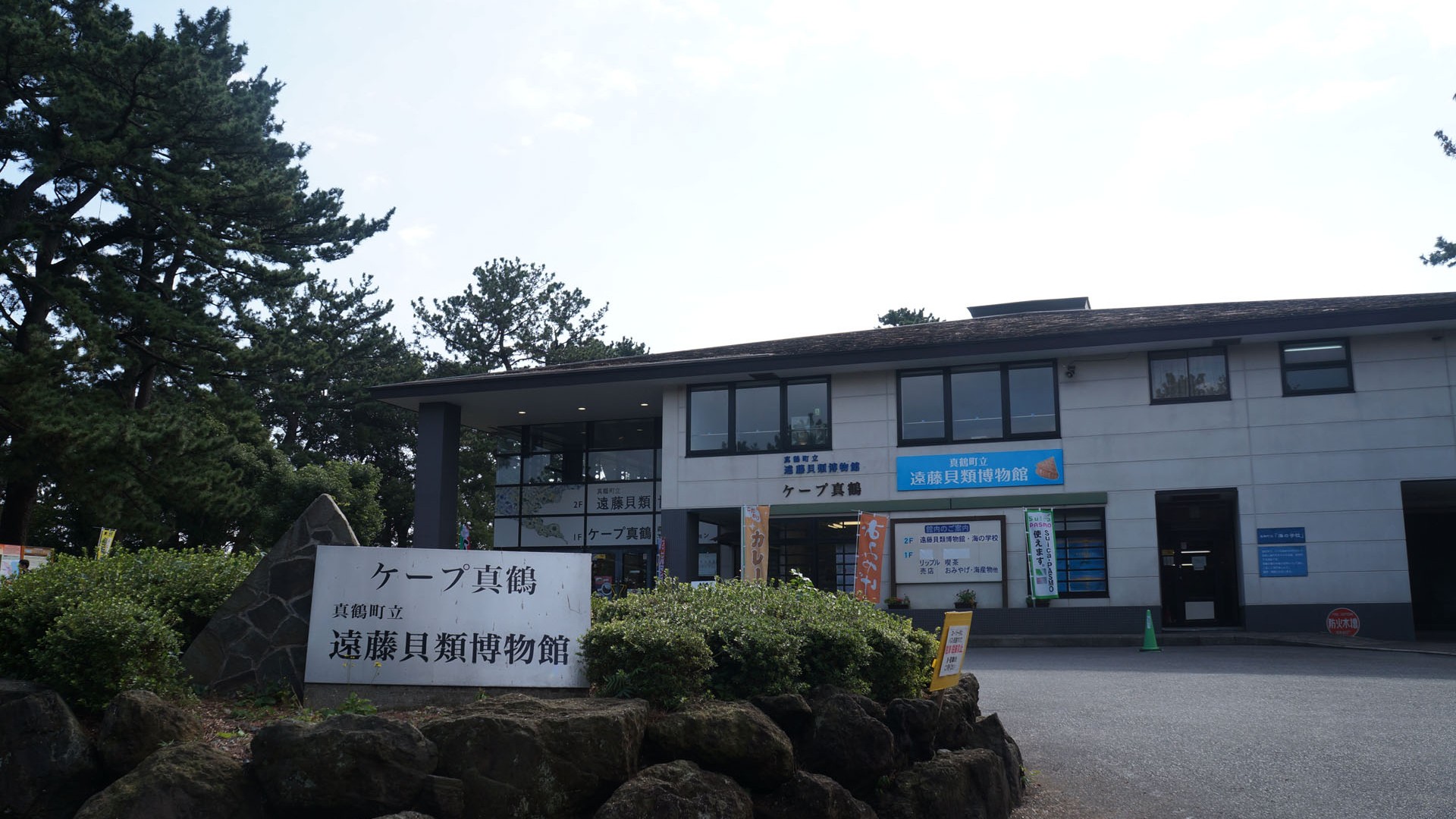
Drive in to Cape Manazuru located at the tip of the Manazuru Peninsula Prefectural Nature Park. From Cape Manzuru, you can enjoy a view of the Izu Peninsula, Shonan, Boso Peninsula and Izu Seven Islands. The panorama stretching out to the sea is a highlight not to be missed.
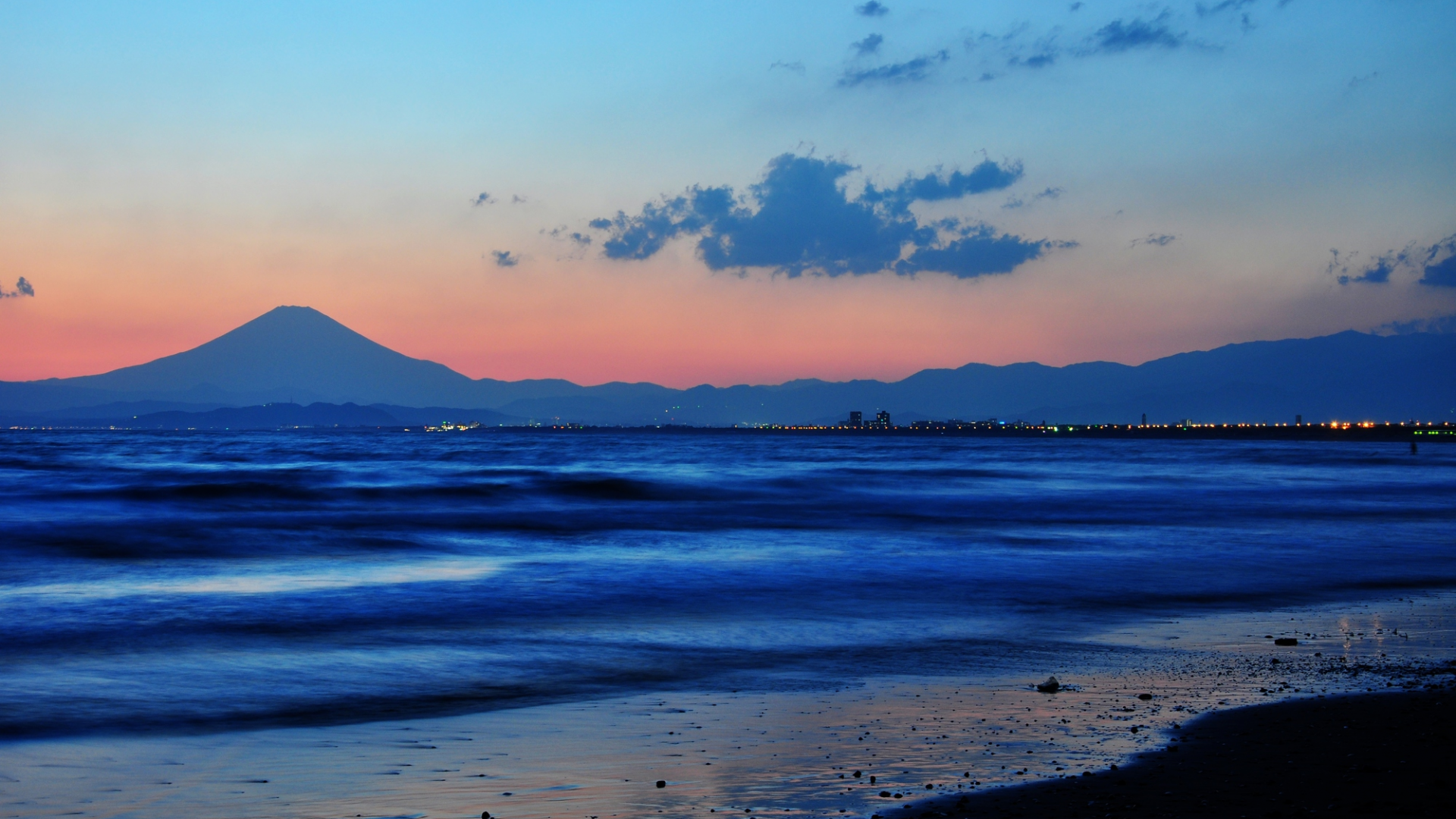
Popular as the Shonan Coast cycling road, it’s a course from which you can really enjoy the Shonan coastline while gazing at Mt.Fuji from Chigasaki City’s Yanagishima coast to Fujisawa City's Kugenuma coast.
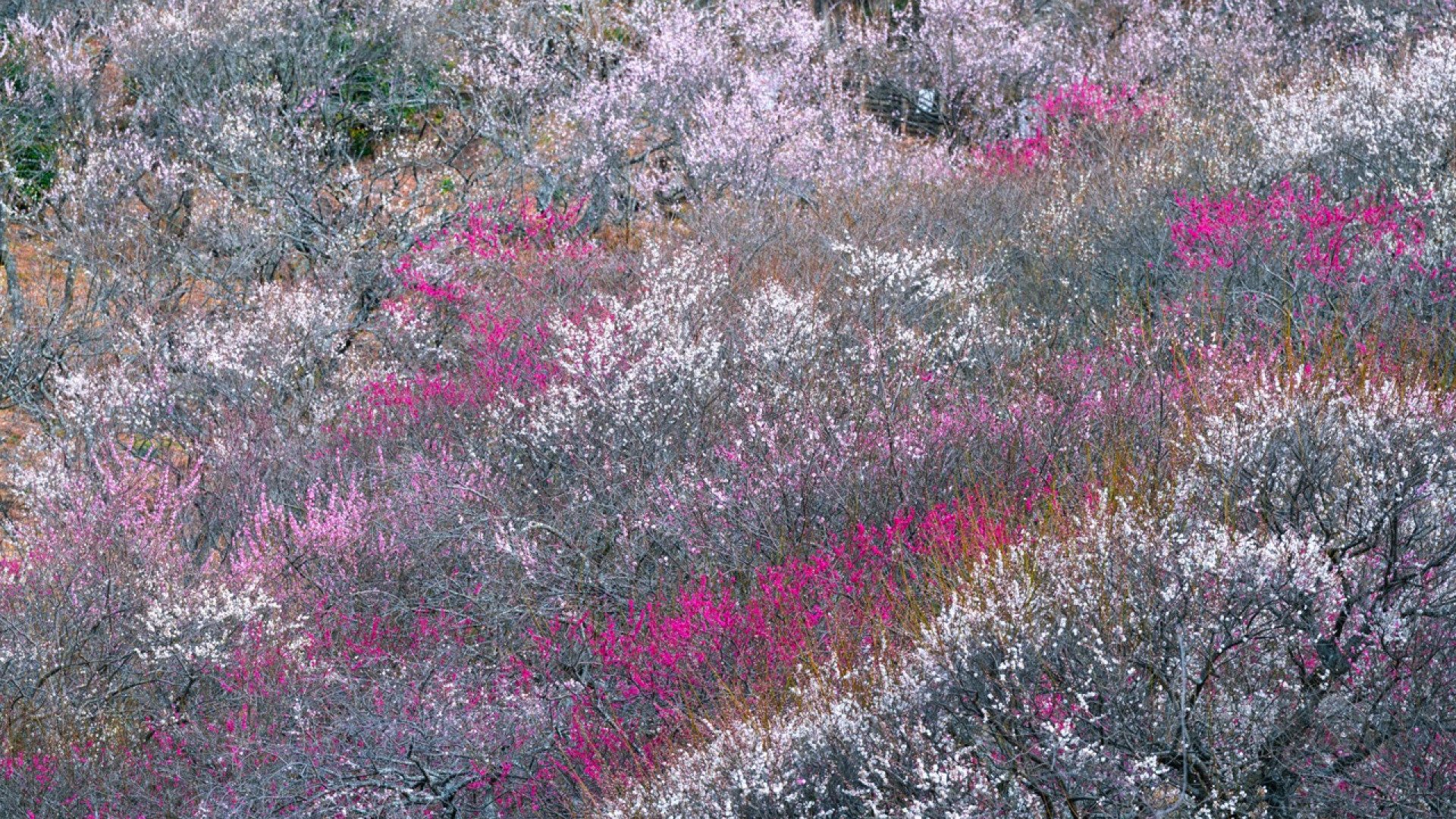
This event is held every year from early February to mid-March in the Yugawara Plum Grove (Makuyama Park). On the foot slope of "Makuyama" where magnificent natural scenery can be seen throughout the four seasons, approximately 4,000 red and white plum trees bloom like a carpet of plum blossoms, and fill the park with the fragrance of plum blossoms, allowing you to enjoy a "plum blossom banquet".Mt. Makuyama has roughly 4,000 plum trees that bloom red and white. The park holds its Umenoen event, a plum blossom festival when the flowers reach their peak. The plum grove is lit up at night, offering a completely different scene from the day.
This park is famous for its beautiful view of the Tateishi coastline, where Mt. Fuji can also be seen in the distance. This scenery was captured by the famous Edo period artist Ando Hiroshige. Today, visitors enjoy walking along the shore, and admiring the view from the park.
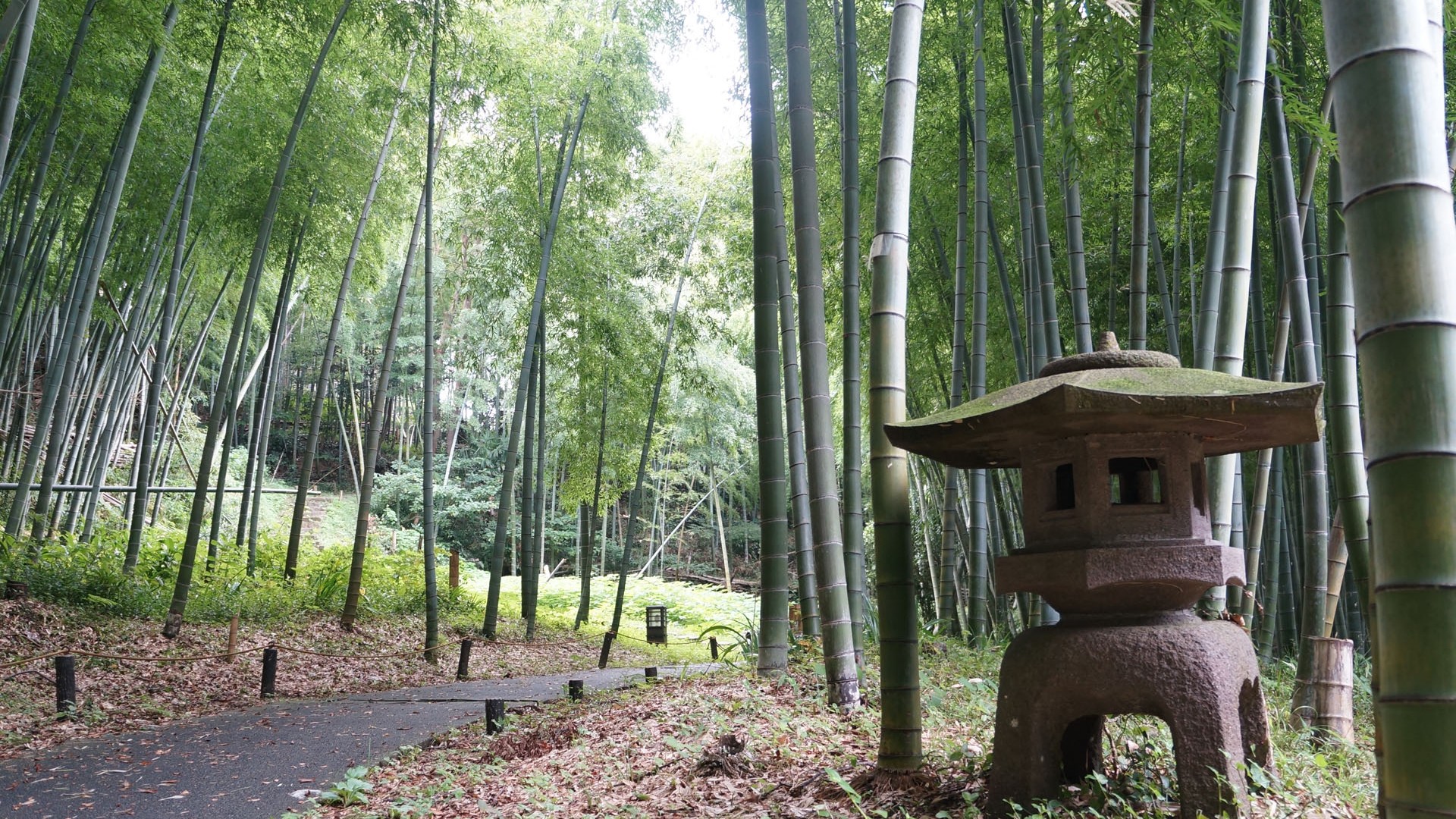
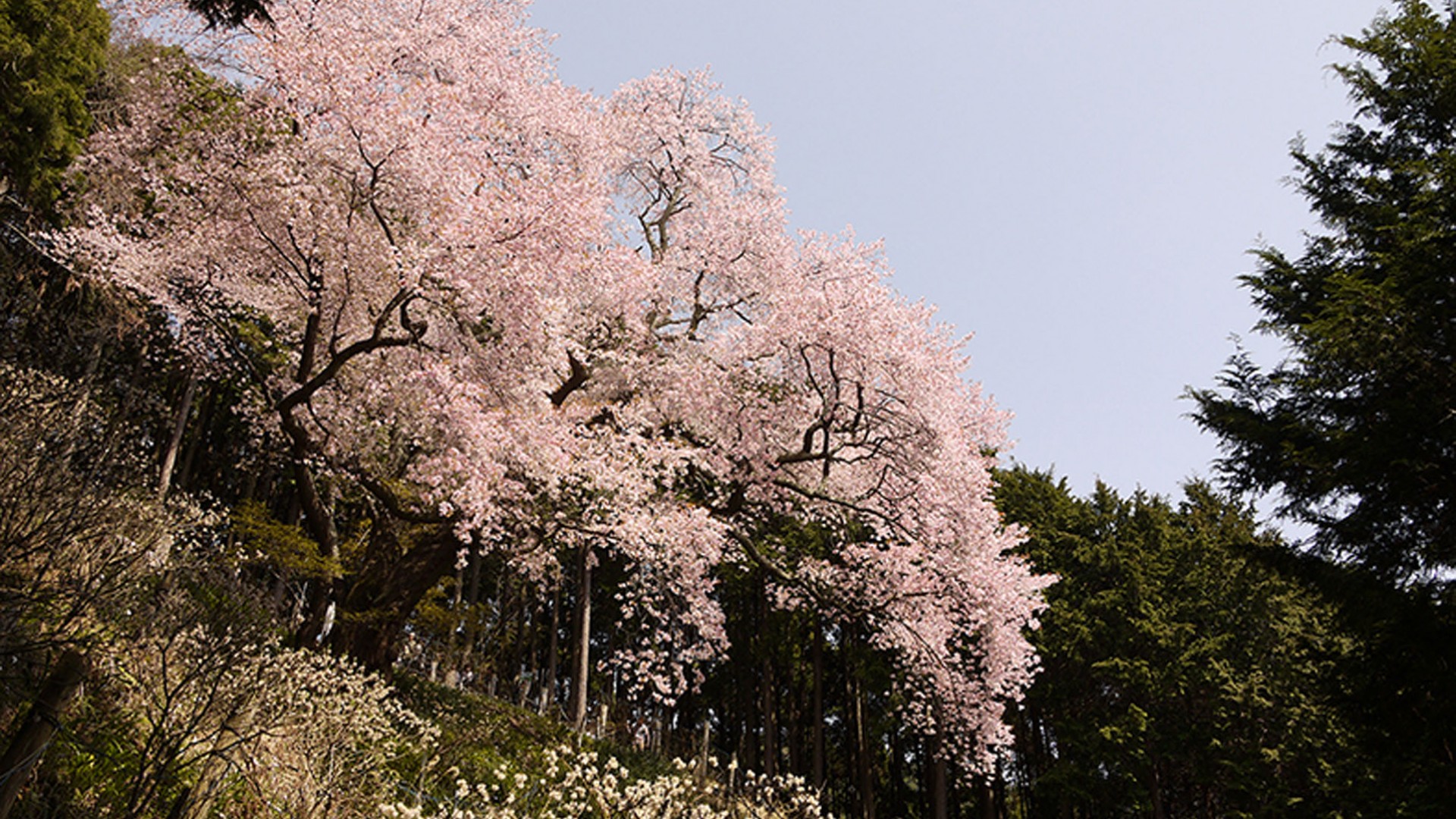
Surrounded by bamboo groves, this quiet park is a place for relaxation. In spring, a weeping cherry blossom party is held when the trees are in bloom. The contrast of pink and green during the day and the weeping cherry blossoms illuminated at night are fantastic. The trees are usually illuminated in late March or early April. Please check before you go.The weeping cherry blossoms are usually lit up from late March to early April. We recommend that you check before visiting.
In the park, there’s a golf course and a barbecue pit where everyone young and old can enjoy themselves. At the tip of the park, there is an observatory where you can enjoy a view of Hatsushima island and Oshima island.
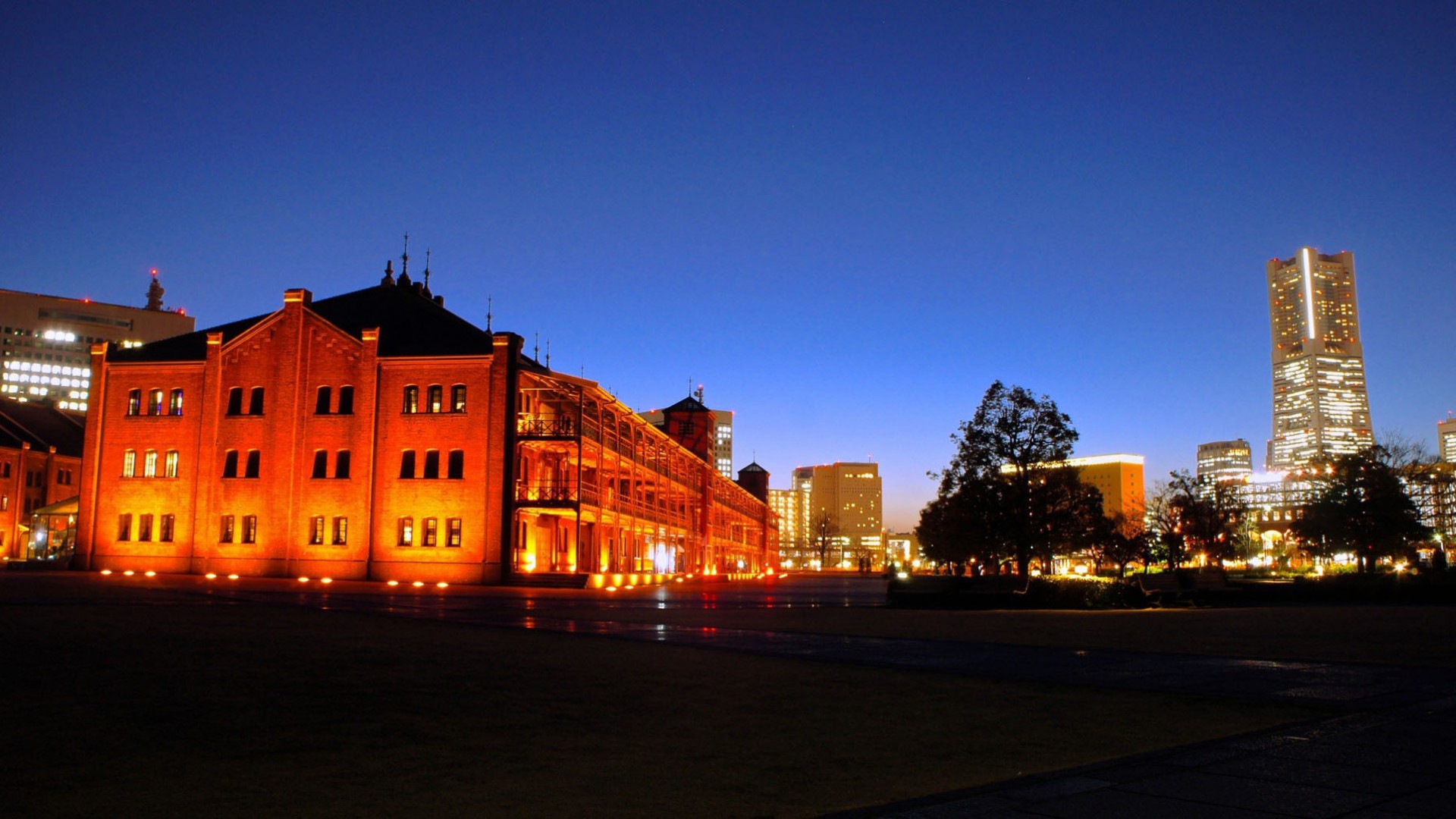
Centered around the Red Brick Warehouse, this green space both preserves and utilizes historical features such as the Remains of Yokohama Custom House and the Former Yokohama Minato Station Platform, creating a site that highlights both history and scenery.
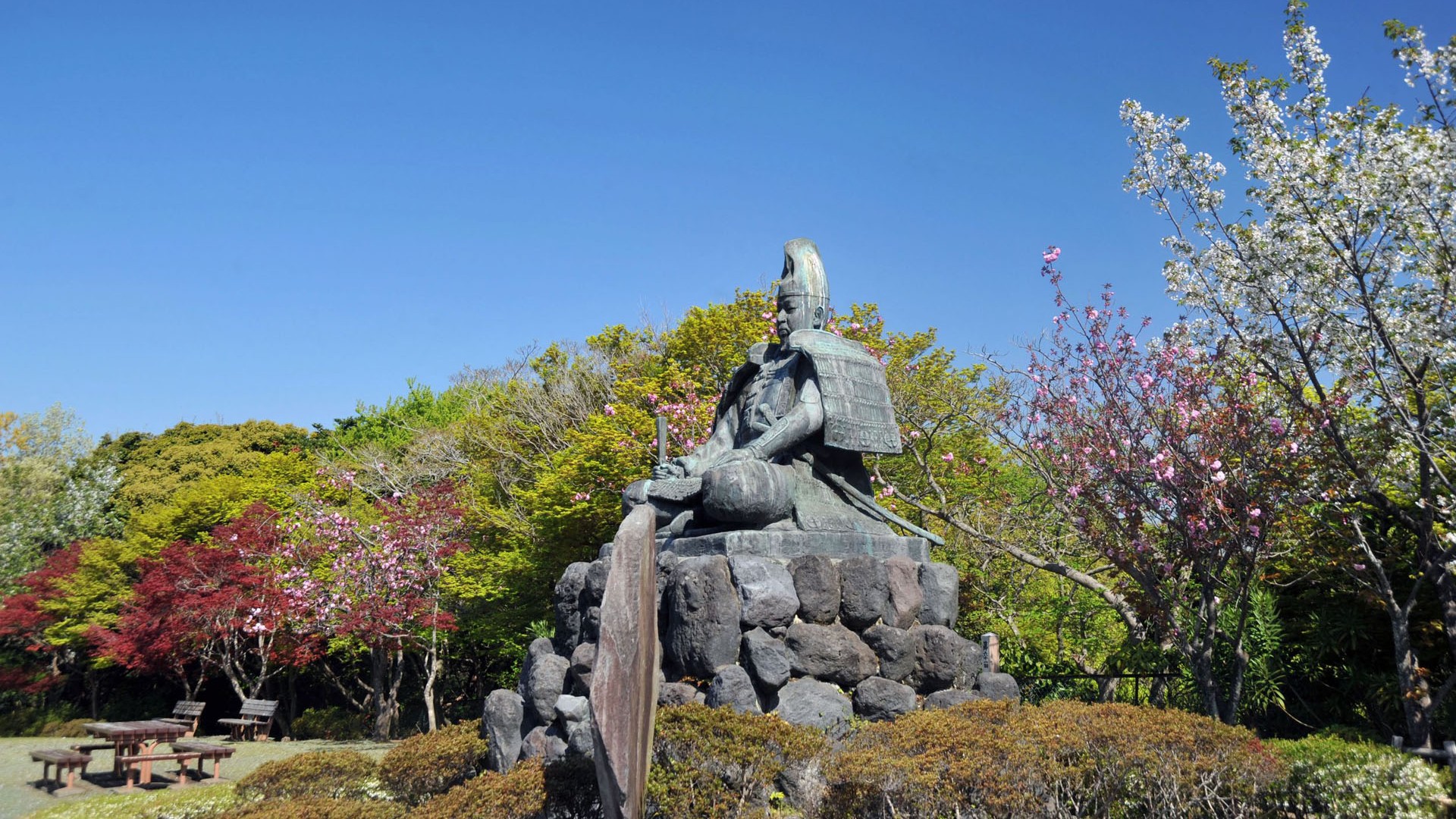
The path leading down to Keshozaka is a historically dangerous path where the statue of Minamoto no Yoritomo stands.
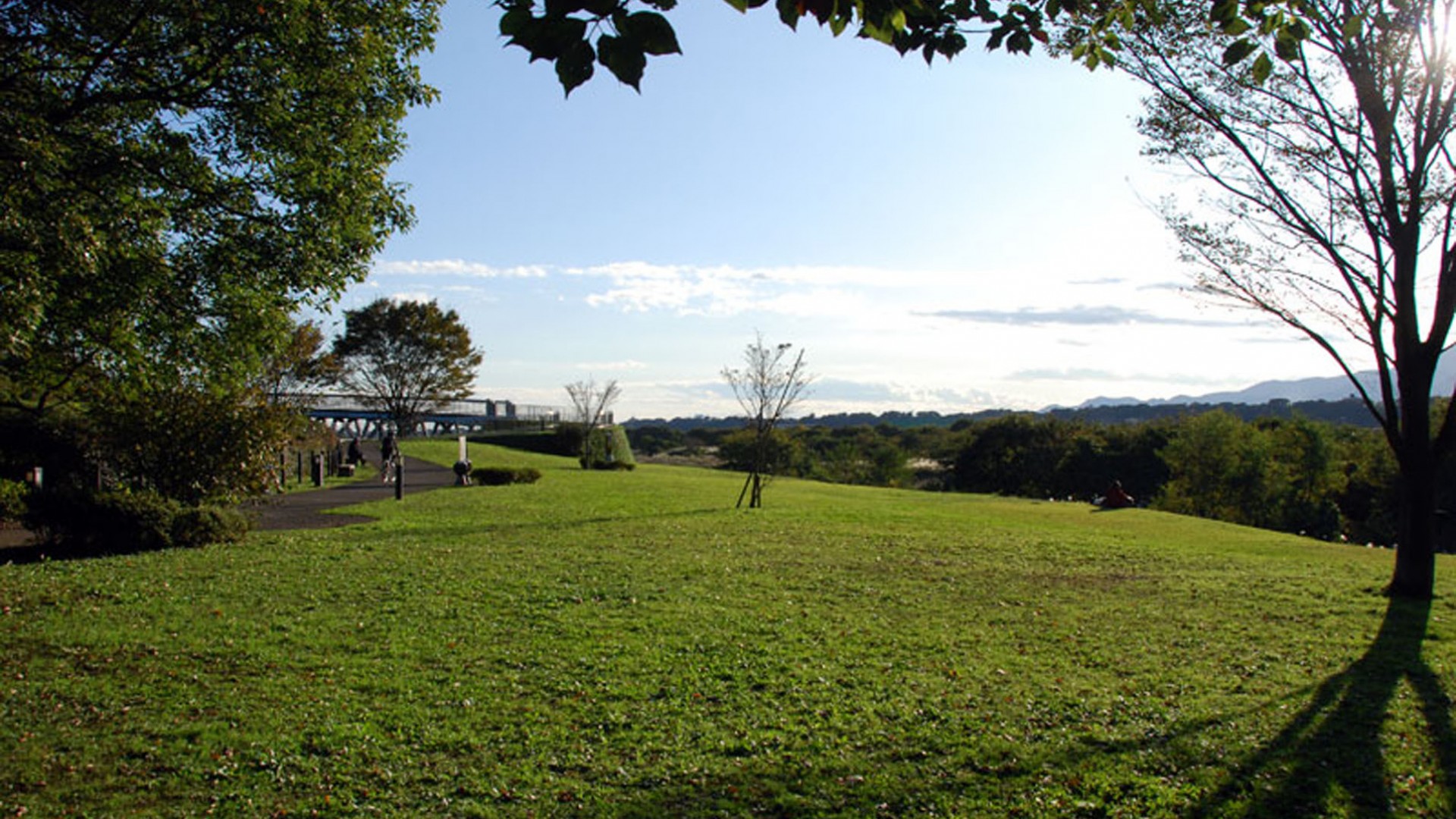
It has been chosen "Conservation areas of green in Kawasaki. It is located on the top of Joukei temple.
With Mt. Oyama as a backdrop, the characteristic terraced fields and farmhouses with traditional residential forests are in perfect harmony, creating a view of livelihood and business that makes the most of the hilly terrain.
The Hakone Old Highway was once part of the Tokaido Highway, established by the Edo Shogunate at the beginning of the Edo period (1603-1867), and was known as the most difficult part of the Tokaido Highway to cross, stretching roughly 32km from Odawara-juku to Mishima-juku via Hakone-juku by Lake Ashi. Even today, some of the roadways from those days remain on the east (Hakone Town and Odawara City) and west (Mishima City and Kannami Town) sides of Mt. Hakone, where stone-paved paths, rows of pine and cedar trees, distance milestones, and even a reconstructed Hakone Sekisho (barrier) can still be seen. The cedar trees, which are found only along Lake Ashi, are believed to have been planted because they were suited to the climate of Mt. Hakone, whereas most of the trees along the highway are pine trees. Walking among the rows of cedar trees, some of which are more than 350 years old and some of which have grown up to 30 to 40 meters high, you are sure to experience the ancient highway as if an Edo-era traveler.This hiking path, as well as Hakone Shrine, are the two best places to see magnificent cedar trees. Descending is easier than the climb, but is tough on the knees.
A 1,122 meter high mountain nestled within the Tanzawa Omote Ridge. One possible explanation for its name is a legend handed down through Karako Shrine, found at the foot of the mountain in the village of Yokono. It claims that long ago, a god flew from the Tang Dynasty of ancient China to hand over a statue of the god, as well as light three divine lanterns on a ridge that climbs from Yokono Village, with the first located at Karako Shrine and the second on a peak. It is said that the peak above it became the third light, and that "light" was transformed into a "pagoda".Please use the "Tanzawa Omote Ridge Traverse Course" as a reference and plan your hike accordingly.Early morning trekking allows you to enjoy a special experience with fewer people and clear air.
From early June to early July, you can witness natural Luciola cruciata and Luciola lateralis fireflies. Travel through the grove of cedar trees to reach the iris garden, which resembles a scene from paradise at night when the fireflies dance through the skies above it.
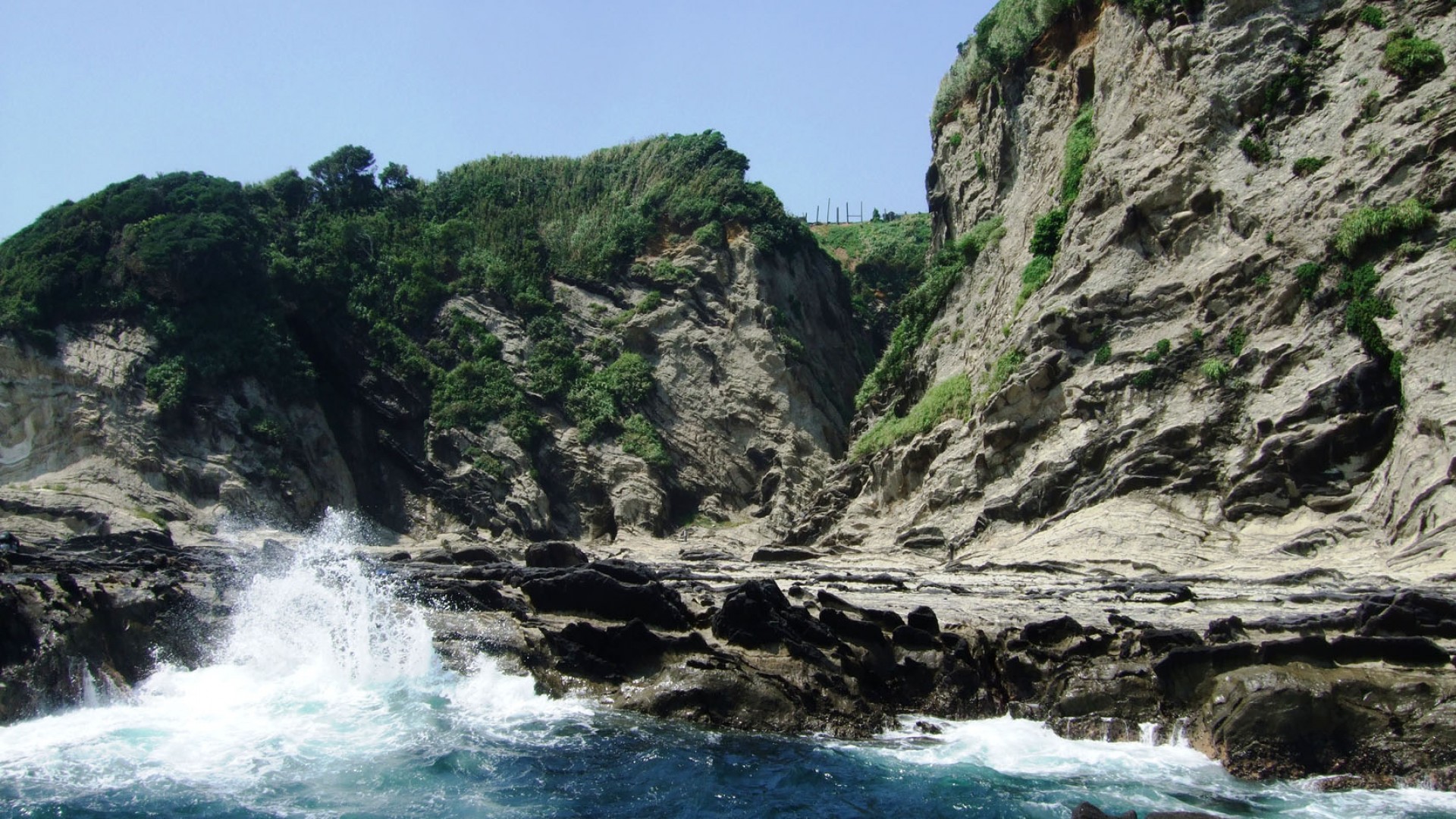
It has been said that Nusutto was named after a tradition in which a robber was easily caught after being unable to move after coming across a cliff and harsh waves. It has been selected as one of Kanagawa's 50 scenic spots.
Olympic fountain pond and Morse monument are in this park. At Tennou Festival, portable shrines called Mikoshi will walk into the sea from this shore.
A nature park with an athletic field along the river and a plum grove of 4,000 trees on the mountain slope. During the plum blossom season in early spring, visitors can enjoy the dynamic scenery of the plum grove. Take the bus from Yugawara Station to Makuyama Park. This is a hike from Makuyama Park to the peak of Makuyama. From the summit, enjoy a beautiful view of Sagami-nada, the Manazuru Peninsula, and Hatsushima.