
Greater Tokyo

See & Do

reset
Osanbashi Pier

Osanbashi Pier

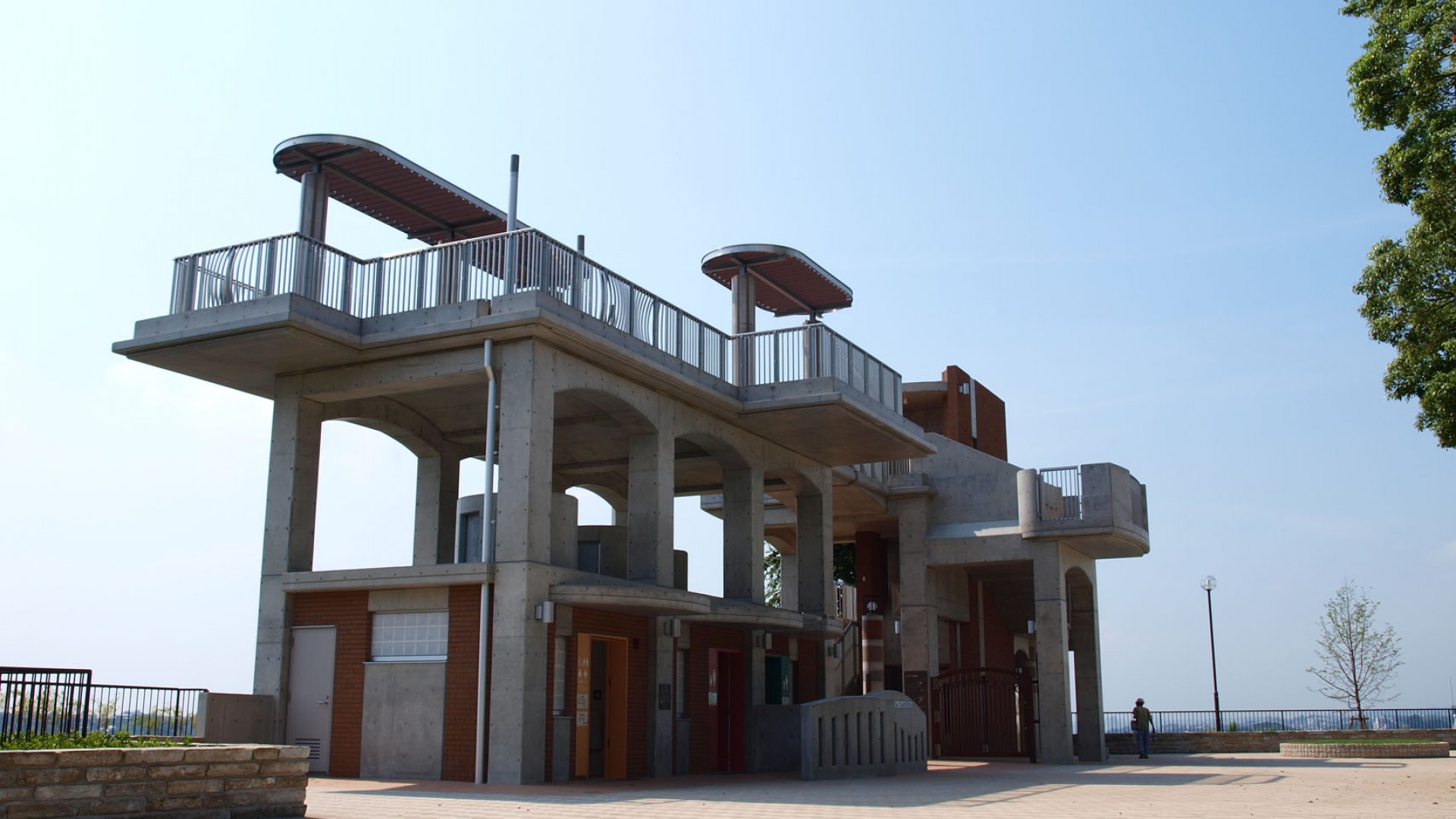
The Osanbashi Yokohama International Passenger Terminal is a major port where foreign cruise ships dock during international cruises. With a maximum height of 70m and width of 15m, the steel construction was designed by Alejandro Zaera Polo and Farshid Moussavi (a UK-based architect). The rooftop plaza provides beautiful scenery of Yamashita Park, the Yokohama Red Brick Warehouse district, and the landscape of Minato Yokohama.Standing at 296.3 metres tall, the Yokohama Landmark Tower houses an observatory that offers a 360-degree view of the city, a five-star hotel and 48 floors worth of shops, restaurants, and offices.Purposefully shaped like a sleek, sailing yacht, the InterContinental Yokohama Grand Hotel is an iconic structure in Yokohama's Bay Area.The NYK Hikawa Maru is a cargo-passenger liner turned museum ship. Built in Japan before World War II, the ship is extremely well preserved and offers a unique perspective into the cruise ships of history.Located near Yokohama Chinatown, the Yokohama Marine Tower is a perfect post-meal spot to take in 360-degree views of the city.Osambashi Hall is found on the first floor of Osanbashi Pier. It is a 2,000-square meter hall that can house up to 1,100 people. It is commonly used for large meetings and exhibitions.Cosmo World is a theme park located along the Yokohama Bay area. It is home to the Cosmo Clock 21, one of the tallest Ferris wheels in the world.The Yokohama Red Brick Warehouse houses a multitude of unique shops based on Yokohama's charms. It also opens an illuminated skating rink in winter.It is dusk and you are standing on top of the Osanbashi Pier when the lights of Yokohama come on. No matter which direction you stand there is a spectacular view.

Nature & Views Tokaido Koshu kaido KANAGAWA
Arai Castle Ruins Park

Arai Castle Ruins Park

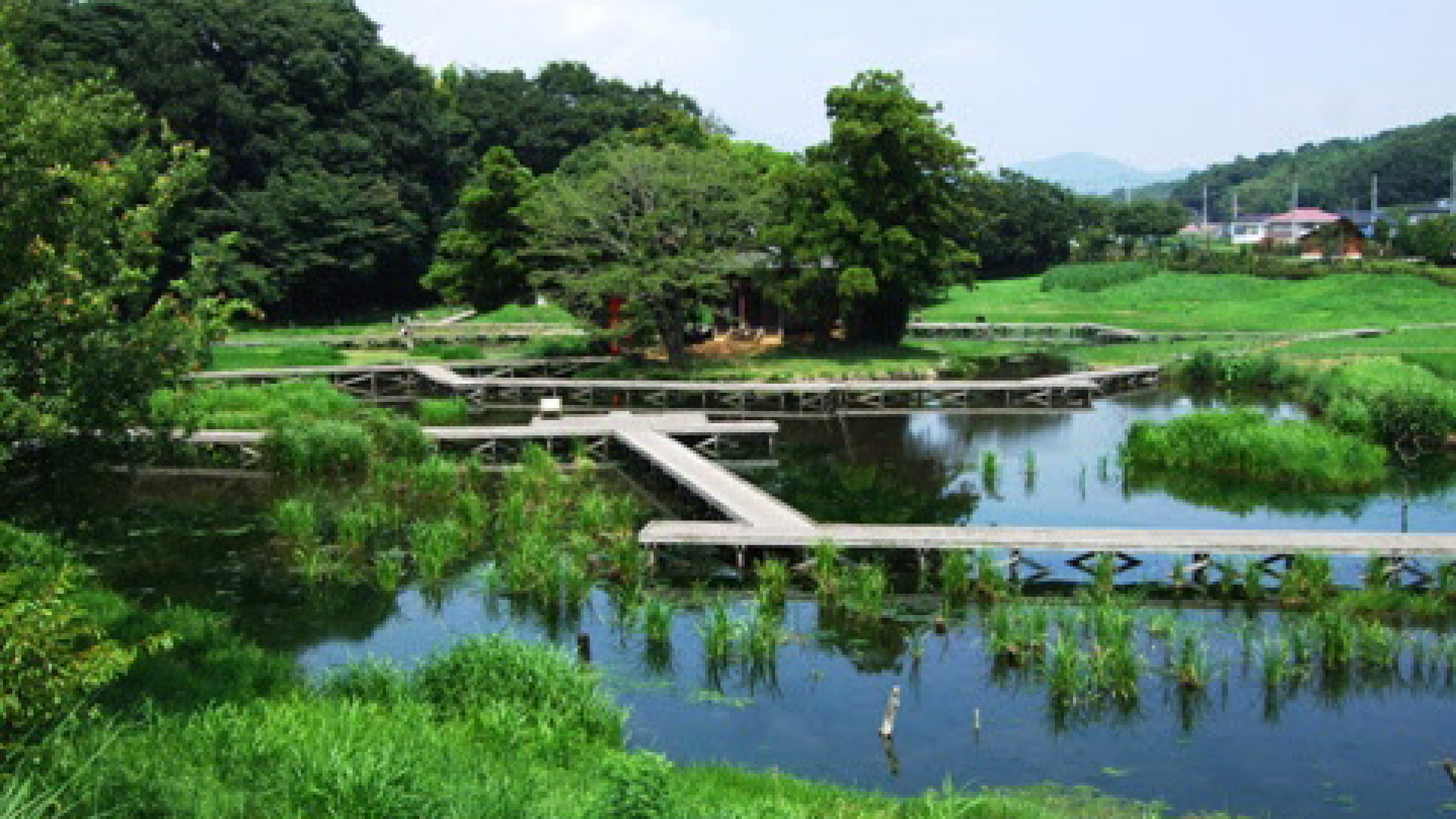
Surrounded by bamboo groves, this quiet park is a place for relaxation. In spring, a weeping cherry blossom party is held when the trees are in bloom. The contrast of pink and green during the day and the weeping cherry blossoms illuminated at night are fantastic. The trees are usually illuminated in late March or early April. Please check before you go.The weeping cherry blossoms are usually lit up from late March to early April. We recommend that you check before visiting.

Nature & Views Tokaido Koshu kaido KANAGAWA
Enoshima

Enoshima

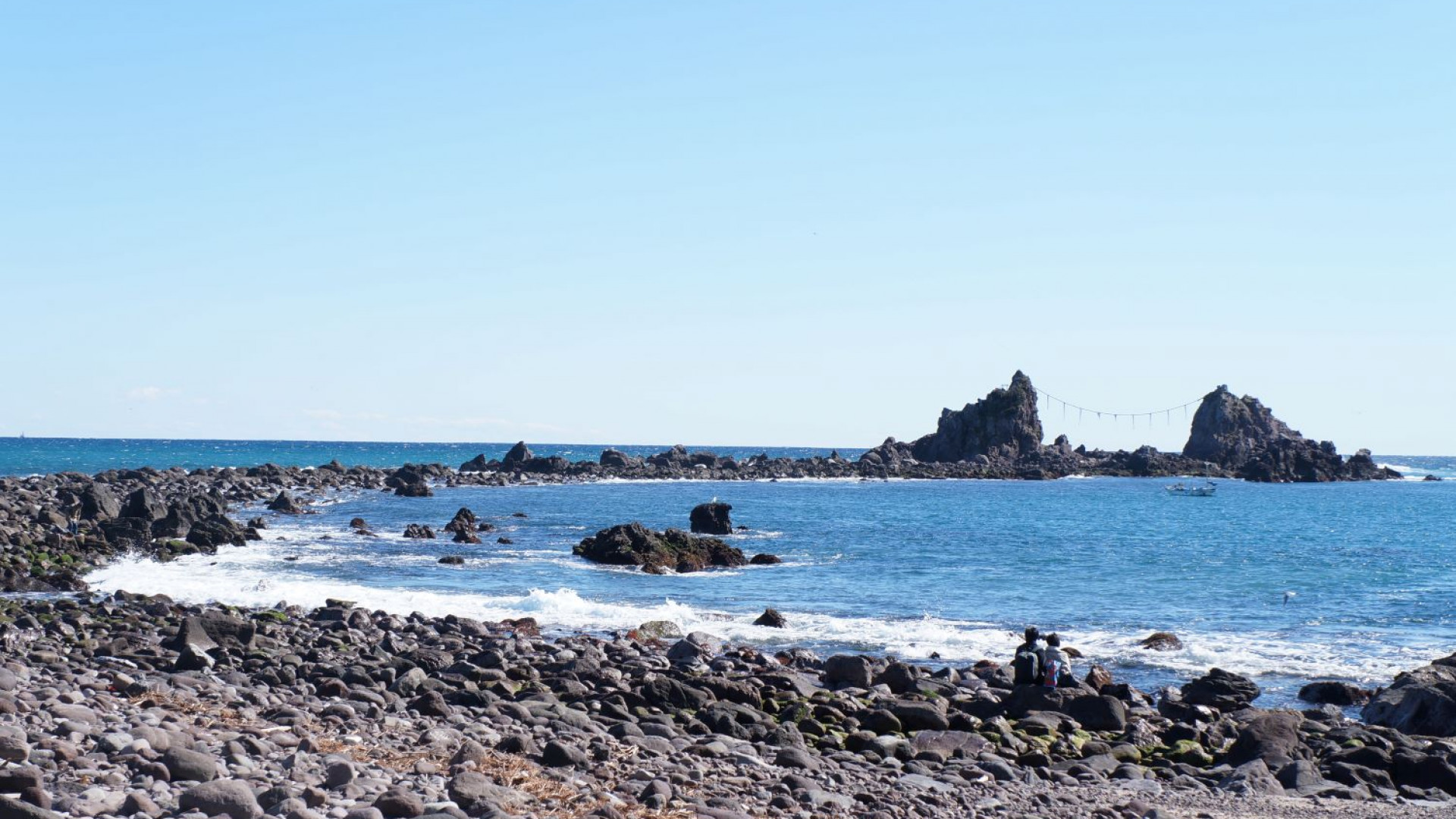
Enoshima is an island with a circumference of around 4 km and you can enjoy the popular sightseeing spots throughout a year, such as Enoshima Shrine, Enoshima Samuel Cocking Garden, Enoshima Sea Candle, Dragon Bell, Chigogafuchi Marine Plateau, and Enoshima Iwaya Cave. The Enoshima Yacht Harbor was the sailing competition venue for the Tokyo Olympic and Paralympic Games in 2020. The area is abundant with seafood such as shirasu, Ise Shrimp, sashimi, sazae and clams, all of which are very popular local cuisines to the tourists.When the tide is low, people flock to Chigogafuchi Abyss to take in the panoramic views of the sea and the magnificent skyline.The Chigogafuchi Rest House is a two-story building offering visitors a place to sit down and have a bite to eat before or after exploring the Iwaya Caves.Connected to the Chigogafuchi Abyss is the Sunset Reef. As the name suggests, it offers a stunning view of the sun setting into the sea. During the seasons of low tide, various marine life can be seen swimming amongst the reef, making it a popular fishing spot.The First Cavern is 152 metres long, and can be accessed by taking the left-side path where the cave splits at the entrance. When you walk further into the cavern, the cave splits again into two. Because of the extremely cold winds that sometime blow from the left-side path, it is rumored that the cave is somehow connected to Mt. Fuji, but this cannot be confirmed as it is closed to the public.On scenic Enoshima Island you can see historical temples, stroll around a botanical garden, take in the view from the lighthouse, or cool off in a cave created by the sea. In summer, the neighbouring beaches are lined with fun temporary bars.

Nature & Views Koshu kaido Tokaido KANAGAWA
Nojima Park

Nojima Park

The park is located on an island called Nojima at the entrance to Hirakata Bay in the southernmost part of Yokohama City. The area is famous for "Nojima no Sekisho" (a brocade picture depicting a sunset over the fishing village of Nojima)—part of the "Kanazawa Hakkei" (Eight Famous Views of Kanazawa) collection painted by Hiroshige Utagawa, an ukiyoe artist active in the late Edo period. Centered on Mount Nojima, 57m above sea level, the park features a number of facilities such as an observatory, barbecue area, campground, and baseball field, and from the observatory, you can see the sea of Yokohama, Boso Peninsula, and Mount Fuji. Other historical spots include the former Kanazawa residence of Ito Hirobumi, a Yokohama City-designated Tangible Cultural Property, and the Nojima Shell Mound.

Nature & Views Tokaido Koshu kaido KANAGAWA
Cherry blossom trees of Mt. Kamakura(cherry blossoms)

Cherry blossom trees of Mt. Kamakura(cherry blossoms)

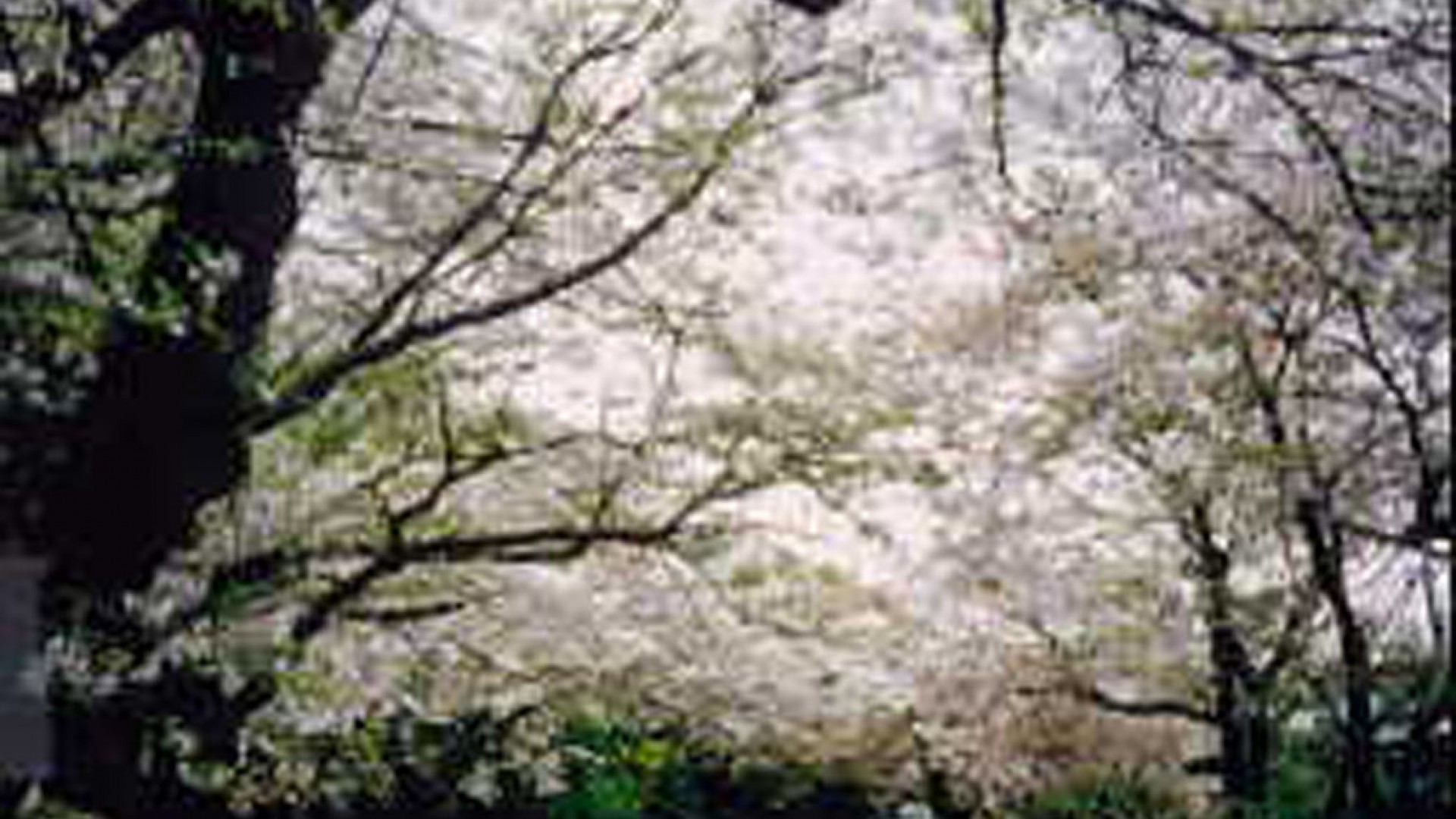
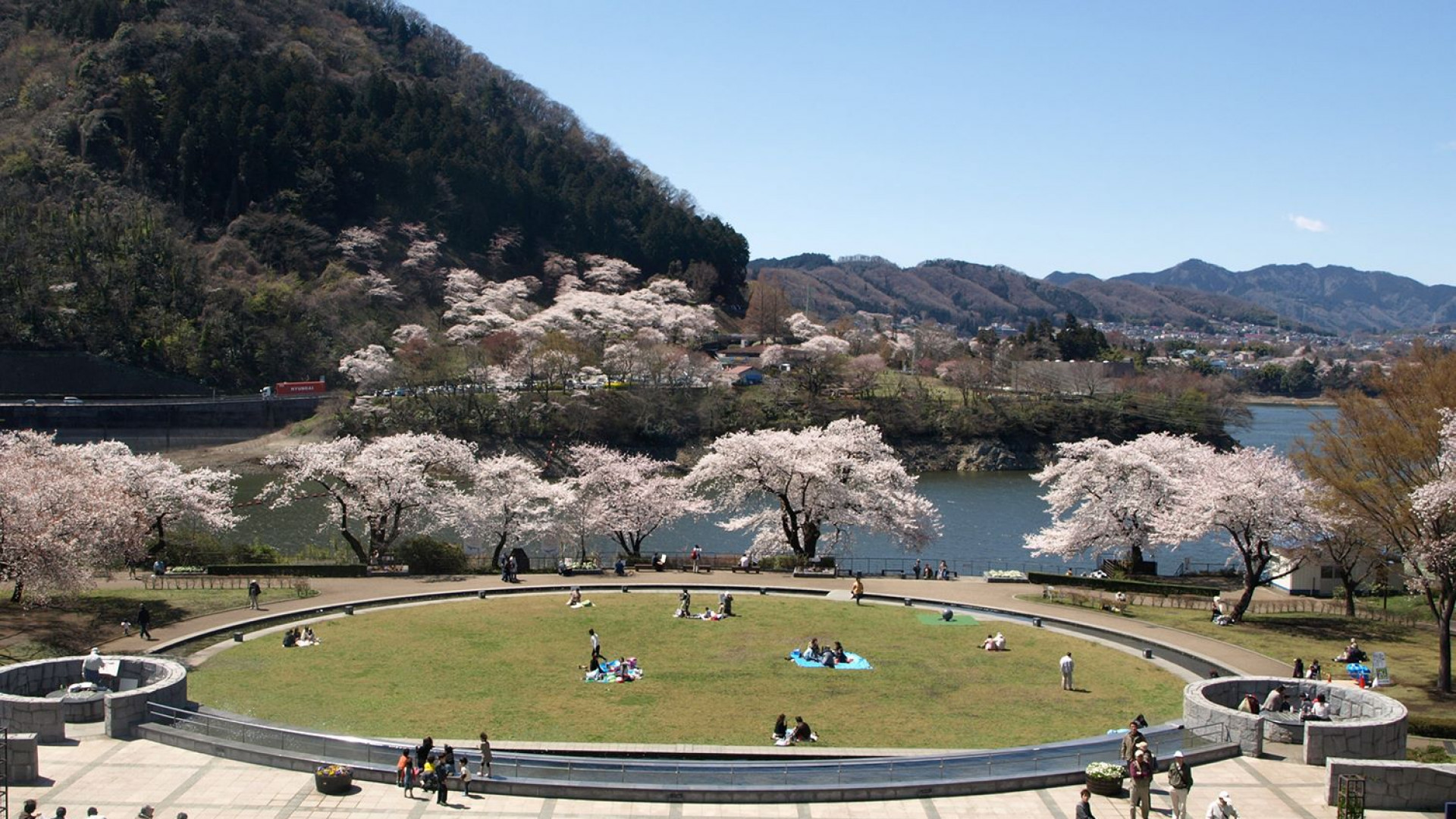
The Mount Kamakura Residential area was developed as a high class suburban area during the early Showa period, making a name out of Kamakura across the nation. While preserving the mountain range as much as possible, this residential area was built in the middle of greenery, with Japan’s first road for vehicles linking the area to Ofuna Station. Along the road, there are many sakura trees planted from a long time ago, making the area one of Kamakura’s famous sakura spots.

Nature & Views Koshu kaido Tokaido KANAGAWA
Kanagawa Prefectural Center of Flowers and Greenery, Kana Garden (Vegetables and Flowers)

Kanagawa Prefectural Center of Flowers and Greenery, Kana Garden (Vegetables and Flowers)

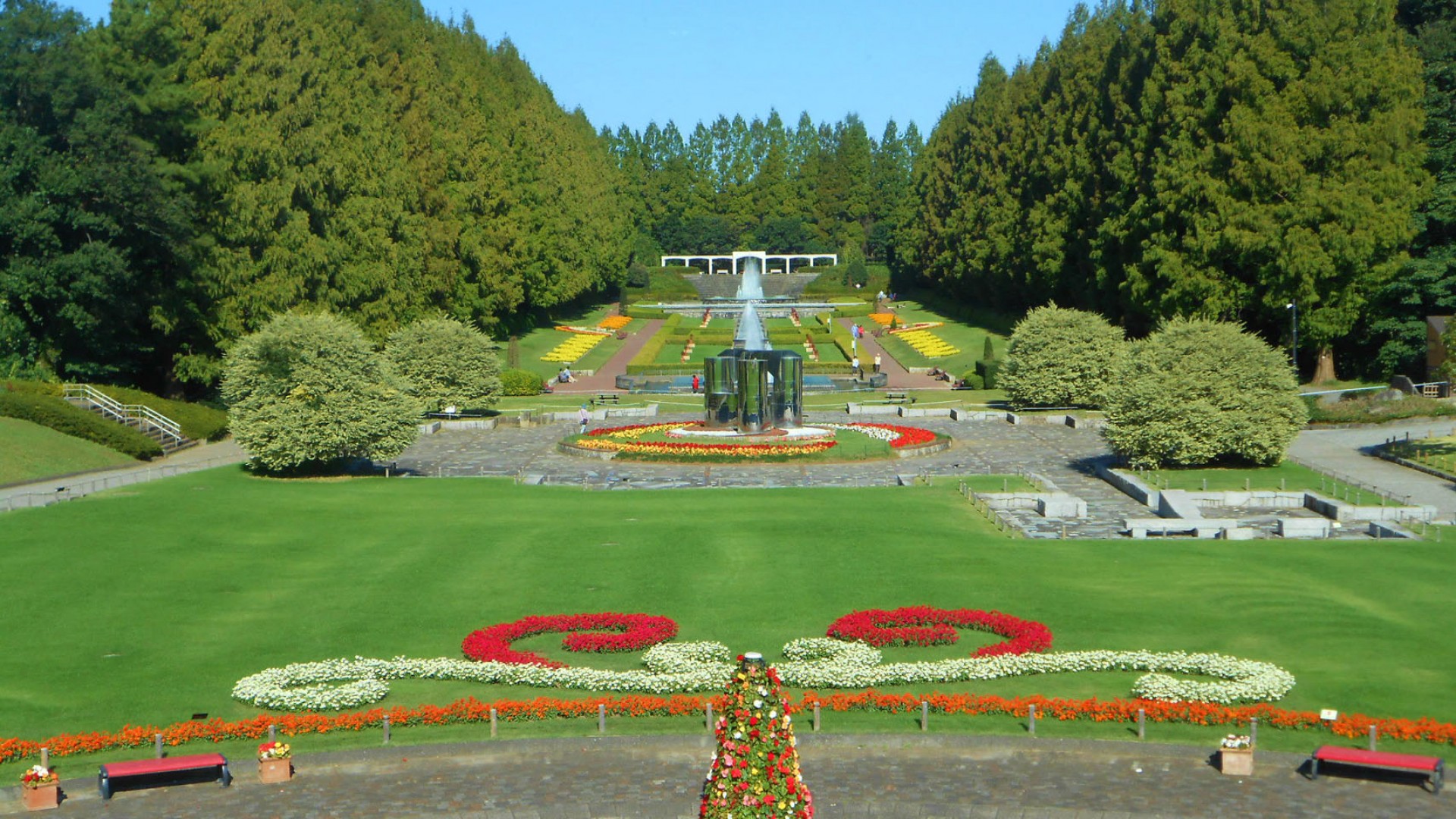
Kanagawa Prefectural Center of Flowers and Greenery, Kana Garden is a facility where you can enjoy the Flower Zone, an area filled with seasonal flowers, including a photogenic rose garden and a large panoramic flowerbed, as well as the Agri Zone, a rare feature for a botanical garden, where you can experience harvesting seasonal vegetables such as tomatoes and cucumbers, as well as rice planting and harvesting. Enjoy a picnic or play ball under the blue sky on the spacious lawn! If you're feeling peckish, dine at the Garden Restaurant or enjoy shopping in the facility. This is a place where everyone from children to adults can kick back and enjoy!

Nature & Views Tokaido Koshu kaido KANAGAWA
Lake Ashi

Lake Ashi

Lake Ashi, also known as Ashinoko, was created by a steam explosion of Mount Kamiyama about 3000 years ago. This caused a river to be dammed, which formed the lake. The majority of the lake’s water comes from a spring at the bottom of the lake. The area is often bustling with hikers along the shore, picnickers, and people fishing.The Hakone Sightseeing Cruise Pirate Ship is one of Ashinoko's most famous experiences. Pirate ships come in three different designs, but all cruises offer the same, smooth journeys across Ashinoko, promising a beautiful view of Mt. Fuji on clear days.Togendai Port is one of the three ports where the Hakone Sightseeing Cruise docks. It is also directly connected to the Hakone Ropeway.The Hakone Ropeway connects visitors from Togendai Port to the Owakudani observation platform, Hakone's most famous tourist spot. While the view of Mt. Fuji from the observatory is stunning on its own, the view from taking the ropeway alone will take your breath away.A 15-minute walk from Togendai pier, this small observation square is a lesser-known observatory that also provides beautiful views of Mt. Fuji and Ashinoko. If you feel like skipping Owakudani and taking a shortcut, this observatory is for you.Enjoy a magnificent view of Mt. Fuji, Lake Ashi, and the red torii gate, in the morning or evening at Motohakone Port. Depending on your luck, you can see the reflection of Mt. Fuji on the clear lake surface in the early morning if weather conditions permit.

Nature & Views Tokaido Koshu kaido KANAGAWA