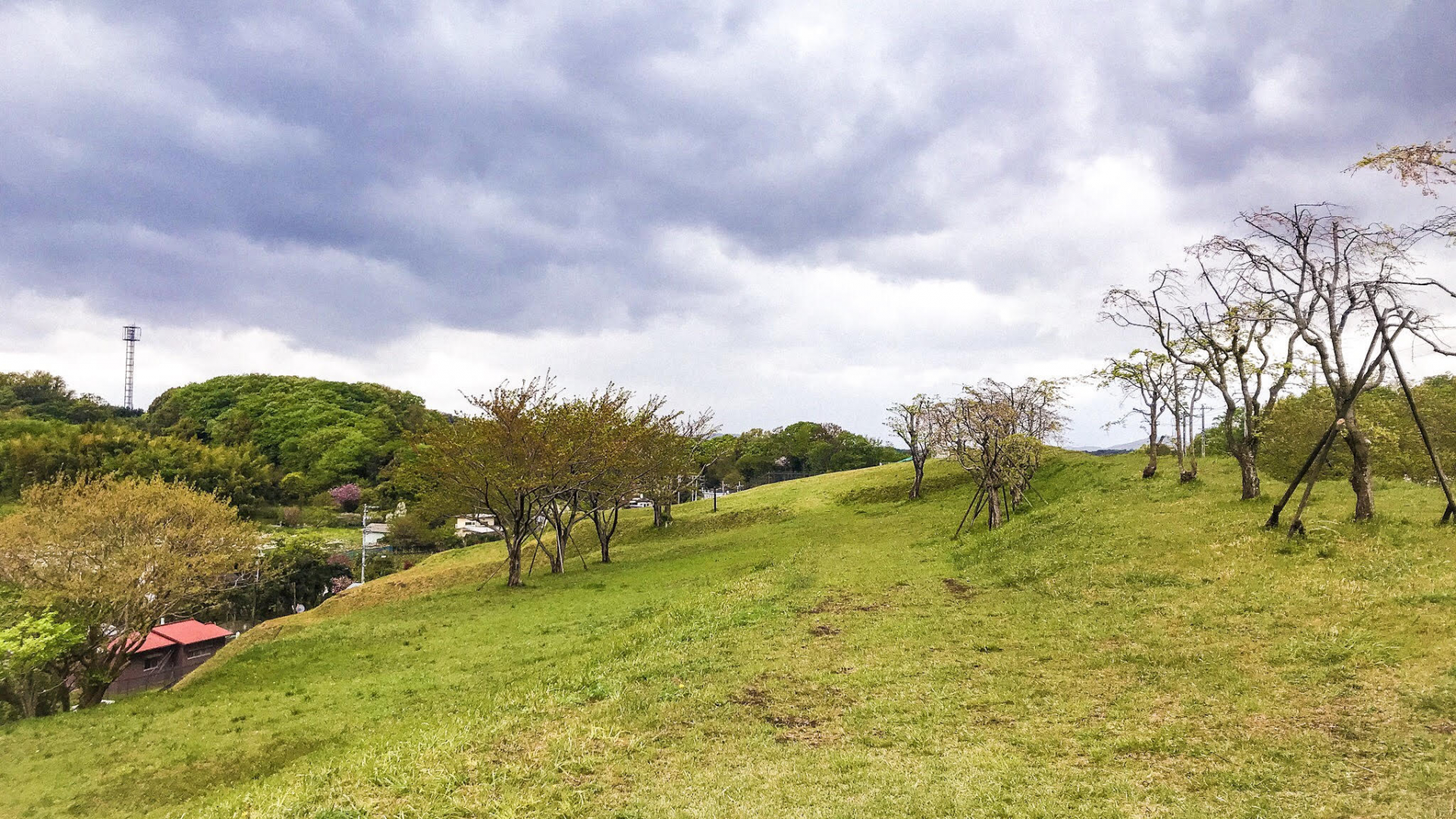


Shichi-magari Toge (Seven Bends Ridge)
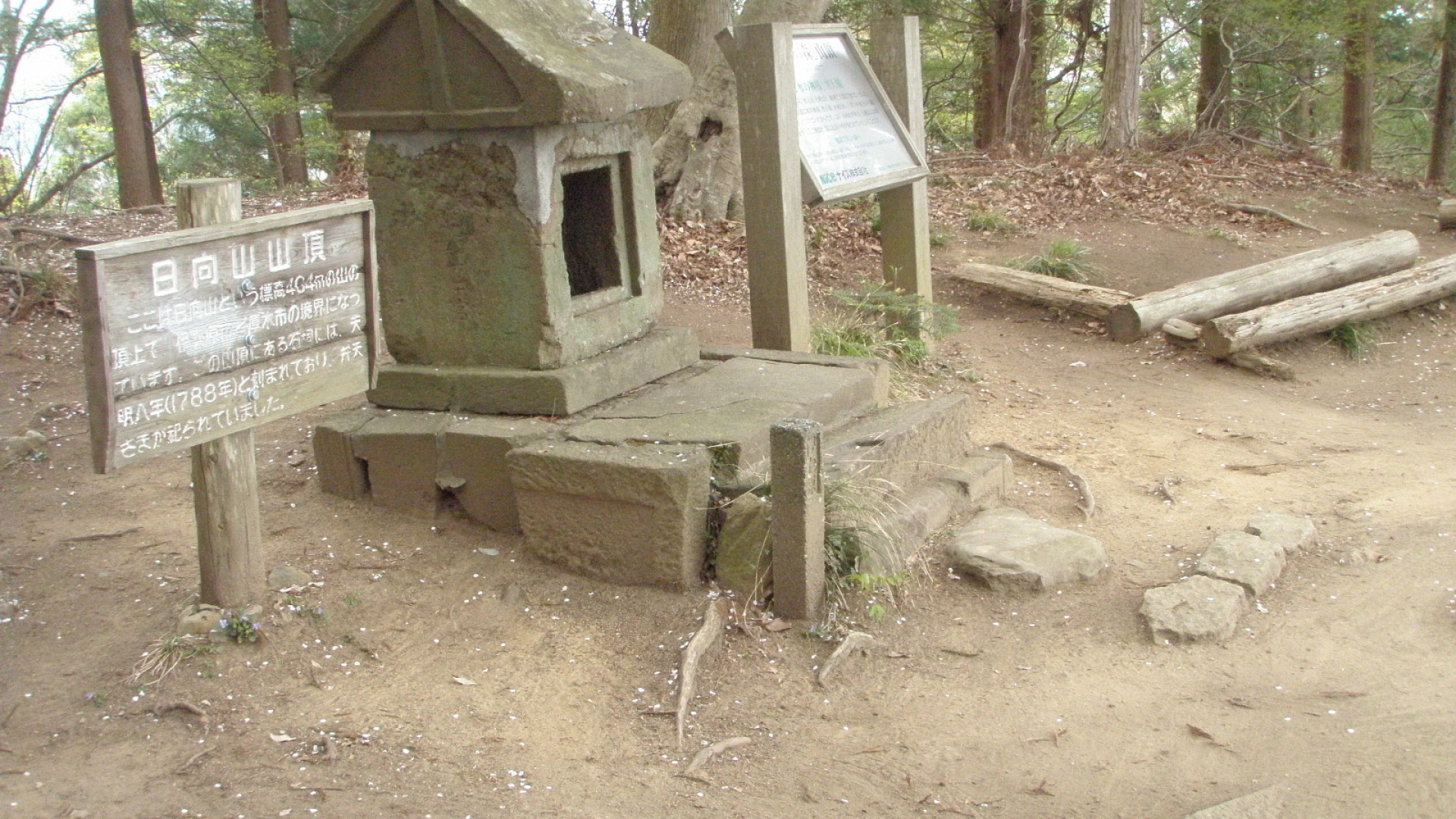
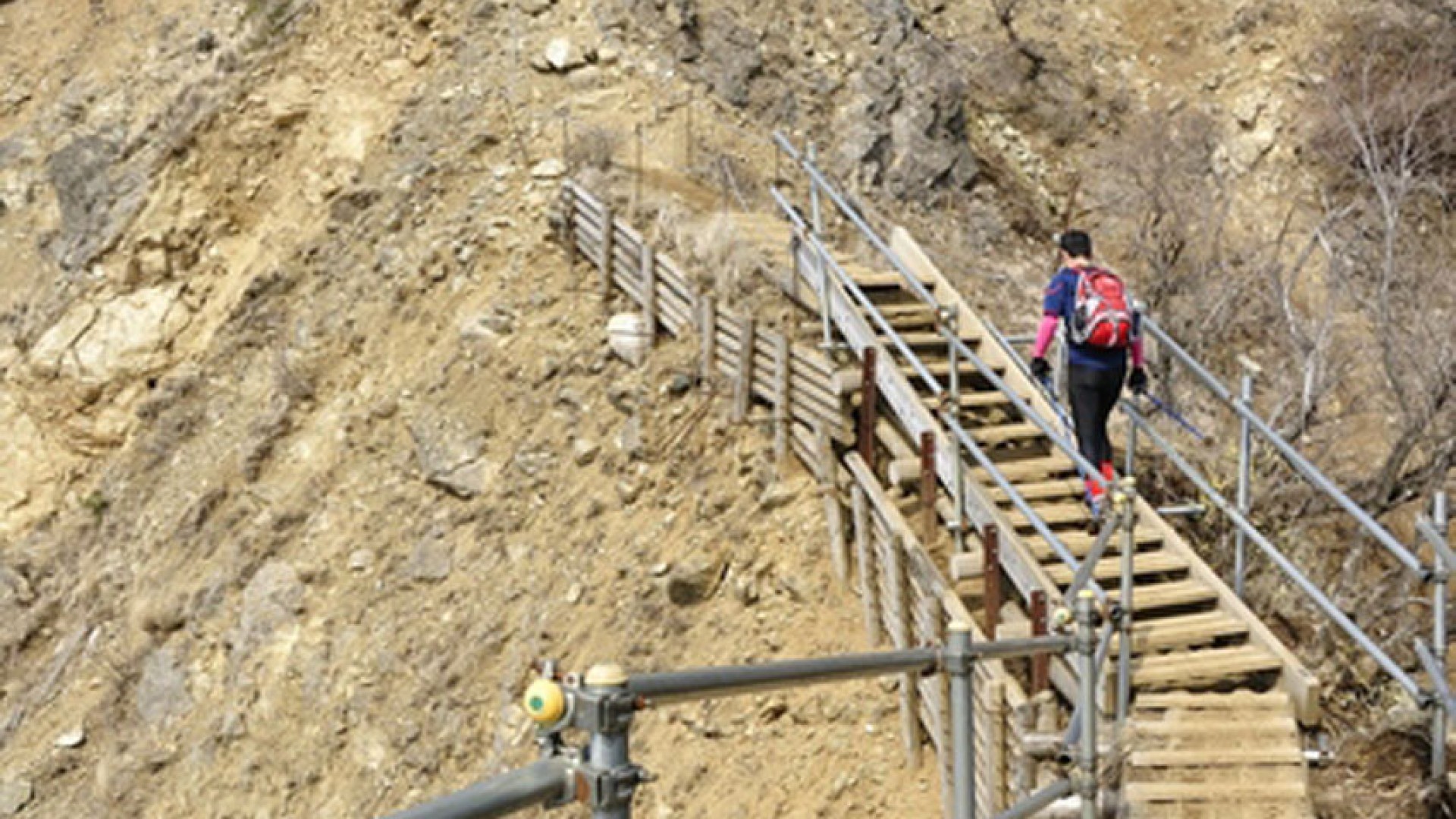
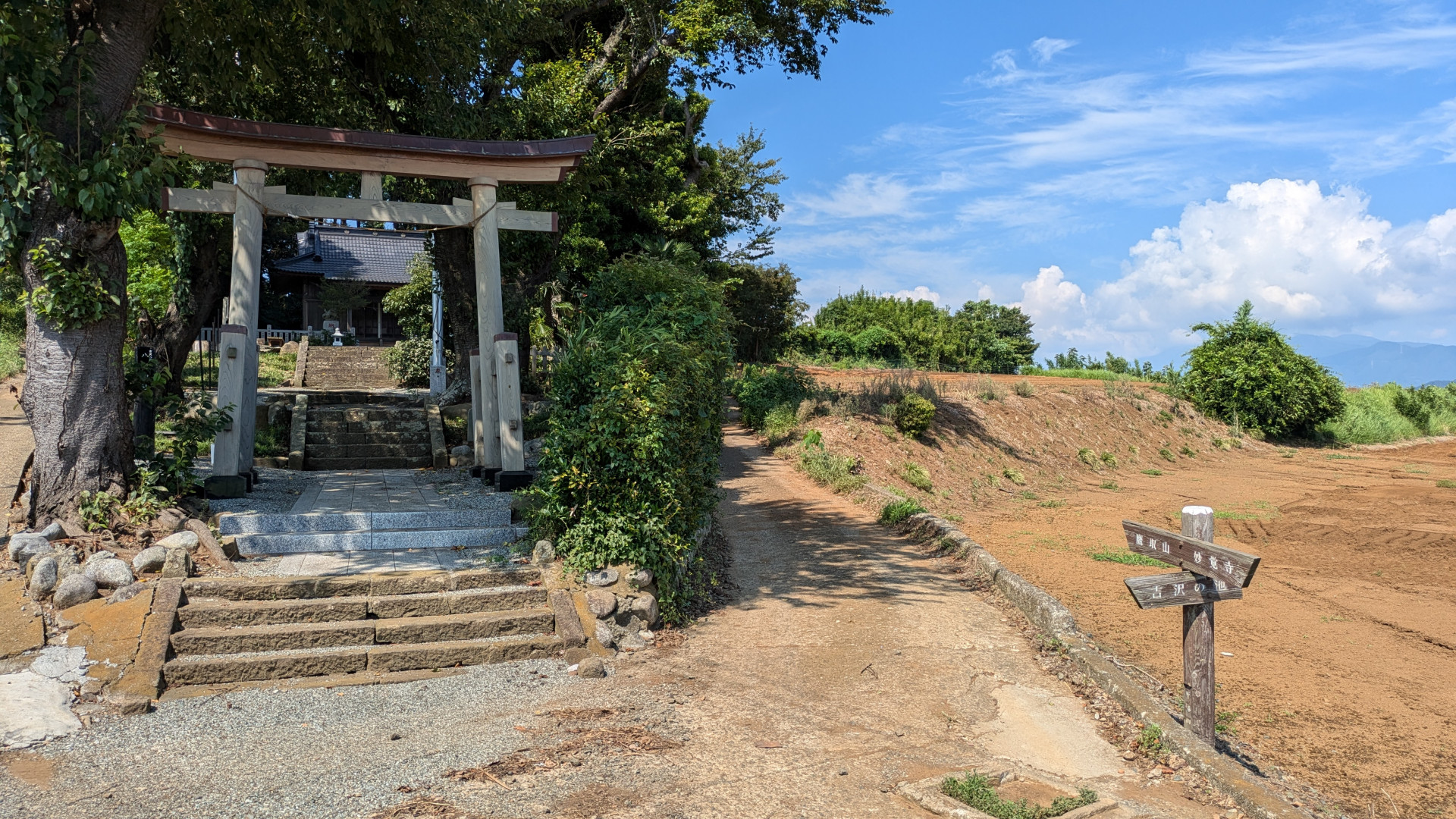
This is the mountain path on the way to Hinatayakushi Hiking route.
Total: 343 items
This is the mountain path on the way to Hinatayakushi Hiking route.
Unlike modern flood control methods that build high, sturdy levees, these double levees make good use of nature and allow water to flow outward from them. It is said that this was invented by Shingen Takeda, also known as Shingen Tsutsumi, a general in the Warring States period.
Oisojoyama Park is a park where the former Mitsui Zaibatsu owner had his villa as well as where former Prime Minister Shigeru Yoshida spent his last years.
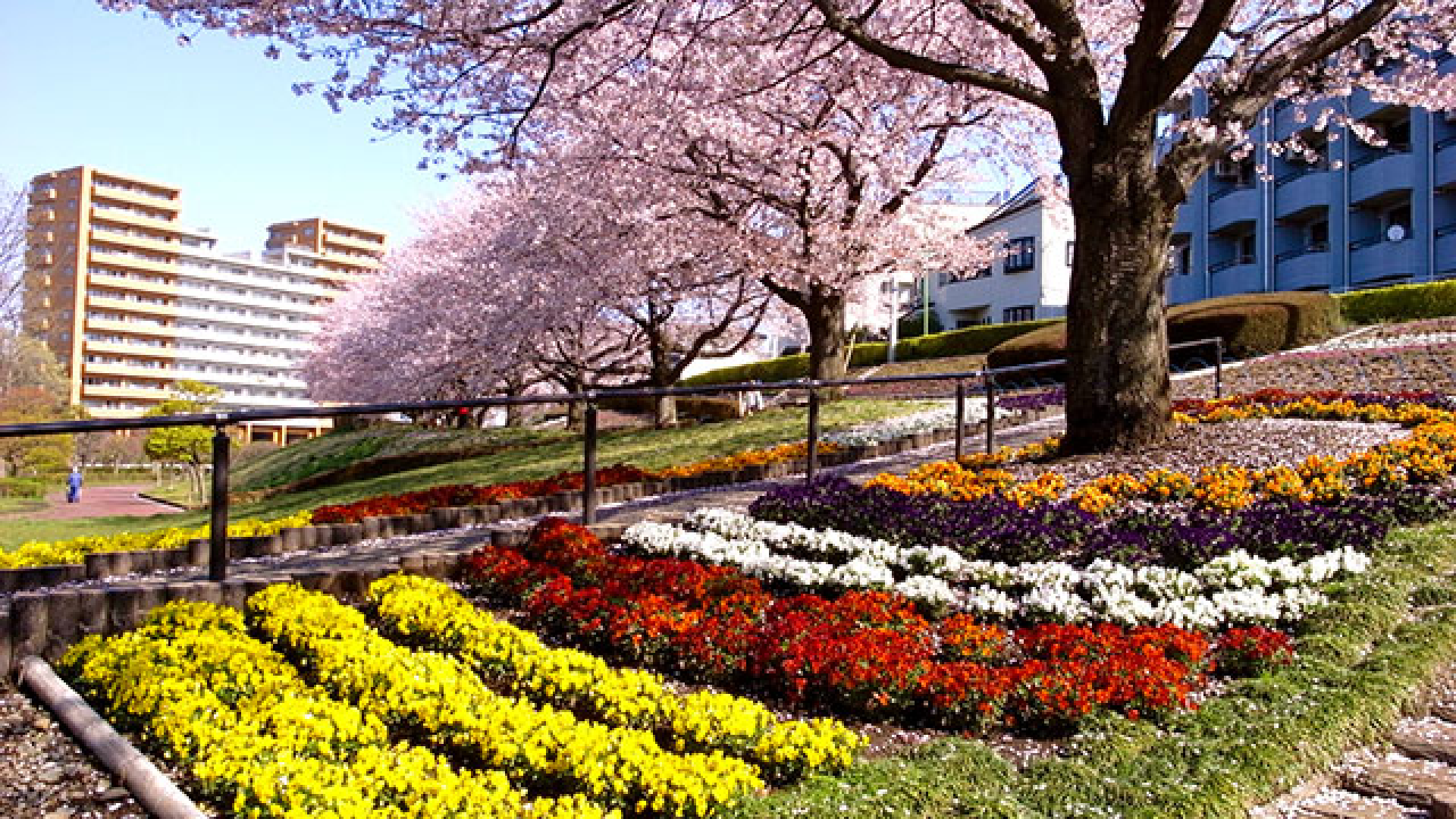
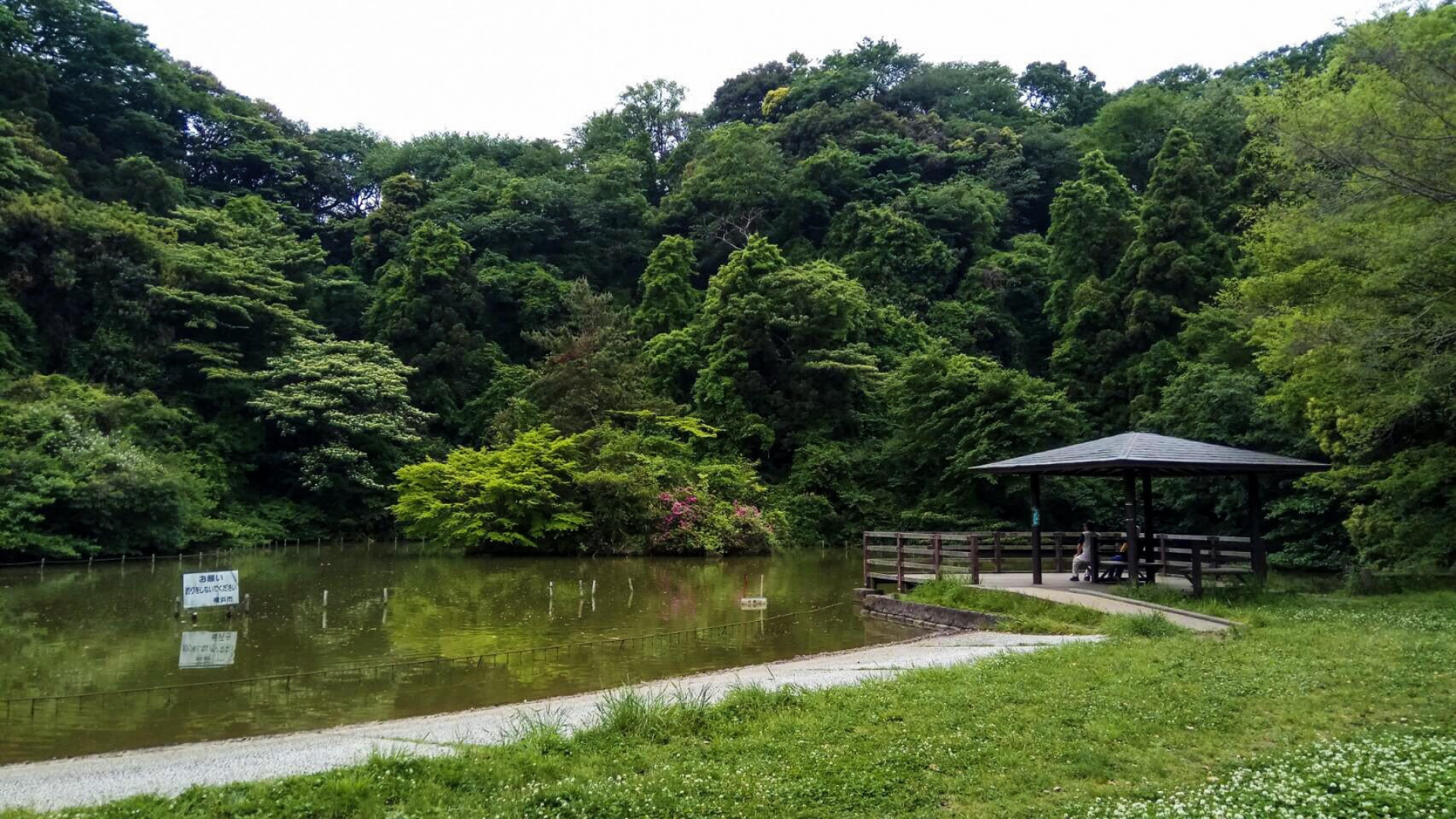
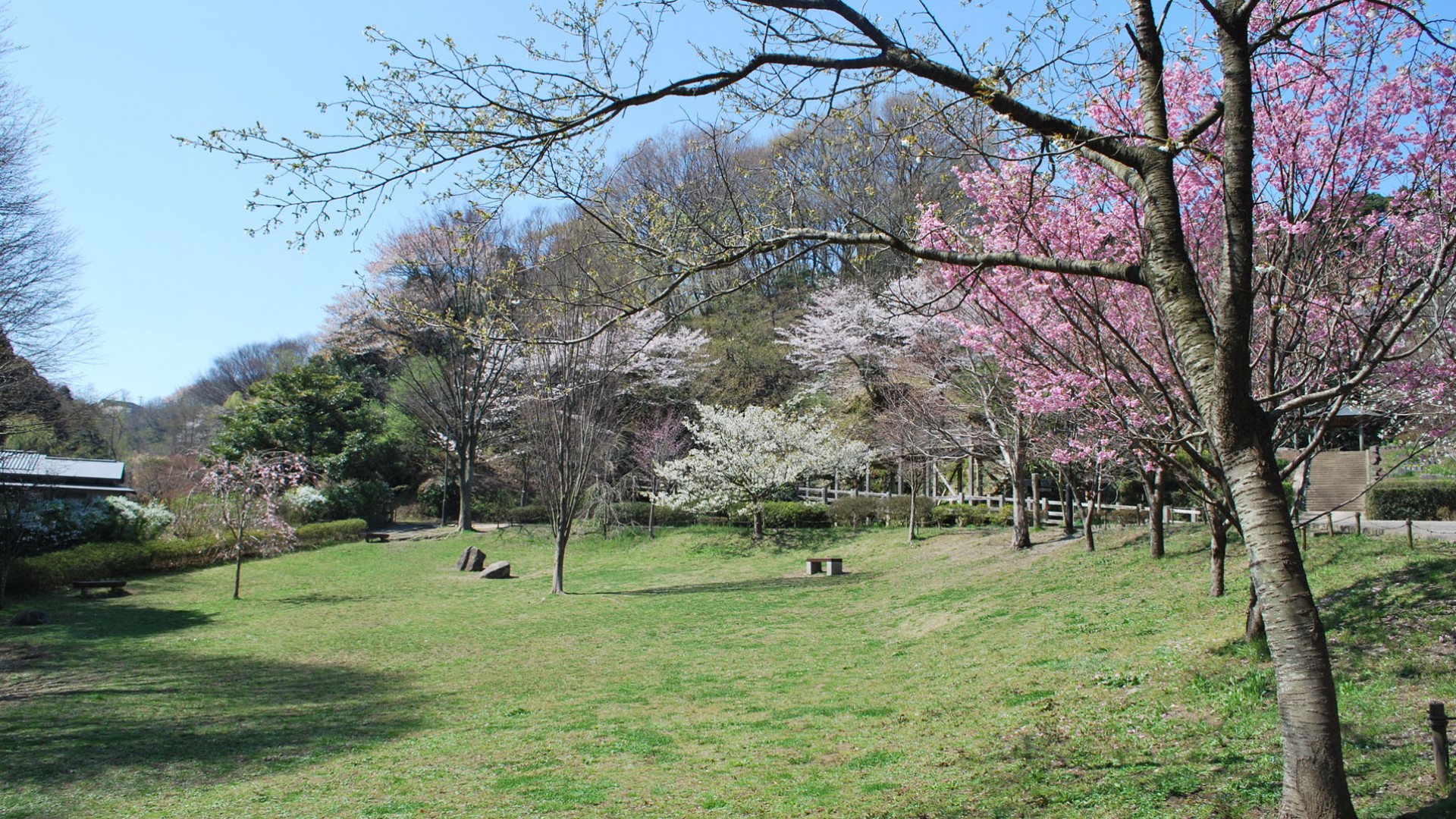
Mitsuike Park has been selected as one of Japan’s Top 100 Cherry Blossom Spots. Beginning with the winter cherry blossoms that bloom in mid-February, various varieties of cherry blossoms bloom at different times and are loved by visitors. In addition, you can enjoy nature—greenery and autumn leaves—throughout the four seasons, and there are playgrounds, baseball fields, and tennis courts to enjoy other leisure and play sports.
It is a bridge over Sagami River which connects Ebina City and Atsugi City. Initially, it was designed to be underwater during a flood so that it could easily be rebuilt even when it was washed away. In 1996, however, it was constructed as a permanent bridge.
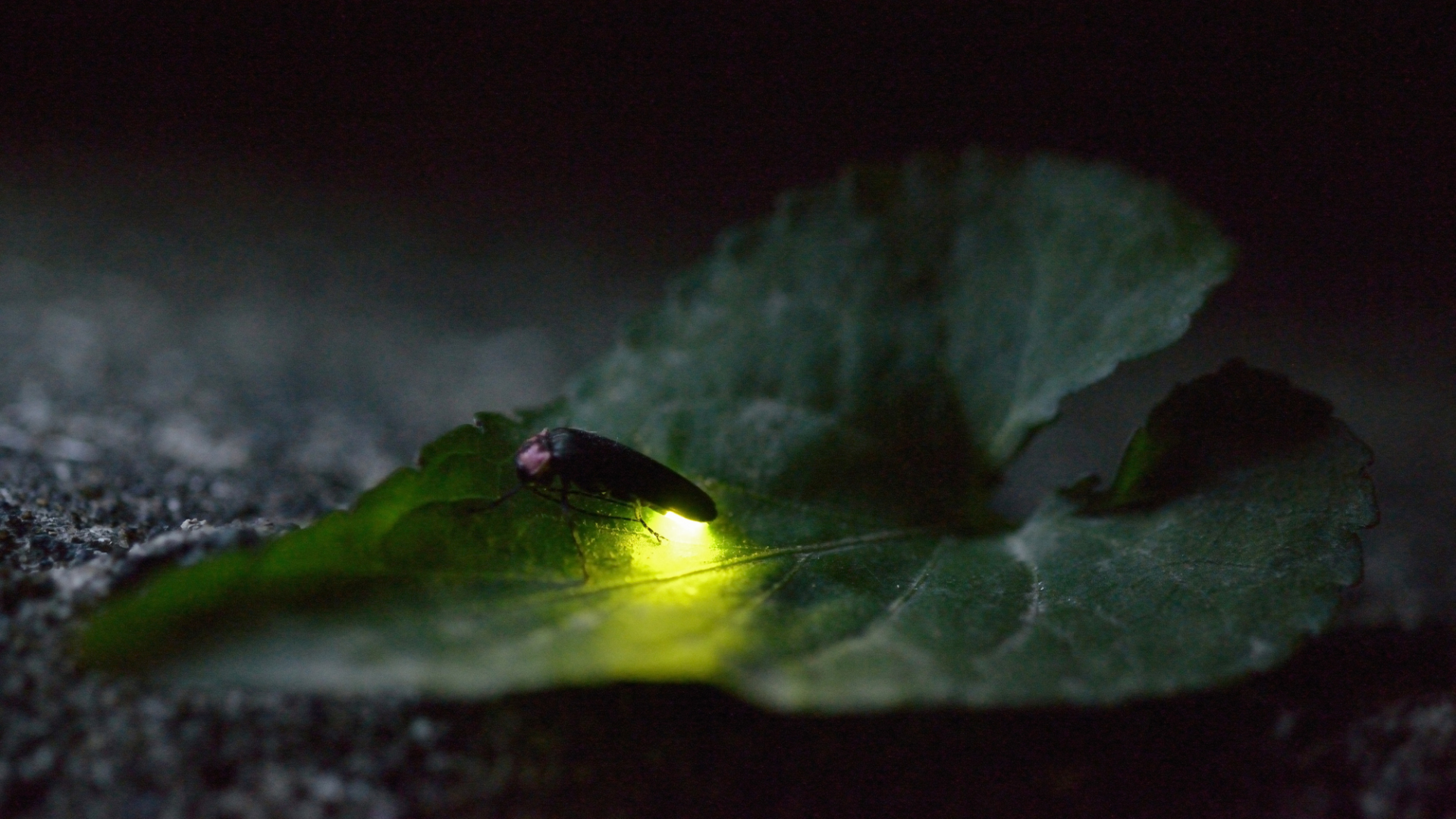
The area around the Hatsuyama district of Ikuta Ryokuchi, Tonmori Tanito, where you can enjoy the scenery of the satoyama, which includes the Tonmori river and its fireflies, rice and other farming fields.
A 24.6 hectares park known for its natural landscapes and scenic beauty. Every year, the sakura (Somei Yoshino) blooming in late March is a sight not to be missed.
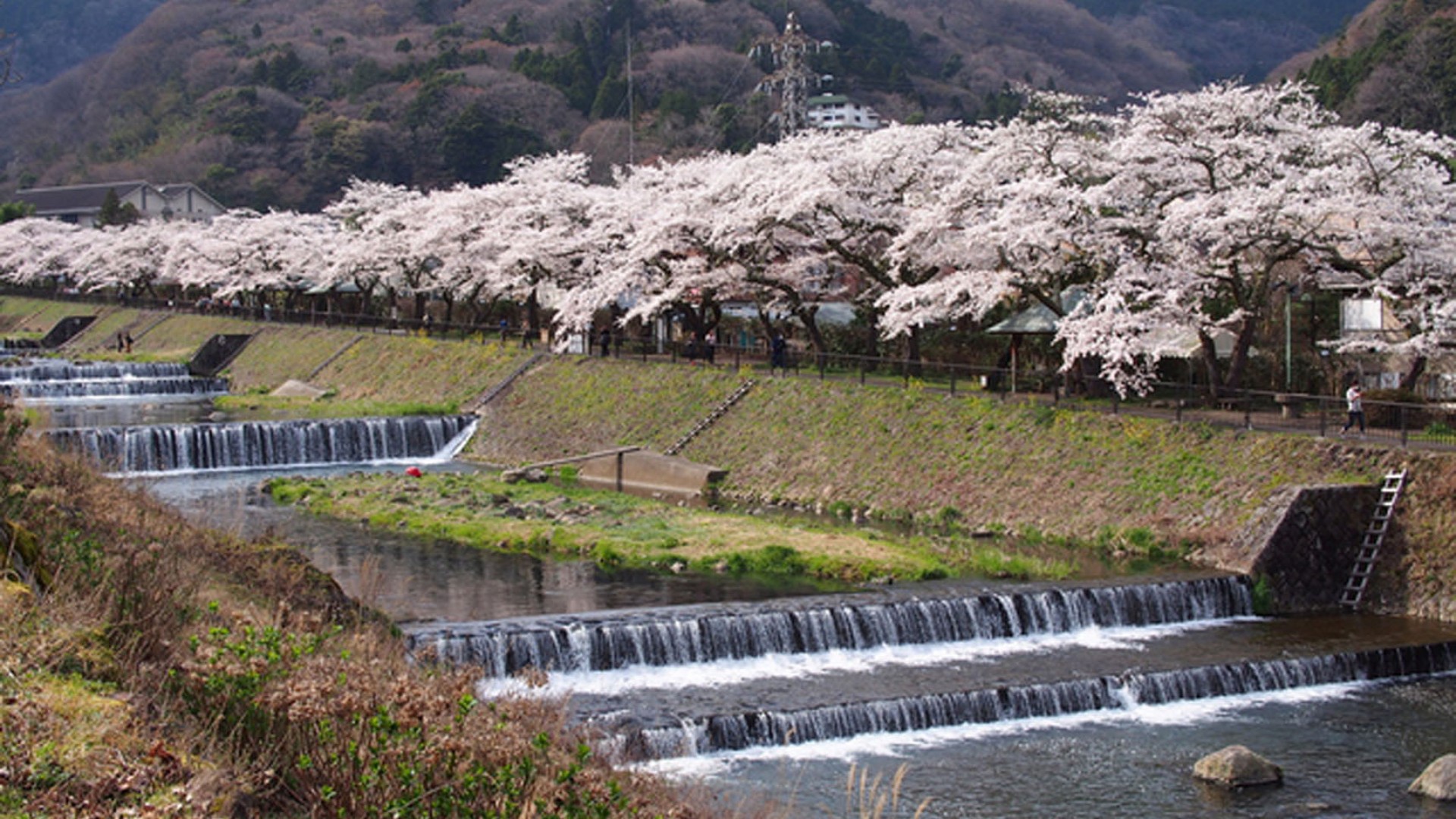
Along the Hayakawa River, there are about 450 meters of Yoshino cherry trees. During the sakura festival held at the beginning of April, the trees are lit up and you can enjoy the beautiful night view of sakuras. Photos Provided by photolibrary
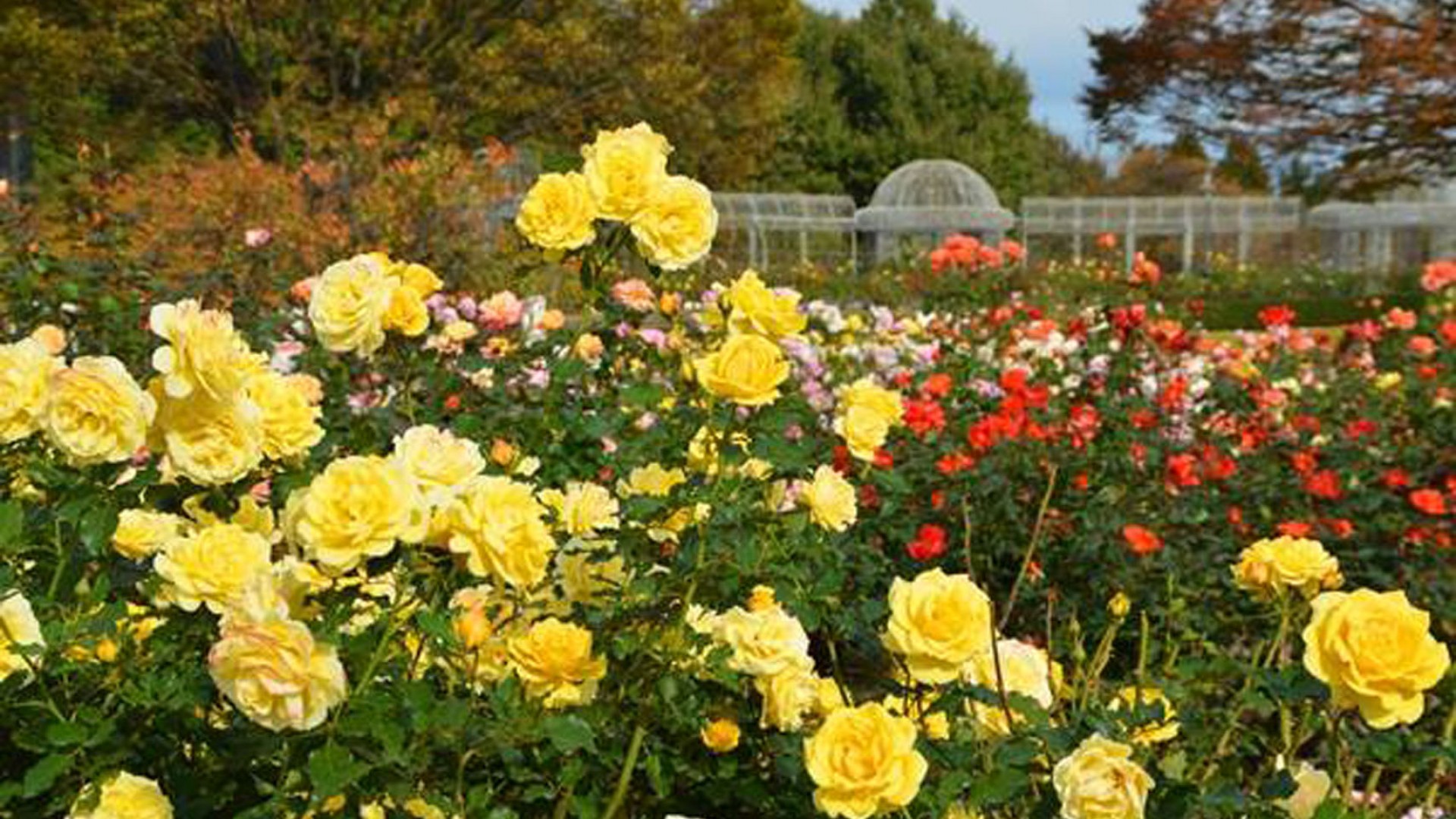
Park where flowers can be enjoyed throughout the year. With a theme of "Creating a Lifestyle Culture of Flowers and Greenery" we opened in 1995 (Heisei 7) with the aim to create a fun flower garden. Many visitors come to the park for a stroll, and the "Dancing Fountain," open only in the summer, is a popular spot for children.
It is about 19 hectares where they restore forests fallen into disrepair to familiar woodlands. They cooperate with volunteer organizations in thinning and other activities to keep trees and soil in proper condition and conserve forest management and habitat of organisms and plants. You can appreciate seasonal flowers here.
From the observatory, visitors can look down on the beautiful scenery of the Sagami River. There is also a plaza on the riverbed downstream, where various sports competitions and events are held. Photo courtesy of Sagamihara Tourist Association
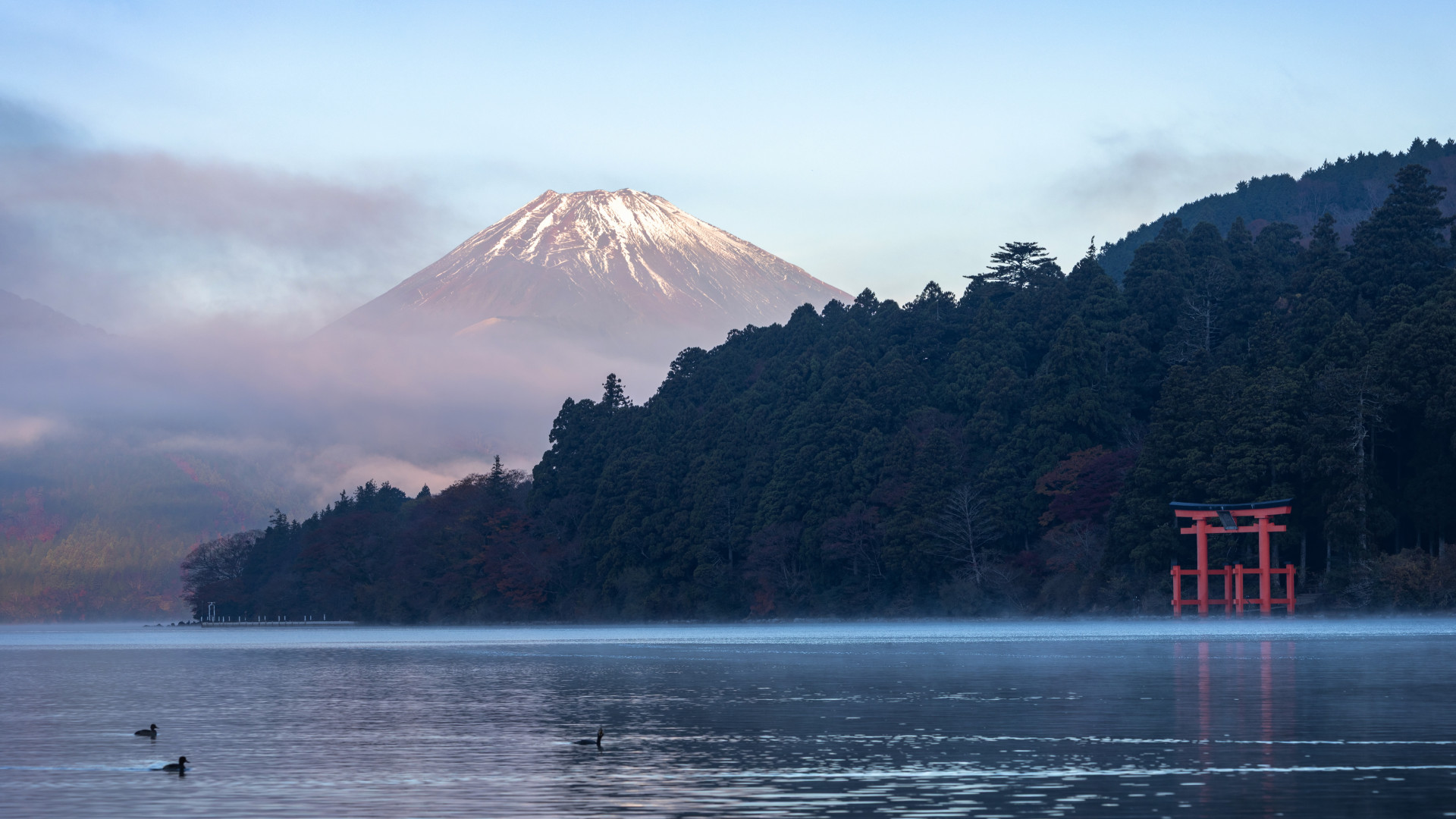
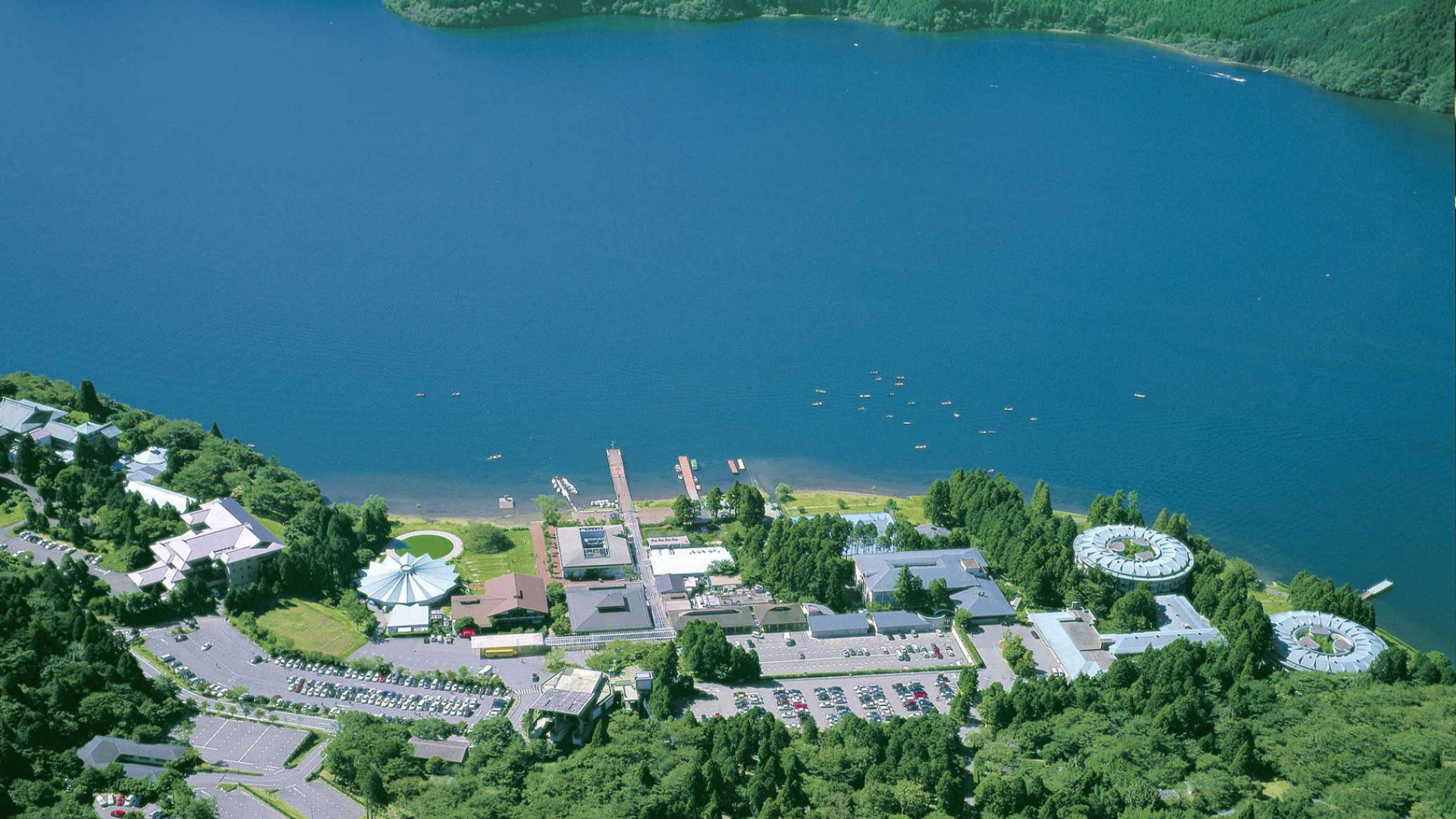
Hakone-en is a comprehensive recreational facility with many attractions, restaurant, and souvenir shops. It serves as a convenient base for sightseeing in Hakone as both the Ashinoko Lake Leisure Cruise and Komagatake Ropeway have stations here.
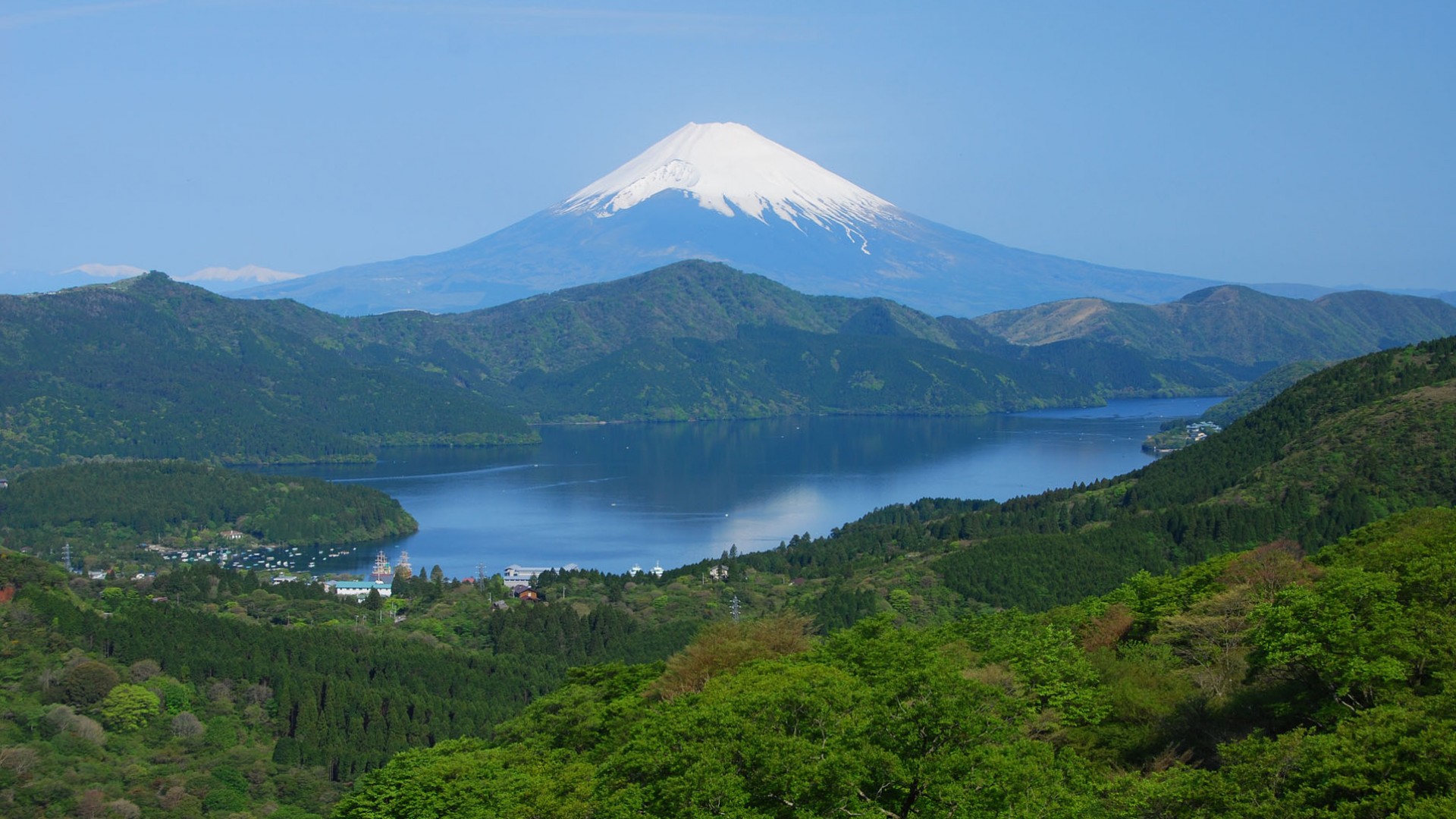
This mountain is located on the border of Yugawara and Hakone, allowing a magnificent view of Mount Fuji and Lake Ashinoko. It is named after the famous Japanese painter of pre-World War II Japanese art, Taikan Yokoyama, who was said to love painting Mount Fuji.The panoramic view of the setting sun and Lake Ashi in the direction of Mt. Fuji is superb.
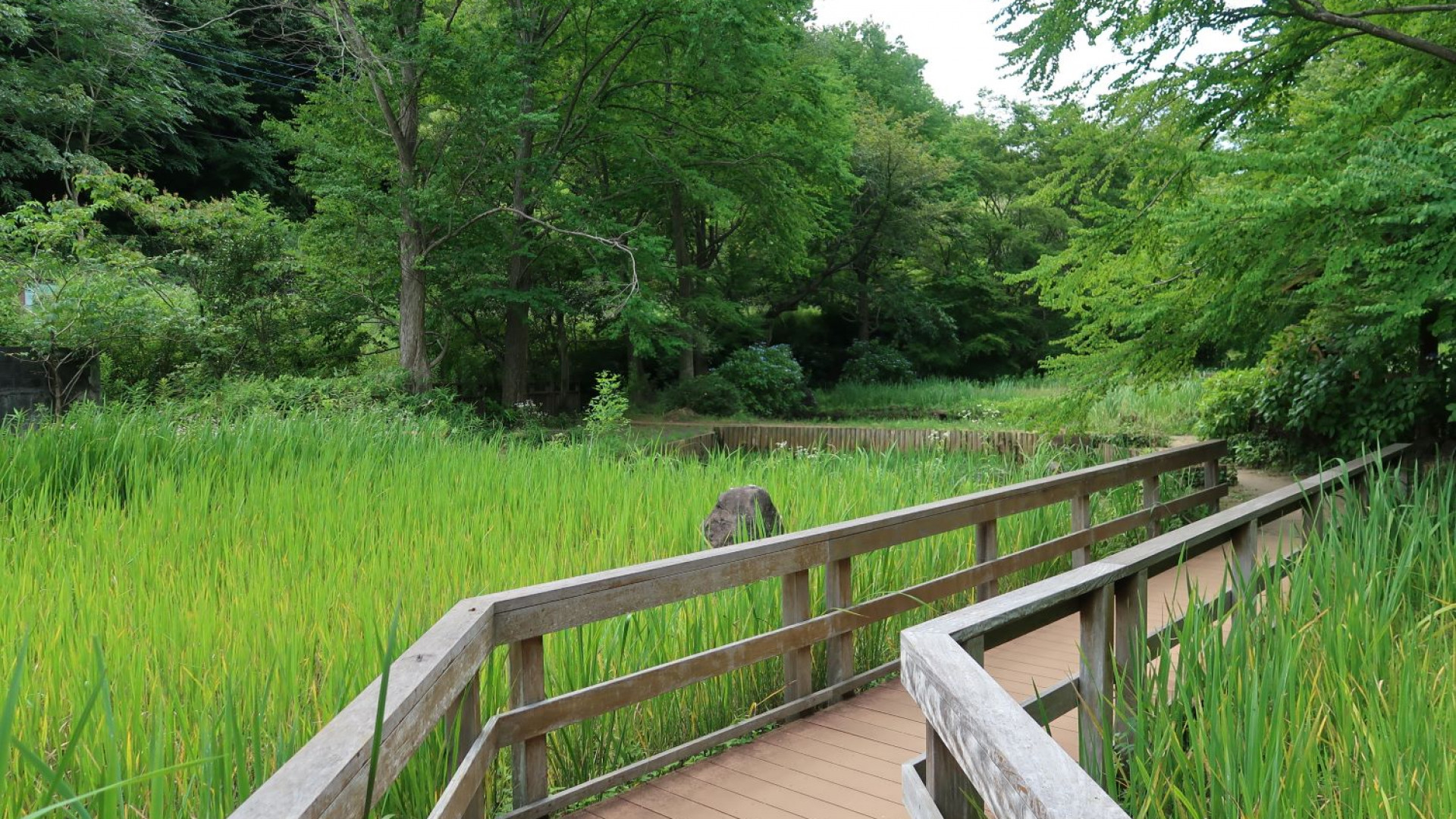
In the Hinata area, Equinox flowers start blossoming from mid-September and peak in late September. Accompanied by the green mountains and yellow rice flowers, they paint another layer of elegant colors for the mountains. Information about the blossom can be viewed on the homepage of Isehara Tourist Association.
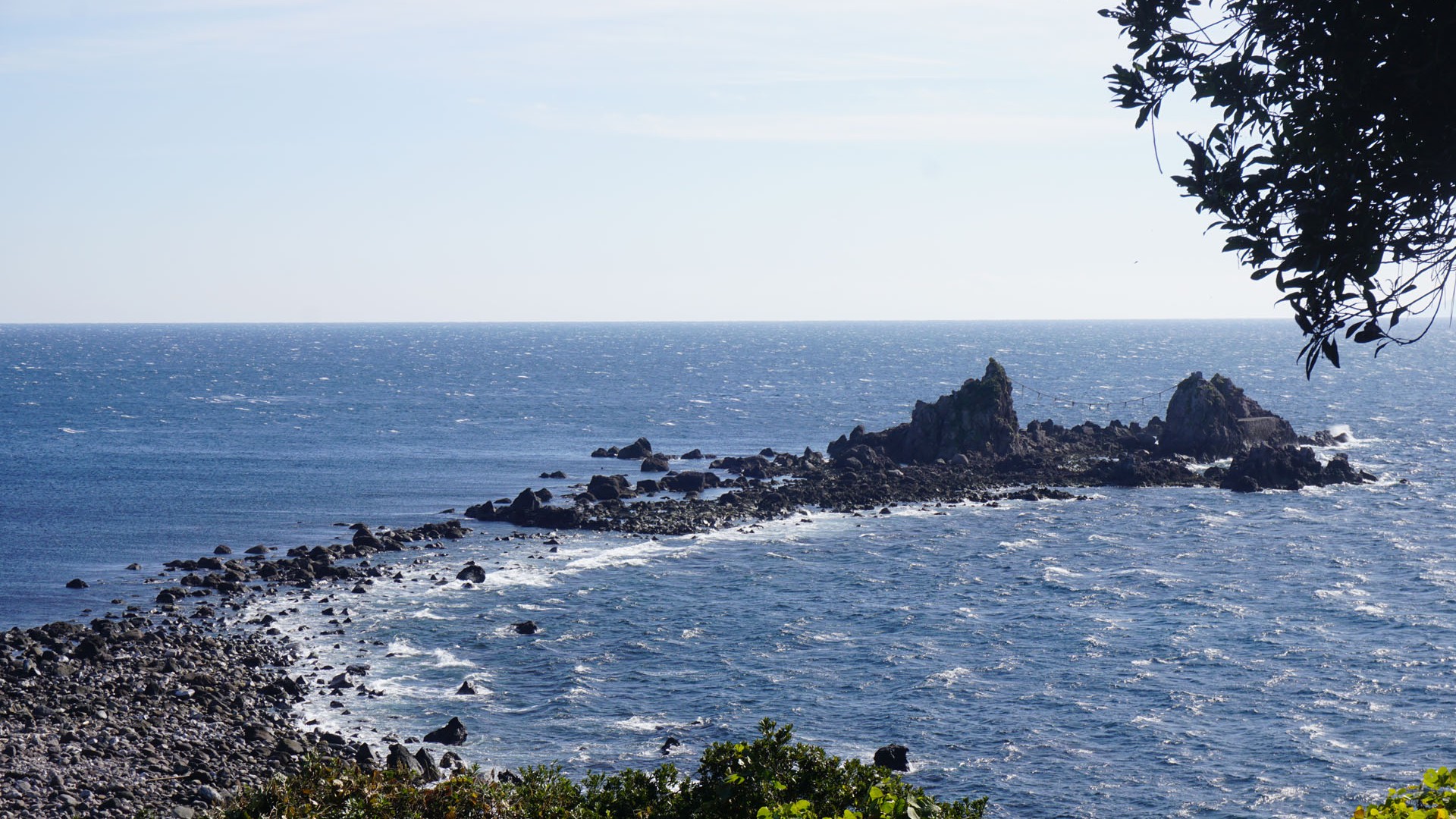
Manazuru point is jut into Sagami Bay. It is the designated "50 most beautiful Kanagawa sceneries" because the view from the edge of the point is so wonderful. You can walk down to the Mituishi beach down below.
Located on the peak of the gently-sloping Hiroyama, you can enjoy a view of Sagami Bay, Enoshima Island, and Mount Fuji. Besides observatories, there are also monkey enclosures and animal enclosures.
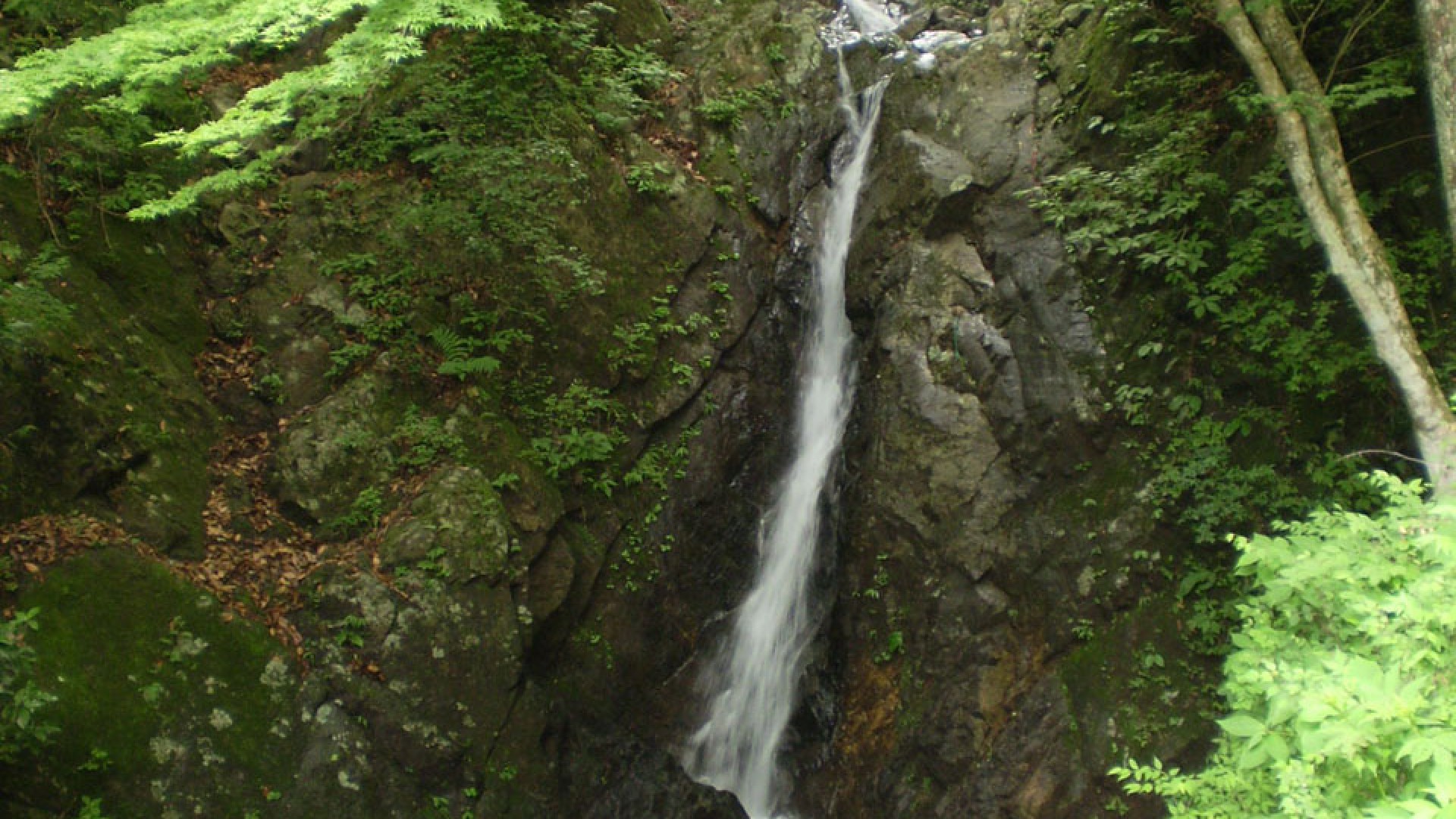
Niju Falls, also called "Amagoi-no-taki" is one of Oyama's six waterfalls and is believed to call the rain.
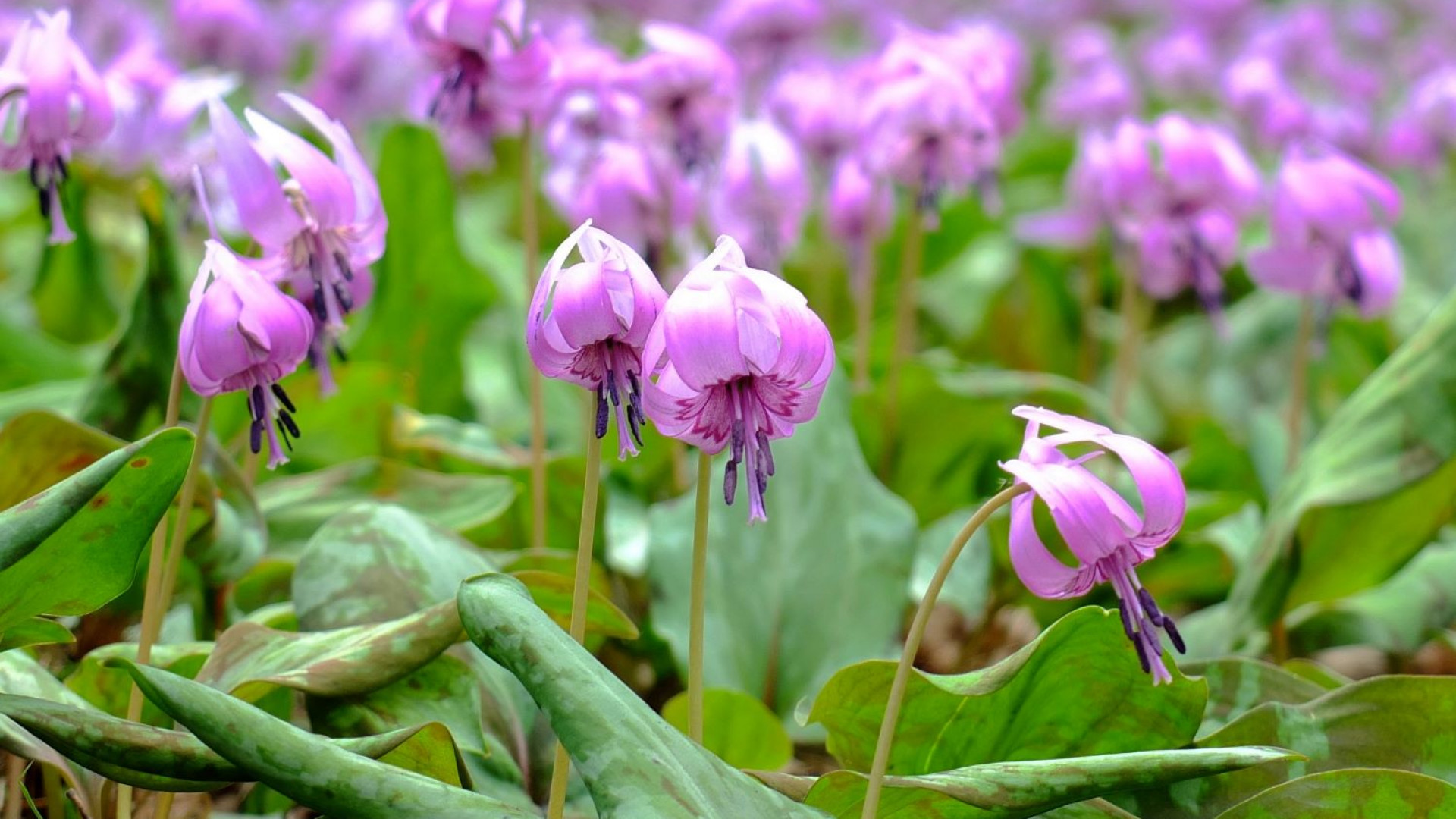
Take a leisurely stroll through the thickets of 130 species of wildflowers and grasses, such as the calanthe discolor, the golden-rayed lily and the mountain hydrangea (or 'tea of heaven').