Greater Tokyo

See & Do

reset
Oyama-dera Temple

Oyama-dera Temple

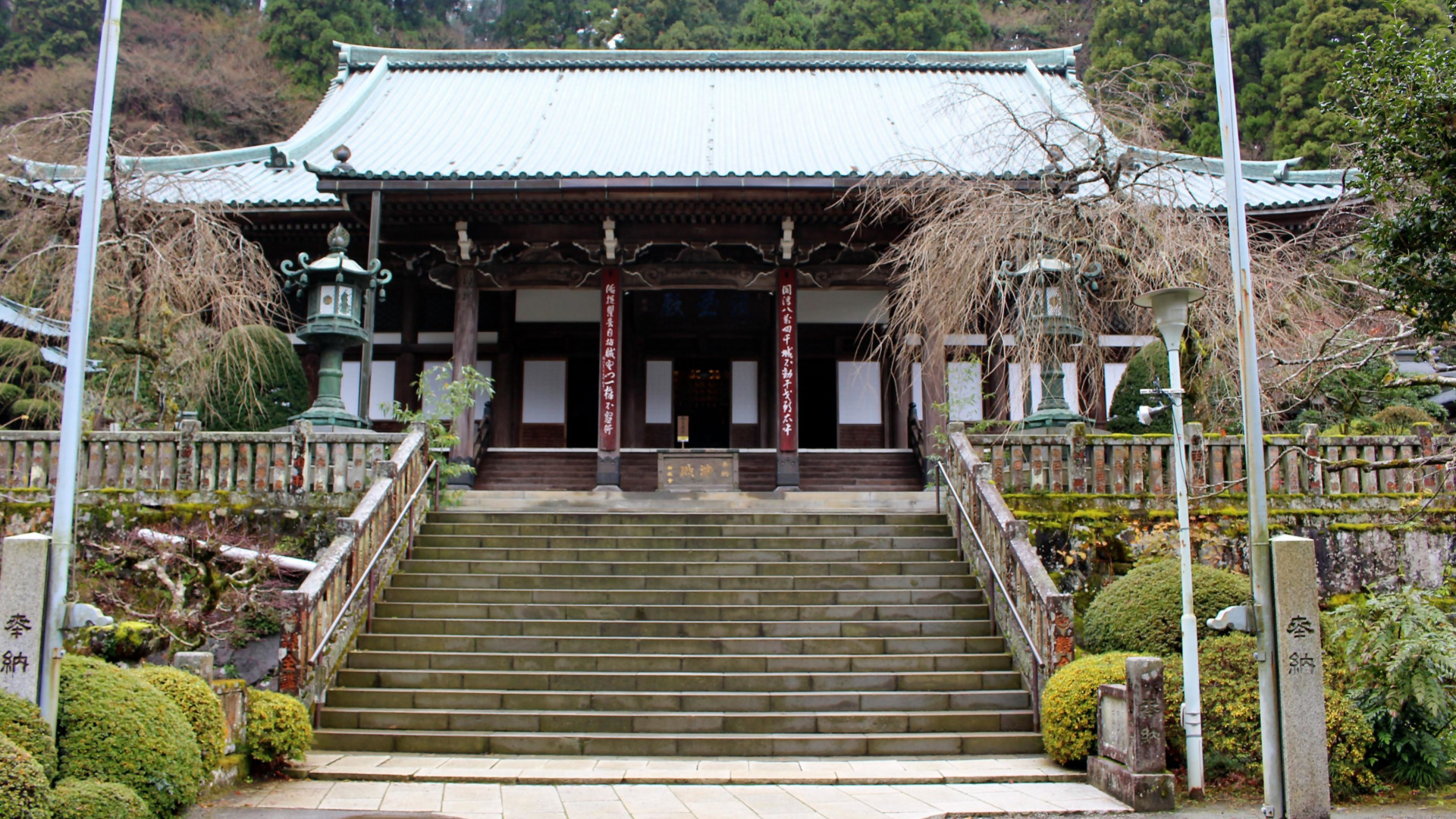
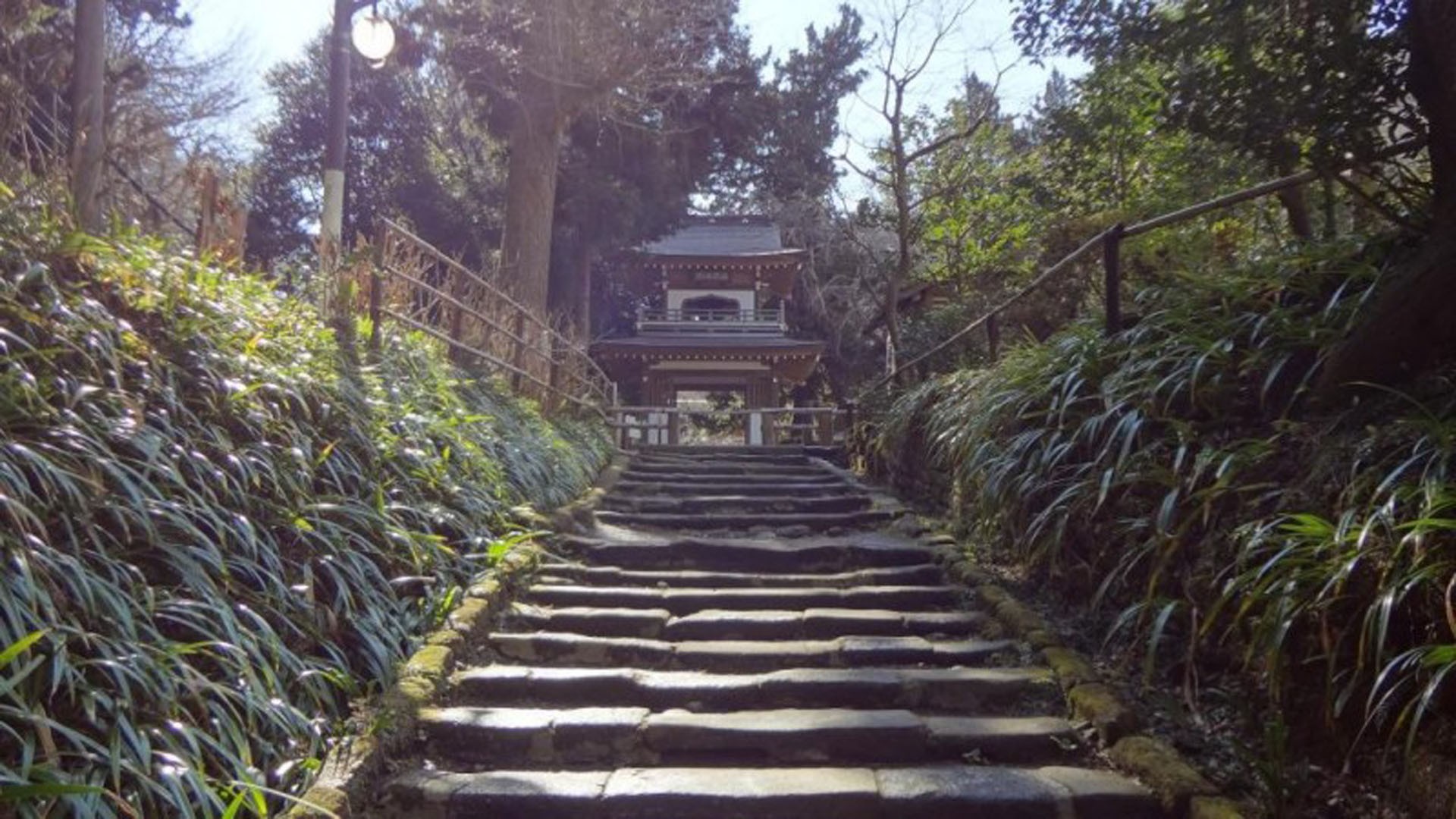
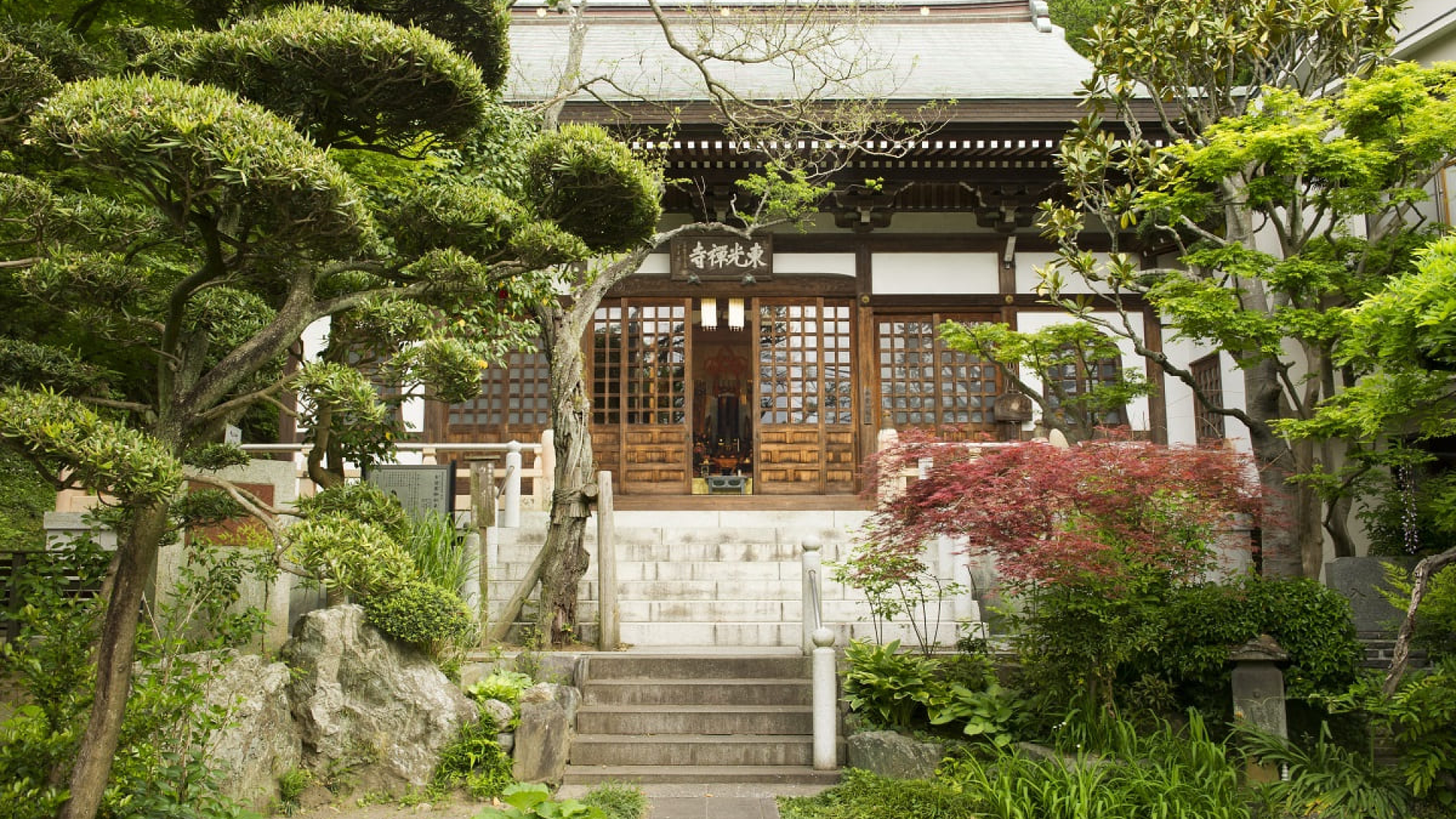
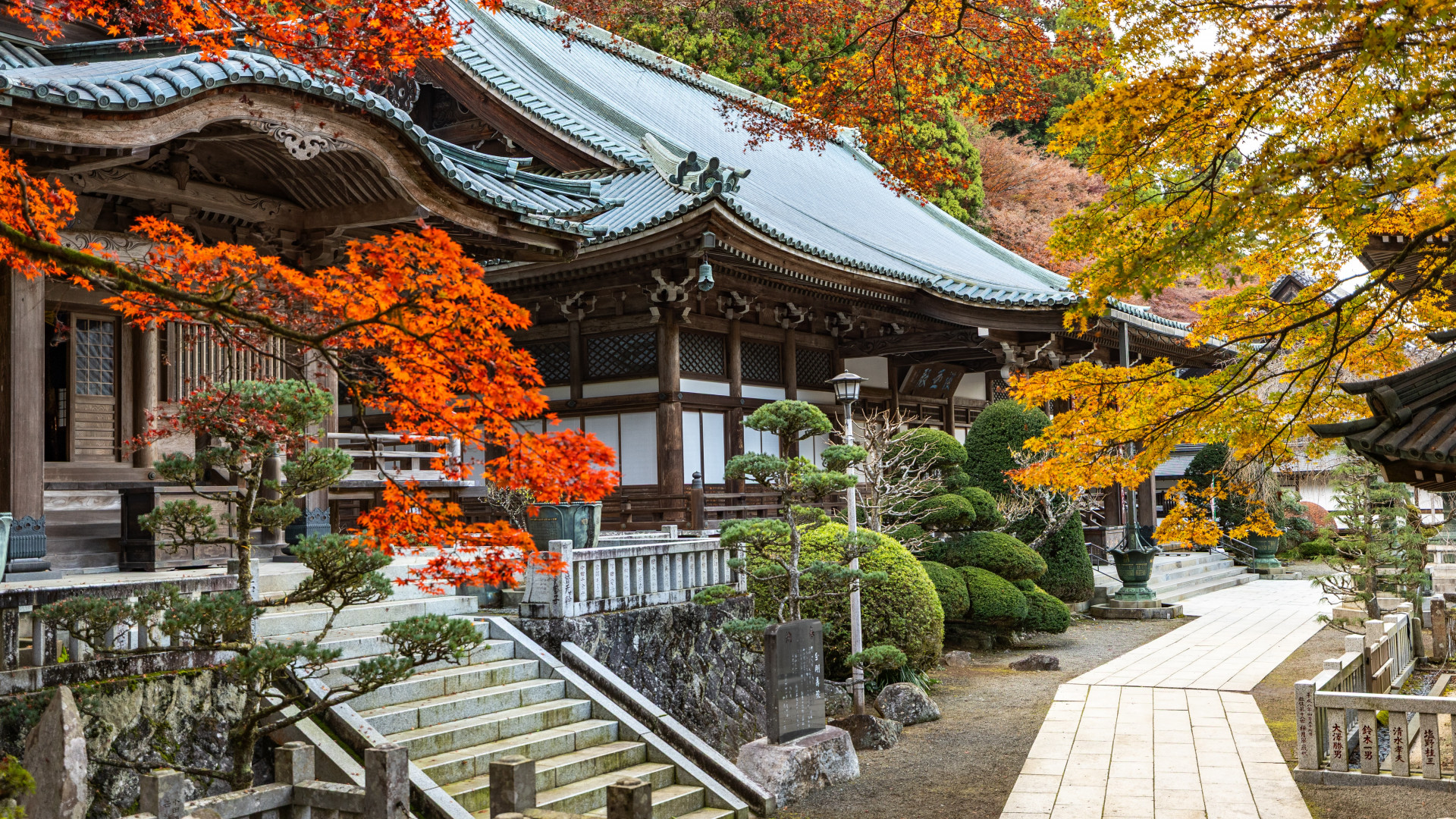
Known affectionately as "Fudo-san in Oyama," this is one of the three major fudo in the Kanto region. It is also the first of the 36 fudo (immovable buddhas) in the Kanto region. The temple was founded in 755 by Priest Rouben, who was a separate head priest of Todaiji Temple in Nara. The main image of Fudo Myoo, an iron statue of Fudo Myoo, and Nidoko (two children) are designated as national important cultural properties. In November, the leaves in front of the gate change color and are illuminated, creating a different atmosphere than seen during the daytime.Observe the autumn leaves along the temple’s tree-lined steps or ride the cable car to the summit for spectacular aerial views. For a different perspective, visit the temple at night when the autumn colors and grounds are illuminated.

Temples & Shrines Koshu kaido Tokaido KANAGAWA
Taya Cave, Josenji Temple

Taya Cave, Josenji Temple

Taya-no-dokutsu (Taya Caves), located within the precincts of Josen-ji Temple on Mount Taya in the Daikaku-ji School of Shingon Buddhism, is officially called Yugado, a man-made cave dug by Buddhist ascetic monks for pilgrimages to sacred sites in Shikoku, Saigoku, Bando, and Chichibu. Josenji Temple was built in the first year of the natural calendar (1532) by high monk Takatsugu, a pupil of the highest ranking priest, Kaigen, a monk of Soshoin, a 25-bo temple in Tsurugaoka. But the cave in Taya is said to have been opened even earlier, in the Kamakura period, as a place for practicing esoteric Shingon Buddhism. Since then, from time to time the cave has been expanded and now measures 570m in actual size. The cave has three levels, upper, middle, and lower, with 17 large and small spaces connected by passageways, with walls and ceilings carved with mandalas, eighteen arhats, and Buddhist stories by Doshin Karukaya.Experience a historic Buddhist meditation cave with many beautiful wall carvings and murals. Explore the cave with a candle in hand, while entering different chambers including the meditation hall for a true spiritual experience.

Temples & Shrines Tokaido Koshu kaido KANAGAWA
Tsurugaoka Hachimangu

Tsurugaoka Hachimangu

Alongside Usa and Ishimizu, Tsuruoka Hachimangu Shrine is one of the major Hachimangu shrines in Japan. In the 6th year of the Kouhei Era (1063), Minamoto no Yoriyoshi returned after subduing the Oshu region and entered Kamakura, where he secretly transferred Ishimizu Hachimangu Shrine to another shrine in Yui Township Tsuruoka near the coast and called it Tsuruoka Wakamiya Shrine. Later in the 4th year of the Jisho Era (1180), Minamoto no Yoritomo entered Kamakura and relocated the shrine to Kitayama in Kobayashi Township (the current site). In the 2nd year of the Kenkyuu Era (1191), the shrine pavilion was built on the hillside of the Mount Daijinyama, and the current spectacular upper and lower palaces were built. Since then, the shrine has been the head of the Kamakura Shogunate's religious order and has been revered as the deity of the Minamoto clan and the guardian deity of the warrior class. The present main shrine was rebuilt in 1828 by Ienari Tokugawa, the 11th shogun of the Edo Shogunate, and is designated as a National Important Cultural Property along with the regent shrine Wakamiya. Deities: Emperor Ojin, Himejin, and Empress Jingu. Regularly held festival day: September 15. The shrine has a Wakamiya regent shrine, Takeuchi Shrine, Maruyama Inari Shrine, Shirahata Shrine, Soreisha Shrine, Hatagami Benzaiten Shrine, and an Imamiya Shrine and Yui Wakamiya Shrine outside of the shrine grounds.An imposing shinto shrine founded in 1063, Tsurugaoka Hachimangu is the spiritual center of Japan's ancient capital Kamakura, so important that the city was built around it. In spring, the 1.8 km approach from the station is lined with vibrant pink cherry blossoms.The best time to visit a shrine is in the morning, so start your day with a visit and breathe in the crisp morning air.

Temples & Shrines Tokaido Koshu kaido KANAGAWA
Tsumada Yakushi

Tsumada Yakushi

The temple enshrines Yakushi Nyorai, known as the Buddha who saves people from illness, injury, and other suffering. In particular, the dumplings served on the temple fair, also known as "omedama-san," are said to be beneficial for eye diseases. There are many cultural assets on the temple grounds, including the Yakushido Hall, camphor tree, and bronze bell. The current Yakushido was reconstructed in 1758, but the raigo-hashira (pillars that surround the kitchen) are the same as those used when the temple was rebuilt in 1584. It is written in the Shinpen Sagami-no-Kuni Fudoki Manuscript that the earlier building was destroyed by fire during the attack on Odawara Castle by the Takeda clan in 1569. The temple is open to the public once every 60 years on the Kanoetora anniversary of the opening of the main sanctuary. The next one will be in 2070.

Temples & Shrines Tokaido Koshu kaido KANAGAWA
Amanawa Shinmei Shrine

Amanawa Shinmei Shrine

This shrine was founded in 710 (Wado 3) by famous priest Gyoki and constructed by Tokitada Someya, a powerful and rich man. It is dedicated to the sun goddess Amaterasu. Minamoto no Yoriyoshi prayed to this shrine and his son, Minamoto no Yoshiie was born here. Founder and the first shogun of the Kamakura Shogunate, Minamoto no Yoritomo, his wife, Masako, a political leader, and their son, Minamoto no Sanetomo also worships this shrine. Here, you can find the well used for Tokimune Hojo’s (regent of the shogun) first bath and said to be Marquis Nijo’s favourite well. There is also an Man’yōshū (collection of Japanese poetry) inscription originating from the rear mountain named Mikoshiyama Mountain. This place also appears in the novel “The Sound of the Mountain” by Yasunari Kawabata.The greenery enveloping the worship hall and the straight, symbolic shrine path is lit up, creating a mystic and sublime atmosphere that beckons visitors.

Temples & Shrines Tokaido Koshu kaido KANAGAWA
Ofuna Kannon Temple

Ofuna Kannon Temple

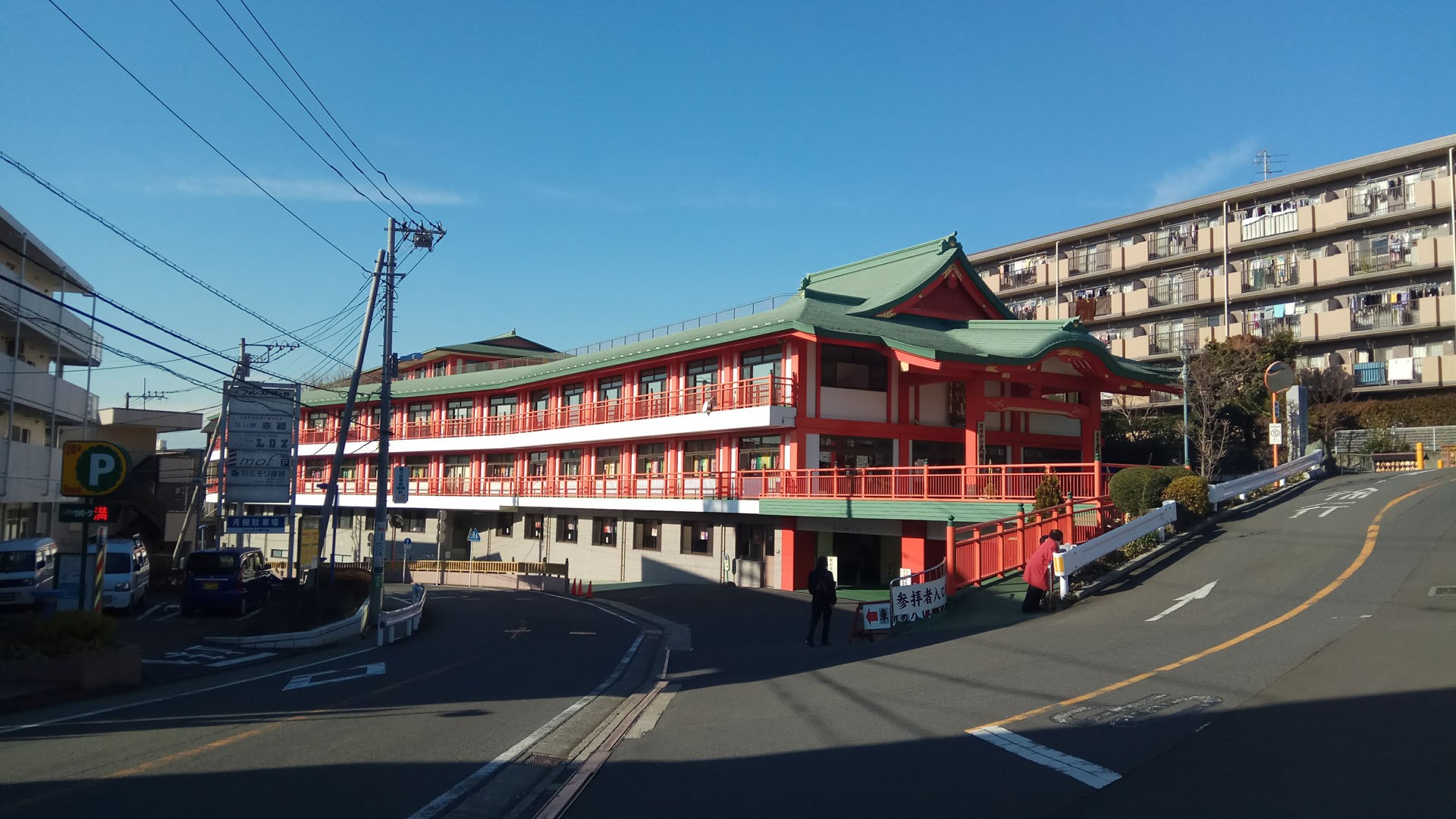
The Ōfuna Kannon in the west of Ōfuna Station in Kamakura City is an eye-catching huge white statue of Kannon. Although there were instances where the construction of this statue had to be stopped due to WWII, it was completed in 1960 (Showa 35) and is now a symbol of Kamakura City Ōfuna Ward, gently protecting the many visitors who come to pray.This modern temple is home to the Ofuna Kannon, a 25-meter statue of the Buddhist goddess of mercy, watching serenely over visitors. At the Yume Kannon Festival held in autumn each year, you can watch performances of music and dance from around Asia.

Temples & Shrines Tokaido Koshu kaido KANAGAWA
Ryuhoji (Wooden Senju-kannon)

Ryuhoji (Wooden Senju-kannon)

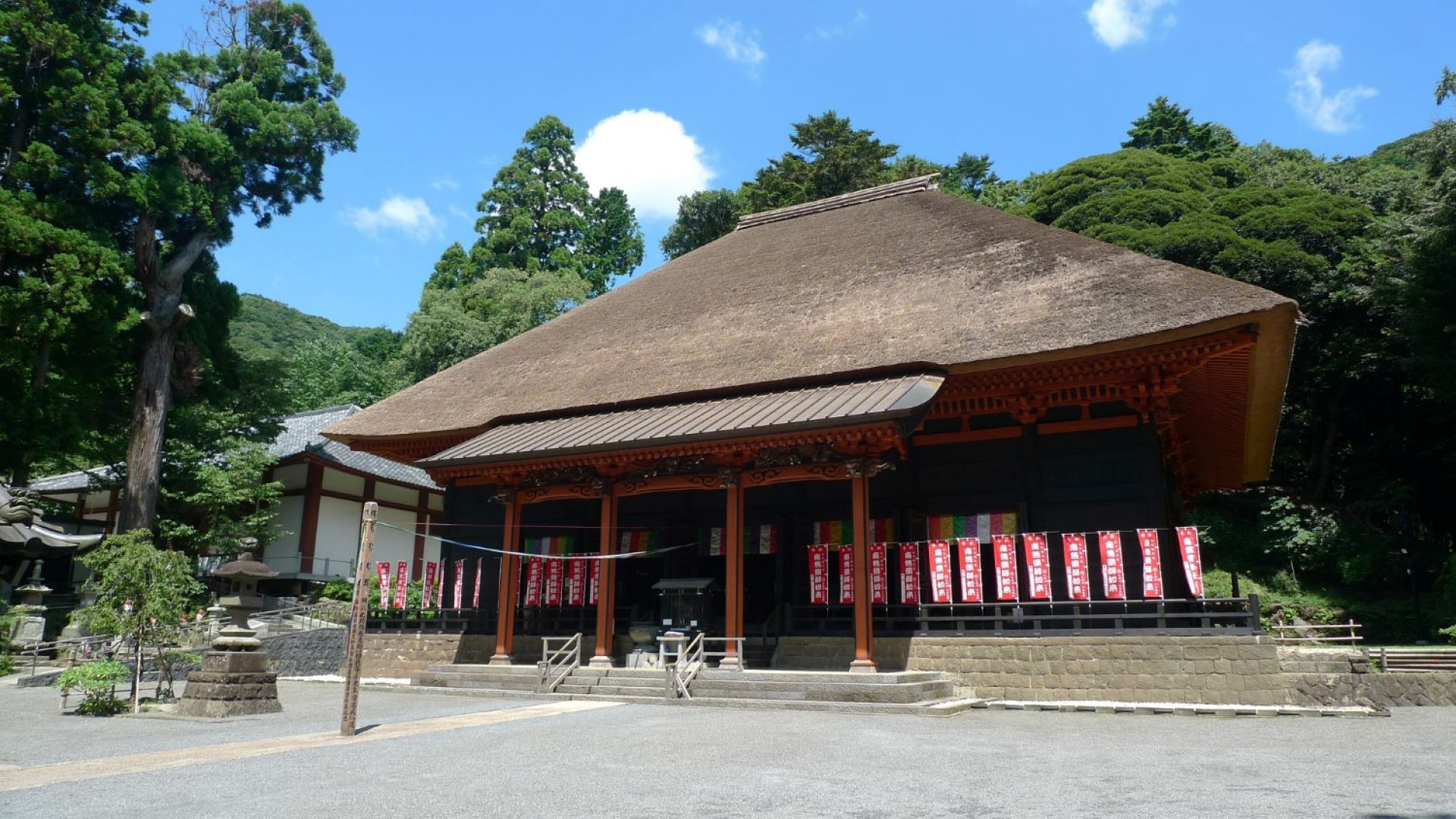
It was founded in the early Muromachi period as a branch temple of Kencho-ji Temple in Kamakura, inheriting the remains of Kannondo and Kiyomizu-dera. The Kannondo, the Nio-mon Gate, the Nio Guardians and the ema plates are tangible cultural properties designated by Ebina City. Since it is on a hill, it has a nice view, you can have a nice view of Oyama if the weather is sunny. There are various plants in the precincts, which you can enjoy all year.

Temples & Shrines Tokaido Koshu kaido KANAGAWA
Daiyūzan Saijo-ji Temple

Daiyūzan Saijo-ji Temple

Founded in 1394 by Soto Zen monk Ryoan Emyo Zenji, this ancient temple is a Soto sect training center renowned as one of the sect's three major prayer temples. Its natural beauty changes with the seasons, with its autumn foliage illuminated at night for seasonal viewing. Prayer services, zazen meditation experiences, and shojin-ryori vegetarian cuisine are available (reservation required). Temple legends feature tengu (mountain bird-like goblins), and the main hall enshrines the world's largest iron geta (wooden clogs).A unique aspect of this temple is its larger than life geta. These wooden sandals are left out for the tengu, winged spirits, that guard the temple grounds. The shoes vary in size, and some are even as tall as humans. Be sure not to miss this popular photography spot!One of the most sacred places in the Kanto region. Zen meditation sessions are held every second and fourth Sunday and Buddhist statue carving lessons every second and fourth Saturday of the month. There are spiritual spot tours around the grounds and other events as well.

Temples & Shrines Tokaido Koshu kaido KANAGAWA
Migawari Fudoson Kawasaki Honzan

Migawari Fudoson Kawasaki Honzan

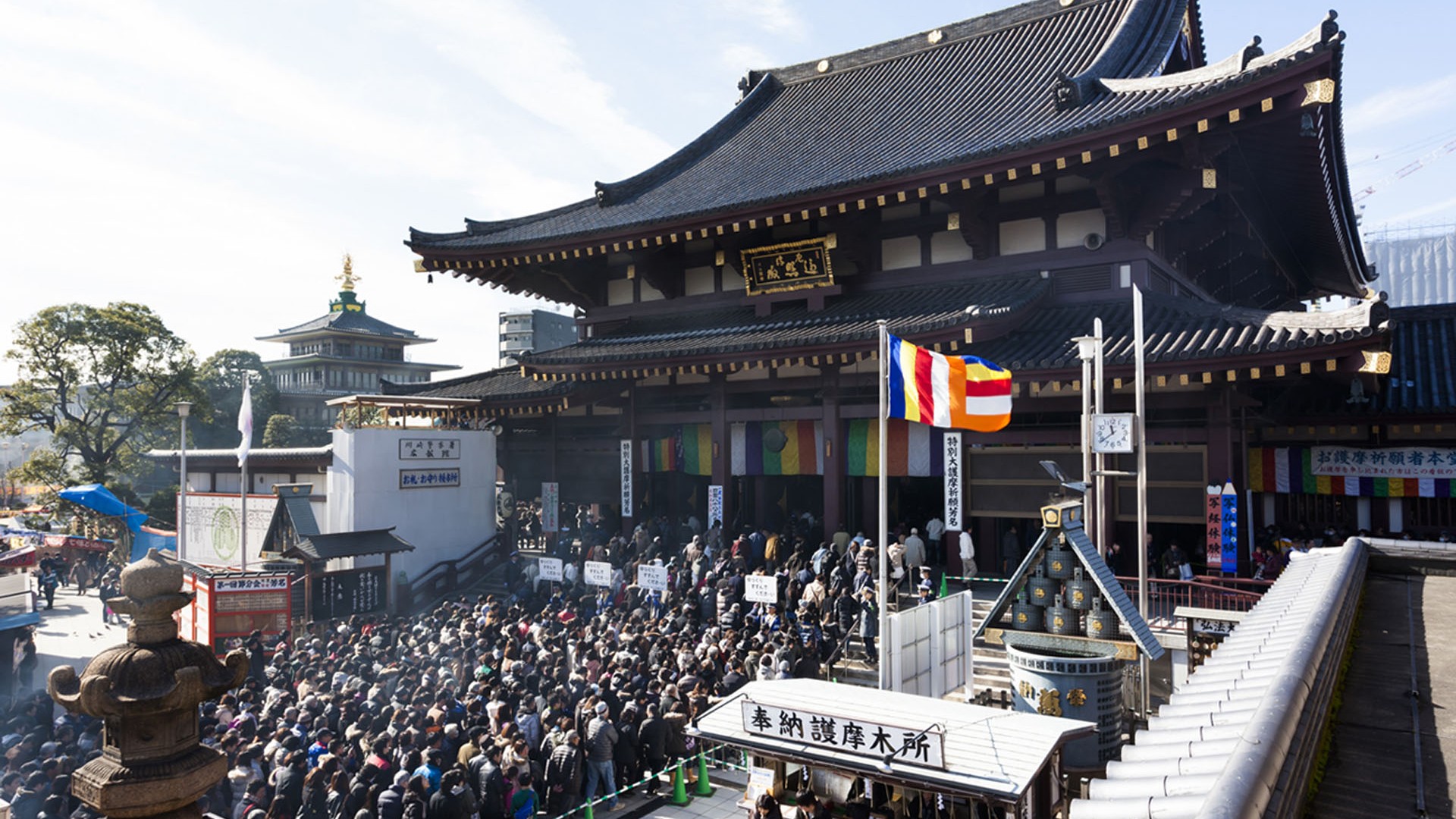
During the outbreak of an epidemic in Ebara-gun, Musashi Province, in the Genroku era (1688-1704), Yuten Shonin (a holy priest), who was on pilgrimage, taught the local people to revere Acala, a fierce Buddhist deity. Once they began to worship Acala the plague disappeared. Migawari Fudoson Temple began when one of its halls was built to enshrine Acala in order to give thanks for such a miracle. Nowadays, worshippers visit all year round in order to pray for traffic safety and to ward off evil. Visitors can also pray at the temple for family safety, business prosperity, academic success, and general good luck. The main temple is in Kawasaki City in Kanagawa Prefecture, with branches in Atami City, Shizuoka Prefecture, Yokohama City, Kanagawa Prefecture, and Suginami City, Tokyo.

Temples & Shrines Koshu kaido Tokaido KANAGAWA
Izumotaisha Sagamibunshi

Izumotaisha Sagamibunshi

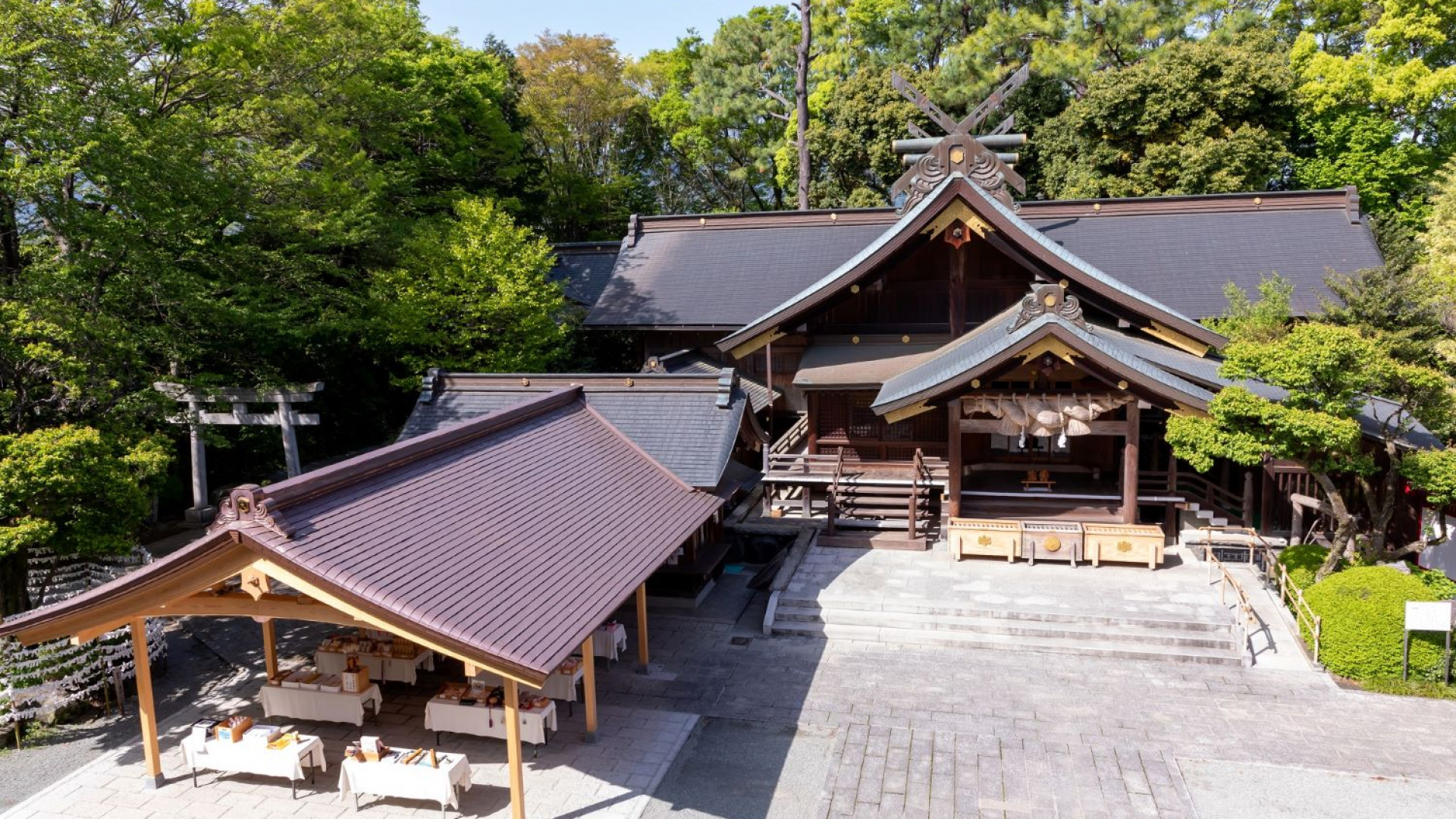
The shrine enshrines Okuninushi no Mikoto, the deity of Izumo Taisha, Shimane Prefecture. It formally became a branch of the Izumo Taisha sect in 1888. It has a unique wooden shrine building that combines Taisha-zukuri and Gongen-zukuri styles and features a long hall called the "Winged Hall". The shrine itself is known as the "Izumo of Kanto" and features the 1,000-year-old zelkova tree, which towers over the grounds rich in nature, and the famous Hadano spring. The Yuzuri no Mizu (Yuzuri Water) drawn from 50m below the forest is also very popular among visitors (it is drinkable, and health inspections are carried out yearly). Seasonal events are often held, and many worshippers come throughout the year, as well as visitors for Goshuin (shrine stamps). (Free parking available for up to 130 cars. Tour buses require reservations.)

Temples & Shrines Tokaido Koshu kaido KANAGAWA