

Greater Tokyo

See & Do

reset
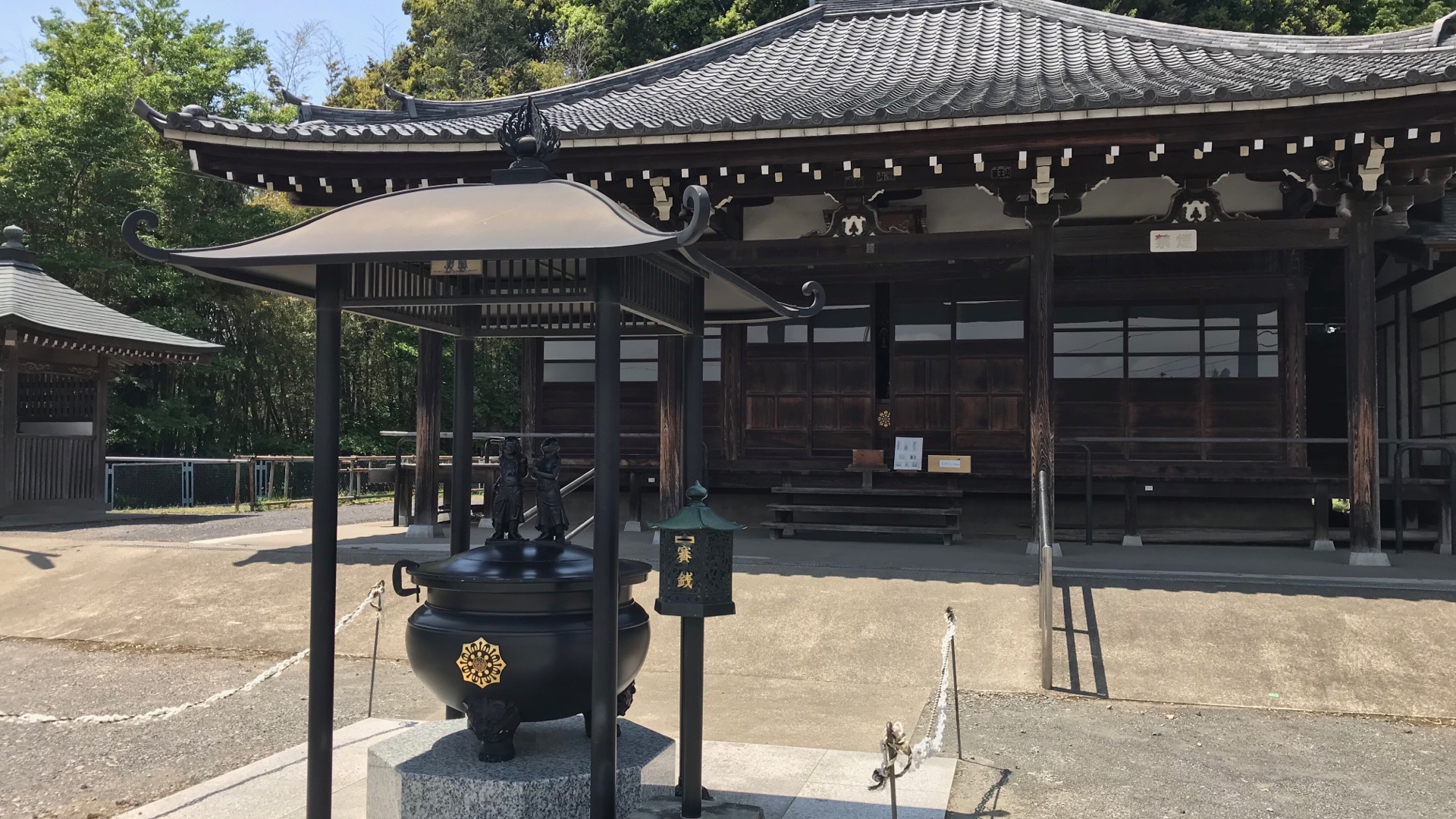
Togakuin Temple (Azalea Temple)

Togakuin Temple (Azalea Temple)

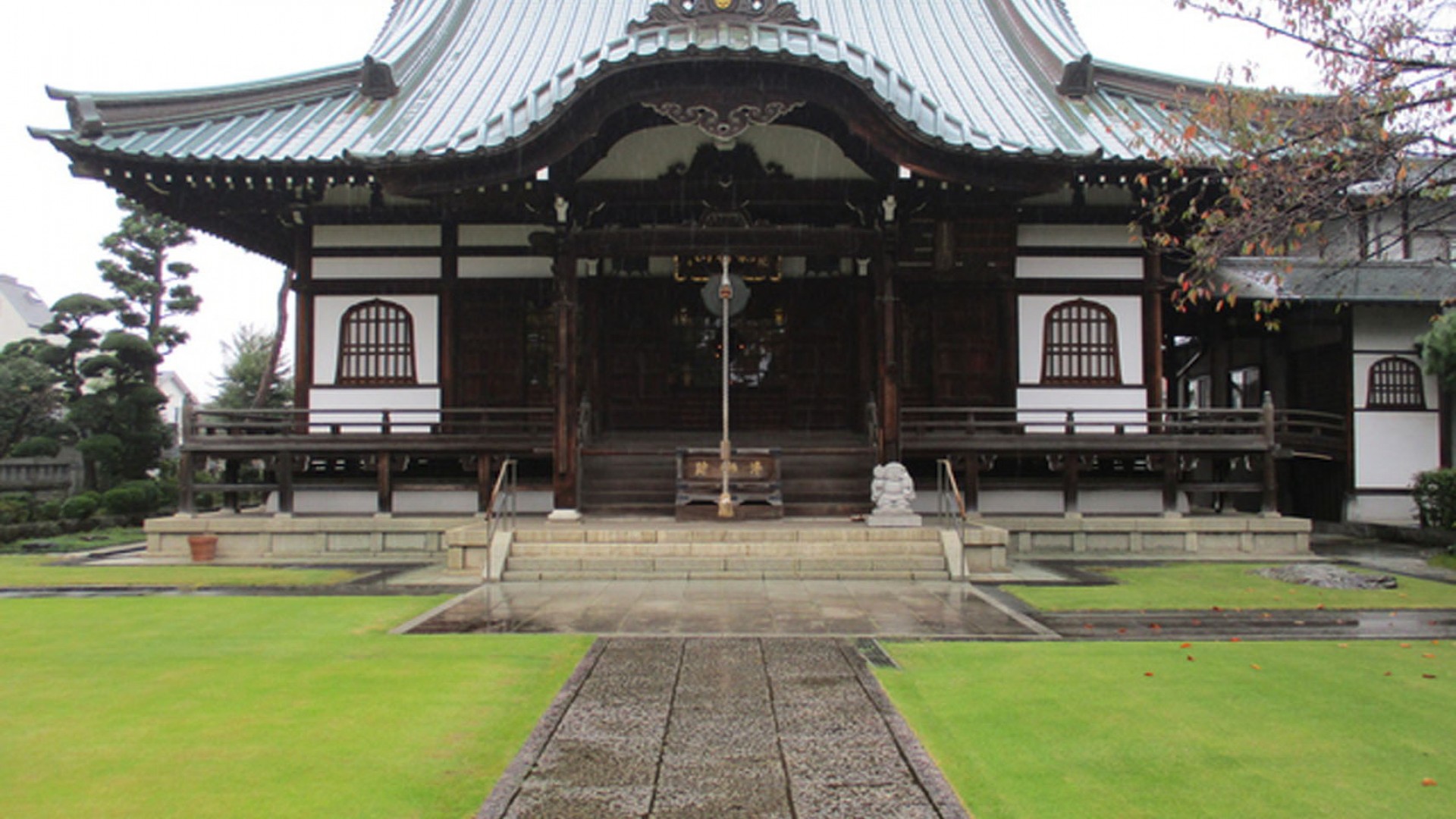
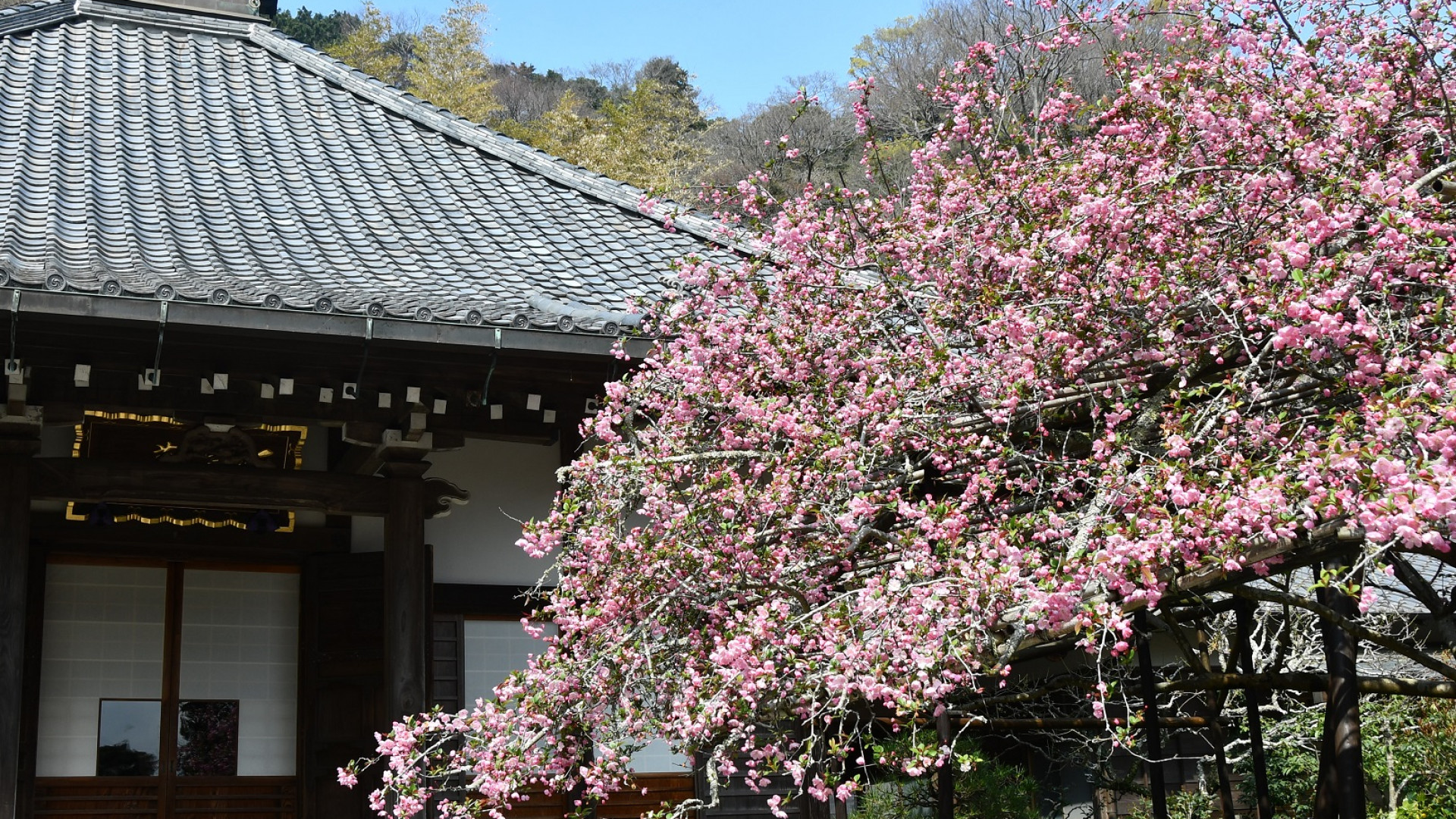
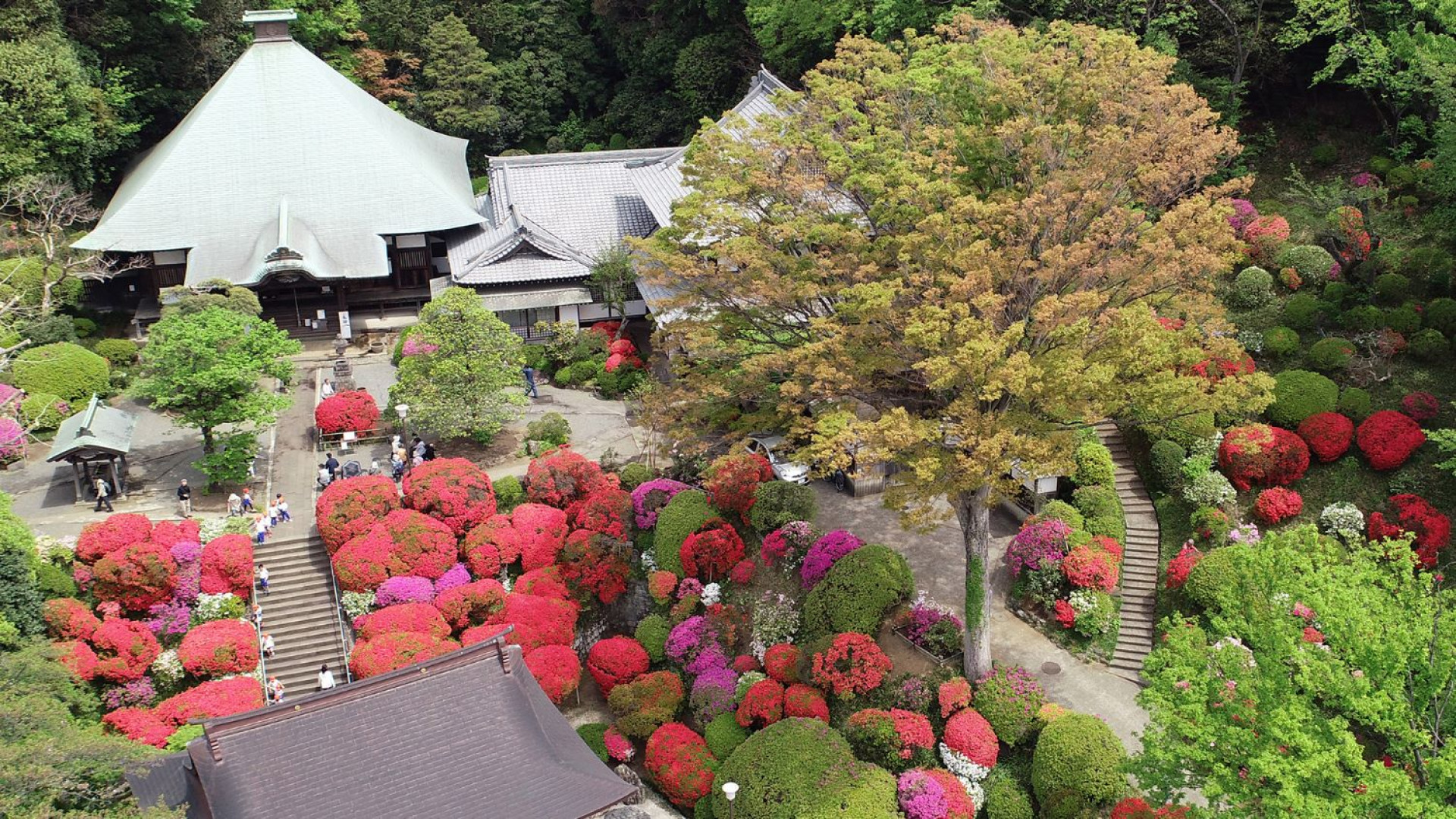
Shiboku-san Togakuin Temple is a temple of the Tendai sect of Buddhism, and there are few records of its history. Passing through the Niomon Gate, visitors will enter a manicured azalea garden and continue along the approach to the main hall, which was rebuilt during the Ansei Era. Various events such as Zen meditation sessions, sutra reading sessions, and numerous other workshops are held here. The events are also posted on YouTube and other social networking sites.

Temples & Shrines Tokaido Koshu kaido KANAGAWA
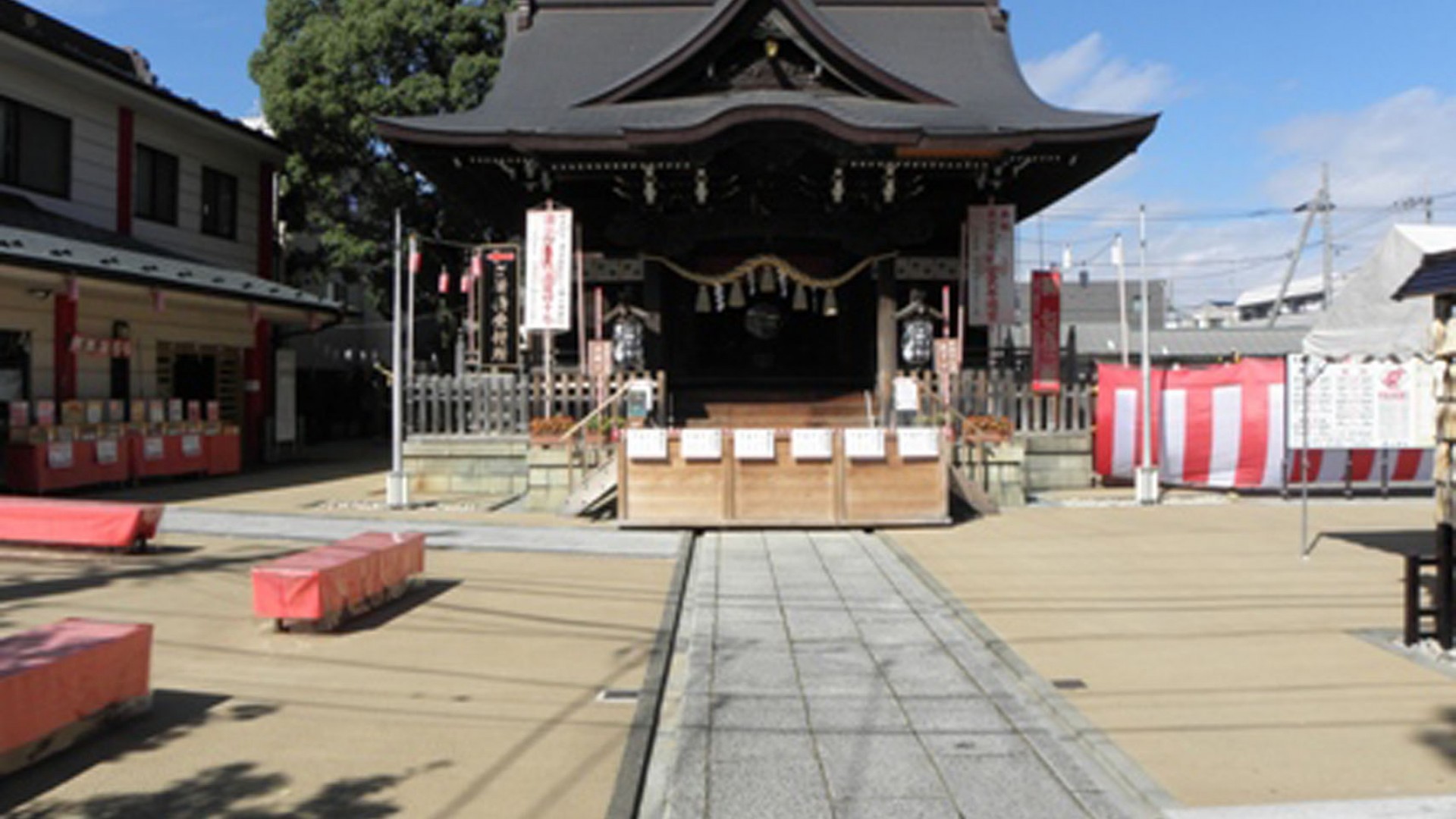
Soshu Manazuru Kibune Shrine

Soshu Manazuru Kibune Shrine

Okuninushi, the deity of Kibune Shrine, is a god who bestows the “divine virtue of knots,” which is indispensable in our lives. Since ancient times, he has been known as the god of good fortune, and, as seen in the myth of the white hare of Inaba, he is believed to have paved the way for the beginning of medicine and medical science. He is always pouring out boundless love so that people can live happy lives. The Kibune Shrine Festival is held for two days in July every year. It is famous for its magnificent boat festival and has been designated as Japan's important folk cultural property.

Temples & Shrines Koshu kaido Tokaido KANAGAWA
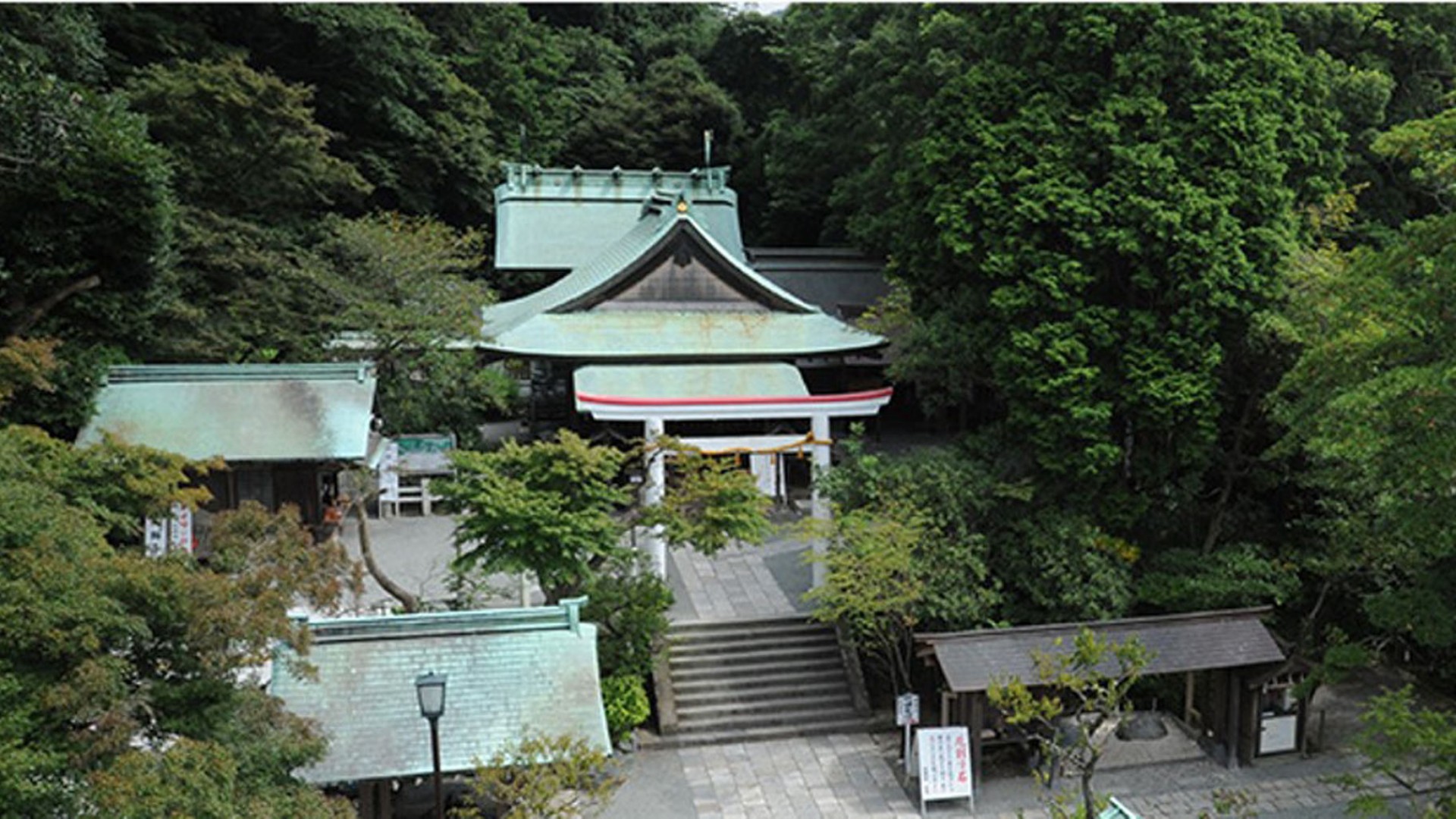
Hakone Shrine, Kuzuryu Shrine

Hakone Shrine, Kuzuryu Shrine

The Kuzuryū Shrine is an outer precinct shrine of the Hakone Shrine, worshipping the guardian deity of Lake Ashinoko and Kuzuryū Shrine. This shrine, located in the forest of Lake Ashinoko, has a small Torii(shrine gate) in the lake and is known for its dragon deity (Ryujin-sama) who is said to have strong powers in bringing fortune, business prosperity and love. During the Tsukinami Festival (festival of the months) held on the 13th of every month, many people come to visit via boats departing from the Moto-Hakone Port. Near the main Kuzuryū Shrine is the Benzaiten Shrine which worships Benzaiten (Goddess of Fortune), one of the Seven Lucky Gods of Japan. Please feel free to also visit the Benzaiten Shrine when visiting the Kuzuryū Shrine.

Temples & Shrines Tokaido Koshu kaido KANAGAWA
Shomyoji Temple

Shomyoji Temple

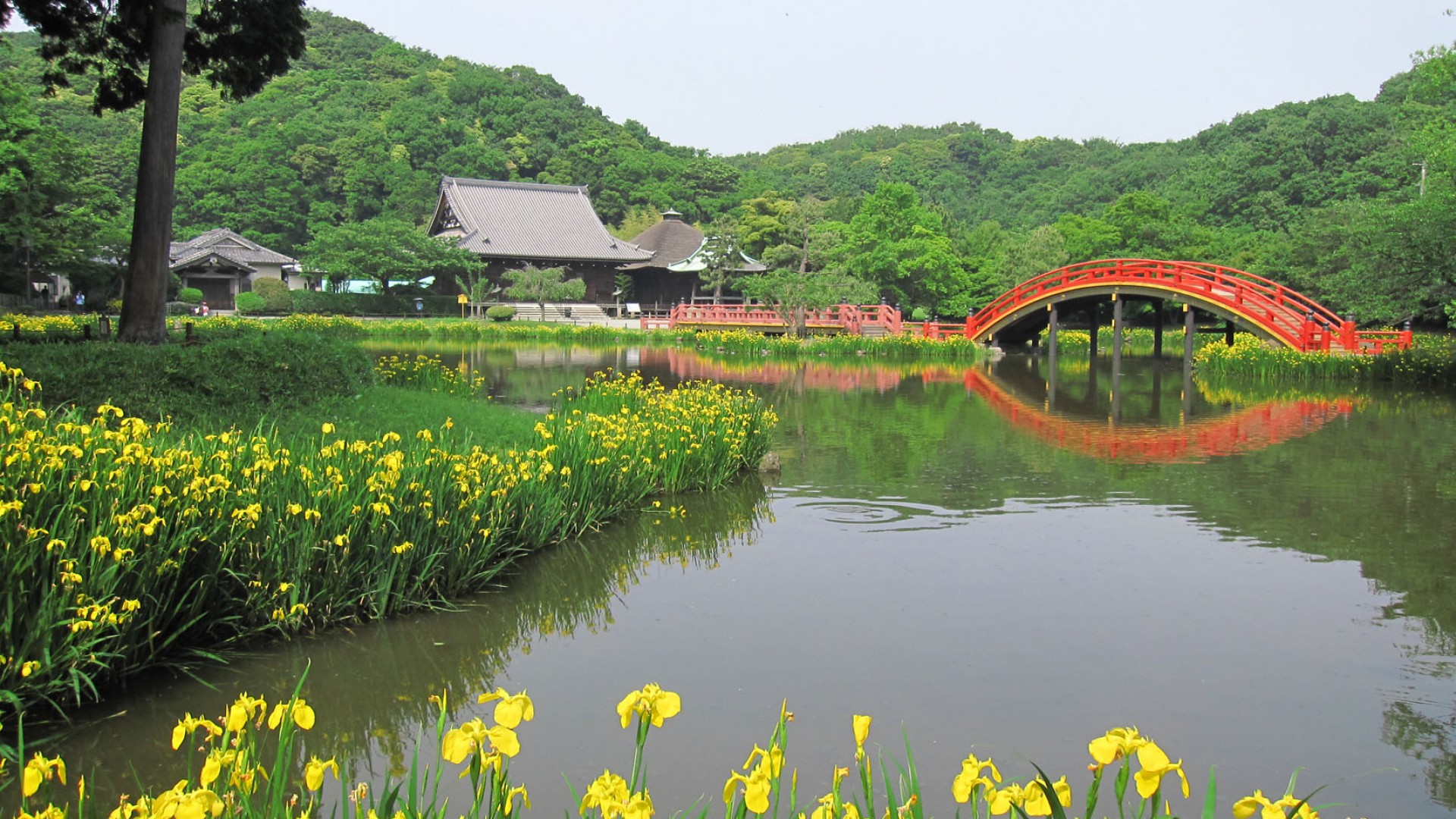
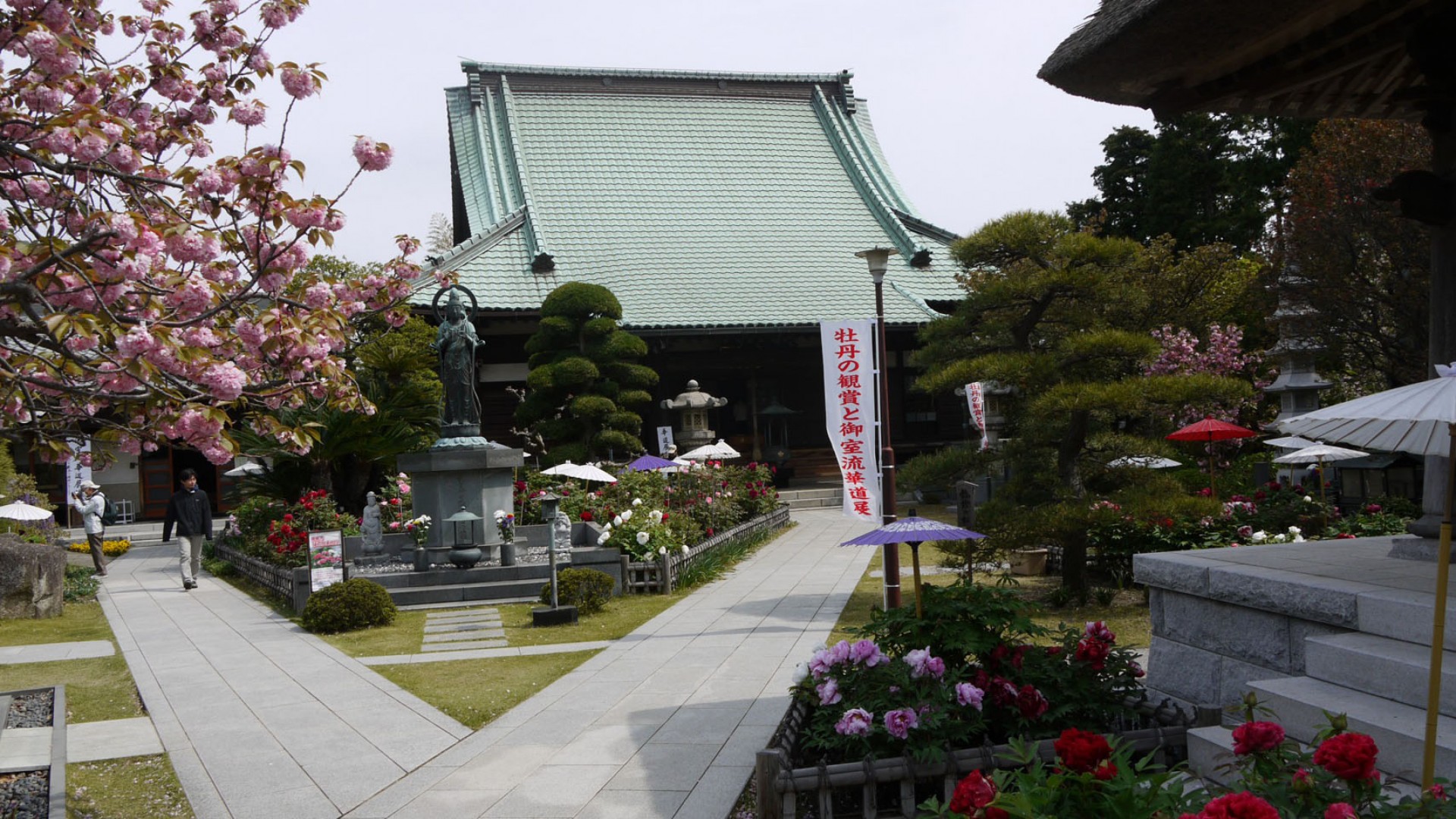
Thirty mins by car from the center of Kamakura City. Hojo Kanezawa’s family constructed in the Kamakura Period by Sanetoki Hojo. The Jodoshiki Teien Garden centred around the Ajiike Pond in front of the main building is a sight to behold. The garden, with its crimson arched and flat bridges, is beautiful.Visitors can enjoy seasonal scenery such as cherry blossom in spring, yellow irises at the beginning of summer and the changing colours of the leaves in autumn. In addition, there is the adjoining Kanagawa Prefectural Kanazawa-Bunko Museum which exhibits national treasures such as Shomyoji Temple sacred teachings and Kanazawa-Bunko documents.Noh theatre is performed at night by a fire each year at the beginning of May.

Temples & Shrines Tokaido Koshu kaido KANAGAWA
Hinata Yakushi Treasure Hall (Yakushi Nyorai, Japan’s Three Yakushi)

Hinata Yakushi Treasure Hall (Yakushi Nyorai, Japan’s Three Yakushi)

Founded by Gyoki in 716, this temple has a history of 1,300 years. Since the Middle Ages, it has been a sacred place for medicinal practitioners, and is known as Hinata Yakushi, one of the three most famous Yakushi in Japan. The temple also holds one of Japan's greatest treasure houses, with numerous statues of Buddha designated as nationally important cultural properties that bear witness to its history. It is also famous for higanbana (cluster amaryllis), which grows in clusters around Hinata Yakushi from mid-September to early October, making it a popular tourist attraction. Please come and visit Hinata Yakushi, a place rich in nature and full of attractions.

Temples & Shrines Tokaido Koshu kaido KANAGAWA
Soji-ji Temple

Soji-ji Temple

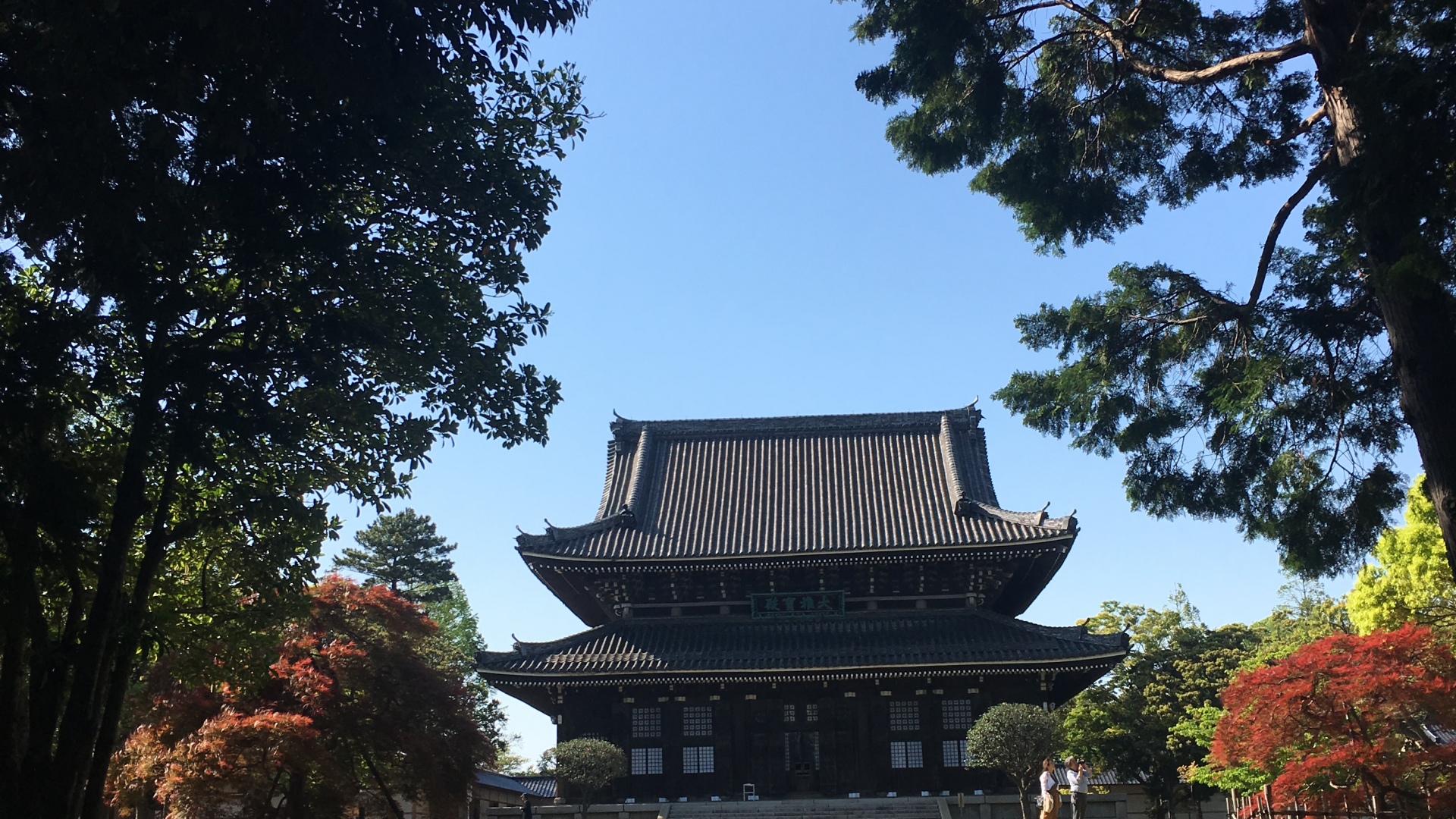
Soji-ji is the main temple of the Soto sect and one of the largest temples in the Kanto region. Originally located in Wajima City, Ishikawa Prefecture, it was relocated to Tsurumi in 1911, and contains vast grounds featuring architectural complexes, including the Daseido. Visitors may explore the grounds freely, with the halls of the temple also open to visitors under the supervision of monks. *A 1-hour round-trip course. ※ The experience contains a Zen meditation session in English and vegetarian food tasting. Places for viewing the auditorium on the temple grounds may be restricted due to infectious disease control measures.A temple located in Tsurumigaoka, a scenic place with views of the sacred Mt. Fuji. Open-to-all Zen meditation sessions are held every month on designated days and instruction is available in English on certain days.

Temples & Shrines Tokaido Koshu kaido KANAGAWA