

Greater Tokyo

See & Do

reset
Kumano Shrine, Manyo Park

Kumano Shrine, Manyo Park

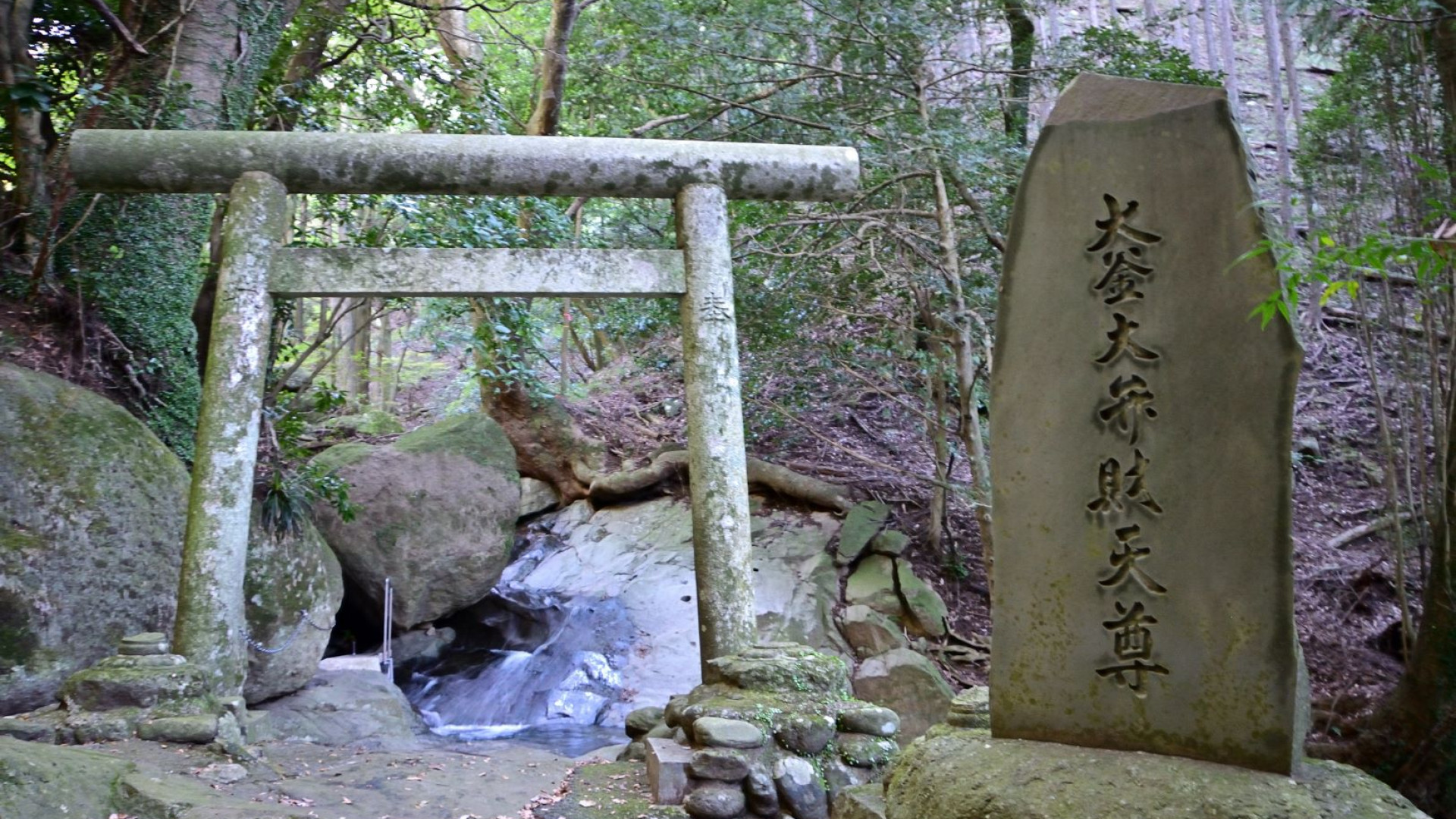
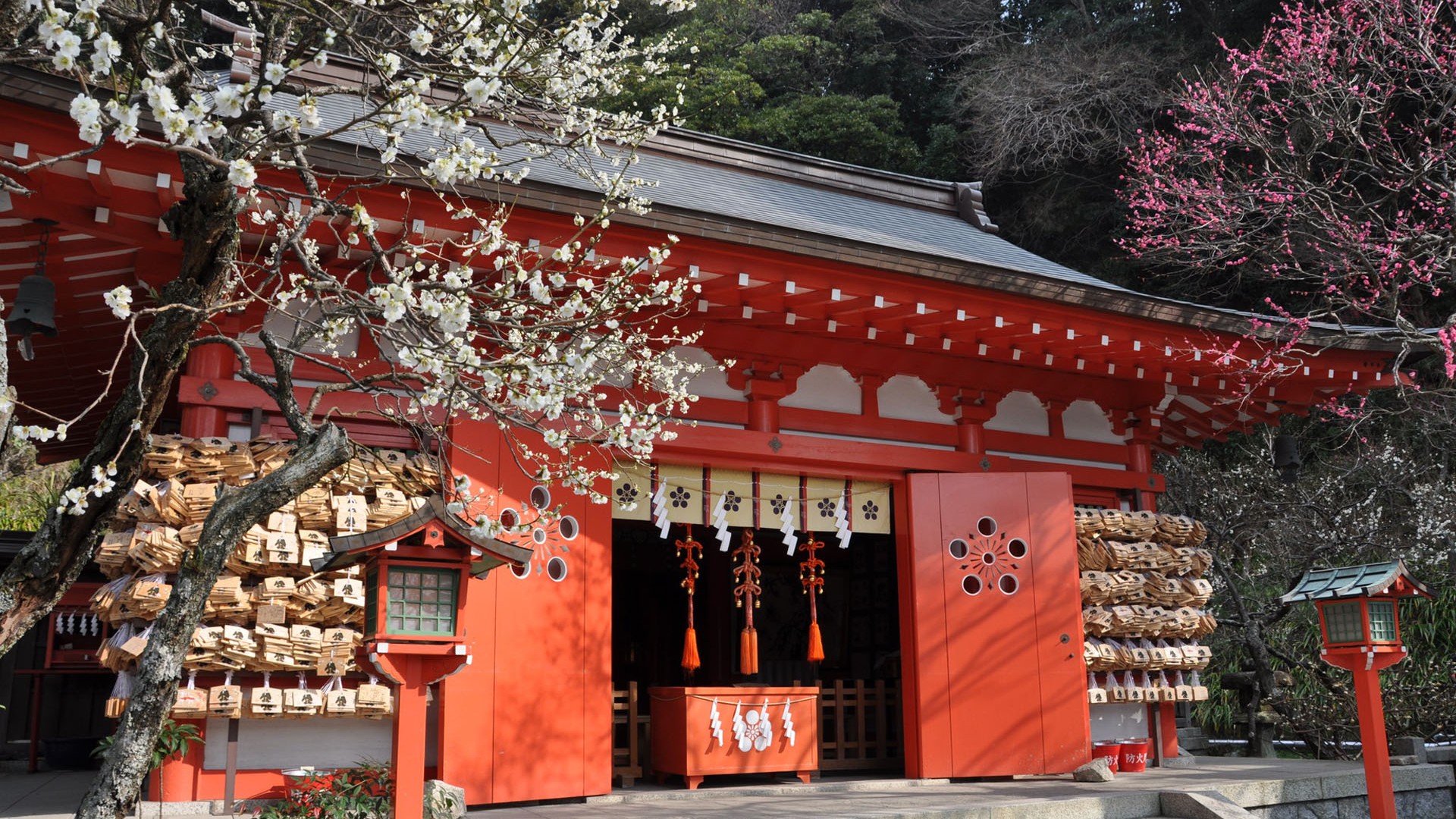
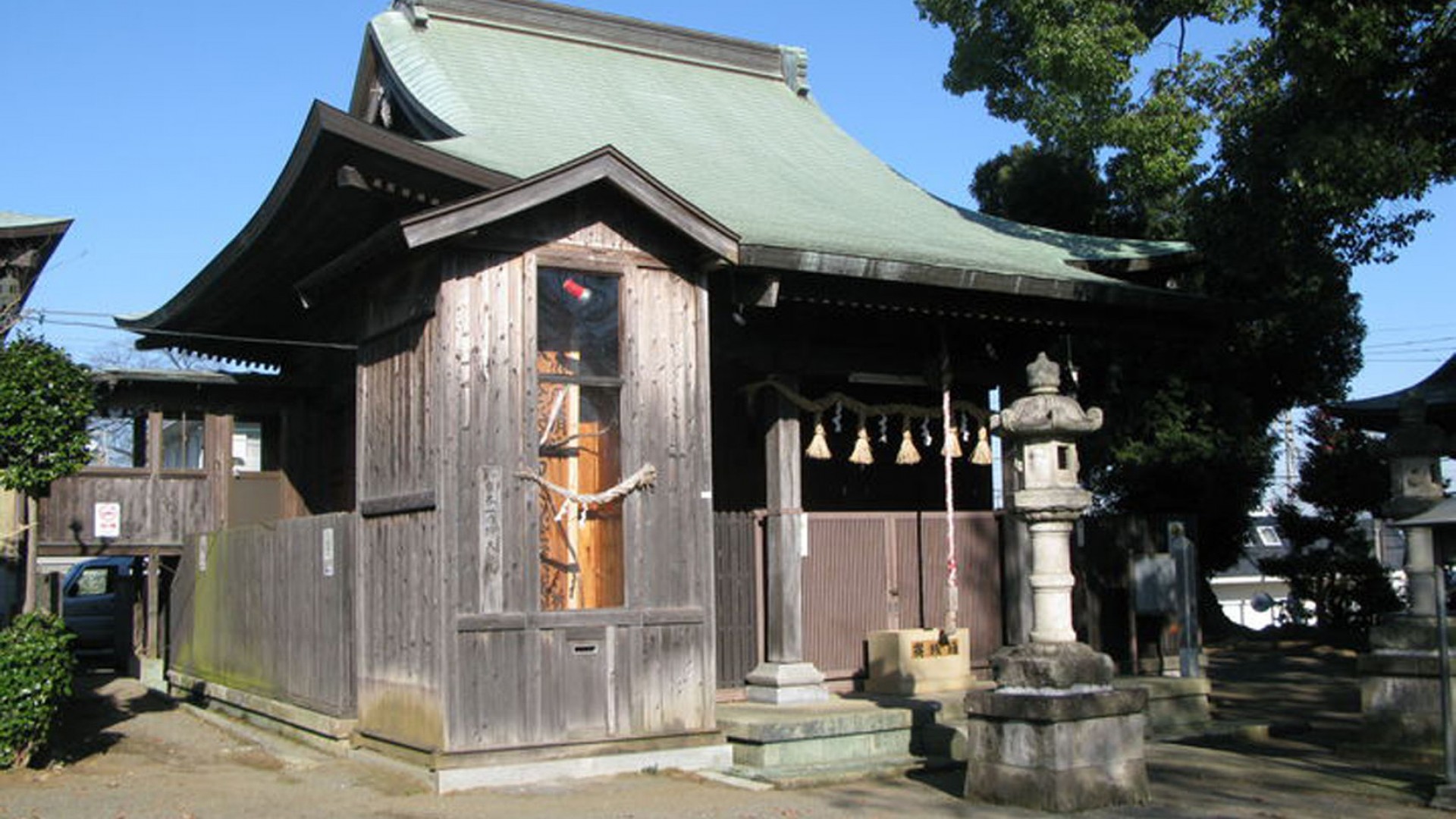
Kumano Shrine enshrines a god of hot water, and hot water runs down the purification trough. There are 'Yukake-matsuri' on the fourth Saturday of May, and regularly held festival takes place at the same weekends. At the Manyo Park located at the center of spa town, there are so many Manyo plants (plants cited in the Manyoshu). There are also Manyo-tei modelled after ancient architecture of Manyo era, a monument engraved with a waka which is the only waka about hot water, and a monument of Doppo Kunikida, whose novels are focused on Yugawara.

Temples & Shrines Tokaido Koshu kaido KANAGAWA
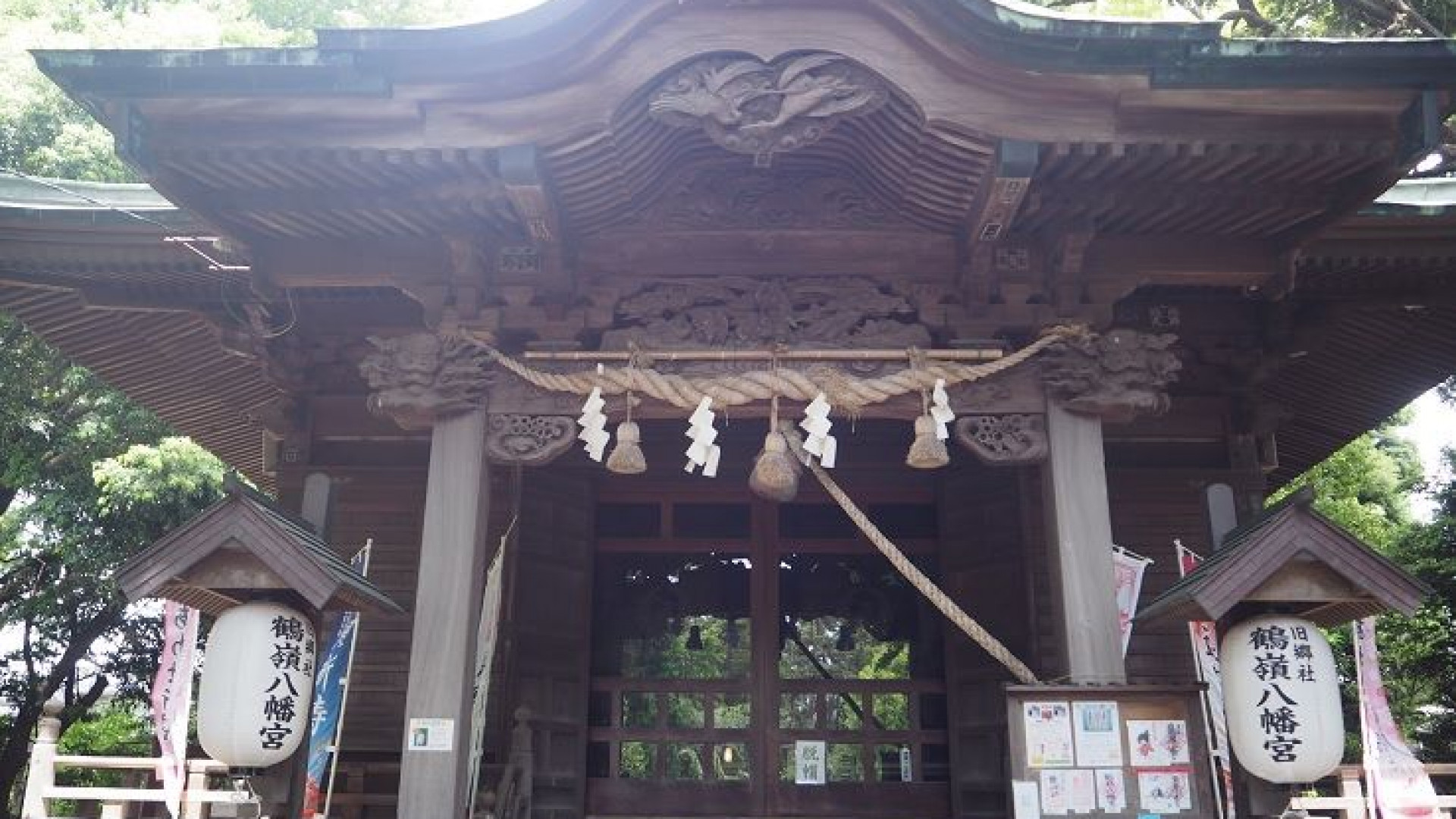
Kainan Shrine

Kainan Shrine

Built in the March of the 2nd of the Jouou Era (1653), Kainan Shrine was awarded Shouichii (the highest rank given to a shrine) by the Yoshida Family of the Yoshida Shintō religion. In the 4th of the Kyouhou Era (1719), the shrine became the Souchinju (the protecting shrine) of the Miura Peninsula. In the 6th year of the Meiji Era it was designated a Gosha (a village shrine) and in the 40th year it was designated a Shinsenheihakuryokyoshin-sha (a type of village shrine that was able to receive fees/offering for the gods).

Temples & Shrines Tokaido Koshu kaido KANAGAWA
Oyama Afuri Shrine

Oyama Afuri Shrine

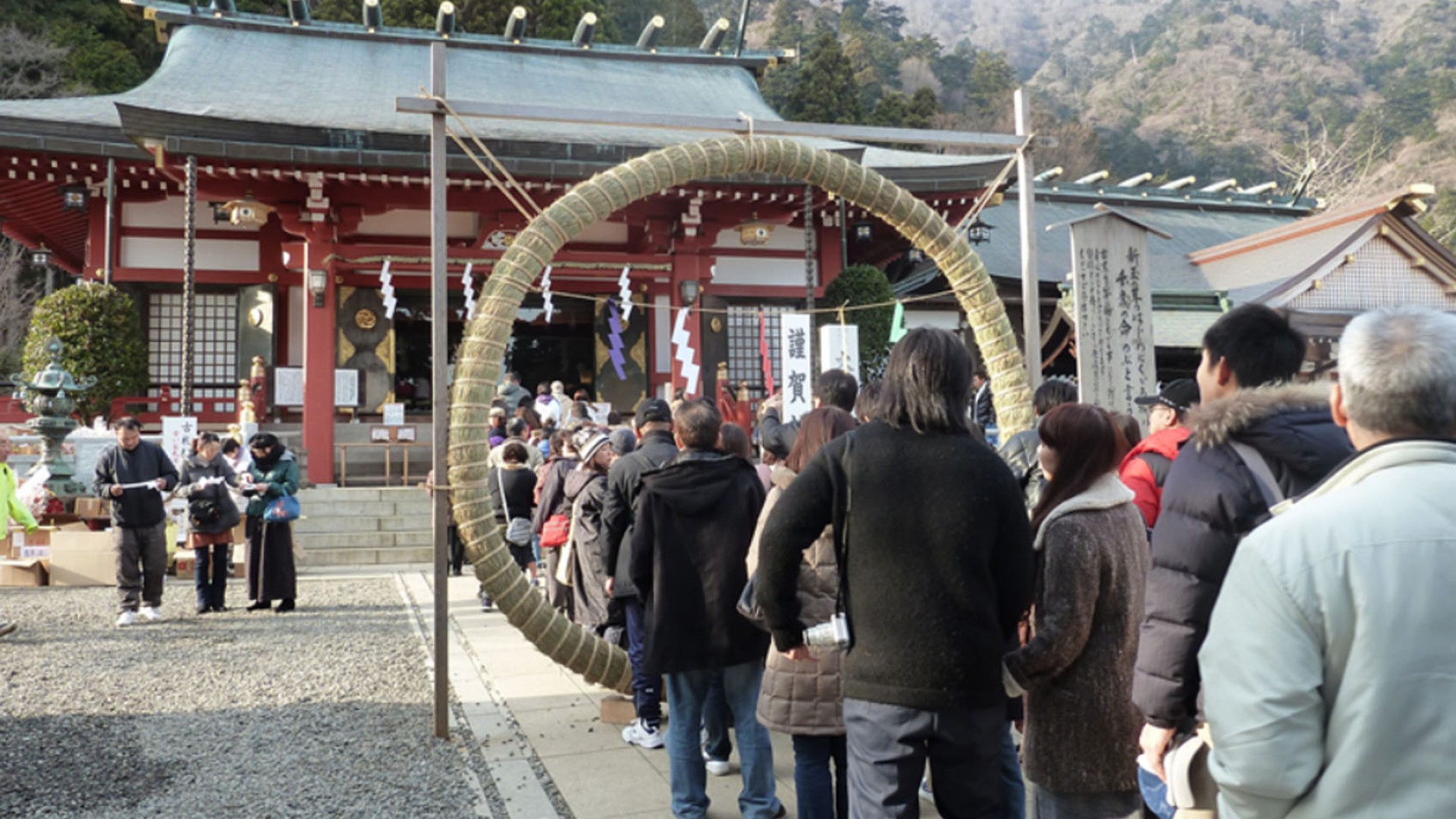
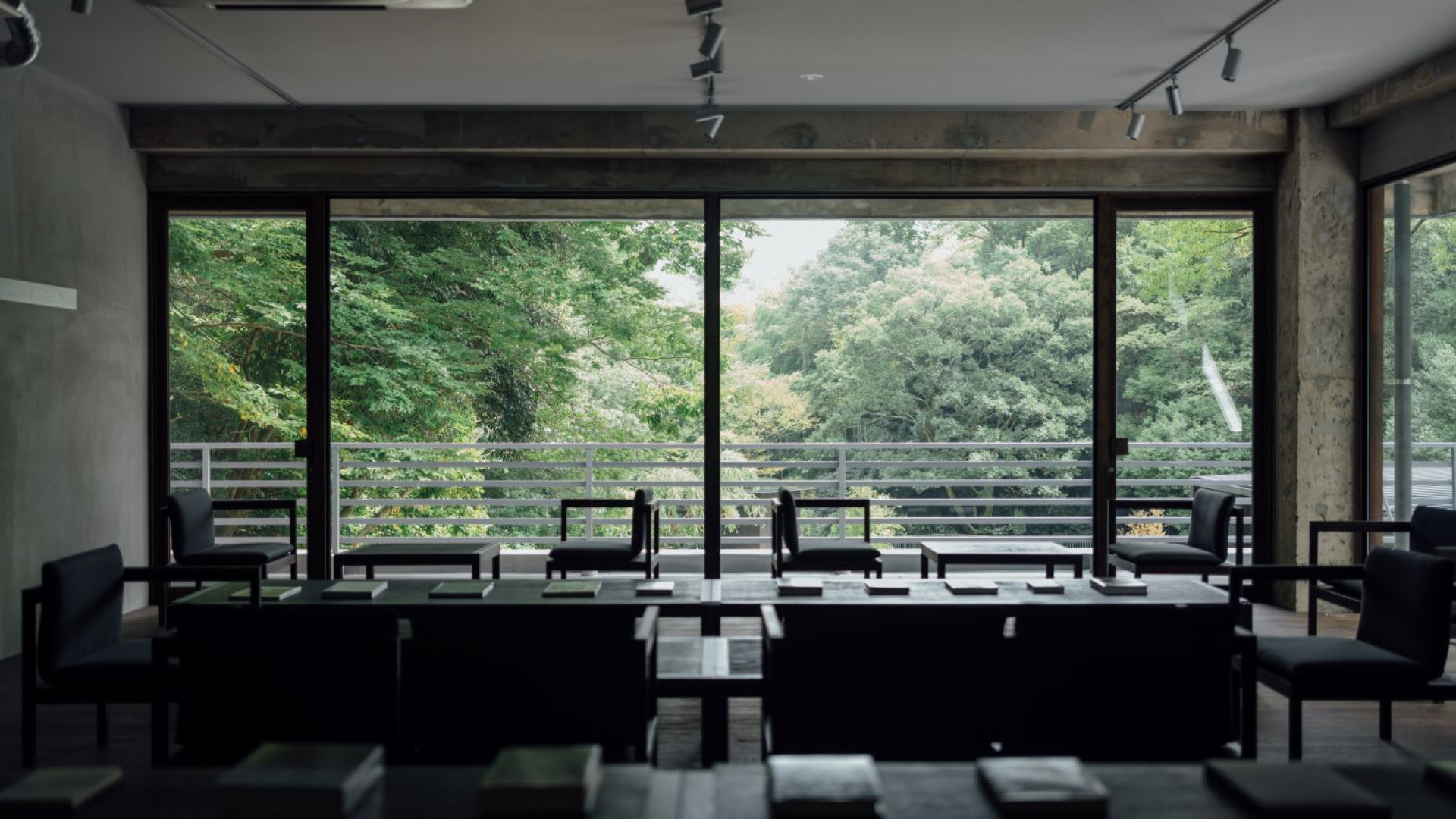
This ancient shrine is said to have been built over 2,000 years ago. As a sacred site revered by many warlords, such as those who partook in rainmaking rituals, and pilgrimages to the shrine became very popular during the Edo period. In the 28th year of the Heisei period (2016), the pilgrimage to Mount Oyama was recognized as a piece of important Japanese heritage, and the view from Afuri Shrine became a two-star Michelin-starred site.Admire the Shonan plains with views stretching as far as Sagami Bay and Enoshima on the horizon — rated two-stars by the Michelin Guide.Just inside the tori gate entrance is one of Japan's three greatest lion statues, Oyama-Shishi.This beautiful teahouse was designed by Yasushi Horibe and constructed by the shrine's own architect, Yukio Uchida. Enjoy the terrace seating with stunning views as far as Sagami Bay while enjoying their green tea tirmasu or other treats.

Temples & Shrines Tokaido Koshu kaido KANAGAWA
Egara Tenjin Shrine

Egara Tenjin Shrine

The Egara Tenjin Shrine was built in the Heian period. Together with the Kitano Tenmangu Shrine and Dazaifu Tenmangu Shrine, it is known as one of the three oldest Shinto shrines in Japan. Since Sugawara no Michizane, the deity of the shrine, excelled in academics, it is popular as a place to pray for success in academics and entrance examinations. The shrine is also famous for its two brush mounds associated with Showa and Heisei-era cartoonists.

Temples & Shrines Tokaido Koshu kaido KANAGAWA
Samukawa Shrine

Samukawa Shrine

This shrine pays worship to the nations only guardian deity that protects all eight cardinal and ordinal directions, and removes misfortunes originating from geographical features, house layout, cardinal direction or daily bad luck. After undergoing purification, visitors can enter the “Kantakeyama Shinen" located in the inner garden of the main shrine. The Japanese garden features "Namba no Koike," which has a long history, a teahouse where you can enjoy green tea, and also a museum.

Temples & Shrines Koshu kaido Tokaido KANAGAWA
En’no-ji Temple

En’no-ji Temple

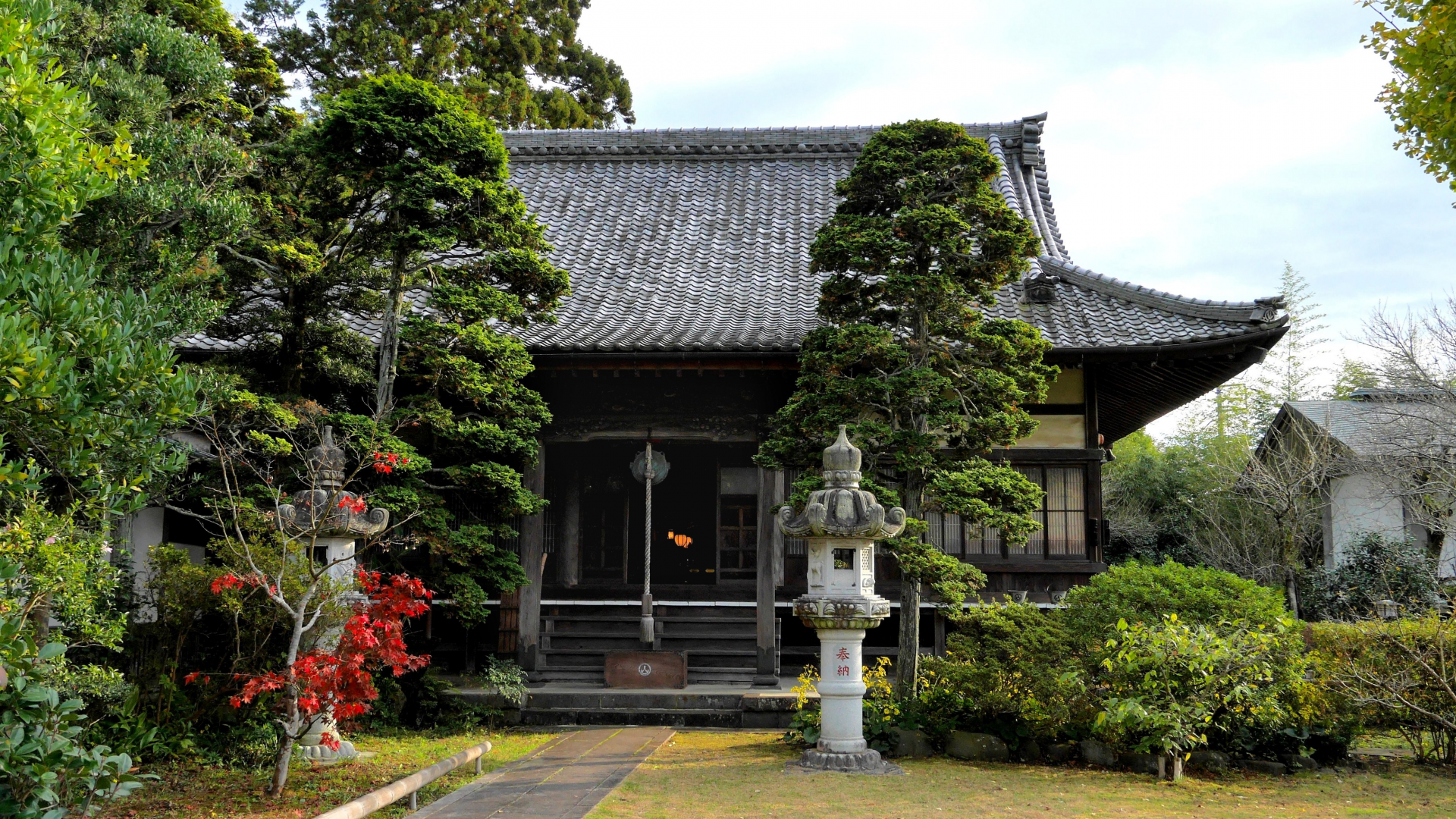
This statue of King Enma was carved in 1250 and was initially situated on a mountain in front of the Hase Kannon. After the fated downfall of the Kamakura Shogunate, Ashikaga Takauji moved it to the left, facing the sea at the Ichino-torii gate, to mourn the departed souls of Yuhigahama, the site of the decisive battle. The temple was again damaged by a major earthquake during the Genroku era (1688-1704), and was moved to its present location. The Ten Kings of Ennoji Temple, centering on King Yama, depict the judgment of those who were condemned to hell for their sins during their lifetime. The temple is still widely worshipped as a Jizo temple.

Temples & Shrines Tokaido Koshu kaido KANAGAWA
Gandenji Temple

Gandenji Temple

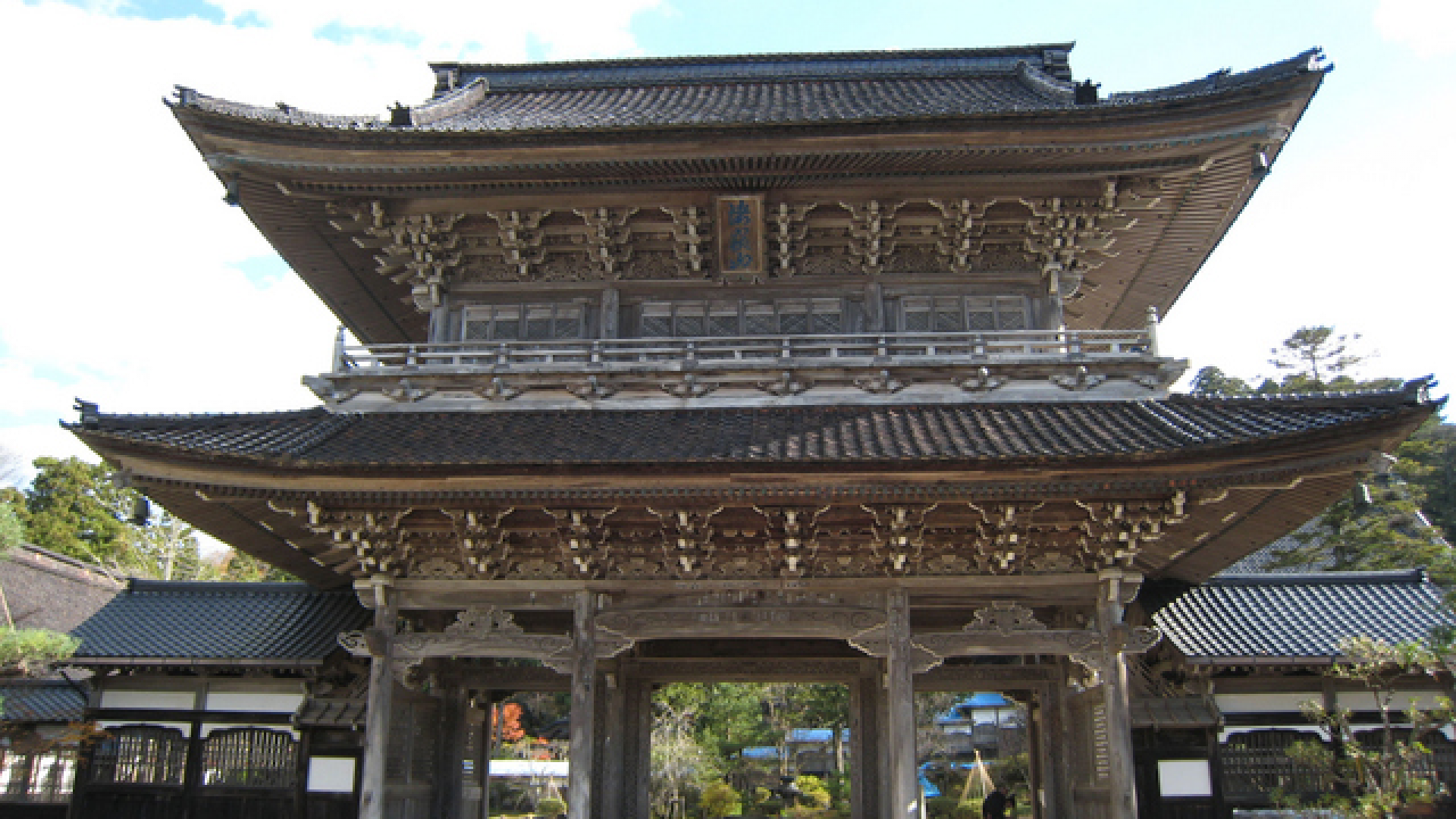
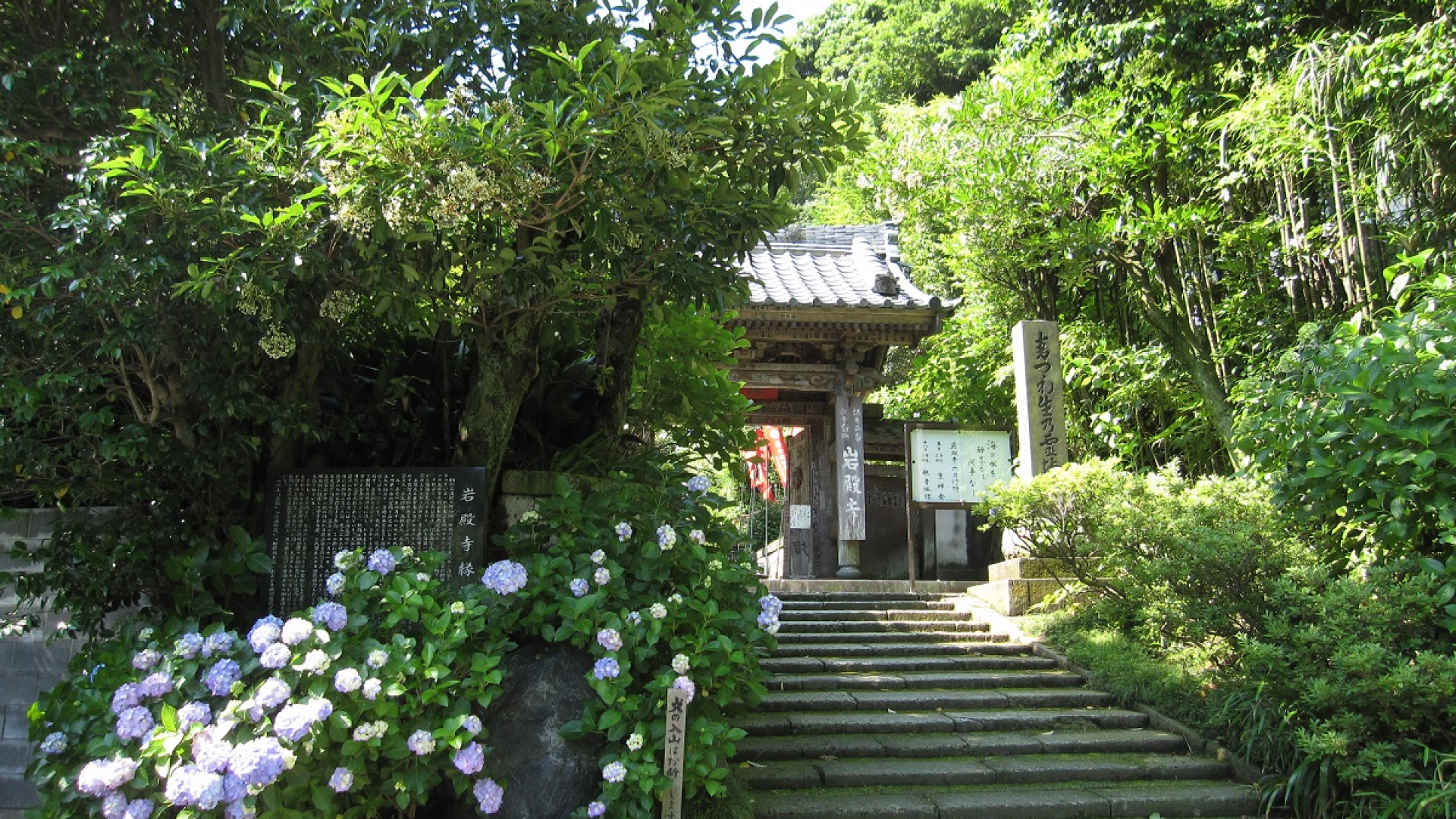
Legend has it that this old temple was founded by two Buddhist priests, Tokudo and Gyoki. It's also the 2nd temple of "The Bando 33 Kannon Pilgrimage". When you pass the temple gate, there is a stone tablet inscribed with the writings of Izumi Kyoka; on the left side of the main hall, the principal image of the eleven-faced Kannon is enshrined. If you climb the 130 stone steps from there, you'll find the old Kannon hall on a hill, from which you can enjoy a magnificent view of the entire area.

Temples & Shrines Tokaido Koshu kaido KANAGAWA
Anrakuji, Shakyo (sutra copying) experience

Anrakuji, Shakyo (sutra copying) experience

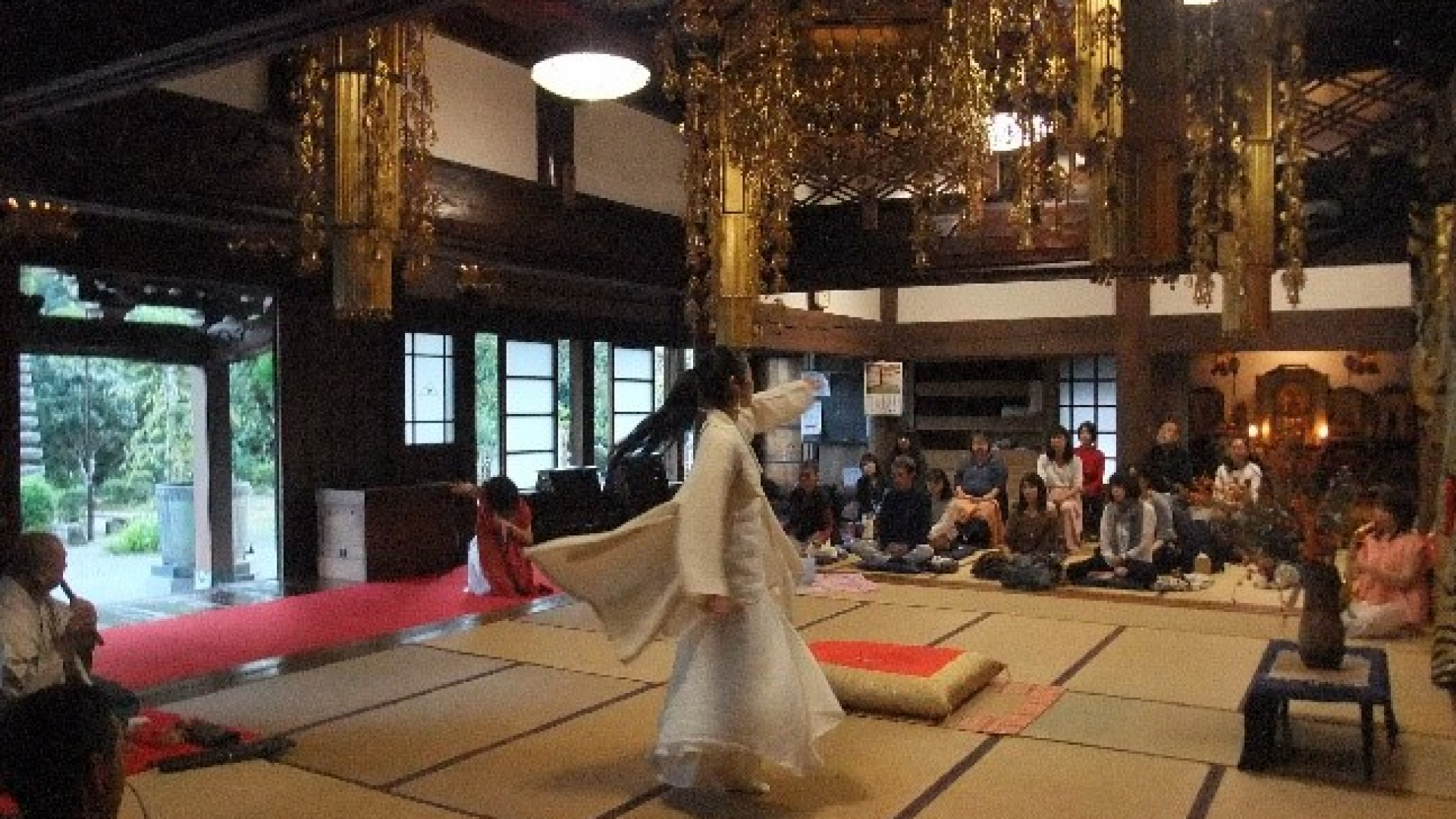
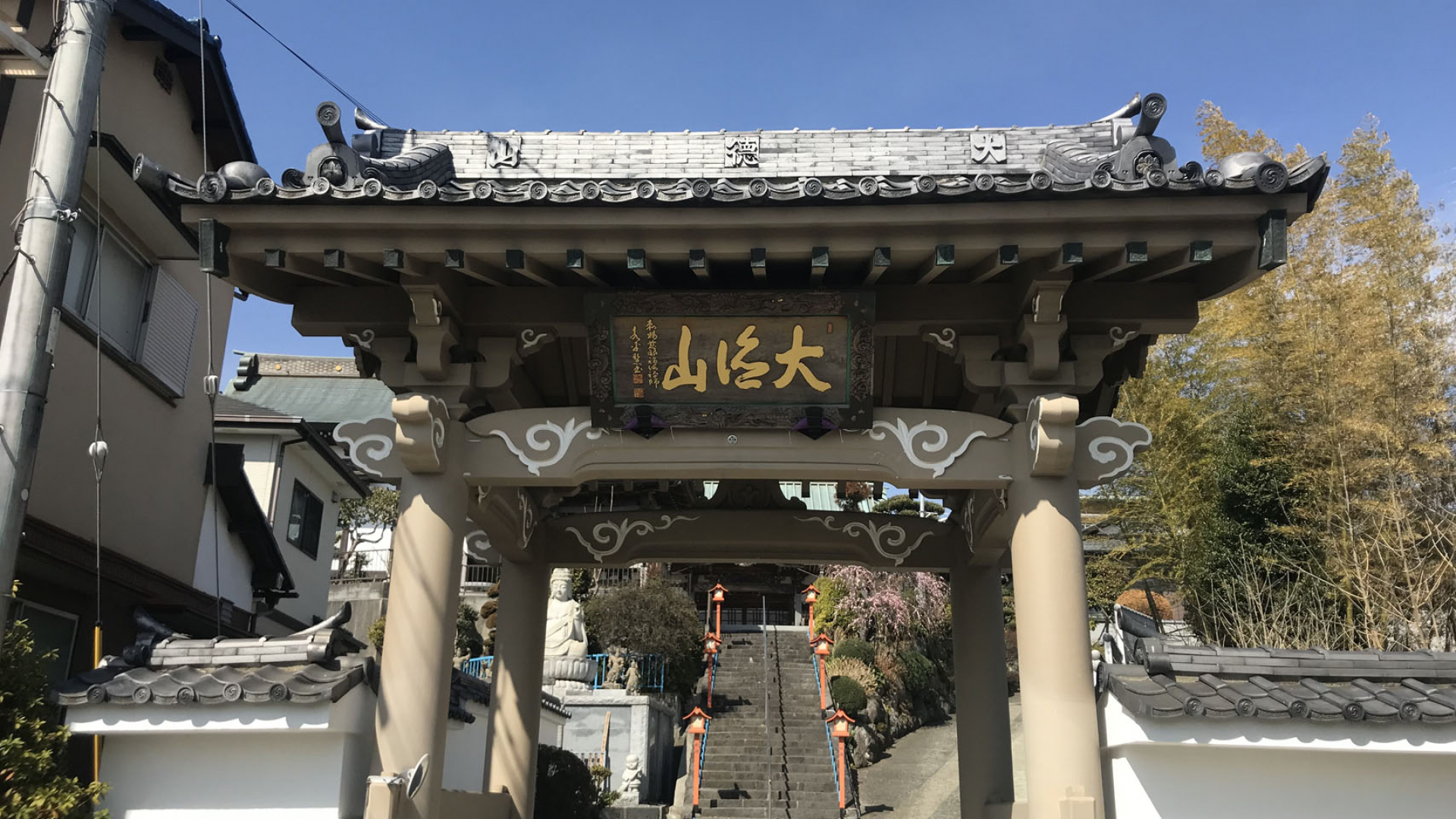
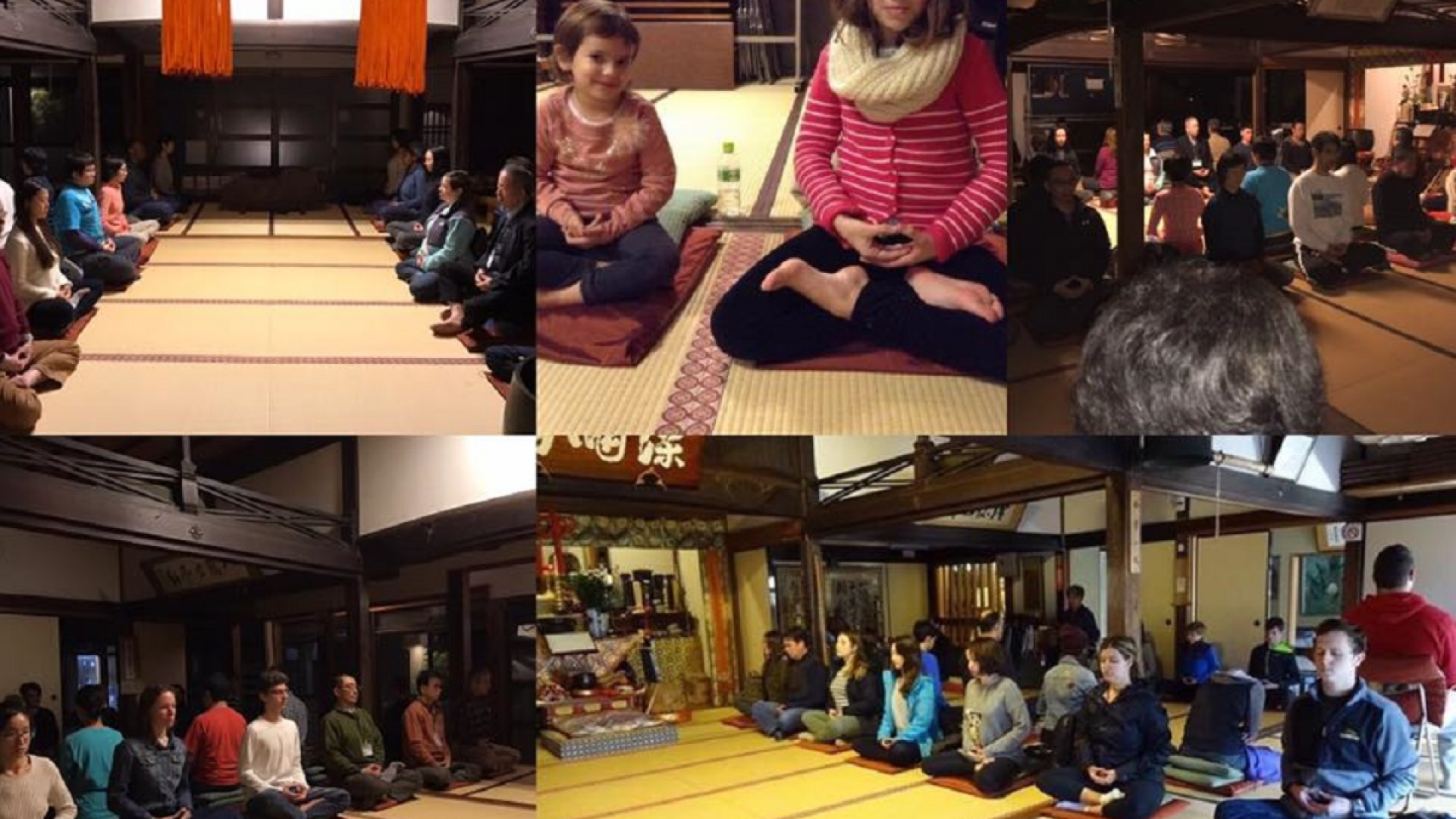
Come experience sutra copying at Anrakuji Temple (2-6-1 Okada, Samukawa-cho) on the second Sunday of every month (From 15:00, closed May and August). We have several chairs available, so those who are not comfortable sitting on the floor are more than welcome to join in. Our temple is said to have been built during the Yoro period (710-794), and our main statue of Dainichi Nyorai is a Buddhist image dating back to the Heian period (794-1192). On the hill behind the main hall remains "Ojinzuka," a late 4th-century round backward-facing burial mound, of which you can climb to the top to view Mt. Fuji and be enveloped by the power of ancient prayer.

Temples & Shrines Tokaido Koshu kaido KANAGAWA